Smartwatches
Samsung Galaxy Watch Ultra Review: A Wear OS Watch That Handles Long Hikes
A practical look at the Galaxy Watch Ultra as a hiking watch, covering positioning accuracy, offline navigation apps, battery life, and hardware.
Introduction
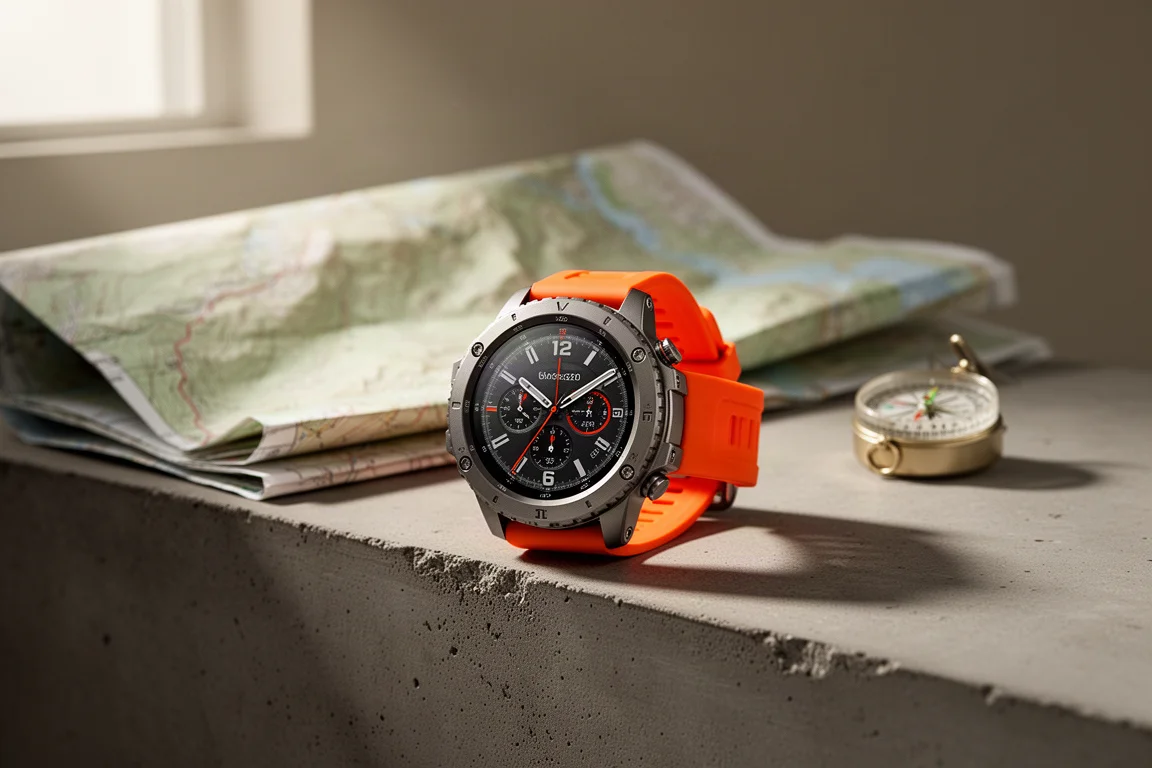
The Samsung Galaxy Watch Ultra is the company’s flagship wearable, aimed at people who want a connected smartwatch that can also be trusted on long days outdoors. The orange band is the most visible signal that this is the Ultra model, but the more useful question is how it behaves on a trail. After several months of hiking use, the answer is encouraging: this is a genuinely capable hiking companion with a few specific limits worth understanding before you buy.
This review covers positioning accuracy, offline navigation options, battery life, and the hardware details that matter once you are out on a route.
Who This Watch Is For
This watch fits a particular kind of buyer. If you already use an Android phone and want a Wear OS watch with Samsung Health, connected features, and enough endurance for long day hikes, the Galaxy Watch Ultra is the strongest option in that combination.
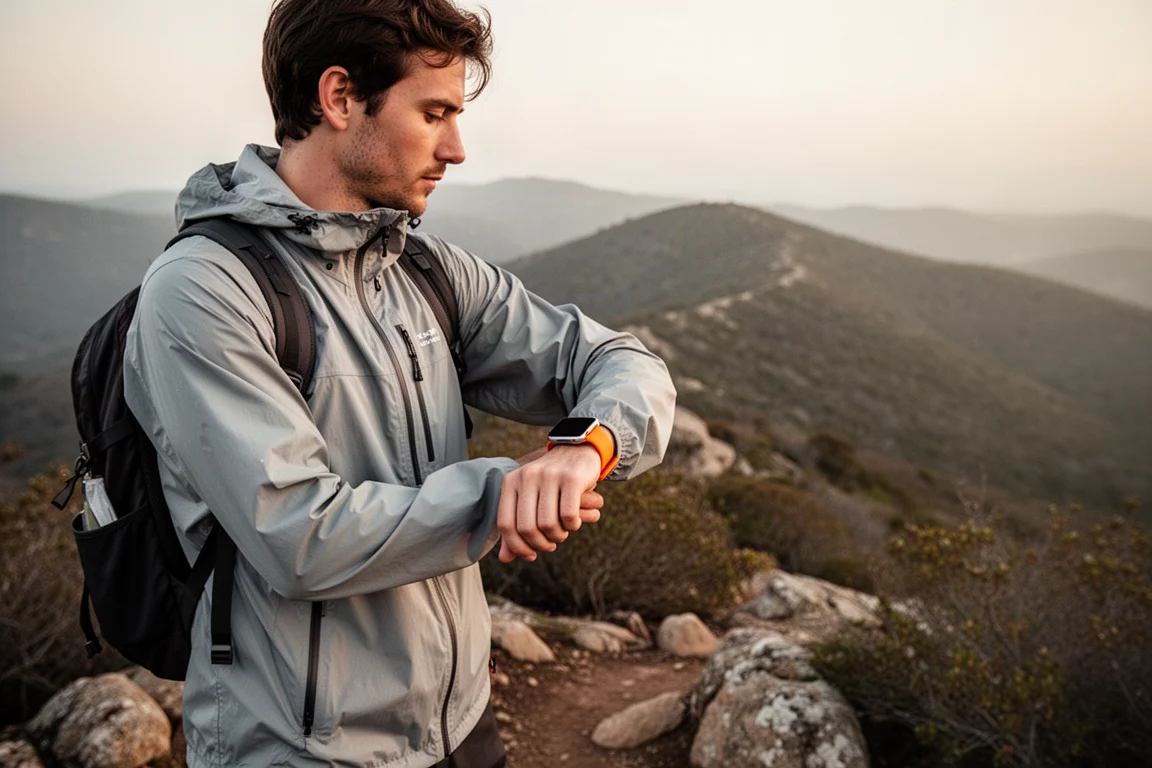
It also makes sense for hikers who prefer one device that handles notifications, health tracking, and trail navigation instead of carrying a second, sport-specific watch. If your priority is multi-day backcountry travel or the most mature outdoor toolset, a dedicated sports watch from Garmin, Coros, or Polar will still serve you better, though those devices give up the connected Wear OS experience.
Positioning and Altitude Accuracy
Positioning is multi-GNSS and multi-band, which places the watch in the same capability class as the Apple Watch Ultra and comparable Garmin models. In open terrain the results hold up well, and track lengths at the end of a hike generally landed in the same ballpark as other watches, occasionally matching exactly.
Difficult environments expose the difference. On tight switchbacks, the recorded track drifted and only came back together once the sky opened up above the tree line. In a narrow slot canyon, the watch effectively stopped recording position until the route climbed back out, while the Apple Watch and the Garmin Fenix held on better. That is a demanding environment where plenty of GPS devices struggle, so it is worth weighing mainly if you hike technical canyons regularly. Antenna design and platform tuning are the likely factors at play.
Altitude readings are inconsistent in the same way as other wrist-based watches. Measurements were sometimes within a few feet of reality and sometimes off by a few hundred feet. Unlike Garmin watches, there is no way to calibrate the altimeter or adjust the positioning settings to trade accuracy against battery life.
Navigating with Samsung Health and Other Apps
Wear OS has fewer polished outdoor apps than iOS, and some well-known options do not work offline with the map alone, requiring a phone alongside the watch. The bundled Samsung Health app turned out to be the most reliable navigation tool here. Routes can be prepared on an Android phone, and no Samsung phone is required. A GPX file can be imported to map out a route, and opening the watch app then syncs both the route and offline maps automatically, with no manual steps.

The maps themselves are basic: no contour lines, few trail names, and limited detail. They are still enough to tell whether you are on the route or drifting off it. Turn prompts appear on screen with optional voice guidance that can be switched off, and off-course alerts fire when you leave the line. Data fields can be customized, though the available screen set is far smaller than what Garmin offers. After a hike, the activity syncs back to the phone and can be exported as a GPX file for use elsewhere.
Google Maps offers downloadable offline maps on Wear OS, and the maps look good with smooth zooming in and out. Offline walking directions did not work in practice, so navigation relies on following the blue dot on the downloaded map rather than turn-by-turn routing. Outdooractive requires a paid tier, provides solid maps and route downloads, and accepts GPX imports, but transfers to the watch were occasionally finicky and the map redrew with the occasional missing tile. Across all of these, Samsung Health was the smoothest experience.
Battery Life on the Trail
General wear time ran about two to three days. On the trail, results varied with how the watch was used: navigation with the map open drains noticeably more than hiking without it, and activity time landed between roughly 10 and 14 hours. Low power mode can stretch that further when a long day demands it.
For most day hikes that is enough, including something as long as a Grand Canyon rim-to-rim crossing at around 14 hours. Extreme multi-day outings are the point where a dedicated outdoor watch’s longer endurance becomes decisive.
Build, Screen, and Everyday Wear
The hardware held up well. There were no reboots or glitches, the processor stayed quick, and the 3,000-nit display remained readable in every condition tested. The buttons resisted accidental presses, helped by the guard around them, and the middle action button can be customized for things like the flashlight, with a long press triggering a siren. The flashlight is not in the same league as the dedicated LED on newer Garmin models, but it is useful in a pinch.
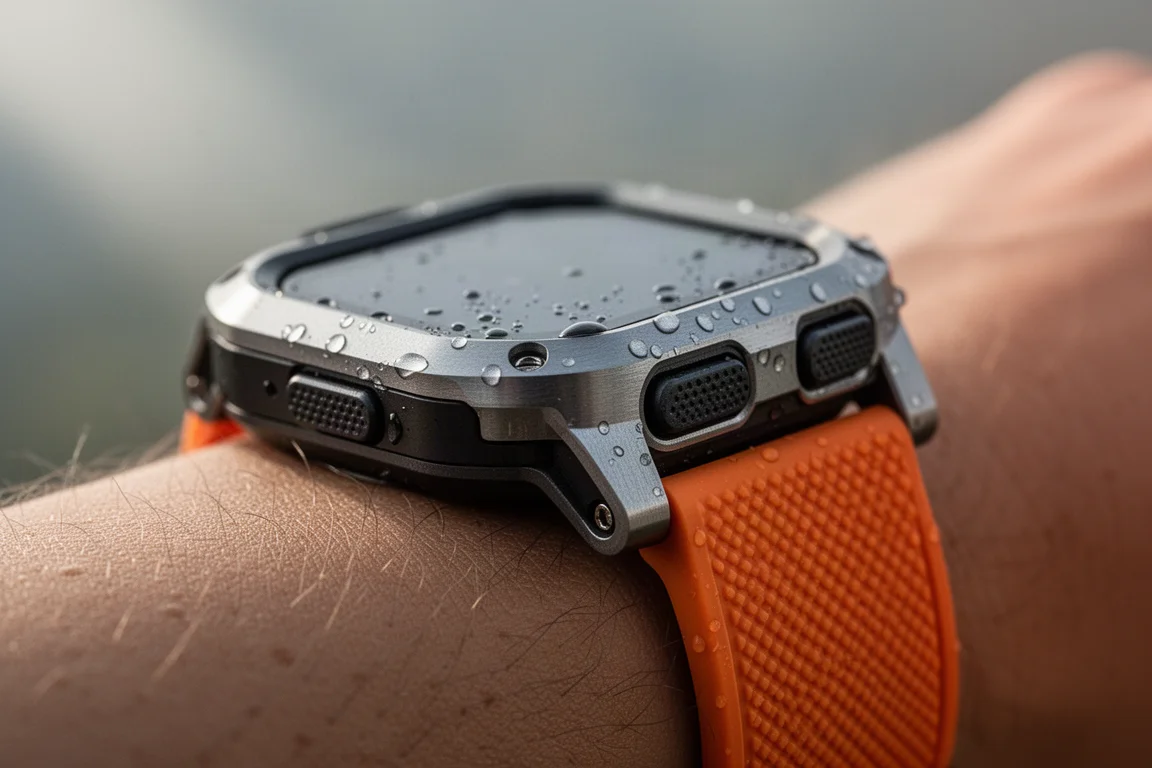
Heart rate tracked within a beat or two of the Apple Watch Ultra 2 and the Garmin Epix Pro. The rotating bezel works alongside the touchscreen for scrolling, although it is easy to pull down the top tray by accident when tired. The stock band felt stiff and took some effort to adjust, since the pins have to be popped out to reposition it, and a low-cost third-party band proved more comfortable for daily wear.
Things to Consider Before Buying
Weigh these points against how you actually hike:
- Positioning can drop out in slot canyons and drift on tight switchbacks.
- There is no altimeter calibration and no way to adjust positioning settings.
- Offline navigation options are limited, and the best experience comes from Samsung Health with an imported GPX route.
- Maps lack contour lines and detailed trail labeling.
- Battery comfortably covers long day hikes but not multi-day trips.
- The included band may need replacing for comfort.
None of these are dealbreakers for typical day hiking. They matter most if you routinely hike technical canyons or plan overnight routes where dedicated outdoor hardware has the edge.
Buying Advice
Choose the Galaxy Watch Ultra if you want a Wear OS watch with Samsung Health that can also handle long hikes. It is the best fit in that category, pairing connected features with real trail capability.

If you only need a watch for hiking and you use an Android phone, a dedicated sports watch from Garmin, Coros, or Polar remains the more capable outdoor tool, with longer battery life and more complete offline navigation and routing. What you give up is the connected Wear OS feature set. Match the device to the trips you take most often, and either path will serve you well.
Conclusion
The Galaxy Watch Ultra is a solid, fast, and readable watch that navigates well through the Samsung Health app and lasts long enough for serious day hikes. Its positioning has real limits in difficult terrain, and its outdoor app ecosystem is still catching up to the competition. For a Wear OS hiker, it is the best available choice. For a pure hiking tool, dedicated sports watches remain ahead.
Product link
View more details for Samsung Galaxy Watch Ultra
This product is mentioned in the review. Check the specifications, options, and compatibility before buying.
View more details for Samsung Galaxy Watch UltraFurther reading
Related Reviews
Smartwatches
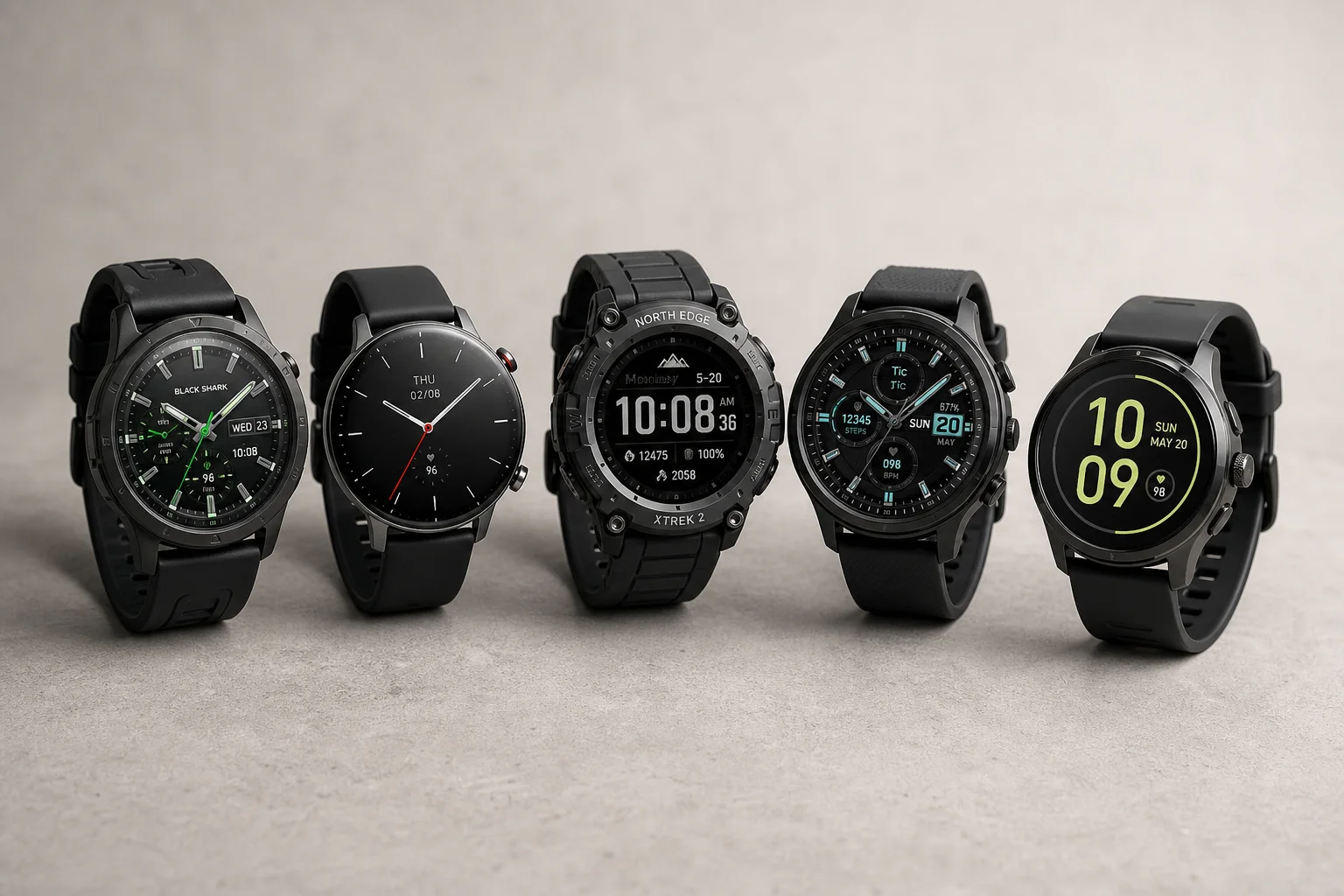
Best Budget Smartwatches 2026: Five Affordable Options That Actually Work
Five budget smartwatches tested for real daily use. From entry-level options to premium features at fraction of the cost, here's what actually delivers.
Smartwatches
Best Smartwatches on AliExpress 2026: Five Practical Options for Different Needs
Five smartwatches with strong customer feedback and competitive pricing, each suited to different priorities: premium design, battery life, outdoor durability, advanced health tracking, and sports versatility.
Smartwatches
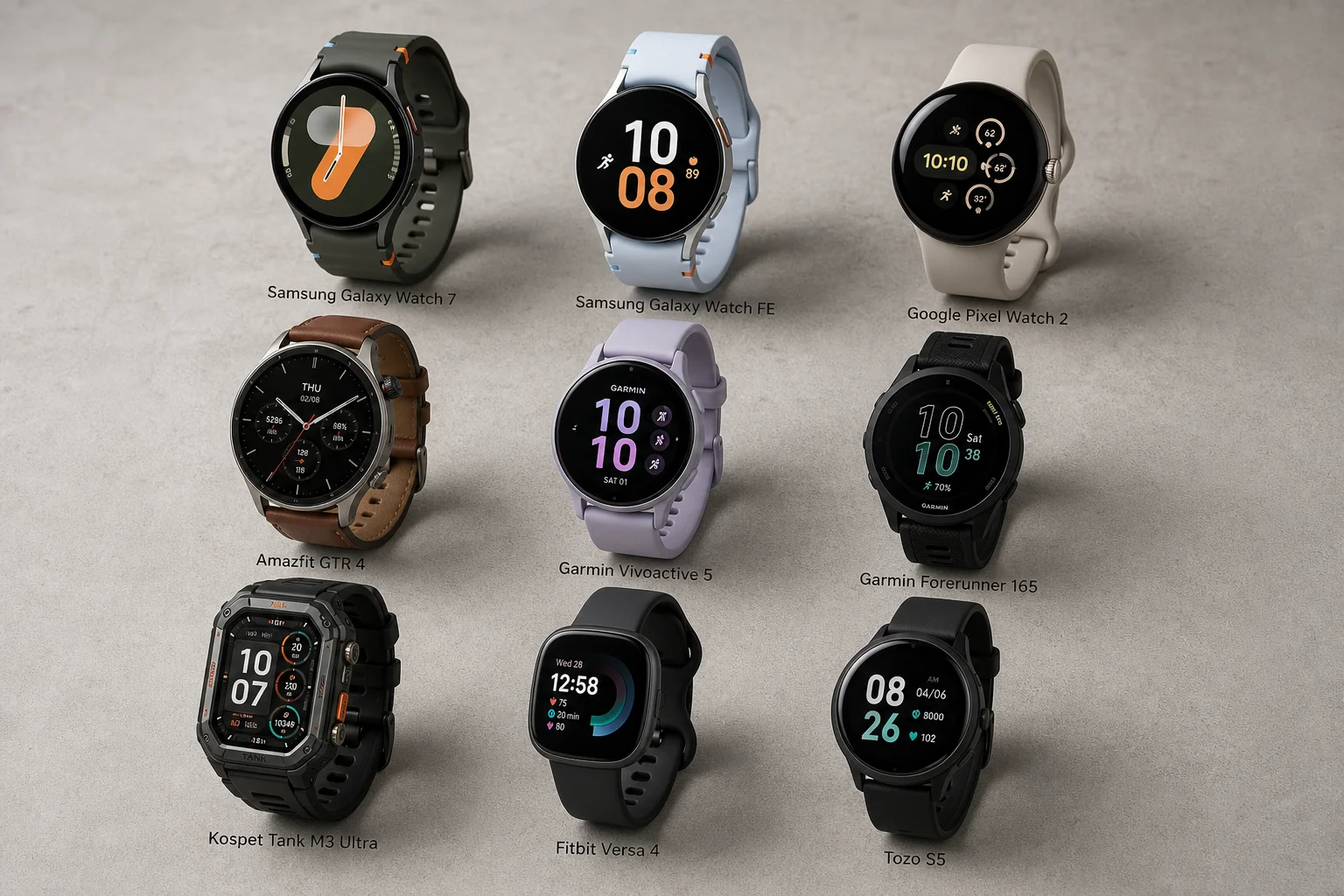
Best Smartwatches Under $300: 9 Practical Options for Every Need
A curated selection of nine smartwatches under $300, each excelling in health tracking, durability, battery life, or fitness features. Find the right match for your lifestyle.