Smartwatches
Samsung Galaxy Watch Ultra: Hands-On With the Cycling FTP Prediction Feature
Samsung's Galaxy Watch Ultra promises a cycling FTP estimate in just four minutes. We tested the claim repeatedly and found a mix of impressively accurate numbers and frustrating practical problems.

Introduction
When Samsung announced the Galaxy Watch Ultra alongside the Watch 7, it spent a surprising chunk of its keynote on a single cycling feature: FTP prediction. The promise was bold, an estimate of your functional threshold power within four minutes of riding hard. FTP, roughly speaking, is the maximum power you can sustain on a bike for about an hour, and it is one of the most commonly tracked numbers in cycling training.
Normally, getting an FTP figure requires one of a few established approaches: a full-hour all-out effort (impractical on open roads), shorter 8- or 20-minute tests scaled with a percentage, a ramp test on a smart trainer, or automatic estimation from your normal day-to-day rides using heart rate and intensity data. Modern algorithms from most cycling platforms do a decent job of landing in the right ballpark with that last approach. So the question is whether Samsung can join that club from a smartwatch.
We bought a Galaxy Watch Ultra and put the FTP prediction to the test over multiple days and multiple hard rides. The results were a strange mixture: surprisingly accurate numbers delivered through a genuinely painful user experience.
Who This Product Is For
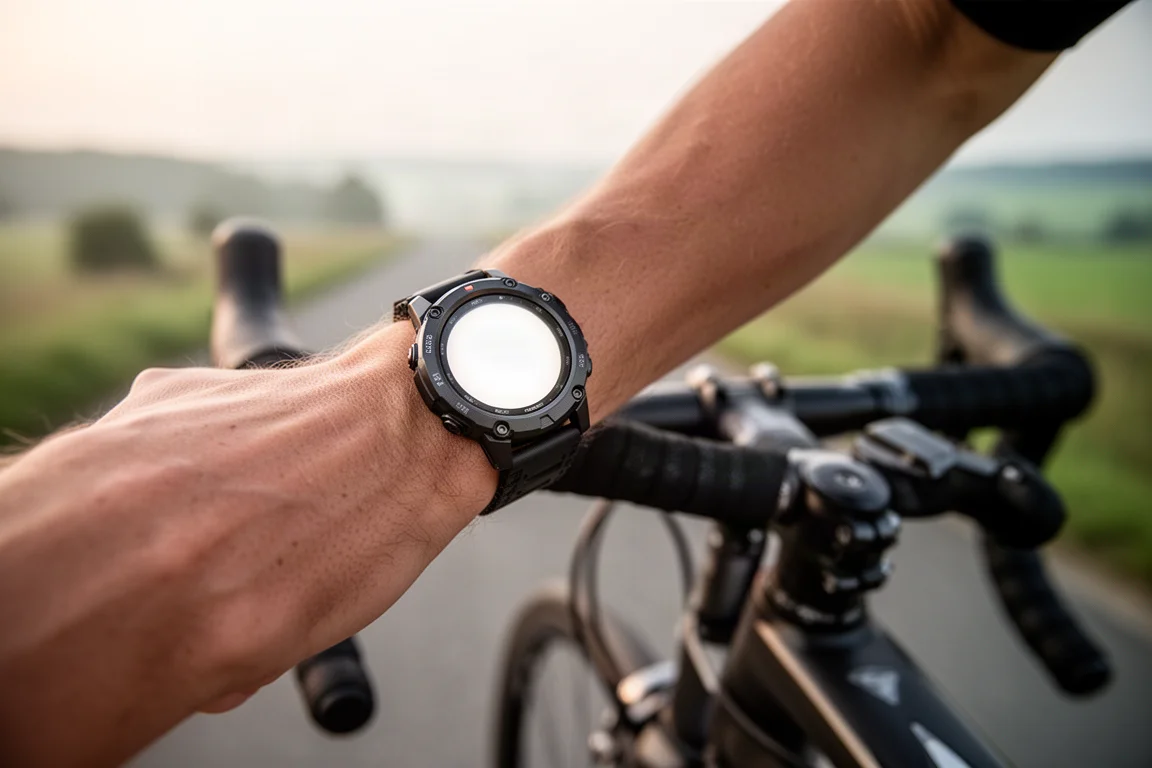
The Galaxy Watch Ultra is aimed at people who want a rugged, feature-packed smartwatch that covers daily health tracking and serious sport in one device. For cyclists specifically, the FTP prediction feature is pitched as a shortcut: skip the lab, skip the hour-long suffering, and get a usable threshold number from a short hard effort paired with a power meter.
It suits riders who already own a power meter and a Samsung phone, and who are curious about training metrics without committing to a dedicated cycling computer ecosystem. It is less suited to data-focused cyclists who rely on clean power files syncing to platforms like Strava, for reasons that become clear below.
Main Strengths
The headline surprise is that the FTP estimate itself was impressively accurate. On a first attempt, a roughly four-and-a-half-minute all-out effort produced an FTP of 272 watts. For context, established platforms typically placed our tester’s FTP between 290 and 310 watts, but that test came at the end of a day that already included a two-plus-hour ride, a hard 30-minute interval run, and a 15-minute power meter test. Realistically, fresh legs were not available, and 272 was a reasonable figure for the moment.
A second test the next morning, after sleeping with the watch and another all-out effort, bumped the estimate to around 279 to 280 watts, again matching what a fatigued week would plausibly produce. Samsung also states that a medium-to-hard ride, not just an all-out effort, can produce the same numbers, which lowers the barrier compared with traditional testing.
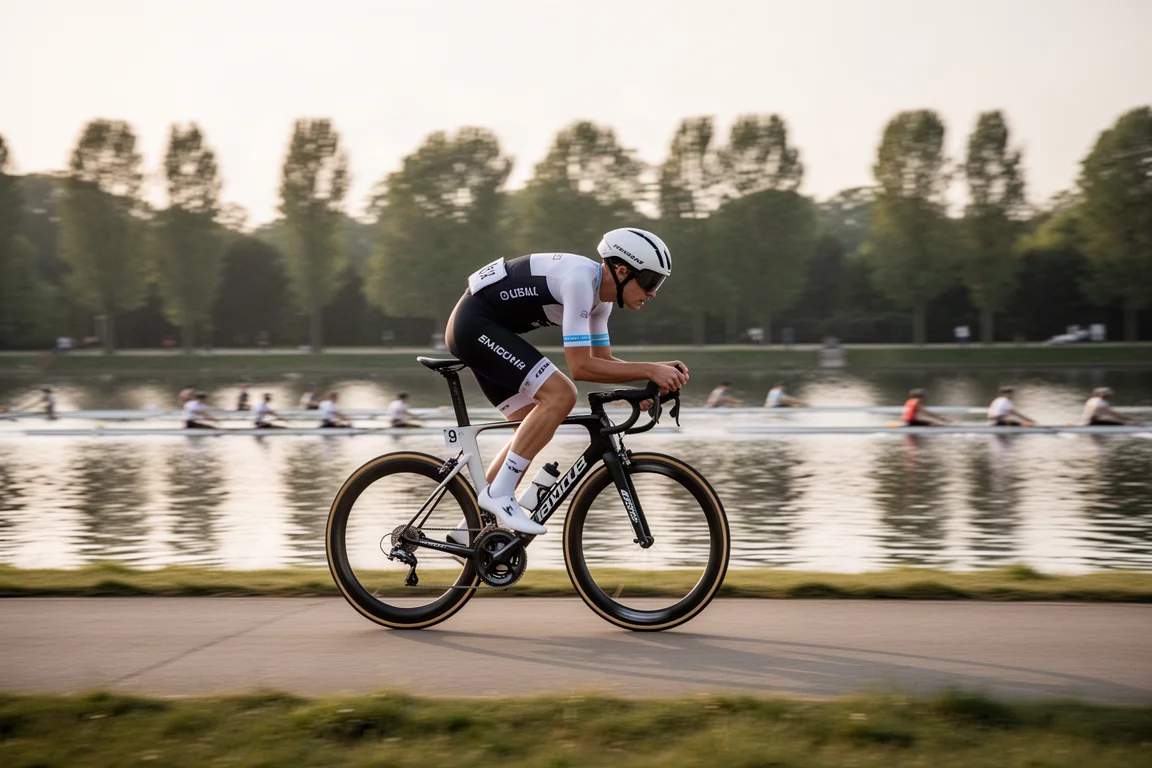
The accuracy is the part that deserves genuine credit. For a four-minute throwaway effort, complete with dodging geese and pedestrians on the test straightaway, landing that close to the ballpark is notable. If Samsung can smooth out the surrounding experience, this could become a genuinely useful feature for riders who want a threshold number without structured testing.
Things to Consider Before Buying
Here is where things get messy. Setting up the test is far harder than it should be. Pairing a power meter through the Samsung Health app proved unreliable across multiple days, with repeated failures to find a sensor that every bike computer in the household connected to without issue. Oddly, scanning for a power meter also appears to require cellular coverage, so being out of range blocks setup entirely.
The test itself is app-driven rather than watch-driven, and the two do not play nicely: pressing start or stop on the watch can interrupt the phone app and vice versa. On one 40-minute medium-to-hard test ride, the power meter dropped, the watch and phone lost contact with each other, GPS state became unclear, and the power data was ultimately lost entirely, even though heart rate data eventually made it into the file.
There are also quirks around the fine print. Samsung’s slide notes mention needing an overnight sleep with the watch beforehand and reference the Samsung Health energy score somehow improving the estimate, though the first test worked without any prior sleep tracking. It is not clearly documented how much of this matters.
The biggest dealbreaker for many cyclists: Samsung does not save the power data in a usable file. Power does not sync to Strava at all, and the recorded efforts carry zero power data across to other platforms. For a feature built around cycling power, discarding the data undermines much of its value, even when the headline number is correct.
Buying Advice
If you want the Galaxy Watch Ultra as an all-around rugged smartwatch with an unusual bonus cycling metric, the FTP prediction can deliver a credible ballpark figure, as our repeated tests showed. Treat it as a checkpoint number rather than a replacement for proper testing or established cycling platforms.
If your priority is clean, complete ride data, especially power files that sync to Strava or training analysis tools, this is not the device for that job today. The setup friction, dropped connections, and missing power data make the journey to the accurate number genuinely painful. Cyclists who care about their data will likely be better served by a dedicated cycling computer paired with whichever smartwatch they prefer for daily wear.
Conclusion
The Galaxy Watch Ultra’s cycling FTP prediction is a case of the right answer wrapped in the wrong experience. The estimates we produced, 272 and 279 watts on consecutive days, were credibly close to reality given fatigue and testing conditions. But between unreliable power meter pairing, app and watch conflicts, lost power data, and no power sync to Strava, getting to that number is a frustrating ordeal. Samsung has the algorithmic foundation for something genuinely useful; the surrounding implementation needs serious work before it earns a place in a serious cyclist’s kit.
Product link
View more details for Samsung Galaxy Watch Ultra
This product is mentioned in the review. Check the specifications, options, and compatibility before buying.
View more details for Samsung Galaxy Watch UltraFurther reading
Related Reviews
Smartwatches
Best Budget Smartwatches 2026: Five Affordable Options That Actually Work
Five budget smartwatches tested for real daily use. From entry-level options to premium features at fraction of the cost, here's what actually delivers.
Smartwatches
Best Smartwatches on AliExpress 2026: Five Practical Options for Different Needs
Five smartwatches with strong customer feedback and competitive pricing, each suited to different priorities: premium design, battery life, outdoor durability, advanced health tracking, and sports versatility.
Smartwatches
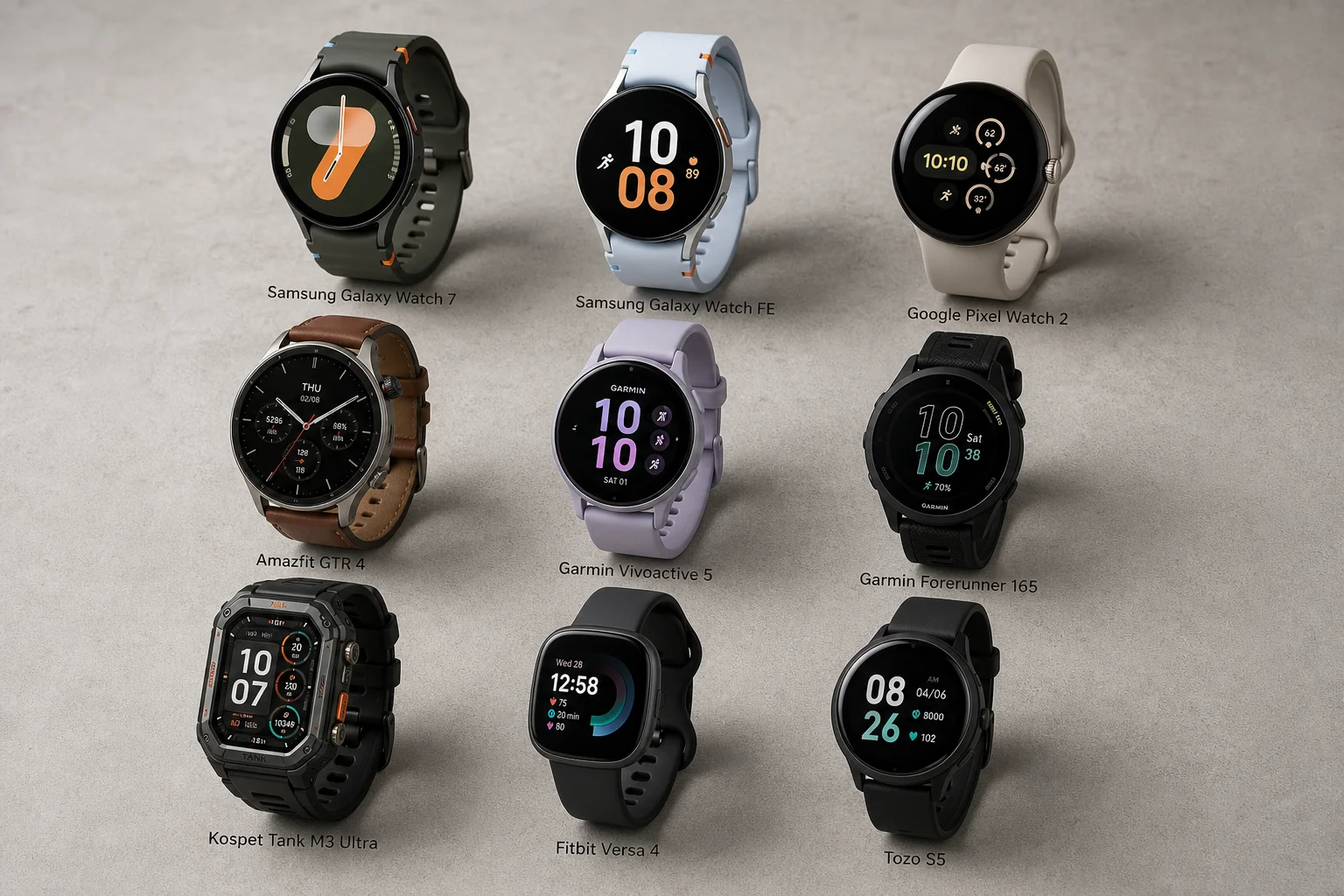
Best Smartwatches Under $300: 9 Practical Options for Every Need
A curated selection of nine smartwatches under $300, each excelling in health tracking, durability, battery life, or fitness features. Find the right match for your lifestyle.