Smartwatches
Samsung Galaxy Watch 7 Review: A Capable Everyday Watch That Stumbles on GPS
Nearly three weeks of running, cycling, and swimming testing reveal where the Galaxy Watch 7 shines and where it genuinely falls short.
Introduction
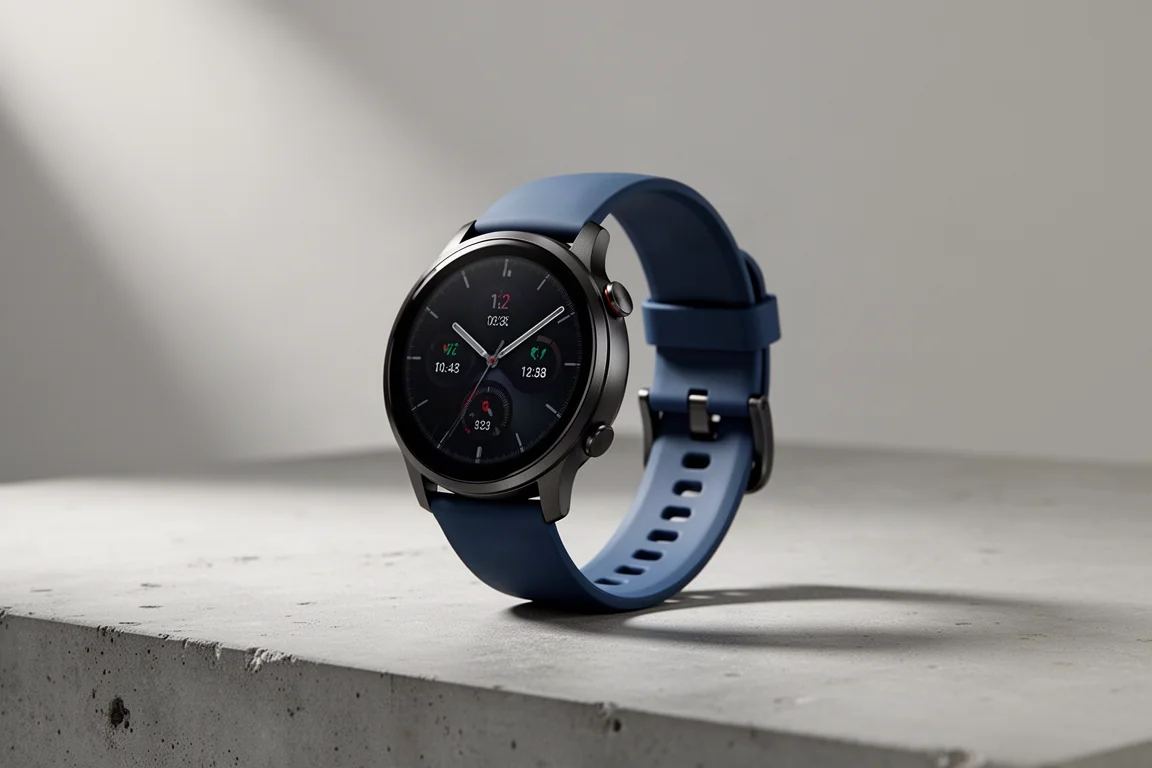
The Samsung Galaxy Watch 7 sits effectively at half the price of the higher-end Galaxy Watch Ultra, and the obvious question is whether you are giving up accuracy and reliability in equal proportion. After nearly three weeks of side-by-side testing across cycling, running, swimming, and everything from mountain trails to flat lowland routes, the answer is more surprising than you might expect. In some areas it performs well beyond its price, and in one important area it struggles badly.
Battery Life and Everyday Tracking
Samsung claims up to 30 hours with the always-on display enabled, and in real testing the watch comfortably beats that figure. With always-on display active and without LTE, expect 36 to 48 hours in many cases, which is genuinely impressive for this class of device.
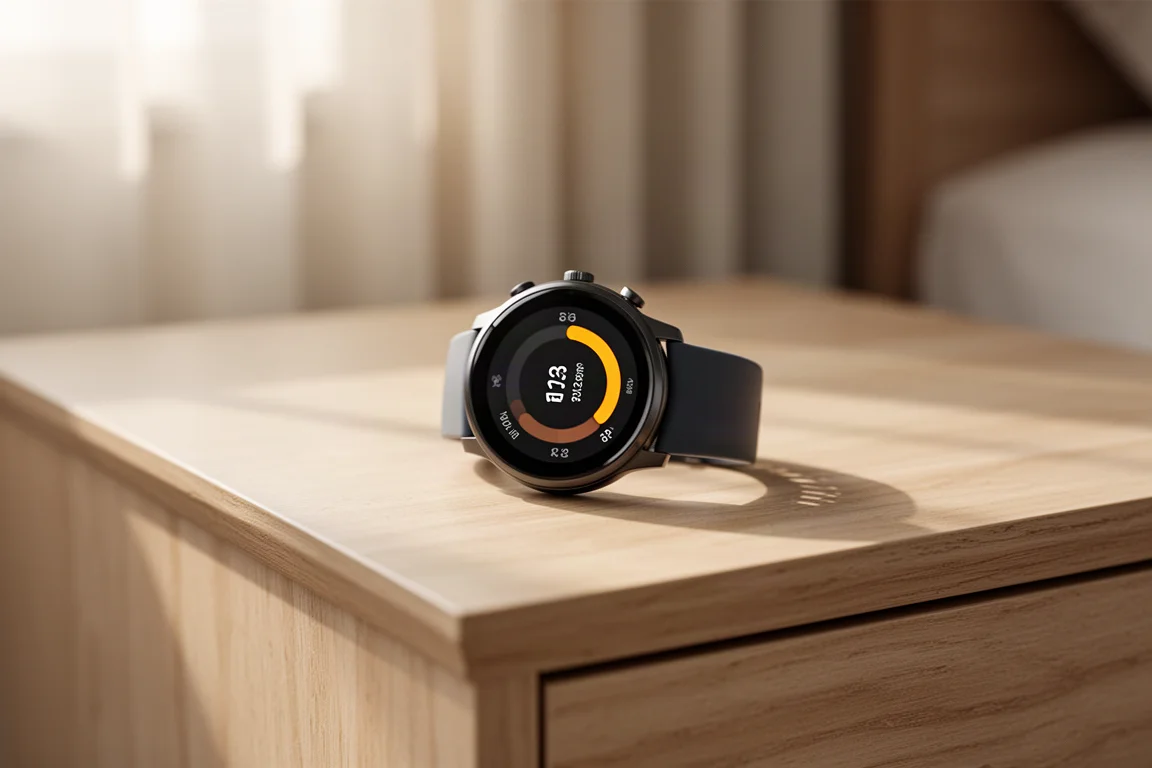
There is one caveat worth knowing. On a handful of occasions after finishing a GPS activity, the battery kept draining rapidly, seemingly because the GPS never shut off. Placing the watch on a charger for even a few minutes makes the burn stop, and the issue persisted even after Samsung issued a firmware update during the testing period.
For workouts, an 8-hour 40-minute ride in always-on configuration consumed 64% of the battery, roughly 8.6% per hour, which works out to about 11 hours of GPS time. A steady run the following day drained closer to 11% per hour. Overall, expect somewhere between 8 and 11 hours of GPS tracking in a normal configuration.
On the daily side, the new Energy Score feature plots your starting energy for the day based on sleep consistency, previous activity, sleeping heart rate, and more. The results are mixed: scores mostly hover in the 70s, occasionally dipping sensibly after a huge ride or a red-eye flight, but sometimes for the wrong reasons, such as rewarding low previous-day activity. Notably, despite Samsung stating this feature requires a Samsung phone, the watch paired to a Pixel phone with no problems at all. Sleep tracking sits comfortably in the mix compared with other wearables, though sleep stage accuracy should be treated loosely across the industry.
Workout Features and Connectivity
The sport menu covers the core activities, with structured interval workouts supporting work and recovery intervals you can repeat. Workout screens support up to seven data fields on the 44mm model, matching the Ultra, and the essential fields are all there. It is not as deep or configurable as a Garmin, but as a training watch for the basics it works well.
Two omissions matter. First, there is no route following on the watch; that feature remains exclusive to the Galaxy Watch 5 Pro and Ultra, and route guidance through the Samsung Health app stays on the phone only. Second, and more frustrating, there is no direct sensor pairing to the watch itself. Samsung’s phone-side pairing for power meters and heart rate straps proved unreliable during testing, dropping out after a few minutes across several well-regarded power meters. If you are a cyclist who wants a power meter or external strap, this is a significant limitation.
Data syncing is also limited. Strava is the main supported third-party platform, so getting data into other ecosystems requires third-party apps.
Heart Rate Accuracy: Good on Runs, Weak on the Bike
The Galaxy Watch 7 ships with a new optical heart rate sensor, and on runs the results are generally solid. Hard interval sessions occasionally wobbled at the tops of intervals and during cool-downs, earning roughly a middling grade, but several interval runs and one highly variable run were tracked nearly flawlessly. That said, a steady 75-minute run showed plus-or-minus five beats per minute swings it should not have had.
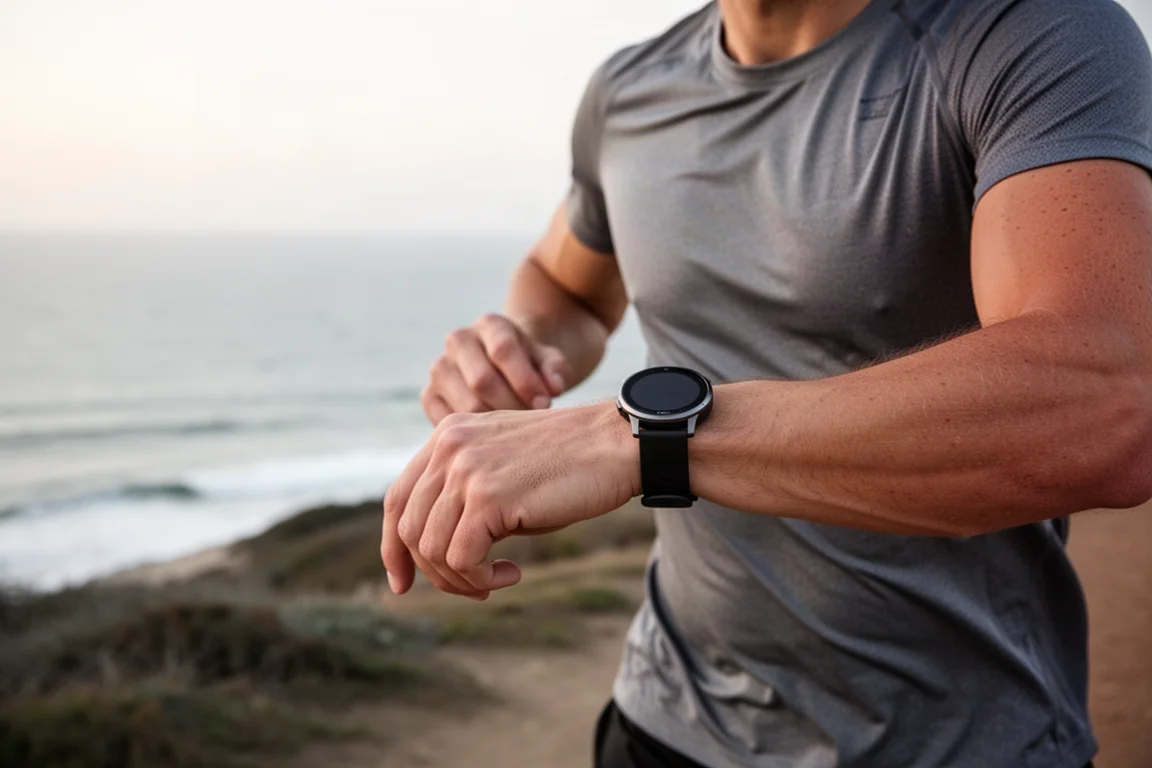
Cycling is where the sensor struggles. On a sustained two-and-a-half-hour climb, an activity optical sensors should handle easily, both the Watch 7 and the Ultra tracked erratically compared with reference data. Switching wrists produced the same result. Garmin and Apple tend to do better on the bike, though even they are not immune to this issue.
GPS Accuracy: The Watch’s Biggest Weakness
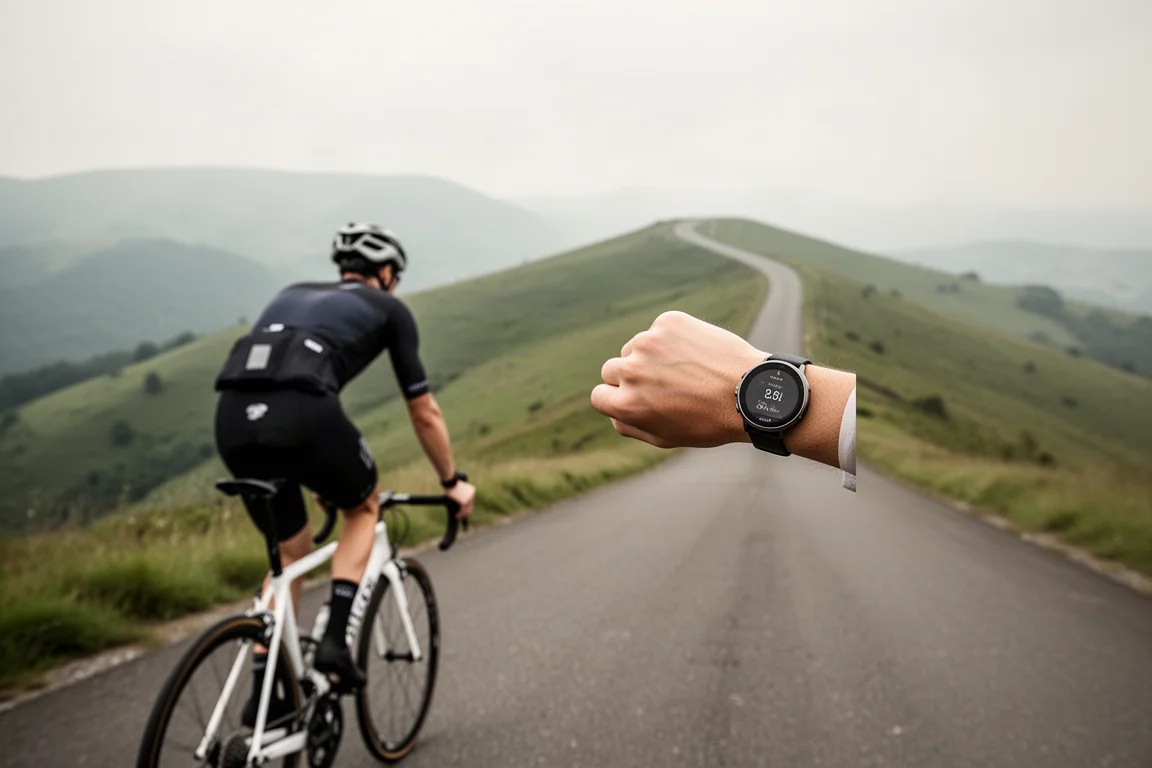
Samsung added multiband dual-frequency GPS here, one of the few watches at this price point to offer it. On paper that should improve accuracy. In practice, the opposite happened.
On a wide-open coastal run in southern France, the easiest GPS scenario imaginable, the track wandered all over the beach while the Ultra stayed spot-on. A forest run in Amsterdam repeatedly drifted into a canal for no good reason. A run on an open, treeless mound was wrong in every way possible, and the straight, tree-lined road test with the latest firmware still drifted badly.
Open water swimming was worse. The watch completely missed the first third of the swim and only briefly reacquired the signal. The likely culprit is antenna design; the GPS chipset appears identical to the Ultra’s, and that hardware is widely used across the endurance sports industry. When antenna design is wrong, firmware updates almost never rescue it, and historically Samsung’s post-launch fixes in this area have not materialized.

Who Should Buy the Galaxy Watch 7
The value equation depends heavily on what you pay. If you got the watch bundled free with a phone or at a modest trade-in price, it remains a good deal despite the GPS problems. Inaccurate GPS adds distance to workouts, which can make you think you are faster than you actually are, with real implications for training and racing.
For casual users who do not care deeply about tracking precision, the package is attractive: solid daily and sleep tracking, decent running heart rate, generous storage, full Wear OS app compatibility, and battery life that beats the official spec. For serious athletes, there are simply too many compromises, particularly if you cycle, use external sensors, or rely on accurate GPS pace.
Conclusion
The Galaxy Watch 7 is a tale of two watches. As an everyday Wear OS smartwatch for general fitness, sleep, and casual runs, it delivers strong value, especially at a discounted or bundled price. As a serious sports watch, the GPS accuracy issues and lack of direct sensor pairing hold it back. Buy it for the lifestyle, not for the data.
Product link
View more details for Samsung Galaxy Watch 7
This product is mentioned in the review. Check the specifications, options, and compatibility before buying.
View more details for Samsung Galaxy Watch 7Further reading
Related Reviews
Smartwatches
Best Budget Smartwatches 2026: Five Affordable Options That Actually Work
Five budget smartwatches tested for real daily use. From entry-level options to premium features at fraction of the cost, here's what actually delivers.
Smartwatches
Best Smartwatches on AliExpress 2026: Five Practical Options for Different Needs
Five smartwatches with strong customer feedback and competitive pricing, each suited to different priorities: premium design, battery life, outdoor durability, advanced health tracking, and sports versatility.
Smartwatches
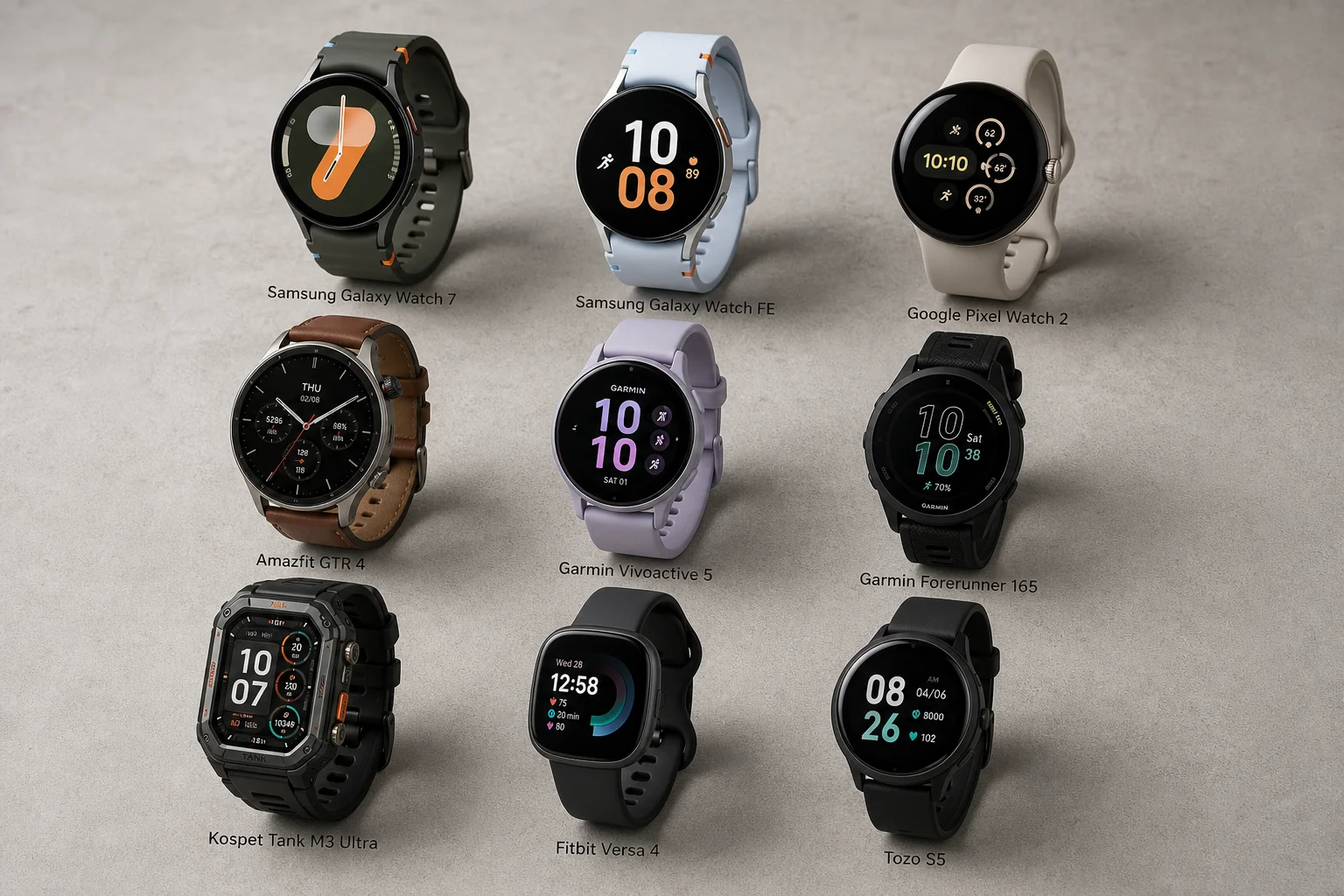
Best Smartwatches Under $300: 9 Practical Options for Every Need
A curated selection of nine smartwatches under $300, each excelling in health tracking, durability, battery life, or fitness features. Find the right match for your lifestyle.