Smartwatches
Samsung Galaxy Watch 5 First Impressions: GPS, Battery, and Heart Rate Put to the Test
Initial testing of the Galaxy Watch 5 shows strong battery life and faster GPS locking, with heart rate accuracy that has clear ups and downs.
Introduction
The Samsung Galaxy Watch 5 promises longer battery life, better heart rate accuracy, increased durability, and more health and fitness features than its predecessor. To see how it holds up out of the gate, we put it through a first 30-minute outdoor run and a 75-minute road bike ride, checking GPS performance, heart rate tracking, and battery drain along the way.
The verdict so far: battery life is genuinely impressive, GPS locking is much faster than previous Samsung watches, and heart rate accuracy is a mixed bag. Here is what the early numbers show.
Who This Product Is For
The Galaxy Watch 5 comes in 40mm and 44mm sizes, each available in Bluetooth-only or Bluetooth plus LTE configurations. It suits Android users, and especially Samsung phone owners, who want a capable everyday smartwatch with solid fitness tracking, body composition measurements, and enough battery to get through a couple of days without constant charging.
It is less compelling for athletes who need flawless heart rate data on every workout, at least based on initial testing.
Design and Display
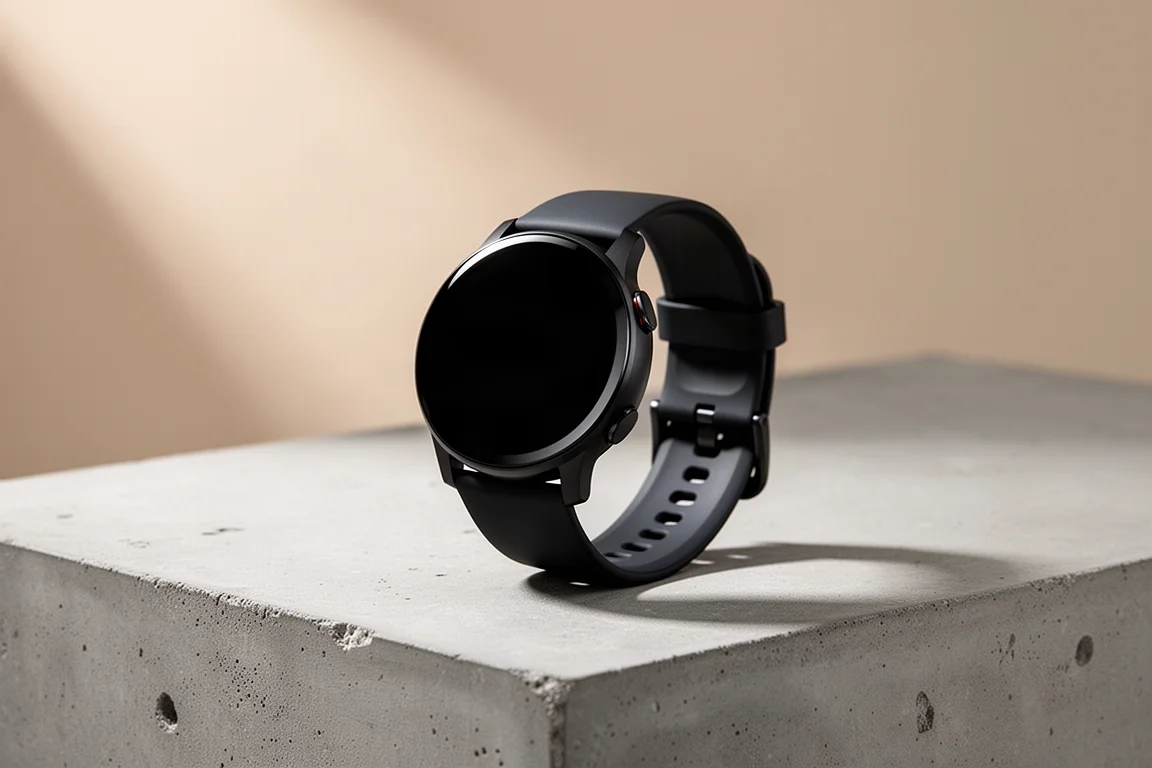
Design-wise, it is hard to tell the Galaxy Watch 5 apart from the previous non-Classic model, and that is a good thing. The simple, elegant design remains one of Samsung’s best, with lugs that blend cleanly into the band. The glass on the outside has also been strengthened to a version of sapphire, which should be considerably more resistant to scratches.
The 450x450 AMOLED display is super vibrant and, as with most Samsung screens, a pleasure to look at. The watch runs its own version of Wear OS and supports both Bixby and Google Assistant. One change this year: there is no physical rotating bezel option, only the touch bezel. Given that the previous physical bezel did not always rotate as smoothly over time, that may not be much of a loss.
Battery Life
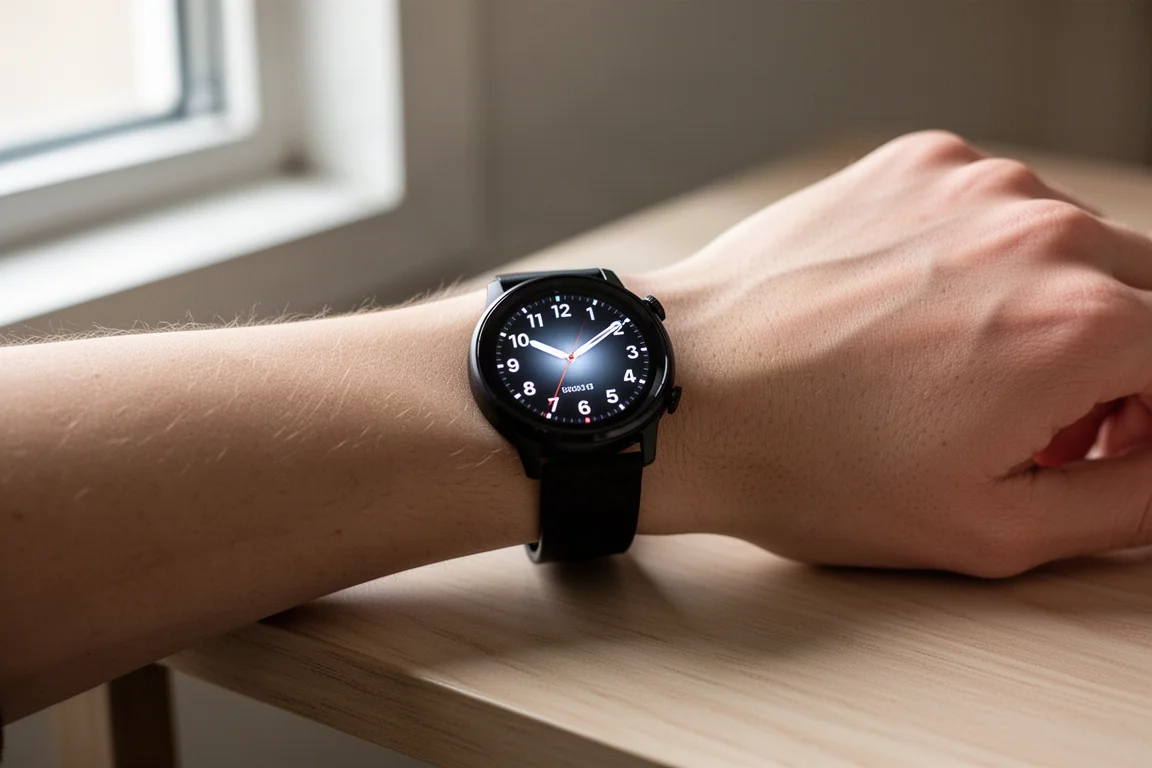
Samsung claims up to 50 hours of battery life for the 44mm version, and early results back that up. After a full charge, a 30-minute outdoor run, a 75-minute outdoor bike ride, and a night of sleep tracking, the watch still had over 50 percent battery remaining roughly 24 hours in.
That puts real-world use close to two days even while recording outdoor activities, which is genuinely impressive for a watch this size.
GPS Accuracy
GPS acquisition has historically been a weak point for Samsung watches, but that is not the case here. Starting an activity typically results in a satellite fix in around 10 seconds at most, which is a big improvement.
For distance tracking, results were solid on both the run and the ride, comparing well against other devices. The GPS track detail tells a more nuanced story. On the run, most straight sections held their line well, but corners, especially tight ones, showed more deviation. On the road ride, which was mostly wide-open straight road, the track was largely accurate with a few minor off-sections, and curvy stretches were pretty good with occasional deviations.

Overall, GPS accuracy is totally acceptable, though not necessarily exceptional.
Heart Rate Accuracy
The Galaxy Watch 5 features a redesigned heart rate sensor designed to sit more flush against the skin for better readings. Results from initial tests were inconsistent. On the run, the first eight minutes produced poor readings, which can be common for wrist-based optical sensors, though most watches lock on within a minute or two. The rest of the run was actually pretty good.
On the road ride, where bumps and vibrations typically challenge wrist-based optical sensors, the watch did a decent job for part of the ride, then lost the plot for extended periods. Long stretches of unreliable readings are unusual; momentary blips are the norm.

The takeaway: the watch can produce good heart rate readings at times, but when it loses accuracy, it really loses it. These are early results, so there is hope this improves over time.
Body Composition Readings
The body composition measurement feature shows a meaningful improvement. When the previous model launched, readings swung wildly, with results jumping from around 29 percent all the way down to 6 or 7 percent. On the Galaxy Watch 5, readings are noticeably more consistent and much closer to reality.
Buying Advice
Based on initial testing, the Galaxy Watch 5 is easy to recommend for battery life, fast GPS locking, acceptable GPS track accuracy, and far more consistent body composition readings. The main caveat is heart rate accuracy, which was strong in stretches but failed for long periods during testing. If precise heart rate data is central to your training, it may be worth waiting for more extensive testing before committing.
Those choosing a configuration should pick between the 40mm and 44mm sizes and decide whether LTE is worth the extra cost for phone-free workouts.
Conclusion
The Galaxy Watch 5 starts strong where it matters most day to day: battery life, display quality, build durability, and faster GPS. Heart rate accuracy is the one question mark, with excellent stretches offset by dramatic dropouts. Early impressions point to a solid all-round smartwatch, pending deeper testing across more activity types.
Product link
View more details for Samsung Galaxy Watch 5
This product is mentioned in the review. Check the specifications, options, and compatibility before buying.
View more details for Samsung Galaxy Watch 5Further reading
Related Reviews
Smartwatches
Best Budget Smartwatches 2026: Five Affordable Options That Actually Work
Five budget smartwatches tested for real daily use. From entry-level options to premium features at fraction of the cost, here's what actually delivers.
Smartwatches
Best Smartwatches on AliExpress 2026: Five Practical Options for Different Needs
Five smartwatches with strong customer feedback and competitive pricing, each suited to different priorities: premium design, battery life, outdoor durability, advanced health tracking, and sports versatility.
Smartwatches
Best Smartwatches Under $300: 9 Practical Options for Every Need
A curated selection of nine smartwatches under $300, each excelling in health tracking, durability, battery life, or fitness features. Find the right match for your lifestyle.