Hiking Footwear
Salomon X Ultra 5 and X Ultra 360: Supportive Hiking Shoes for Longer Days
Trail runners are light, breathable and comfortable, but they give up ankle protection. Here is how the Salomon X Ultra 5 and X Ultra 360 fit into a more balanced footwear choice.
Introduction
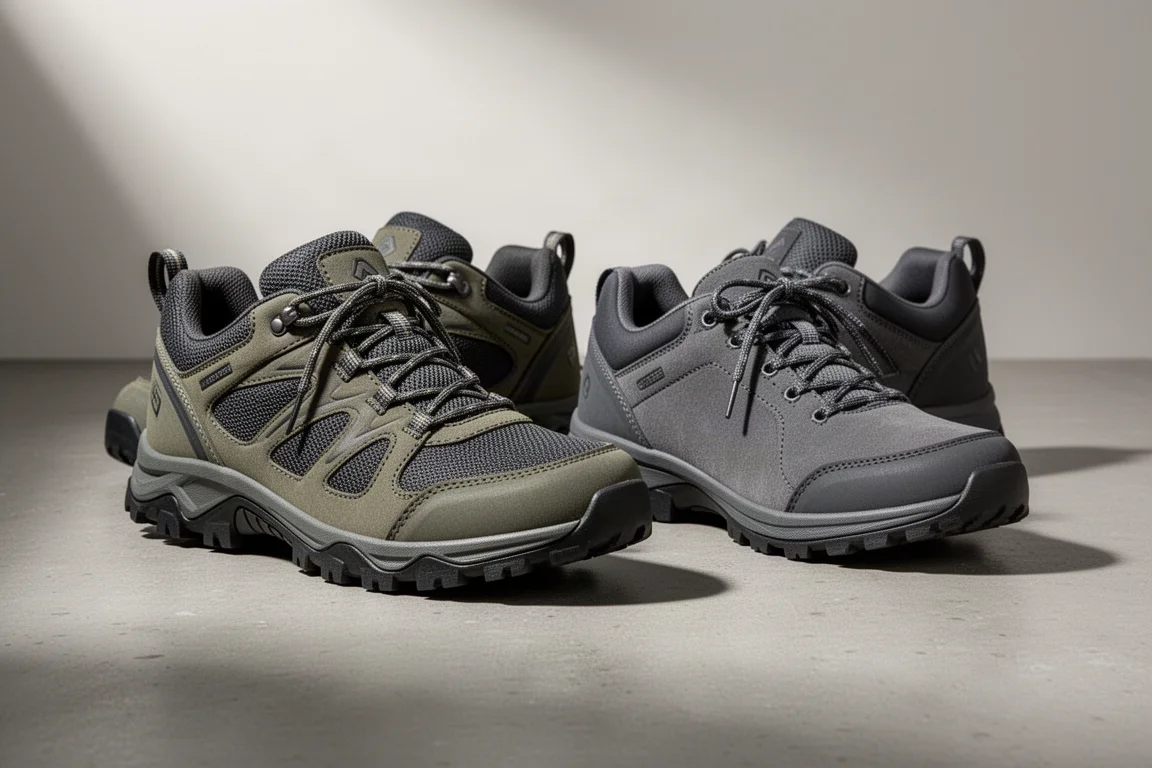
Trail running shoes have become a genuine staple of hiking footwear over the past five years, and the reasons are easy to understand. They are considerably lighter than hiking boots, far more breathable, more flexible and generally more comfortable, and they come into their own in hot, dry conditions.
At the other end of the scale sits the traditional full-height hiking boot. It is heavier, but it offers ankle protection, waterproofing, more underfoot protection and significantly better durability, which makes it the stronger option when the weather turns cold and wet.
This guide looks at where that trade-off actually shows up on the trail, and at two Salomon hiking shoes, the X Ultra 5 and the X Ultra 360, that sit between the two extremes.
What Changes When You Move to a Lighter Shoe
The first thing most hikers notice is the weight. After a long day putting in serious mileage, the difference is tangible, and you finish noticeably less fatigued. Breathability is in a different league compared with a hiking boot, and the flexibility of a trail shoe gives your feet far more freedom of movement, which is genuinely useful on tricky, scrambly sections where you want the foot to adapt to the ground.
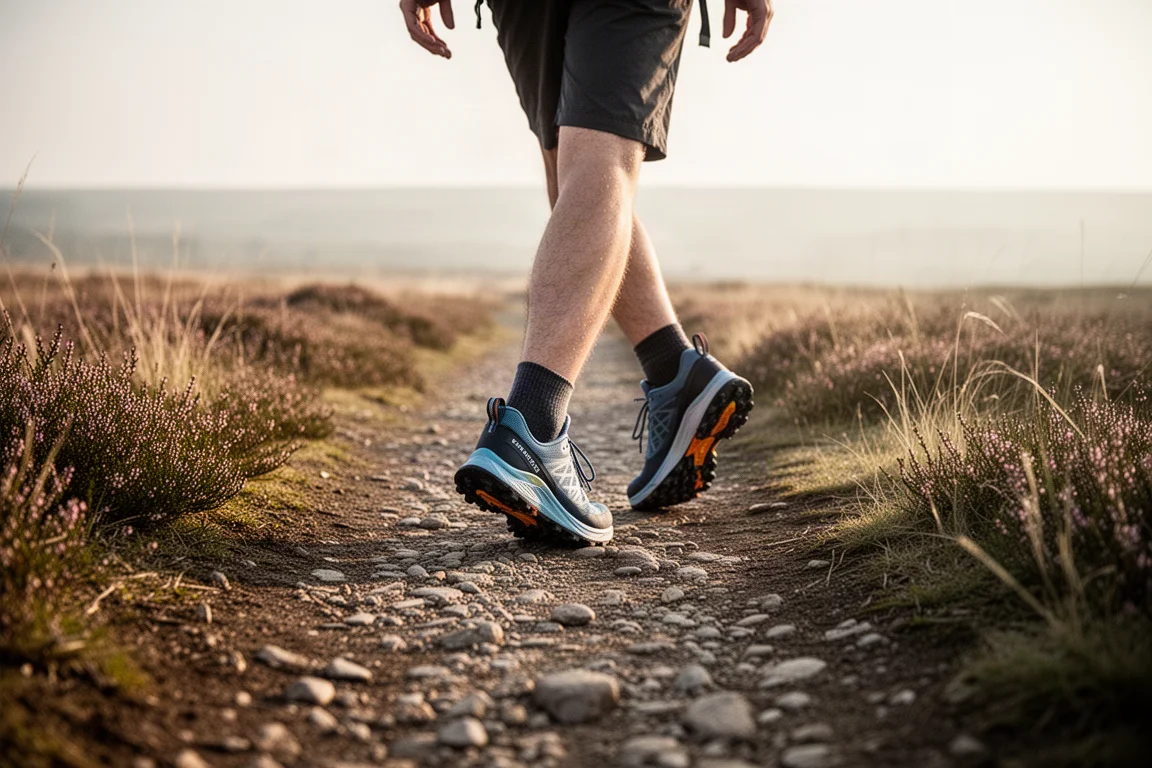
Comfort and breathability are the headline benefits, and they matter most on warm days and long, steady miles. On well-made paths and dry ground, this style of shoe is hard to argue with. The picture changes as soon as the terrain gets rockier, the weather closes in, or the pack gets heavier.
Salomon X Ultra 5
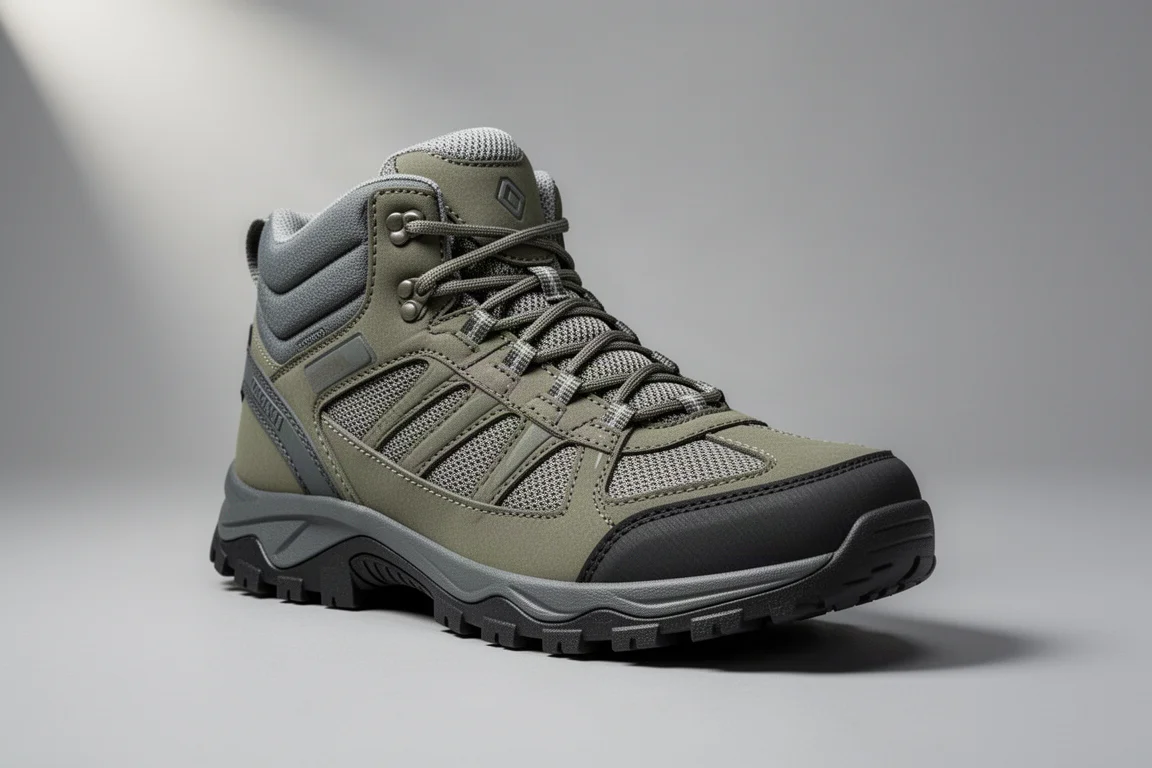
The Salomon X Ultra 5 is a mid-height hiking shoe rather than a low-cut trail runner, and it takes a more supportive approach: more durability, more protection and more ankle support than lightweight trail footwear. That combination makes it a sensible choice for long-distance backpacking trips over mixed terrain, where the extra structure around the ankle is worth more than the last few grams of weight saved.
Salomon X Ultra 360
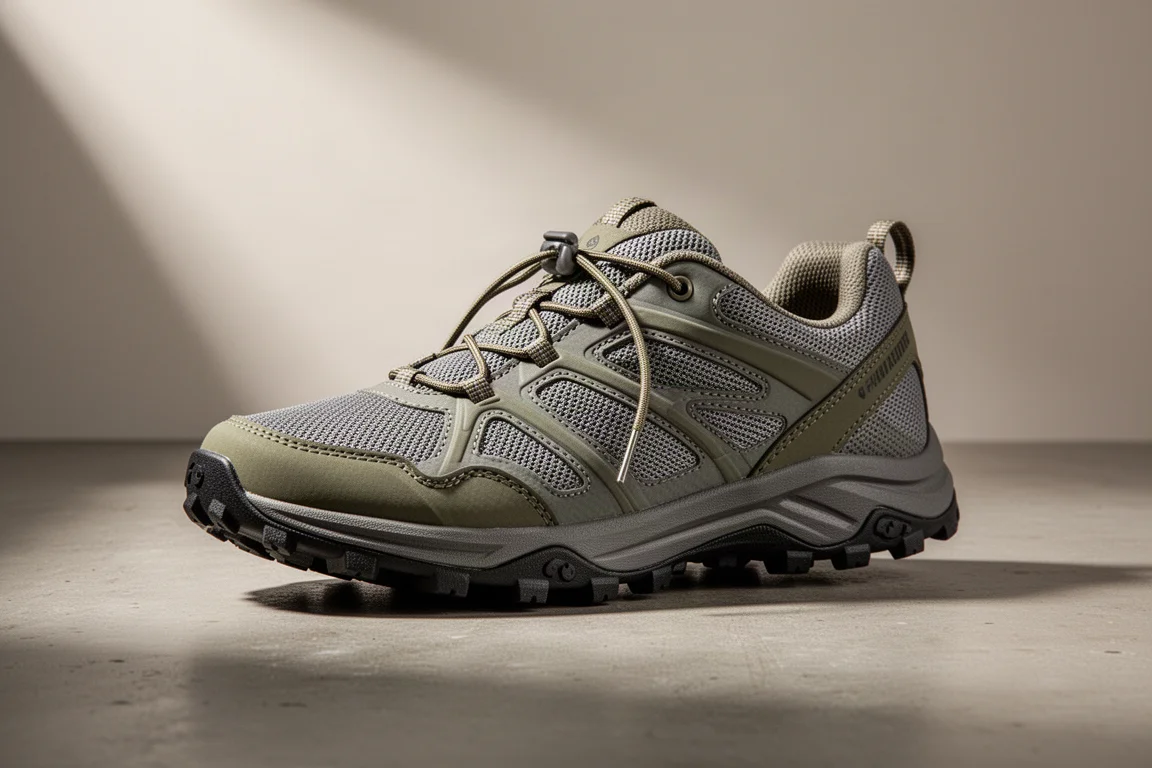
The Salomon X Ultra 360 follows the same middle-ground idea, trading some of the lightness of a trail runner for more protection, more durability and more ankle support. For hikers who want to step back from the lightest possible footwear without moving all the way up to a full-height boot, it is a straightforward and reassuring option, and it suits the same kind of mixed-terrain days and loaded packs as the X Ultra 5.
Where Trail Runners Still Make Sense
Trail running shoes remain an excellent choice in specific situations. For ultralight backpackers carrying around 7 or 8 kilos, roughly half the weight of a fully loaded pack, the lower risk profile makes a lighter shoe a reasonable decision. The same applies on warm, dry days when breathability matters most, and on well-made paths where the ground is predictable underfoot.
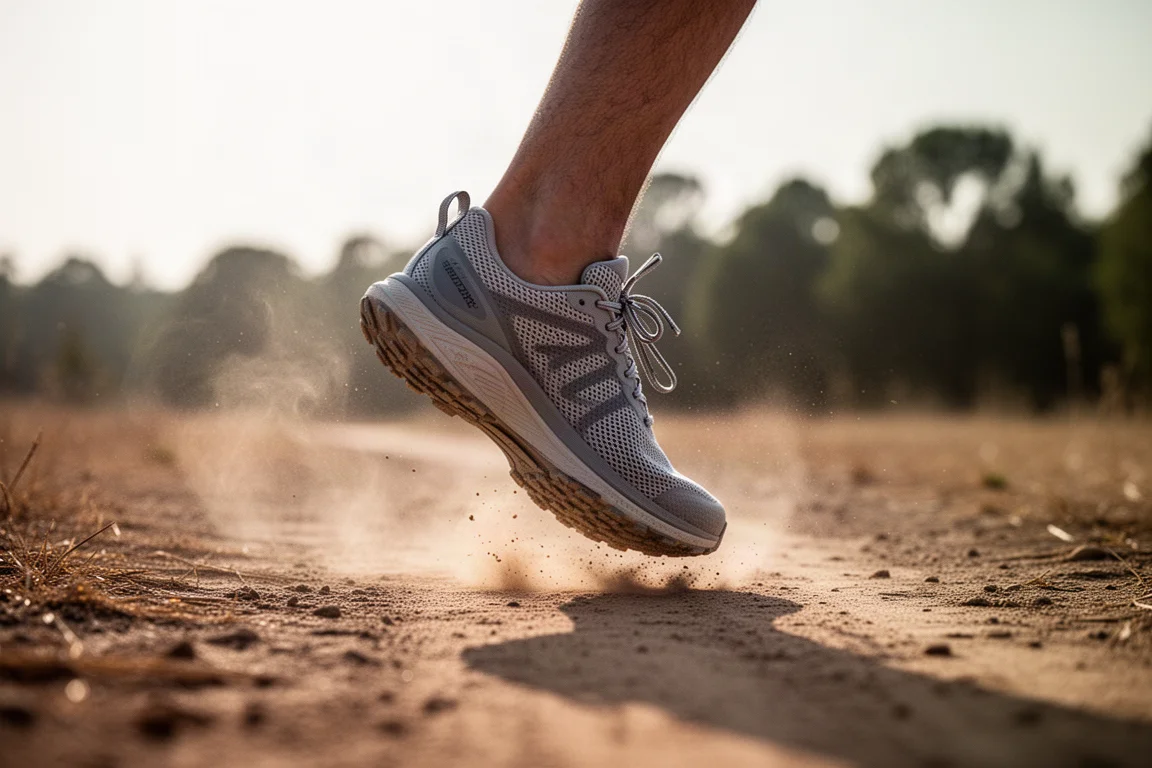
The key is to treat this as a decision rather than a default. Trail footwear is at its best on decent paths in good conditions, and it becomes a much more complicated proposition once the terrain, the weather or the pack weight changes.
The Ankle Protection Trade-Off
This is the part worth taking seriously. Without a raised collar, there is nothing holding the ankle in place if the foot rolls, and the accident that causes it is rarely dramatic. An ankle can turn on flat grass because of a divot in the ground that is easy to miss, particularly when you are tired at the end of a long day and carrying a pack of around 10 kilos.
The consequences can stretch well beyond the moment itself. A rolled ankle can mean months of limited hiking, limited cycling and limited walking before normal running returns. If it happens deep into a long trail in the middle of nowhere, it can end a trip entirely, simply because the footwear did not offer enough support. Having never had an accident is not evidence that one will not happen.
Matching Footwear to Load and Terrain
Load is the clearest variable. Once a pack goes above roughly 15 kilos, more protection becomes important, and ankle protection in particular. At the other end of the range, an ultralight setup of 7 or 8 kilos is where a trail running shoe makes the most sense and carries the least risk.
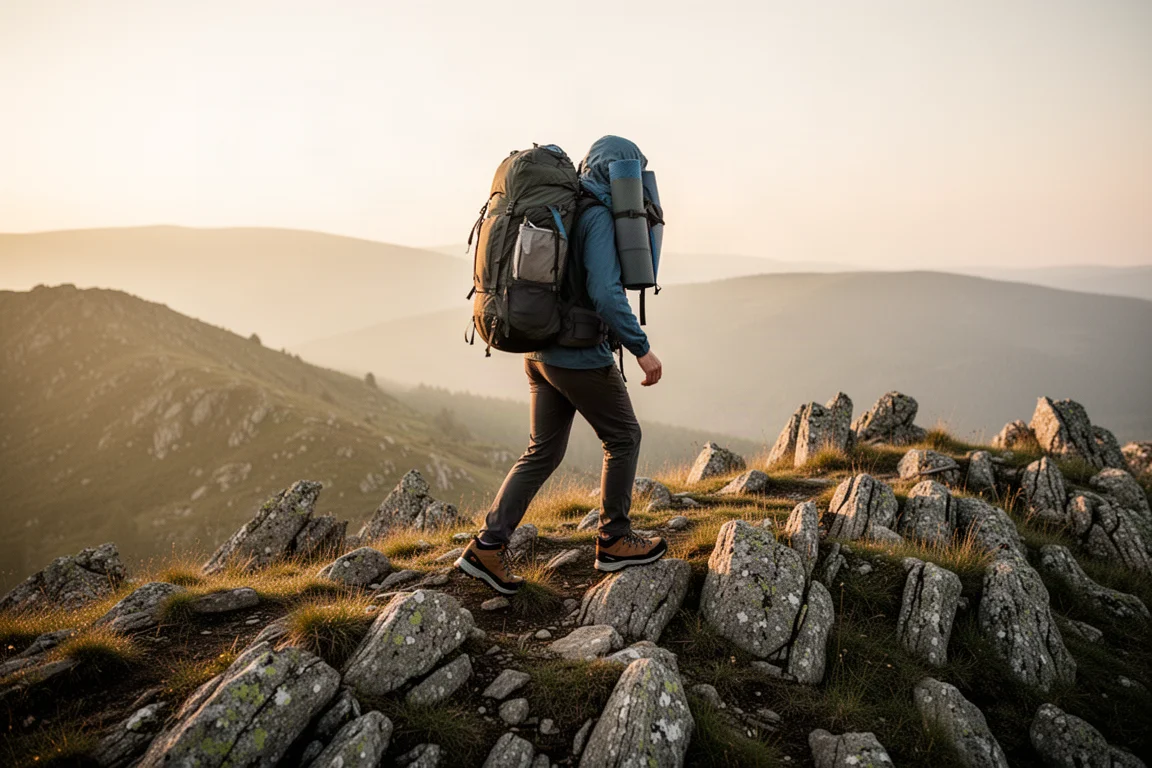
Terrain matters just as much. On a long-distance backpacking trip with mixed terrain, and especially in wilderness where getting from A to B depends on staying mobile, the case for a more supportive shoe is strong. That is the reasoning behind keeping a supportive mid-height option in the rotation for those trips, while still reaching for lighter footwear on shorter, drier days.
Sole Stiffness, Durability, and Rocky Ground
Sole construction is easy to overlook until you are standing on constant rock. A soft, flexible sole lets every stone press into the underside of the foot, which becomes uncomfortable over long distances. A harder, more supportive sole spreads that pressure across a wider area, so the same ground feels considerably less punishing.
Durability runs along similar lines. Lighter footwear gives up some of the abrasion resistance and structure of a heavier shoe, and over a long season of mixed ground that difference becomes visible. A mid-height hiking shoe sits in a useful spot here, with more protection than a trail runner while remaining far lighter than a full boot.
Buying Advice
The most useful approach is to match the shoe to the day. Keep lighter trail footwear for warm, dry conditions and decent paths, where breathability and low weight genuinely pay off. Keep a supportive mid-height shoe such as the Salomon X Ultra 5 or X Ultra 360 for long-distance backpacking, heavier packs and mixed terrain, where the extra structure earns its place.
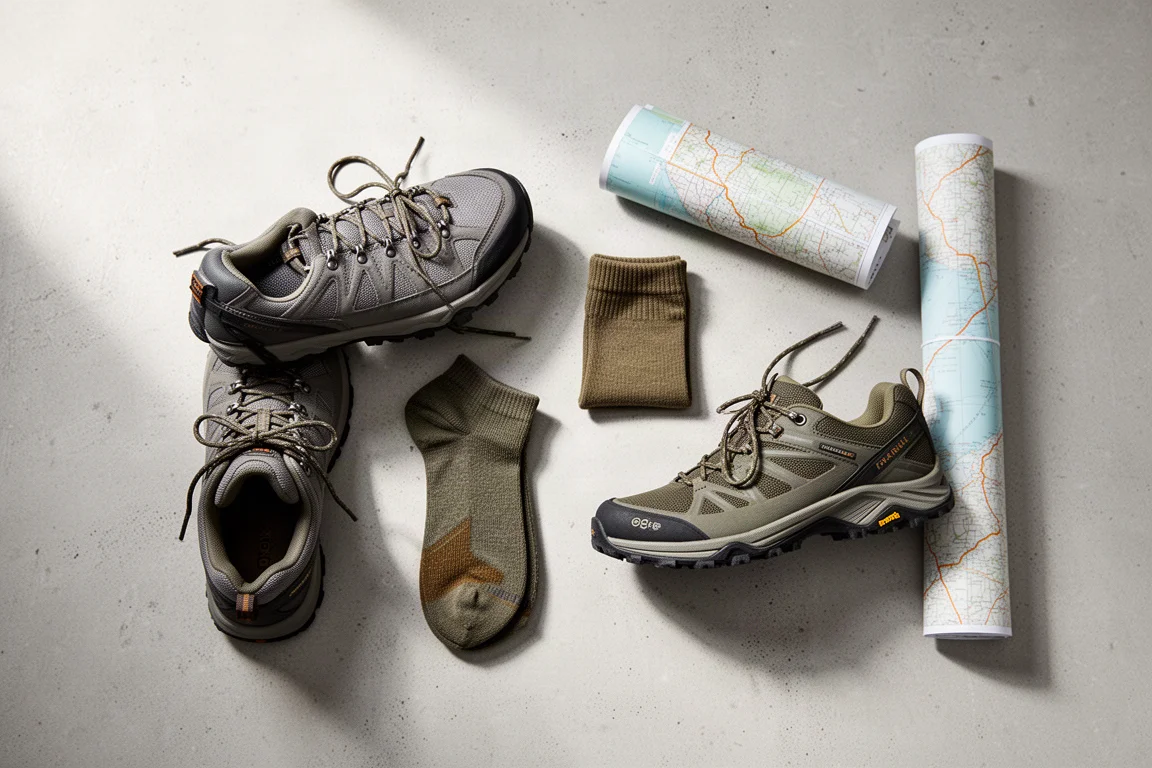
It is also worth resisting the assumption that lighter is always better. Ultralight gear has a clear place in a kit, but it is not designed for all-year-round use in every condition, and footwear is one of the areas where saving weight has the most direct consequences. A simple risk assessment of the trail, the ground underfoot and the load on your back is a more reliable guide than any single rule.
Conclusion
Trail running shoes are not the problem, and neither are full-height hiking boots. Each has a place, and the conditions decide which one earns it. The Salomon X Ultra 5 and X Ultra 360 occupy the middle of that range, with more protection, more durability and more ankle support than a trail runner, and a lighter, more flexible feel than a full boot. For hikers planning long days on mixed terrain with a loaded pack, that balance is worth serious consideration.
Further reading
Related Reviews
Hiking Footwear
Best Hiking Sandals 2026: Five Options for Different Trail Needs
Five hiking sandals tested for comfort, protection, and versatility. Find the right pair for your hiking style, from minimalist designs to heavy-duty closed-toe options.
Hiking Footwear
Best Hiking Shoes 2026: Five Options for Different Terrain and Support Needs
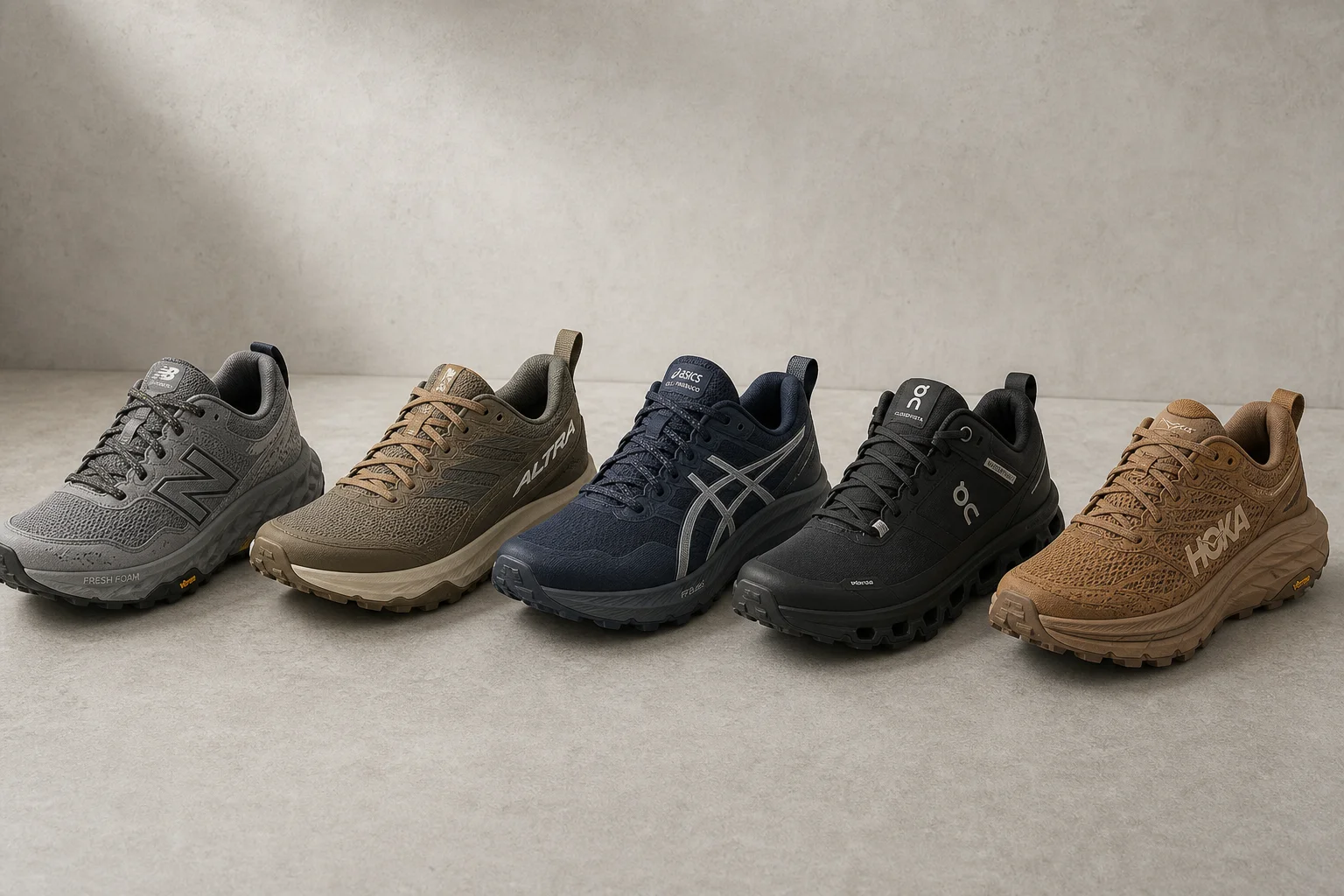
A practical guide to five hiking shoes covering max cushioning, zero-drop design, all-around versatility, waterproof protection, and balanced comfort for long-distance trails.
Hiking Footwear
Best Hiking Shoes for Men: Five Tested Options Ranked
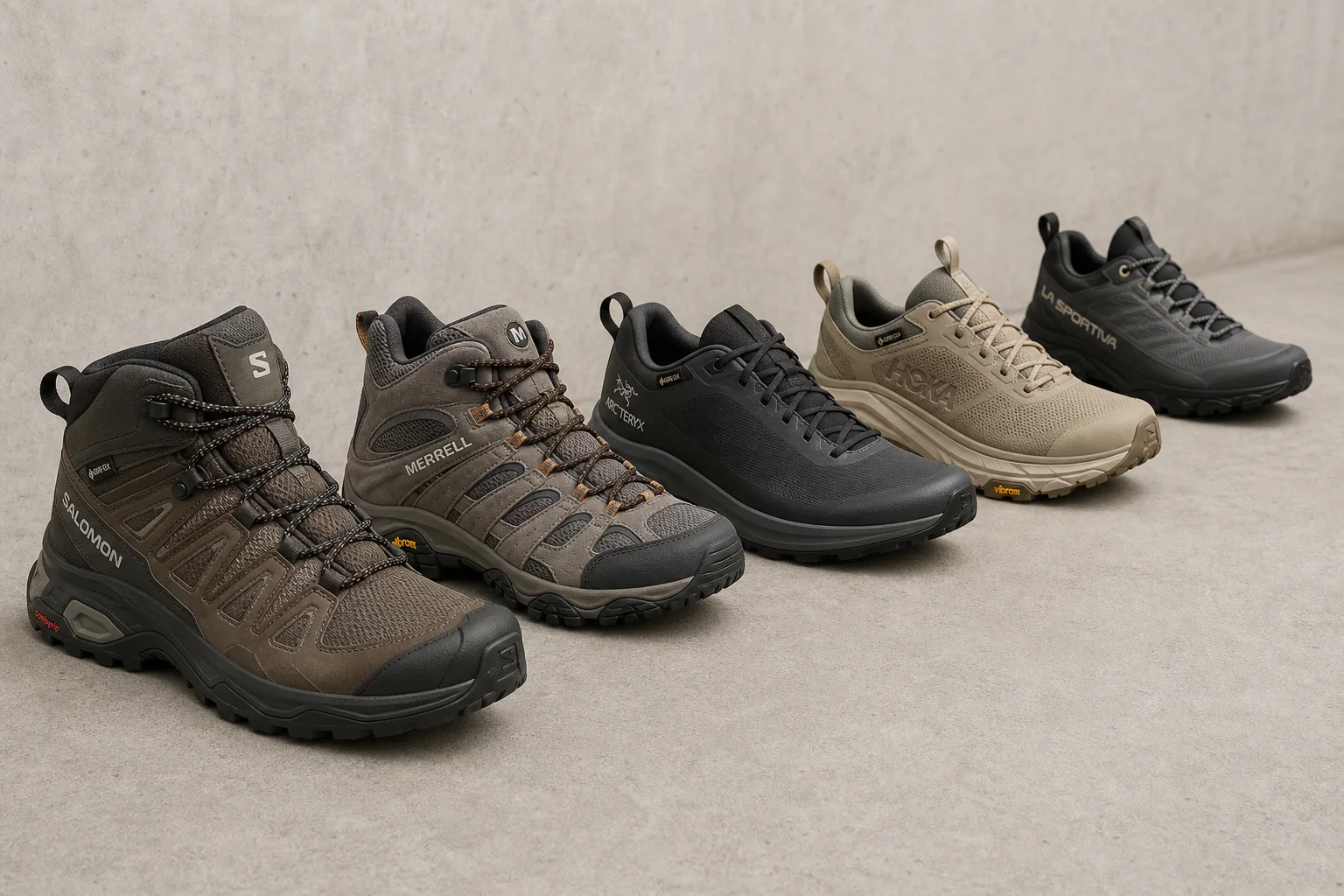
A detailed ranking of five hiking shoes tested for comfort, traction, and durability across varied terrain and conditions.