Hiking Footwear
Salomon X Ultra 4 GTX Review: Hiking Shoes vs Boots for Three-Season Trails
A practical look at the Salomon X Ultra 4 GTX, covering waterproofing, comfort, grip, scrambling performance, and when a low-cut hiking shoe makes more sense than a boot.
Introduction
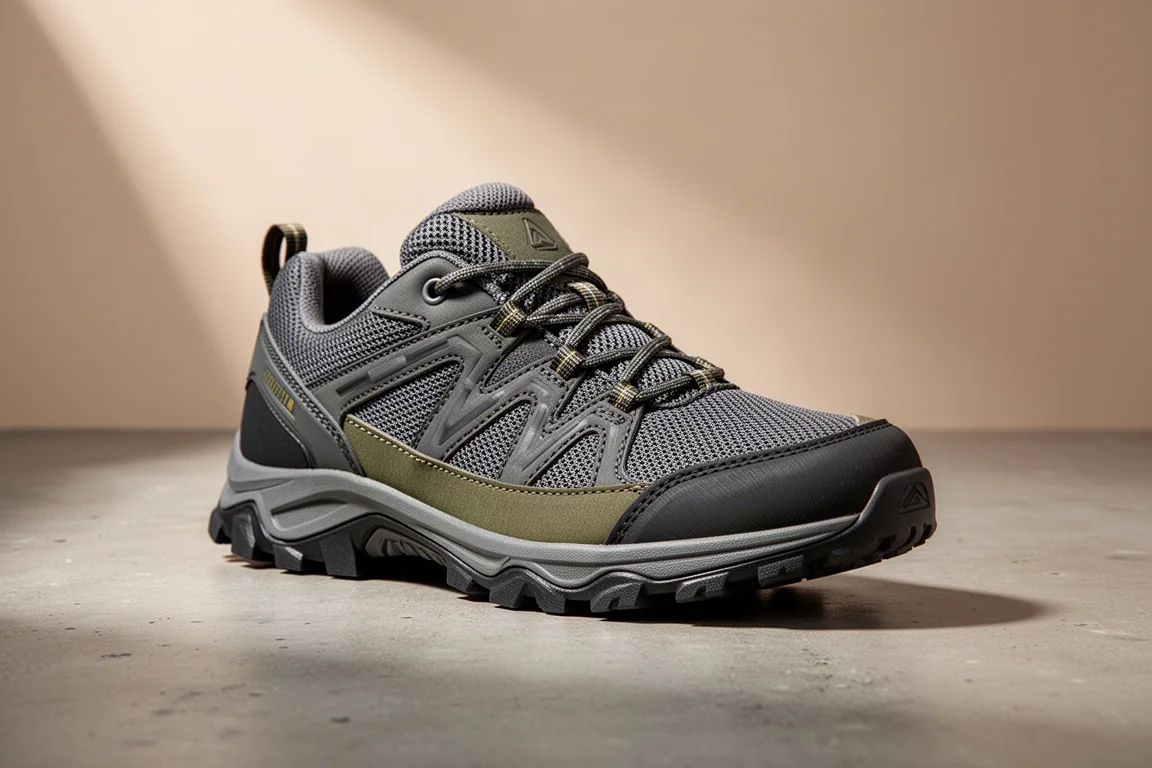
Hiking shoes have quietly become one of the most common choices on the trail, and the Salomon X Ultra 4 GTX shows why the shift makes sense. It pairs a Gore-Tex waterproof liner with a sole that is closely related to traditional hiking footwear, so it keeps much of the grip and underfoot protection people expect from a boot while removing the material that wraps around the ankle.
That combination is what makes the shoe interesting. It is not simply a lighter boot, and it is not a trail runner with a stiffer sole. It sits between the two, and for many three-season day hikes it covers the ground remarkably well.
Who This Product Is For
The X Ultra 4 GTX suits hikers who carry a day bag or a light summer pack and want to move faster for longer without giving up water resistance or traction. It is also a sensible option for damp starts to the day, when the grass is wet and the forecast is showery, because the Gore-Tex liner and the gusseted tongue handle light rain and drizzle well.

It is best treated as a three-season shoe. Hikers who regularly carry a heavy load, descend technical terrain, or already know they are prone to rolling an ankle should think carefully before making it their only pair of hiking footwear.
Main Strengths: Comfort, Cushioning, and Low Fatigue
Comfort is where this shoe makes the strongest impression. A proper OrthoLite insole sits underfoot, and because there is no collar around the ankle there is nothing to rub. For anyone who has struggled with boot collars on long days, that difference alone can be decisive.
The sole keeps much of the character of a hiking boot sole. It has some flex, but it is thick enough that rocky ground does not create pressure points under the foot. That is the key distinction from lighter trail running and mountain running footwear, where thin, soft soles can leave feet sore and burning by the end of a long route.
Weight matters here too. At around 390 grams, the shoe is light enough that fatigue builds more slowly, and hikers tend to feel sprightlier towards the end of a long walk. There is also very little break-in period, and the roomier interior lets heat escape more easily on warm days, which keeps feet cooler and fresher.
Waterproofing and Weather Protection
The GTX in the name refers to a Gore-Tex liner, and the shoe also uses a gusseted tongue, so it shares several weatherproofing features found on hiking boots. In practice it keeps water out far better than trainers, trail runners, or mountain runners.
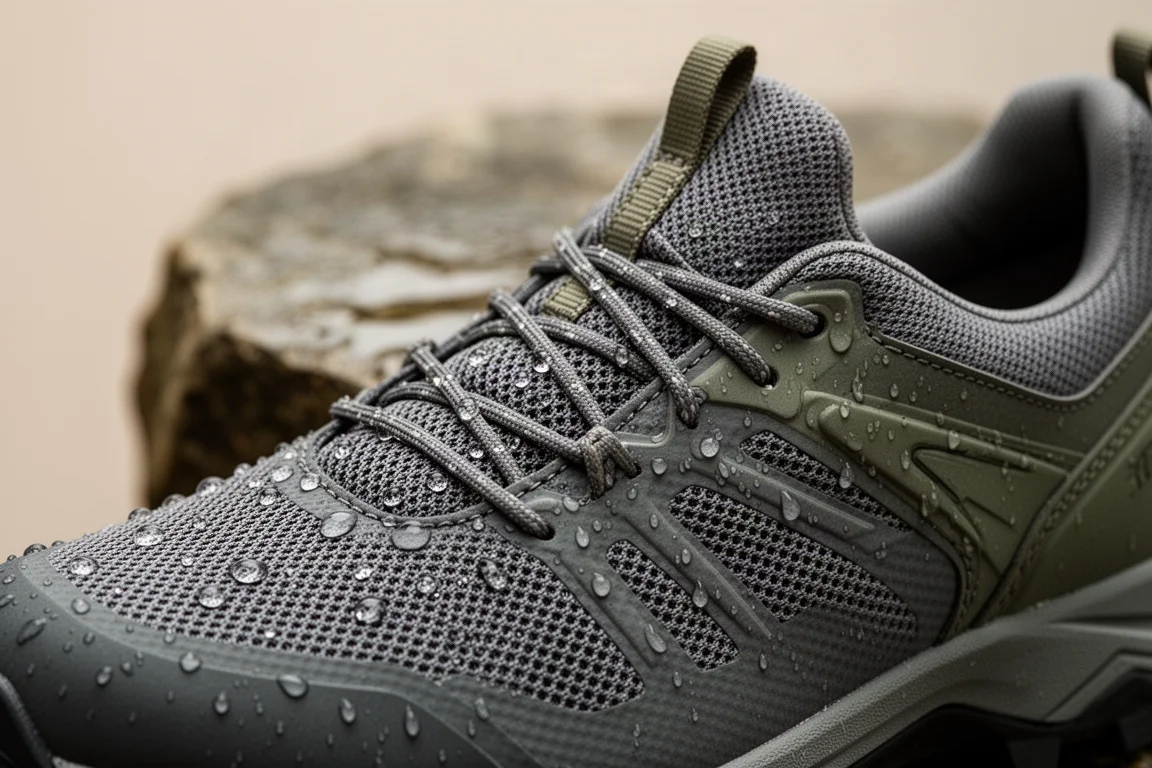
The limitation is in the construction. Lighter weight fabrics tend to give up their water resistance sooner in sustained heavy rain, and the open ankle area lets water in from above. When it is really tipping down, a traditional hiking boot remains the more dependable choice.
Durability, Grip, and Protection
Durability is another area where the shoe holds its own. Chunky toe protectors sit at the front and at the back, the build feels substantial, and the overall look retains plenty of hiking boot DNA. It is clearly a step up from running-derived footwear in this respect.
Grip follows the same pattern. The outsole uses proper lugs and performs well on wet ground and dry ground alike. The trade-off is protection around the ankle. There is nothing to brace the joint, which matters most when carrying weight or moving across uneven, technical terrain.
Flexibility, Lacing, and Scrambling Performance
Ankle freedom is the biggest functional advantage. On scrambling, especially easier grade one routes, the shoe lets feet be placed exactly where they need to go, something bulky boots often make awkward. Thick boots frequently end up scraping against rock while the wearer tries to find a stable position.
The lacing system adds to the convenience. A quick lace design makes it easy to dial in the tension that suits your foot, and the excess cord tucks away into the tongue. That keeps the profile clean, stops the laces from coming undone, and removes any chance of a loose loop catching or tripping you. Approach shoes occupy a similar space for hikers who want more scrambling-oriented performance.
Things to Consider Before Buying
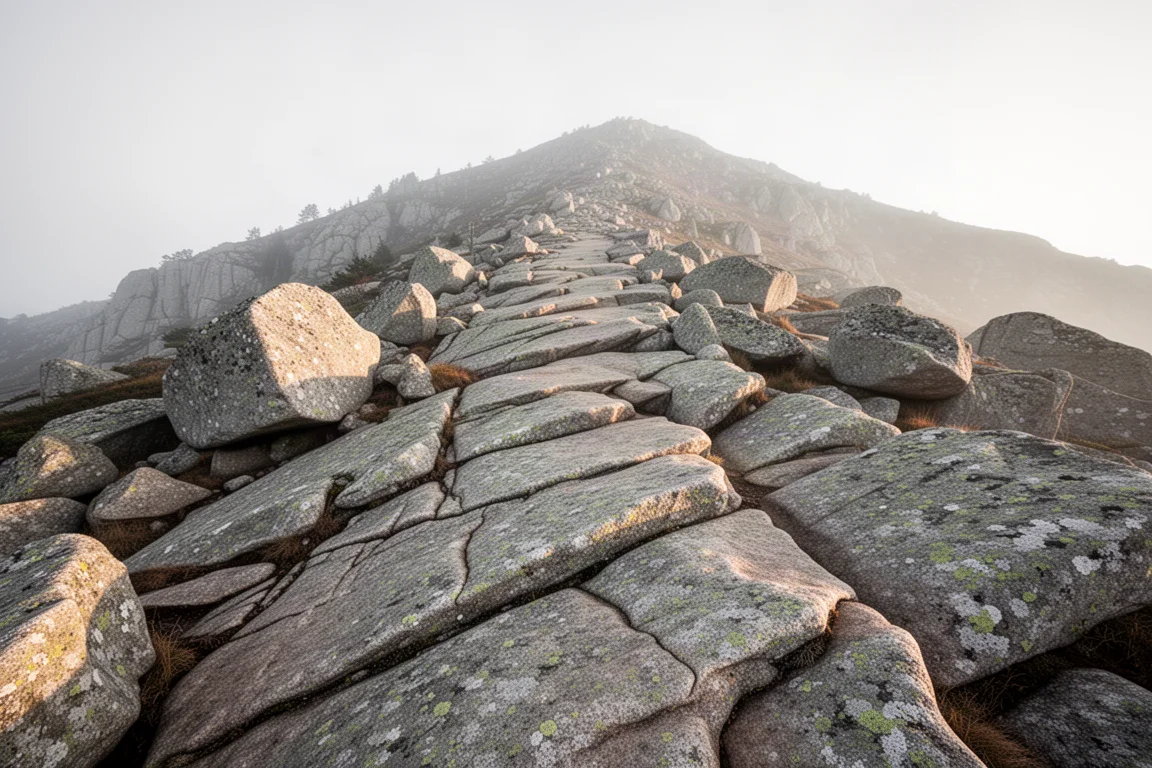
The main thing to weigh is ankle support. A rolled ankle on a descent can turn a good day into a serious situation, and that risk is higher with a low-cut shoe, particularly under load. Anyone who has rolled an ankle before, or who regularly carries a heavy backpack, should ask whether a boot is the safer default.
It is also worth being realistic about conditions. This is a three-season shoe rather than a deep winter one, and while it is far more weather-resistant than running-derived footwear, it is not built to shrug off hours of heavy rain. Matching expectations to the shoe’s design is what keeps it enjoyable.
Buying Advice
The honest answer is that hiking shoes and hiking boots solve different problems, and most regular hikers end up wanting both. The X Ultra 4 GTX is the better tool for light packs, day hikes, warm conditions, and routes where speed, agility, and quick foot placement matter more than maximum joint support.
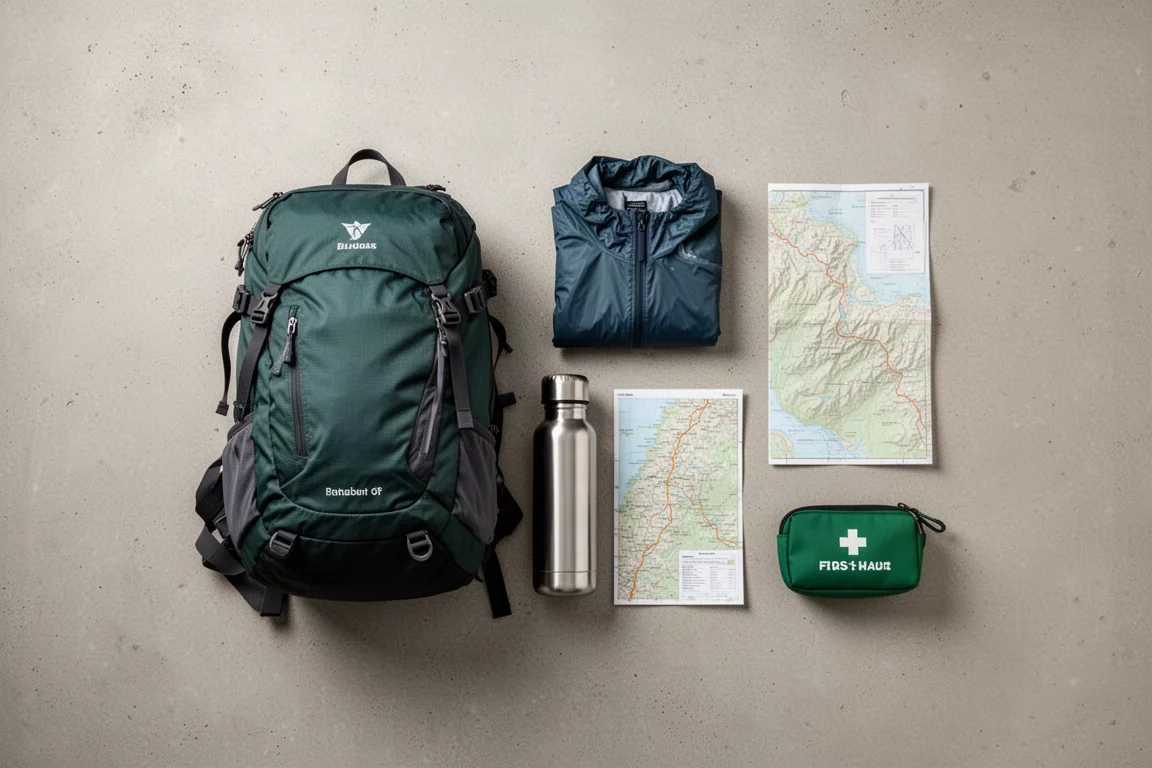
For heavy loads, long descents, technical terrain, and hikers with unstable ankles, a full boot remains the more protective choice. Choosing between the two is really a question of matching the footwear to the day rather than deciding that one category has replaced the other. Buyers who mostly hike with a day bag and want a comfortable, grippy, durable shoe with genuine water resistance will find this one easy to live with.
Conclusion
The Salomon X Ultra 4 GTX makes a strong case for low-cut hiking footwear. It is comfortable from the first walk, cushioned enough to avoid pressure points on rocky ground, grippy in wet and dry conditions, and flexible enough to make scrambling feel natural. It handles damp mornings and drizzle with confidence.
Its limits are just as clear. Ankle protection is absent, and sustained heavy rain will eventually find its way in. Treat it as a three-season shoe for lighter loads, and it delivers exactly what it promises.
Product link
View more details for Salomon X Ultra 4 GTX
This product is mentioned in the review. Check the specifications, options, and compatibility before buying.
View more details for Salomon X Ultra 4 GTXFurther reading
Related Reviews
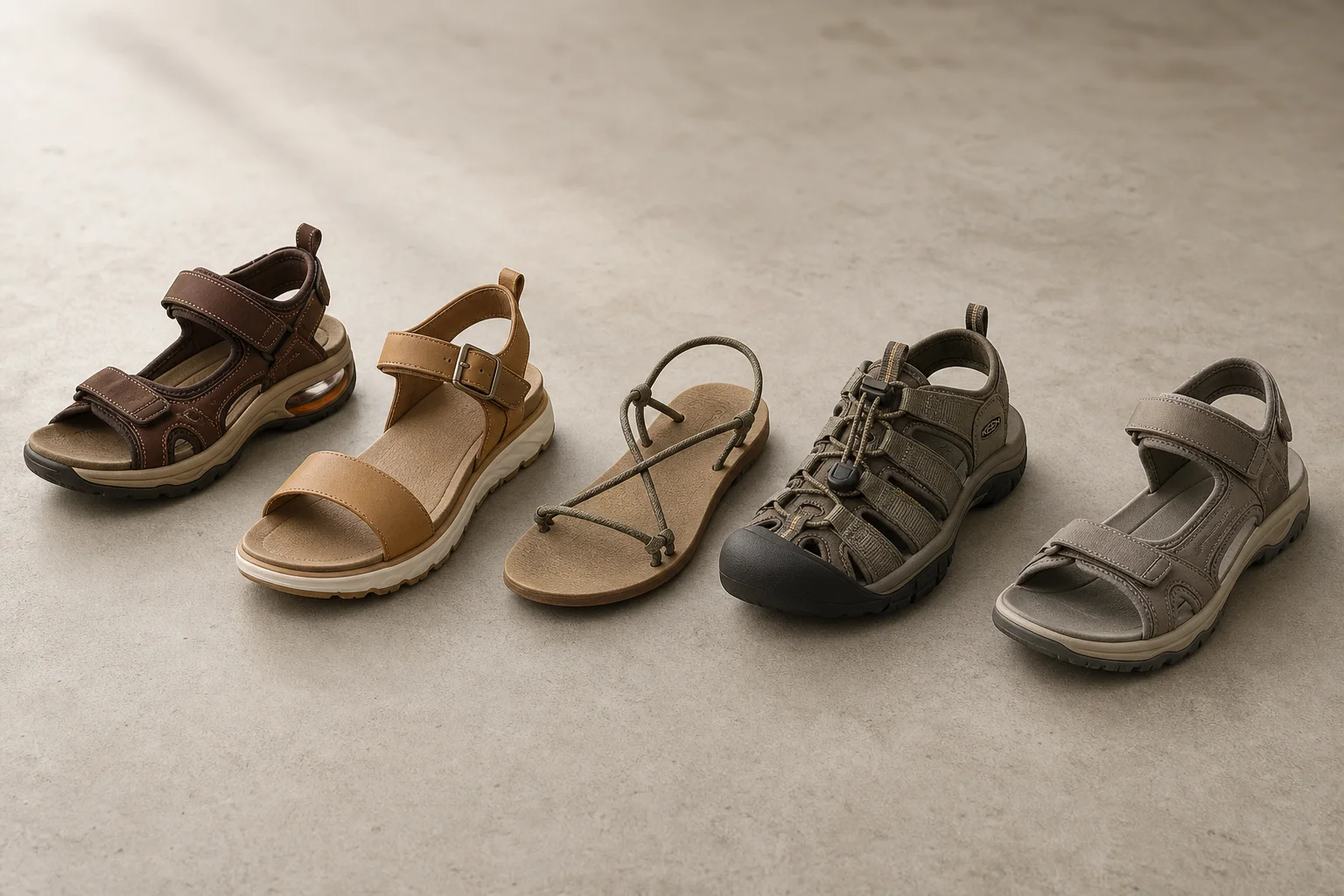
Hiking Footwear
Best Hiking Sandals 2026: Five Options for Different Trail Needs
Five hiking sandals tested for comfort, protection, and versatility. Find the right pair for your hiking style, from minimalist designs to heavy-duty closed-toe options.
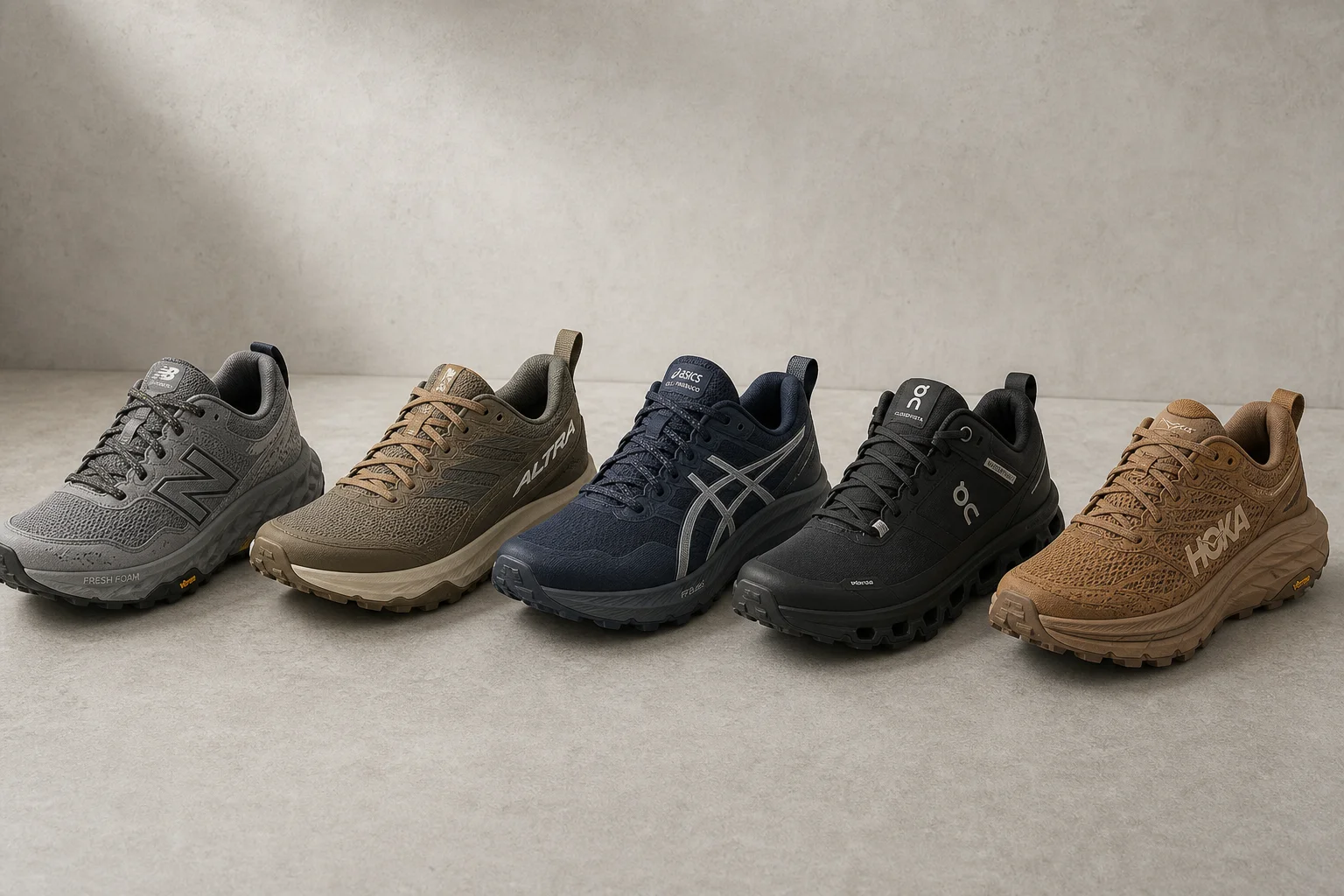
Hiking Footwear
Best Hiking Shoes 2026: Five Options for Different Terrain and Support Needs
A practical guide to five hiking shoes covering max cushioning, zero-drop design, all-around versatility, waterproof protection, and balanced comfort for long-distance trails.
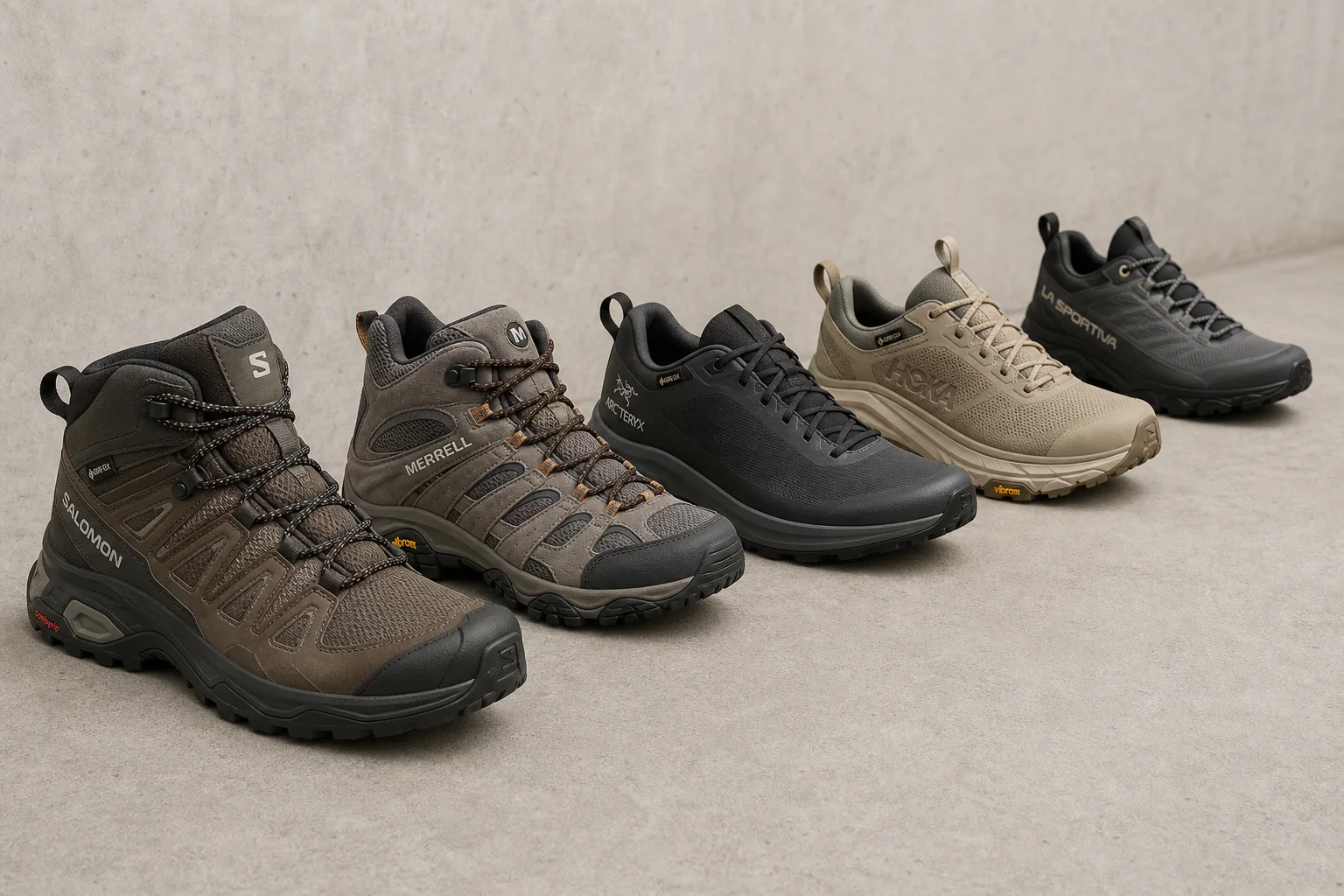
Hiking Footwear
Best Hiking Shoes for Men: Five Tested Options Ranked
A detailed ranking of five hiking shoes tested for comfort, traction, and durability across varied terrain and conditions.