Skis
Salomon S/Lab QST Echo Review: A Lighter Freeride Ski Built for Touring
A practical look at the Salomon S/Lab QST Echo, a touring-oriented freeride ski with a Karuba and poplar core, carbon and flax stringers, and a surfy, forgiving ride.
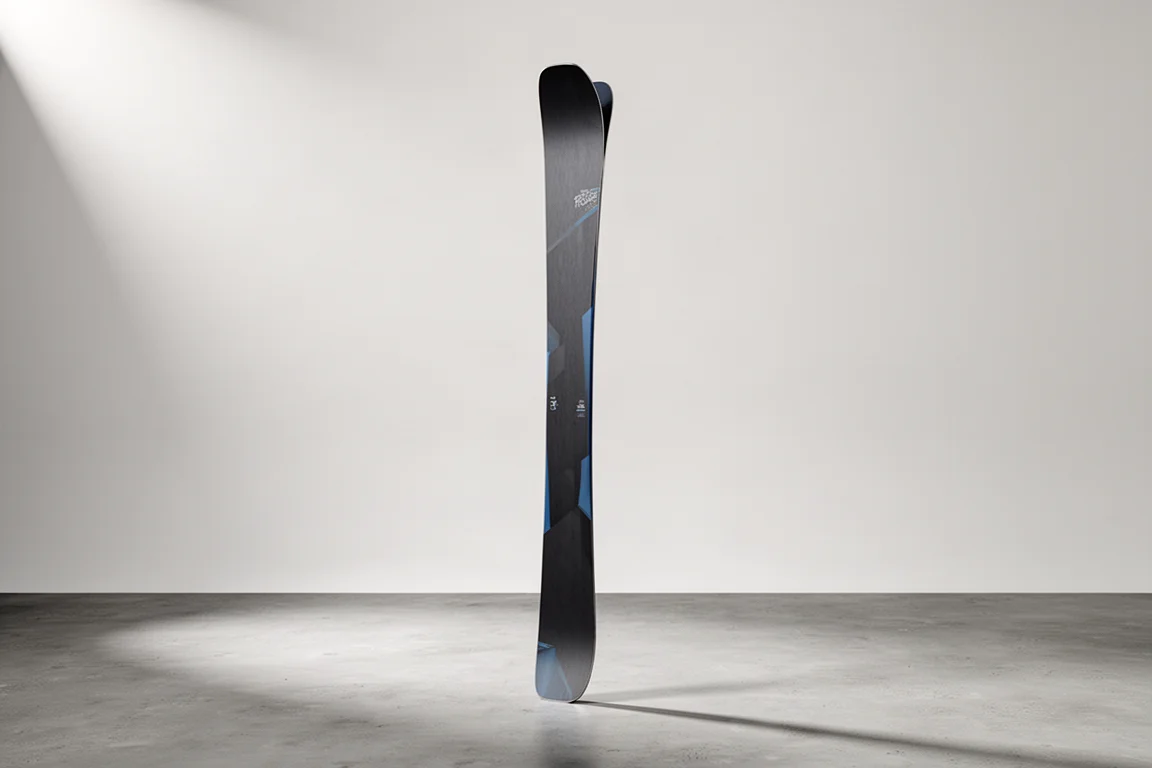
Introduction
The Salomon S/Lab QST Echo returns unchanged this season, which is a useful signal in itself. It is a touring-oriented freeride ski that deliberately sits between two extremes: pure backcountry featherweights that save grams at the cost of composure, and full-weight resort chargers that feel planted but ask a lot on the uphill.
The Echo borrows the shape of the regular QST 106 and swaps in a lighter construction. For skiers who want to earn their turns and still ski with authority on the way down, that combination is the whole pitch. This review breaks down how it is built, who it suits, and what to weigh before buying.
Who the Salomon S/Lab QST Echo Is For
This is an off-trail and backcountry-focused ski with a touring orientation, but it carries more backbone than a dedicated backcountry design. That makes it a natural fit for skiers who split their time between lift-served freeride terrain and human-powered days, and who would rather own one ski that handles both than two specialists.
It also suits riders who value predictability over reactivity. Many lightweight touring skis pair a very low-density wood core with a large amount of carbon, which can produce a twitchy, highly reactive feel. The Echo takes a different path, favouring a smoother, more confidence-inspiring character when snow conditions in the backcountry turn out to be less than ideal.

If your days are mostly long traverses on groomed snow or you rarely ski technical descents, this is more ski than the terrain demands. Its value shows up when the descent is the point.
How the S/Lab QST Echo Is Built
The core is a mix of Karuba and poplar. Karuba is there to pull weight down, while poplar supplies the backbone and stability that give the ski its downhill performance. This is the key structural difference from the regular QST 106, which uses a full poplar core; the Echo’s mixed core is the reason it lands lighter and a touch softer.
Running tip to tail through the central section are carbon and flax stringers. The two materials do different jobs: flax damps the ski further, while carbon adds energy and pop. Cork amplifiers in the tip and tail round out the damping package, smoothing the ride rather than sharpening it.
A double sidewall adds stability directly underfoot and contributes meaningful edge grip, which becomes an advantage on wind-scoured, genuinely firm snow. The rocker profile is soft-snow oriented: tip rocker, a little camber underfoot, and tail rocker. That camber works with the carbon stringers to add pop and edge grip on firmer surfaces, while the tail releases easily and smears predictably.
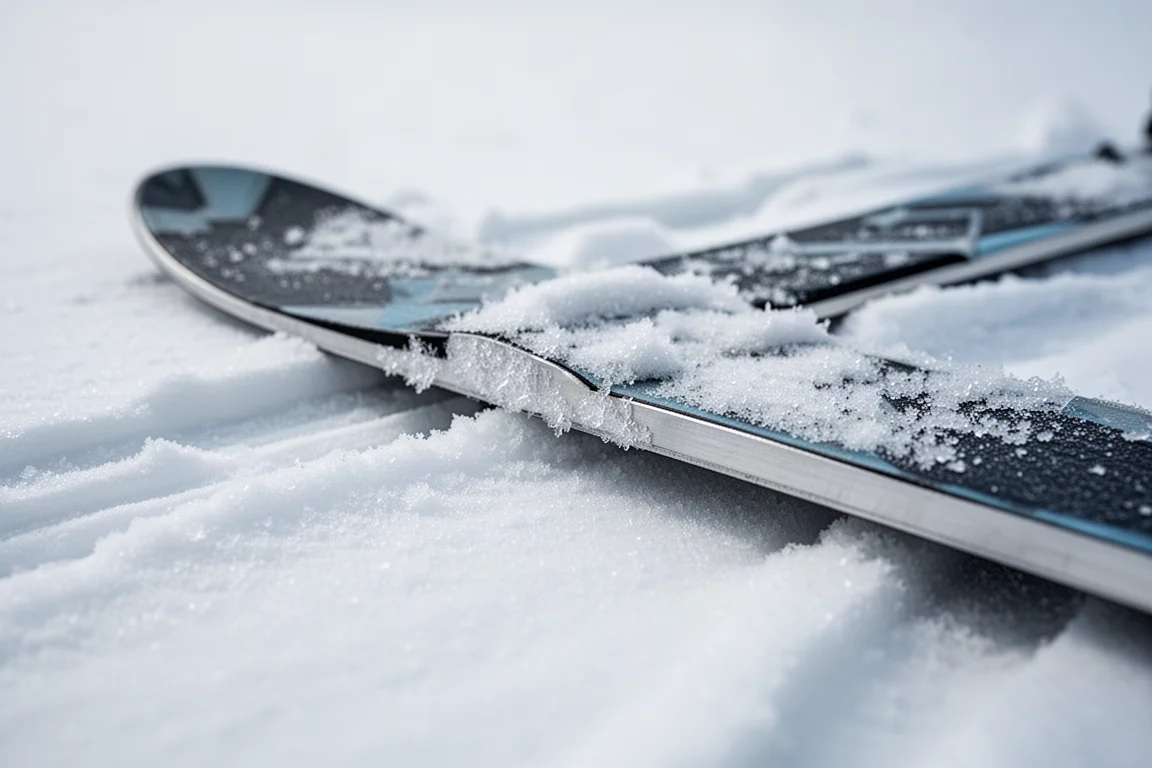
On the scale, the Echo comes in at 1,980 g in the 189 cm length with a 106 mm waist. For a ski in this class, that is lighter than you might expect, though it is not the lightest option available. It is simply a lighter version of the regular QST 106.
On-Snow Feel and Strengths
The flex pattern is softer than the regular QST 106, with the tip as the softest zone, the tail slightly stiffer, and a genuinely supportive mid-body. In practice that translates into a ski that is forgiving when conditions are awkward but still holds up when speeds climb or the snow starts to degrade.
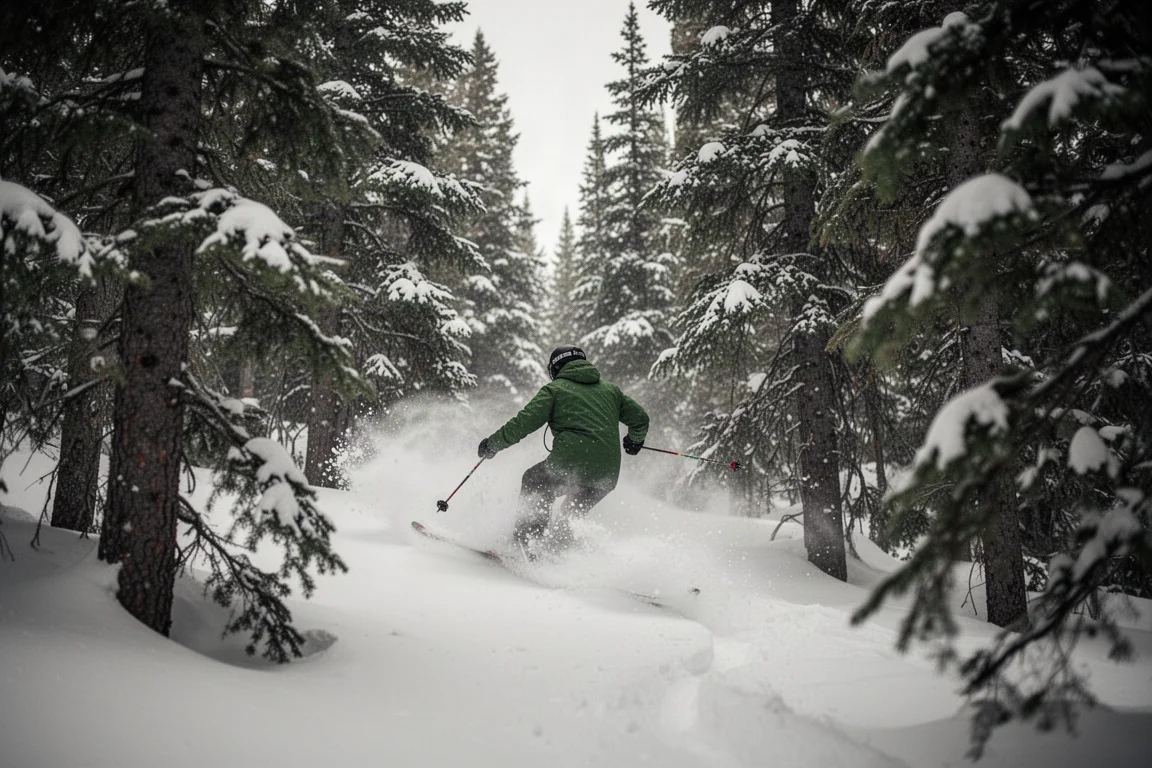
The overall character is supremely surfy. It changes direction easily and pivots quickly, which makes it especially useful in more technical terrain. In tight trees and steep powdery bumps, the softer flex and shape allow it to turn on a dime and release the tail without fighting the skier. It also holds up well through steeper bump sections rather than getting bounced around.
That blend is the point: forgiveness where you need it, support where you want it. A ski with a stiffer, more demanding flex would feel faster in open terrain, but it would not be as easy to manage in the places this ski is designed to shine.
Things to Consider Before Buying
Weight is the first thing to think through. At 1,980 g in the 189 cm length, the Echo is light for a 106 mm freeride ski, but it is not a race-bred touring setup. If your priority is the absolute minimum gram count for long approaches, this is a compromise rather than the lightest answer.
The softer flex is the second consideration. It is a deliberate design choice that brings forgiveness and smoothness, and it is a big part of why the ski feels so easy to pivot. Skiers who prefer a firm, highly damp platform underfoot for high-speed open descents may find they want more ski than this.
Finally, the shape is clearly soft-snow oriented. The rocker profile and 106 mm waist are built for off-trail conditions, so anyone spending most of their time on hardpack should look at a narrower, more piste-focused option.
None of these are flaws so much as trade-offs. They are the same decisions that give the ski its easy, confidence-inspiring feel on the descent.
Buying Advice
Match the Echo to the way you actually ski. If your season mixes lift-served freeride laps with backcountry days, and you want one ski that feels smooth and predictable in variable snow rather than razor-sharp and reactive, this is a coherent choice. The mixed Karuba and poplar core, the carbon and flax stringers, and the cork tip and tail amplifiers all point in the same direction: a lighter freeride ski that stays composed.
If instead you are chasing the lowest possible weight for long tours, or you want maximum stiffness for high-speed open terrain, look elsewhere in the category. The Echo is best understood as a lighter, softer, more forgiving take on the QST 106 shape rather than a stripped-down mountaineering tool.
Sizing and mounting decisions matter here as much as the ski itself. The 189 cm length is the reference point for the 1,980 g figure, so shorter lengths will feel quicker and longer ones more planted. If you are between sizes, think about whether you want the extra float and stability or the extra agility in tight terrain.
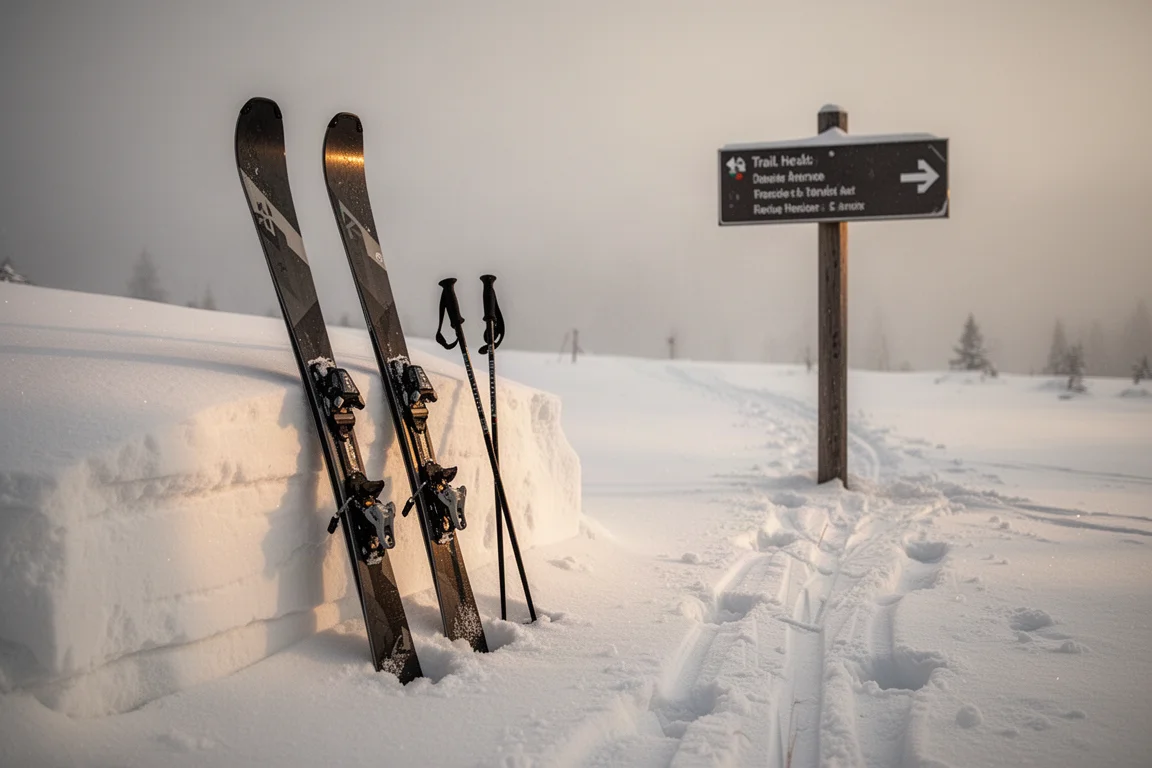
Because the model returns unchanged, there is no need to wait for a revised version. What you see in the current ski is what the design is intended to be.
Conclusion
The Salomon S/Lab QST Echo makes a clear case for itself. It takes the shape of the QST 106, lightens the core with Karuba alongside poplar, adds carbon and flax stringers plus cork tip and tail amplifiers, and lands at 1,980 g in the 189 cm length. The result is a touring-oriented freeride ski that is softer than its stablemate, supremely surfy, and quick to pivot in technical terrain.
It is not the lightest ski in its class and it is not the stiffest. It is, however, a well-rounded option for skiers who want a smooth and forgiving ride in variable backcountry snow without giving up downhill capability.
Product link
View more details for Salomon S/Lab QST Echo
This product is mentioned in the review. Check the specifications, options, and compatibility before buying.
View more details for Salomon S/Lab QST EchoFurther reading
Related Reviews

Skis
Armada Anti Matter 82 W Review: A Light, Approachable All-Mountain Carver
Armada's Anti Matter 82 W pairs a lightweight Karuba and carbon build with an easygoing all-mountain shape, aimed at intermediates through lighter-footed advanced skiers.

Skis
Armada Anti Matter 88W Review: A Light, Playful 88mm All-Mountain Ski Plus Two Alternatives
The Armada Anti Matter 88W returns unchanged in spirit from its Reliance 88C days, and it remains one of the most versatile 88mm skis around. We also look at the Nordica Santa Ana 87 and Anti Matter 92 W as alternatives.

Skis
Armada ARV 100 vs Atomic Bent 100: Which 100mm Freestyle Ski Should You Buy?
Two of the best all-mountain freestyle skis of the season compared: one leans playful and park-ready, the other holds up better everywhere else.