Skis
Salomon QST Skis Compared: Blank, QST 106, Stella 106, and QST X
A four-ski comparison of the Salomon QST line, covering width, turn shape, and which model suits which kind of day on the mountain.
Introduction
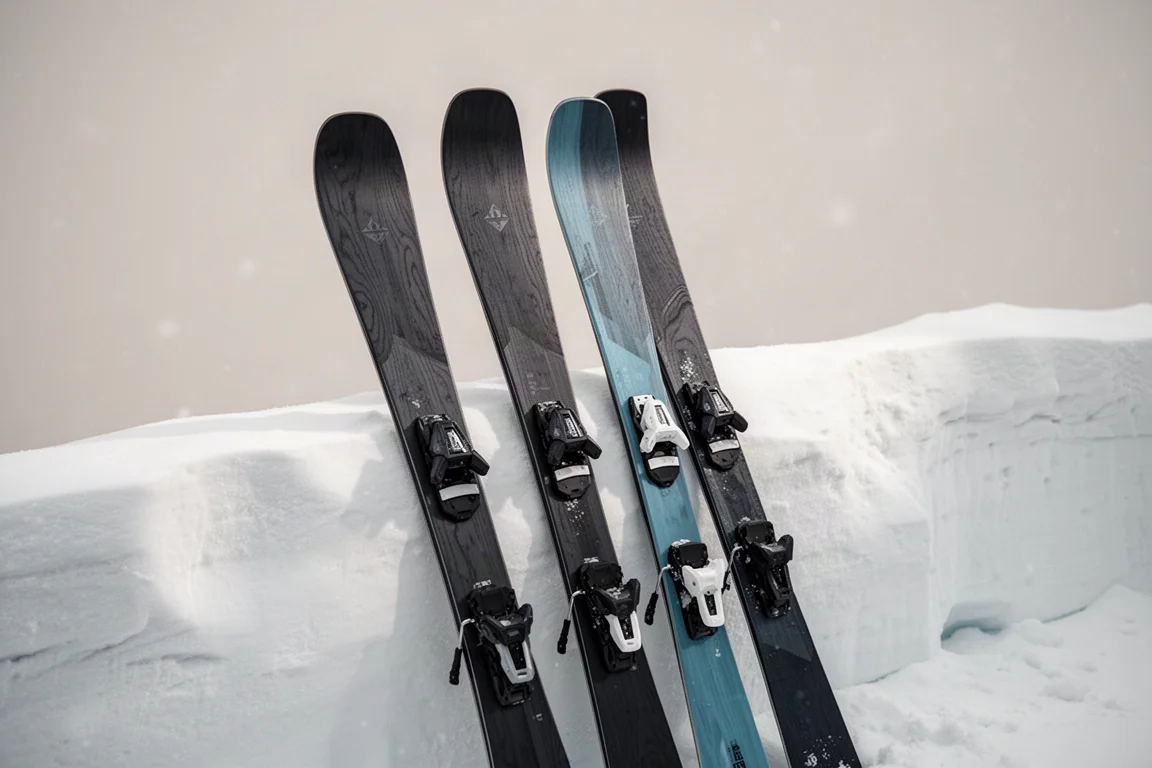
The Salomon QST collection is shaped around the kind of terrain where soft snow stacks up in steep, tree-lined chutes before opening into wider bowls. That design brief runs through the whole line, but the four models in this comparison sit at noticeably different points on the width and turn-shape spectrum: the QST Blank, the QST 106, the QST Stella 106, and the QST X.
Riding all four in the same snow on the same day makes the differences far easier to feel than any spec sheet suggests. A 106mm ski and a 112mm ski can look like close neighbours on paper, yet they ask for different inputs and reward different styles once the snow turns deep or chopped up.
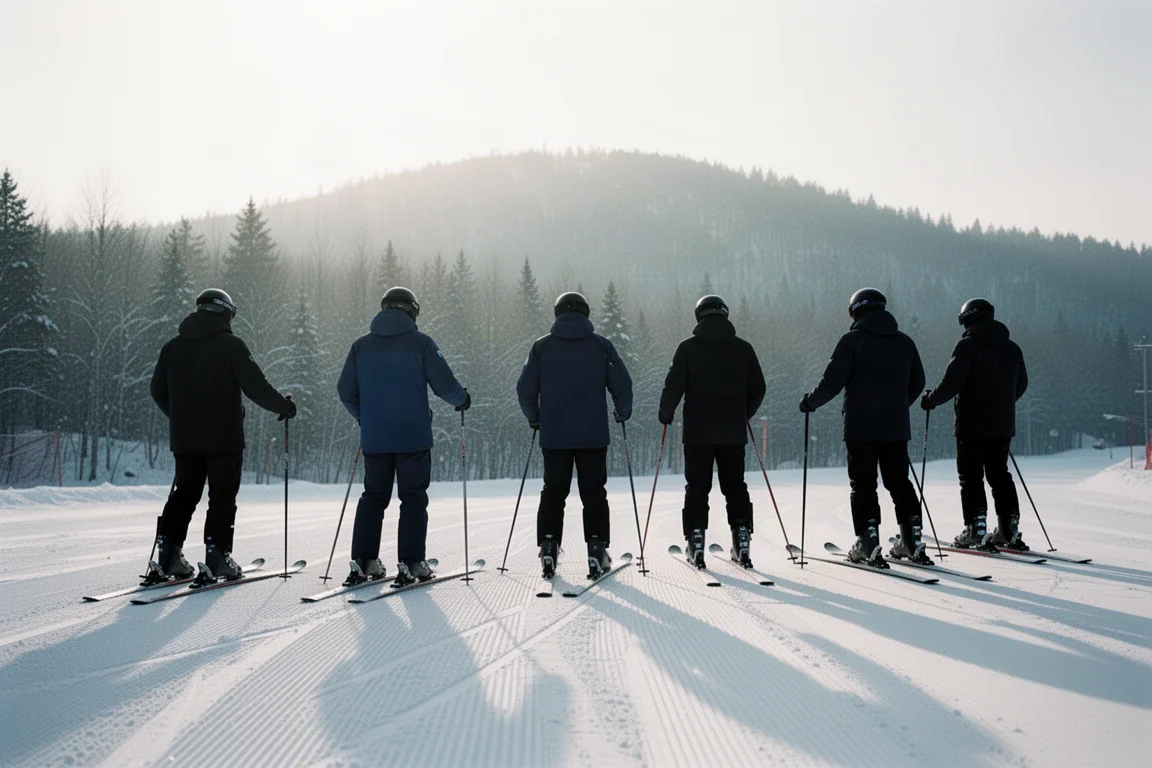
This comparison covers what each ski does well, where it gives up ground, and which kind of skier each one suits. All four were ridden in soft, deep snow with tracked and wind-affected sections mixed in, which is exactly the window where a freeride ski has to prove itself.
What the Salomon QST Collection Has in Common
Every ski in this group shares a similar design philosophy: generous rocker and taper at the extremities, a shape that releases easily, and enough backbone to hold an edge when the snow firms up.
That combination is what makes the line feel coherent. The wider models float, the narrower ones carve, and all of them can be skied with a relaxed, slash-oriented style or driven harder with more pressure and edge angle.
The other shared trait is versatility. Even the widest ski here can be taken back down a groomer without feeling like a compromise, and even the 106mm options hold up when the snow gets boot deep.
Salomon QST Blank: A Wide Ski That Stays Manageable
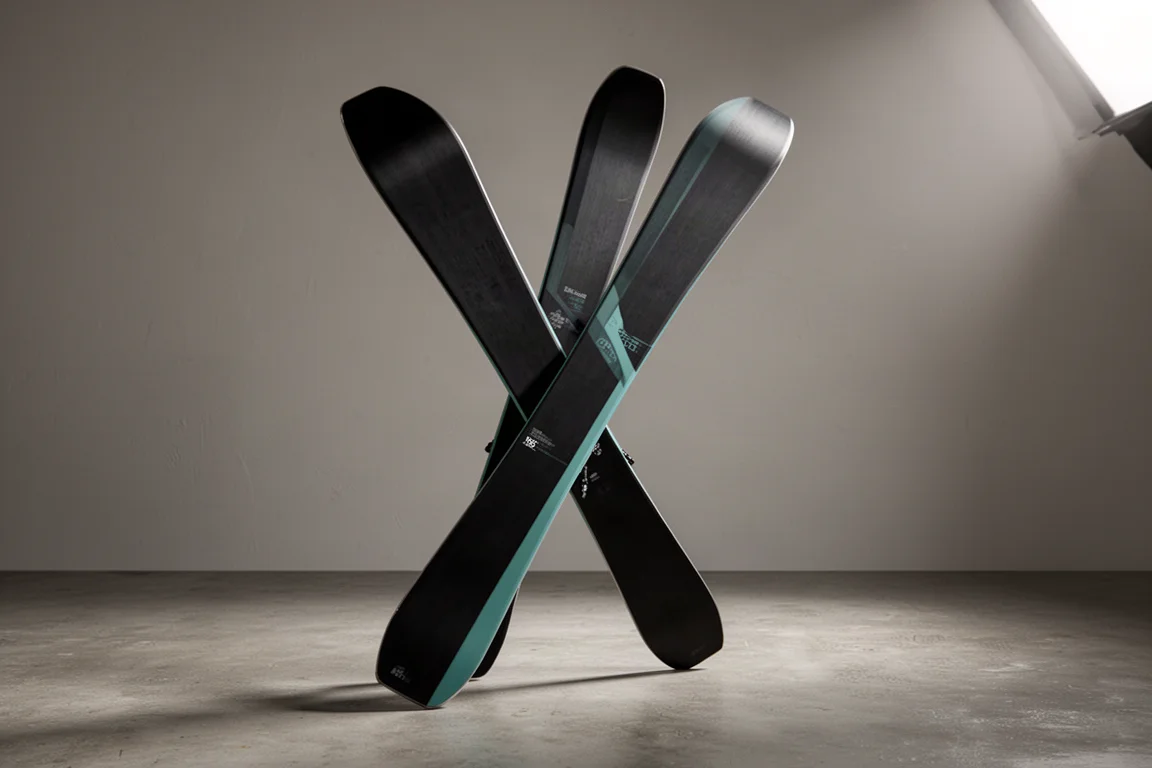
The Blank is the widest ski in this comparison at 112mm underfoot, and it was ridden in both 186cm and 178cm lengths. Despite that footprint, it does not behave like a one-trick specialist.
Its 17m turn radius on the 186cm sits alongside a lot of rocker and a lot of taper. That mix produces a genuinely unusual ride: the ski releases into a surfy, slashed turn when you want one, but if you wait on it and build edge angle, it will finish a round, carved turn instead.
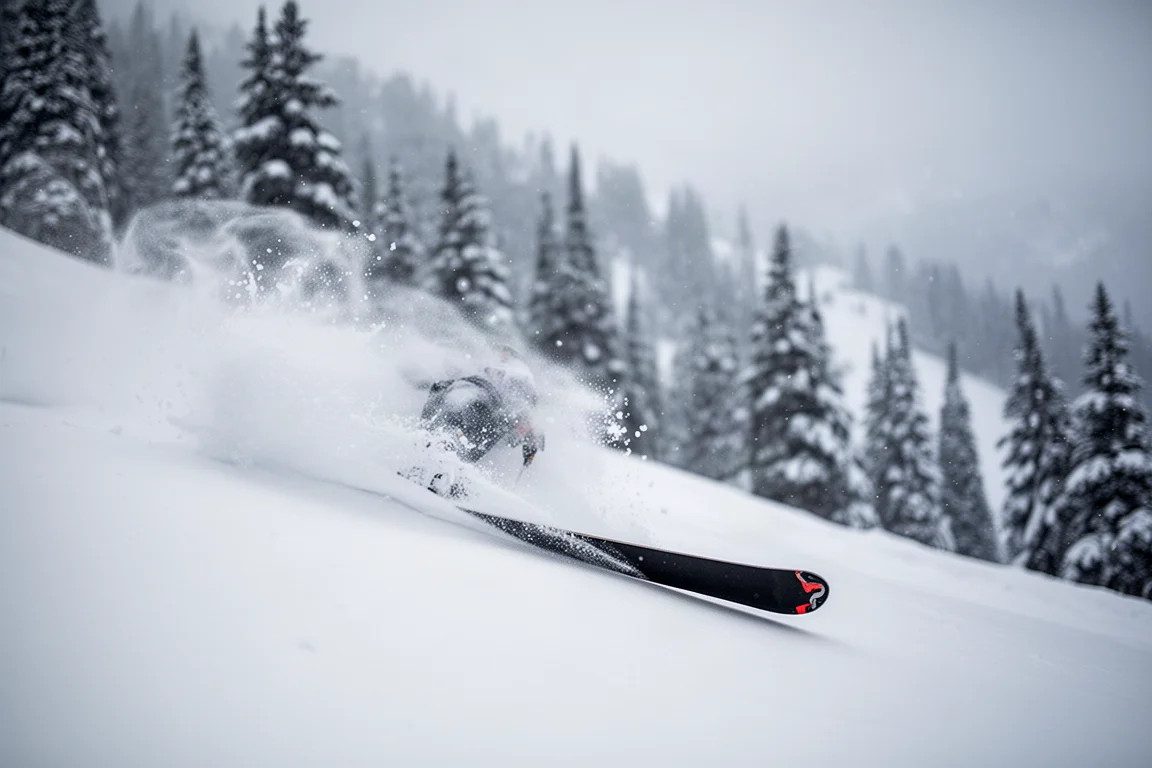
In wind-affected, less forgiving snow the Blank stood out. It held its composure where plenty of wide skis get knocked around, and it stayed calm when the terrain opened up and speeds climbed. On groomers it carves cleanly, it can be skied switch, and it stays playful off small airs with a solid landing.
The main caveat is simply that it is a lot of ski on paper. A 112mm waist and a 186cm length look intimidating in a shop, yet the shape keeps it easy to steer and quick underfoot, which is the part that matters once you are actually skiing it.
Salomon QST 106: Agile in Steep, Technical Terrain
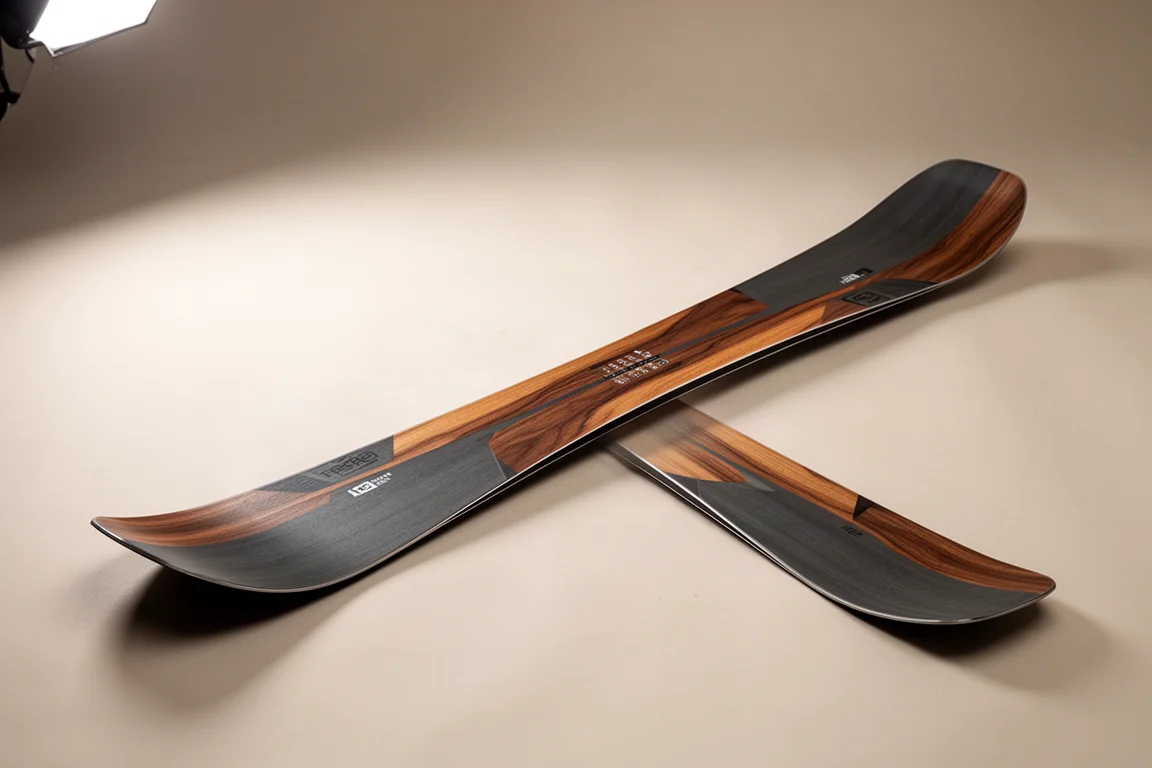
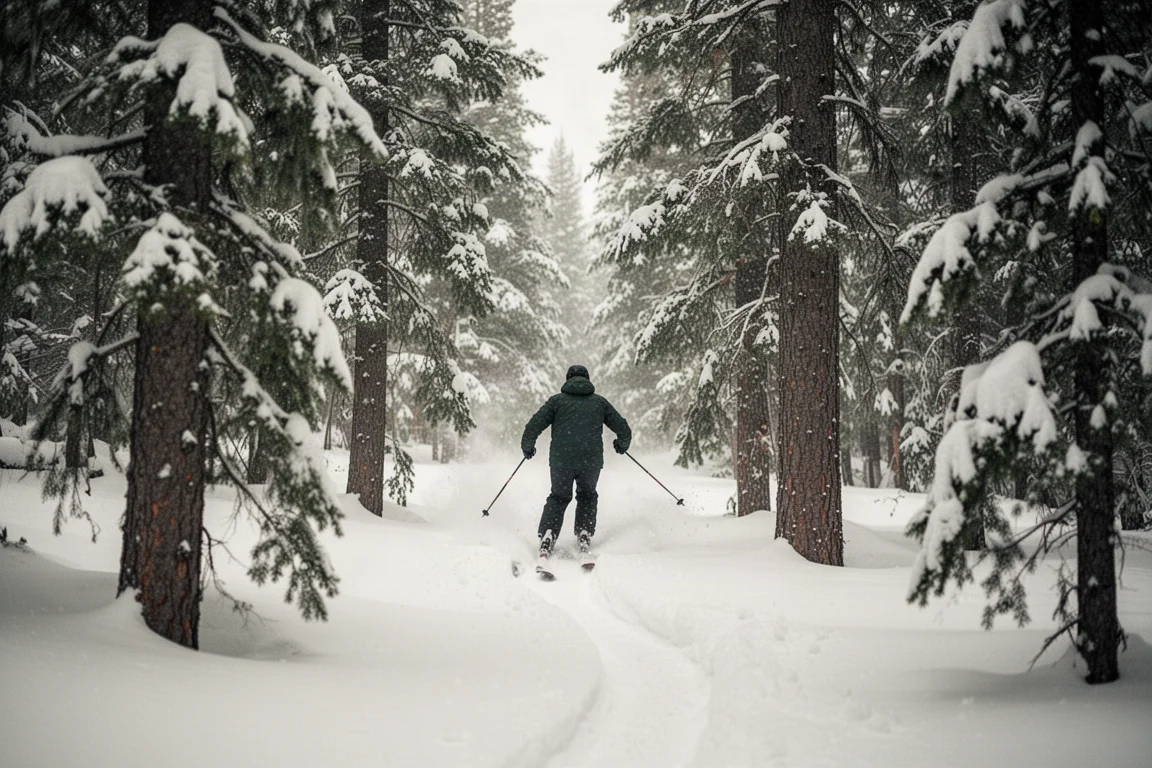
The QST 106 was ridden in a 173cm length, and it is the ski that felt most at home in tight, steep tree runs. Quick rotation and a light feel underfoot make it easy to pivot in and out of narrow lines.
It also takes a run or two to reveal itself. In fresh snow it feels good; once the snow starts getting tracked and cut up, the ski comes alive and that agility becomes the headline.
On groomers it carves cleanly and the overall range is wide. Compared with the Blank, it has a slight edge in tighter, more technical moments where a quicker ski is an advantage. The Blank’s extra surface area pays off instead when the terrain opens up and the snow is deeper.
Salomon QST Stella 106: A Long-Term Favorite for Mixed Days
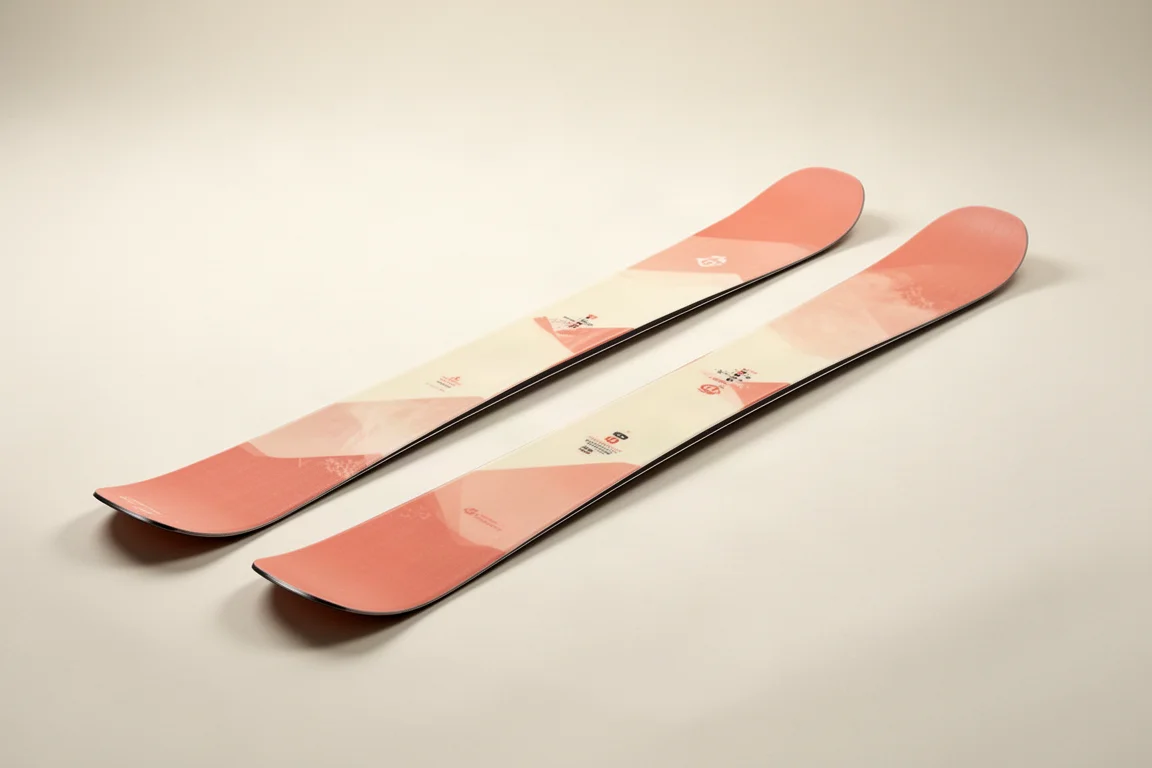
The Stella 106 shares the 106mm waist and was ridden in a 173cm length. It has been a multi-season go-to for one of the skiers in the group, which says a lot about how easy it is to live with.
Its strength is fresh snow. In untouched snow with some chop in between, it felt immediately at home, and it held up well in steeper terrain too. The waist width is versatile enough that it never feels like a specialist in either direction.
The trade-off shows up on deeper days. Once the snow gets chopped up, a longer and wider ski starts to look appealing, because extra length and surface area let you relax and let the ski run instead of working constantly for float.
Salomon QST X: Built for Going Sideways
The QST X is a different animal from the rest of the group. Where the Blank blends a slashed turn with a round carved turn, the X is committed to the straight, sideways slash.
It has a turny, short-radius feel and it throws up a lot of snow. In fresh, untracked conditions it is enormous fun, and the shape encourages a modern, drift-heavy style rather than a carved one.
That focus is also its limitation. On a day that mixes deep snow with groomers and firmer patches, a ski like the Blank covers more ground, which is why even a rider who enjoyed the X thoroughly found themselves leaning toward the Blank for all-round use.
View more details for Salomon QST X
Which QST Ski Is Right for You?
The honest answer depends on how much soft snow you actually ski and how much variety you want from a single pair.
If deep snow is the point of your season, the QST X delivers the most distinctive feel of the four, with its sideways, slash-first personality. If you want that same deep-snow confidence with more range across groomers, trees, and variable snow, the QST Blank is the more complete ski, and it stays manageable for a 112mm design.
If your days are a mix of groomers and soft snow, the two 106mm options are the sensible starting point. The QST 106 leans toward agility and quick rotation in steep, technical terrain, while the Stella 106 has proven itself over multiple seasons as an easy, versatile choice in fresh snow.
Width is worth thinking about honestly. A skier who assumed 106mm was as wide as they would ever need found that stepping up to a wider ski added stability and float underneath without much cost in maneuverability, at least in soft conditions. The wider ski also stayed stable in the air and solid on landing, which is not always true of a big platform.
Conclusion
All four skis come from the same design family, but they are not interchangeable. The QST X is the purest deep-snow toy, the Blank is the widest all-rounder that still carves, and the two 106mm models are the most practical single-ski choices for riders who split their time between groomers and soft snow.
Match the width and turn shape to the snow you actually ski most often, and any of these will feel like a sensible purchase rather than a gamble.
Further reading
Related Reviews

Skis
Armada Anti Matter 82 W Review: A Light, Approachable All-Mountain Carver
Armada's Anti Matter 82 W pairs a lightweight Karuba and carbon build with an easygoing all-mountain shape, aimed at intermediates through lighter-footed advanced skiers.

Skis
Armada Anti Matter 88W Review: A Light, Playful 88mm All-Mountain Ski Plus Two Alternatives
The Armada Anti Matter 88W returns unchanged in spirit from its Reliance 88C days, and it remains one of the most versatile 88mm skis around. We also look at the Nordica Santa Ana 87 and Anti Matter 92 W as alternatives.

Skis
Armada ARV 100 vs Atomic Bent 100: Which 100mm Freestyle Ski Should You Buy?
Two of the best all-mountain freestyle skis of the season compared: one leans playful and park-ready, the other holds up better everywhere else.