Skis
Salomon QST 92 Review: The All-Mountain Ski That Fits Almost Any Day
A practical look at the Salomon QST 92, a 92 mm all-mountain ski built on a poplar core with carbon and flax stringers, a short turn radius, and a forgiving freeride shape.
Introduction
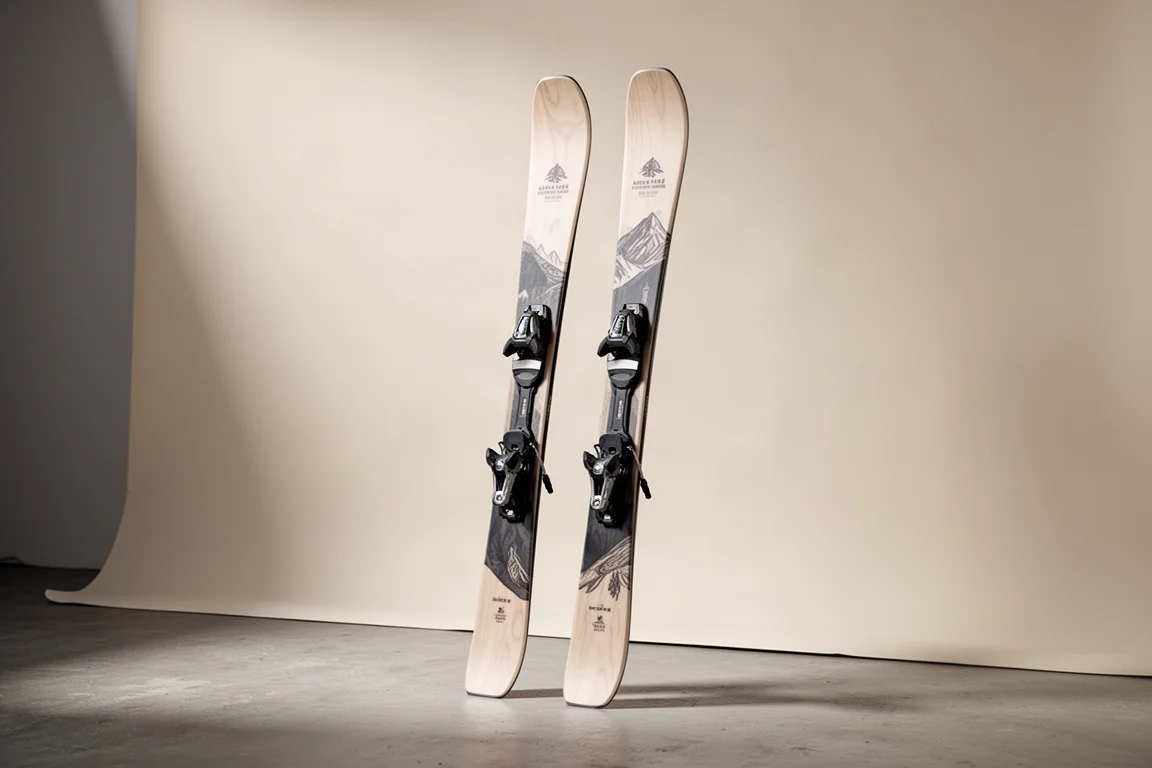
The Salomon QST 92 sits in the middle of the all-mountain category at 92 mm underfoot, and it has built a reputation as one of the most well-rounded skis you can put on your feet. For 2024 it returns essentially unchanged apart from a graphic update, which means the shape, construction and personality that made it a default recommendation carry over intact. The pitch is simple: it does a lot of things well and very little badly, which makes it an unusually easy purchase to feel good about.
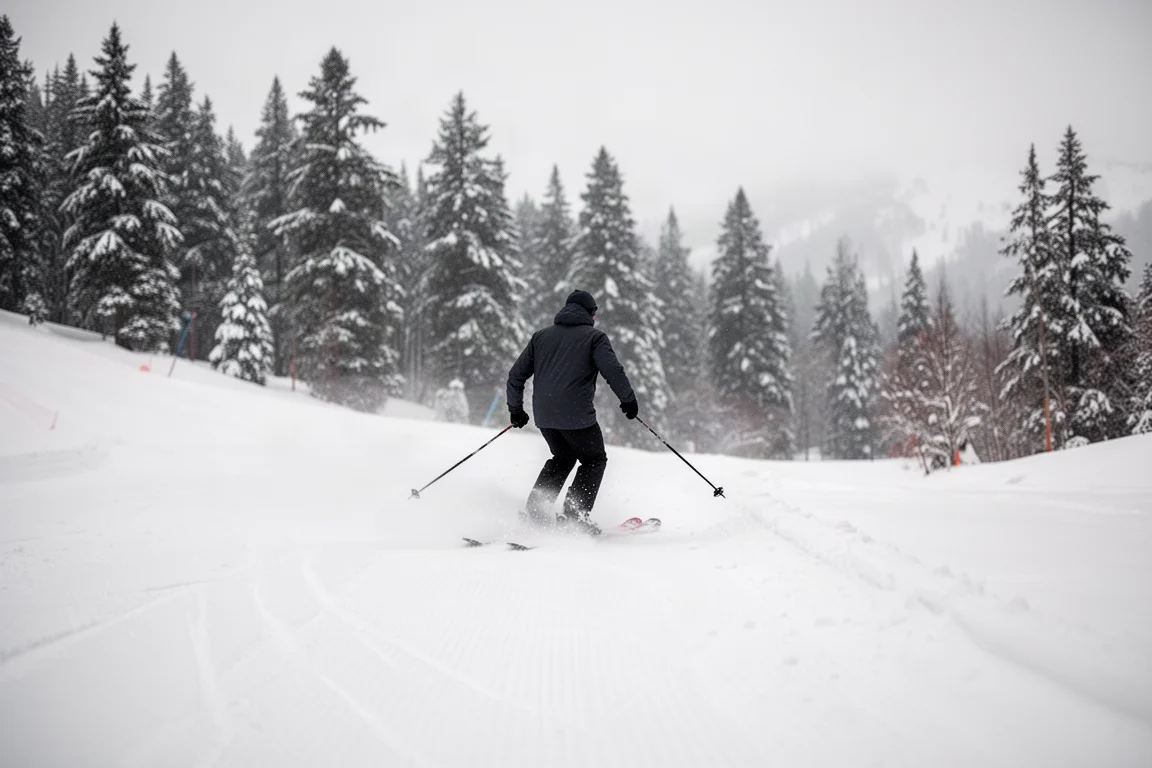
That balance comes from a design that leans on a shorter turn radius and a more pronounced taper than the wider skis in the same family, giving it an agility that is uncommon in a ski this versatile. It is the narrower member of the QST line, so it keeps a freeride silhouette and attitude while staying manageable on groomed terrain.
Who the Salomon QST 92 Is For
This is a ski for the person who wants one pair to cover most of a season. It handles short skidded turns in bumps and trees, and it is equally content when you let it run into longer carved arcs. That range makes it a strong fit for skiers who split their time between soft snow, tree lines and groomed runs rather than chasing a single discipline.
It also suits skiers on firmer snow. The denser sidewall material underfoot adds torsional stiffness and edge grip, which matters on the hard, refrozen surfaces that dominate many resorts. The ski is not a frontside carver, but it holds its own when conditions turn firm.
Finally, it is a sensible answer for anyone who has compared options for weeks and still cannot decide. Its defining quality is how automatically it does a bit of everything.
Construction and Energy
The core is a full poplar wood core, paired with CFX fibers: carbon and flax stringers that run through the tips and tails. In practice that gives the ski noticeable energy and pop from turn to turn, with strong rebound as you come out of a turn. It feels lively rather than damp underfoot, and it rewards a skier who likes to work the ski through the arc.
Underfoot, the QST 92 uses a double sidewall design. The ABS material in the binding area is denser and stiffer than the sidewall elsewhere along the ski, so the section where you load the ski hardest is also the beefiest. That contributes directly to edge grip and torsional stiffness.
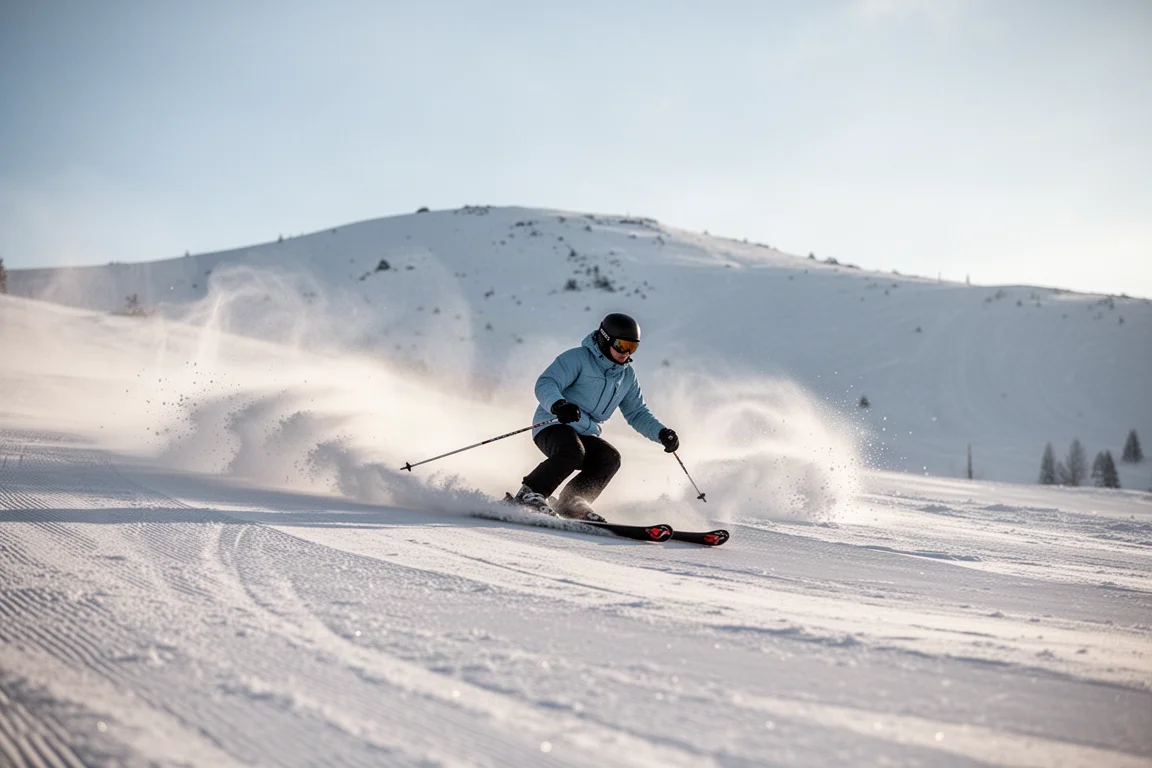
Positive camber underfoot reinforces that energy and grip, so the ski stays communicative when you push it instead of feeling vague. Taken together, the construction explains why the ski feels quicker and more responsive than its dimensions alone would suggest.
Agility and Turn Versatility
At 176 cm the QST 92 has a 15 m turn radius, which is short for a ski in this width class. That number translates into a ski that is quick into short skidded turns in bumps and trees, and still comfortable when you open it up into longer carved turns. The result is an unusually broad range of turn shapes from a single ski.
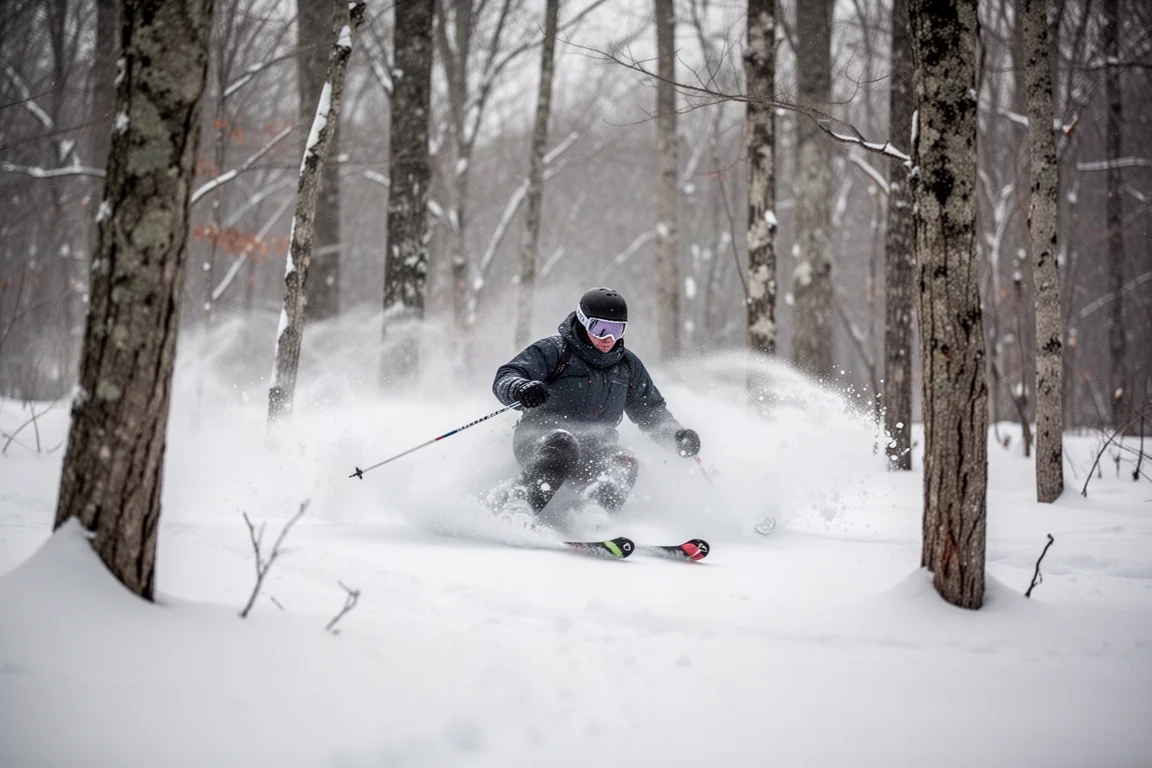
The taper shape was reworked a season ago, and it matters. The ski narrows more aggressively toward a pointier tip, which smooths the entry and exit of the turn and shortens the effective turn radius. Tip rocker is far less dramatic than on the wider QST models, where the rocker profile reaches much further back toward the middle of the ski. The tail taper and rocker land roughly where you would expect from a mid-90s all-mountain ski: present, but not extreme.
Grip, Stability, and Weight
At 1878 g in the 176 cm length, the QST 92 carries some heft for a ski this narrow, though it stays in a comfortable middle zone rather than feeling heavy. That mass supports stability without making the ski slow to move around, which is part of why it feels composed at speed and still easy in tight terrain.
Edge grip and torsional stiffness benefit from the denser underfoot sidewall, and that combination is genuinely useful on firm, eastern-style snow. It is worth being clear about the ceiling, though. Skis in the low-to-mid 90s with metal in their construction are stronger carvers, and the QST 92 is not built to be a frontside carving tool. Its freeride shape sets a different priority, and that trade-off is deliberate.
Things to Consider Before Buying
- Sound and feel. Unlike the wider QST models, this ski does not use a cork insert, so it produces a slightly more audible, higher-pitched sound as it moves over the snow. It is a characteristic rather than a fault, and it does not detract from how the ski performs.
- Carving ceiling. If maximum edge hold on hardpack is your priority, a narrower ski with metal layers will outperform it.
- Length choice. The 176 cm was stable and enjoyable even for a taller, heavier skier who would normally choose the 184 cm, but the 184 cm remains the better match for larger skiers. The shorter length does raise maneuverability noticeably.
Buying Advice
If you want one ski that covers bumps, trees and groomers without demanding a particular style, the QST 92 is about as safe a pick as the category offers. It blends agility and stability well, and it gives you a wide spread of turn shapes without asking you to adapt your skiing to it.
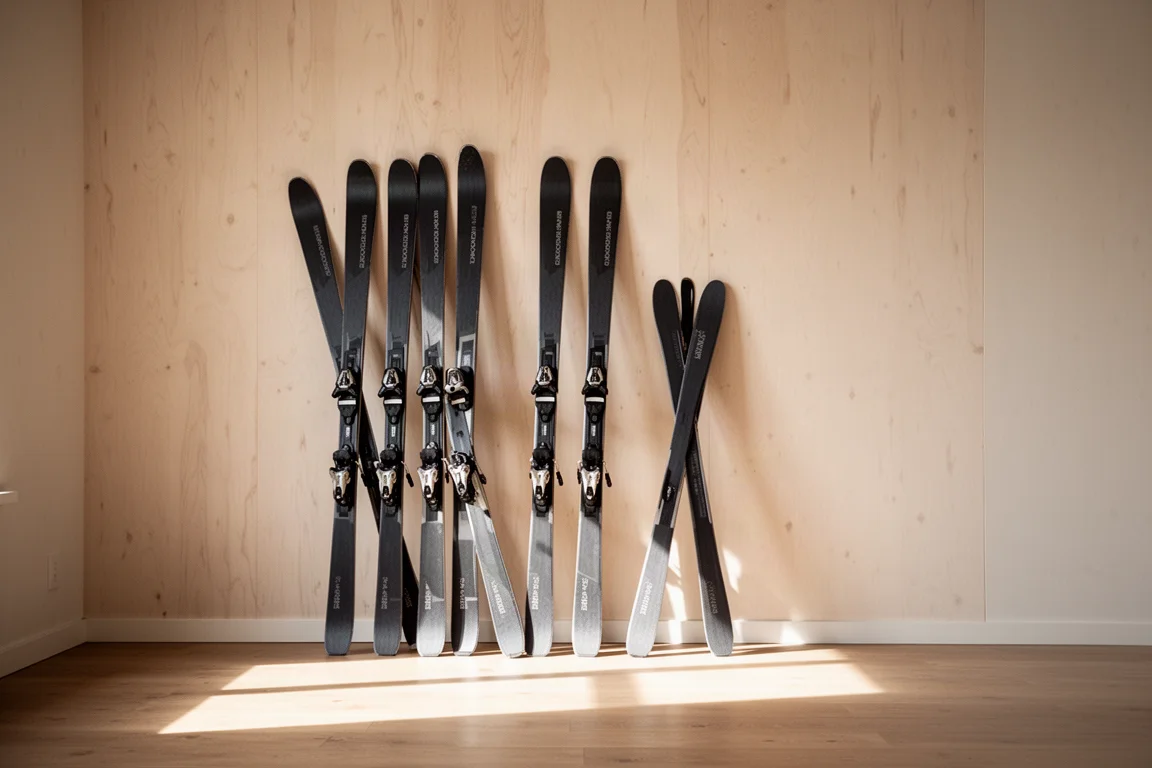
Choose your length by your height, weight and how much you value quickness over float. Skiers who mostly carve on hardpack and want the sharpest possible edge hold should look at a narrower, metal-layered ski instead. For everyone else, this is the model that removes the guesswork from the decision.
Conclusion
The Salomon QST 92 earns its reputation the unglamorous way: by being competent everywhere. A poplar core with carbon and flax stringers gives it energy, the denser underfoot sidewall gives it grip, and the short radius and refined taper give it agility that most all-mountain skis cannot match. It is not the best carver in its width class, and the lack of a cork insert makes it slightly more vocal on snow, but those are small caveats against a ski that does nearly everything well. If you are unsure what to buy, this is the one that is hardest to regret.
Product link
View more details for Salomon QST 92
This product is mentioned in the review. Check the specifications, options, and compatibility before buying.
View more details for Salomon QST 92Further reading
Related Reviews

Skis
Armada Anti Matter 82 W Review: A Light, Approachable All-Mountain Carver
Armada's Anti Matter 82 W pairs a lightweight Karuba and carbon build with an easygoing all-mountain shape, aimed at intermediates through lighter-footed advanced skiers.

Skis
Armada Anti Matter 88W Review: A Light, Playful 88mm All-Mountain Ski Plus Two Alternatives
The Armada Anti Matter 88W returns unchanged in spirit from its Reliance 88C days, and it remains one of the most versatile 88mm skis around. We also look at the Nordica Santa Ana 87 and Anti Matter 92 W as alternatives.

Skis
Armada ARV 100 vs Atomic Bent 100: Which 100mm Freestyle Ski Should You Buy?
Two of the best all-mountain freestyle skis of the season compared: one leans playful and park-ready, the other holds up better everywhere else.