Skis
Salomon QST 100 Review: A Do-It-All All-Mountain Ski for Mixed Conditions
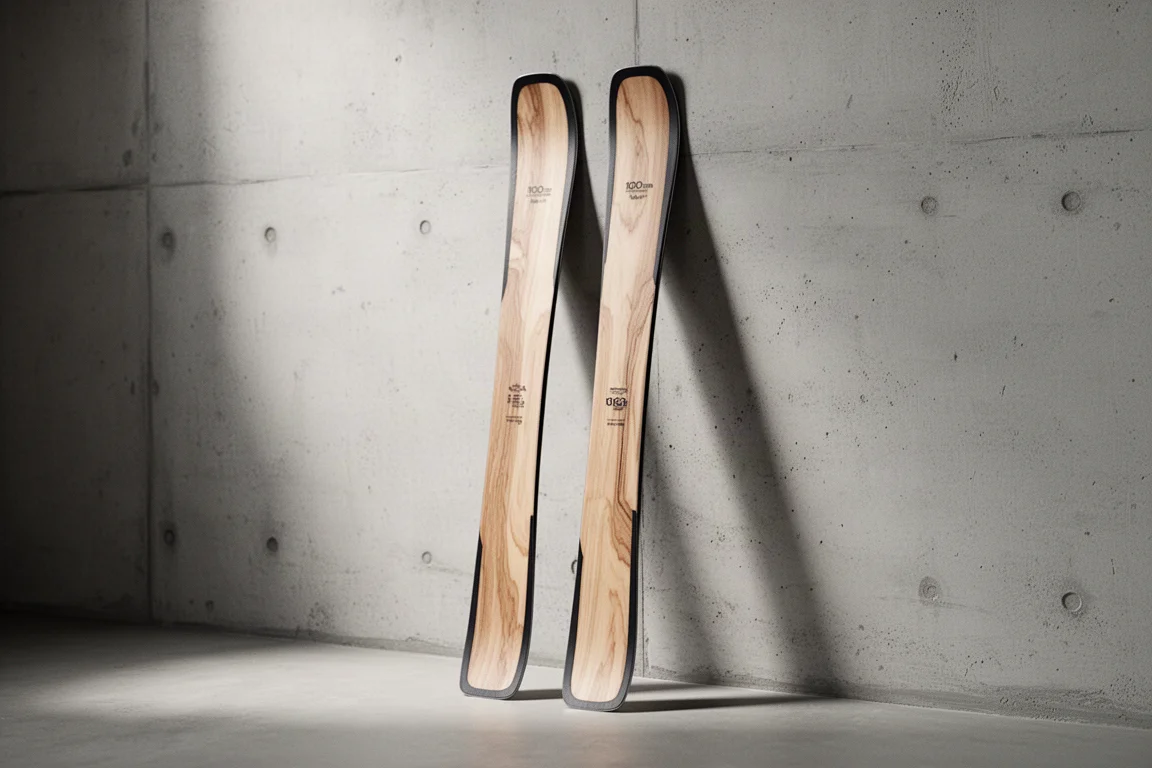
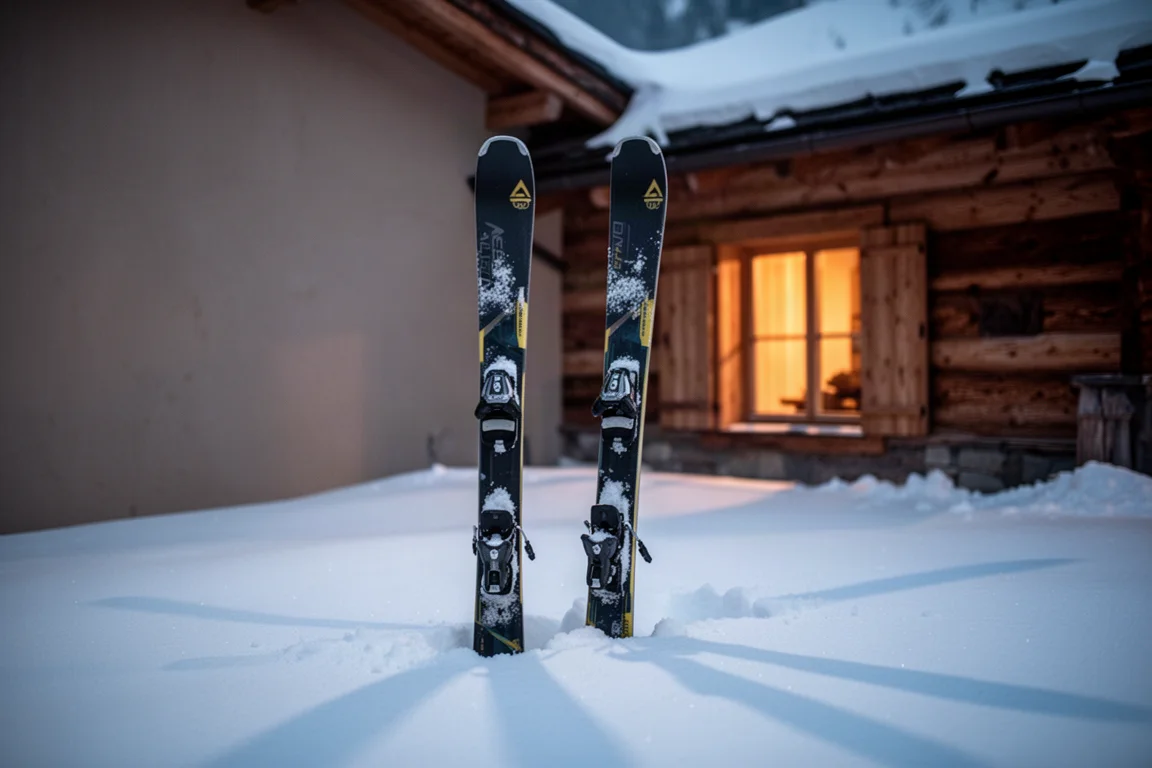
An on-snow look at the Salomon QST 100, a 100mm all-mountain twin tip that carves soft groomers, floats in trees, and stays composed in cut-up crud.
Introduction
The Salomon QST 100 is the 100mm-wide all-mountain twin tip in the QST line, and it was clearly built for the kind of day where you ski groomers in the morning, duck into the trees after lunch, and finish on whatever the storm left behind. It is not a narrow specialist. It is a ski that wants to be used everywhere.
Across several days of testing in a snowy stretch of northern Vermont, the QST 100 behaved the same way on every run: it rewards a forward, engaged stance, finishes turns almost on its own, and stays calm when the surface underneath turns uneven. Very little about it feels like a compromise, which is unusual for a ski with this much range.
Who the Salomon QST 100 Is For
The QST 100 makes the most sense for advanced and strong intermediate skiers who would rather own one ski than three. Its 100mm waist is wide enough to float in fresh snow and narrow enough to hold an edge on a groomer, and it can be mounted with an alpine binding, a hybrid shift-style binding, or a tech binding, so the same ski can cover resort laps and lighter uphill days.
It is also unusually forgiving for its width. The tip and tail rocker means a slightly off-balance turn can be corrected without a fight, which makes it a comfortable step up for skiers moving into their first genuinely wide all-mountain ski.
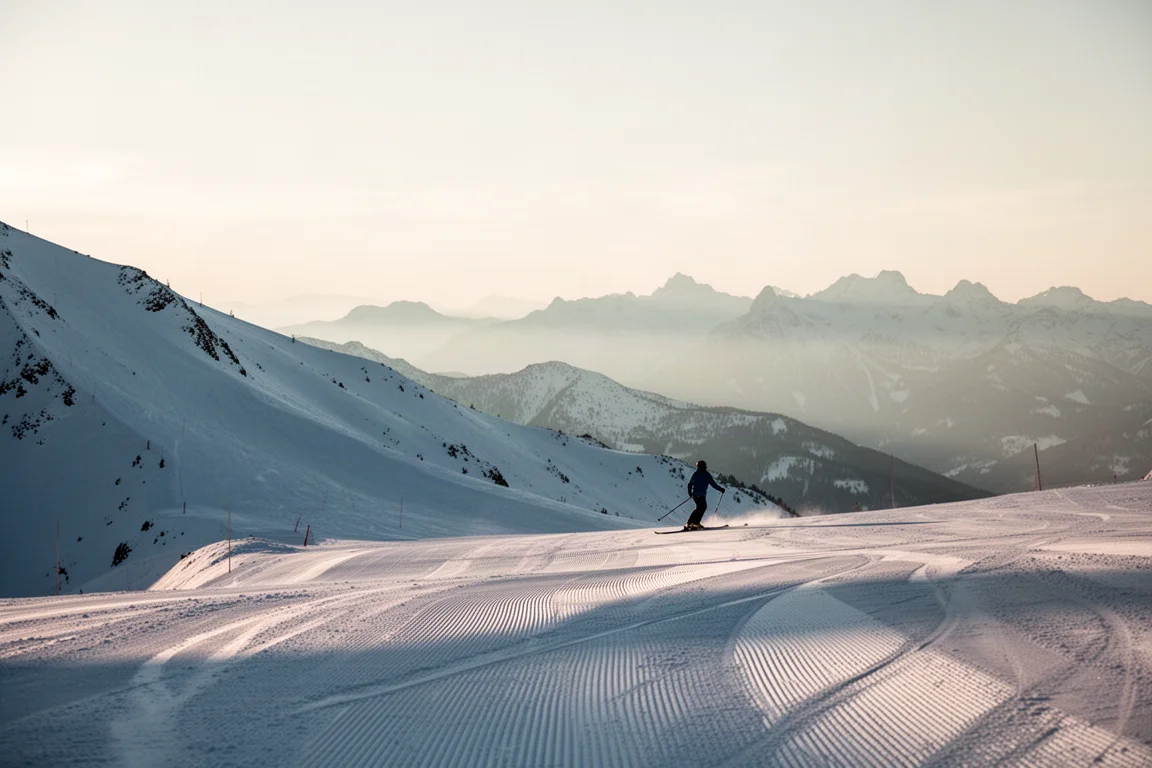
Skiers who spend most of their time on hard, injected snow or racing gates are a different story. This ski is happiest where there is soft snow to work with.
Main Strengths: Carving, Float, and Composure
The biggest surprise is how well the QST 100 carves. On soft groomers it produces clean, energetic turns with a strong finish, and it carries that energy from one turn into the next. Compared with the narrower QST 98 it is a meaningful step up in carving performance, and it floats better at speed thanks to a broader tip shape.
The construction explains part of that feel. There is no metal in the ski. Instead, the build uses a substantial cork and TPU layer along with basalt, which gives it a damp, settled character without the stiffness of a metal-laminate ski. In cut-up crud and tracked-out snow, it tends to push through or stay on top rather than getting knocked around, and it resists deflection better than some lighter 100mm options.
Maneuverability in Trees and Tight Terrain
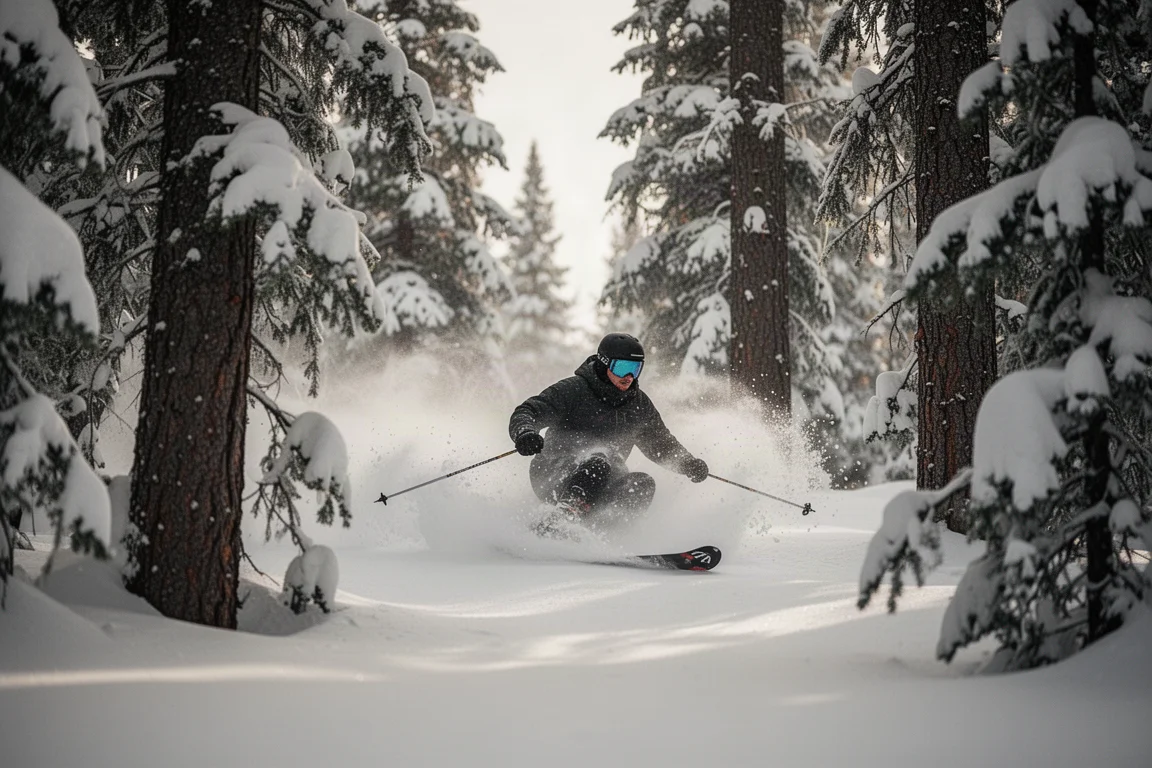
In the trees, the QST 100 is quick and predictable. It is very close to the QST 98 in quickness, just a touch less loose, which most skiers will happily trade for the extra stability and carving performance everywhere else. The rocker profile in the tail does a lot of the work: you initiate the turn, and the ski finishes it.
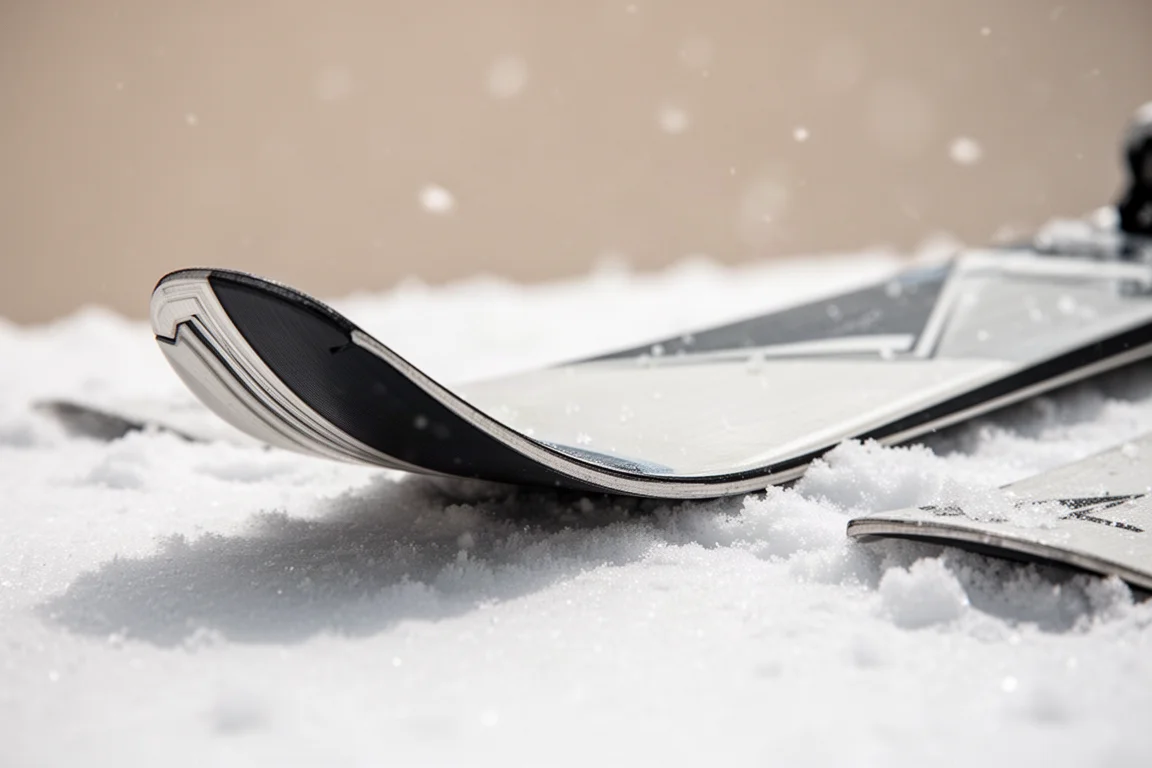
That forgiving tail also makes it easy to stay forward. Instead of sitting back and riding the tails through tight lines, you can stay centered and trust the shape, which is a big part of why the ski feels so natural in gladed terrain.
Edge Hold and Damping in Firm Snow
The QST 100 is well damped for a ski without metal. Some tip movement is visible when the snow firms up, but that movement is the design working as intended: it isolates vibration before it reaches the boot rather than transferring chatter up through the ski. On groomers with a firm base under a soft layer, the ride stays smooth and predictable.
Things to Consider Before Buying
The one clear limit is true blue ice. On genuinely hard, polished surfaces the ski starts to chatter, which is expected from a metal-free build. If your season is mostly firm snow and steep, icy terrain, that is the condition where a narrower, metal-laminated ski will feel more planted.
The QST 100 is also not trying to be a featherweight. Part of what makes it stable in crud is that it is a stout ski, so riders hoping for an ultralight build should adjust expectations. Lighter and smaller skiers should also be honest about length: even the shortest option is a lot of ski in tight trees, and it can be tiring in soft snow if you are not used to the width.
None of these are flaws so much as trade-offs, and they are the trade-offs that make the ski work as well as it does in mixed conditions.
How the QST 100 Compares to the QST 98
For anyone coming from the previous QST 98, the differences are easy to summarize. Maneuverability and the loose, wiggly feel in soft snow drop only slightly, while carving performance and overall composure climb noticeably. The new tip shape adds float at speed, and the whole ski feels like a fresh design rather than a small revision.
That makes the QST 100 the more versatile of the two for skiers who split their time between groomers and soft snow, while the QST 98 keeps a small edge for pure tree skiing in deep snow.
Buying Advice: Length and Binding Choices
Length matters more than anything else here. The 180cm is the sweet spot for most skiers who want agility in the trees without giving up stability, and it carves confidently at speed. The 188cm adds stability, edge grip, and energy in open, cut-up terrain with very little maneuverability penalty for a strong skier. The 172cm suits lighter or smaller skiers, though it remains a substantial ski in tight terrain.
On the binding side, the ski is flexible: an alpine binding for resort use, a hybrid shift-style binding for occasional touring, or a tech binding for a lighter setup. Pick the binding around how much of your season happens on the skin track.
One note on the lineup: the QST 100 is the model available now, with the narrower 94 and wider 106 versions expected later in the season. If you already know you want a 100mm waist for mixed conditions, there is no reason to wait.
Conclusion
The Salomon QST 100 is not the best ski in the world at any single thing, and that is exactly why it works. It carves well, floats well, stays composed in crud, and feels natural in the trees, all without asking the skier to change style from run to run. For anyone building a one-ski quiver around mixed conditions, it is one of the most accommodating all-mountain skis available.
Product link
View more details for Salomon QST 100
This product is mentioned in the review. Check the specifications, options, and compatibility before buying.
View more details for Salomon QST 100Further reading
Related Reviews

Skis
Armada Anti Matter 82 W Review: A Light, Approachable All-Mountain Carver
Armada's Anti Matter 82 W pairs a lightweight Karuba and carbon build with an easygoing all-mountain shape, aimed at intermediates through lighter-footed advanced skiers.

Skis
Armada Anti Matter 88W Review: A Light, Playful 88mm All-Mountain Ski Plus Two Alternatives
The Armada Anti Matter 88W returns unchanged in spirit from its Reliance 88C days, and it remains one of the most versatile 88mm skis around. We also look at the Nordica Santa Ana 87 and Anti Matter 92 W as alternatives.

Skis
Armada ARV 100 vs Atomic Bent 100: Which 100mm Freestyle Ski Should You Buy?
Two of the best all-mountain freestyle skis of the season compared: one leans playful and park-ready, the other holds up better everywhere else.