Snowboarding
Salomon Huck Knife vs Sleepwalker: Which True Twin Snowboard Fits Your Riding?
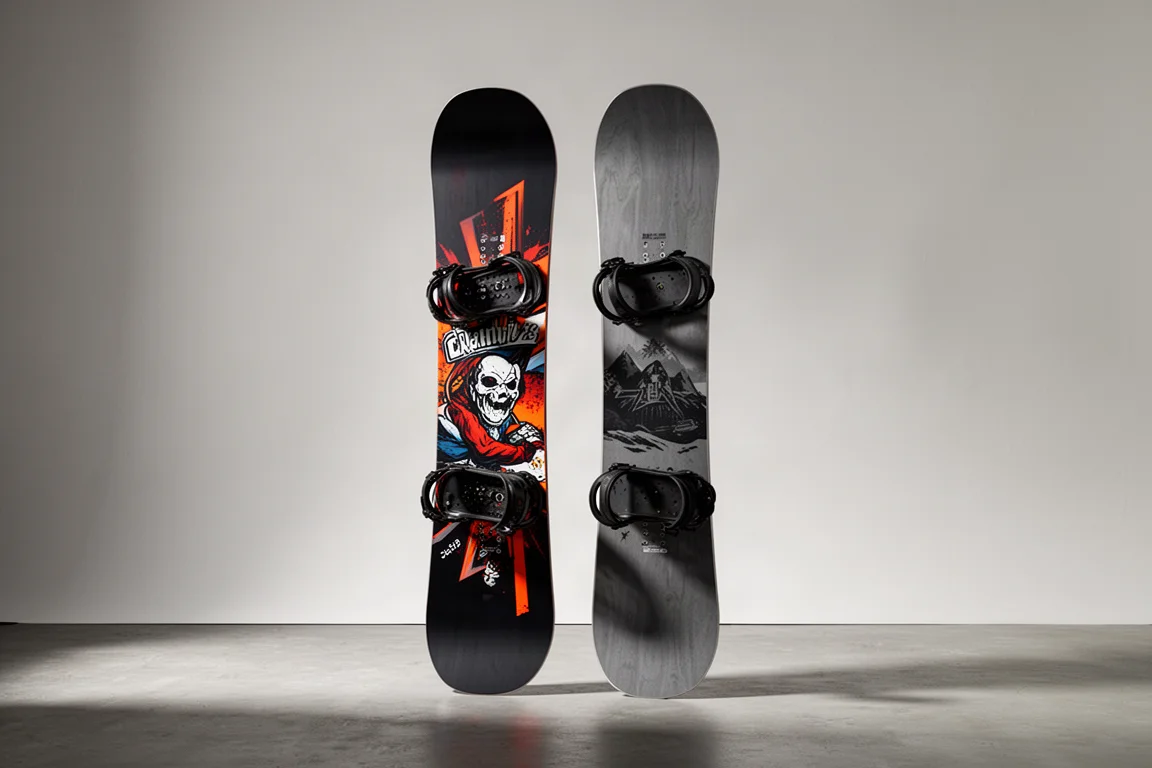
Two true twin Salomon boards with very different personalities: the poppy, camber-loaded Huck Knife and the forgiving, rail-friendly Sleepwalker.
Introduction
Salomon’s lineup this season includes two true twin boards that look similar on paper but ride very differently: the Huck Knife and the Sleepwalker. Both are symmetric twins, so switch landings and mirrored stance setups are equally at home on either board. The real difference is in the construction and flex, and that changes who each board is for.

Salomon Huck Knife: Pop and Edge Grip for Jumps
The Huck Knife is a true twin with a medium flex built around Salomon’s Quad Camber profile. That means camber through the middle of the board, more aggressive camber pockets underneath each binding, and rocker at the nose and tail. The result is noticeably more bite and grip on firmer snow, and it makes it easier to load up the edges for a turn or off the lip of a jump.
Carbon running through the nose and tail adds pop, giving the board a lively, snappy character. It is positioned as a park board, but it also works as a genuine all-mountain twin for riders who simply prefer a twin feel under their feet. In the park, it shines on powerful jumps and bigger landings, and it stays versatile well beyond the groomed features.
Salomon Sleepwalker: A Mellow, Forgiving Ride
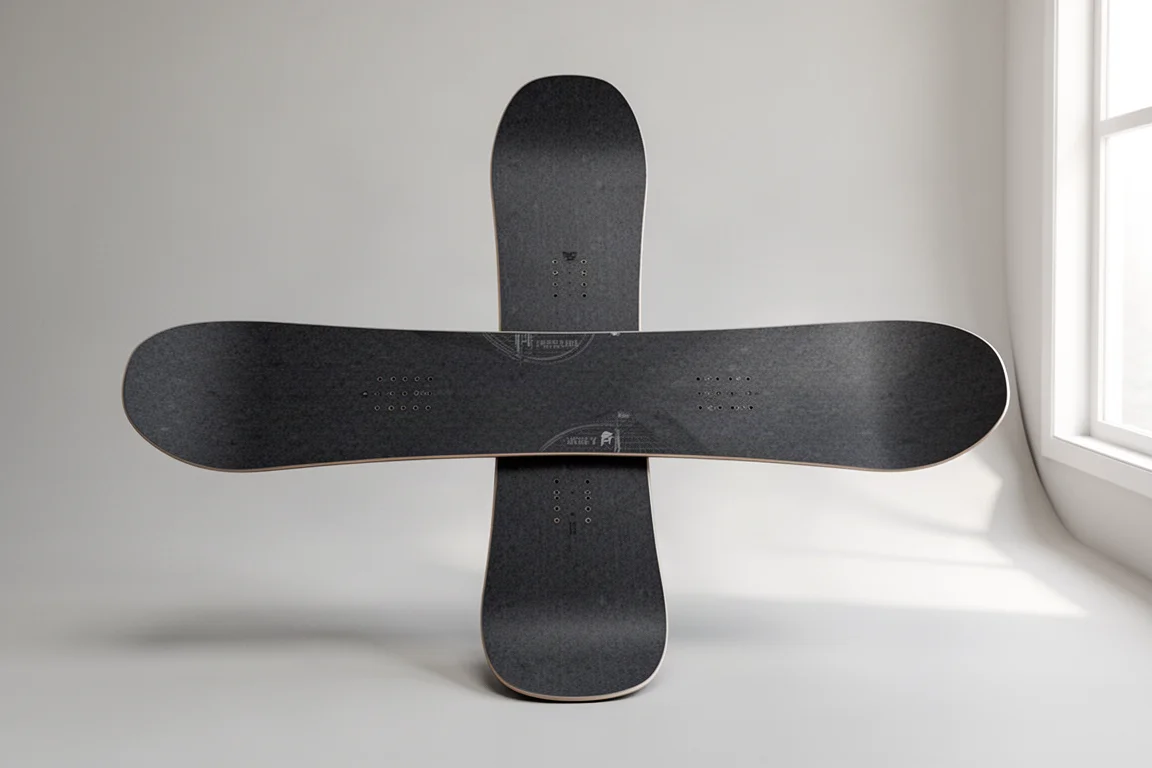
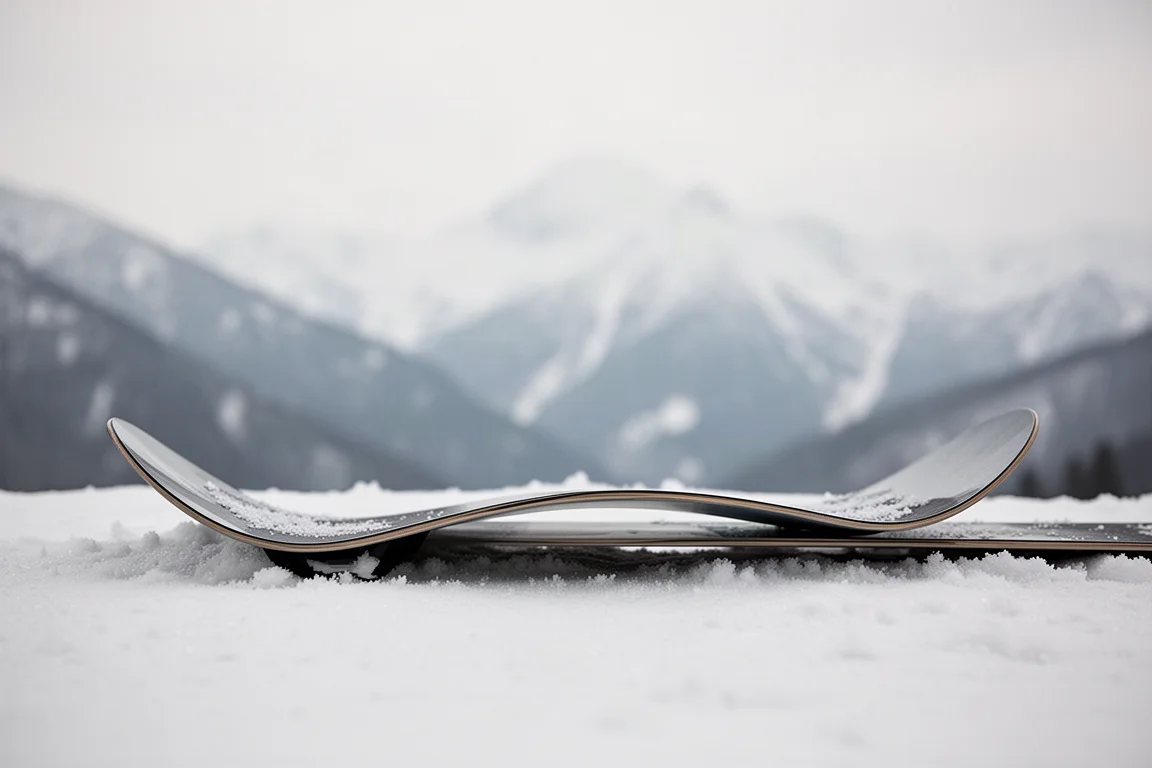
The Sleepwalker is essentially a toned-down version of the same true twin formula. It uses Salomon’s Rock Out Camber: flat between the feet, a bit of camber under each foot for grip, and rocker in the nose and tail. That profile is more mellow and does not bite quite as hard as the Huck Knife’s.
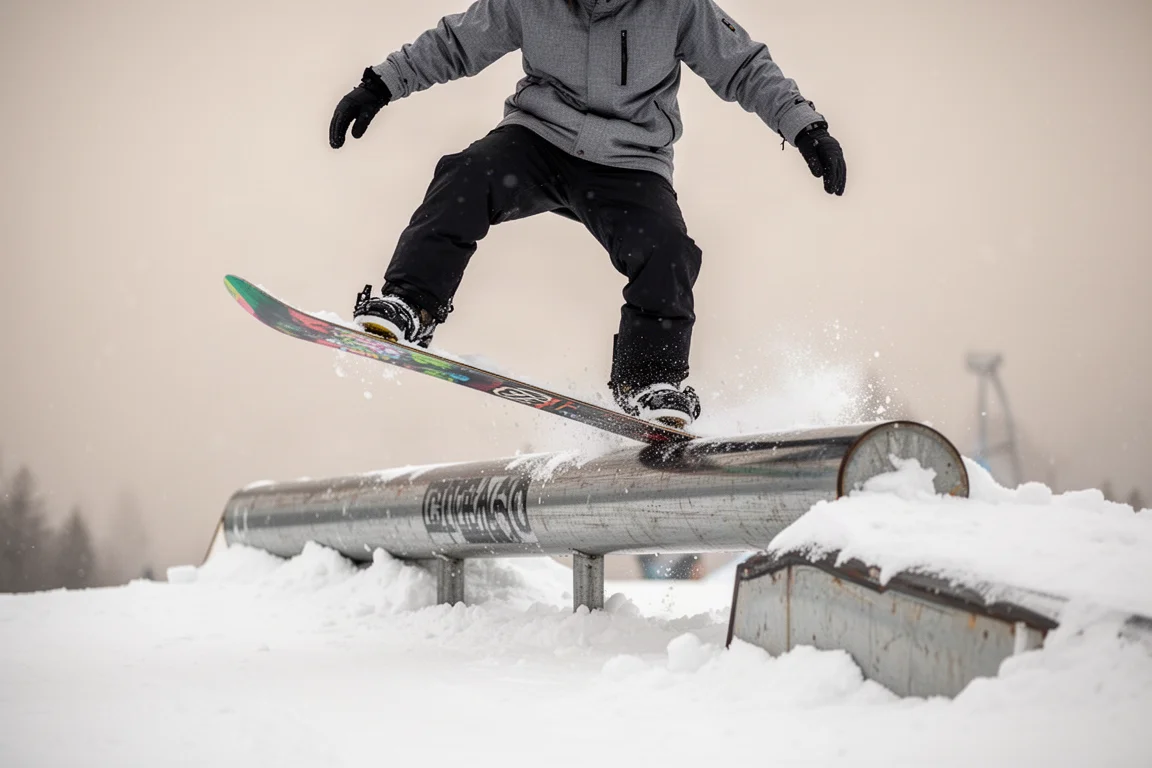
The flex is softer too, sitting around medium-soft, which makes the board feel more maneuverable and nimble. If you are a park rider who spends more time on rails than jumps, that extra flexibility makes the board easier to move around on features. Construction is straightforward: a solid wood core and the true twin shape, which keeps switch tricks and general versatility easy. It is a comfortable board to progress on, and a more forgiving option if you are still building confidence.
How the Two Profiles Feel Different Underfoot
On paper the boards share a true twin shape, but the internals change how they feel. The Huck Knife delivers more pop and more power outside the park, rewarding riders who like a punchy, responsive ride. The Sleepwalker trades some of that energy for an easier-going feel that is quicker to rotate and less demanding on firm snow.
Which Board Should You Buy?
If you favor jumps, bigger landings, or want something with a bit more power behind it when you take it outside the park, the Huck Knife is the more natural fit. If you live on rails, are a more beginner-leaning rider who wants something forgiving, or simply prefer an easier-going ride while you progress, the Sleepwalker makes a lot of sense.

Conclusion
Both boards are genuinely fun options, and the right pick comes down to how and where you ride. Choose the Huck Knife for pop, grip, and all-mountain power in a twin package, and the Sleepwalker for a softer, more maneuverable board with plenty of room to grow.
Further reading
Related Reviews

Snowboarding
2025 Snowboard Gear List: Five Picks That Earned Their Place on the Mountain
From Zeiss-lens goggles to a hybrid step-in binding, here are five pieces of 2025 snowboard gear that held up across a full season of riding.

Snowboarding
2026 Snowboard Gear List: Boards, Bindings, Boots and Outerwear Worth a Look
A season-ready snowboard setup built from the bottom up: base layers, Strafe outerwear, Ride and Union boots, Union bindings, and two new Capita boards.

Snowboarding
32 Cold World Review: A Playful Hybrid Camber Board for Park Laps
The 32 Cold World blends classic camber underfoot with flat nose and tail sections for a predictable, butter-friendly ride aimed at intermediate park riders.