Snowboarding
Salomon HPS Takaharu Nakai Review: A Powder-First Board for Back-Foot Surfers
A closer look at Salomon's powder camber pro model: how it rides in chop, corduroy, and fresh snow, and who it actually makes sense for.
Introduction
The Salomon HPS Takaharu Nakai is a powder-focused directional board built around one clear idea: keep the nose floating and let the back foot drive the ride. It sits alongside the Takaharu Nakai EP in Salomon’s line, and after spending time on it in a mix of chop, corduroy, and fresh snow, the differences between the two boards turn out to be subtle rather than dramatic.
This review covers how the camber profile actually behaves on snow, where it excels, and whether it earns a place in a quiver that might already include the EP.
The Camber Profile Explained
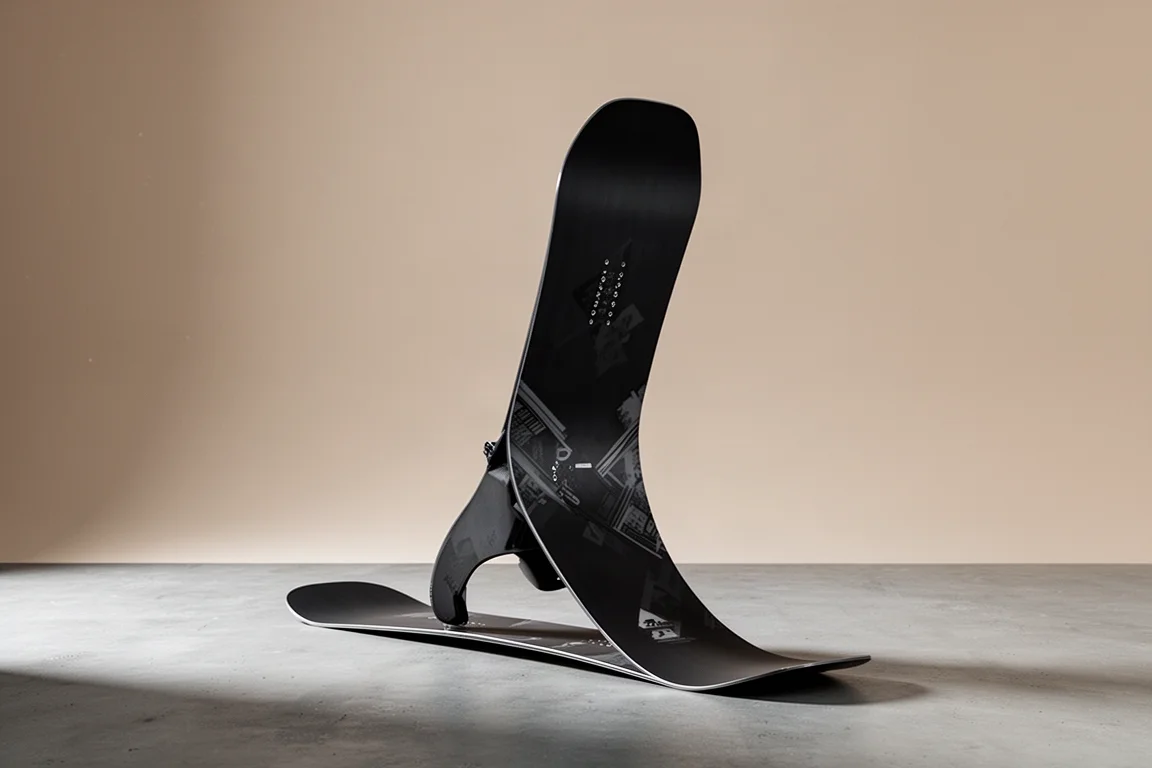
The defining feature here is Salomon’s powder camber: an elongated rocker in the nose, a setback rear camber whose apex sits right before the rear insert pack, and a tiny bit of rocker in the tail. In practice, that means all the load, pop, snap, and drive come from the rear foot, while the long rockered nose makes turn entry and exit easy and keeps the board floating in powder.
The rocker in the tail? It really does not do much. The board is available in 155, 158, and 161 cm lengths, and testing happened at Copper Mountain on a day with about three inches of overnight fresh on top of a foot from the previous 36 hours, with chop, warming temperatures, high winds up top, and clean corduroy lower down.
Flex and Stability
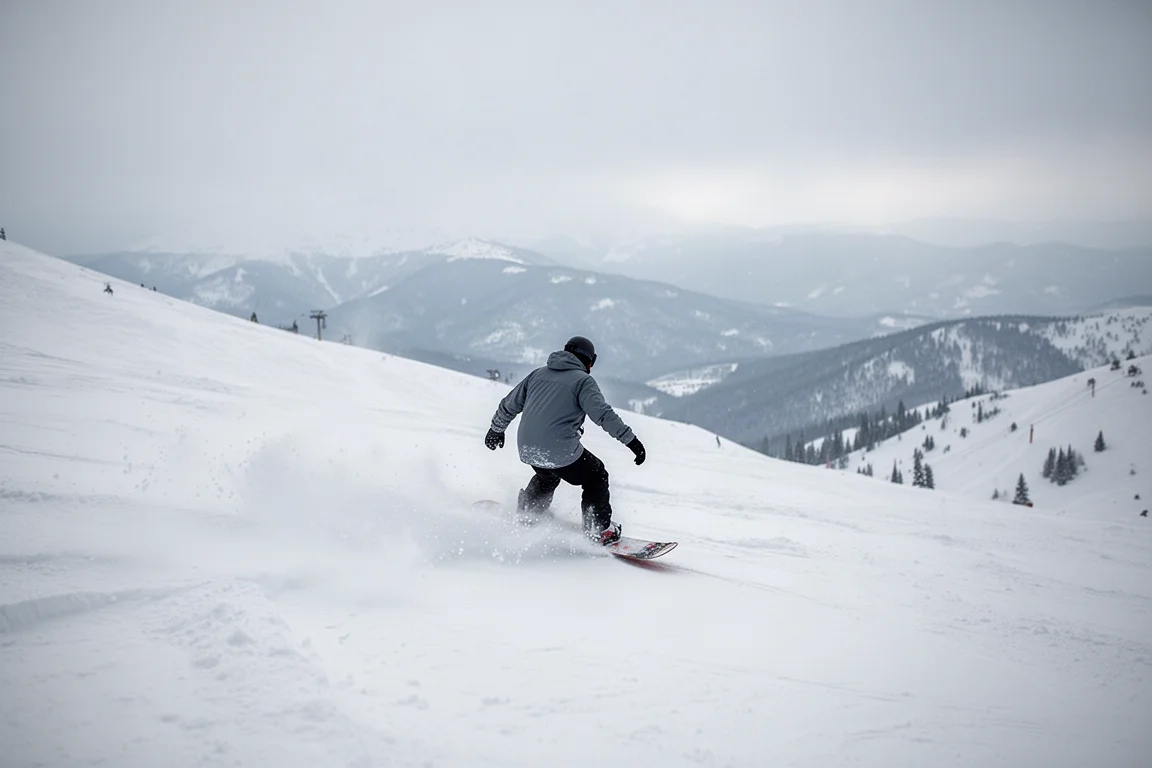
The overall flex is middle of the road, nothing extreme, but consistent. The nose is slightly softer, an effect amplified by the elongated rocker, then the board stiffens through the midsection back to the tail, with maybe a hair more stiffness right under the rear foot. Torsional flex is noticeable too: you can genuinely twist the board without a lot of reactivity, which shapes how it steers.
Stability depends on what you point it at. Charging into an icy, rutted-out mogul field will get you bucked around, but that is true of any board. In lumpy, uneven snow, this one stays on top nicely. On a groomer you may feel a little chatter in the nose, though it gets killed off before reaching the front foot.
Pop and Butter Ability
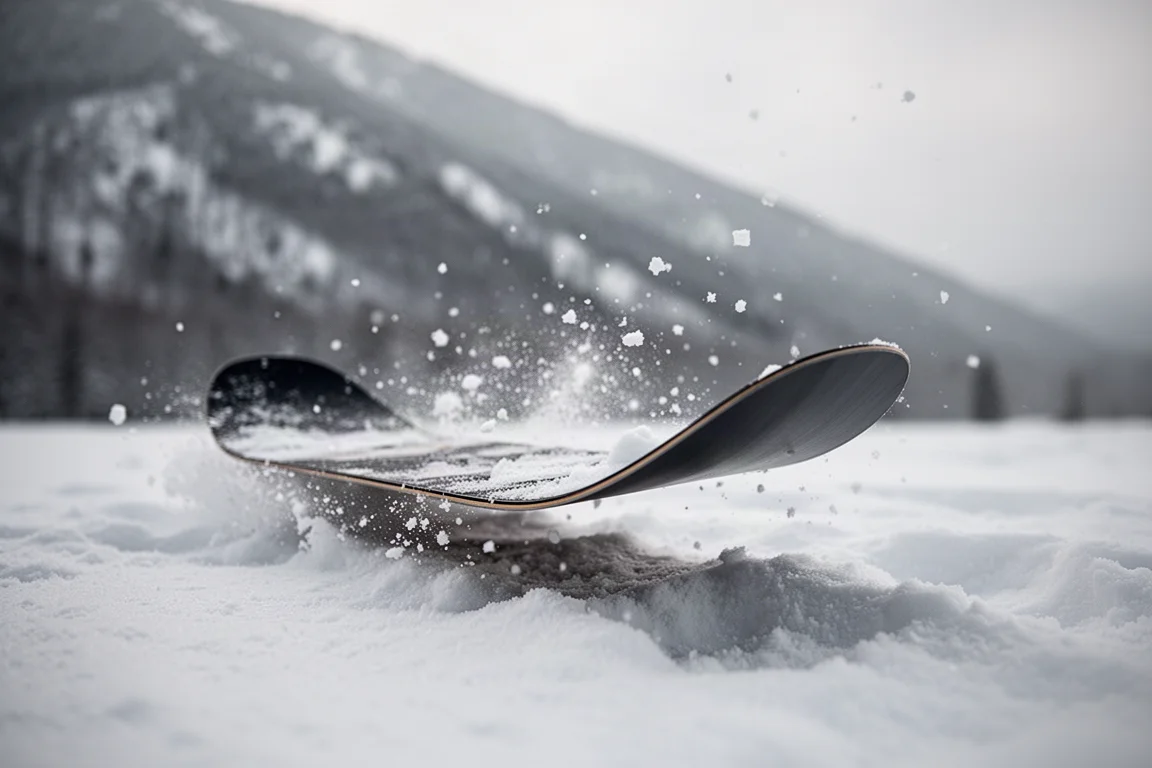
Because the camber apex sits just before the rear insert pack, pop comes from the back foot through the tail. It engages easily: you do not have to aggressively load the board to get pop, and when you do, you get a bit more out of it. What you put in is what you get out.
That long rockered nose gives you plenty of surface area to pop a 180 press into, hold it, and snap back out. It is very easy to engage. Ideally, this is where you want to be powder buttering. Buttering on the tail means sitting outside the rear insert pack doing a high-speed wheelie, so know what you are getting into. On groomers, if you need to get sideways, the board holds and lets you sit on the press until you disengage, with a little pop as a bonus thanks to all that rebound behind the rear foot.
Edge-to-Edge and Carving Performance
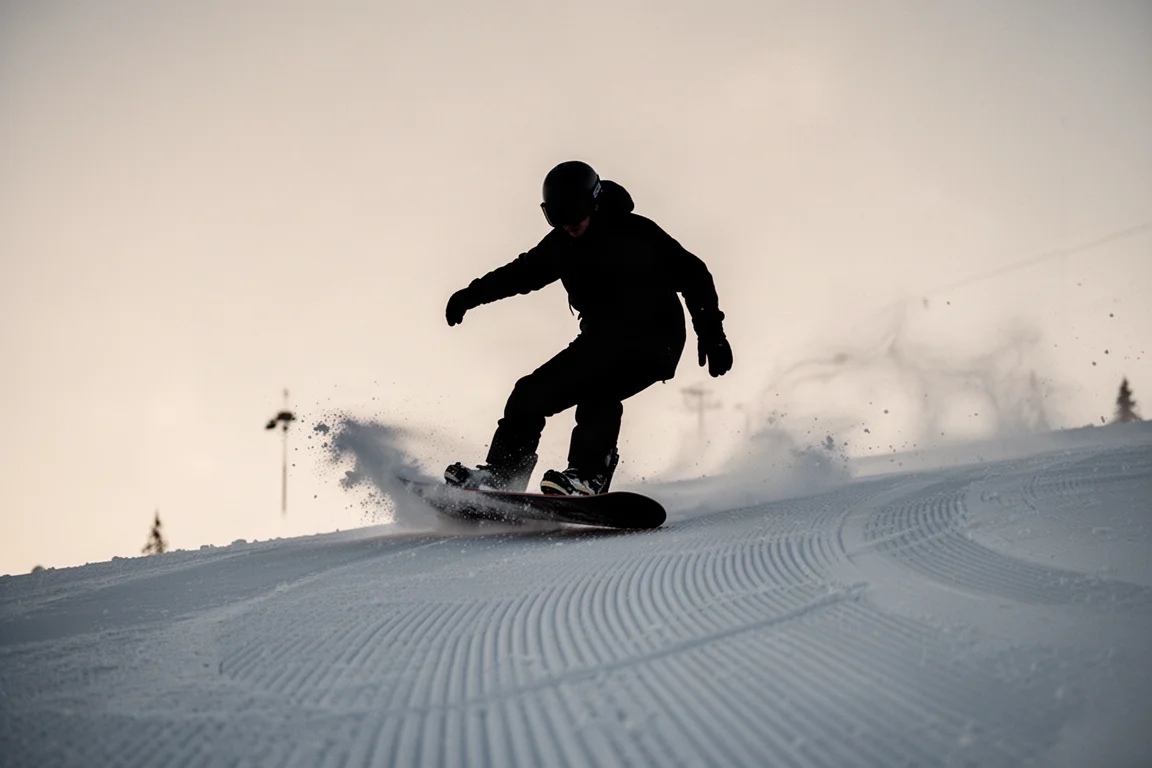
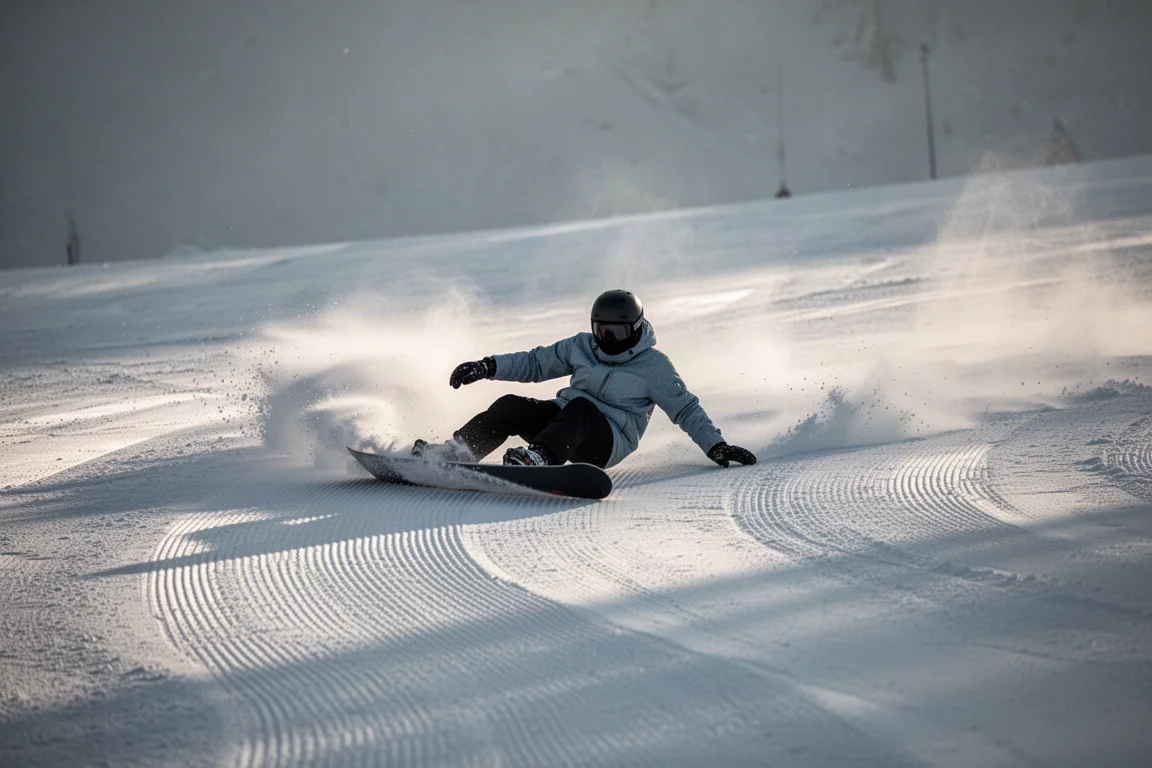
Edge roll is smooth and fluid, largely thanks to the ankle-flexion feel created by the torsional flex. The more you twist the board, the quicker it transitions from toe to heel and back. This board excels at ankle steering: short, tight, quick carves come easily, and medium mellow carves lock in and cut through everything without complaint.
In deep, hard carves, the rear-foot camber lets you load up by driving your knee toward the center of the board, disengaging the front end and delivering serious power so you can really lay the board over. If you know how to carve, you will not have a problem. If you do not know how to carve, you will still not have a problem: it wants to get on edge. It is not the most aggressive carve tool on the market, but it locks in and holds well.
Who This Board Is For
This is a board for the resort-ripping, powder-focused rider: someone who wants a back-foot-dominant feel, likes getting the nose up and surfing the white wave, but still wants to rip a groomer when the snow runs out. If that description fits, it delivers.
Things to Consider Before Buying
Here is the honest question: does this board need to exist alongside the Takaharu Nakai EP? The overlap between the two is significant, and the subtle differences are ones most riders will not notice. If anything, this version rides a little more laid back and swoopy in its turns, without a huge amount of added precision. They feel like two boards that could be merged into one.
Binding recommendations that pair well: Salomon Hologram, K2 Bond, and Union Strata.
Buying Advice
If you already own or plan to buy the EP, skip this one. If you are choosing between them and prefer a slightly more surfy, relaxed turn feel, the HPS Takaharu Nakai edges ahead. Comparable boards worth considering include the Endeavor Archetype, the K2 Instrument, and the Rome Ravine. Match it with a mid-stiff binding from the list above and you will have a coherent powder-leaning resort setup.
Conclusion
The Salomon HPS Takaharu Nakai does what it promises: easy nose float, back-foot pop, playful butters, and forgiving yet capable carving. Its main hurdle is not performance but redundancy, since it lives in the shadow of its own EP sibling. Buy it if the surfier, swoopier character appeals to you; otherwise, the EP or one of the comparable boards will cover the same ground.
Product link
View more details for Salomon HPS Takaharu Nakai
This product is mentioned in the review. Check the specifications, options, and compatibility before buying.
View more details for Salomon HPS Takaharu NakaiFurther reading
Related Reviews

Snowboarding
2025 Snowboard Gear List: Five Picks That Earned Their Place on the Mountain
From Zeiss-lens goggles to a hybrid step-in binding, here are five pieces of 2025 snowboard gear that held up across a full season of riding.

Snowboarding
2026 Snowboard Gear List: Boards, Bindings, Boots and Outerwear Worth a Look
A season-ready snowboard setup built from the bottom up: base layers, Strafe outerwear, Ride and Union boots, Union bindings, and two new Capita boards.

Snowboarding
32 Cold World Review: A Playful Hybrid Camber Board for Park Laps
The 32 Cold World blends classic camber underfoot with flat nose and tail sections for a predictable, butter-friendly ride aimed at intermediate park riders.