Snowboard Reviews
Salomon Highpath Snowboard Review: A Soft, Playful All-Mountain Freestyle Ride
A close look at the Salomon Highpath, a soft-flexing all-mountain freestyle snowboard with Rock Out Camber, strong butter and press performance, and clear limits when you push it hard.
Introduction
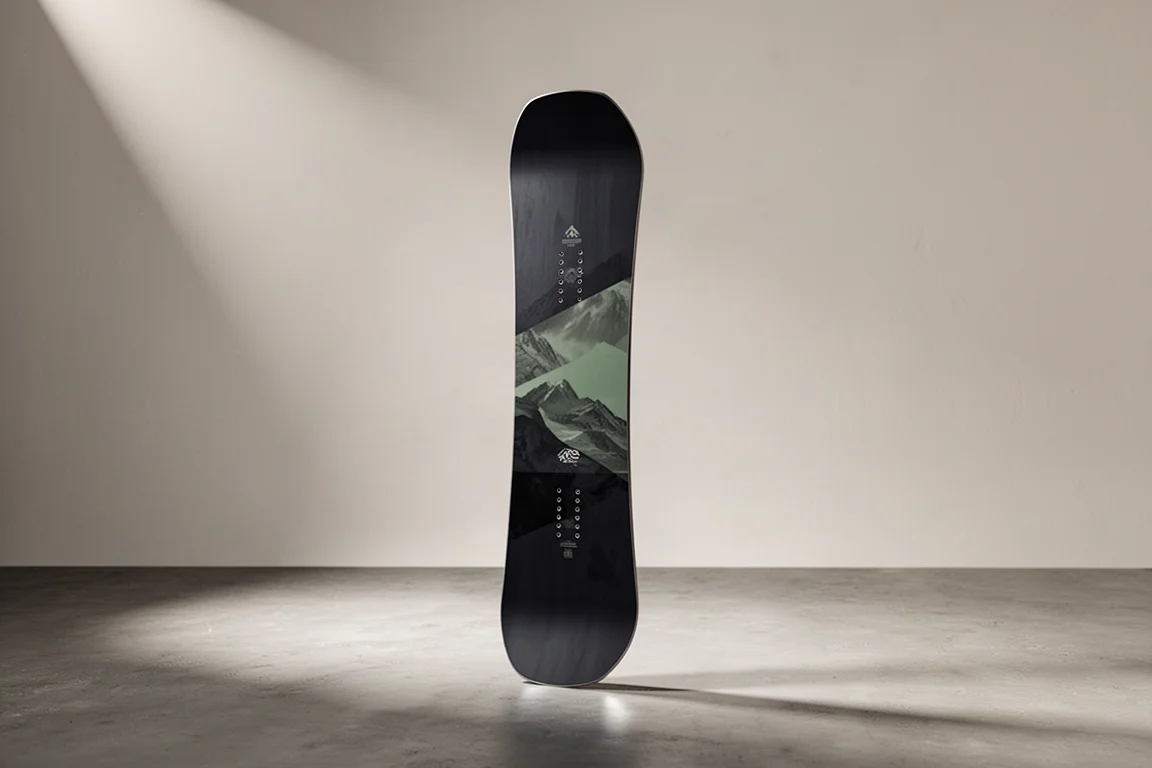
The Salomon Highpath is the brand’s high-end all-mountain freestyle snowboard, and it is positioned as a greener option within that range. The defining technical feature is Salomon’s Rock Out Camber profile: a mellow camber section underfoot that transitions into rocker at the tip and tail. In practice, that layout is meant to do two jobs at once. The camber section is where the board loads, snaps and drives, while the rockered tips make turn entry and exit easier and add float in soft snow.
The Highpath is offered in a broad size run: 146, 150, 153, 156, 159, 162, 159 wide, 162 wide and 165. That spread covers smaller freestyle riders through to larger riders who want a wider platform.
Our time on the Highpath came on a sunny bluebird day at Copper Mountain, with no wind and warmer than average temperatures. Snow conditions were a genuine mid-season mix: hot pow, chop, chunder and corduroy all in the same session. That variety turned out to be useful, because the Highpath has a very distinct personality and it shows up quickly once the surface stops being smooth.
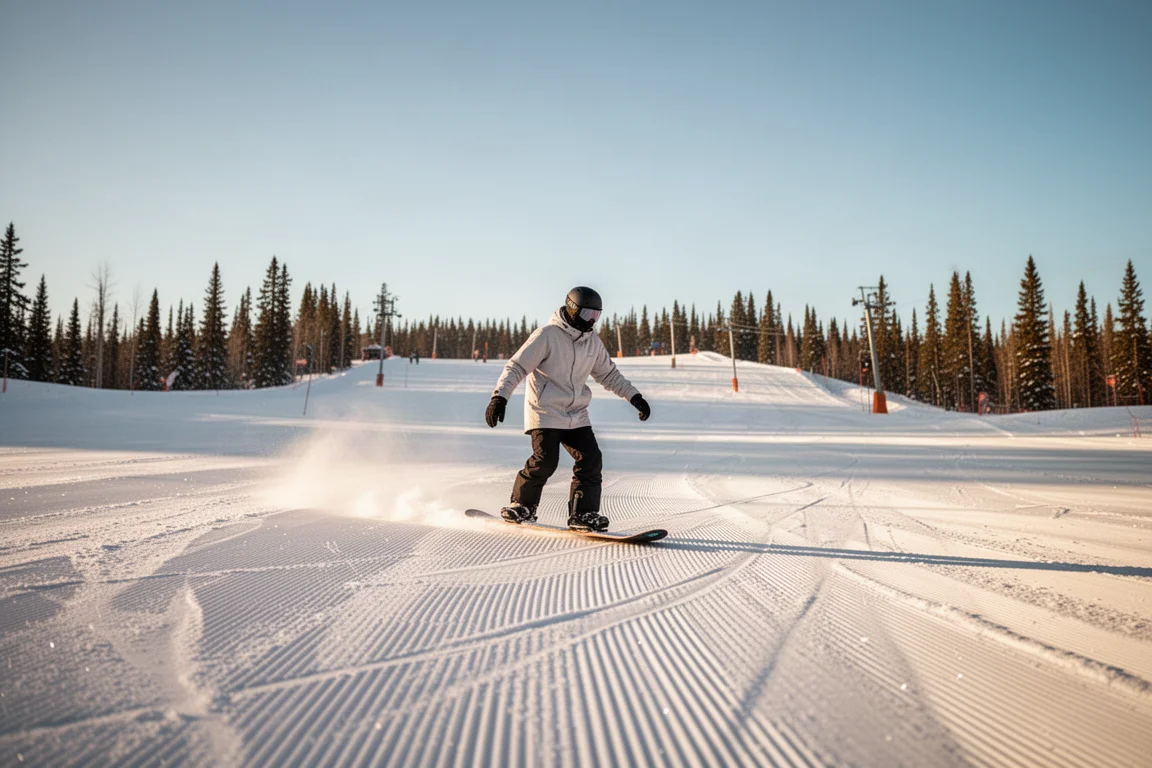
The short version is that the Highpath is softer than its billing suggests. Salomon places it on the stiffer side of the range, but on snow it reads as a soft board through and through, and that single characteristic shapes almost everything else about how it rides.
Who This Snowboard Is For
The Highpath makes the most sense for the eco-conscious all-mountain freestyle rider who actually wants a softer flex. If your day involves park laps, side hits, butters, presses and jibs, and you are not chasing a stiff, locked-in charging deck, the profile lines up well.
It is also a reasonable fit for lighter riders or anyone who has struggled with boards that feel like too much work to load. The camber section engages with very little effort, so getting the board to pop or spring does not demand a big input.
Where it stops making sense is for riders who want a single board to hold up to aggressive, high-speed riding in rough terrain or on large jump lines. The Highpath is playful and versatile, but it is not built to be manhandled.
Main Strengths: Soft Flex, Easy Pop, and Confident Presses
Flex is the headline. The Highpath is soft overall, with the softest feel at the rockered tip and tail, a slightly firmer middle, and a lot of torsional flex. It sits below a middle-of-the-road flex, which is worth knowing before you commit to a size.
That softness pays off in a few specific places. The camber profile is genuinely easy to engage, and you barely notice that you are loading it up as you roll back and spring off the tail. The board has good pop, and it is light enough that getting airborne takes less effort than you might expect. It boosts well, and on jumps it tends to let the lip do the work, throwing you a little further when you push into it.
Butters are where the design really comes together. A soft flex combined with rocker in the tip and tail creates a very forgiving platform to lock into a nose or tail butter. Balance your weight into the flex and lock the contact points, and the board holds without drama. Jibbing follows the same logic: it presses easily, nose presses and tail presses lock in and stay locked, and when you go sideways the board cradles around the feature in a way that feels secure rather than twitchy.
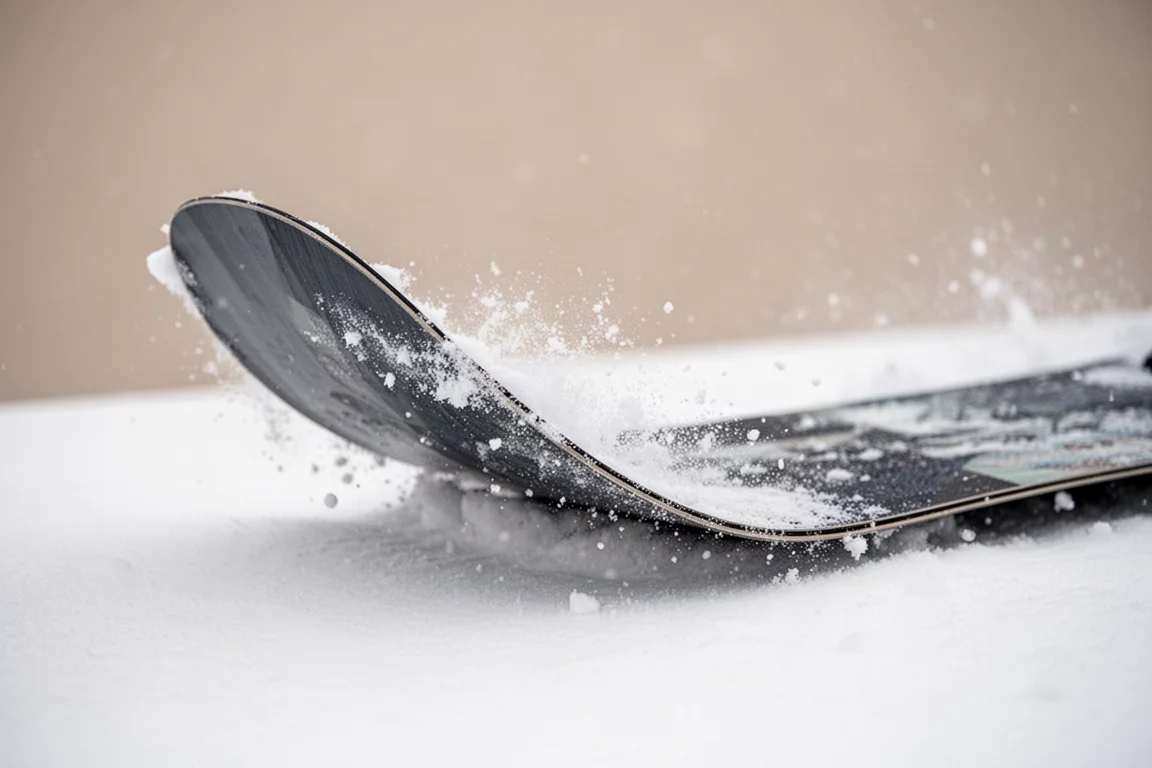
The catch is that this same softness has a ceiling. Riders who like to really load up the tail and spring off it with everything they have will fold the tail, at which point the spring disappears and the board starts to wash out. The Highpath rewards finesse and punishes brute force.
Stability and Damping: What You Feel Underfoot
On smooth groomers, the Highpath is perfectly manageable as long as you keep your knees bent. Cruise around and it feels fine.
The moment you charge into rutted-out terrain, though, you feel everything. This is one of those boards that can feel more damp than expected early in the day, still lively and reactive, but as the session goes on your knees start to take the hits and the truth becomes clearer: it is not a damp board, it is a highly reactive one that transmits the surface directly. Keeping knees bent is not optional.
That characteristic also sets the ceiling for jumps and bigger features. The Highpath can hit jumps without a problem, but it is not the board to take to larger features. It is not damp enough, and there is a real sense that the tail could wheelie out on landing because it does not feel as planted or secure as stiffer options.
Carving and Edge-to-Edge Performance
Edge-to-edge transmission is smooth and fluid, and the board is easy to move from edge to edge. Medium, mellow carves are excellent, the kind where you swoop from one side of the trail to the other with a relaxed rhythm.
Push harder and the limits appear. When you drive into the tail, lay the board over and push from the centre back through the tail, it folds, and it will kick out. That is the trade-off of the soft flex: it cannot hold the rigidity that harder, more aggressive carving demands. Setup carves, medium swoopy turns and the occasional long, hard carve are all within reach. Beyond that, the Highpath is happiest as a resort cruiser rather than a board you rip turns on all day.
One positive note: the sidecut did not feel hooky in these conditions, and the board did not have that abrupt, kick-out feel that can show up on firmer surfaces. That said, sheet ice was not part of the test, so riders who spend a lot of time on bulletproof hardpack should keep that in mind.
Things to Consider Before Buying
The most important consideration is the flex rating. The Highpath is widely described as being on the stiffer side, but the on-snow reality is soft through and through. If you buy it expecting a stiffer all-mountain freestyle deck, you will likely be surprised.
Sizing deserves real thought. Given how soft the board rides, upsizing is a sensible move. A rider who normally rides something in the 156 to 157 range for all-mountain freestyle would likely be better served by the 159 or even something in the low 160s, simply because the board benefits from more length and a bit more resistance underfoot. It is a case where the flex, not the rider’s height or weight alone, should drive the decision.
Riders with an aggressive, physical style should also be honest about how they ride. Over-flex the Highpath and it will over-flex back at you: the tail folds, the board kicks out, and the secure feel you get from moderate inputs disappears. It also is not the right pick if your priority is stomping large features or holding an edge through rough, high-speed terrain.
Finally, consider what you are pairing it with. The Highpath is a playful freestyle deck, so a freestyle-oriented binding and boot setup keeps the ride consistent with what the board does well.
Buying Advice
Buy the Salomon Highpath if you want a soft, versatile all-mountain freestyle board that is genuinely easy to press, butter and pop, and if you ride with a relaxed, balanced style. It is a fun ride with real versatility, and it rewards riders who learn its limits rather than fight them. Once you understand where the ceiling is, it stops feeling compromised and starts feeling like a board that simply has a clear job.
Skip it if you want one board to charge hard in chop, hold a firm edge through a laid-over carve at speed, or handle bigger jump lines. It is not damp enough for that, and the soft flex will fold under heavy input. Riders who ride aggressively should look at stiffer options in the same category instead.
On sizing, lean longer than you normally would. More length gives the board a bit more substance underfoot and makes the soft flex easier to live with across a full day. Riders weighing their options against similar all-mountain freestyle decks will find the Highpath is best judged as a playful, press-friendly board rather than a do-everything charger.
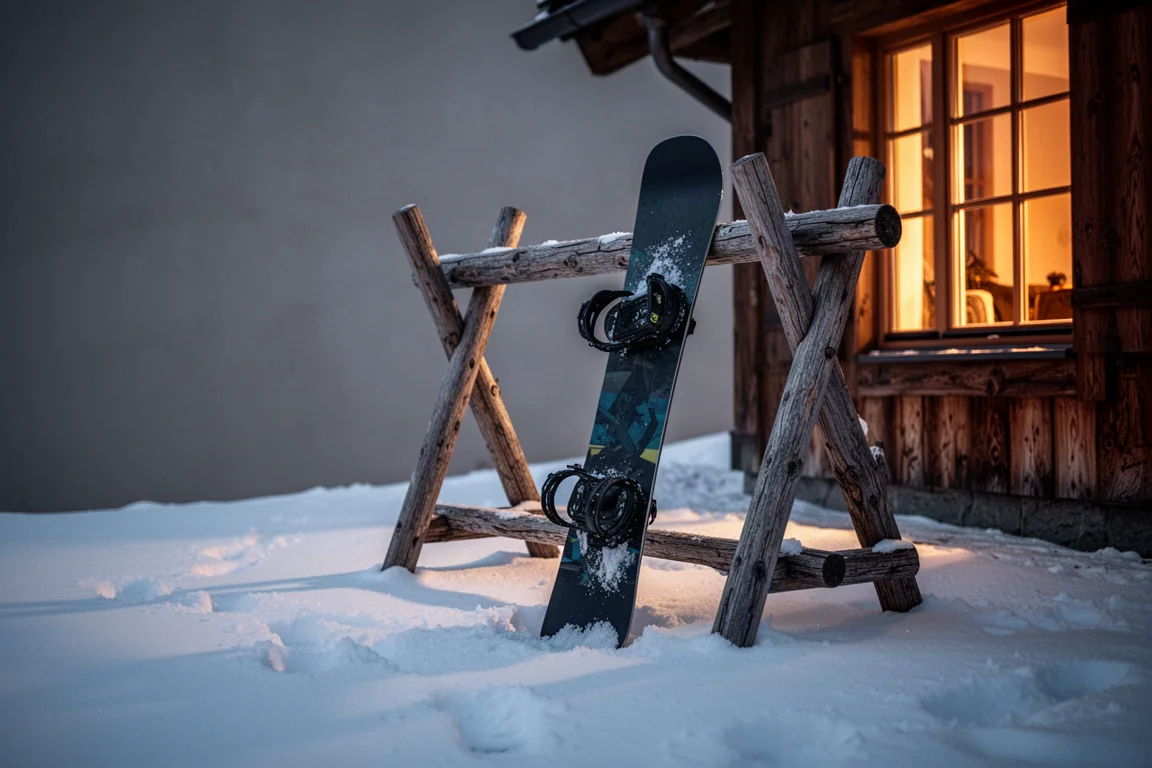
If that description matches how you actually ride, the Highpath is a confident choice. If you are shopping for a stiff, hard-charging deck, it is the wrong tool, and no amount of technique will change what the flex is designed to do.
Conclusion
The Salomon Highpath is a soft, lively all-mountain freestyle snowboard with a genuinely useful camber profile and a strong talent for butters, presses and jibs. Its Rock Out Camber layout makes turn entry easy, adds float in soft snow, and gives the board easy pop without demanding much effort from the rider. Sizes run from 146 up to 165, including wide options, so most riders can find a fit.
The trade-offs are equally clear. It is not a damp board, it transmits rough terrain straight to your knees, and its soft flex folds when you drive hard into the tail. Size up, ride with finesse, and it is a fun, versatile companion for playful resort days.
Product link
View more details for Salomon Highpath
This product is mentioned in the review. Check the specifications, options, and compatibility before buying.
View more details for Salomon HighpathFurther reading
Related Reviews
Snowboard Reviews
Arbor Element Rocker vs Camber: One Shape, Two Ride Personalities
A practical look at the Arbor Element all-mountain twin in both System Rocker and Camber profiles, covering Grip Tech edge hold, sustainability, sizing, and who each version suits.
Snowboard Reviews
Battalion Whatever 157 Review: A Forgiving Directional Twin With Real Freestyle Potential
A soft-flexing directional twin aimed at riders who want a playful, forgiving all-mountain board that refuses to catch an edge.
Snowboard Reviews
Capita Ultrafear Camber Review: A Consistent Park Board for Freestyle Riders
A practical look at the Capita Ultrafear Camber, its Resort V1 profile, flex character, jib and jump behaviour, and who it genuinely suits.