Skis
Salomon Depart 1.0 Review: An Athlete-Driven Freestyle Ski With Real Freeride Range
A closer look at the Salomon Depart 1.0, an unconventional freestyle twin tip that doubles as a light, quick-turning soft-snow ski.
Introduction
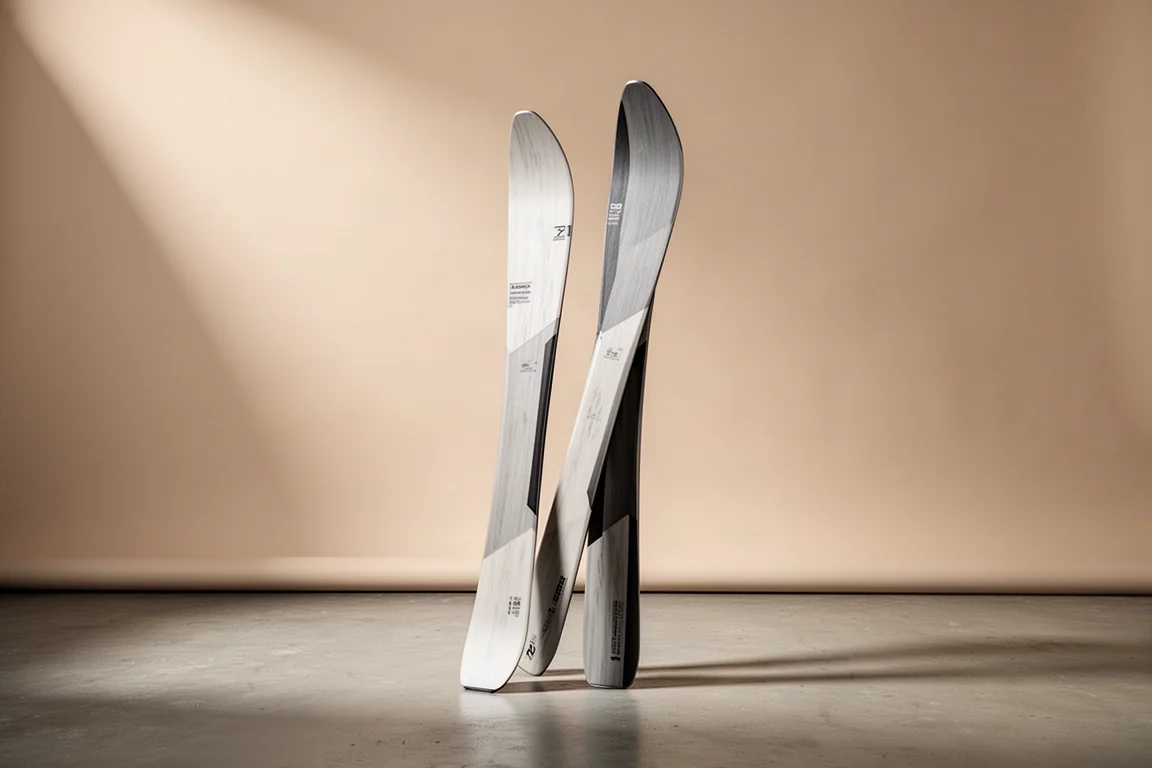
The Salomon Depart 1.0 is one of the more distinctive shapes to come out of the 2026 ski season. It began as an athlete-driven project: a wider twin tip built around a deliberately simple construction but with an outline that does not look like anything else in the category. The result sits somewhere between an urban freestyle ski and a short-turn freeride ski, and that dual identity is exactly what makes it interesting to the right skier.
It comes in two lengths, a 170 and a 180, with a 104 mm waist on the shorter ski and 106 mm on the longer one. It is light, it is not overly stiff, and it does not ask much of the person riding it.
Who This Ski Is For
If you are shopping for a conventional park ski with a symmetrical twin tip, this is not that. The Depart 1.0 is asymmetric in feel, with a pointier tip and a narrower tail that releases easily. There is enough tail rocker to ride switch when you want to, but the ski never pretends to be a competition slopestyle build.
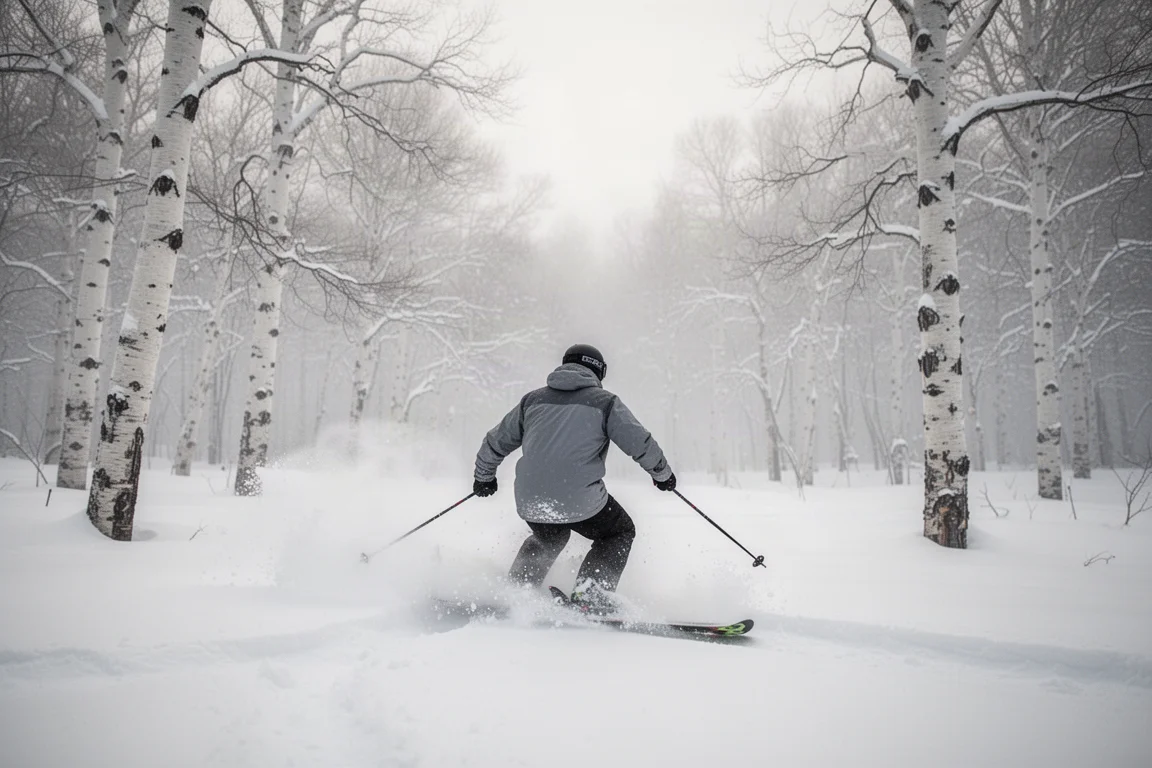
It suits skiers who split their time between freestyle riding and soft-snow freeriding, and it is a sensible option for lighter or less aggressive skiers who want a wider ski that stays manageable. It also makes sense for anyone who rides tight trees and would rather have a short turn radius than a long, demanding freeride platform.
Main Strengths
A Light, Reactive Build
The core blends poplar and karuba, which keeps the weight down. The 170 cm length comes in at around 1,650 g on the scale, which is light for a ski of this width. Zones in the tip and tail are thinned with cutouts and inlays, echoing the construction approach used on the QST 106, but without the cork damplifier. The practical effect is a ski with more energy and reactivity than the damper, smoother QST models.
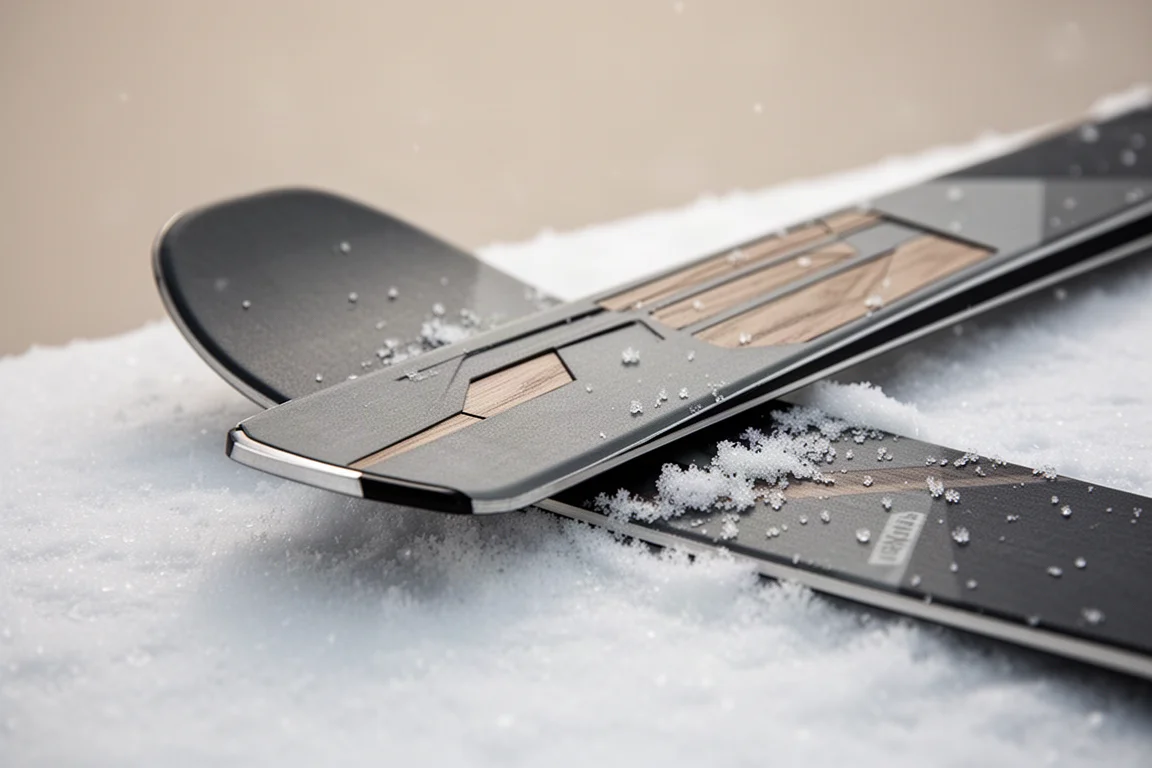
The flex is supportive and reactive without being overly stiff, so the ski gives something back when you load it without punishing a lighter or more relaxed skier. That balance is a large part of why it feels lively underfoot rather than flat.
Float and Versatility in Soft Snow
With 104 to 106 mm underfoot, a pointy tip, and the widest points pulled well back into the ski, the Depart 1.0 floats more than its dimensions suggest. In powder and broken-up powder it holds its own, and the silhouette draws obvious comparisons to the pintail profile of the Salomon BBR from years past.
That means it works as a genuine soft-snow ski rather than a pure park tool. It handles crud and chopped-up snow with composure, and it does not need perfect conditions to be enjoyable.
Quick, Maneuverable Turns
The sidecut is generous for the category, with a 14 m radius in the 170 and 15 m in the 180. That short radius is what makes the ski feel swervy and mobile, and it is the main reason it performs so well in tight terrain.

In trees and narrow lines, maneuverability matters more than outright stability at speed. Skiers who spend their days in Eastern woods and tight glades will find this ski easy to place and easy to redirect, which is a meaningful advantage in terrain where hesitation costs you.
Things to Consider Before Buying
The unconventional shape comes with limits. This is not a symmetrical twin tip, and anyone expecting traditional park or slopestyle behavior will notice the difference immediately. The tail is narrower, and it releases in a way that takes some adjustment if you are used to a balanced freestyle ski.
Length options are also limited to 170 cm and 180 cm, which narrows the group of skiers it will fit well. Because the construction is intentionally simple, there is no cork damper or heavy metal layer to smooth out rough snow, so the ski transmits more feedback than a damp freeride build. Some skiers will appreciate that directness, and others will not.
Buying Advice
The marketing leans toward urban freestyle, but that framing undersells the ski. Treat it as a short-turn freeride and soft-snow twin tip that can also handle freestyle riding, and it makes far more sense.
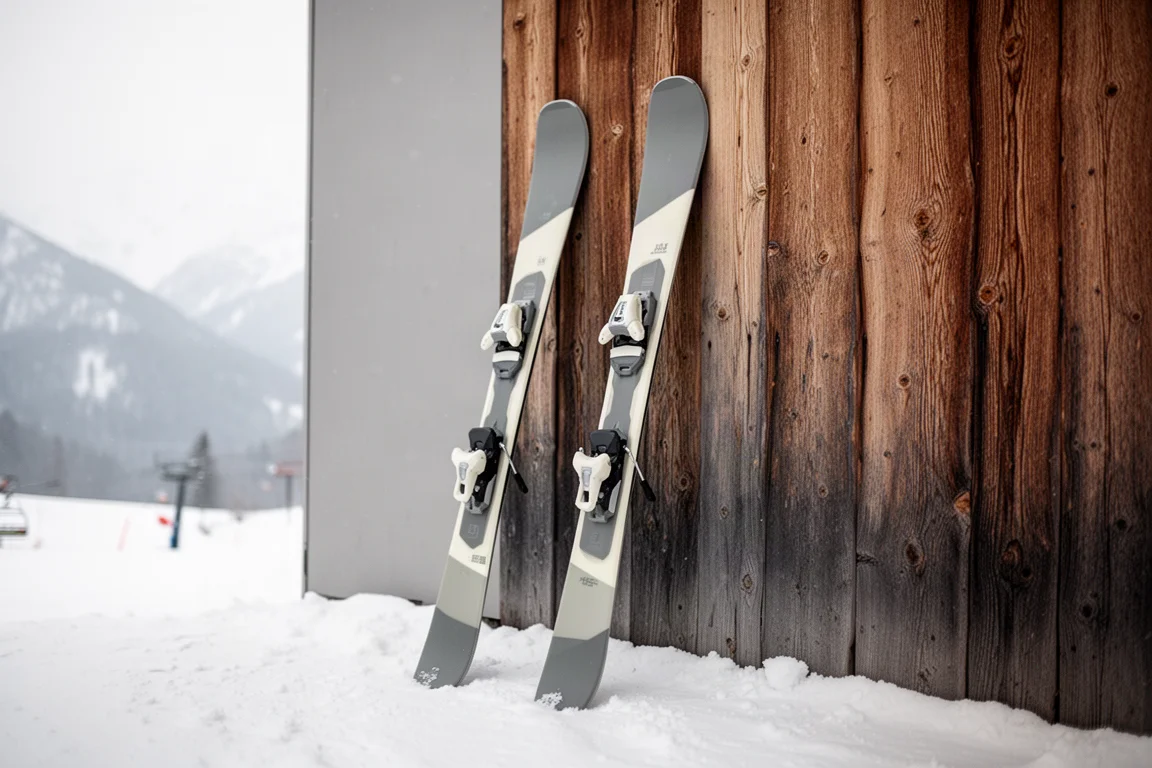
If you want one ski for powder, broken-up powder, trees, and playful laps, the Depart 1.0 covers that ground well. If you want a dedicated park ski or a stiff, high-speed freeride charger, look elsewhere. Match the ski to the terrain you actually ride and it will feel like a smart purchase rather than a curiosity.
Conclusion
The Salomon Depart 1.0 earns its place as one of the more original skis of the season. Light, reactive, and quick-turning, it blends freestyle inspiration with genuine freeride usefulness in soft snow. Buy it for the shape and the short radius, not for the urban freestyle label.
Product link
View more details for Salomon Depart 1.0
This product is mentioned in the review. Check the specifications, options, and compatibility before buying.
View more details for Salomon Depart 1.0Further reading
Related Reviews

Skis
Armada Anti Matter 82 W Review: A Light, Approachable All-Mountain Carver
Armada's Anti Matter 82 W pairs a lightweight Karuba and carbon build with an easygoing all-mountain shape, aimed at intermediates through lighter-footed advanced skiers.

Skis
Armada Anti Matter 88W Review: A Light, Playful 88mm All-Mountain Ski Plus Two Alternatives
The Armada Anti Matter 88W returns unchanged in spirit from its Reliance 88C days, and it remains one of the most versatile 88mm skis around. We also look at the Nordica Santa Ana 87 and Anti Matter 92 W as alternatives.

Skis
Armada ARV 100 vs Atomic Bent 100: Which 100mm Freestyle Ski Should You Buy?
Two of the best all-mountain freestyle skis of the season compared: one leans playful and park-ready, the other holds up better everywhere else.