Snowboard Gear
Salomon Air Cush Rear Heel Pad: What It Is and Whether You Need It
A closer look at the recycled air-dampening heel pad built into Salomon bindings, how it performs, and who it actually suits.
Introduction
Not every piece of snowboard gear tech needs a deep dive, but the Salomon Air Cush Rear Heel Pad sits in an interesting spot: it is a small, integrated part of a binding that changes how the board feels under your back foot. This explainer covers what it is, how it performs on the mountain, and whether it should influence your binding choice.
What the Air Cush Rear Heel Pad Actually Is
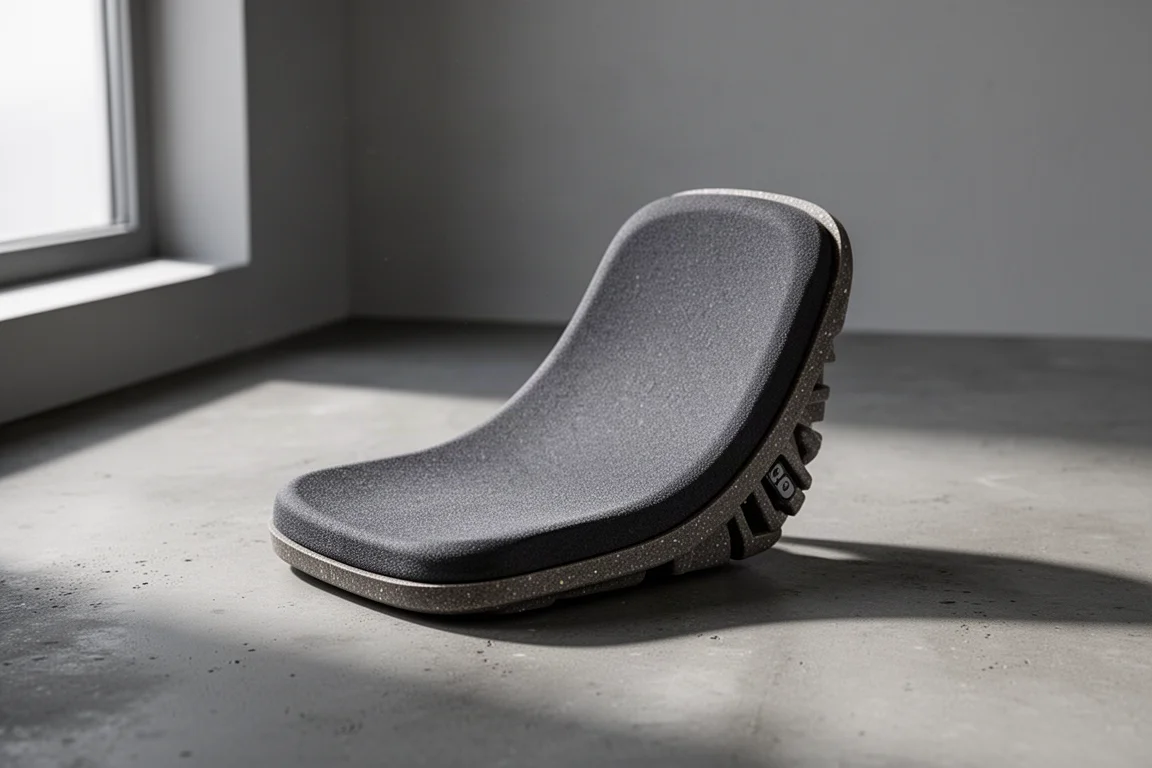
The Air Cush rear heel pad is proprietary to Salomon bindings. It is a recycled material placed at the rear of the binding with the goal of absorbing chatter and helping reduce foot fatigue over a long day of riding.

Salomon is not the only brand exploring this idea. Nitro has been using an air-dampening system in its bindings for years, so the underlying concept is well established in the market. What sets the Salomon version apart is that it leans on recycled materials, which is a promising direction for the brand.
How It Rides: Flex and Damping
Because the pad sits at the back of a binding that is not especially stiff, it adds play to the ride. You get a noticeable amount of heel flex underfoot, which some riders will enjoy and others will find too loose.
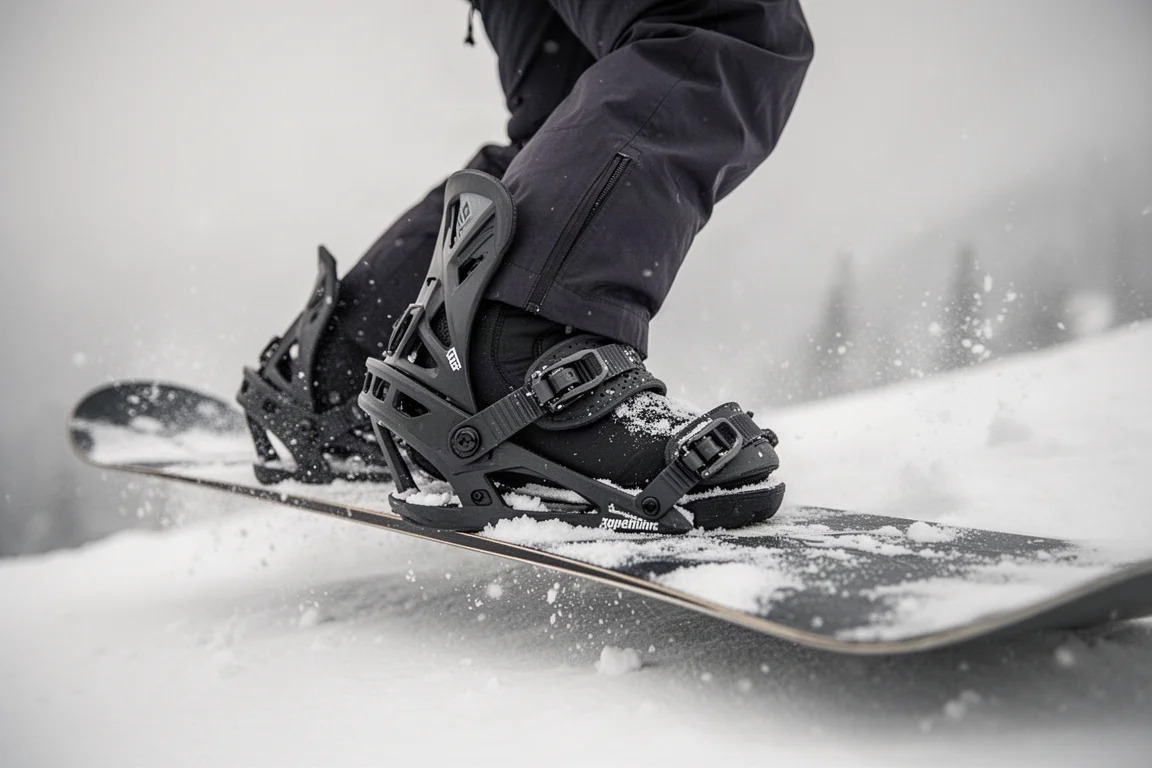
On the damping front, it works to an extent, but it is not the most effective heel pad available. Aggressive riders who charge hard will feel chatter coming through more than they might like. If you ride fast and hard, this is worth factoring in before committing.
Park and Freestyle Use
In the park, the story is a bit more forgiving. If you land a little heel-heavy coming off a rail or a small jump, the pad does its job reasonably well. It will not completely erase harsh landings, but for lighter freestyle riding it absorbs enough impact to be useful.

That makes the Air Cush pad a better fit for playful park-oriented riders than for riders who spend their days bombing groomers or charging big lines.
Do You Actually Need It?
Here is the practical part: if you are looking at the binding it ships with, you kind of need it. The pad cannot be removed. It is built into the binding and stays there, so your real decision is whether that binding suits your riding style, not whether to add or remove the pad.
Overall, there are better air heel pads on the market, so if maximum damping is your priority, it is worth comparing alternatives. Still, Salomon starting to use recycled materials in this way is a step in the right direction, and the design will likely improve over time.
Buying Advice
If you are shopping for this binding on its merits, treat the Air Cush pad as a neutral-to-positive feature rather than a dealbreaker. Park and freestyle riders get the most out of it, while aggressive all-mountain chargers should test it or compare it with stiffer, more damping-focused options first.
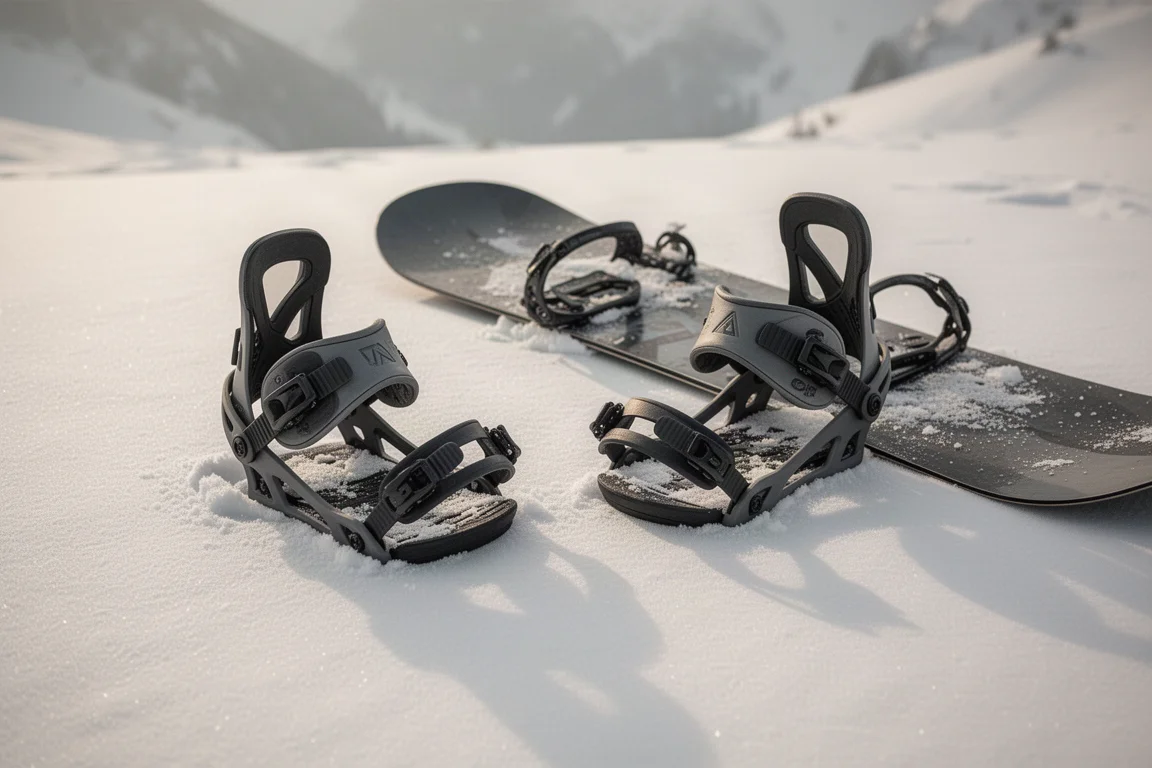
Since the pad is integrated, your choice essentially comes down to whether the binding’s overall flex and playfulness match how you ride.
Conclusion
The Salomon Air Cush Rear Heel Pad is a recycled, air-dampening insert built into the rear of Salomon’s binding that absorbs some chatter and adds heel flex. It does its job in park scenarios, falls short for aggressive riders, and cannot be removed from the binding it comes with. If that binding fits your style, the pad comes along for the ride, and Salomon’s recycled-material approach is a promising sign for what comes next.
Product link
View more details for Salomon Air Cush Rear Heel Pad
This product is mentioned in the review. Check the specifications, options, and compatibility before buying.
View more details for Salomon Air Cush Rear Heel PadFurther reading
Related Reviews
Snowboard Gear
686 Smarty Gauntlet Mitt Review: A Warm, Waterproof Snowboard Mitten With Smart Extras
A GoreTex snowboard mitten rated for -20 to 20°F, with a wrist strap, grippy palm, ventilation zipper, and an included base layer glove liner.
Snowboard Gear
Anon Logan Snowboard Helmet Review: A Helmet That Earns Its Place
After a hard crash on a powder day, the Anon Logan proved its worth. Here is what makes this helmet a smart first purchase for snowboarders.
Snowboard Gear
Best Snowboard Deals This Month: Accessories, Goggles, Boots, and Boards Worth a Look
October brings deep discounts across snowboard accessories, goggles, boots, and boards, with highlights from Stance, Anon, Union, Capita, Burton, and more.