Kitchen Knives
Ryusen Kitchen Knives Compared: Soruden, Fukakuryu, and Guren/Hidu Put to the Test
Three Ryusen knife series tested on tomatoes, onions, carrots, bell peppers, and more. Here is how they differ and which one suits your kitchen.
Introduction
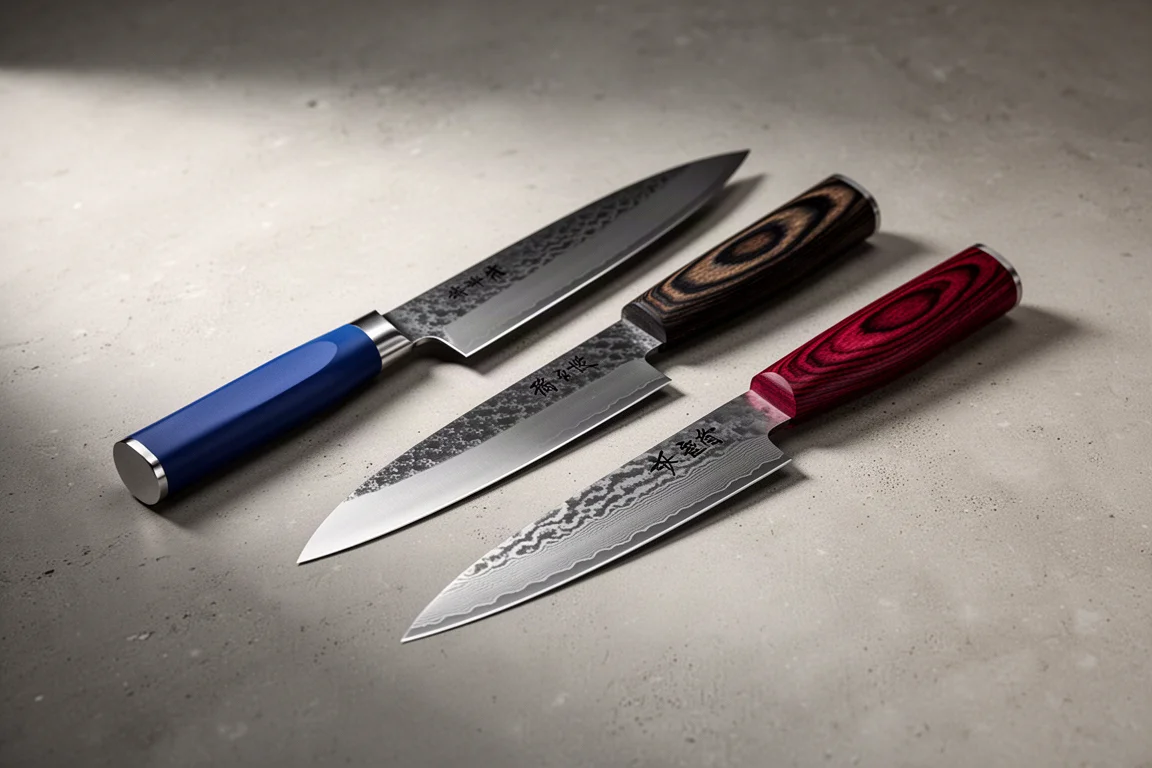
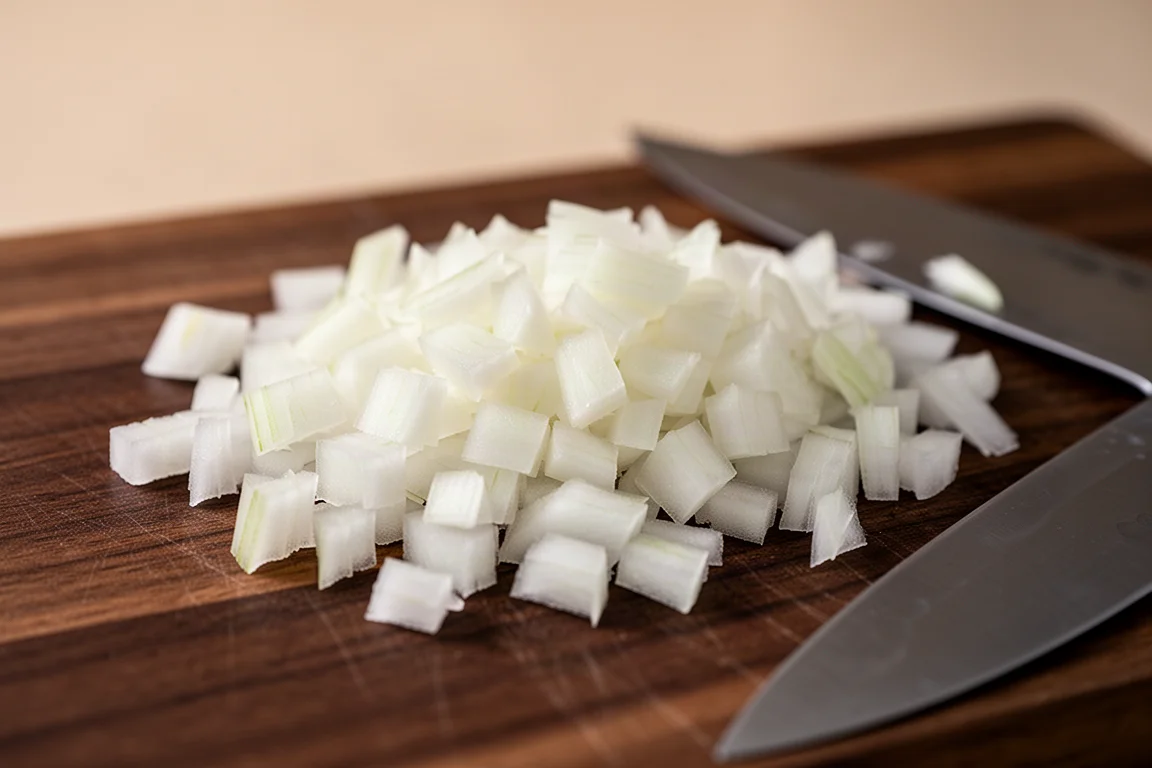
Ryusen has been quietly building a reputation for kitchen knives that arrive exceptionally sharp out of the box and hold their edge through serious prep work. We recently spent time with three of the brand’s series: the Soruden, the Fukakuryu, and the flagship Guren/Hidu. Each was put through a practical battery of tests: slicing ripe tomatoes, dicing and julienning onions, cutting hard carrots, and handling the double-stack bell pepper challenge that separates good blades from great ones.
The short version: all three performed impressively, and the differences come down to handle feel, blade geometry, and how much aesthetics matter to you. Here is how each series handled the testing.
Ryusen Soruden: Nimble and Sharp
The Soruden series is built around VG10W, a relatively new steel with added tungsten for extra blade durability. It is claimed to offer better edge retention than standard VG10 and to be easier to sharpen. In practice, the edge retention lived up to expectations: even after prior use on sweet potatoes, the blade sliced through tomato skins without hesitation.
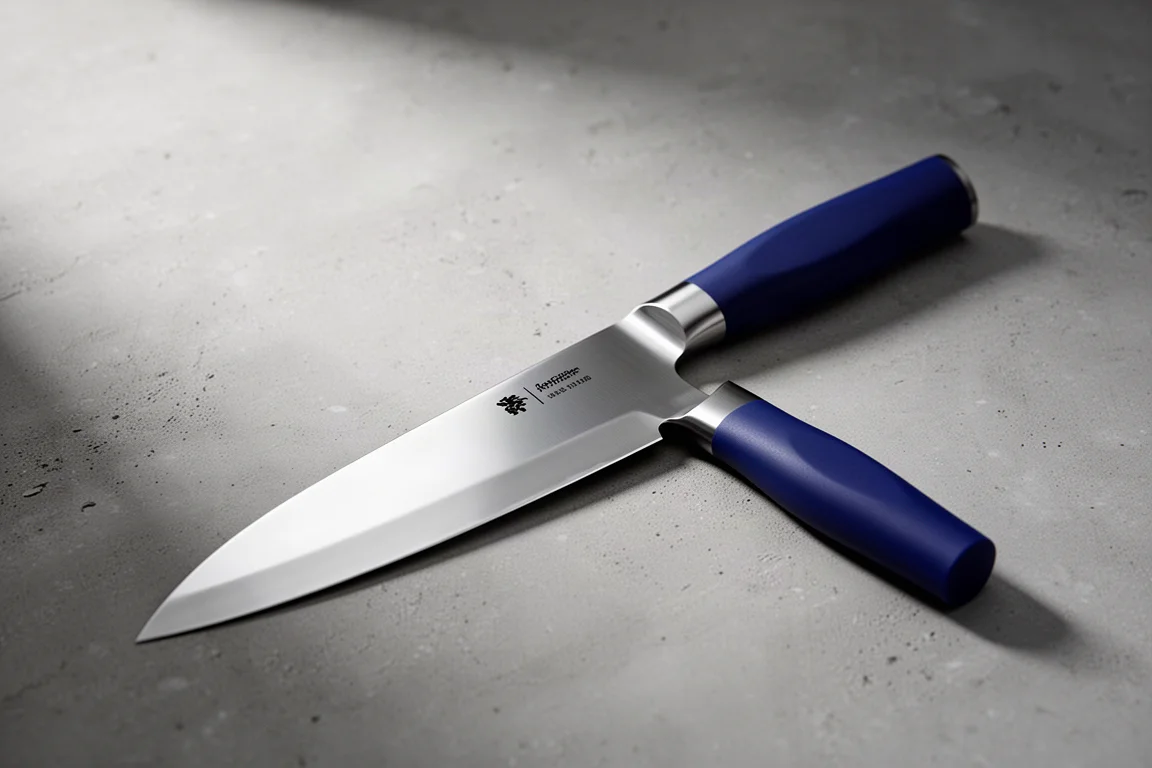
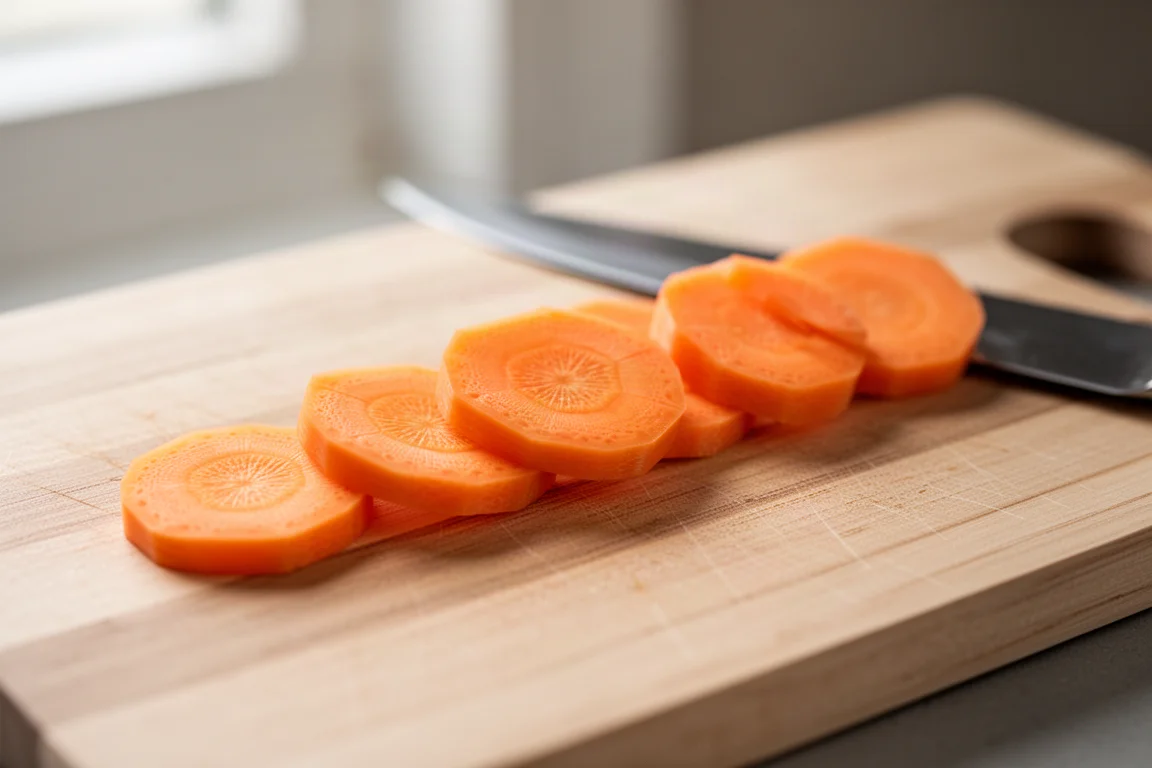
The 240mm version we tested felt notably nimble for its length, with a really nice tip and a long flat spot toward the heel that kept pieces from sticking together during the bell pepper test. On carrots, the stellar blade geometry cut through the hard vegetable cleanly, with only slight food stickage that did not interfere with the next cut. The blue handle splits the difference between a Japanese and western style handle and feels great in the hand, though the balance point sits a bit further back than a typical Japanese knife.
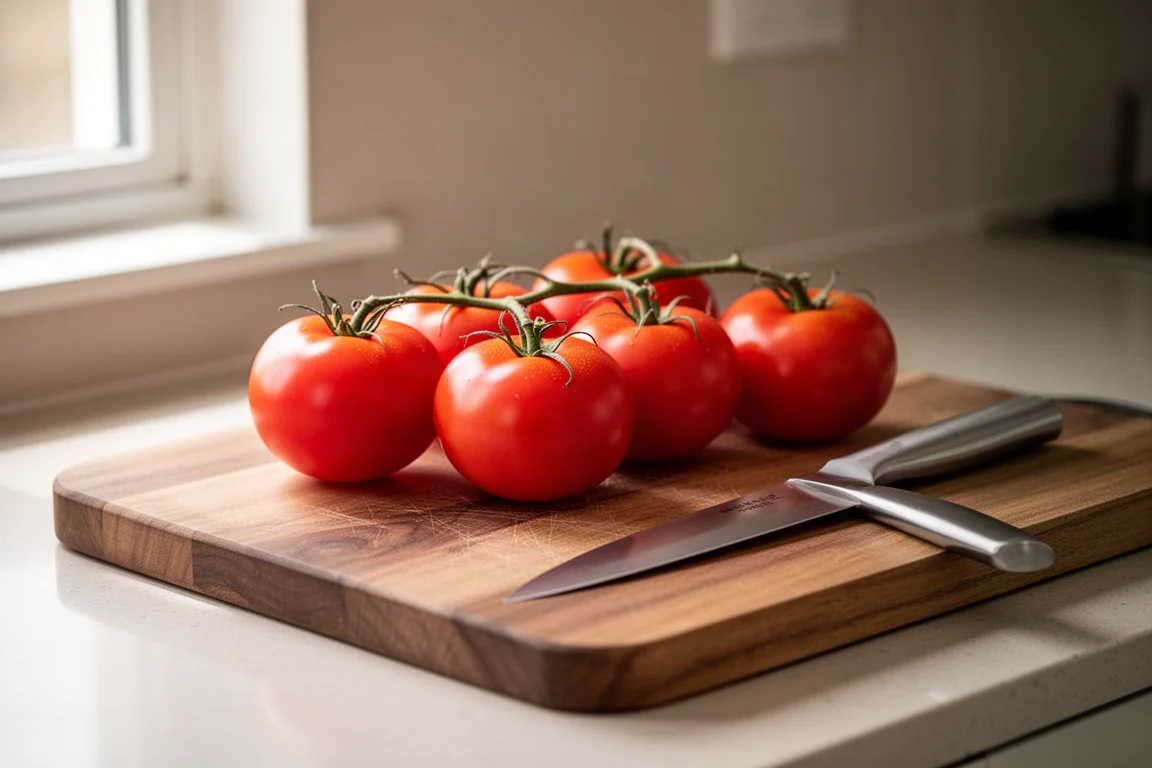
If you want one versatile long blade that stays sharp and handles everything from delicate skins to hard roots, the Soruden is an easy recommendation.
Ryusen Fukakuryu: Traditional Feel, Modern Steel
The Fukakuryu 210mm kiritsuke-style gyuto was the standout of the day in several respects. It is made from ATS 314 stainless steel, which offers edge retention comparable to R2 in our experience, along with easy sharpening. The out-of-box sharpness was exceptional, genuinely among the sharpest we have encountered from any maker, and the blade was so keen it dug slightly into the cutting board until the cutting technique adjusted.
This knife leans more traditional, with a wa-style handle and a balance point set a little further forward. The current version ships with a stabilized birch handle featuring a striking liner, replacing the older maple handles. The K-tip proved genuinely useful for drawing strokes through tomatoes, and the textured Damascus finish appears to help food release, which was the best of the three knives during this testing. Despite the flat spot at the heel, it still rocks comfortably, skirting the line between push-cutting and rocking nicely.
For cooks who prefer a more Japanese feel and care about food release and refinement, the Fukakuryu is the pick of this lineup.
Ryusen Guren/Hidu: The Premium Showpiece
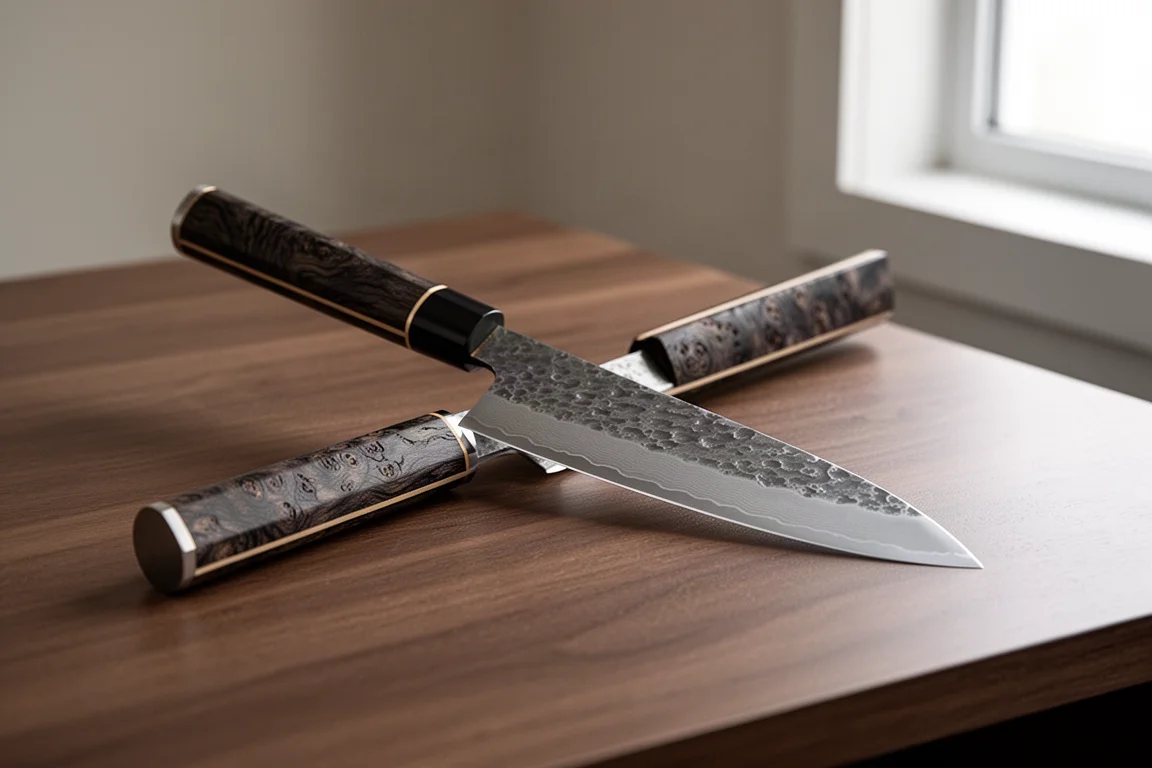
The Guren/Hidu series is the flashiest and most expensive of the three, and the aesthetics justify the premium: intricate Damascus layering, a flame pattern running up the spine, and beautiful finished handles. Under the looks sits SPG Strix, a relatively new steel with a Rockwell hardness around 65, which means the edge will stay sharp for a very long time.
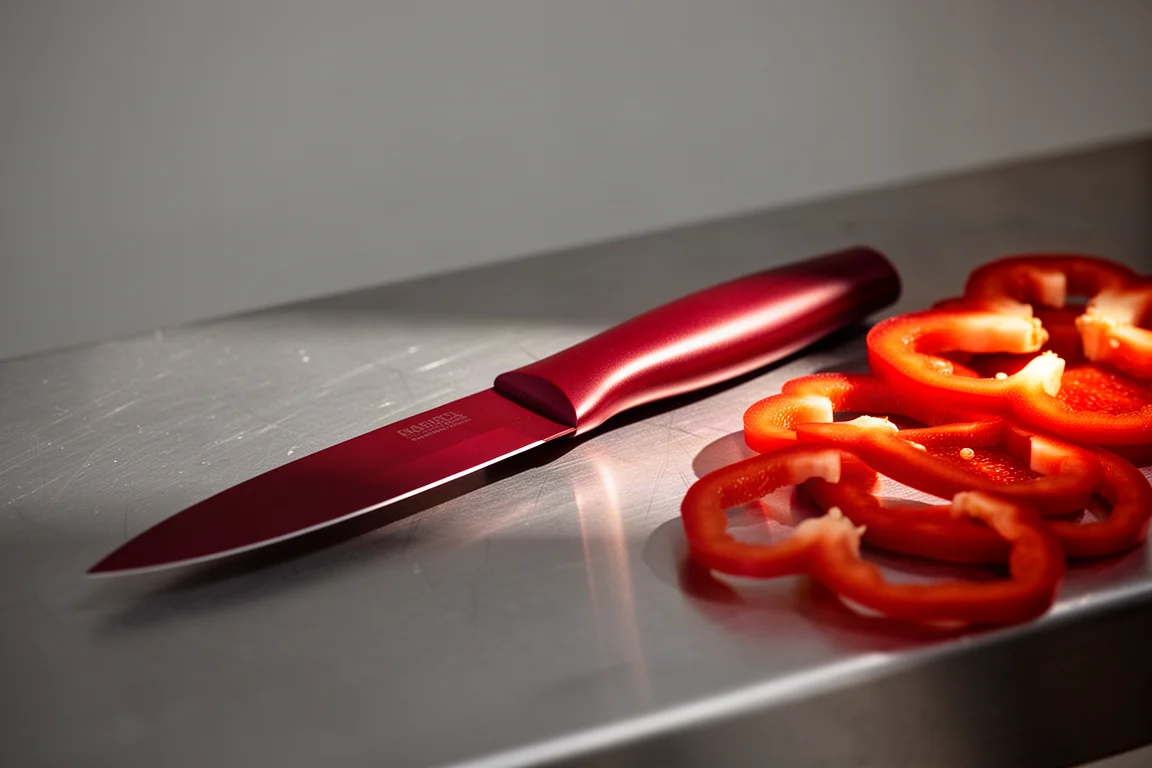
At the shortest length in this test, it gave up some leverage on the double-stack bell pepper test, leaving a few stuck-together pieces due to length and profile rather than sharpness. A 210 or 240mm blade handles that task better. On everything else it excelled: tomato skins were effortless, onion julienne and dice came out clean, and the carrot test matched the Fukakuryu’s performance. The balance point sits a little further forward with a more Japanese-style handle, and it behaves more like a rocker than the other two.
Which One Should You Buy?
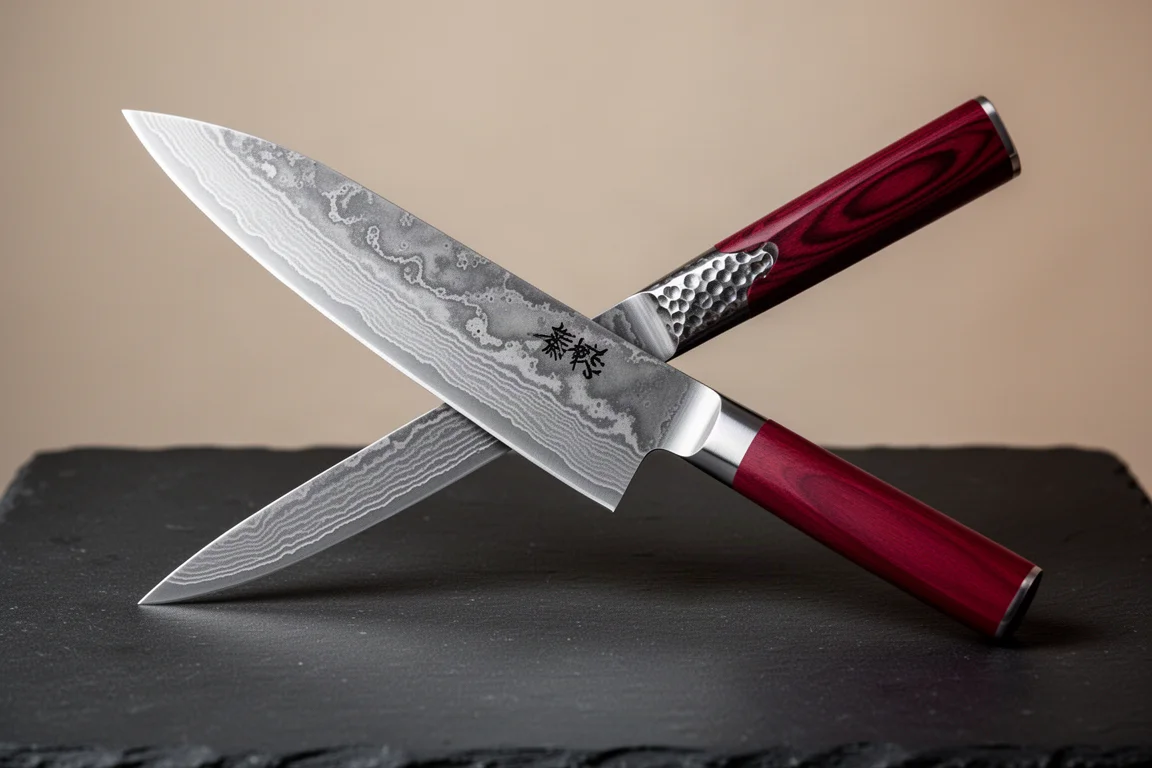
Performance differences across the three series were smaller than you might expect. Every knife was razor sharp, cut cleanly through all the test vegetables, and showed strong edge retention. The Fukakuryu had the best food release of the group. The Soruden offers the most blade length and a nimble, versatile feel at what should be the most accessible point of the range. The Guren/Hidu delivers comparable cutting performance plus genuinely striking design, and you are paying for that extra refinement.
If practicality leads your decision, choose the Soruden. If you want the most refined traditional feel, the Fukakuryu is the strongest overall performer here. If a knife should be as beautiful as it is capable, the Guren/Hidu earns its price.
Conclusion
All three Ryusen series impressed across every test, from tomato skins to hard carrots, and any of them would be a welcome addition to a kitchen. Match your choice to your priorities: versatility and length with the Soruden, refined traditional handling and food release with the Fukakuryu, or premium design with equally serious steel in the Guren/Hidu.
Further reading
Related Reviews

Kitchen Knives
Best Chef's Knives 2026: 27 Popular Options Tested and Ranked
A comprehensive review of 27 chef's knives ranging from $18 to $380, with honest assessments of handle comfort, blade balance, and real-world performance.

Kitchen Knives
Best Chef's Knives Under $75: Two Tested Recommendations
Two practical 8-inch chef's knives that balance sharpness, comfort, and durability without premium pricing.

Kitchen Knives
Best Chef's Knives 2026: 27 Options Tested and Ranked
A comprehensive review of 27 chef's knives ranging from $18 to $380, with honest assessments of handle design, balance, blade profile, and real-world performance.