Workshop Tools
Ryobi vs Milwaukee Stick Vacuum: The Rare Time Ryobi Comes Out Ahead
Two 18V cordless stick vacuums from the same parent company, one clear winner, and a few trade-offs worth knowing before you buy.
Introduction
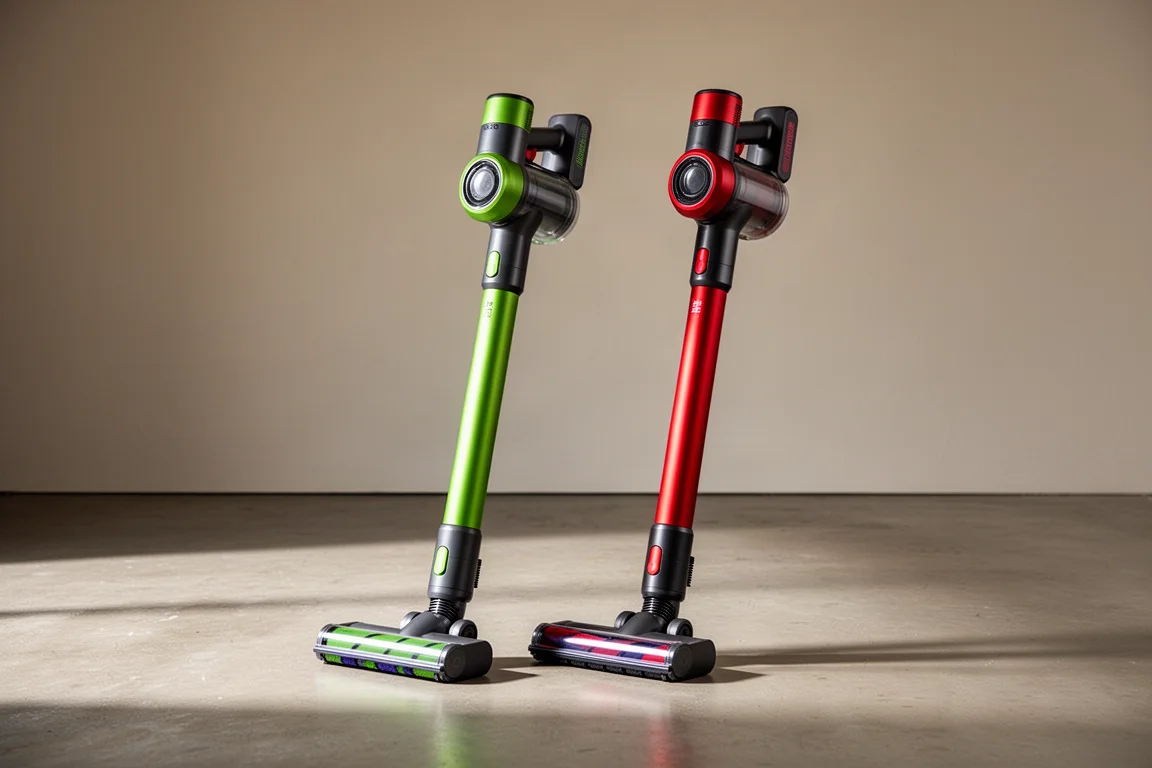
Milwaukee and Ryobi are owned by the same parent company, TTI, with Milwaukee positioned as the premium sibling brand. The usual pattern is that Ryobi releases a tool first and Milwaukee follows with a refined version of the same idea. This stick vacuum comparison is the rare exception where that pattern flips: the Ryobi 18V stick vacuum outperforms the Milwaukee in most of the ways that matter for daily cleanup.
Both are aimed at the same buyer: anyone with a shop, a garage, or a house who wants a light, convenient cordless vacuum with real suction. The differences come down to design details that you only notice after extended use, and those details favor Ryobi almost across the board.
The Milwaukee’s Strengths and Weaknesses
The Milwaukee stick vacuum is not a bad tool by any measure, but extended use reveals frustrations. Its most basic shortcoming: it does not stand up on its own. Set it on the ground and it flops over, which feels like a missed baseline for a vacuum design.
Its controls are strictly analog. You get low or high, and that is the entire range of adjustment. There is no way to shut off the brush roll, which matters when you move from carpet to hardwood floors. Its floor head also carries only a small brush, and on carpet it tends to pull the carpet in, making the vacuum hard to push or pull backwards.
There is one genuine advantage: capacity. The Milwaukee dust container holds roughly a quarter gallon more than the Ryobi’s 0.2-gallon bin. If you routinely vacuum large volumes of heavy debris, that extra volume is worth factoring in.
Why the Ryobi Stands Out
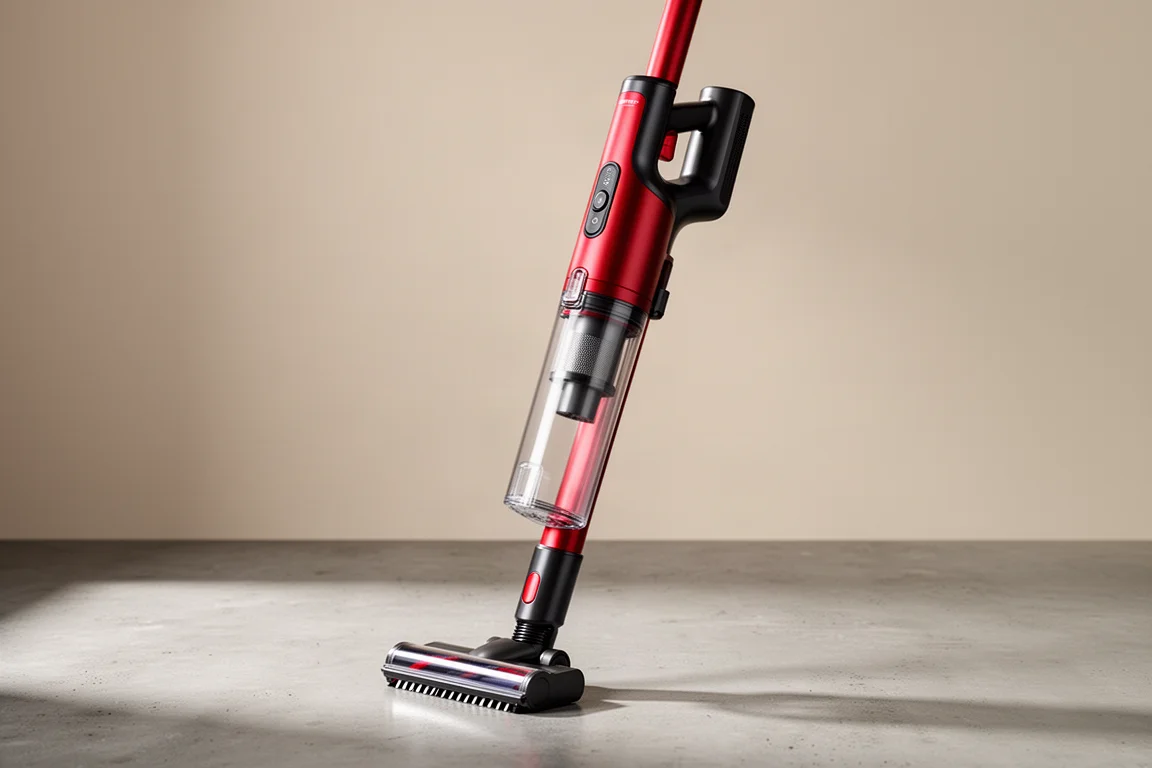
The Ryobi 18V stick vacuum addresses nearly every frustration listed above. Set it on the ground and it simply stands up on its own without tipping or wandering. That alone changes the daily experience of using a stick vacuum, since you can park it mid-clean and step away.
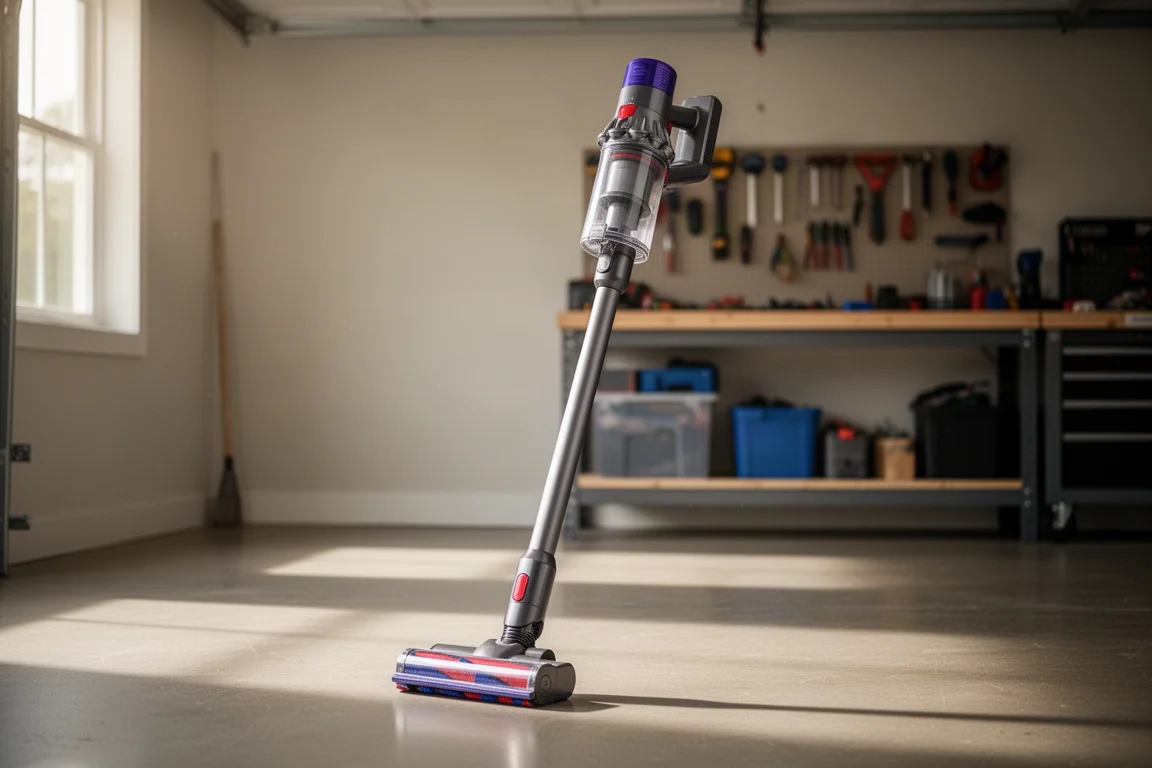
It is also lighter on the handle side, sleeker in profile, and simply runs better than the Milwaukee. Anyone who owned the first-generation Ryobi stick vacuum will find this version a massive step up.
Control and Functionality
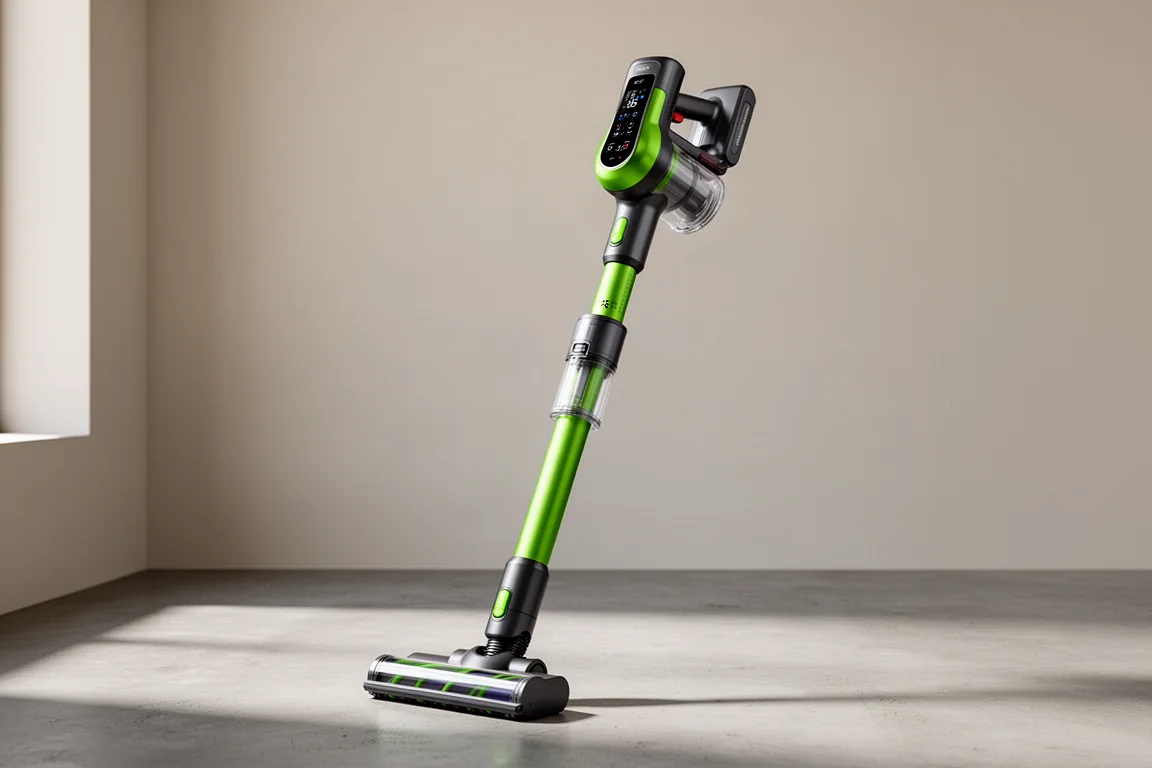
Where the Milwaukee offers low and high and nothing else, the Ryobi goes fully digital. Power on and off from the handle, choose whether the brush roll runs, and step through power levels by pressing the power button: high shows a green light, while a lower, battery-conserving setting turns the indicator blue. You can also select low or medium presets.
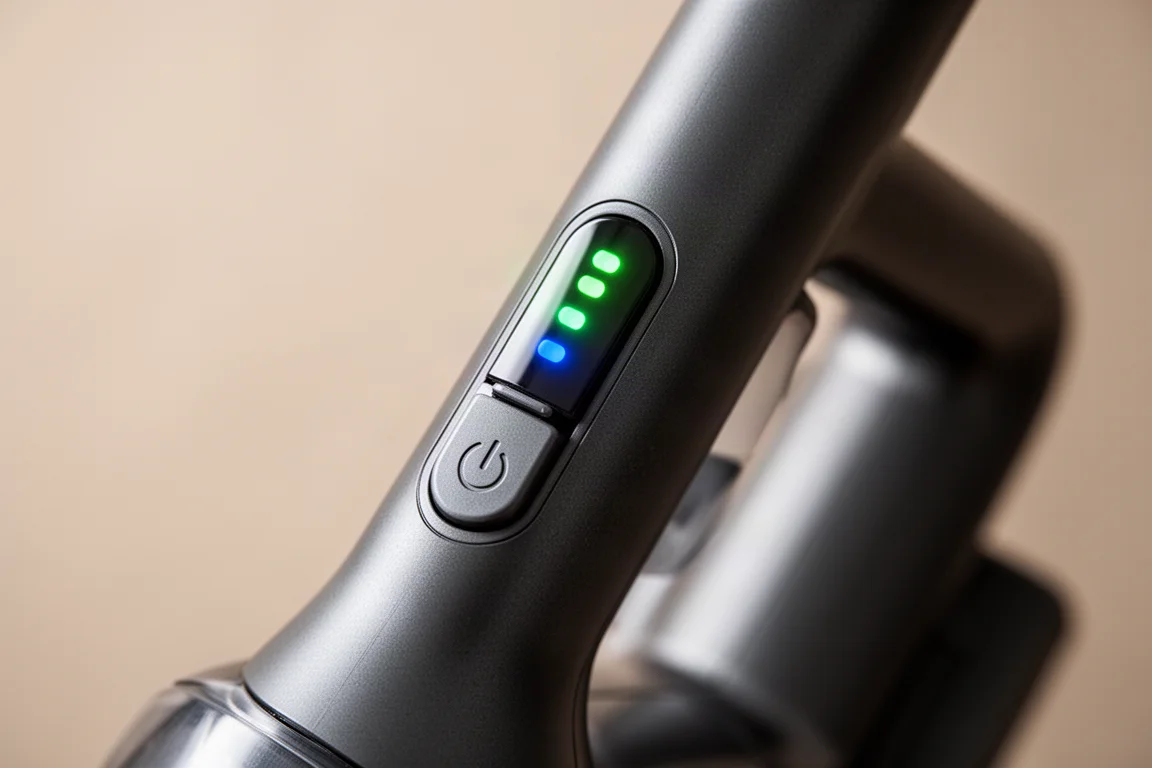
The brush control is the standout feature. On hardwood floors, switch the brush off and air still pulls straight up through the head, so you get suction without the brush scattering debris. On carpet, flip it back on. None of this is possible on the Milwaukee.
Cleaning Performance on Carpet and Hard Floors
The floor head is where Ryobi really got it right. Beyond the standard brush, the Ryobi adds a soft, tennis-ball-feeling roller. The combination glides over carpet and hard floors alike, with no snagging, no getting stuck, and no suction loss.
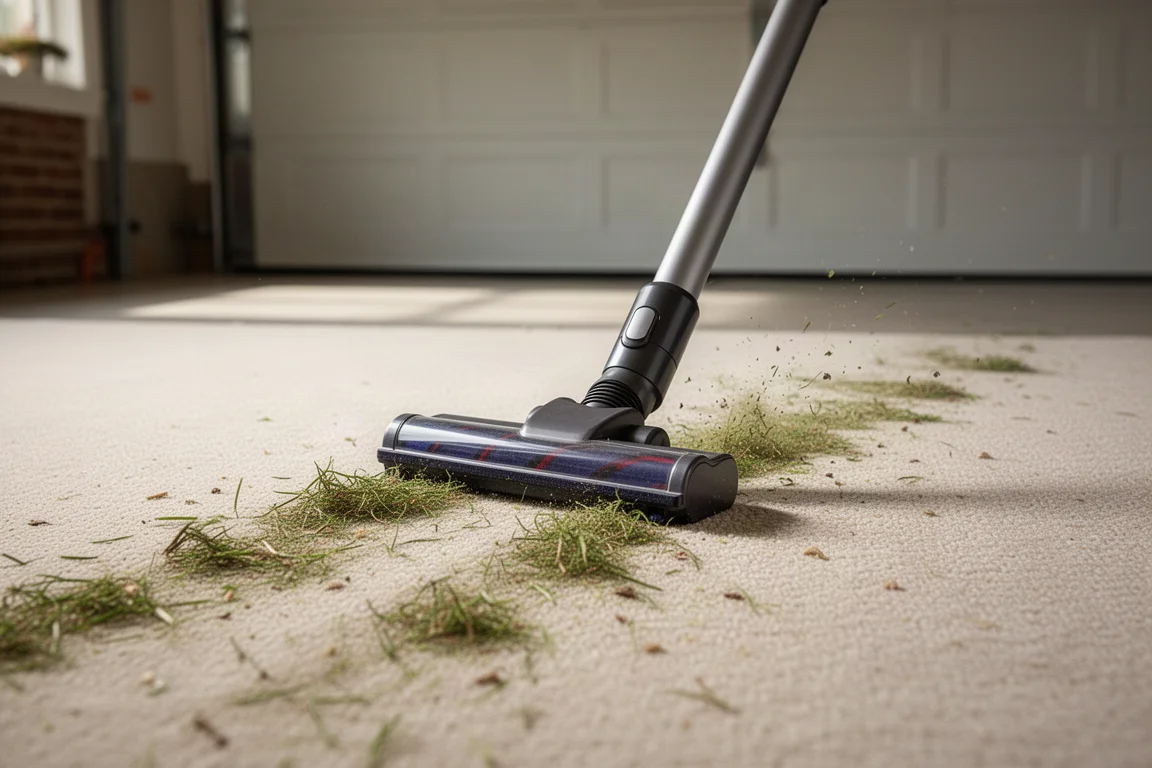
In real-world testing with grass clippings, dirt, and even small nails scattered on the floor, the vacuum on high pulled everything in without clogging. The head also articulates and turns smoothly, handling furniture edges the way a premium cordless vacuum would.
Emptying, Maintenance, and Attachments
Emptying is simple: press the release button, the bin opens, and everything drops out. A flap keeps collected debris from spilling back out while in use. The canister clips back on with one motion.
Maintenance is easier too. The Milwaukee uses two filters; the Ryobi uses one, which means less to track and clean. The wand detaches with the push of a button, which helps clear clogs, and the removable handheld section works as a dust-buster-style spot cleaner.

Price and Value
The Milwaukee stick vacuum sells for $199 for the bare tool. The Ryobi is $249, but that price includes a battery and charger. If you are already on the Ryobi 18V platform, the value case is straightforward: you get a better vacuum with more controls, and a battery you can share across your other Ryobi tools.
Conclusion
Milwaukee makes excellent tools, and it is genuinely rare for Ryobi to beat it outright. This stick vacuum is that exception. The Ryobi stands up on its own, offers digital power and brush control, glides over carpet that the Milwaukee struggles on, simplifies maintenance to a single filter, and includes a battery and charger for a reasonable premium. Unless the extra dust capacity of the Milwaukee is essential for your workflow, the Ryobi is the clear pick here, especially for anyone already invested in the 18V platform.
Further reading
Related Reviews

Workshop Tools
Best Drill Tap Sets 2026: Top Picks Tested for Speed and Strength
We tested 17 drill tap sets to find the fastest drilling, strongest threading, and most durable options for your workshop.

Workshop Tools
Cool Shop Tools 2026: Five Clever Upgrades Worth a Closer Look
A practical look at five workshop tools that solve real problems, from smarter drill bits to a safer table saw guard.

Workshop Tools
Cool Tools for the Workshop: Five Smart Upgrades Worth Trying
A practical look at five workshop tools that make measuring, drilling, marking, and sawing easier, from a clever square to a top-tier bandsaw fence.