Power Tools
Ryobi Tools Worth Buying: Five Value Picks for Homeowners
Five Ryobi tools that make sense for occasional use, plus what to know about the ONE+ battery platform, build quality, and warranty support before you buy.
Introduction
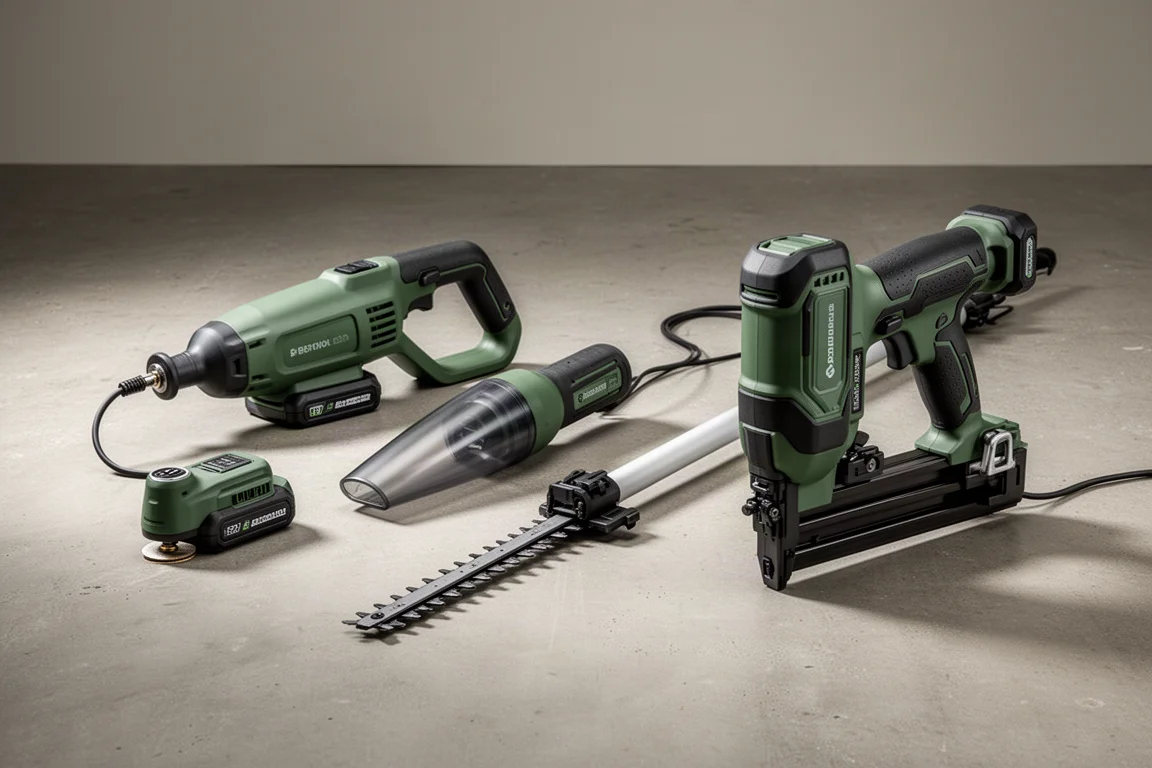
Ryobi occupies a particular spot in the tool world: a Japanese brand licensed and manufactured by TTI for the US market, sold almost exclusively through Home Depot. The appeal is not premium build quality but value, selection, and a battery platform that has stayed consistent for years. That combination makes it a smart pick for tools you use a few times a year, and a questionable one for daily professional abuse. Here are five tools from the lineup that illustrate both sides of that trade-off.
Why Ryobi Makes Sense for Occasional Users
The core selling point is the ONE+ 18V battery platform, which Ryobi has committed to keeping unchanged essentially forever. Buy a battery today and it should still work on tools bought a decade from now. The lineup is enormous, covering everything from miter saws and tile saws to oddities like a bug zapper running off the same batteries, and the brand regularly runs “Ryobi Days” promotions where buying a battery kit earns you a free tool that is sometimes worth more than the kit itself.
Ryobi also fills the gap left behind as other budget retailers move upmarket: the tool you need only three or four times a year, where spending $200+ on a premium brand feels wasteful. A powered caulk gun is a good example. The Ryobi version costs significantly less than the Milwaukee, DeWalt, or Makita equivalent, and for occasional use that math is hard to argue with.
One caveat before the picks: Ryobi’s bit sets have a reputation for low quality, with multiple bits breaking quickly in use, and even the newer diamond bit sets are expensive for what you get, with only some bits in the package actually being diamond. That is one area to skip.
Ryobi ONE+ Rotary Tool
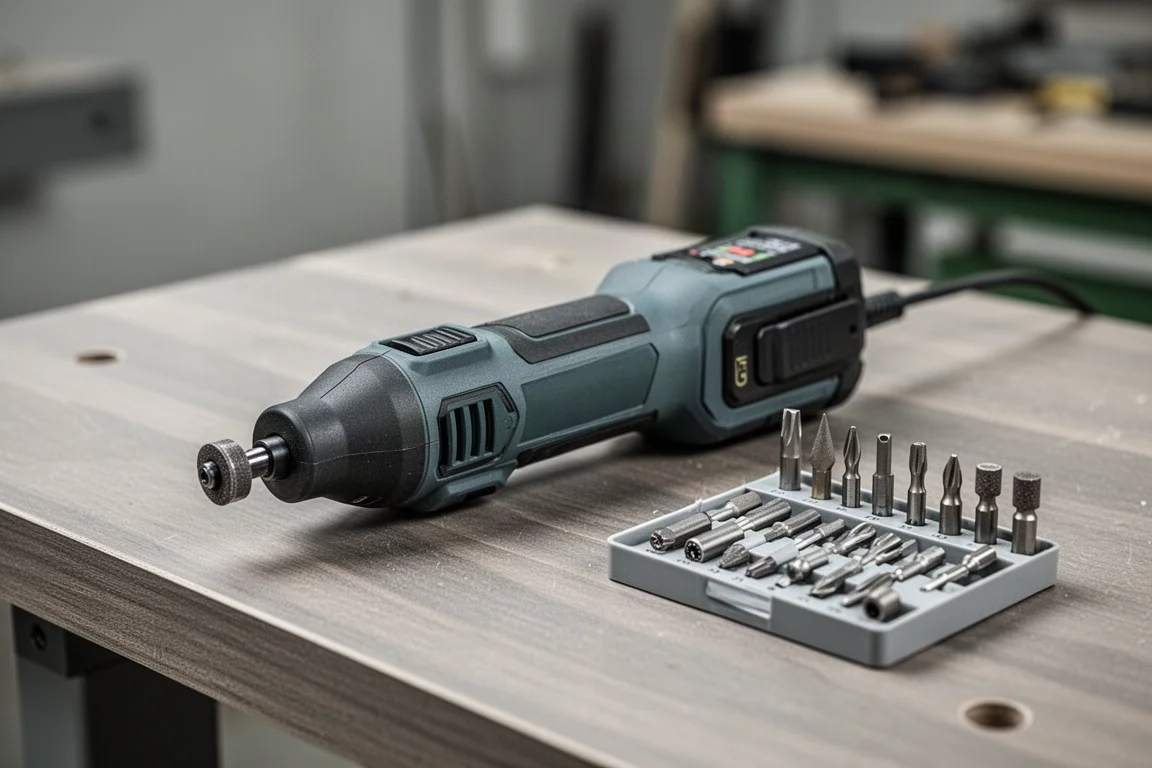
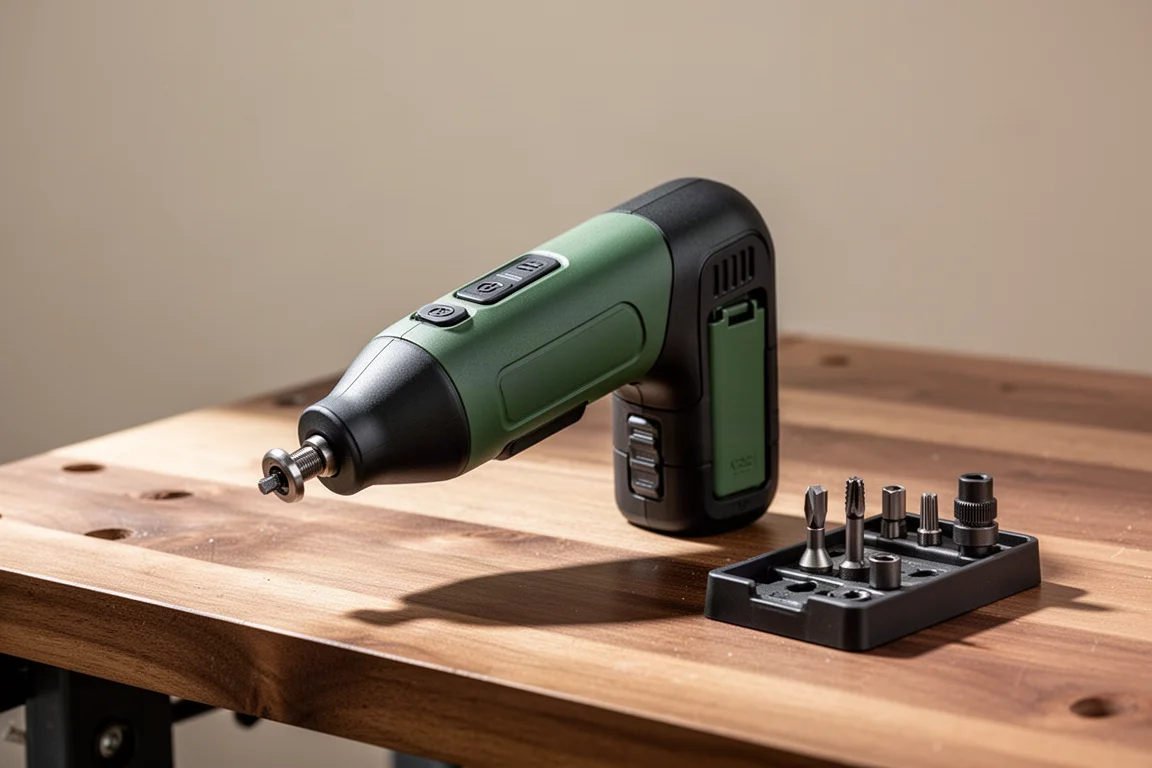
The ONE+ rotary tool is a small, genuinely useful addition to the platform. One buyer picked it up as an add-on for around $10 alongside a vacuum purchase, and it shipped with a generous kit of attachments and bits, which alone made it worth the price. It even includes a small storage compartment, which is a nice touch at this level.
It is not a tool most people will use daily, but for grinding, cutting, and detail work around the house on short notice, having one that runs on batteries you already own is exactly the kind of convenience the ONE+ system is built around.
Ryobi ONE+ EverCharge Vacuum
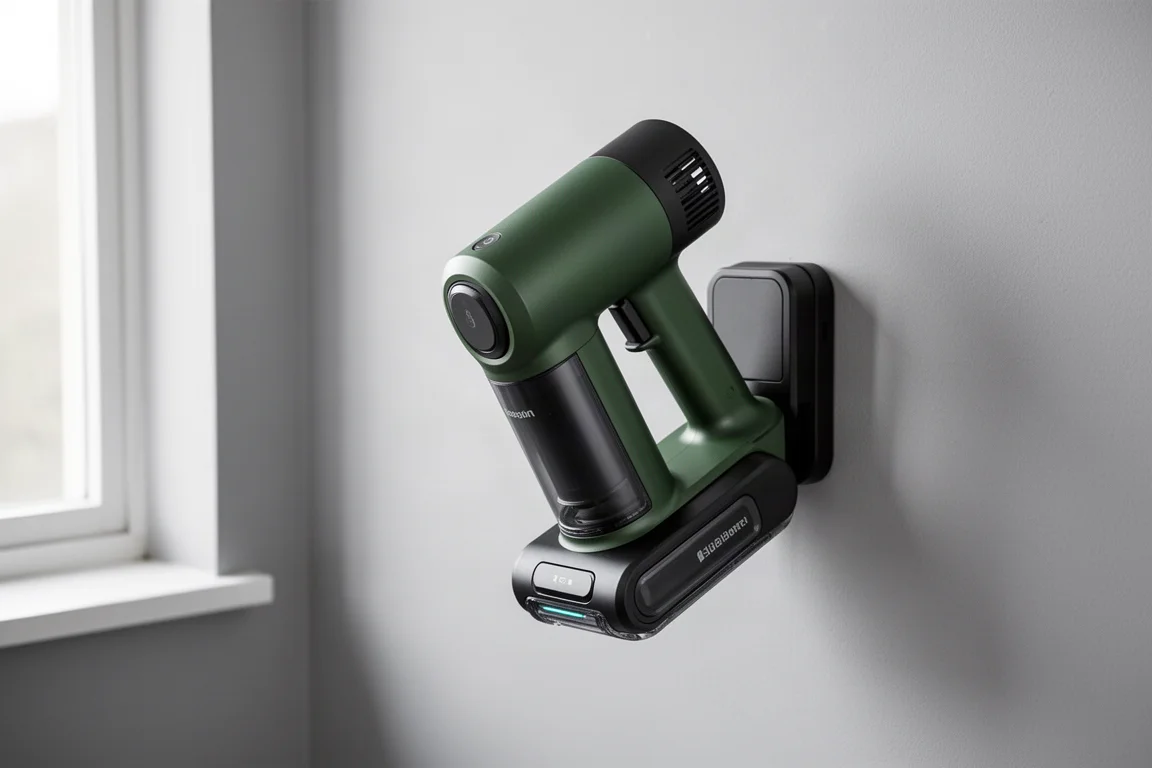
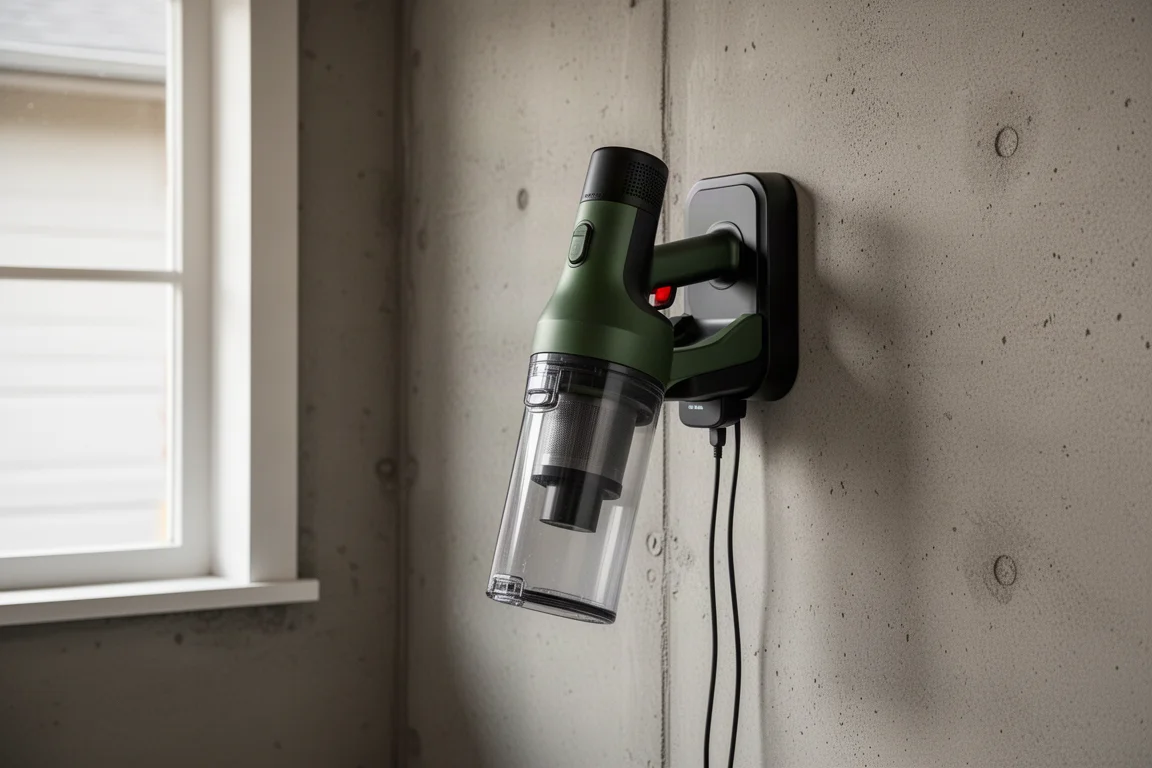
The EverCharge vacuum is one of Ryobi’s more thoughtful homeowner innovations. It uses a standard ONE+ battery that clips onto the bottom, but the trick is the wall charging base: dock the vacuum and it keeps the battery topped up automatically, so the tool is always charged whenever you grab it.
That removes the classic cordless vacuum frustration of reaching for it only to find a dead battery. There is no need to pull the pack and drop it on a charger or remember to plug anything in. For a grab-and-go cleanup tool in a garage or workshop, it is a quietly clever design that few other brands offer. Buyers have found it at deep discounts through TTI’s blemished-tool outlet, with one purchase reported at around $25.
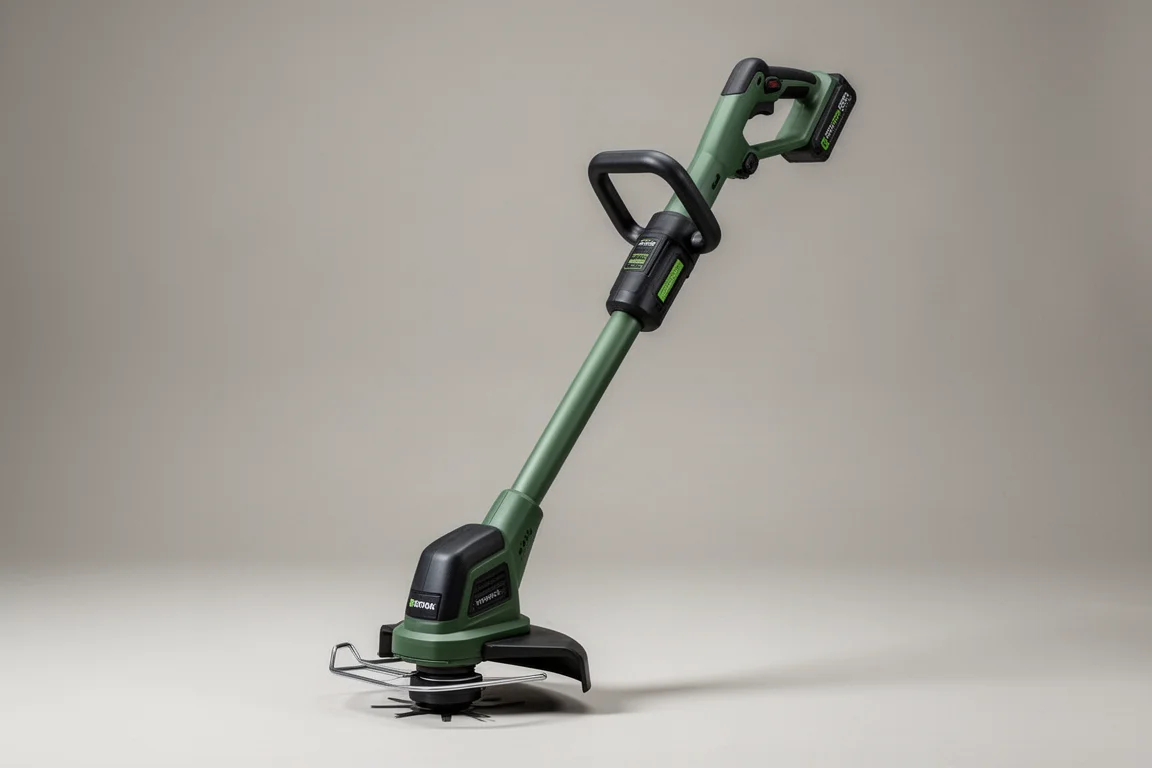
Ryobi 18V Edger
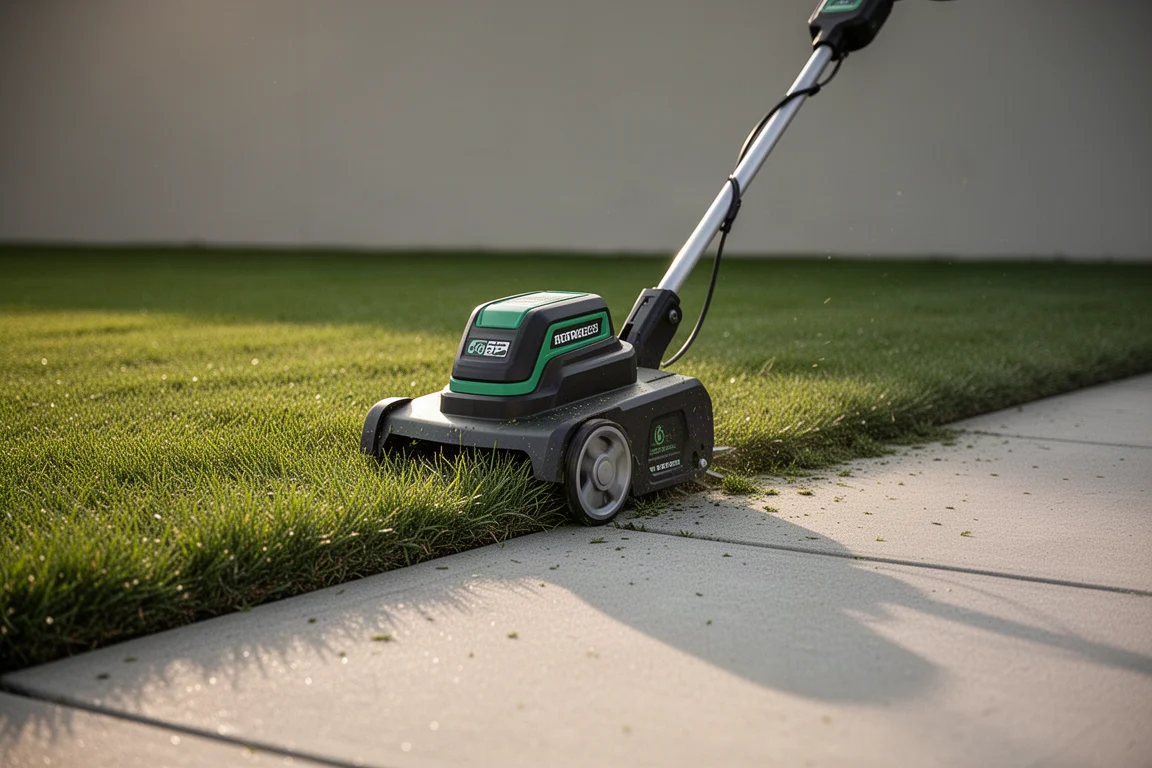
An edger is the textbook Ryobi use case: a tool most homeowners need perhaps five or six times a year to crisp up lawn edges, with a string trimmer handling touch-ups in between. Spending premium-brand money on that kind of infrequent use is hard to justify, and the Ryobi 18V version handles the job fine.
The honest caveat: this class of tool often uses brushed motors, which are a known failure point. One owner’s unit eventually failed, smoking during use, a fairly common complaint across the brand’s brushed-motor tools. The saving grace was the warranty experience: walk into nearly any Home Depot, which acts as a de facto service center, and get a replacement off the shelf within minutes rather than waiting on a repair.
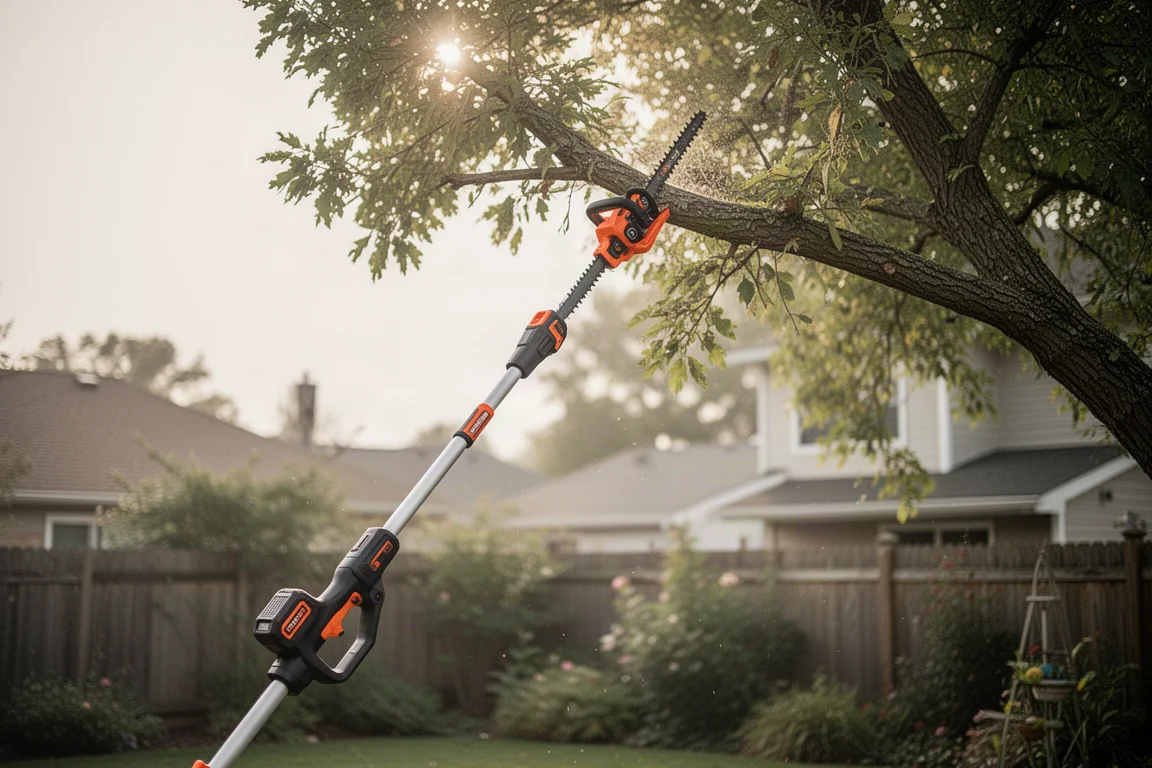
Ryobi 40V Pole Saw
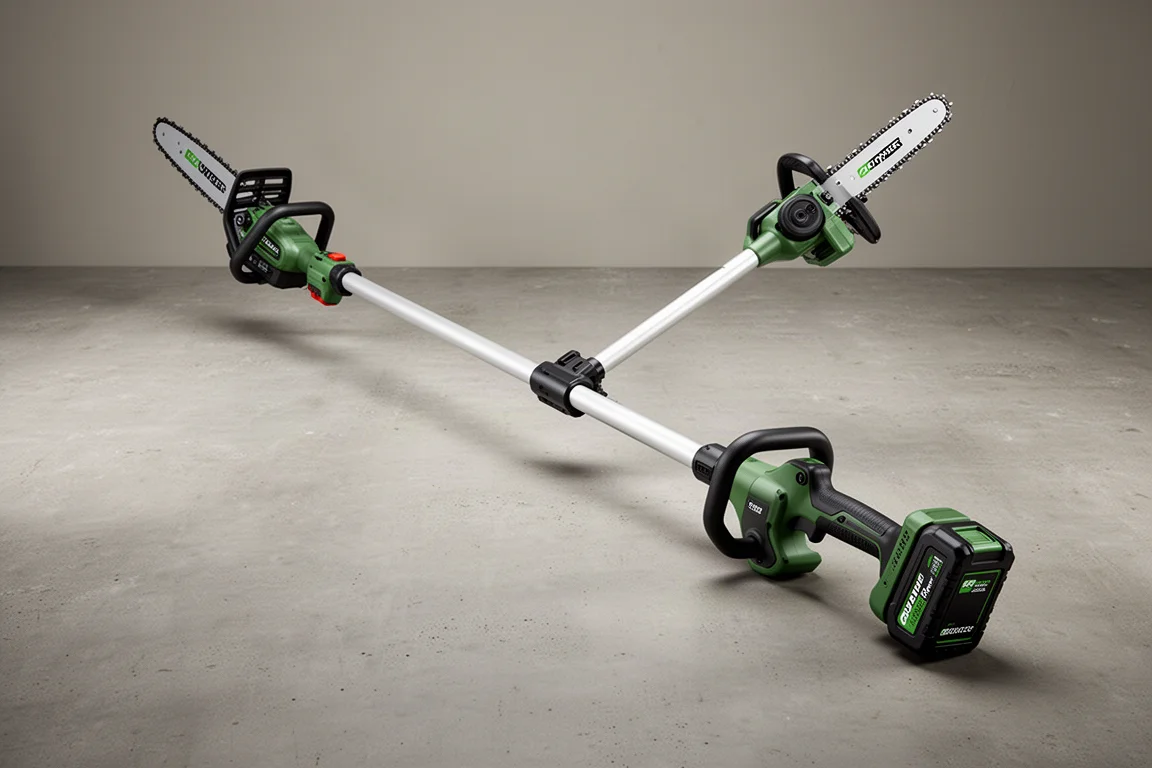
The 40V line is where Ryobi pushes into more serious outdoor power equipment, and the pole saw is a good example of what the extra voltage buys. One owner found theirs on clearance at Home Depot for around $35, marked down from roughly $199, and reported being able to trim trees for hours while burning through only one or two battery bars on a 4Ah pack. Runtime between charges is genuinely impressive for this kind of tool.
The weakness is structural: with a pole that long, the unit began to bow over time, suggesting the pole construction is not built for heavy long-term use. For occasional branch trimming it remains a reasonable, affordable option, but buyers planning frequent or demanding use should look at a sturdier design.
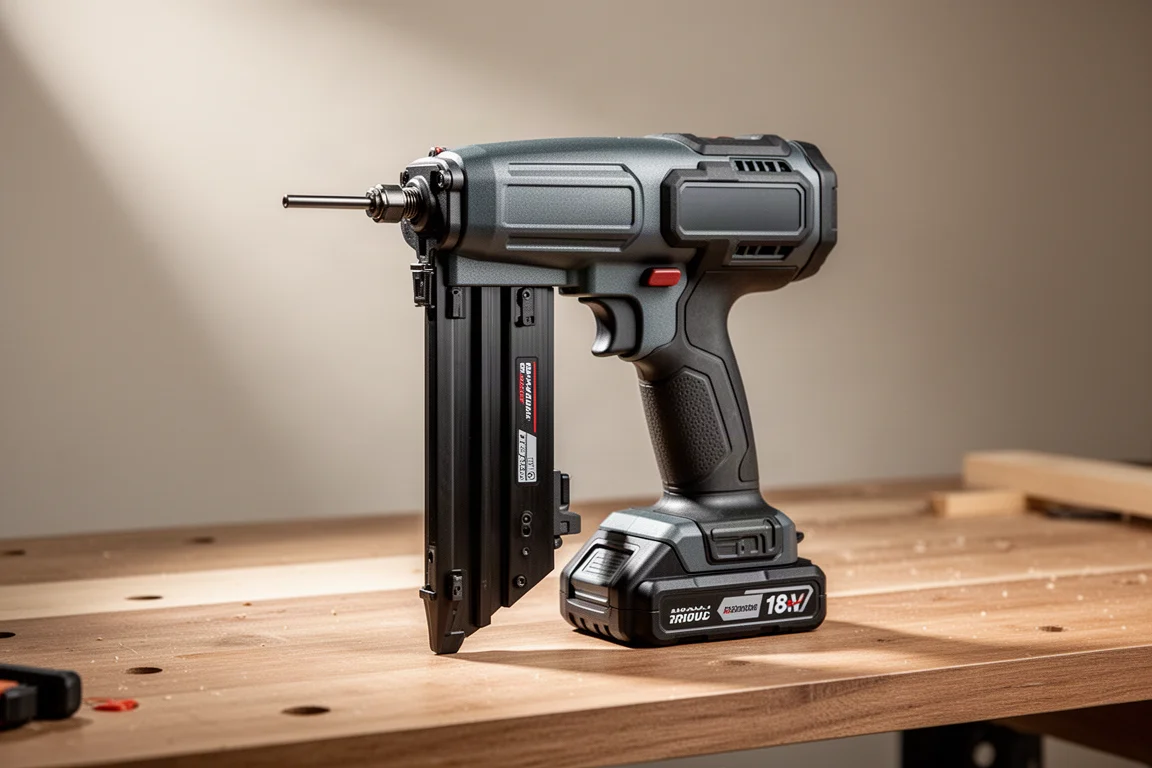
Ryobi Airstrike Brad Nailer
The Airstrike brad nailer line has earned strong feedback, including a teardown that showed internals notably better than its price point would suggest. It is a good illustration of Ryobi doing more than the minimum in a category where it competes on value.
It is also the kind of tool the “Ryobi Days” promotion was made for: pick up a battery kit during the event, choose the brad nailer as your free tool, and end up with a capable nailer at a fraction of the usual cost. For trim work and DIY projects around the house, it is one of the more confident recommendations in the lineup.
What to Know Before Buying Ryobi
Quality across the brand is genuinely mixed. Plenty of long-term owners report rock-solid experiences, while others have had multiple tools fail on first jobs, typically traced back to brushed motors. If you are a professional who will run a tool hard every day, a more durable brand is probably the better investment. For homeowners and occasional users, the value proposition holds up well, especially at clearance prices and during promotional events.
Two more practical notes. First, the warranty process is unusually painless: Home Depot locations function as service points and typically swap a failed tool for a new one on the spot. Second, the slide-pack battery design means some compact tools end up bulkier than competitors’ stick-pack designs, since the pack protrudes from the tool body. It is the trade-off for one battery that fits everything.
Conclusion
Ryobi is at its best when matched to realistic expectations: occasional-use tools, outdoor power equipment, and homeowner conveniences like the EverCharge vacuum, all backed by a battery platform that should never strand your collection. Skip the bit sets, be realistic about brushed-motor durability on high-use tools, and lean on clearance pricing and Ryobi Days promotions. Buy the right tools from the lineup and the value is hard to beat.
Further reading
Related Reviews
Power Tools
Best 1-Inch Pistol Impact Wrenches: Three Heavy-Duty Options Compared
We compare three 1-inch pistol impact wrenches, from a budget-friendly Harbor Freight model to a premium Caterpillar unit, to help you choose the right one.
Power Tools
Best 3/4-Inch Impact Wrenches 2026: Five Contenders Compared
We compare five 3/4-inch impact wrenches across price and performance, from a budget Amazon option to Snap-on's most powerful model yet.
Power Tools
Best Budget Cordless Tools 2026: Walmart Finds That Punch Above Their Price
We tested five cordless tools from Walmart, including a high-torque impact wrench that trades blows with Milwaukee and a $35 duster that outperforms its price class.