Power Tools
Ryobi Tool Lineup Review: The Best Tools Worth Buying From the One+ and HP Lines
A deep look at Ryobi's One+ and HP lines, from the 15-gauge AirStrike nailer and HP jigsaw to the cordless caulk gun, SDS drill, shop vac, and Link storage.
Introduction
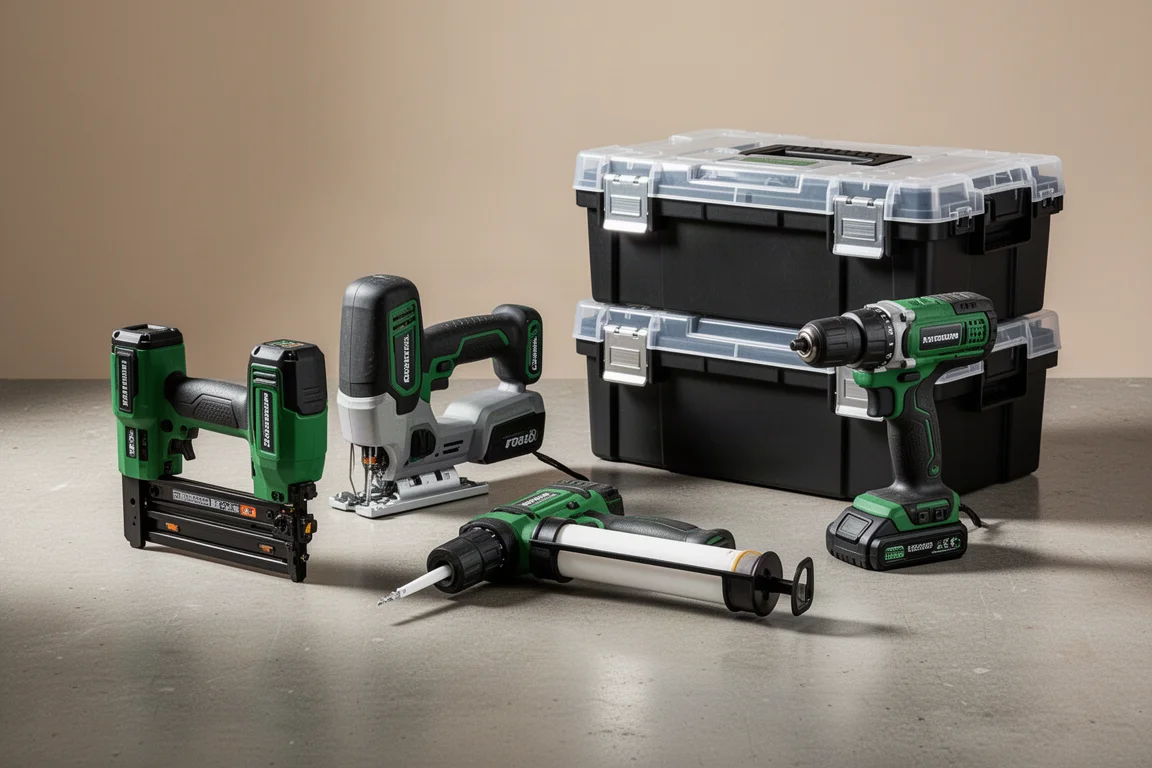
Ryobi has long carried a reputation as the brand of casual DIYers, but that reputation is getting harder to defend. A recent marathon shopping trip through a home improvement store, picking up as much of the Ryobi One+ and HP lines as one cart can hold, turned up a lineup that is far stronger than its budget image suggests. After putting dozens of tools through real shop work, the pattern is clear: Ryobi’s nailers, several of the HP carpentry tools, and a surprising number of household accessories are genuinely worth your money, while a handful of others are best left on the shelf.
The Battery Platform Advantage
One of the most underrated things about Ryobi is sheer breadth. Beyond drills and saws, the One+ platform covers fans, work lights, speakers, caulk guns, radios, blowers, inflators, and dozens of other small tools, all running on the same 18V batteries. Ryobi reportedly offers hundreds of SKUs across the platform, and most of the tools come in combo kits that keep the entry cost reasonable. There is also a smaller stick-style battery powering compact accessories like a keychain work light, a pocket fan, and a screwdriver.
For anyone already invested in the platform, that versatility is the core of the value. The fan, in particular, is a quiet favorite: clip one to a stroller or bassinet in summer and it earns its keep around the house as much as in the shop.
The Nailer Lineup: Ryobi’s Strongest Category
Ryobi was one of the first brands to bring cordless nailers to market without the fuel cartridges older designs required, and years later these remain some of its most popular tools. Testing covered the 23-gauge pin nailer, the HP 18-gauge brad nailer, the 15-gauge AirStrike, and the 30-degree framing nailer.
The pin nailer is a pleasant surprise for cabinetry and trim work. It fires with essentially no kickback and hides nail heads well, though in hard maple it left slight protrusion where a pneumatic nailer sinks fully. Verdict: a middle grade. If you don’t have air and you need one, it’s worth a look, but it isn’t a must-buy.
The HP 18-gauge brad nailer is compact, fast, and has impressively low kickback, plus bump mode. It struggles to fully penetrate hard maple, which will turn professionals off, but for softwood work like exterior siding or cedar decking it could be excellent since it hangs off your belt with no hoses. Solid, not spectacular.
The 15-Gauge AirStrike Steals the Show
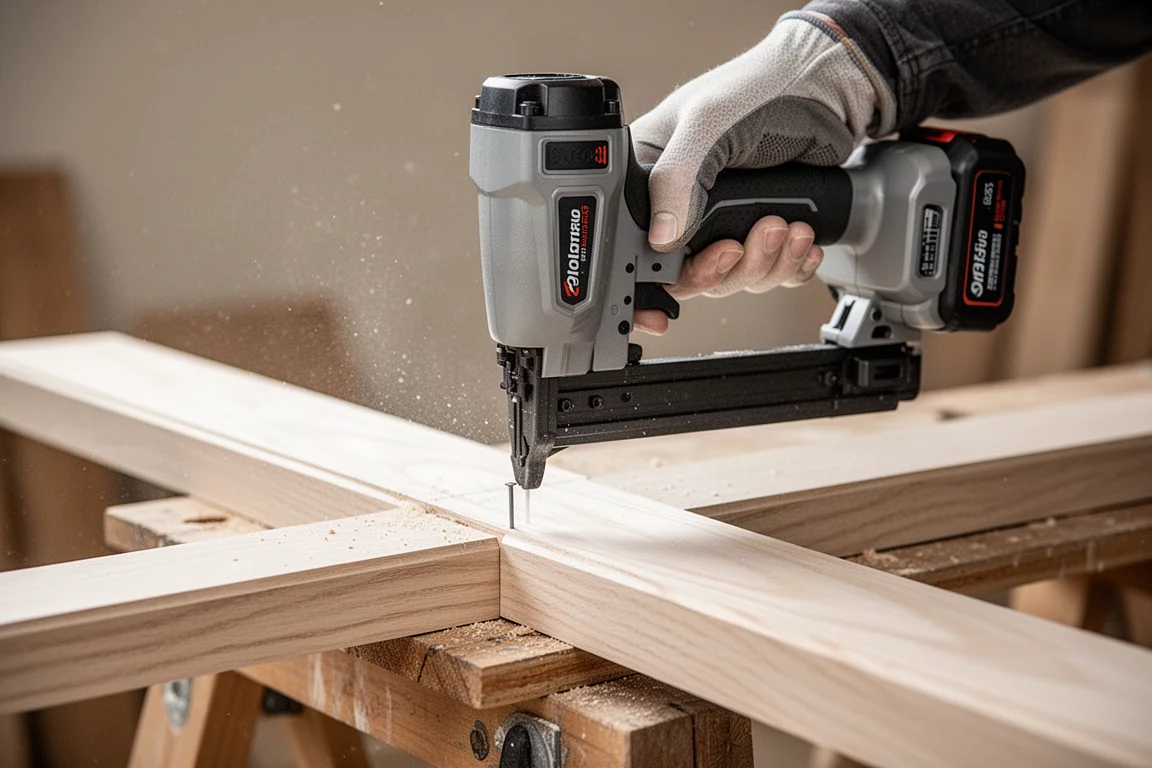
The 15-gauge AirStrike is the standout. With even a partially charged battery it drove nails fast enough to feel nearly pneumatic, sank completely into solid white oak, and includes bump mode. It is quicker than a comparable DeWalt and smaller. It earned an easy buy recommendation, and honestly made an impression: the AirStrike is the kind of tool that converts skeptics.
The 30-Degree Framing Nailer
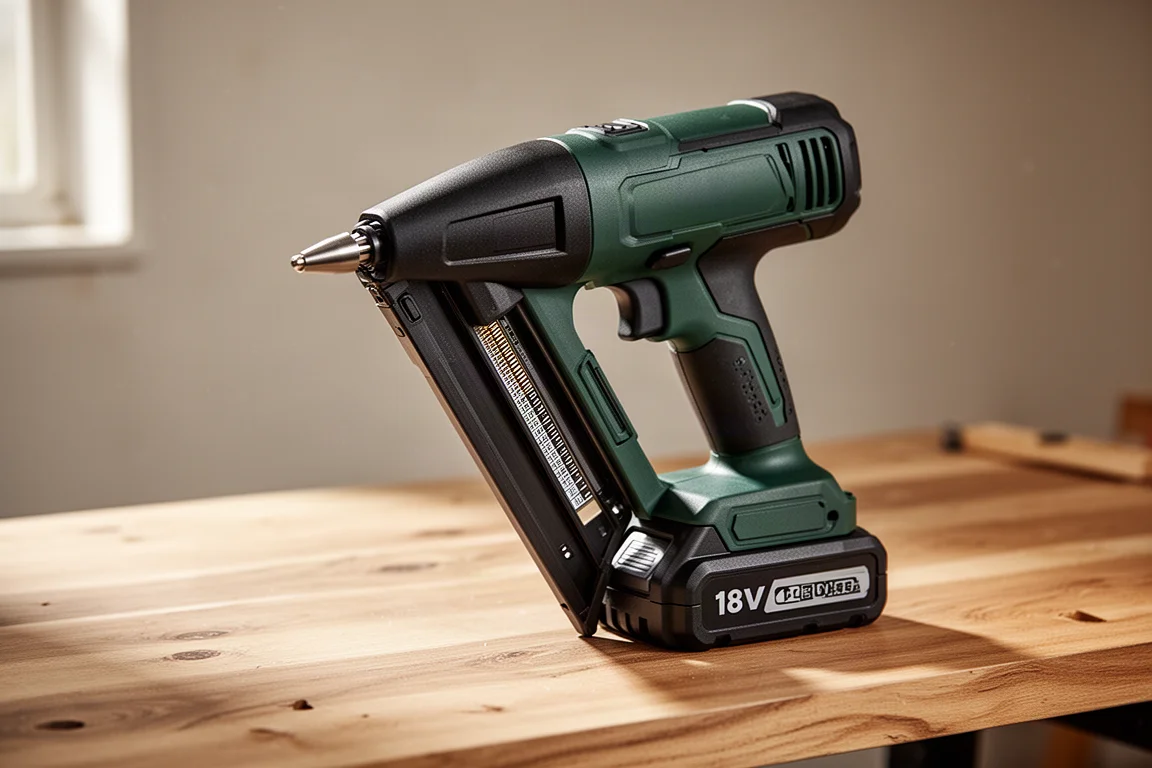
The framing nailer, one of the most expensive tools in the haul after the saws, kept pace too. It sinks nails cleanly with almost no adjustment needed, has bump mode, and is faster and more compact than the DeWalt it was compared against. Like the 15-gauge, it goes on the buy list. If you do trim or framing and want to skip the compressor, Ryobi has quietly built one of the best cordless nailer lineups available.
HP Barrel-Grip Jigsaw: A Genuine Bargain
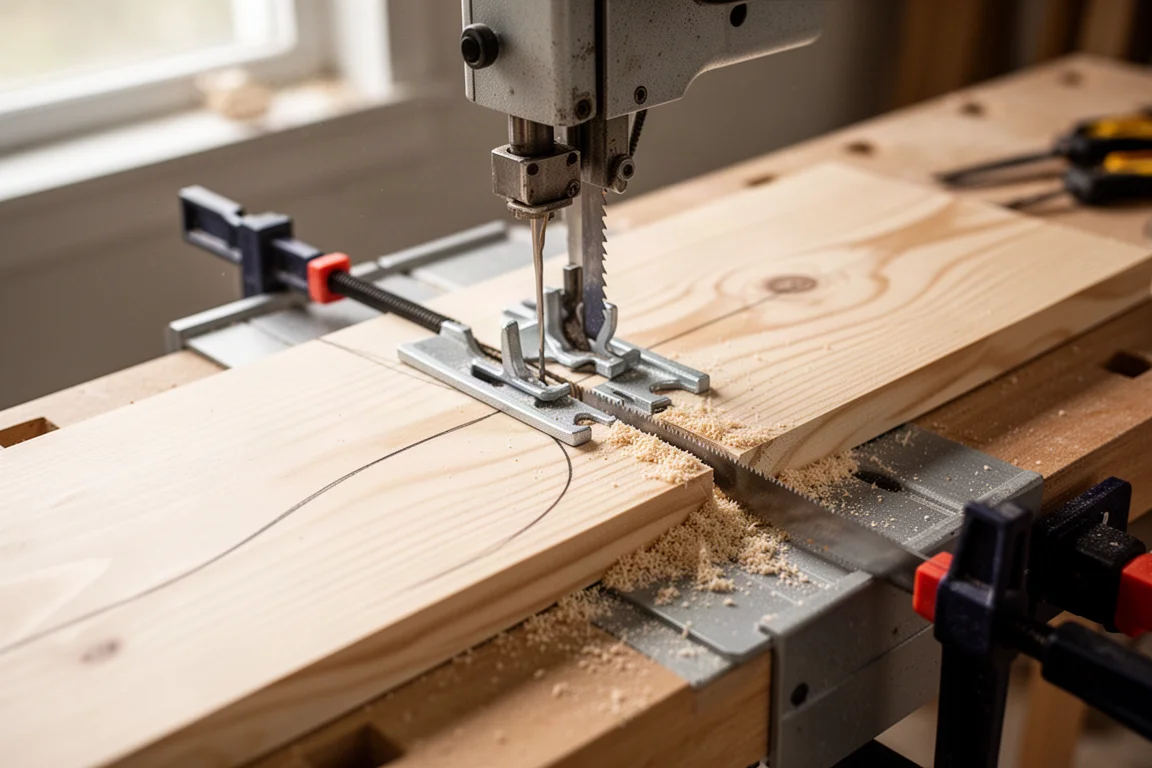
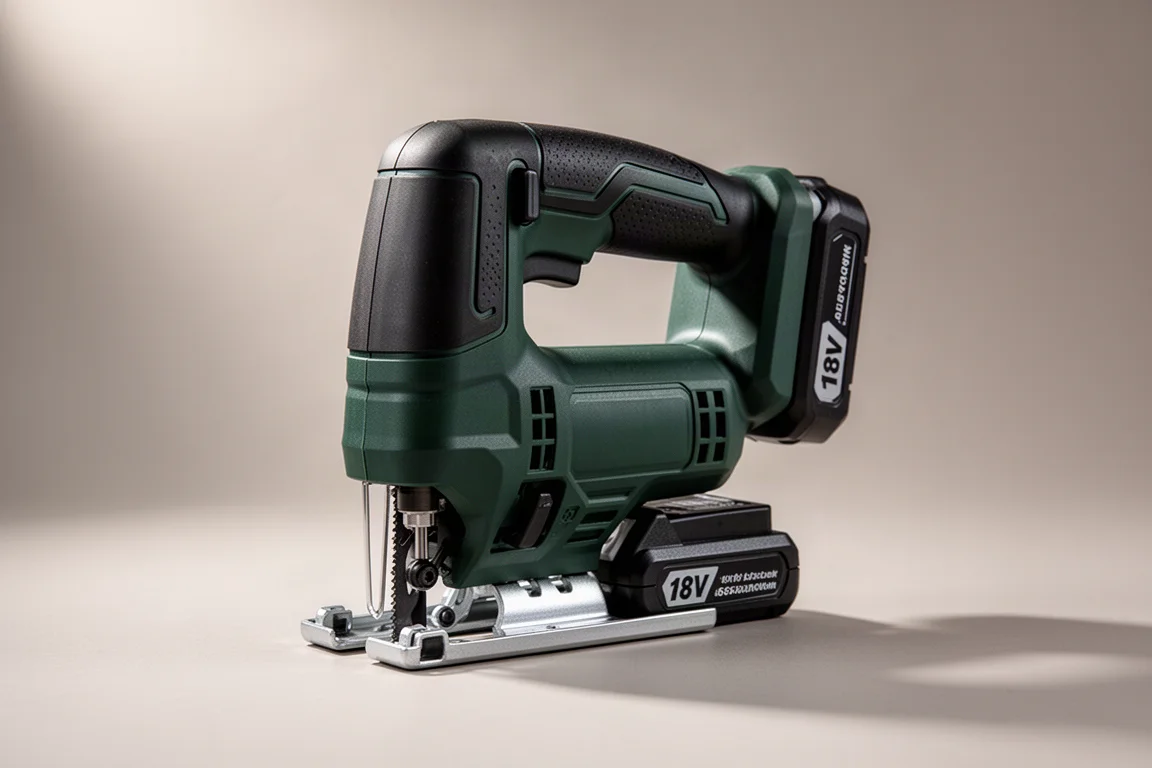
The HP barrel-grip jigsaw feels thoughtfully designed from the start: an ergonomic thumb position similar to far more expensive tools, an immediate electronic brake that stops the blade on a dime, and integrated dust collection pulling straight from the shoe port. It will not rival a shop vac for dust control, but it beats nothing.
Cuts at lower speeds are clean on entry and exit. At its higher setting there is more throw, so it cuts quicker but with a bit more tear out. At $139 for the tool only, the compromises are minor: adjusting the bevel angle requires a tool, and the barrel grip will not suit everyone. For anyone already in the Ryobi battery ecosystem, this one is an easy recommendation.
18V Cordless Caulking Gun: Fatigue Killer
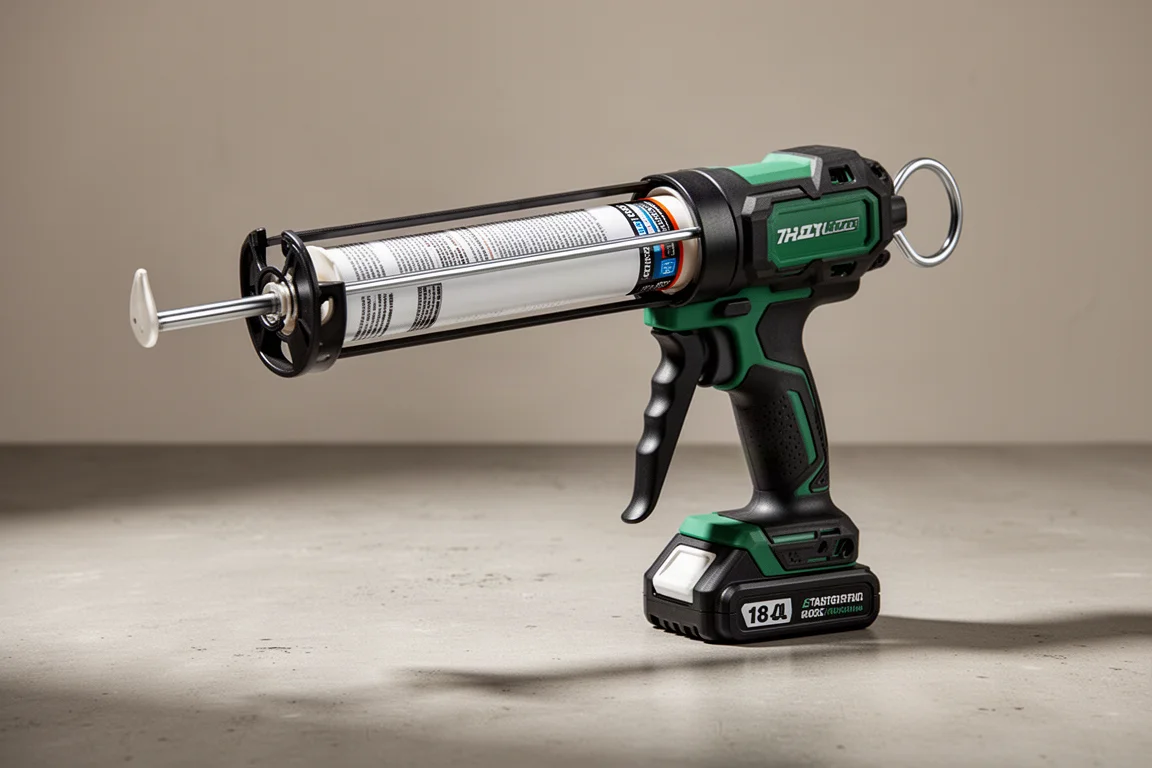
The cordless caulking gun is one of those tools people underestimate until they spend an hour laying beads. With a dial for speed control, an anti-drip design that works, and a body that stands upright on its own, it makes short work of high-volume adhesive and caulk jobs. It runs off the larger One+ batteries rather than a smaller proprietary pack, which adds flexibility.
At $79 it undercuts the comparable Milwaukee significantly while delivering much the same experience. Conventional manual guns still offer finer control for delicate trim work, but for anything where hand fatigue becomes the enemy, this earns its price many times over.
HP Compact SDS Drill: Best Entry Point Into Rotary Hammers
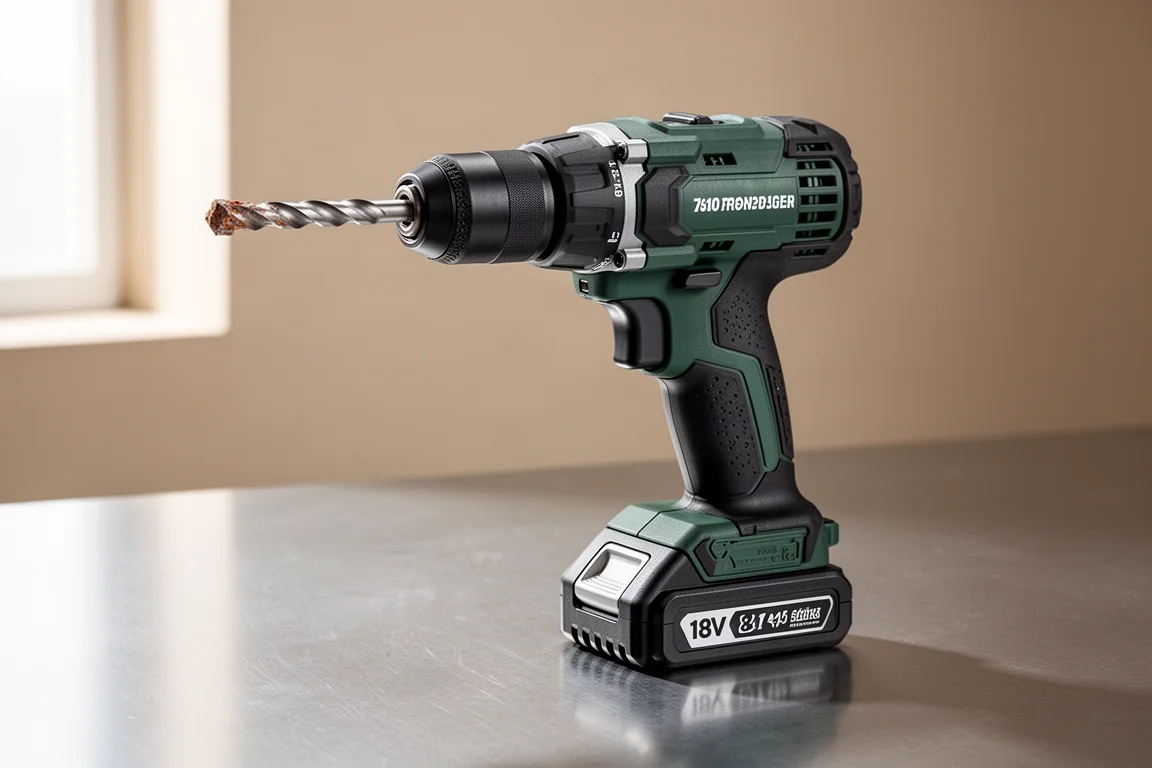
If you have never owned an SDS drill, this is the argument for one. Compared to hammering away with a hammer drill and chuck adapter, an SDS is faster, quieter, and leaves a far better hole. The compact HP version is $149, and the full-size version runs $189 more or less directly, adding a hammer-only chisel mode.
The compact model is not the most powerful rotary hammer on the market and benefits from a bigger battery, but for anyone drilling into block or concrete, the price makes it about the best entry point you will find. The recommendation here is simple: if you are buying one, spend the extra $40 for the full-size so you get the chisel function too. Either way, this category is a buy.
Cordless Circular Saw: A Fine Budget Cut
The cordless circular saw surprised the testers who expected it to feel cheap. The base plate uses a solid stainless-feeling material with very little bend, the saw is light, and it cuts remarkably well despite an initial startup hesitation when idling. Compromises show up in the adjustment hardware, which leans on long plastic tabs, and the bevel settings lack positive stops beyond the basics.
There is no brake, which is a strange omission given the jigsaw has one. Still, at $129 it cuts cleanly and smoothly enough that the recommendation is a straightforward buy for the price.
The Shop Vac Nobody Expected
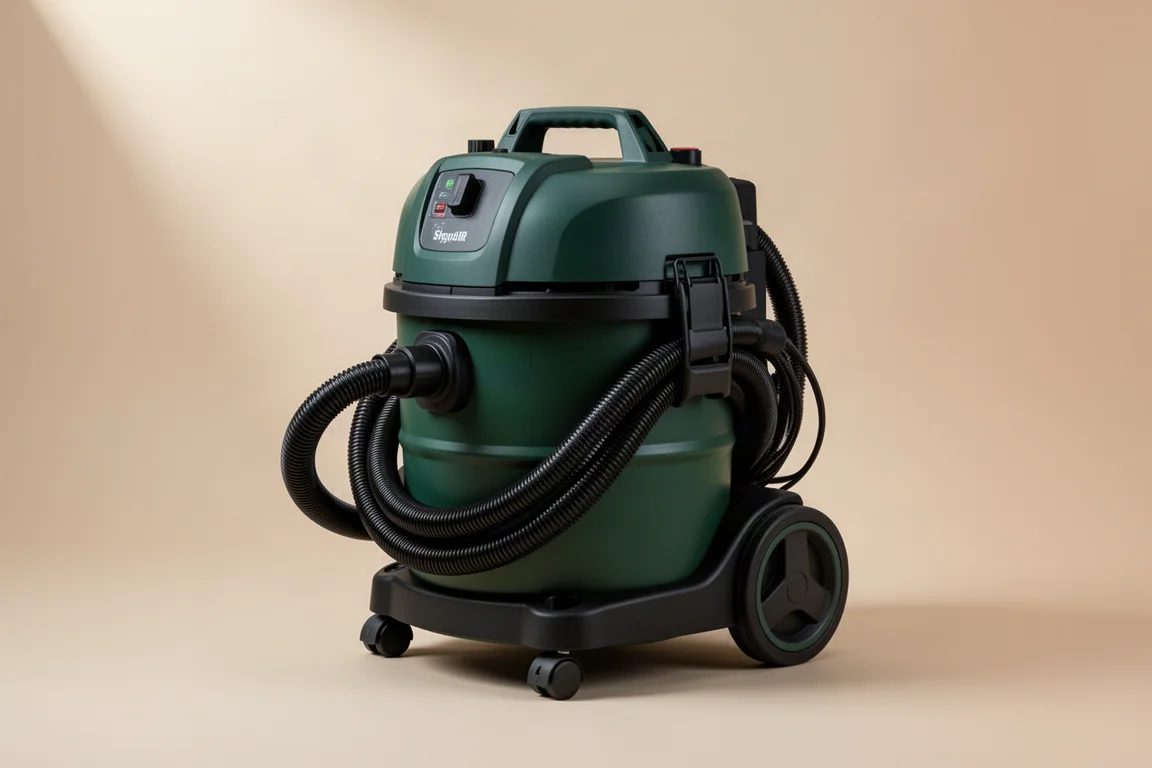
The cordless shop vac is one of the more charming tools in the lineup. It arrives fully assembled, which almost nothing else in the brand’s range does, and the reason becomes clear: the drum spins, letting it use two big fixed wheels instead of clumsy swivel casters. It has a large filter that eats into capacity, a convenient top plug, a handle, and storage for the hose onboard.
At $149 it is a bit pricey when a larger corded shop vac can be had for around $100, so it is not the tool for a dedicated workshop. Where it shines is around the house: bigger indoor messes, and it stores away far more neatly than a conventional shop vac. For that use case, the team landed on buy.
Ryobi Link Storage: A Budget-Friendly Packout Alternative
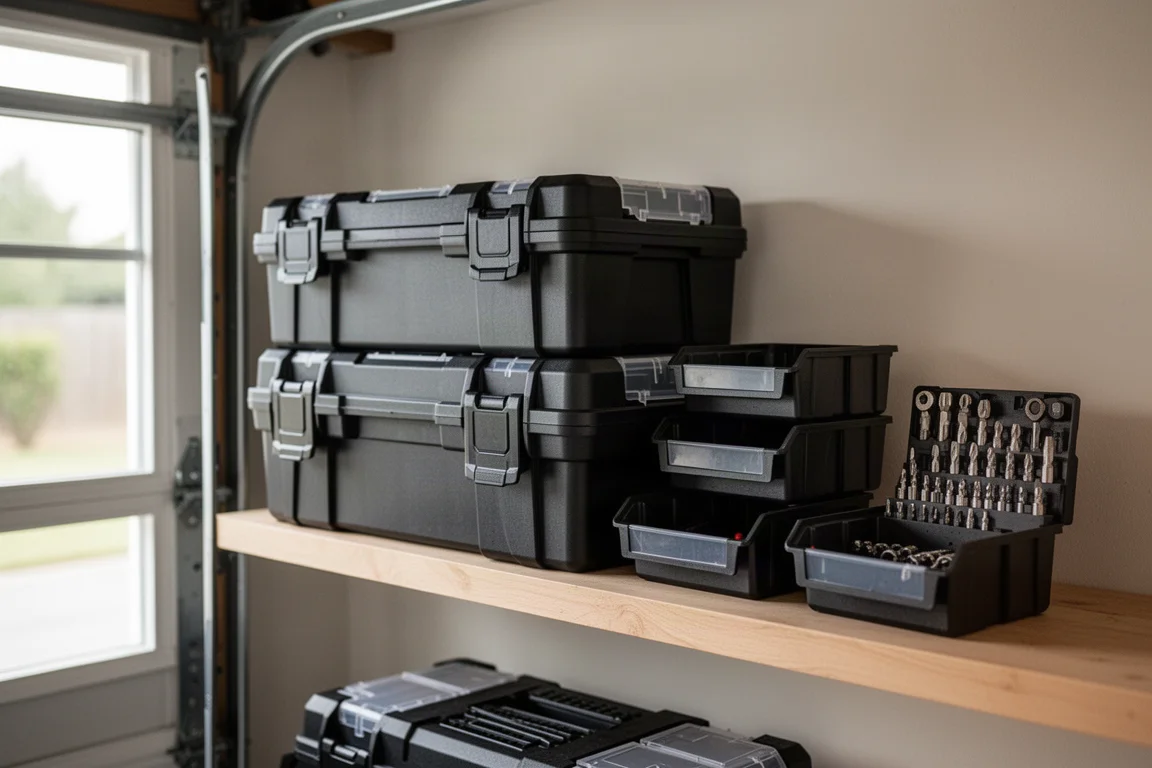
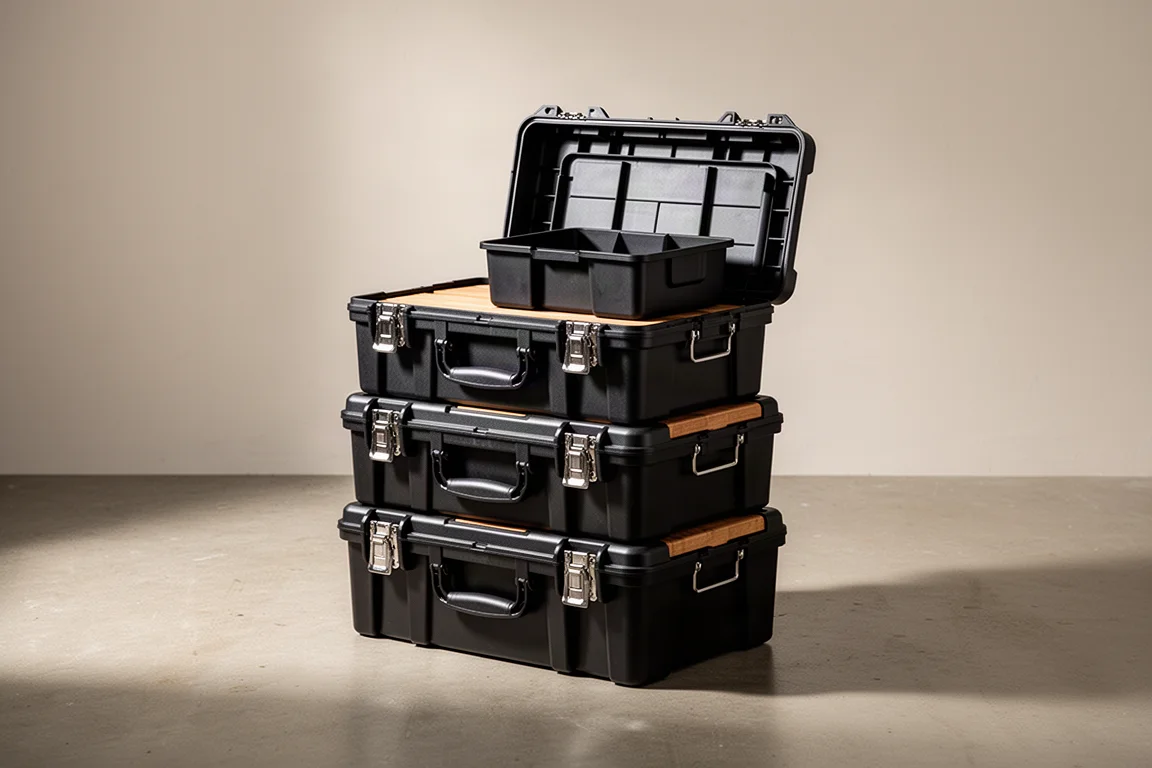
Ryobi’s Link storage system is not new, but the recent refresh is a real step up. The updated boxes, deep bins, and drawer-style containers run roughly $30 to $50 each, dramatically less than the premium competitors whose equivalents cost far more. The boxes have gaskets for weather sealing, removable handles that pop off with a button, and interchangeable inserts, including a bit holder tray with swappable inner sections.
The mechanisms feel noticeably more robust than the first generation, and while the ergonomics do not quite match the best-known systems, the value is hard to argue with. This is not an urgent buy, but if you want to start a stackable storage setup for the shop or the truck without spending a fortune, the Link system is a solid, affordable on-ramp.
Tools to Approach With Caution
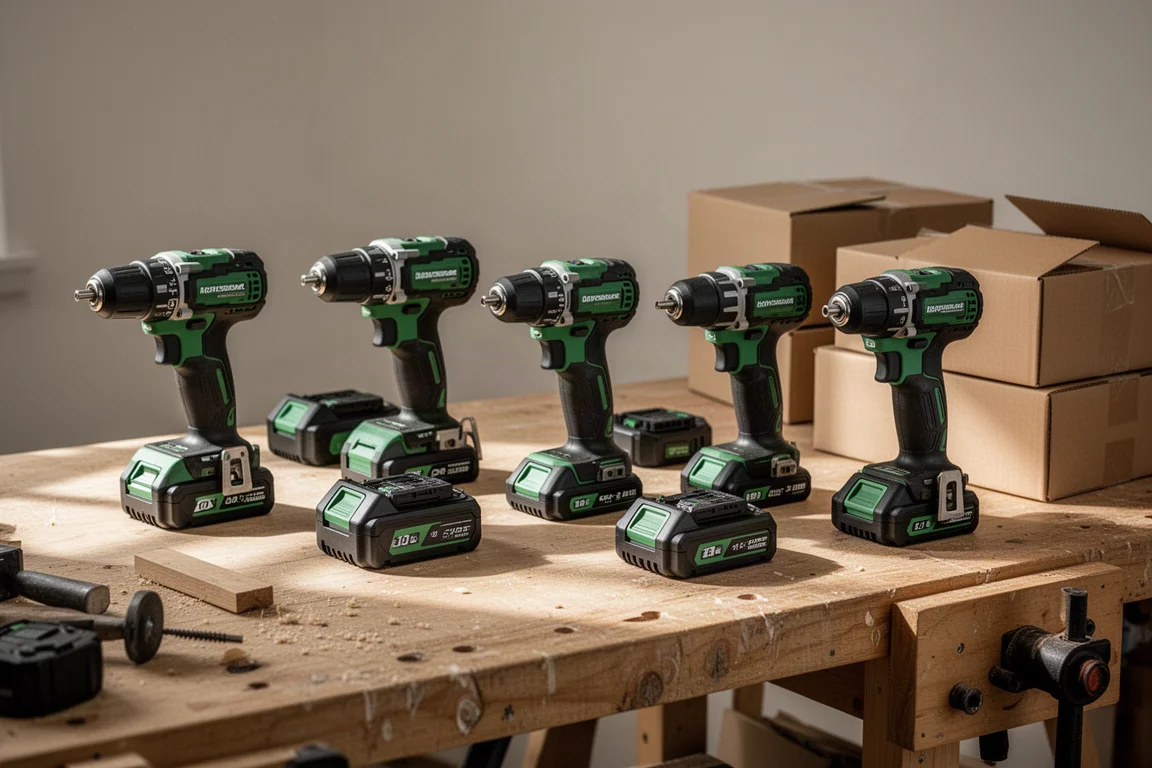
Not everything earned its keep. The 23-gauge pin nailer sits at a middle grade, the 18-gauge brad nailer and cordless router land firmly in maybe territory. The corded-style heat gun, the small blower, the tripod work light, the power scrubber, the rotary tool’s cousin the saw, the glue gun’s cousins like the gimmick cleaning attachments, and the right-angle drill all fell short. The subcompact drill and impact driver feel hollow and are not worth the trade-off when Ryobi has no smaller 12V battery to justify them. The full-size drill, the compact HP drill, the compact impact driver, and the hammer drill all performed well, with the hammer drill standing out as the best drill of the group. The glue gun itself, the gyroscopic-style screwdriver, the stud finder’s feature set, the small work lights, and the mini shop vacs all earned buy recommendations despite the odd misfire elsewhere.
Overall Buying Advice
If you are building out a Ryobi collection, start where the brand is strongest: the nailers, the HP jigsaw, the compact SDS drill, and the cordless caulk gun all punch well above their price. Add the household accessories like the glue gun, screwdriver, fans, and small vacs as needed, because they lean on the same batteries and cost little. Be more selective with the big-ticket saws, where competitors offer more for similar money, and skip the gimmicky cleaning tools entirely.
Conclusion
Ryobi is no longer a brand you buy purely because it is cheap. The nailer lineup is legitimately competitive, the HP jigsaw and SDS drill deliver real performance at honest prices, and the caulk gun and shop vac solve everyday problems without fuss. The platform’s breadth means one battery investment opens the door to hundreds of tools. Buy the winners, skip the gimmicks, and Ryobi’s One+ ecosystem makes a lot of sense for homeowners, DIYers, and even professionals who want capable tools without premium pricing.
Further reading
Related Reviews
Power Tools
Best 1-Inch Pistol Impact Wrenches: Three Heavy-Duty Options Compared
We compare three 1-inch pistol impact wrenches, from a budget-friendly Harbor Freight model to a premium Caterpillar unit, to help you choose the right one.
Power Tools
Best 3/4-Inch Impact Wrenches 2026: Five Contenders Compared
We compare five 3/4-inch impact wrenches across price and performance, from a budget Amazon option to Snap-on's most powerful model yet.
Power Tools
Best Budget Cordless Tools 2026: Walmart Finds That Punch Above Their Price
We tested five cordless tools from Walmart, including a high-torque impact wrench that trades blows with Milwaukee and a $35 duster that outperforms its price class.