Power Tools
Ryobi's New 2026 Portable Power Sources: 150W, 200W, and 300W Compared
Three new battery-powered power sources turn Ryobi 18V and 40V batteries into portable power for phones, laptops, fans, and more.
Introduction
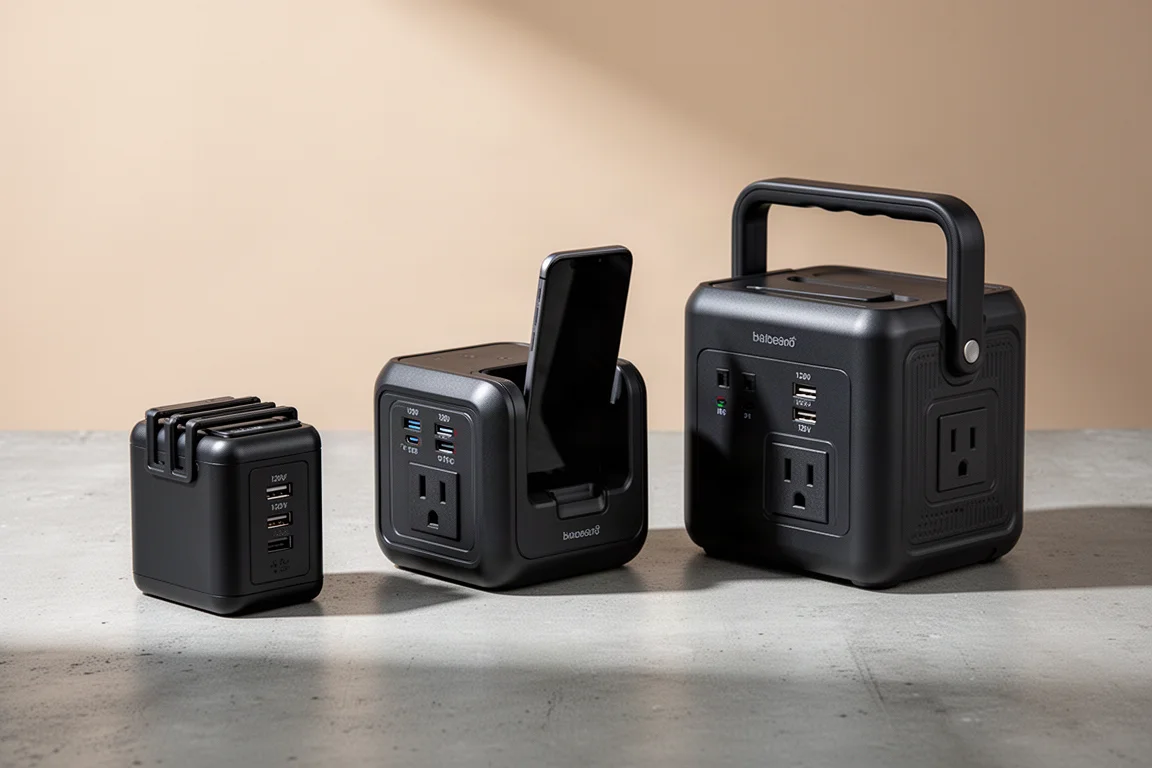
Ryobi opened 2026 with not one but three new portable power sources, all expected in February 2026. The idea is simple and genuinely useful: slide in a battery you already own and get AC outlet power plus USB charging anywhere, from the work site to a power outage at home. All three use pure sine wave output, which means they are safe for sensitive electronics like phones, tablets, and laptops.
Ryobi 18V 150W Power Source
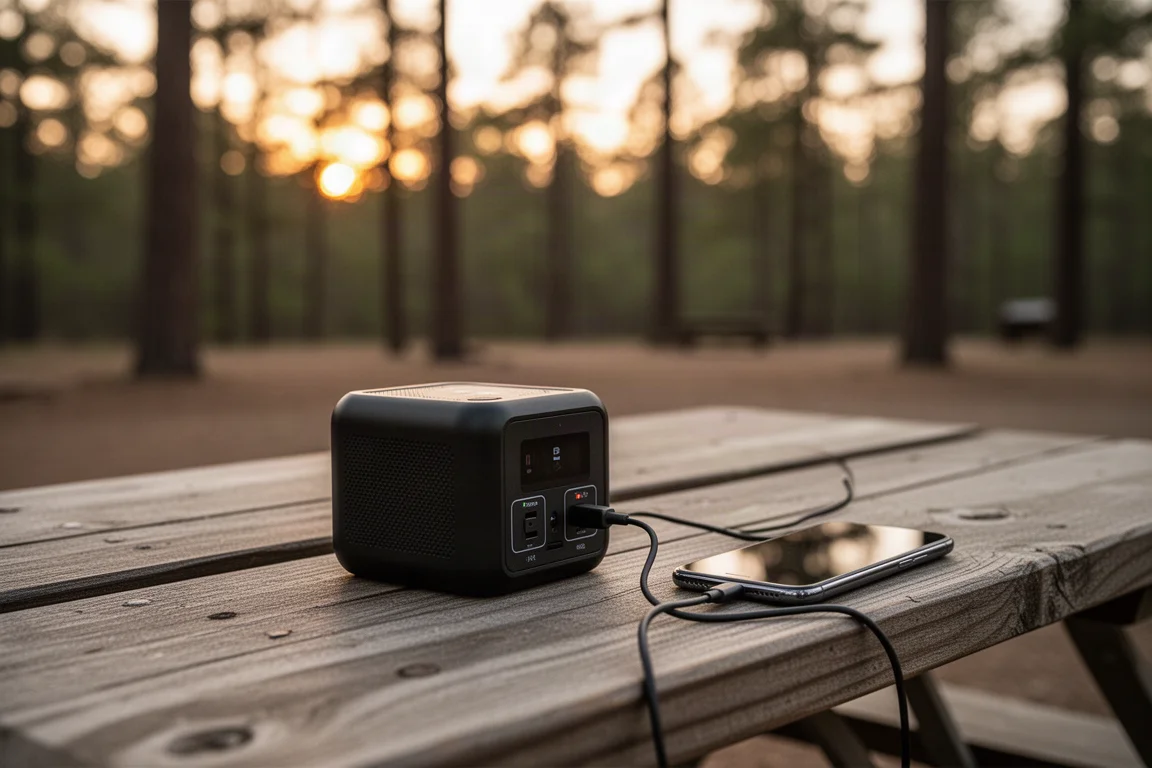
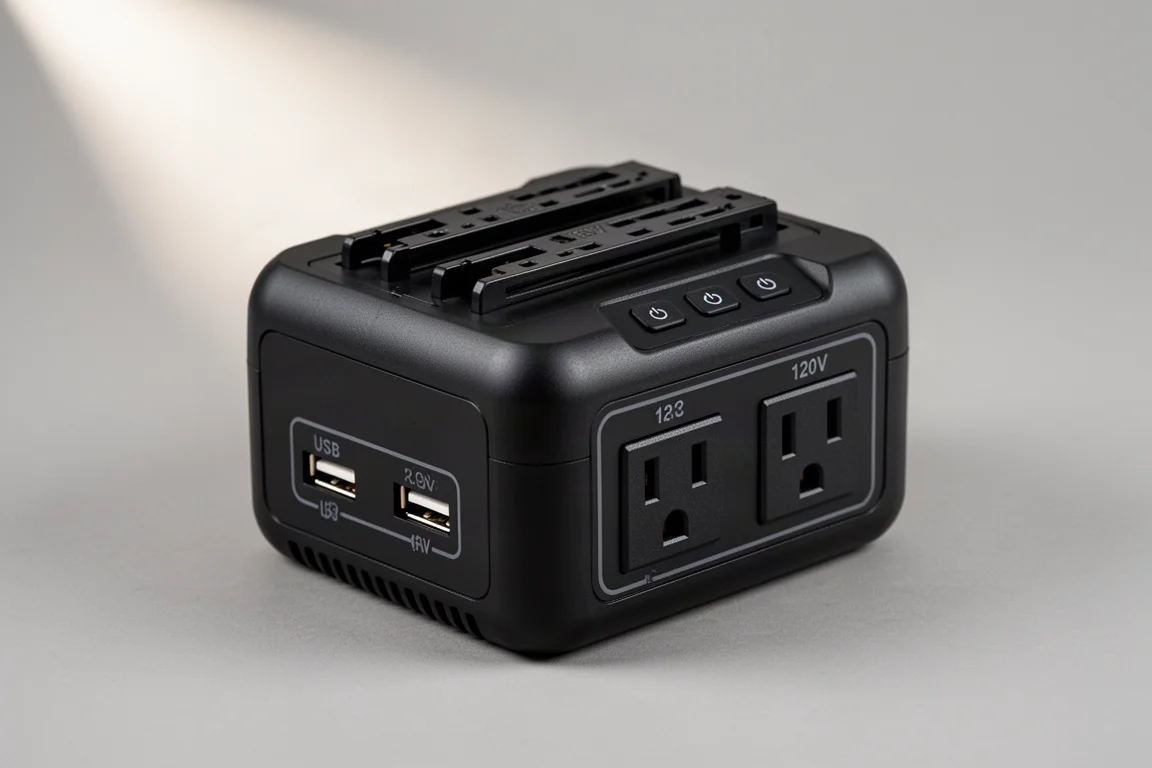
The 150W power source is an update to Ryobi’s existing model and runs off any Ryobi 18V battery. You get a 30W USB-C port, an 18W USB-A port, and a 120V ungrounded AC outlet. Buttons on top let you switch each output on and off individually, and there is a built-in light.
It is rated for phones, tablets, laptops, lights, fans, and TVs, with pure sine wave technology so it will not surge or damage your electronics. Battery capacity matters here: a standard 2Ah battery will not fully charge a laptop, but a larger 12Ah HP battery could handle an entire laptop charge. At around $70 tool only, this is the budget-friendly pick for occasional phone charging and small electronics.
Ryobi 18V 200W Power Source Charger
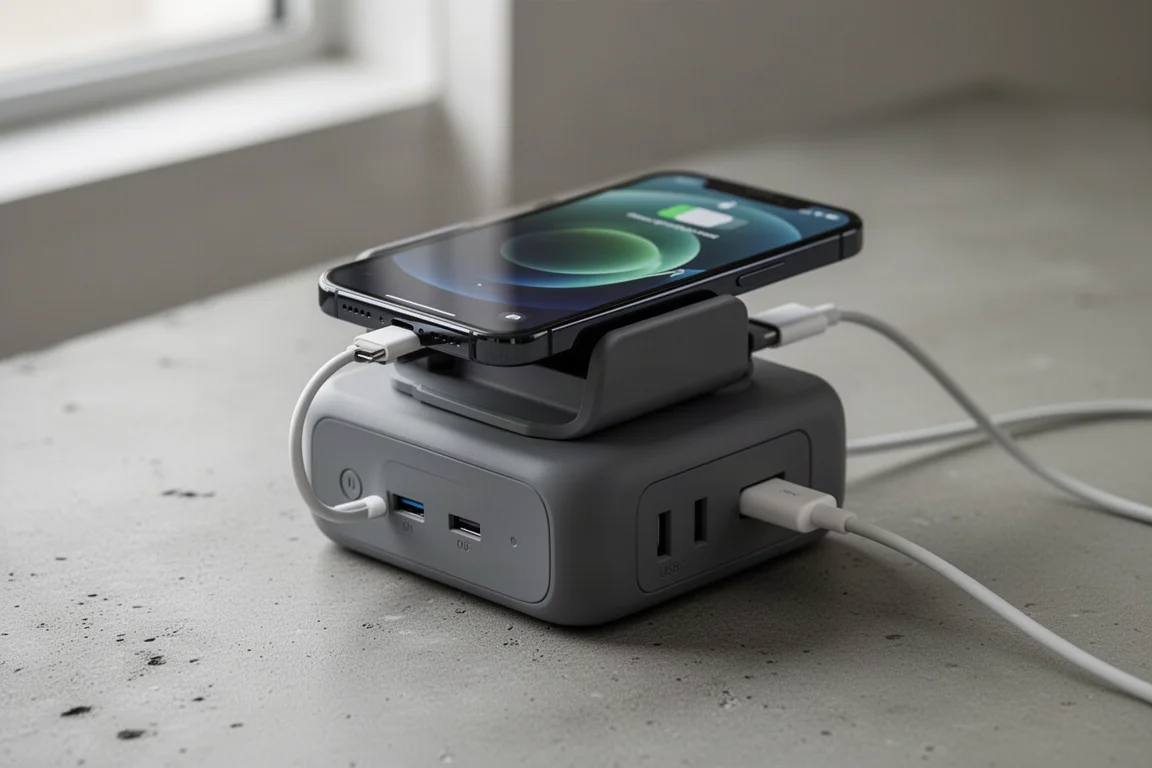
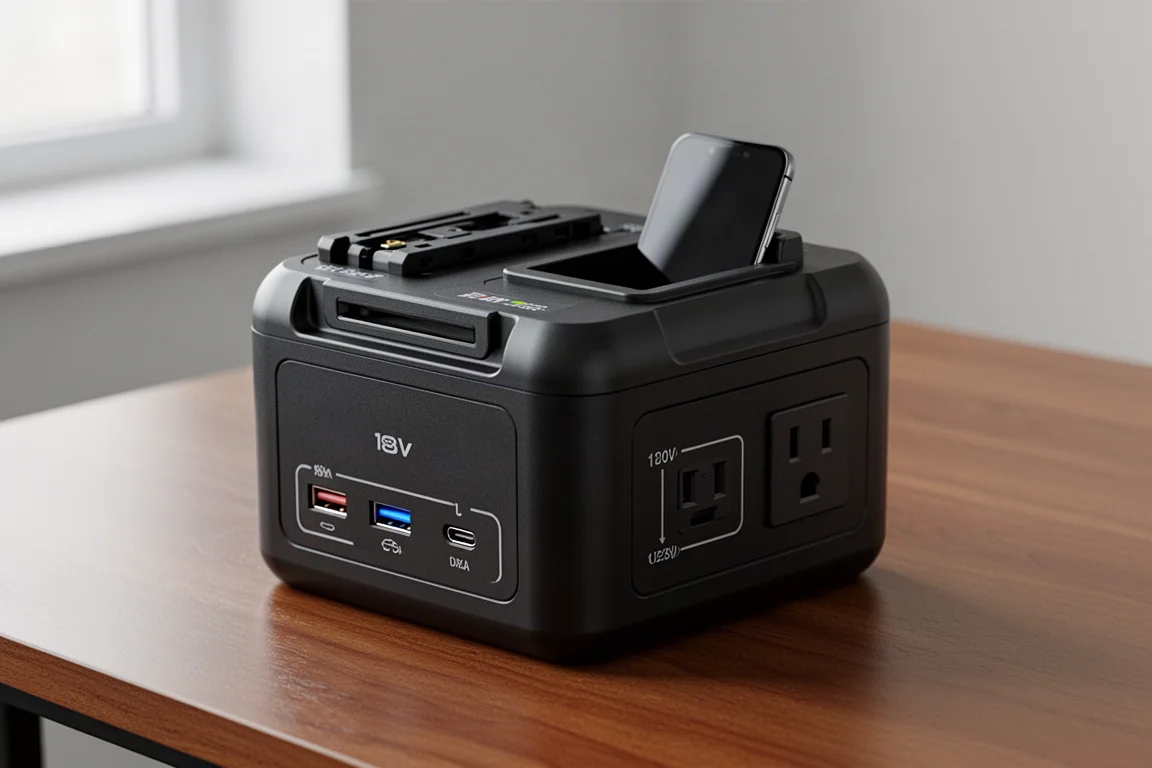
The 200W model looks similar but does considerably more. USB-C output jumps to 60W with power delivery, so it can negotiate the right charge for a laptop or a phone automatically, and there is a second 30W USB-C port alongside the 18W USB-A and the 120V outlet.
Two features set it apart. First, an integrated phone or tablet holder on top. Second, and more unusual, it can charge batteries as well as discharge them: Ryobi claims it can recharge an 18V 2Ah battery in 35 minutes, and it is solar charging compatible with the Ryobi 21W and 60W solar panels through the USB-C port. That means you are not stuck with a dead battery in the field; you can top it back up with solar. At $119 tool only, or $159 as a kit with one 2Ah battery, it is a strong upgrade if you need more power than the 150W offers.
Ryobi 40V 300W Power Source Charger
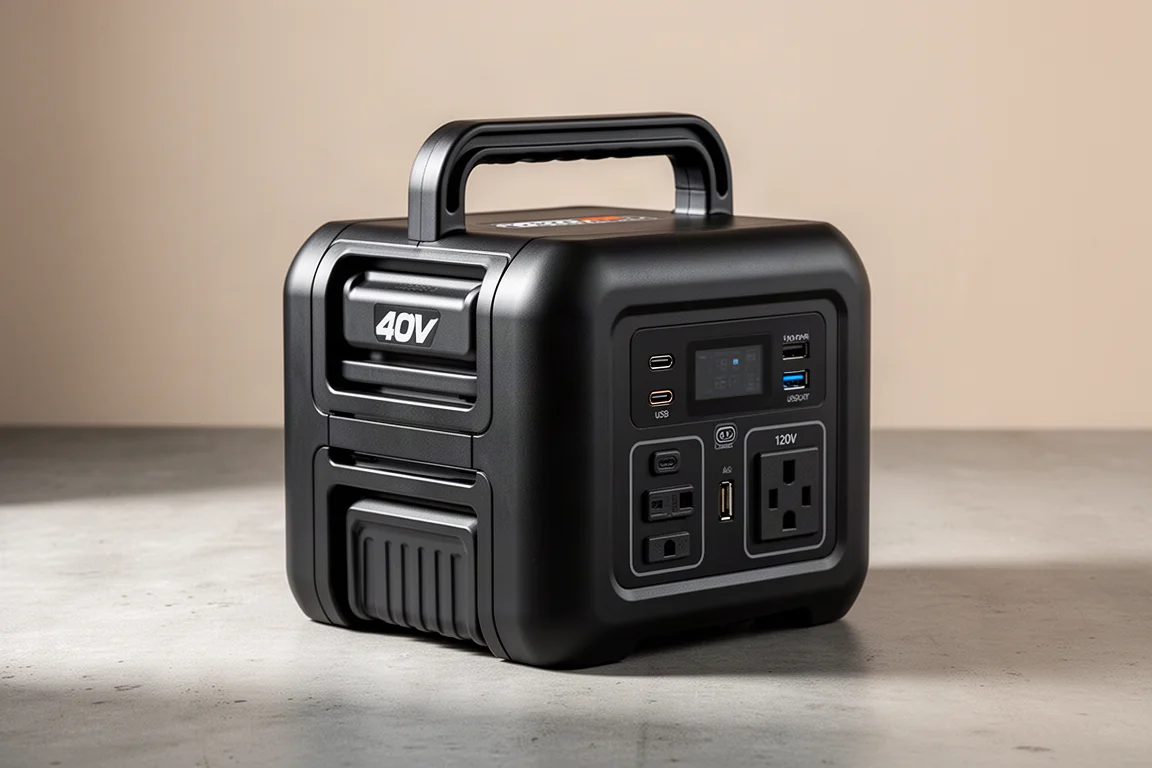
The largest of the three runs off the 40V line and delivers 300W of output with pure sine wave technology. Ports include a 100W USB-C PD port, a 60W USB-C, an 18W USB-A, and the 120V ungrounded AC outlet, plus a three-mode LED task light, individual on and off switches, a carrying handle, and a status light panel. It weighs only about 2 lbs and is only a little larger than a 40V battery, so it stays genuinely portable.
Runtime figures show why the bigger 40V batteries matter: an LED light runs 12 hours on a 4Ah battery and 36 hours on a 12Ah battery, and a TV runs 12 hours on the 12Ah. It can also charge Ryobi 40V batteries through the USB-C port, whether from the wall after you are back on grid or from the Ryobi 60W solar panel for off-grid recharging. Just note that solar input drops on cloudy days, so the claimed 105-minute recharge of a 40V 4Ah battery is a best-case figure. At $119 tool only, it is a no-brainer if you are already in the 40V lineup.
Which One Should You Buy?
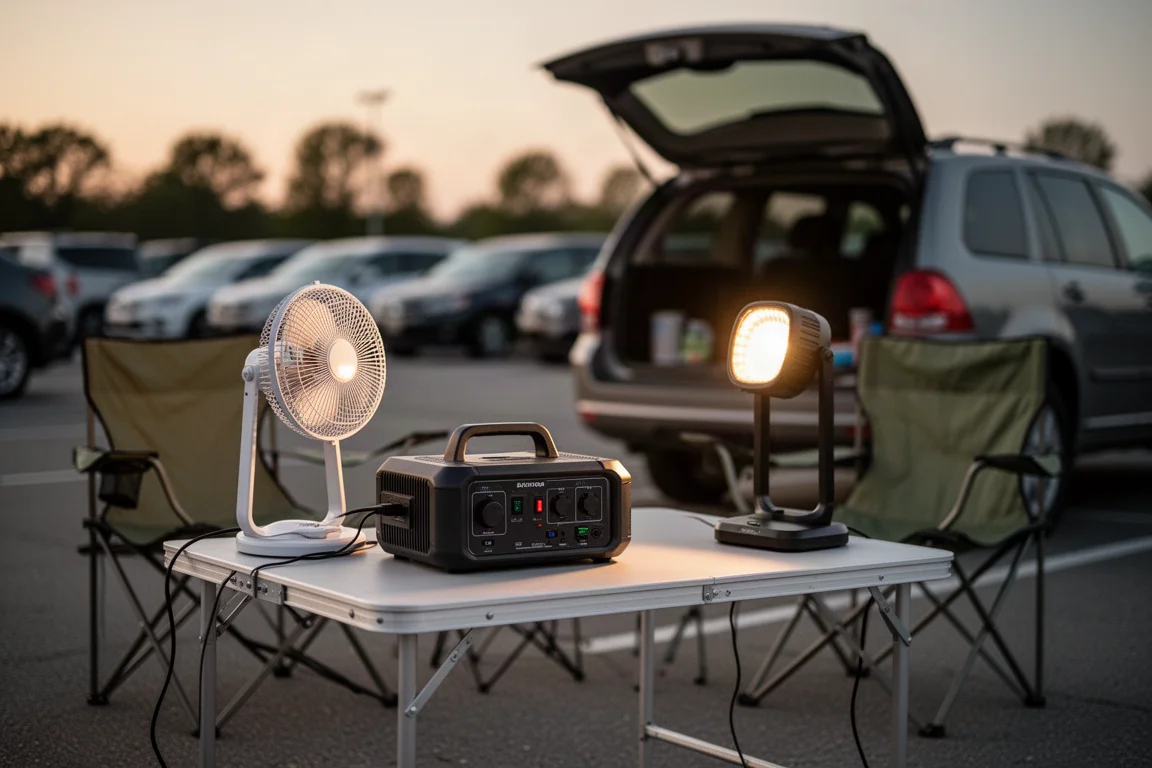
Ryobi’s own compatibility chart makes the choice fairly clear. The 150W covers phones, tablets, and laptops. The 200W adds lights and fans to that list. The 300W handles nearly everything: phones, tablets, laptops, lights, fans, Wi-Fi routers, modems, crockpots, and small appliances.
If you just want occasional phone charging on a budget, the 150W at $70 works. If you want faster charging, a device holder, and solar recharge capability, the 200W is the sweet spot. If you are already invested in 40V batteries and want to run bigger loads during outages, the 300W is the one.
Conclusion
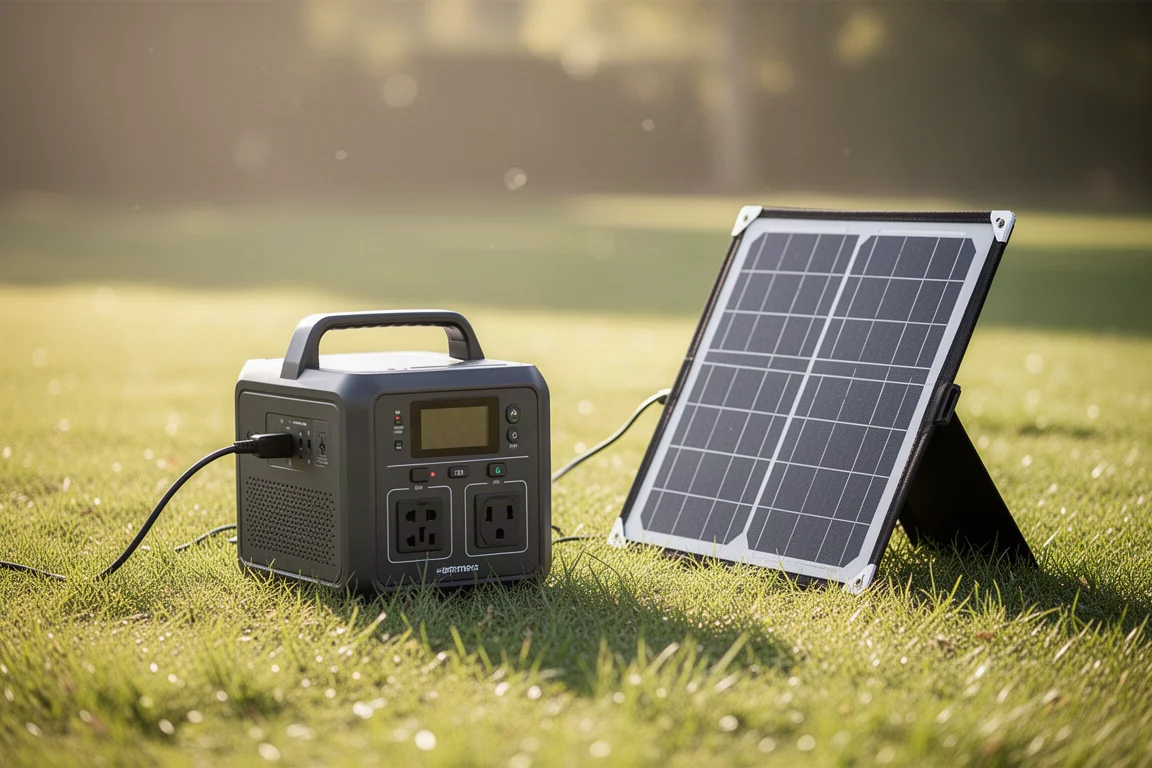
Three well-differentiated power sources, one battery platform you may already own. The pure sine wave output across all three means you can plug in expensive electronics without worry, and the solar charging support on the 200W and 300W models is a genuinely welcome touch for camping and outage preparedness. Match the wattage to what you actually need to run and you will not go wrong with any of them.
Further reading
Related Reviews
Power Tools
Best 1-Inch Pistol Impact Wrenches: Three Heavy-Duty Options Compared
We compare three 1-inch pistol impact wrenches, from a budget-friendly Harbor Freight model to a premium Caterpillar unit, to help you choose the right one.
Power Tools
Best 3/4-Inch Impact Wrenches 2026: Five Contenders Compared
We compare five 3/4-inch impact wrenches across price and performance, from a budget Amazon option to Snap-on's most powerful model yet.
Power Tools
Best Budget Cordless Tools 2026: Walmart Finds That Punch Above Their Price
We tested five cordless tools from Walmart, including a high-torque impact wrench that trades blows with Milwaukee and a $35 duster that outperforms its price class.