Power Tools
Ryobi High Torque Impact Wrench: Why the Battery You Pair With It Matters More Than You Think
Ryobi's compact High Torque impact wrench only shows its real potential with the right battery. We compare the PBP-004 High Performance, the P195 3Ah HP, and a 9Ah pack to see where the gains actually are.
Introduction
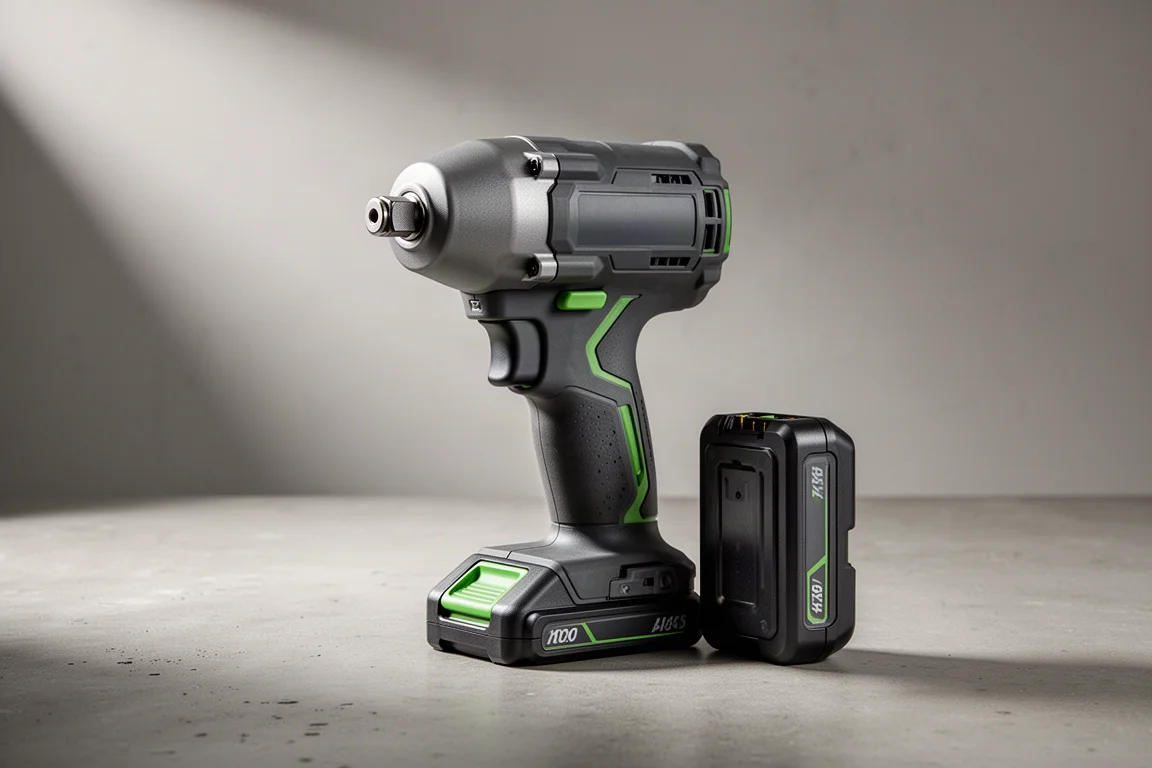
Ryobi’s new High Torque impact wrench arrived with an unusual storyline. The brand began shipping it as a kit with its newest PBP-004 High Performance battery, which is a notable shift, because Ryobi has historically packaged even its newer brushless tools with older, less capable base batteries. That packaging decision matters, because our testing shows this tool’s performance swings dramatically depending on which pack you slide into it.
The Ryobi High Torque Impact Wrench
This is a smaller-stature high torque impact wrench, and on the test bench it put up respectable numbers with the battery it ships with. Best-case peak torque measured 675 with the PBP-004 fresh off the charger, and dynamic torque sat in the low 600s. Those are solid figures for a compact 18V-class tool.
What makes this wrench interesting is not its raw output but how much headroom it has. With a bigger battery feeding it, the numbers climbed substantially, which tells us the tool can accept more current than its bundled pack needs on paper. If you buy the kit, you are getting a tool and a battery that work well together; if you already own other packs, the results vary quite a bit.
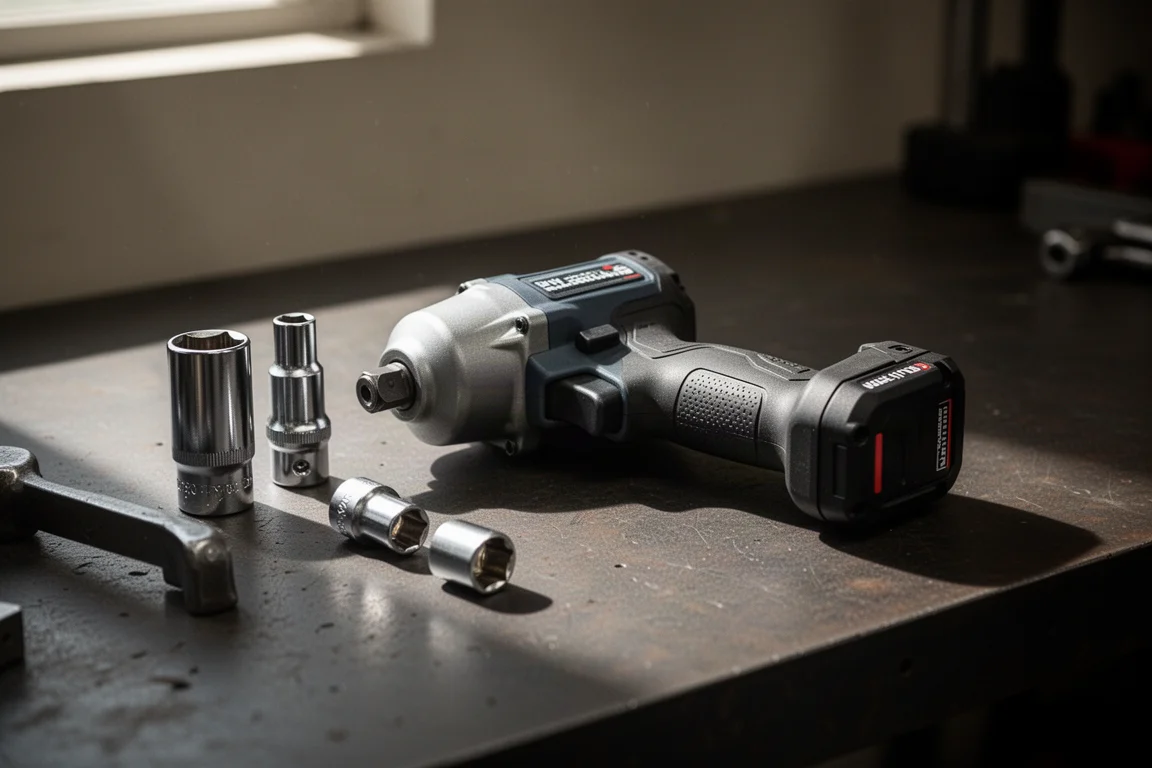
Build quality follows Ryobi’s usual value formula: an affordable, well-made tool that leaves some performance on the table unless you feed it properly.
The Battery Ryobi Wants You to Use: PBP-004 High Performance
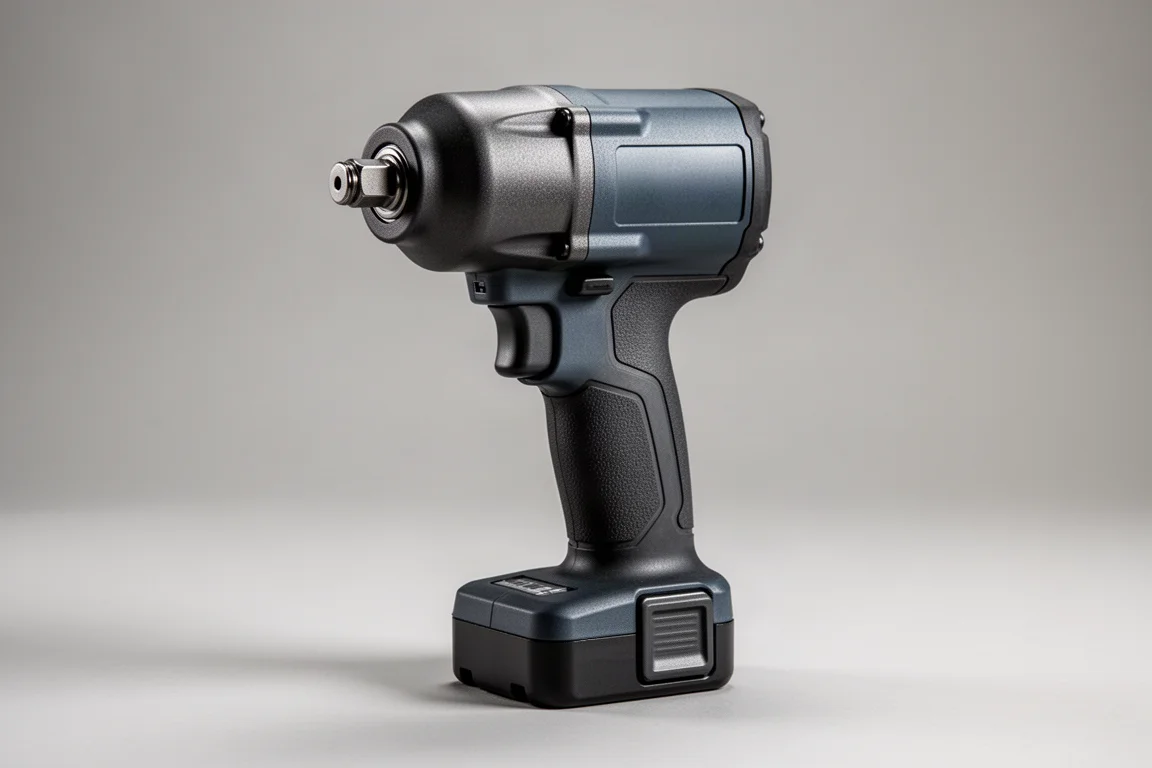
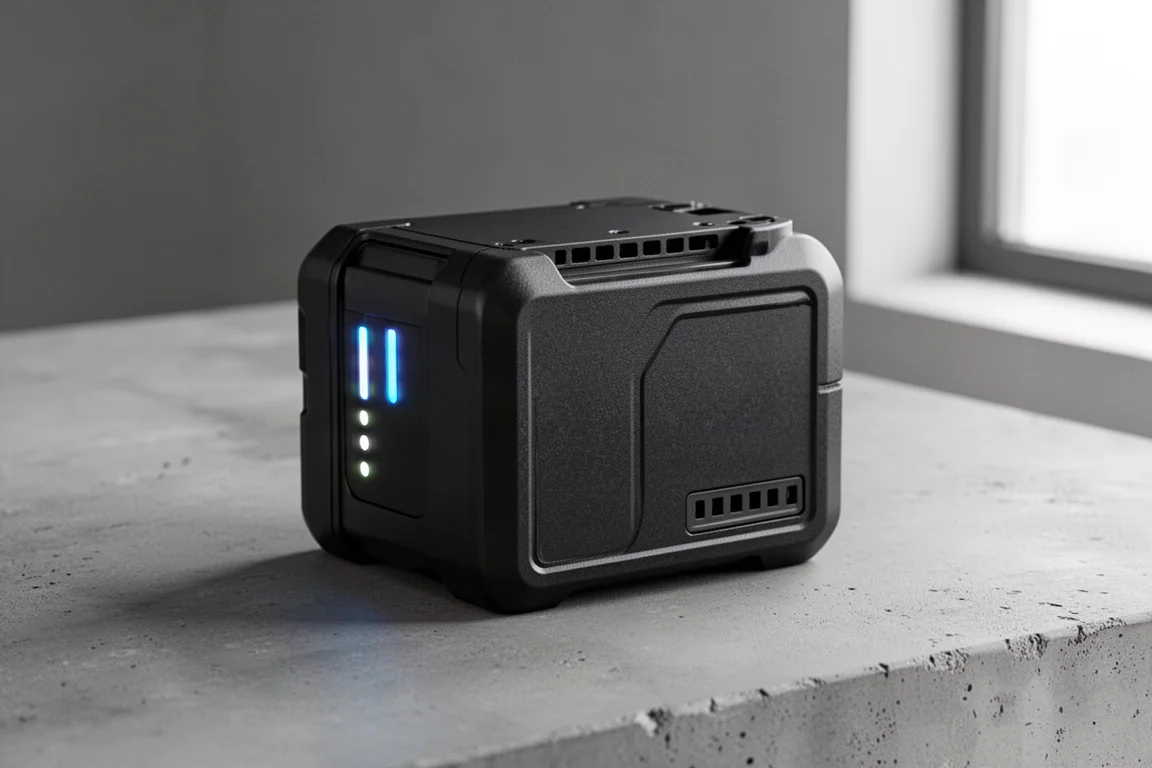
The PBP-004 is a 4Ah High Performance pack, the newest generation in Ryobi’s battery lineup. It has communication electronics in the back that talk to the tool, and Ryobi claims it can output 80 amps versus the 60 amps of the older P195 HP pack. Priced around $100 each, or two for about $150, it is not cheap, but it is in the same price territory as the previous-generation HP 4Ah pack.
On the bench, the story was mixed. In dynamic torque testing, the PBP-004 came in at 602 versus 631 for the older 3Ah pack, and best-case peak was 675 versus 651. Despite the higher claimed amp output, the measurable gains over the P195 were marginal. The dyno runs were nearly identical between the two packs, so the “more available amps” claim did not translate into明显 more muscle on this particular wrench.
Still, it adequately feeds the tool, and the fact that Ryobi now bundles a pack this capable with a high torque wrench is a genuine step up from its usual kit strategy.
The Fan Favorite: P195 3Ah HP Battery
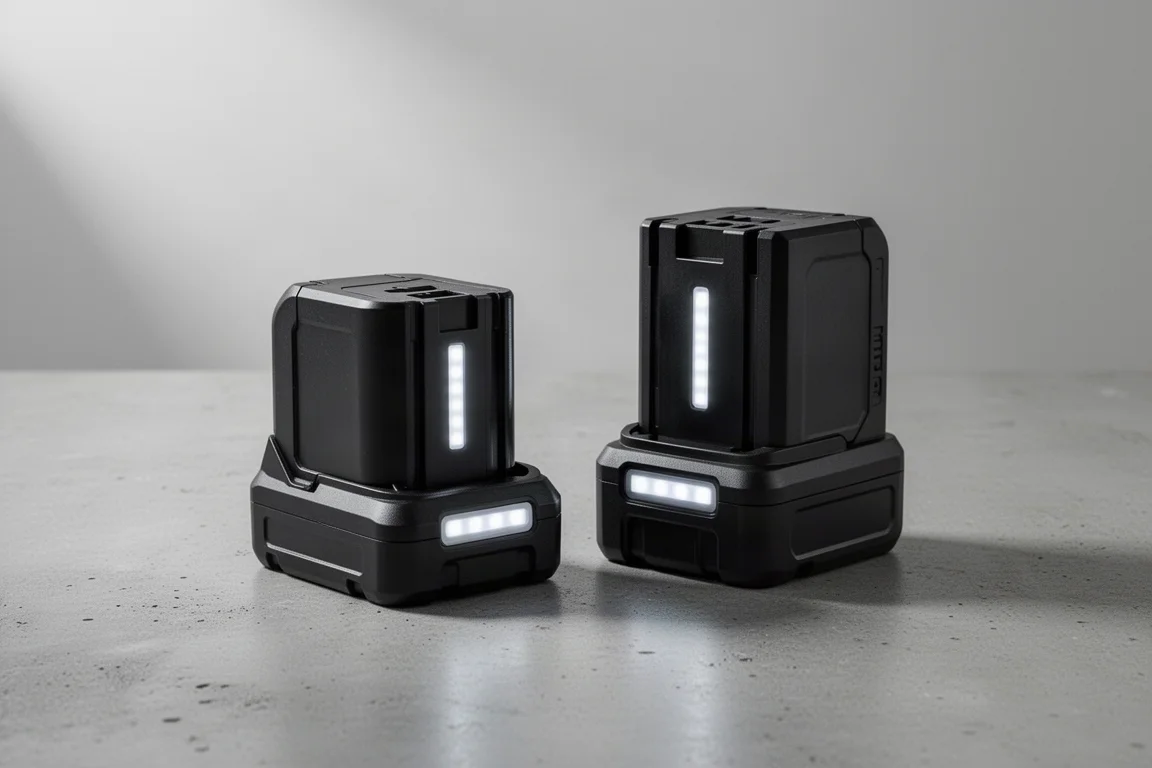
The P195 is a 3Ah pack built on larger 21700 cells, and it has long been the battery we liked best with Ryobi impact tools. It has since been discontinued, which is a shame, because in this testing it kept pace with or slightly beat the newer 4Ah pack.
The pattern makes some sense. Impact tools play a different game than drills or saws: the battery talks to the motor, but the motor largely does not know what the impact mechanism is doing. In dynamic torque, where every increment of tightening demands dramatically more effort, the 3Ah 21700 pack still piled on a little more up top. If you can find a P195 in good condition, it remains an excellent pairing for this wrench.
Going Big: What a 9Ah Battery Does to This Tool
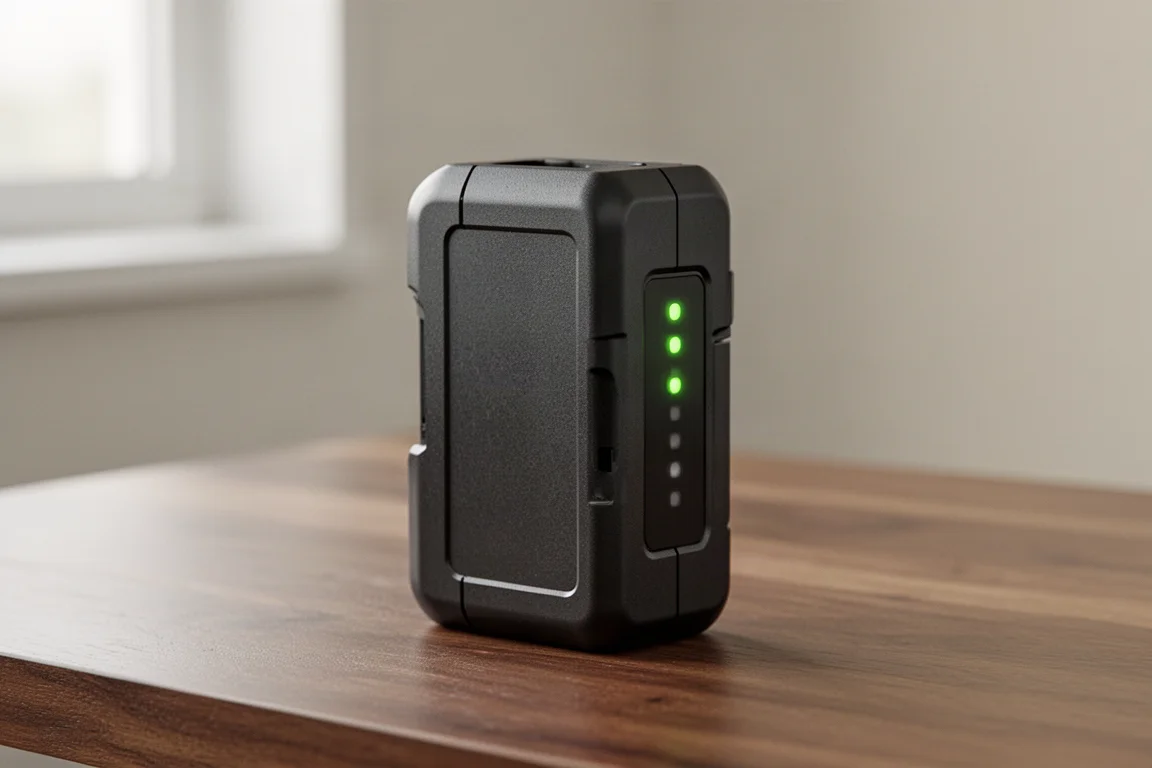
This is where the test took a turn. Ryobi’s own 9Ah battery costs about $160, which is more than some of its 40V outdoor tools with a charger included, and no 9Ah pack comes in a kit. But on this wrench, the results were undeniable. Best-case peak torque jumped to 735, and the dynamic torque curve showed massive gaps at every point: 580 over 487, 626 over 522, 657 over 557. Those are the kinds of gains you can feel breaking loose rusted fasteners and cinching down stubborn hardware.
With that run, the wrench’s average power score climbed from 526 to 598, moving it into ninth place overall and fifth among cordless tools, ahead of a Makita high torque and a Metabo HPT 36V unit. That is spicy company for a compact Ryobi.
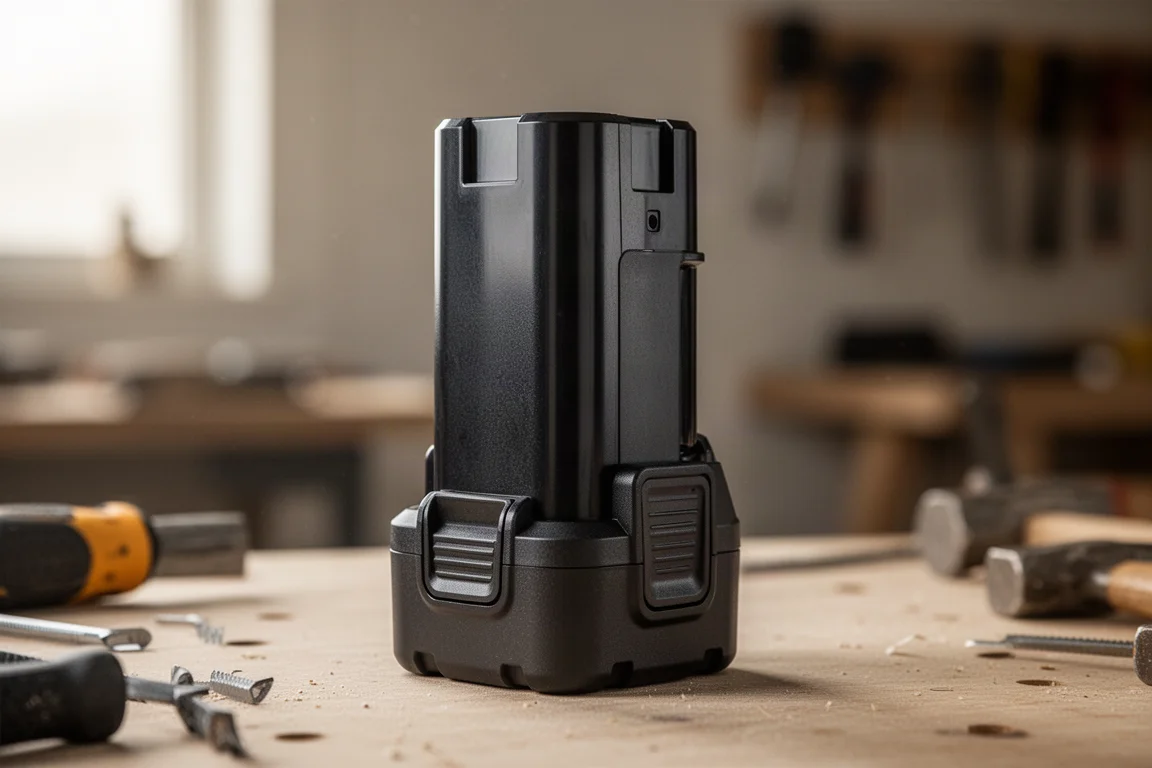
One caution from the same session: a budget generic 9Ah “Ryobi-esque” pack, bought for under $50, arrived non-functional and would neither charge nor run on a tool. With high-output packs, the bargain route is a gamble.
Buying Advice: Which Battery Should You Actually Buy?
If you are buying the wrench new, the kit with the PBP-004 is the sensible path. It is a capable pack, it is included, and it feeds the tool adequately. You are not leaving meaningful performance on the table compared with the discontinued P195.
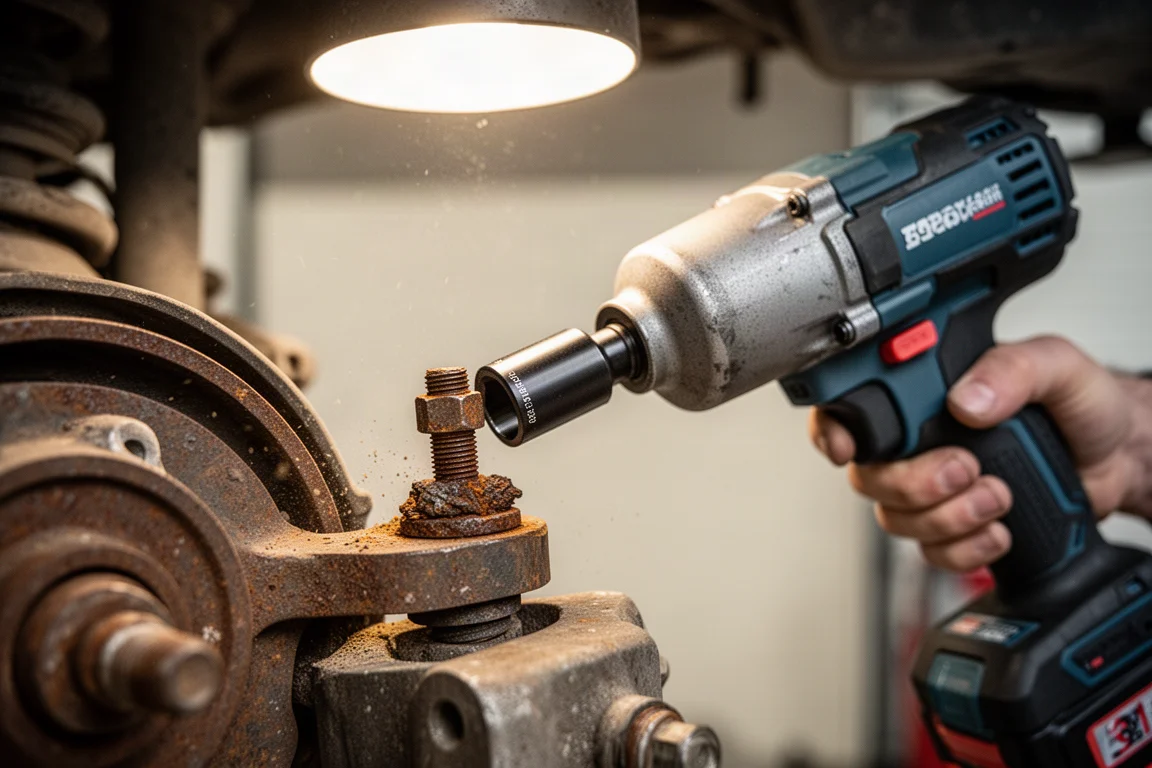
If you already own Ryobi batteries, test the tool with what you have before spending more. The difference between the 3Ah HP and 4Ah High Performance packs was negligible on this wrench. If you regularly break loose rusted bolts and want maximum output, the 9Ah pack delivers genuinely large gains, but at $160 it costs more than many Ryobi tools, so it only makes sense if you will use that runtime and muscle elsewhere too. The marketing claims around “High Performance” and “Max Output” batteries are worth some skepticism on impact tools today, though battery-to-tool communication may matter more on motor-driven tools like drills and saws.
View more details for Ryobi High Torque Impact Wrench
Conclusion
The Ryobi High Torque impact wrench is a good compact tool made noticeably better by a bigger battery. The bundled PBP-004 is adequate and represents better kit packaging than Ryobi’s usual practice, the discontinued P195 remains quietly excellent, and the 9Ah pack unlocks a genuine performance tier at a premium price. Buy the kit, keep an eye on battery deals, and let your fastener workload decide whether the 9Ah pack is worth the splurge.
Further reading
Related Reviews
Power Tools
Best 1-Inch Pistol Impact Wrenches: Three Heavy-Duty Options Compared
We compare three 1-inch pistol impact wrenches, from a budget-friendly Harbor Freight model to a premium Caterpillar unit, to help you choose the right one.
Power Tools
Best 3/4-Inch Impact Wrenches 2026: Five Contenders Compared
We compare five 3/4-inch impact wrenches across price and performance, from a budget Amazon option to Snap-on's most powerful model yet.
Power Tools
Best Budget Cordless Tools 2026: Walmart Finds That Punch Above Their Price
We tested five cordless tools from Walmart, including a high-torque impact wrench that trades blows with Milwaukee and a $35 duster that outperforms its price class.