Lawn Care
Ryobi Battery Zero Turn Mowers: Impressive Tech, Painful Prices
Ryobi's new battery zero turn mowers bring joystick controls and 80V power, but the pricing and battery ecosystem raise serious questions compared with EGO and gas rivals.
Introduction
Battery-powered outdoor equipment is genuinely wonderful to use. No oil changes, no gas cans, no springtime pull-cord battles. You press a button, the machine runs, and when the battery dies you swap in a fresh one. It is a real convenience, and convenience sometimes costs a little more. But some of the latest battery zero turn mower pricing has moved well past “a little more” into territory that is hard to justify.
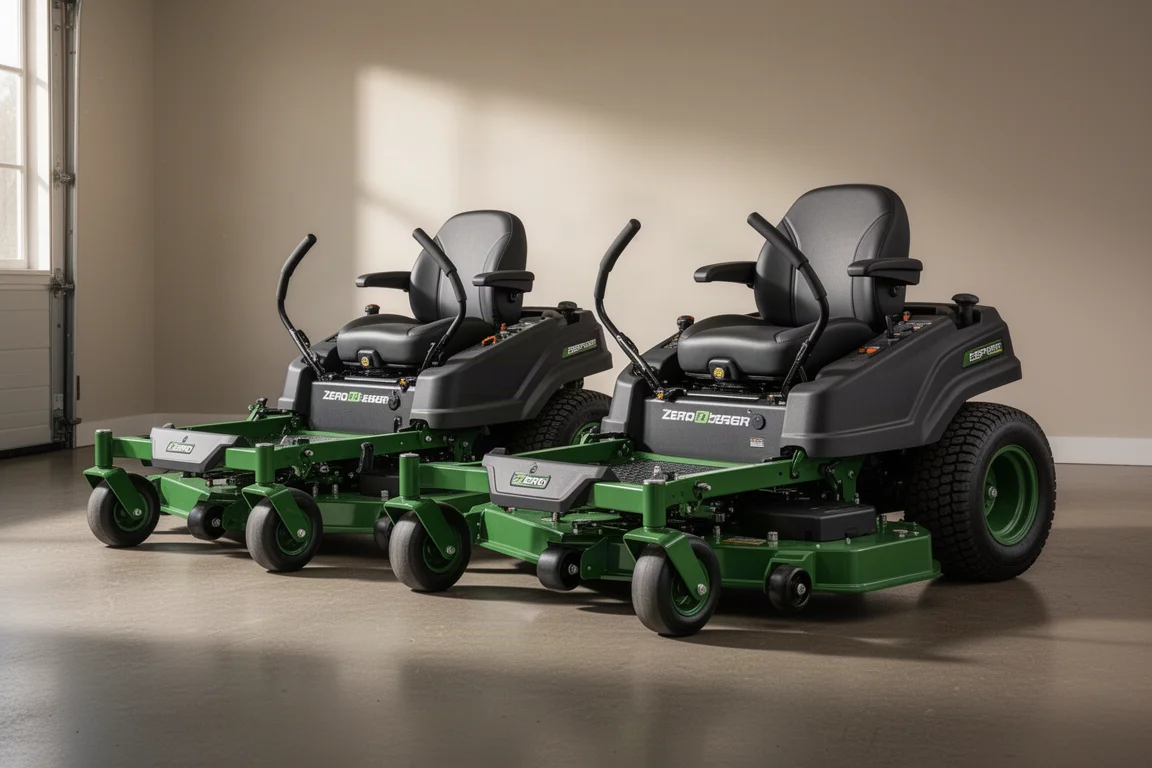
The new Ryobi zero turn lineup is a good example. The technology is impressive on paper, including a joystick control layout and a new 80V battery platform running alongside 40V packs. But when you look at the stickers, the included battery ecosystems, and how the competition is priced, the value story falls apart quickly. Here is a breakdown of the full lineup, plus two EGO alternatives that undercut them substantially.
What Makes Battery Zero Turns Appealing
Before criticizing the prices, it is worth acknowledging why these machines are tempting at all. Battery mowers start with a button press, require no fuel or oil maintenance, and run quietly enough that early morning mowing stops being a neighborhood complaint. For anyone who has fought a reluctant gas engine in spring, the appeal is obvious.

The catch is ecosystem value. A riding mower is the center hub of most battery platform purchases, and the batteries it includes should work across your other tools. That is where one of these brands gets it right, and the other mostly does not.
Ryobi 30-Inch Zero Turn Mower
The smallest Ryobi zero turn has a 30-inch cutting deck and the new joystick control setup. It ships with two batteries. Priced at $5,999, it is the entry point into the lineup, and it is a very small mower for that money.
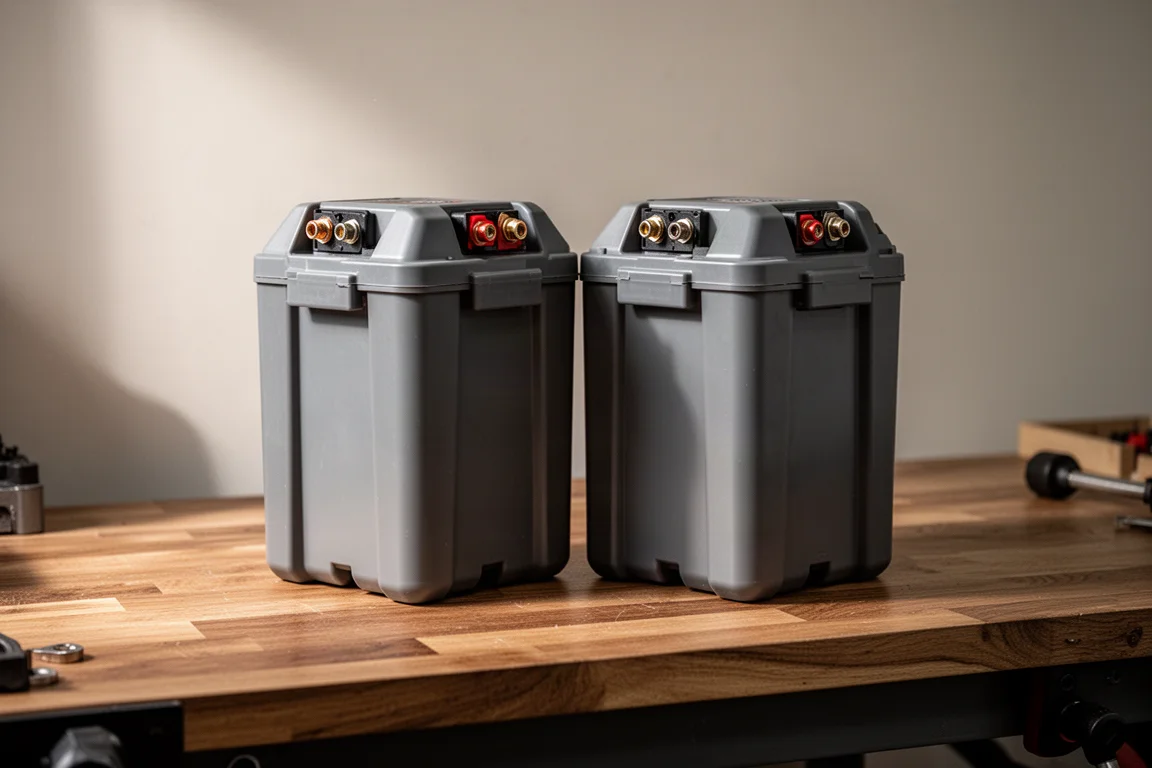
There are two problems here. First, the included 80V batteries reportedly cost around $800 each if purchased separately, but they currently do not work in any other Ryobi tool. That battery investment is locked to the mowers alone. Second, the pricing is out of step with gas competition: a Cub Cadet 60-inch zero turn sells for about $4,999, a Cub Cadet 50-inch for $3,899, and a Toro 34-inch for $3,399. Every one of those cuts more grass than this 30-inch machine.
One more caution flag: on retail listings for the 30-inch and 42-inch models, a noticeable number of high ratings carried a “collected as part of a promotion” tag, and several reviewer profiles showed only that single review, including what appeared to be the same reviewer appearing more than once. Some were marked as recommendations rather than verified purchases. Treat the star rating with healthy skepticism and do your own research before paying this kind of money.
Ryobi 42-Inch Zero Turn Mower
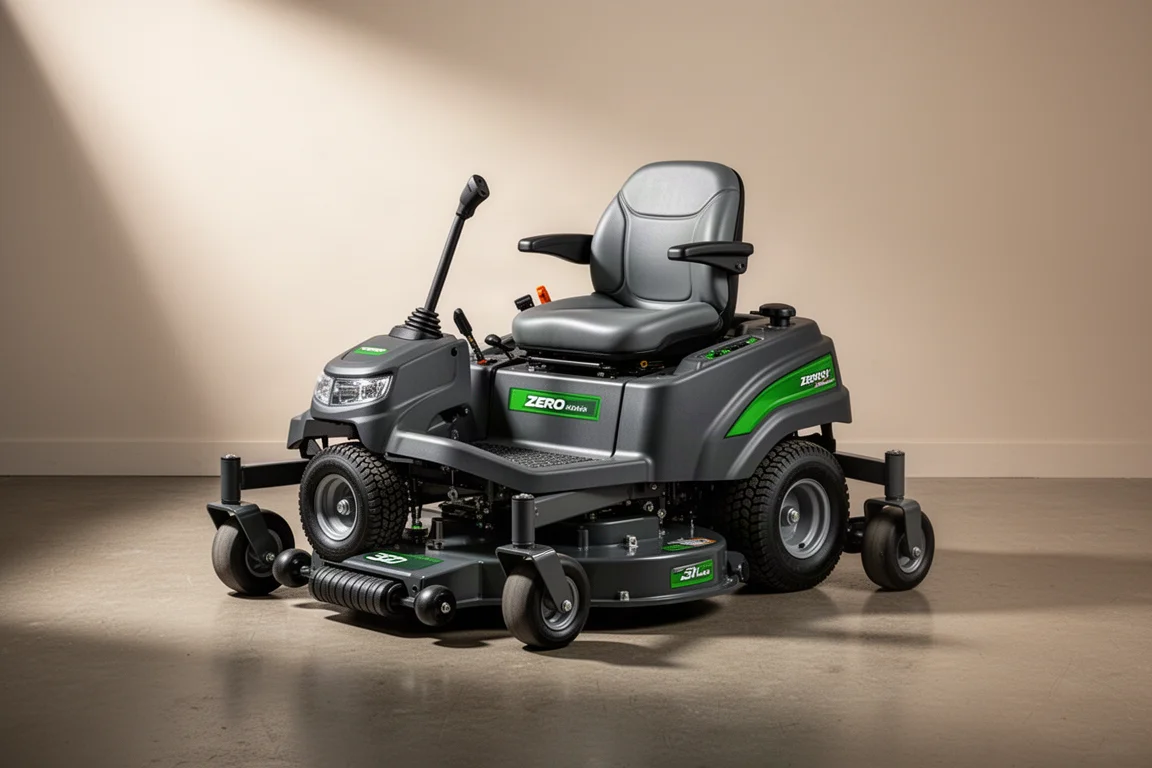
Stepping up 12 inches in deck size brings the price to $6,999. You get a larger cut and four batteries total: two 80V packs and two larger 40V packs. The 80V batteries still cannot power any other Ryobi tool at the moment, which remains the core ecosystem problem.
Ryobi 54-Inch Zero Turn Mower
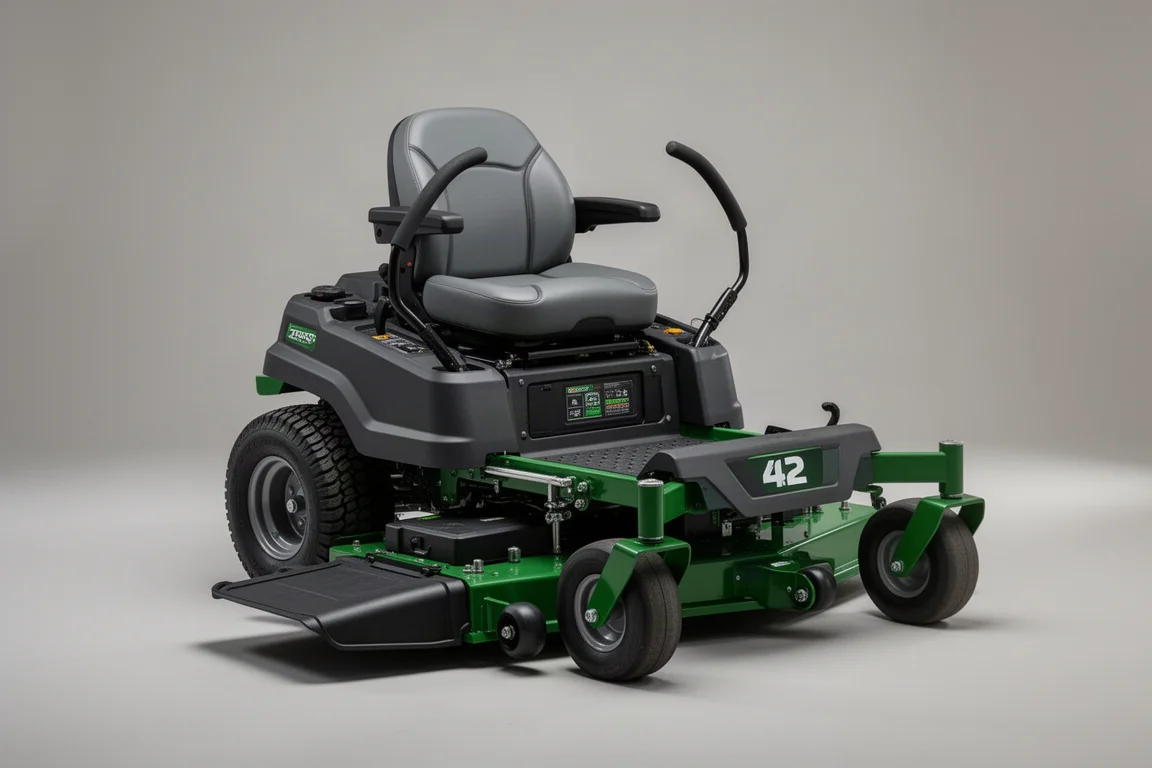
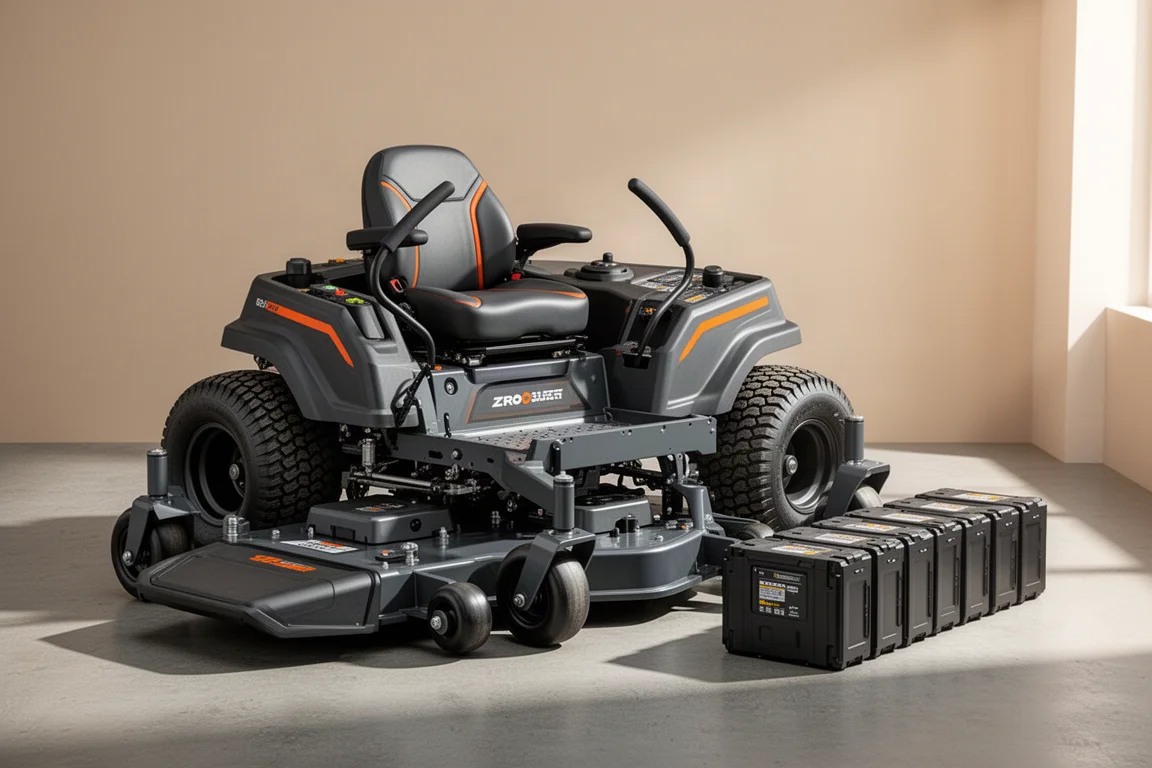
The flagship 54-inch model runs $7,999. It includes three 80V batteries that work in no other Ryobi tool besides the mowers, plus four additional batteries. For context, a commercial-grade DeWalt 60-inch, 24-horsepower gas zero turn costs about $1,000 less. Even granting that gas and battery are different ownership experiences, that gap is enormous.
The Better Battery Alternative: EGO
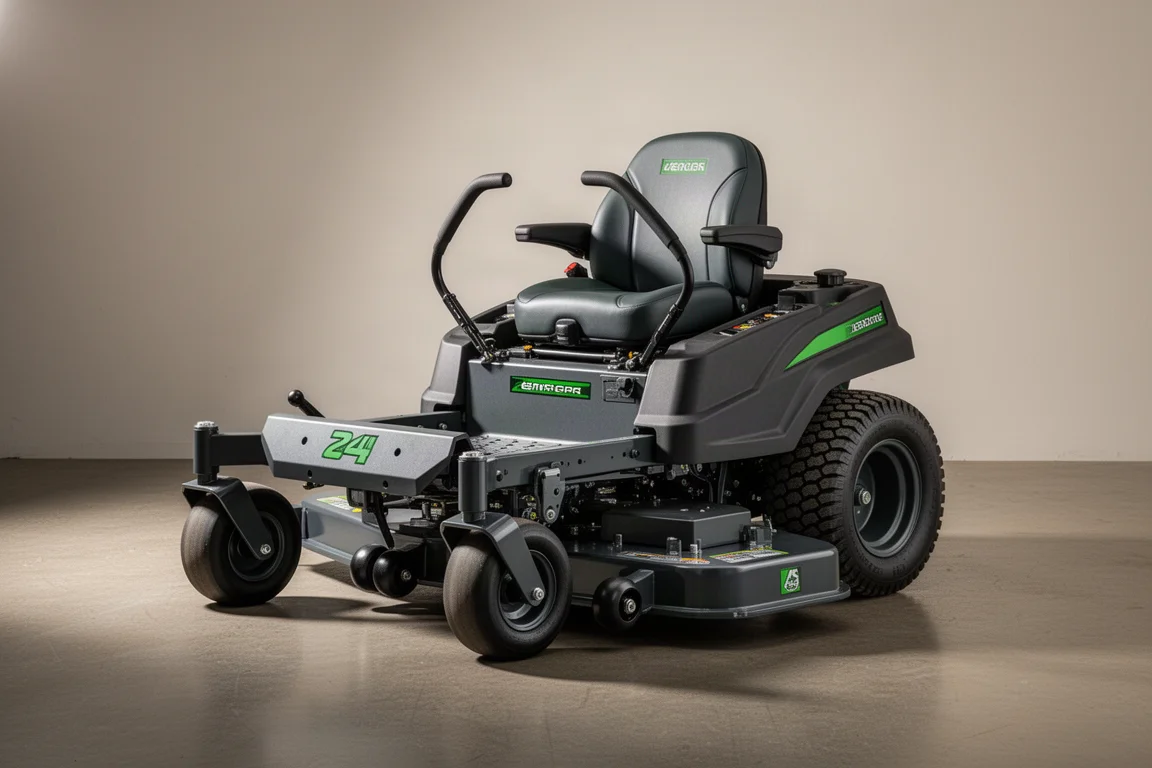
This is where the comparison gets uncomfortable for Ryobi. The EGO 42-inch zero turn costs $500 less than the Ryobi 42-inch, and it is a well-built machine. More importantly, its four included 10Ah batteries work across the entire EGO outdoor power tool line, so your investment carries over to trimmers, blowers, and everything else.
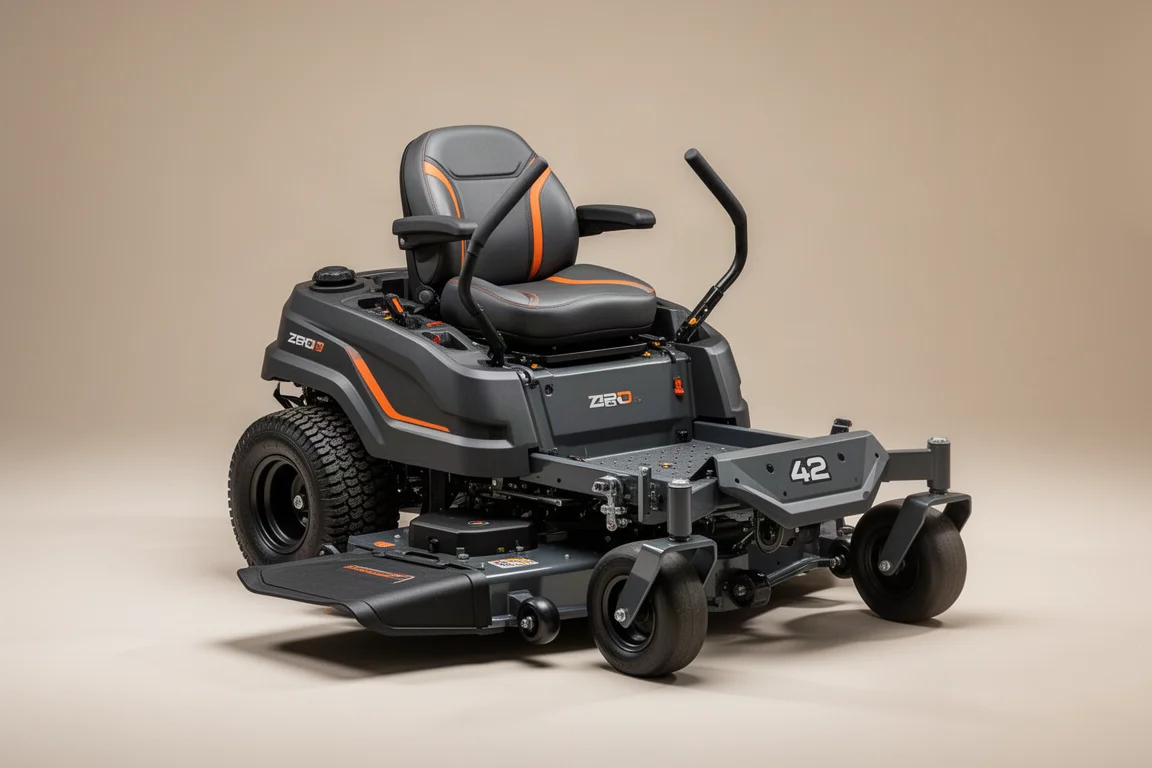
The EGO 52-inch goes further: six 12Ah batteries included, $1,000 cheaper than the Ryobi 54-inch, and again fully compatible with every EGO outdoor tool. If you are buying into a battery platform for the long haul, that interchangeability is exactly what you are paying for.
Ryobi Whisper Series Self-Propelled Mower
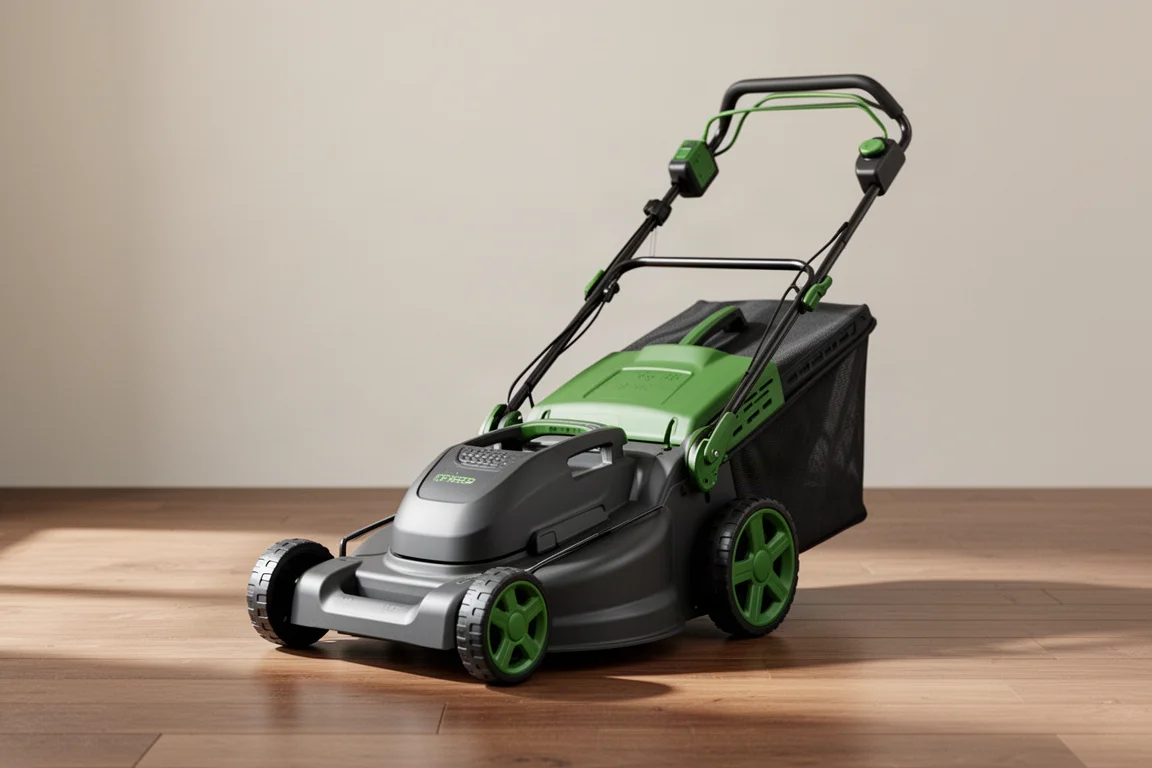
The issues are not limited to the riding mowers. Ryobi’s new Whisper Series self-propelled mower is a walk-behind that handles under half an acre, priced at $899. It ships with two 6Ah-class batteries rather than the larger capacity packs, and real-world impressions were lukewarm: decent, but not great.
For comparison, a top-of-the-line Honda self-propelled mower costs $549, will run for years, and cuts all day. Paying $900 for a walk-behind that is merely okay is a tough sell by any measure.
Overall Buying Advice
Ryobi’s leaf blowers and string trimmers seem reasonably priced alongside industry standards, so the problem is concentrated where it hurts most: the mowers, which are the hub product a platform is built around. With no meaningful competing battery lineup on Home Depot shelves now that EGO is sold elsewhere, shoppers loyal to one retailer may feel they have nowhere else to go. They do. EGO is sold at Lowe’s and other retailers, its batteries work across the whole tool line, and its zero turns cost significantly less with more included.
The 80V Ryobi batteries deserve special scrutiny. Until they are usable in other Ryobi tools, including snow blowers, they are an expensive single-purpose investment. If you want battery outdoor equipment today, EGO’s platform offers better value and flexibility at every comparable size.
Conclusion
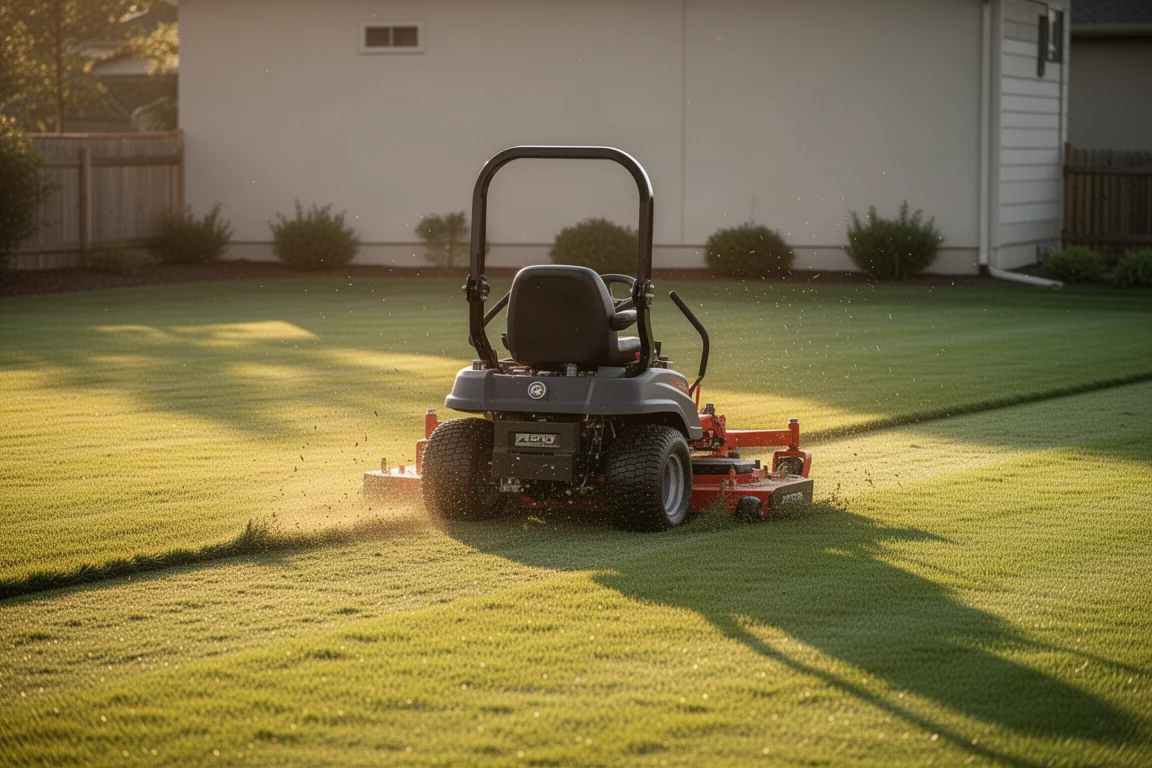
The new Ryobi zero turns show real engineering progress, from joystick controls to an 80V battery system. But at $5,999 for a 30-inch cut, $6,999 for 42 inches, and $7,999 for 54 inches, the prices are far out of line with both gas competitors and EGO’s better-integrated battery platform. Until the battery ecosystem opens up and pricing comes back to earth, there are simply better places to spend your money.
Further reading
Related Reviews

Lawn Care
Best Robot Lawn Mowers 2026: 13 Models Tested for Real-World Performance
We tested 13 robot lawn mowers across battery life, cut quality, navigation, object avoidance, and edging to find the best options for different yards and budgets.

Lawn Care
DeWalt 21-Inch 196cc RWD Self-Propelled Lawn Mower Review
A closer look at a gas-powered self-propelled mower with a commercial-grade engine, variable speed drive, and three-in-one cutting flexibility.
Lawn Care
Best Battery-Powered Self-Propelled Lawn Mowers: 10 Flagship Cordless Models Compared
Ten flagship cordless self-propelled mowers from DeWalt, Echo, Ego, Greenworks Commercial, Makita, Milwaukee, Ryobi, Skil, Stihl, and Toro, compared on build, ergonomics, noise, and runtime.