Power Tools
Ryobi Battery Tile Saw and Link Vacuum: A Compact Wet-Cutting Setup Worth a Look
A cordless tile and masonry saw that looks like a circular saw, paired with the Ryobi Link system vacuum for cleaner, wetter cuts.
Introduction
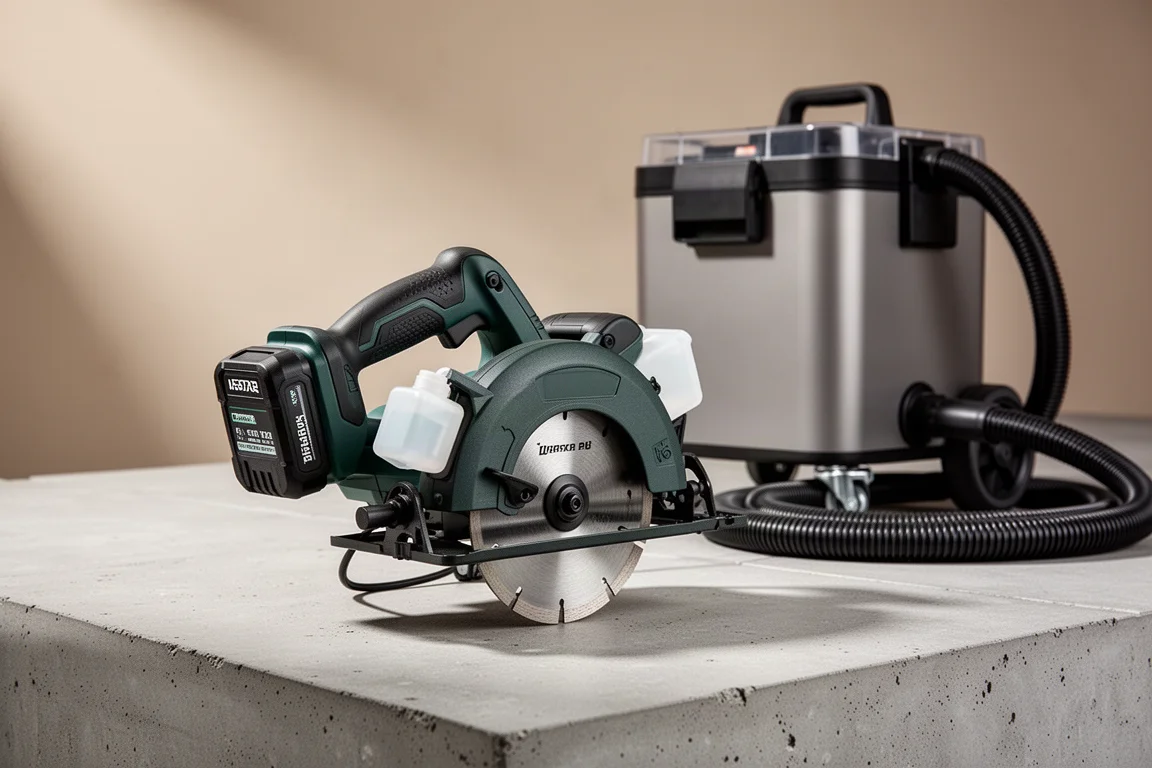
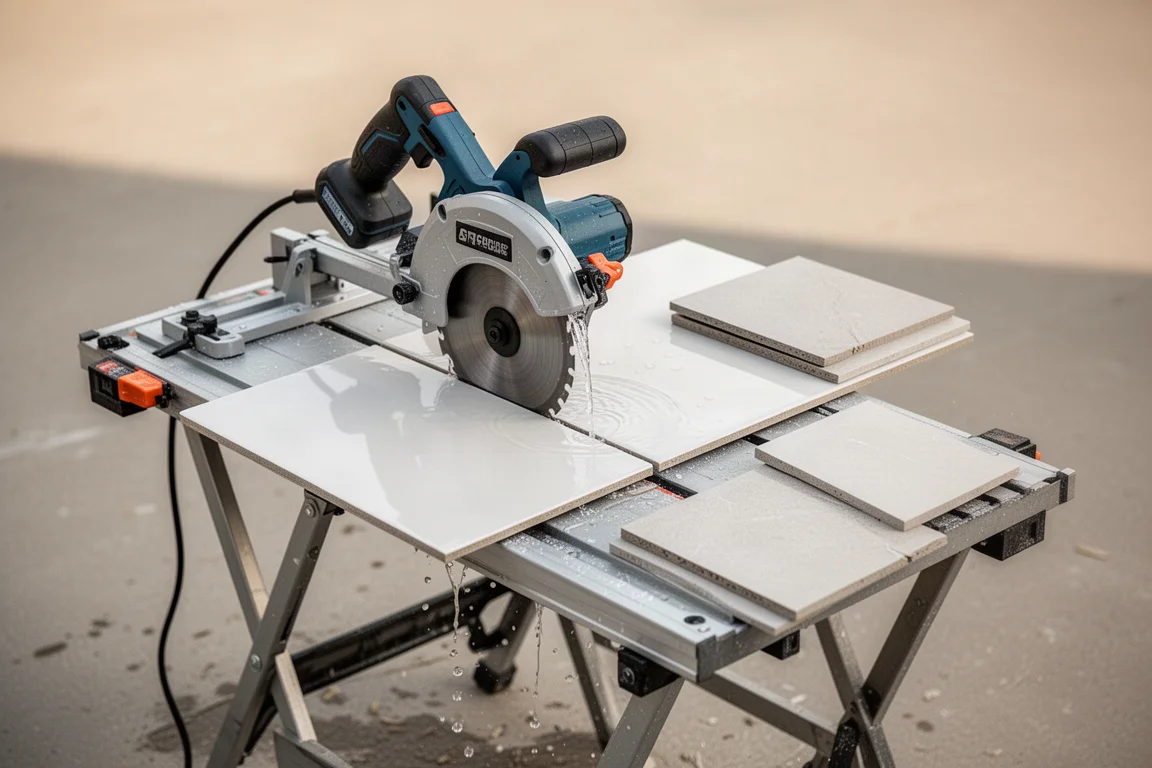
Ryobi has quietly released one of the more interesting tool designs in a while: a battery-powered tile and masonry saw that looks, at first glance, exactly like a compact circular saw. It is not a circular saw. It is a genuine wet-cutting tile saw built to handle tile, brick, natural stone, and fiber cement board, and it does so while running off the same batteries as the rest of the Ryobi one-battery ecosystem.
Alongside it, the Ryobi Link system vacuum rounds out a complete, compact cutting station for smaller jobs. Here is how each performs and who they make sense for.
Ryobi Battery-Powered Tile Saw
Out of the box, the saw is essentially ready to go. The package includes the saw itself, a small fill-up canister for water, a hose, and a 5-inch masonry blade. The battery is sold separately, so you will need a compatible Ryobi battery to run it.
One practical plus: the 5-inch blade format is widely available, and blades from multiple brands fit the saw, so you are not locked into a single supplier.
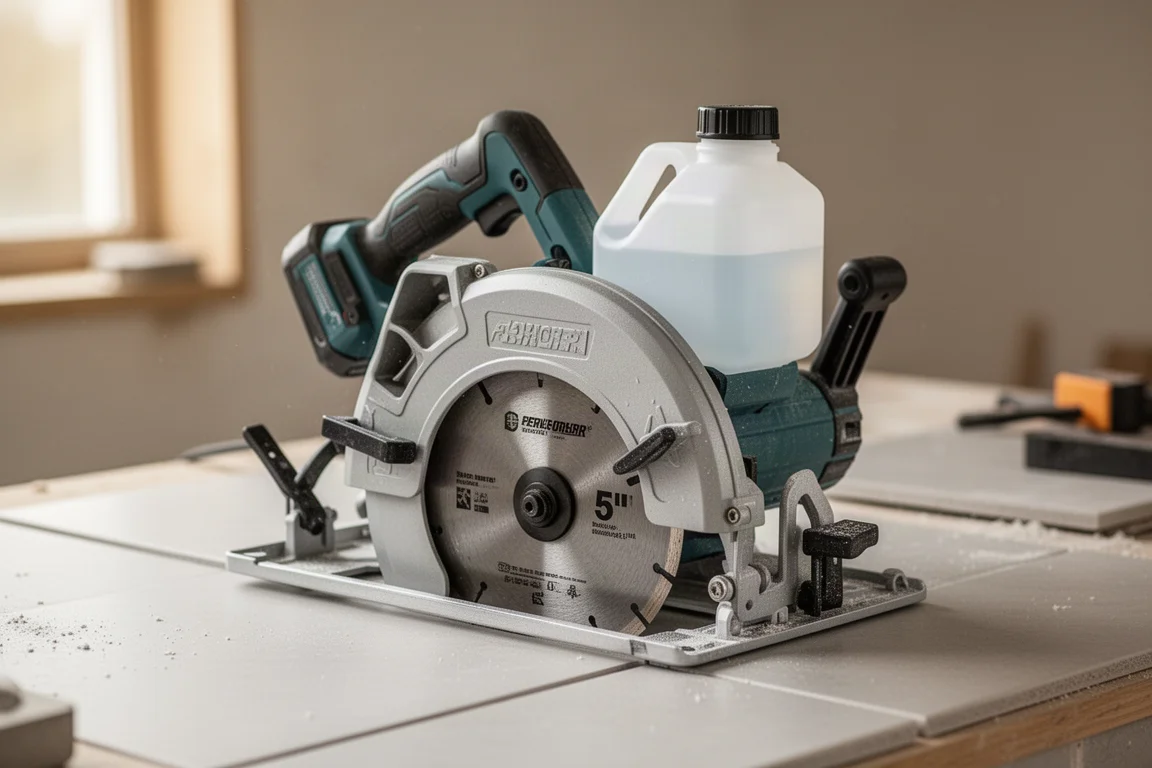
Controls feel well thought out. The 45-degree bevel adjustment moves smoothly and locks down solidly, and the depth adjustment goes up to 1 and a half inches and also operates smoothly. There is a lock button that keeps the blade spinning without holding the trigger, an LED work light, onboard storage for the included Allen wrench, and a clever dust port on the back: hook up a shop vac to pull water and slurry away, or snap the cap on and the airflow blows out the side instead of into your face.
Cutting Performance and Wet System
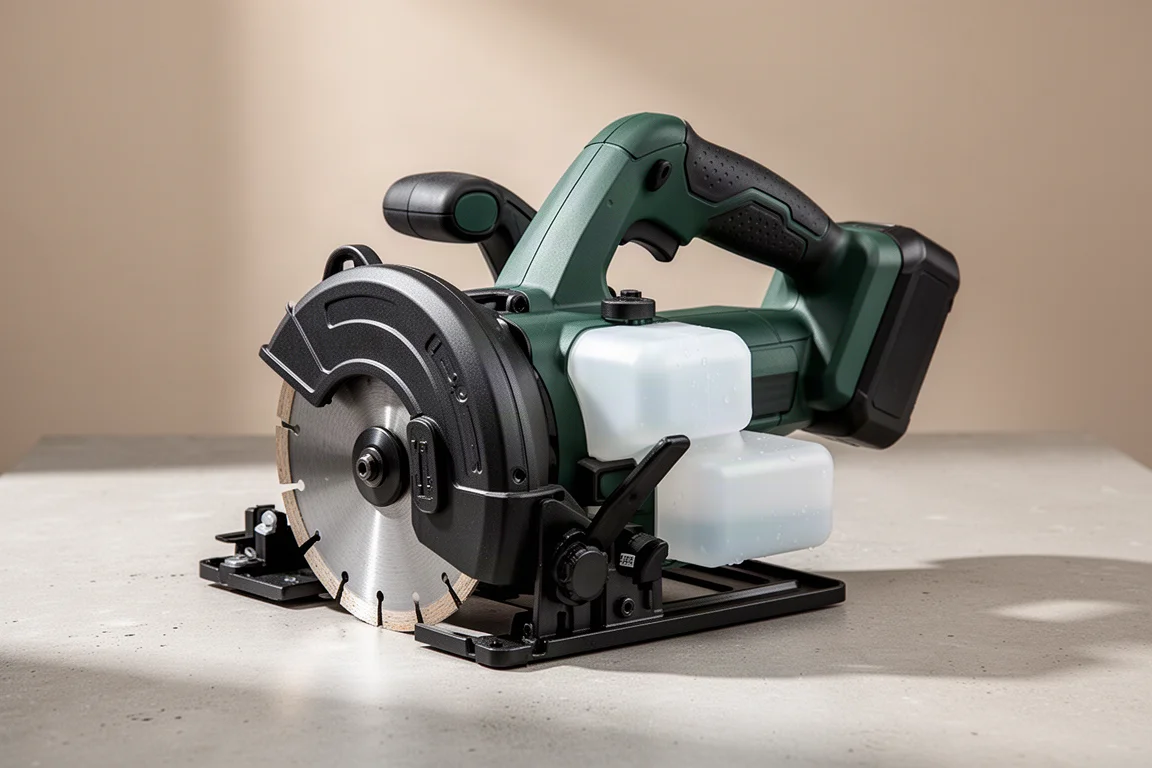
The water system is the star. The canister pushes in and locks into place with a firm seal, and a simple toggle switches between off and max flow. When the canister runs dry, you pop it out with a button, refill it, or connect the included hose to a garden hose for continuous water feed.
On rough, textured slate, the saw cut through cleanly with water flow on, though slowing the feed rate made a clear difference in dust control. On smooth, glossy tile, the saw produced a genuinely nice, smooth cut. Straight cuts are the focus here, but you can round off corner pieces by taking off small sections at an angle.

The box claims up to 100 linear feet of cutting on a single charge, presumably with a 4Ah battery, and it cuts pavers up to 1 and a half inches thick. The motor has plenty of power; you just need to pace your cuts.
Pairing It with the Ryobi Link System Vacuum
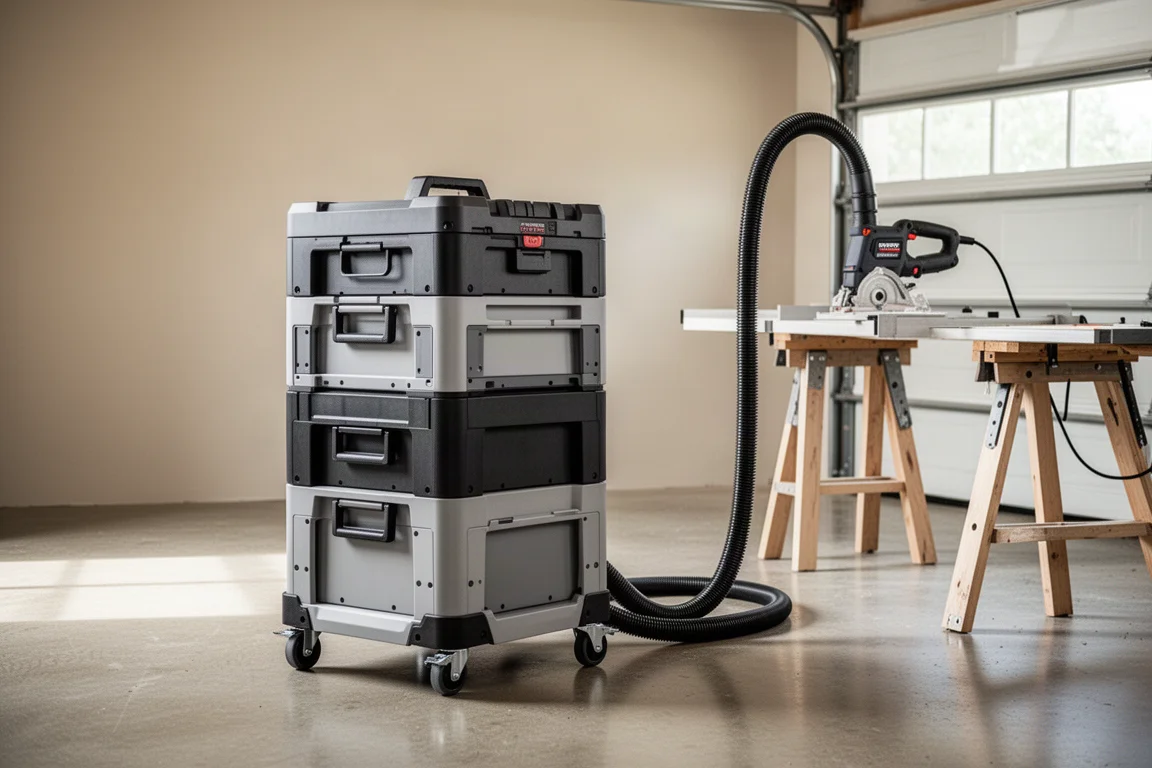
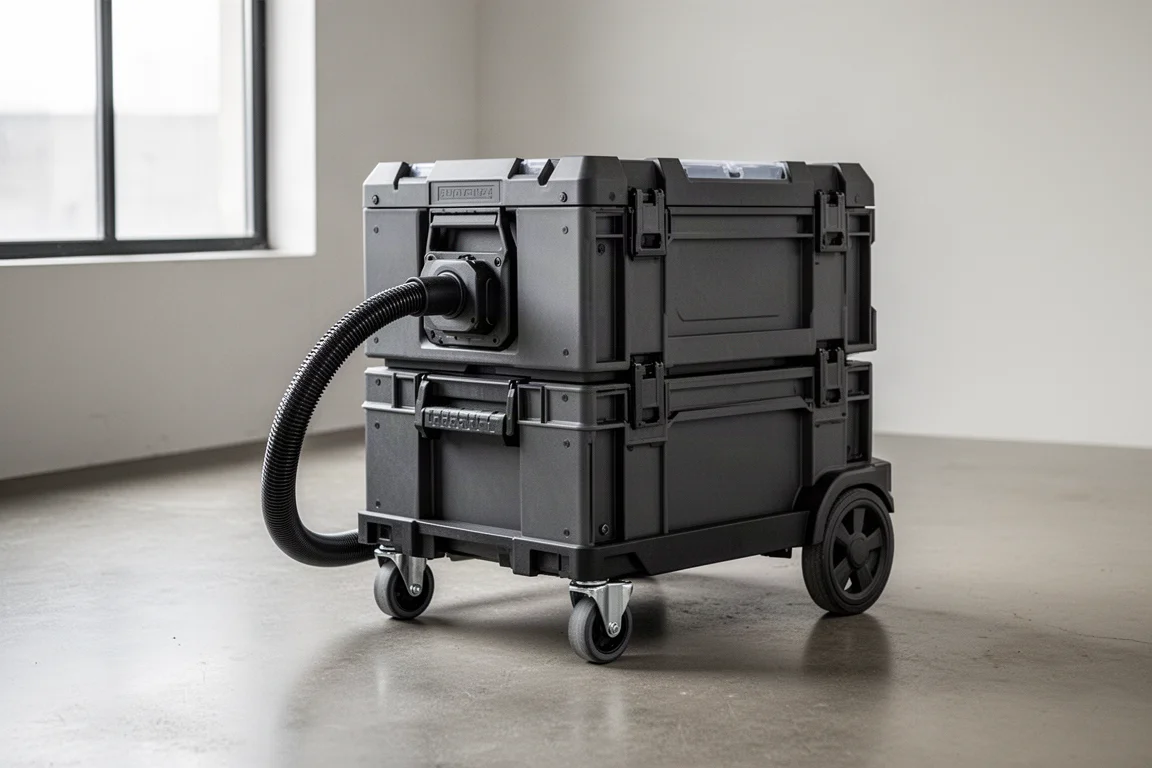
Dust is the main complaint with any masonry cutting, and this is where the Link system vacuum earns its place. It is new to the Link family and stacks directly onto the rolling box and wall system, fitting snugly into the modular setup. With low and high power settings, running it on high while cutting rough slate pulled most of the airborne dust up through the port.
Dust collection is not perfect, but it is a lot better: noticeably less dust in the air, especially combined with the water feed. The collected slurry does coat the inside and needs rinsing out afterward. When the canister is shut off, the saw contains the water well and does not leak.
Who This Setup Is Best For
This is not a massive wet saw you need to dedicate garage space to. It is built for the DIY homeowner, the weekend tiler, or anyone who wants a capable cutter they can throw in the toolbox for smaller jobs. The included blade is serviceable, but upgrading to a higher-quality diamond blade should improve results further.
Cleanup is simple: a rinse with water and it is ready for the next project. If you cut tile or masonry occasionally and dislike bulky dedicated saws, this combo is an easy recommendation.
Conclusion
Ryobi has turned a niche tool into something genuinely convenient: a cordless wet tile and masonry saw that lives like a circular saw in your kit, plus a stackable Link vacuum to keep the dust down. Together they form a compact, tidy cutting station that suits occasional DIY tile and masonry work very well. For heavy daily production cutting, a large dedicated wet saw still makes sense, but for everyone else, this setup covers a lot of ground.
Further reading
Related Reviews
Power Tools
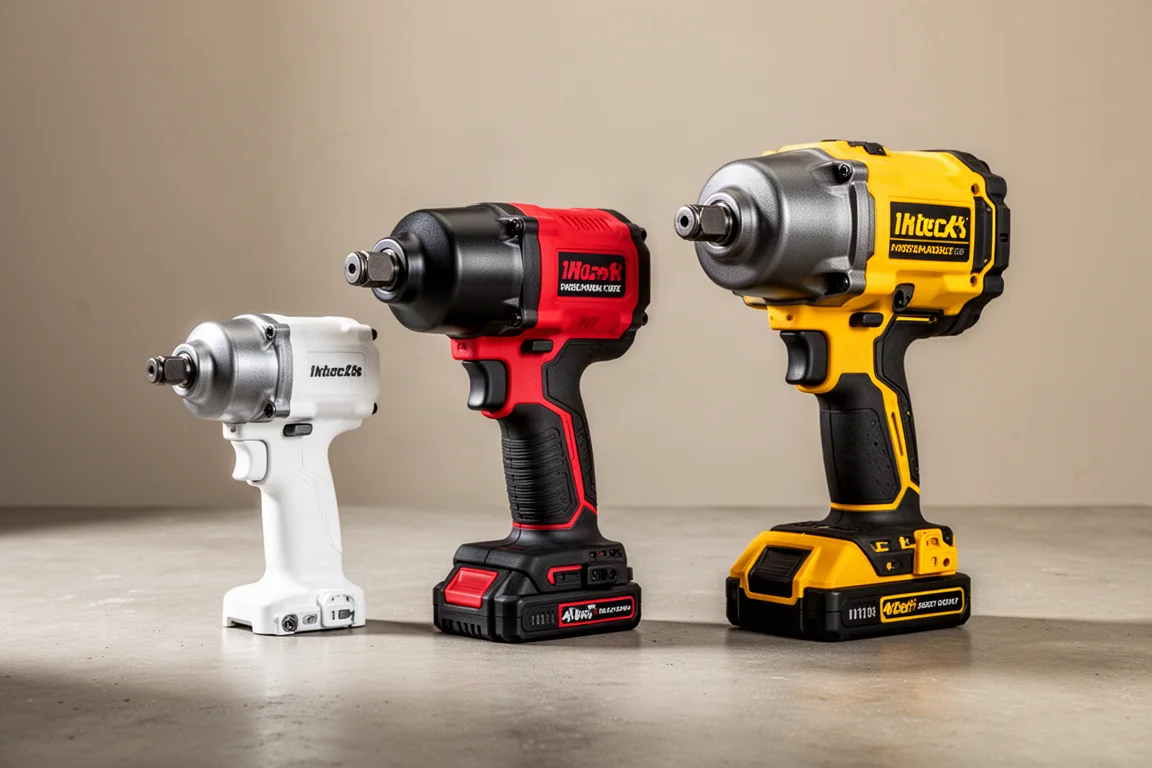
Best 1-Inch Pistol Impact Wrenches: Three Heavy-Duty Options Compared
We compare three 1-inch pistol impact wrenches, from a budget-friendly Harbor Freight model to a premium Caterpillar unit, to help you choose the right one.
Power Tools
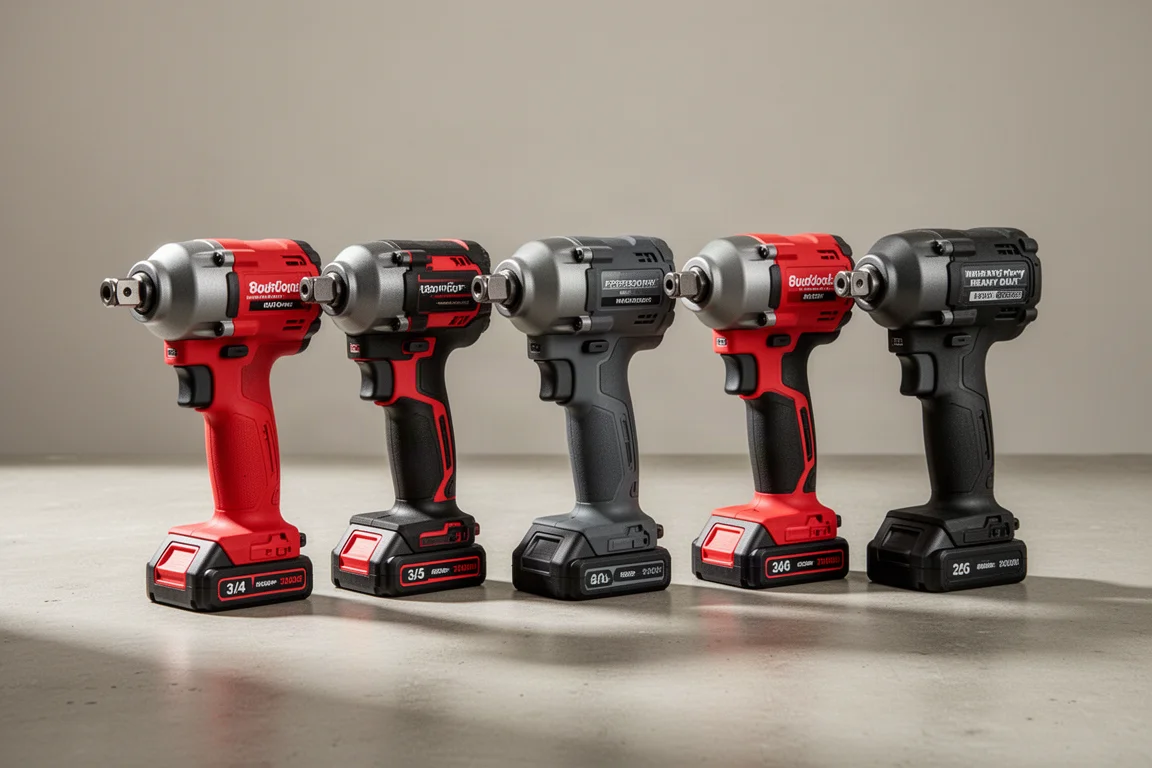
Best 3/4-Inch Impact Wrenches 2026: Five Contenders Compared
We compare five 3/4-inch impact wrenches across price and performance, from a budget Amazon option to Snap-on's most powerful model yet.
Power Tools
Best Budget Cordless Tools 2026: Walmart Finds That Punch Above Their Price
We tested five cordless tools from Walmart, including a high-torque impact wrench that trades blows with Milwaukee and a $35 duster that outperforms its price class.