Electric Riding Mowers
Ryobi 80V Gen 3 42-Inch Zero Turn Mower Review: What to Know Before Buying
The third-generation Ryobi 80V zero turn brings back lap bars, adds front and rear hitches, and cuts impressively straight. Here is what changed and what you should budget for.
Introduction
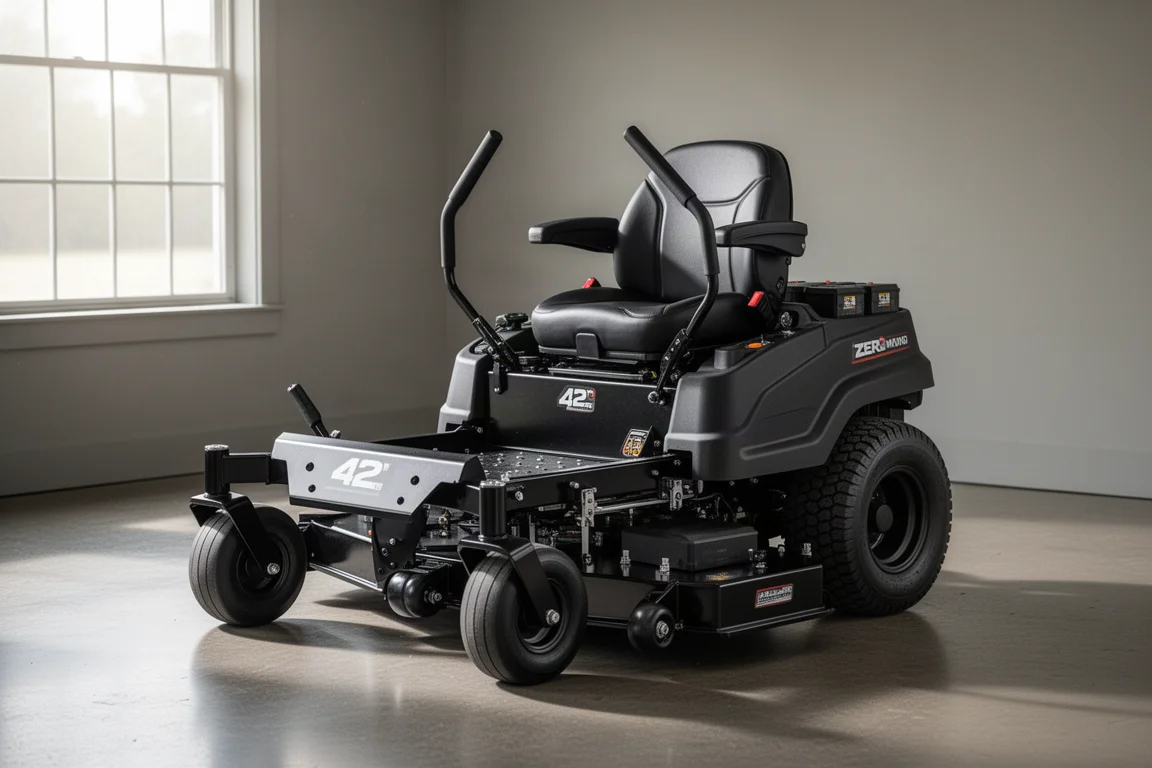
Electric riding mowers have a short list of serious players, and Ryobi is one of them. The Gen 3 brushless 42-inch zero turn, also referred to as the ZR3, has just arrived, and it carries some meaningful changes over the second-generation machine. Some of those changes are clear wins. Others shift cost and assembly onto you, the buyer, depending on the configuration you choose.
If you have seen this mower at a store or online and are weighing the purchase, there are a few things worth understanding first, especially around batteries, chargers, and what no longer comes standard.
What Changed From Gen 2
The second-generation Ryobi zero turn used a joystick and came generously equipped out of the box. It was a reliable machine, and plenty of owners were happy with it. The Gen 3 answers a popular request by bringing back the paddle-style lap bar steering. If you learned on lap bars, it comes back quickly, and the biggest practical benefit shows up in the cut: straight lines that were genuinely difficult to hold with the joystick are now easy to keep.
The trade-off is packaging. On the Gen 2, comfort items like the upgraded seat, armrests, and light were included. On the Gen 3, several of these are optional upgrades you buy separately or in a kit and install yourself. The upside is a cheaper base model if you do not care about the extras. The downside is that if you want a fully decked-out machine and are not comfortable with basic DIY assembly, you may find the configuration process frustrating.
Batteries and Charging: Read This Before You Buy
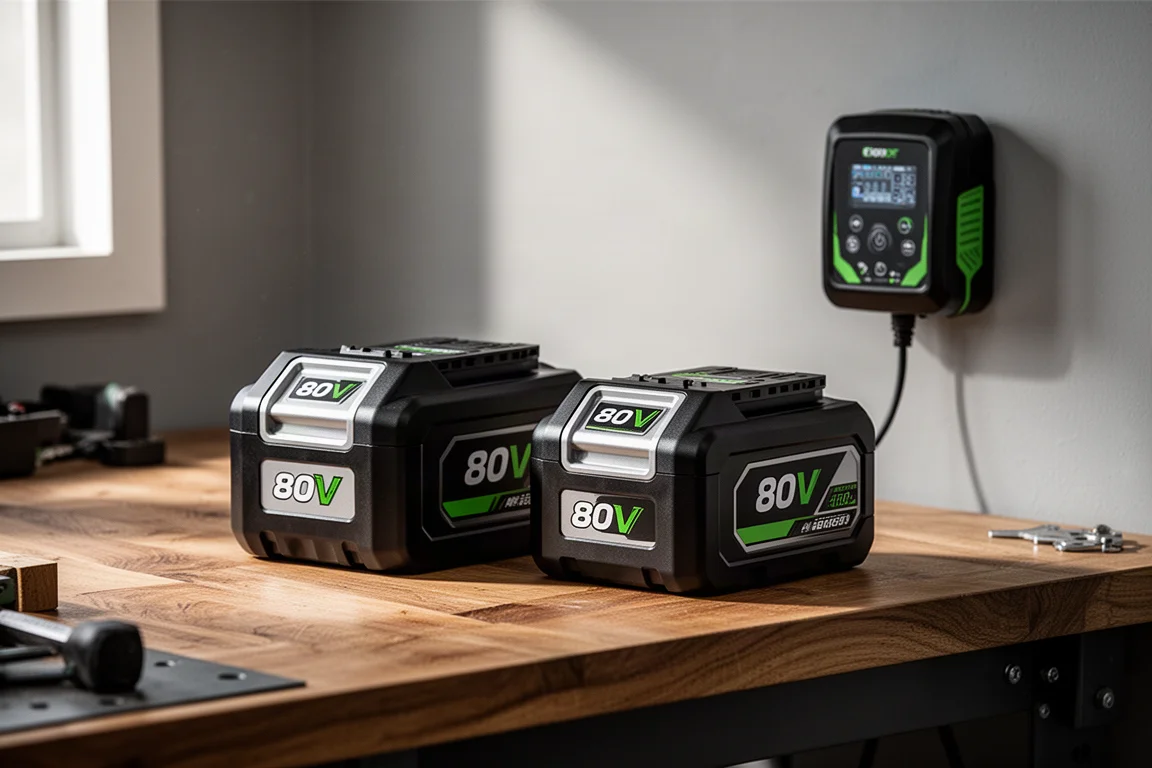
The mower still runs on the 80V platform, but the included battery packs are new. They are 14 amp hours each, finished mostly in black rather than the older green and black, and they have actually come down in price compared to the previous generation, which ran around $900 per battery.
Configuration matters. The base model includes two of these 80V batteries plus the standard 80V charger. A third battery must be purchased separately if you want the three-battery setup. The included charger is compact and light, plugs into a standard outlet, and charges all the batteries simultaneously, but it is slow. Plan on an overnight-style recharge, roughly six hours, after running the batteries down.
The strong recommendation from long-term use is simple: get the hypercharger. It is much faster and will recharge the full set in a few hours rather than an overnight session. It is typically offered as part of a kit, so factor it into your budget from the start.
Cutting Performance and Battery Life
Under the deck you get two blades rather than the six found on the larger 54-inch gas-style predecessor, but the cut quality is genuinely surprising. In side-by-side impressions, the two-blade Gen 3 delivered a smoother, cleaner cut than the six-blade machine it replaces. The mower stayed smooth and responsive even in thick, moist grass after rain and a week of growth.
Power comes from four brushless motors, two for driving and two for the blades, and Ryobi compares the output to a 25-horsepower gas engine. Torque is abundant, and the mower never bogged down in heavy conditions.

On runtime, Ryobi claims up to 2 acres with two 80V batteries, though real-world results depend heavily on conditions. Spring grass that is tall, wet, and thick will likely push you toward the three-battery setup. In hot summer conditions when growth slows, you can exceed that 2-acre figure. In one real session cutting just under an acre of slightly overgrown, moist grass, with the blades running during camera setup time, the display still read 57 percent remaining.
Cutting height runs from 1.5 to 4.5 inches.
Build Quality, Deck and Controls
This remains a DIY-grade machine rather than professional equipment, but the Gen 3 includes some genuinely good structural upgrades. The 42-inch deck is fabricated steel rather than a basic stamped panel. The rear hitch, previously bolted and known to loosen over time, is now welded, making it much beefier.
The control layout has been reworked too. Blades engage by pulling a lever up and disengage by pushing it down. There is a slow turtle drive speed and an eco mode. The deck height adjustment replaces a lever with a push-and-turn knob that works in either direction, and it is genuinely quick to use. It also provides extra clearance when loading onto a trailer, so you no longer scrape the way the previous model could.
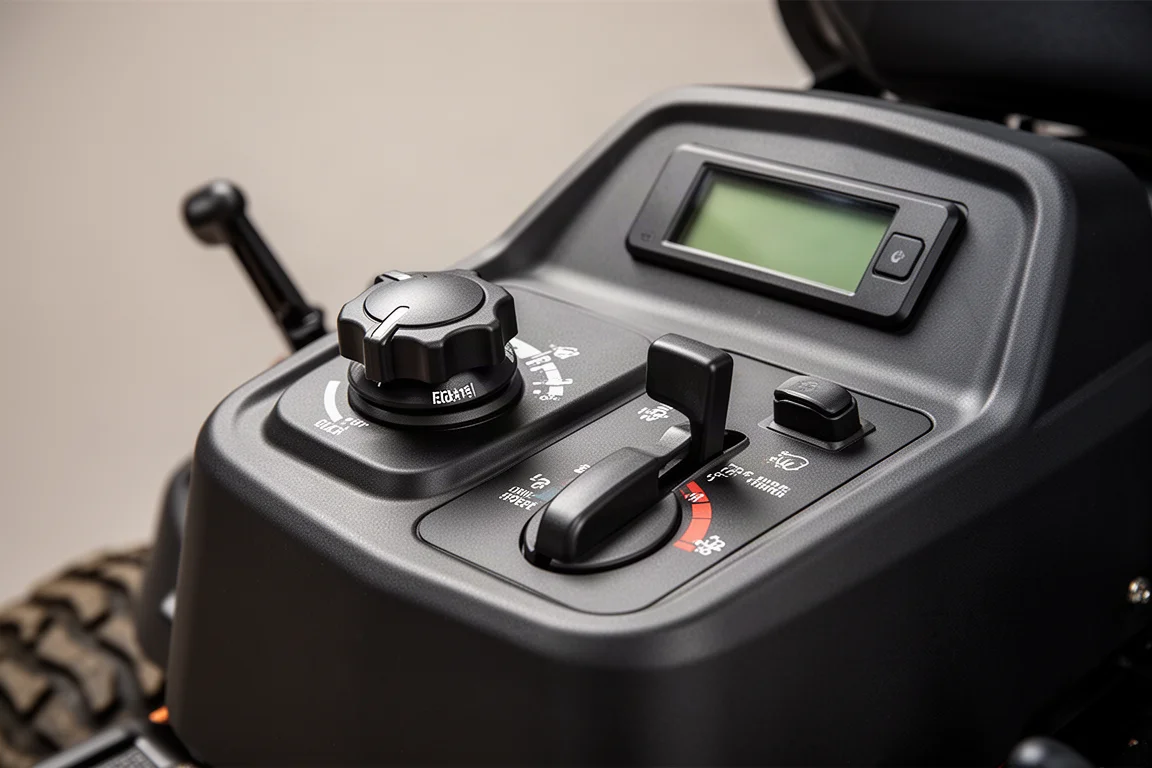
Even though this is the smaller 42-inch model, it is comfortable for taller operators, and the controls are intuitive within a session or two.
Comfort, Service and Long-Term Ownership
The optional seat upgrade adds lumbar adjustment and raises your seating position. Without it, the stock seat with springs is still reasonably comfortable, though some taller riders may notice a slight downward slant that the upgrade corrects. Armrests, standard on the Gen 2, are now an extra cost item. Buying the seat upgrade also brings pedal height adjustments, and the full installation, including swapping a metal plate, takes about an hour with basic tools.
One of the most practical additions is the pair of hitches: a 2-inch receiver at the rear and, newly, one on the front. With a 250-pound pulling capacity, the mower can move a utility trailer around the property without pulling a quad out of the shed. Anything heavier will be a struggle.
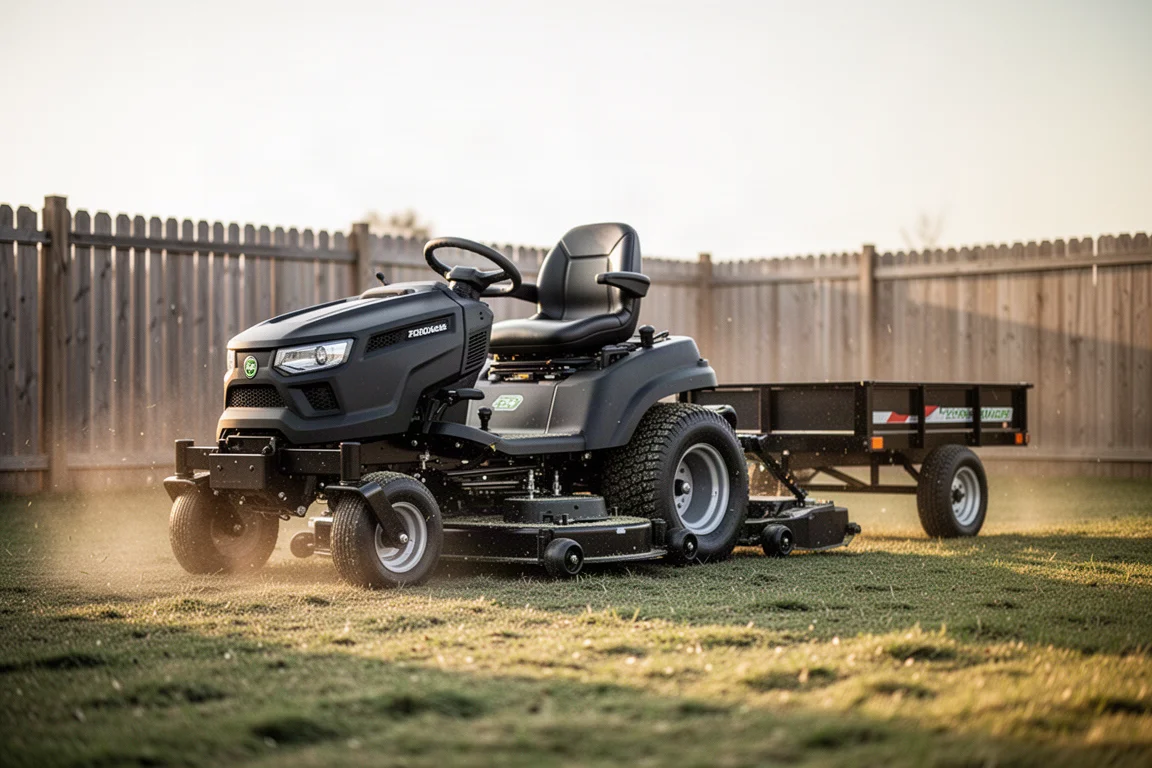
On ownership, the mower carries a 5-year warranty, and service comes to you. If a motor fails or something breaks under warranty, a technician is sent to your home to fix it on site. There are no oil changes, fluid changes, or spark plugs, and the mower is quiet enough that early morning or late evening cutting will not bother neighbors or wake the household. You mostly hear the blades.
Buying Advice
Think in configurations. If you want the lowest price and do not need extras, the base model with two batteries and the standard charger is the cheapest entry point in this generation. If you want the hypercharger, upgraded seat, armrests, or light, budget for the kit and an hour of assembly. Either way, strongly consider the hypercharger, because the standard charger’s overnight charging speed is the single most common practical complaint.
Also note that a bagger is available as an accessory if you prefer to collect clippings rather than mulch them back into the lawn. Anyone hoping for a larger 54-inch version of this generation will have to wait and see whether Ryobi expands the lineup.
Conclusion
The Gen 3 Ryobi 80V zero turn is a solid update. The lap bars fix the straight-line cutting issue, the welded hitch and front hitch receiver solve real problems, the cut quality exceeds expectations for a two-blade deck, and the at-home service with a 5-year warranty removes much of the risk that concerned buyers on earlier generations. The main caveat is the unbundling of comfort features and the slow included charger, both of which are solvable with the right kit and a little planning. For suburban properties in the 2-acre range, it is an easy mower to recommend.
Product link
View more details for Ryobi 80V Gen 3 42-Inch Zero Turn Mower
This product is mentioned in the review. Check the specifications, options, and compatibility before buying.
View more details for Ryobi 80V Gen 3 42-Inch Zero Turn MowerFurther reading
Related Reviews
Lawn & Garden
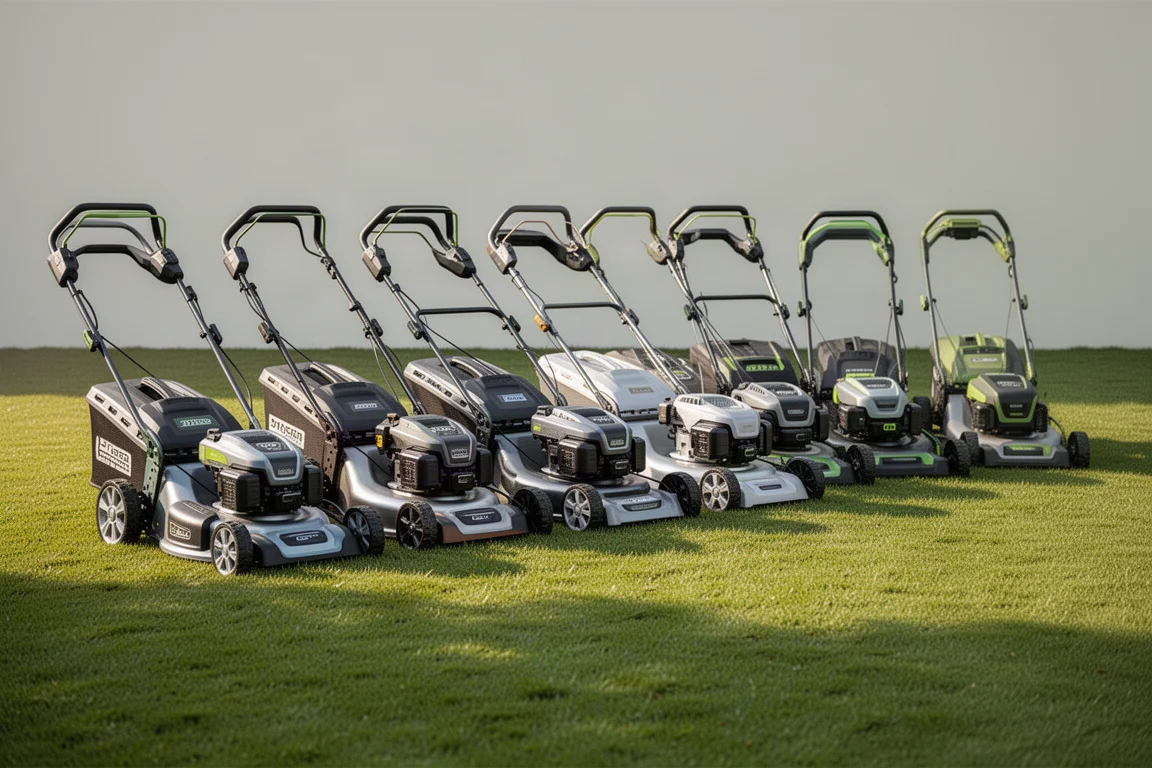
Best Cordless Lawn Mowers 2026: Ten Flagship Models Compared
We compare ten flagship cordless mowers from top brands to help you find the best value, mid-range, and premium option for your lawn.

Power Tools
Best New Ryobi Tools 2025: Seven Upgrades Worth Watching
From a 20-inch brushless chainsaw to a high-flow pressure washer, these new Ryobi tools cover outdoor power, plumbing, and workshop upgrades.

Smart Home
ImoLaza Ultra Controller Review: A Smart Sprinkler Upgrade Worth Making
A practical look at the ImoLaza Ultra Controller, an eight-zone smart sprinkler controller with an easy app setup and flexible scheduling.