Power Tools
Ryobi 18V One+ Bucket Vacuum: A Cordless Shop Vac That Fits Your Bucket
A compact cordless vacuum head that turns any standard 5-gallon bucket into a portable wet and dry shop vac, with realistic run times to weigh before buying.
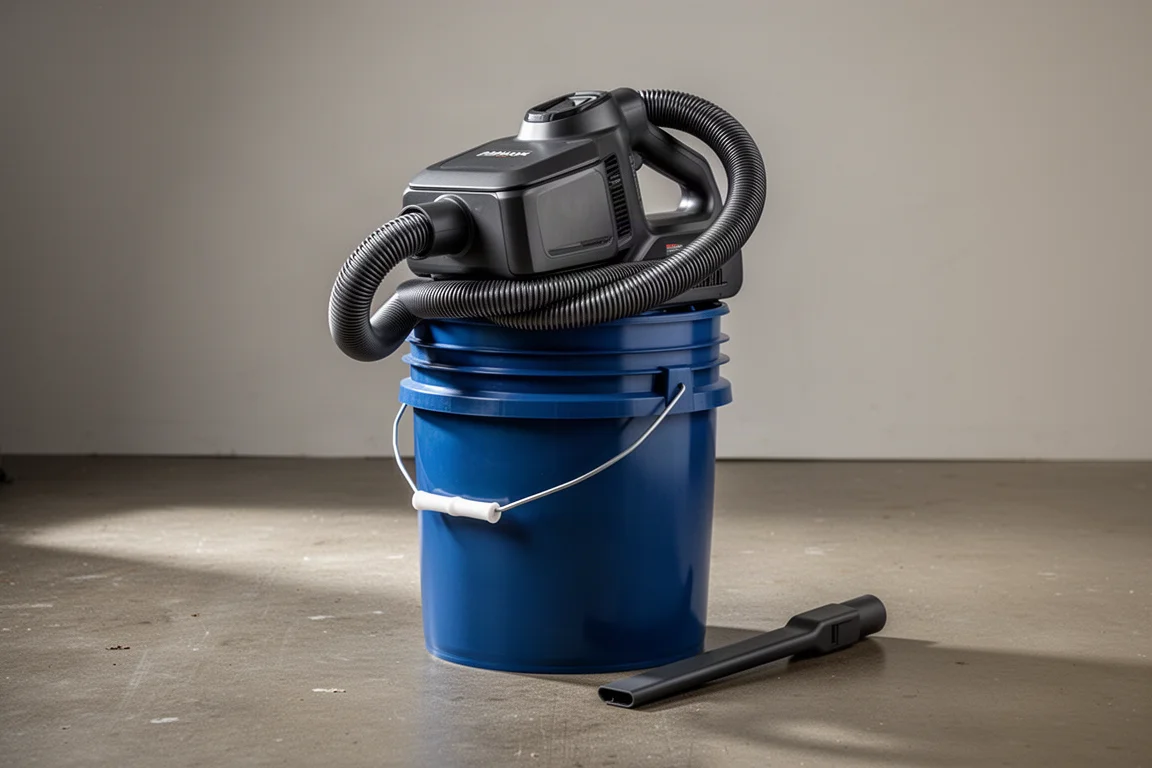
Introduction
Shop vacuums are usually the least fun tool to haul around. They are heavy, bulky, and the cord always seems to end up somewhere you trip over it. The Ryobi 18V One+ Bucket Vacuum takes a different approach: instead of giving you a full canister, it gives you a motorized lid that turns an ordinary 5-gallon bucket into a cordless wet and dry vacuum. The bucket itself is sold separately for around five or six dollars, which keeps the entry cost low.
This is not the first bucket-style vacuum on the market, but it appears to be the only one running on a large battery platform, and that matters. If you already own Ryobi 18V One+ batteries, you can use whatever packs you have on the shelf.
What It Is and How It Works
The kit includes the lid unit, a hose, and a crevice tool. The battery is not included, which will not surprise anyone already in the One+ ecosystem. One button press on the lid locks it onto the bucket, and you are ready to vacuum.
The hose port is dual purpose: attach the hose to one side and the unit sucks, move it to the back port and it blows. That suction-to-blower switch is a small design touch that adds a lot of flexibility for clearing sawdust, debris, or leaves without switching tools.
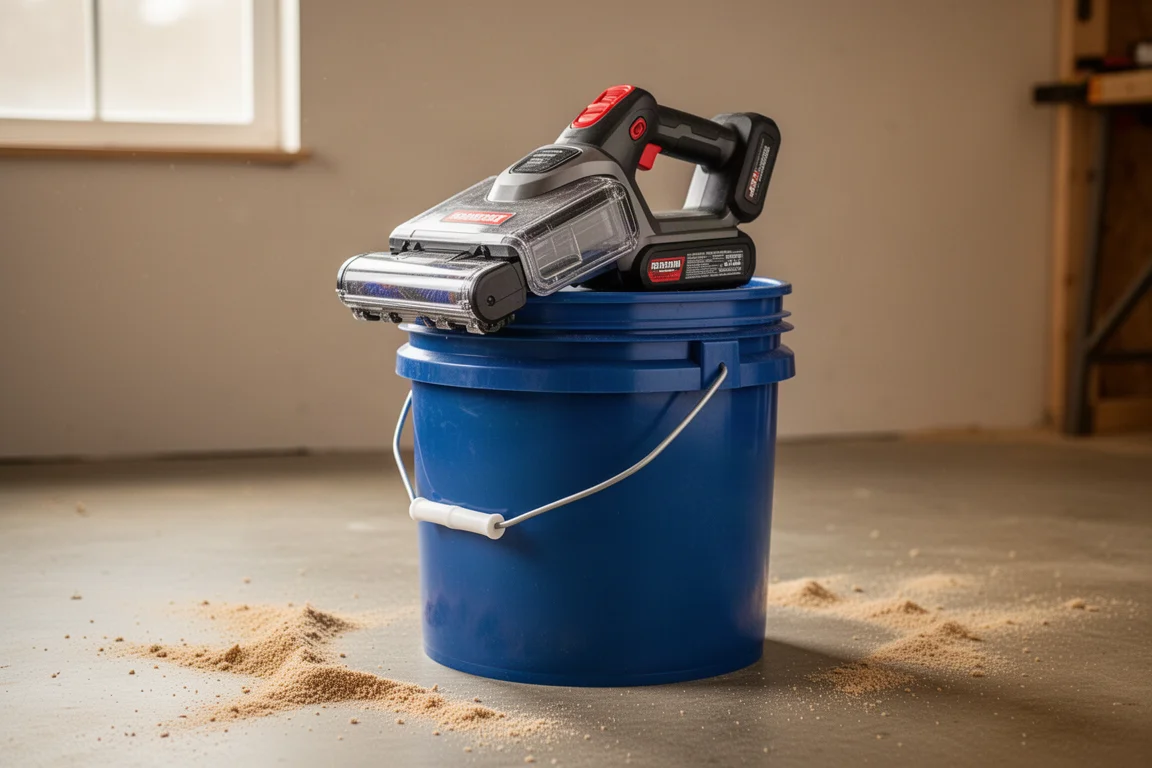
The boxed specs list roughly 45 CFM of airflow and a weight of about 4.5 pounds, so the unit itself is genuinely light. Combined with the bucket, it is far easier to carry than a traditional shop vac, which is the entire point.
Setup and Storage
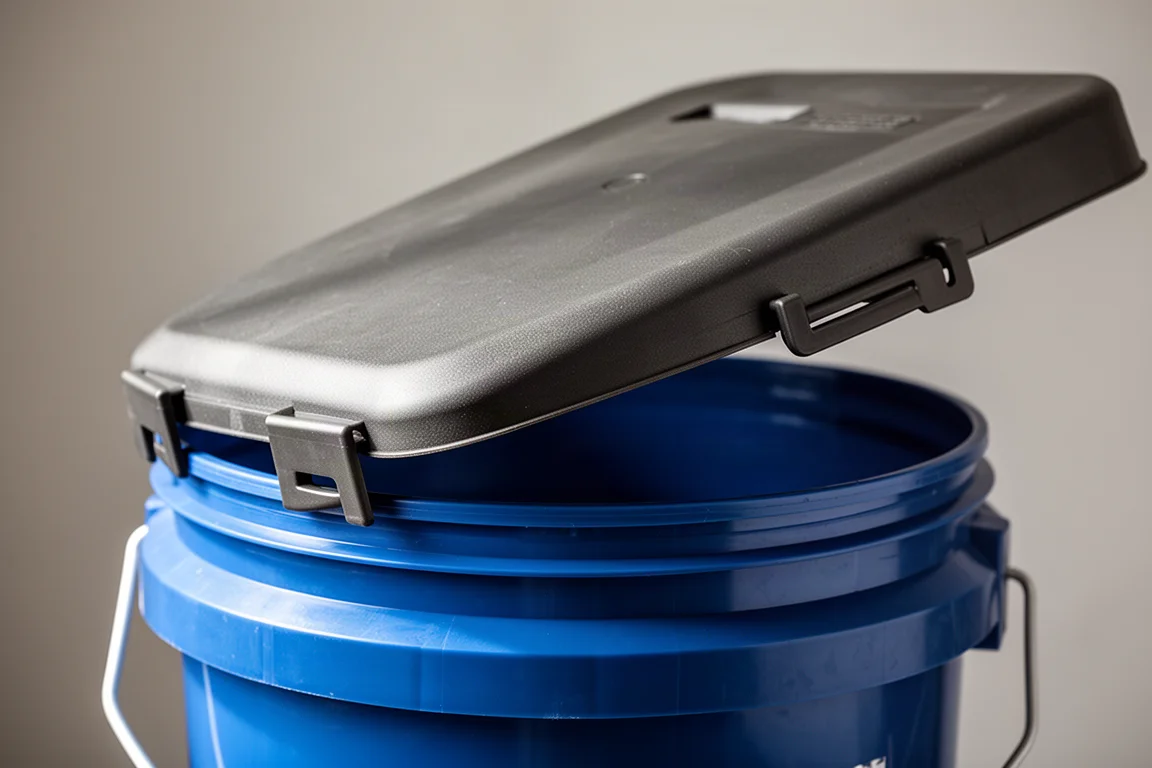
The lid has sloped side tabs that let it slide onto the bucket rim and lock in place, so you can carry the whole assembly by the lid handle like a proper canister vacuum. When you are done, the hose stores on top of the lid and the crevice tool has its own dedicated storage spot on the lid as well.
The included hose is 4 feet long and fits most standard 1-1/4 inch vacuum accessories, so if you already have shop vac attachments in a drawer, they should work here too. Removing the lid is just as quick as fitting it, and it pops back on without any fiddling.
Inside the lid sits a blue fabric filter held with a rubber band. For dry work, leave it on; it catches very fine particulates well. For wet pickup, take it off first, because you do not want that filter anywhere near water.
Dry Pickup Performance
For dry messes like sawdust and fine debris, the vacuum performs well for its size. The dust was caught cleanly by the filter, which did a good job holding very fine particulates rather than letting them pass through. You can also run it without the crevice tool attached for a bit more suction, and the blower function is handy if you would rather push debris out of the way instead of vacuuming it up.
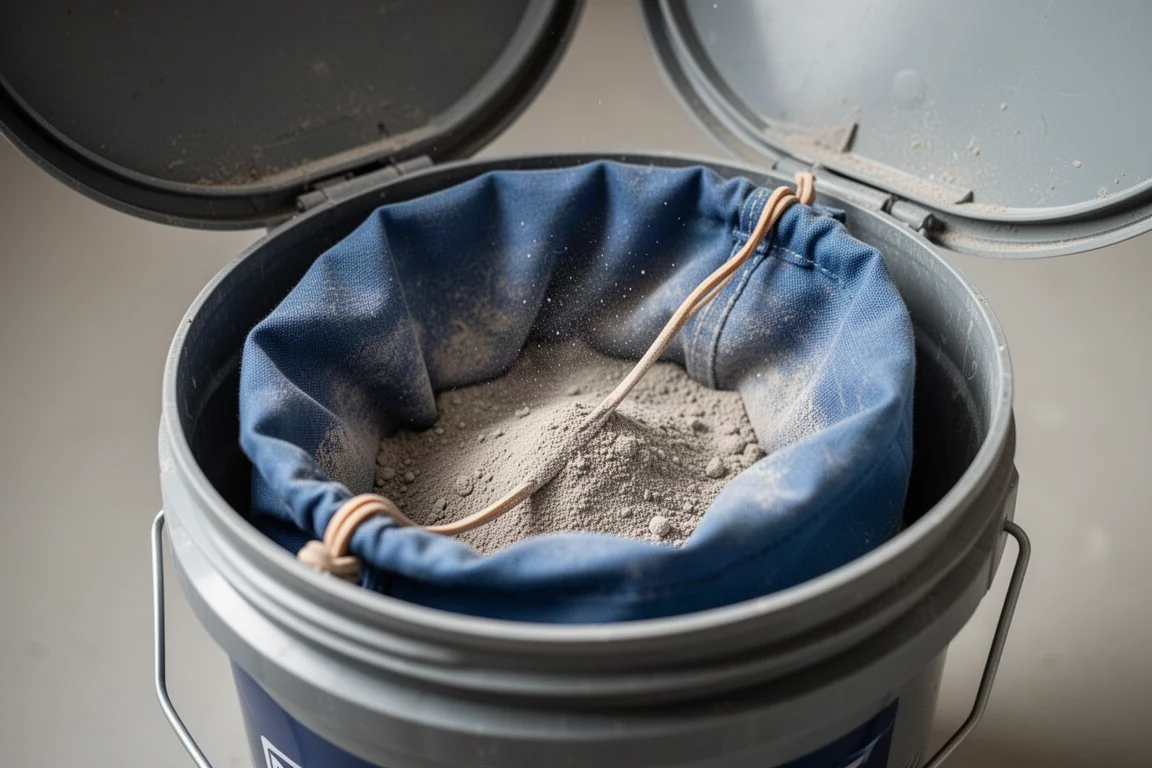
Emptying is simple: pull the lid off, look inside the bucket, and deal with what the filter caught. There is no complicated canister mechanism to wrestle with, which is part of the appeal of the whole bucket concept.
Wet Pickup Performance
For wet pickup, remove the fabric filter first. Filling a 5-gallon bucket about halfway with water and vacuuming it into a second empty bucket worked cleanly, transferring essentially all of the water from one bucket to the other without overflow. That is a solid result for a compact cordless unit and makes it genuinely useful for spills, not just dry dust.
Battery Life and Runtime
Battery life is the realistic trade-off here. After the dry and wet pickup tests, a 4Ah battery still showed three bars, and the unit ran for roughly 8 to 13 minutes of continuous use on that pack, depending on the test.
That sounds short, but context matters. This is a tool for small, very small jobs. It is not designed to replace a corded shop vac for all-day site cleanup. Its value is portability: no cord, no heavy canister, and batteries that charge easily and are ready to go again quickly. If your jobs are measured in minutes rather than hours, the runtime is workable.
Who Should Buy It
The Ryobi 18V One+ Bucket Vacuum makes the most sense for anyone who wants a genuinely portable cleanup option rather than a full workshop vacuum. Take it to the RV, out to the campsite, or keep it in the garage for quick sawdust pickups after woodworking sessions.
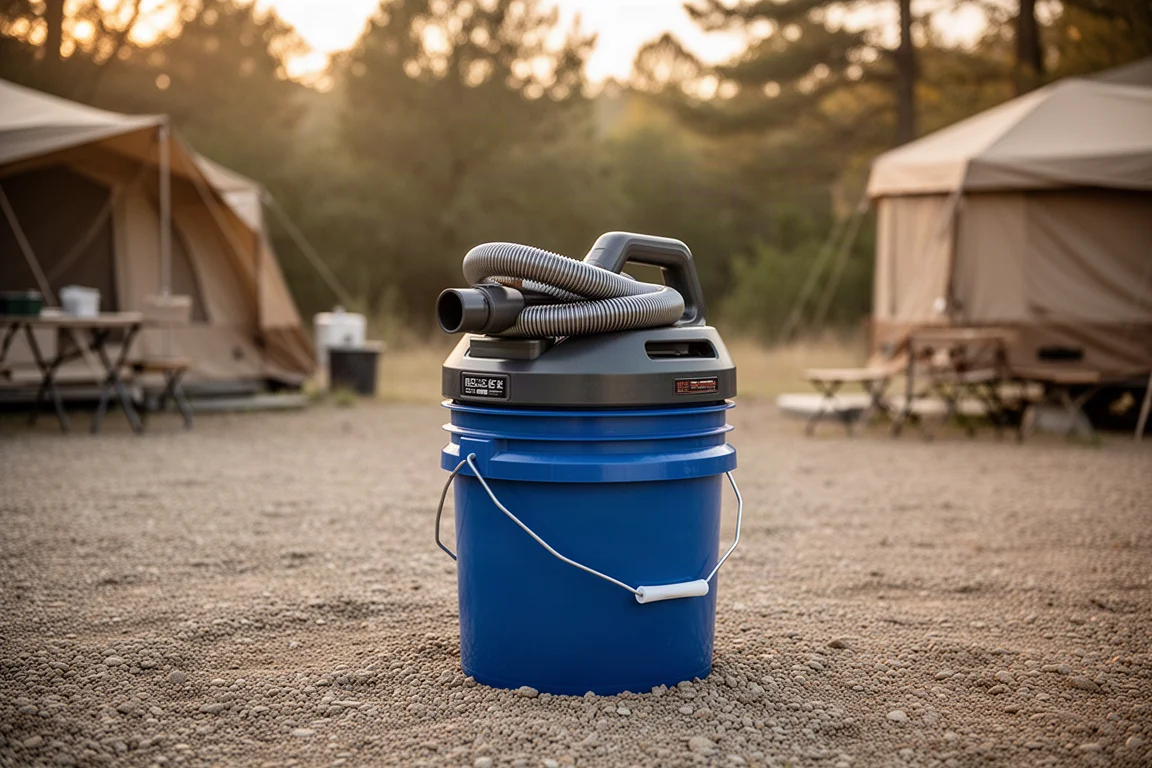
If you regularly tackle large, heavy cleanup jobs, a corded shop vac still wins. But if you want something light, cheap to complete (since you supply the bucket), and built on a battery platform you may already own, this is a clever and genuinely useful tool. It is not the first bucket vacuum idea, but it is the only one running on a large battery platform that makes the concept practical.
Conclusion
The Ryobi 18V One+ Bucket Vacuum is a well-thought-out accessory that turns an inexpensive bucket into a capable cordless wet and dry vacuum. It will not replace a corded shop vac for big jobs, and the runtime on a 4Ah battery is limited, but for small messes at home, in the shop, at the campsite, or in the RV, it is a light, portable, and affordable solution that earns its place on the shelf.
Product link
View more details for Ryobi 18V One+ Bucket Vacuum
This product is mentioned in the review. Check the specifications, options, and compatibility before buying.
View more details for Ryobi 18V One+ Bucket VacuumFurther reading
Related Reviews
Power Tools
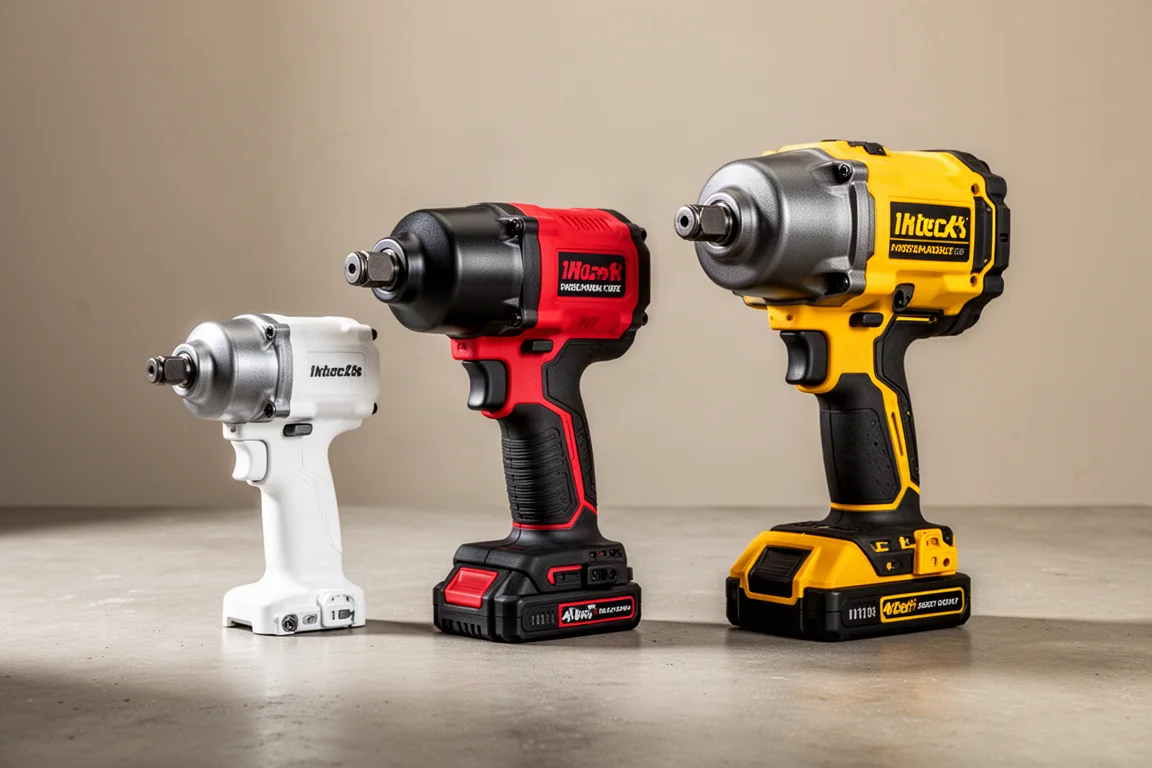
Best 1-Inch Pistol Impact Wrenches: Three Heavy-Duty Options Compared
We compare three 1-inch pistol impact wrenches, from a budget-friendly Harbor Freight model to a premium Caterpillar unit, to help you choose the right one.
Power Tools
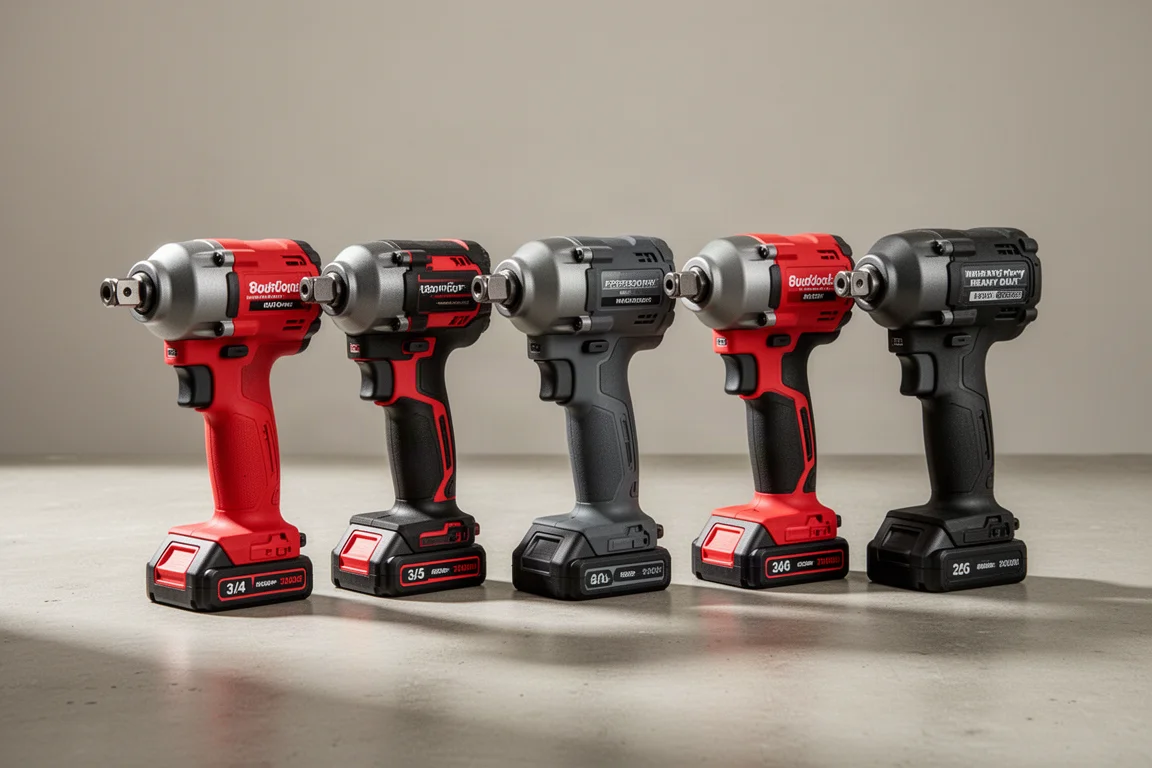
Best 3/4-Inch Impact Wrenches 2026: Five Contenders Compared
We compare five 3/4-inch impact wrenches across price and performance, from a budget Amazon option to Snap-on's most powerful model yet.
Power Tools
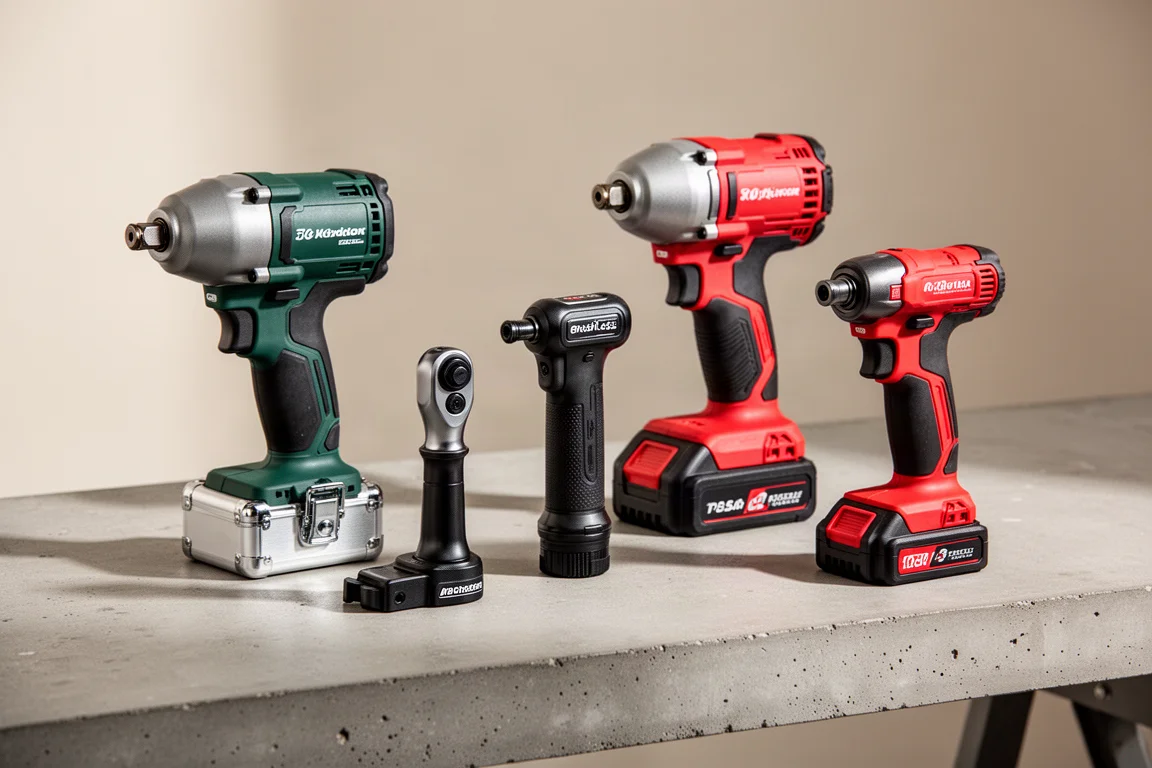
Best Budget Cordless Tools 2026: Walmart Finds That Punch Above Their Price
We tested five cordless tools from Walmart, including a high-torque impact wrench that trades blows with Milwaukee and a $35 duster that outperforms its price class.