Power Tools
Ryobi 18V Lithium Edge Batteries: Why the Tabless Design Matters
The new Ryobi 18V Lithium Edge line brings tabless cell technology, faster charging, and cooler running to the 1+ system. Here is how the 6Ah, 8Ah, 12Ah, and HP batteries compare.
Introduction
Choosing a tool platform is a long-term commitment. You look at the range of tools available, how well they perform, what they cost, and what the warranty looks like. Once people settle into a brand, most stay there, so any meaningful platform upgrade deserves attention.
Ryobi’s new 18V Lithium Edge batteries are exactly that kind of upgrade. They sit above the existing HP (high-performance) line as the top tier of the 1+ system, and they use tabless cell technology to deliver more power, longer run times, faster charging, and cooler operating temperatures. The line launched in May 2026 with 6Ah, 8Ah, and 12Ah options, and for anyone running high-drain tools on the Ryobi platform, these batteries are worth a serious look.
What Makes the Edge Batteries Different
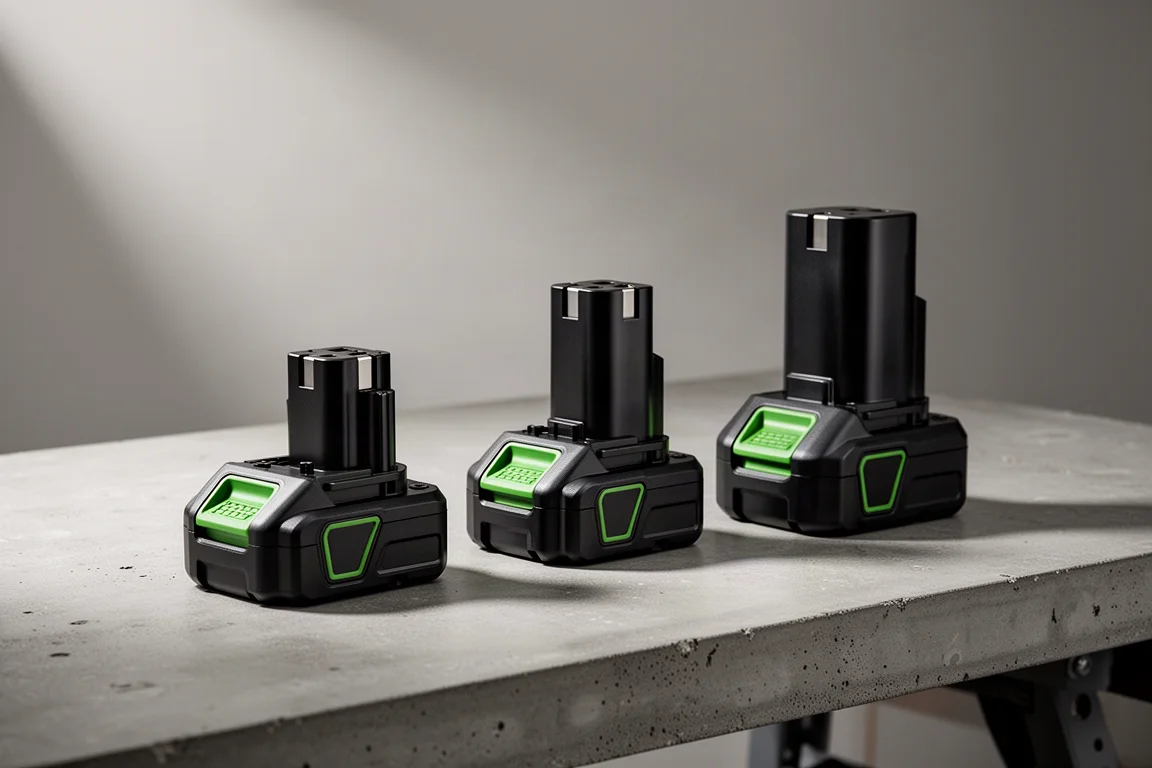
At a glance, the Edge batteries look nearly identical to the HP batteries you may already own. Same approximate size, same tools, same 1+ system. The difference is inside: tabless cells paired with Intellicell cell technology.
Tabless cell design improves how energy flows through the pack. By removing internal bottlenecks, the battery can push more power to the tool while generating less heat, and Intellicell electronics manage the cells for better overall performance. Ryobi claims the 8Ah Edge battery delivers up to two times more power and eight times more runtime compared to standard Ryobi lithium batteries, while the 12Ah version claims up to two times more power and ten times more runtime. Those figures are measured against the standard lithium line, not the HP, so the Edge is best understood as a step up from HP rather than a total replacement.
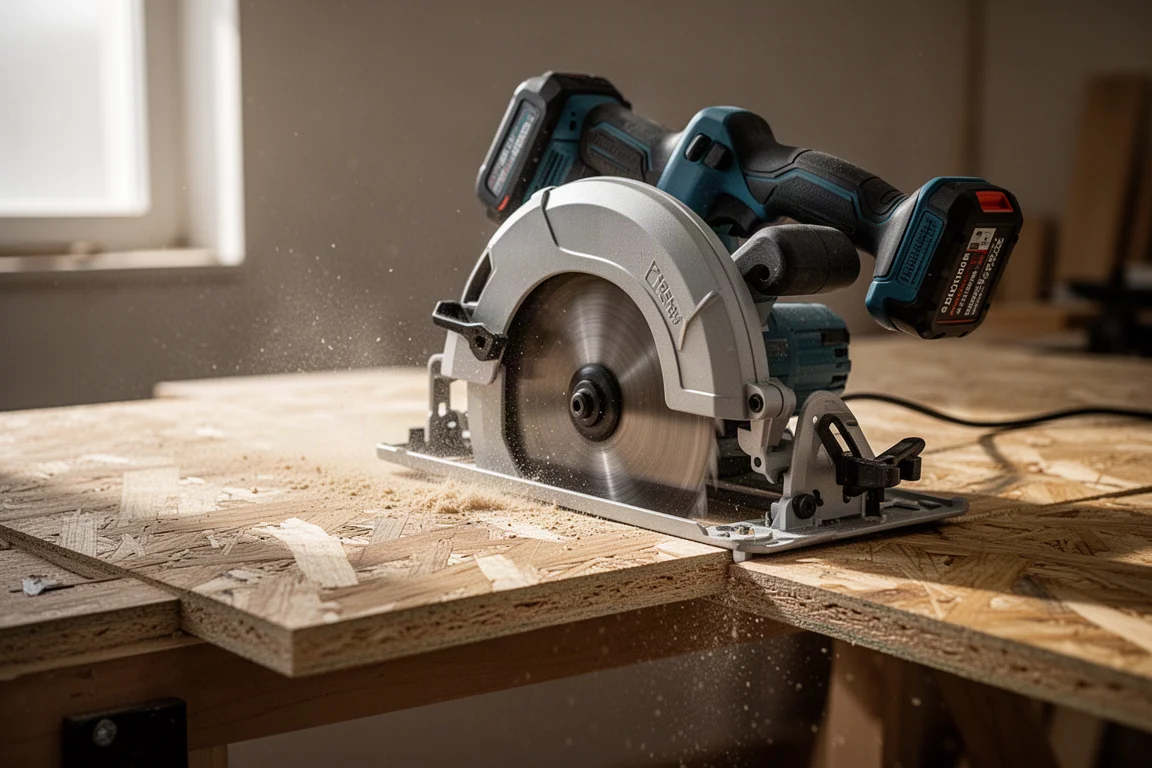
This matters most under heavy load. If you have ever been ripping wood or cutting through OSB with a smaller battery and heard the saw bog down mid-cut, that is the battery struggling to keep up with demand. The Edge batteries are built to prevent exactly that.
Cooler Running and Less Wasted Energy
Heat is wasted energy. Every degree a battery climbs under load is power lost instead of delivered to the tool, and running a pack too hot is never good for its long-term health.
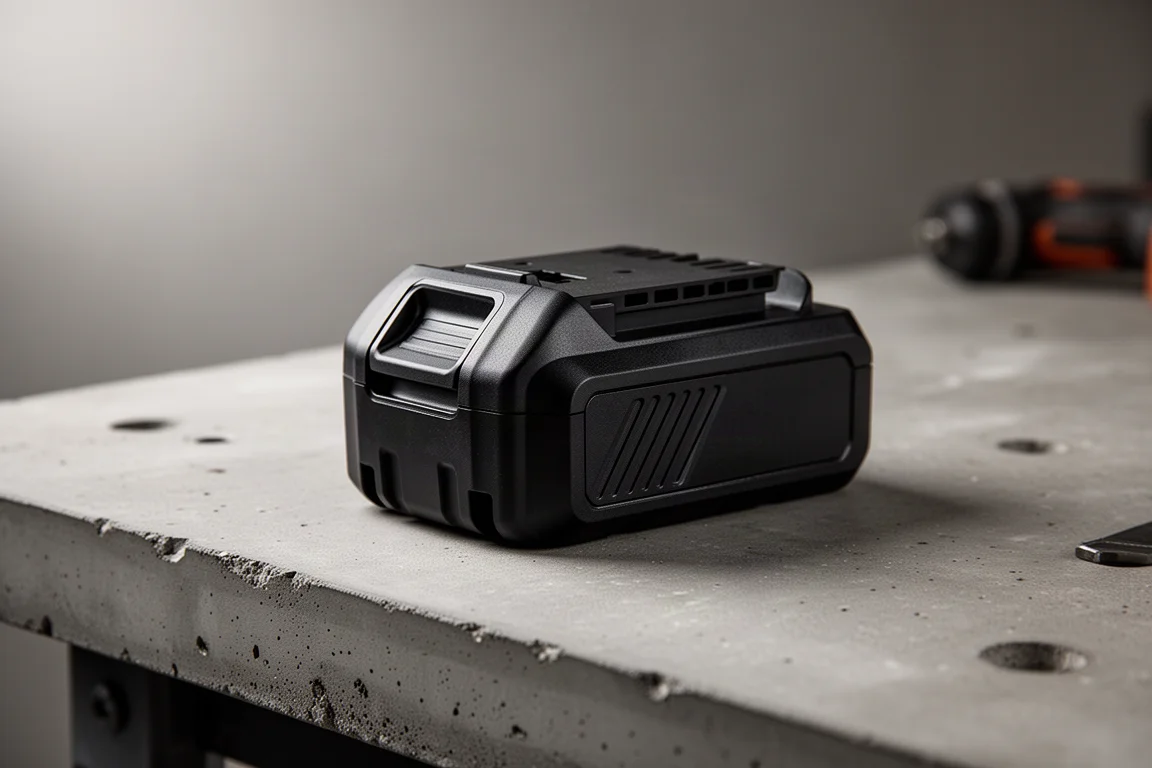
The tabless design addresses this directly. Because energy flows more efficiently through the cells, the Edge batteries stay cooler during demanding jobs like grinding, cutting, and running outdoor power equipment. Ryobi positions these packs for the tools you punish: chainsaws, grinders, reciprocating saws, blowers, and mowers. For low-drain tools like fans or glue guns, the benefit is minimal, and there is no reason to spend extra on an Edge pack for those uses.
Charging Speed That Keeps Up With Real Work
Charge time is one of the most underrated factors in cordless tool ownership. Battery-powered outdoor equipment is only convenient if the batteries recharge quickly enough to keep the job moving.
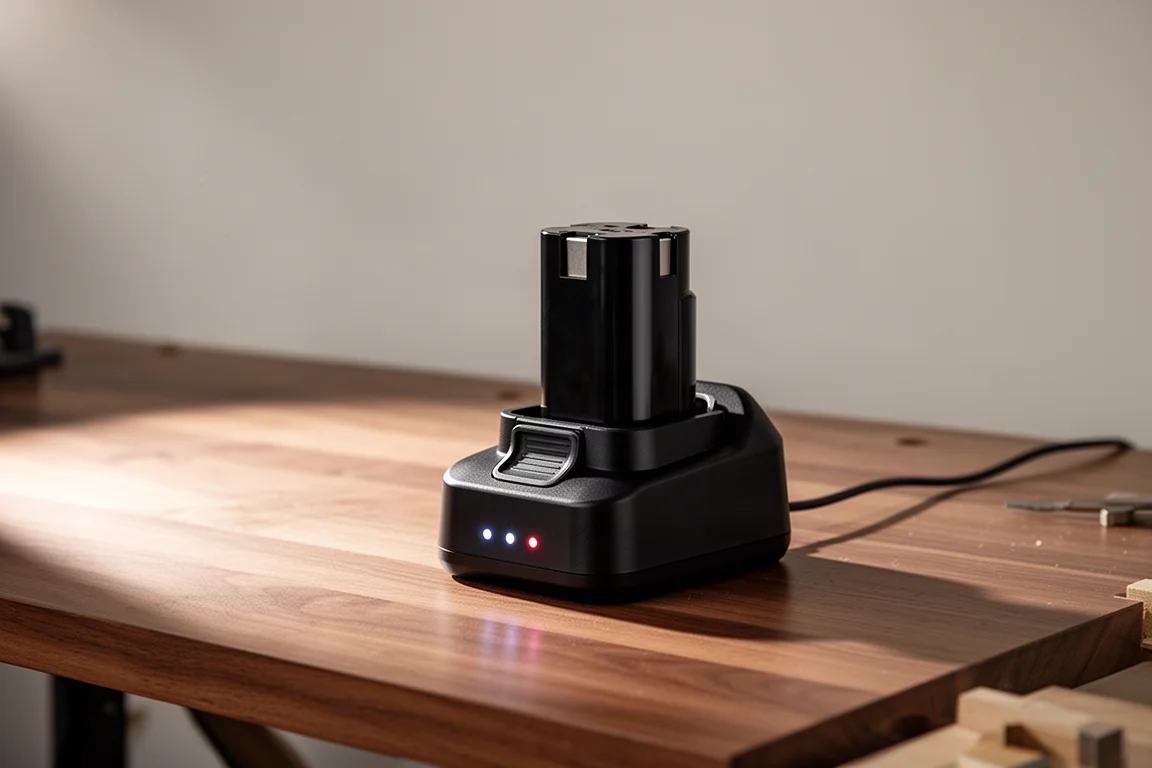
Ryobi states that the 8Ah Edge battery can charge to 80% in less than 35 minutes when paired with the brand’s fastest 1+ charger, the PCG007. The 12Ah Edge reaches 80% in as little as 55 minutes on the same charger. For packs of this capacity, those are genuinely respectable numbers, and they make rotating through a workday with one or two chargers realistic rather than frustrating.
The Lineup: 6Ah, 8Ah, and 12Ah
The Edge family covers three capacities, so the right choice depends mostly on what you run. The 6Ah sits at the entry point of the Edge line and shares the same tabless cell technology. It is a sensible pick for miter saws, vacuums, lighting, and mid-drain tools where you want Edge efficiency without carrying maximum capacity.
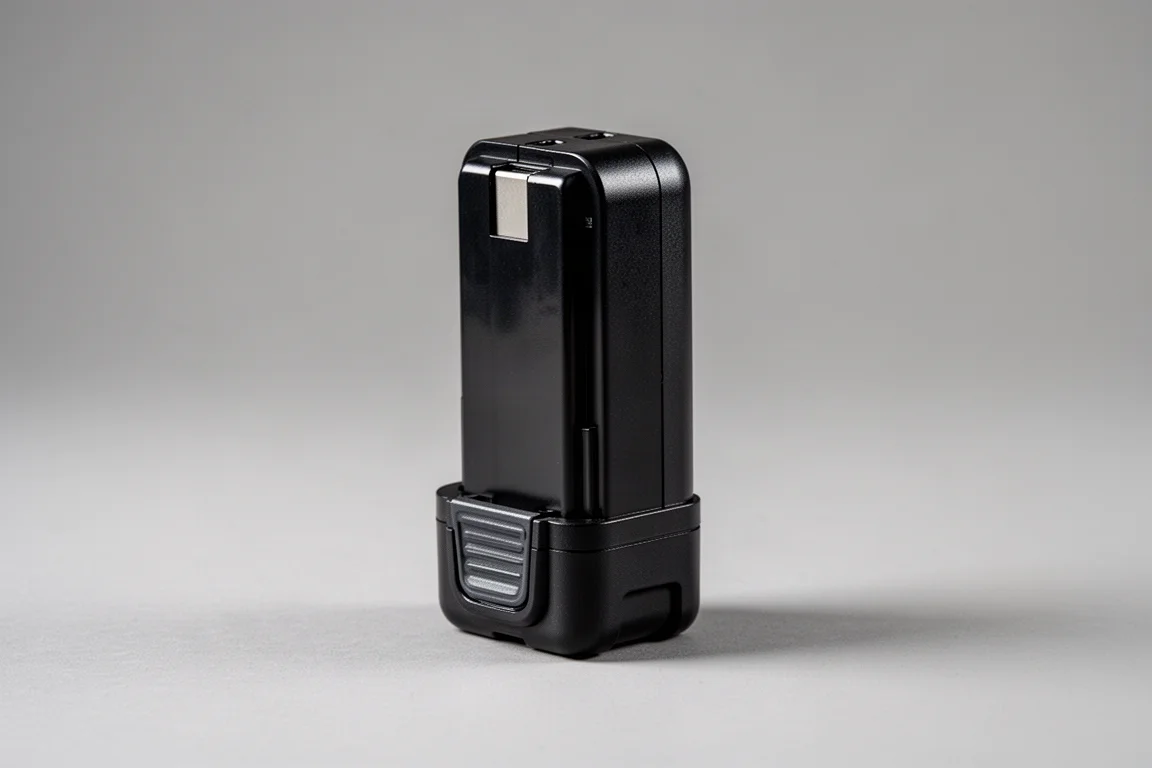
The 8Ah Edge (model PBP1108) is priced at $229 and claims two times the power and eight times the runtime of a standard lithium pack. It is the balanced choice for grinders, saws, and most outdoor power equipment, offering a strong mix of capacity and charging speed.
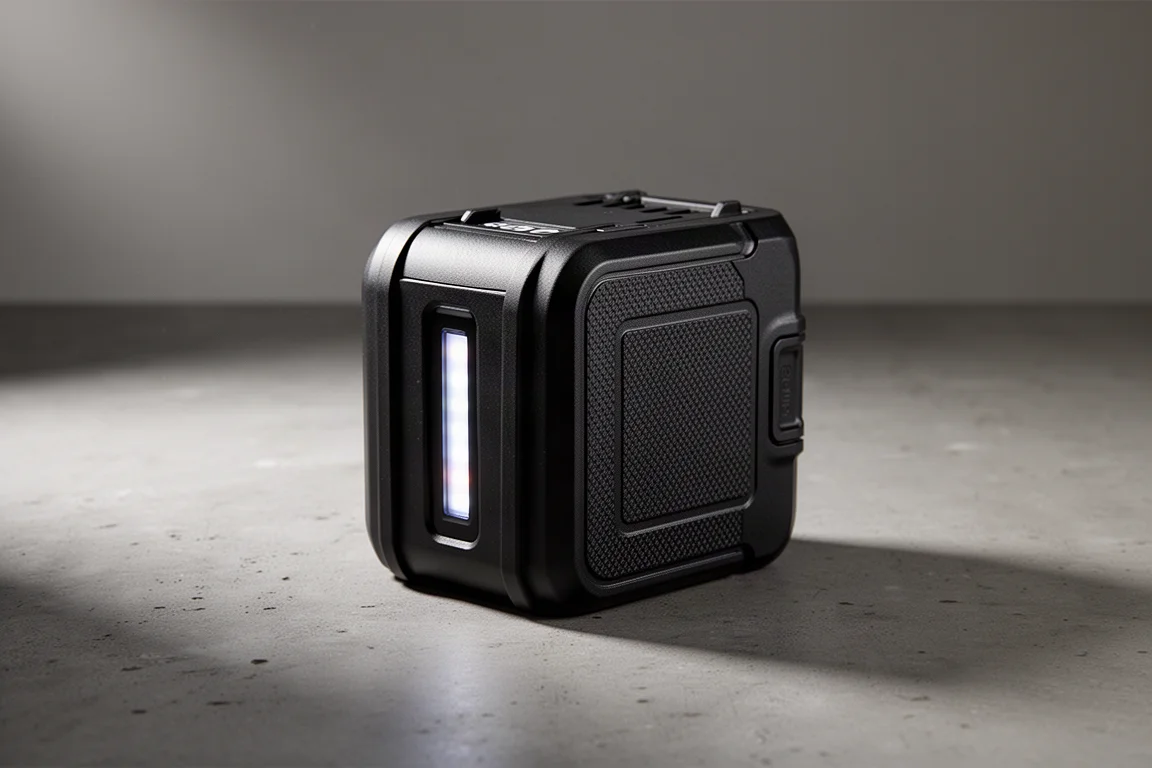
The 12Ah Edge is the big battery of the line at $269. It targets the most demanding jobs: self-propelled mowers, power stations, and extended sessions on high-drain tools where run time matters as much as power delivery.
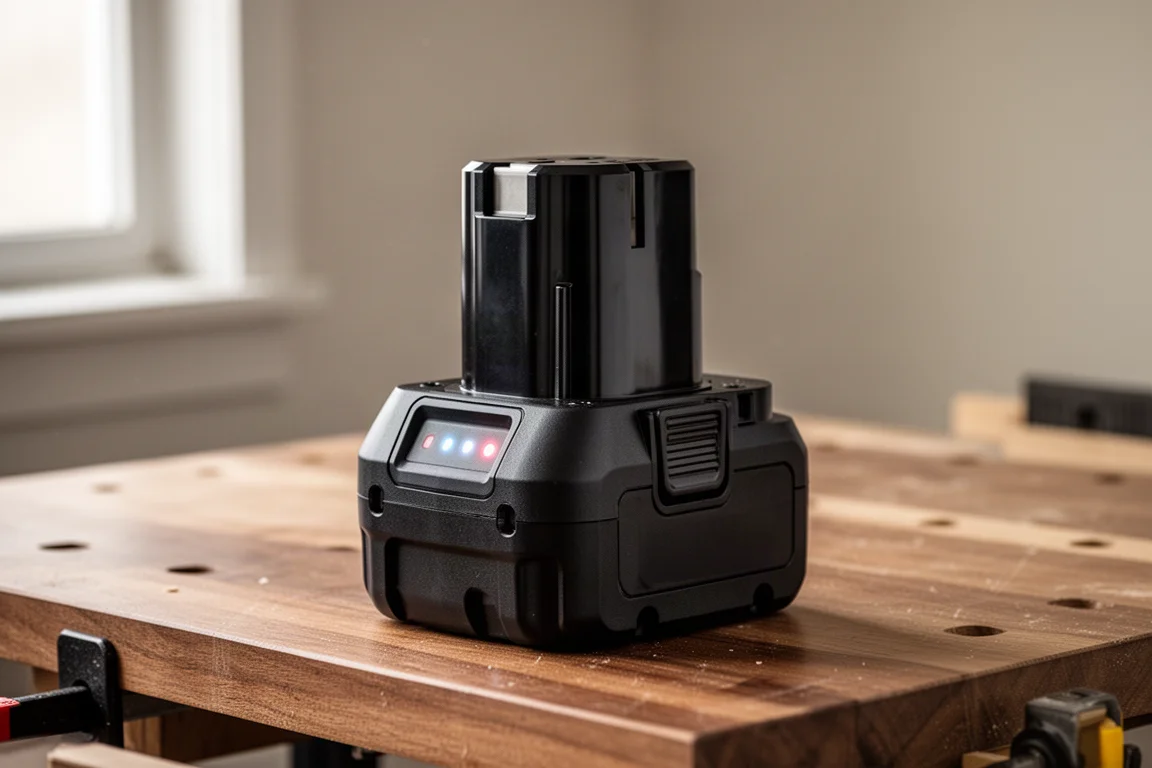
Edge vs HP: Which Should You Buy?
The HP batteries were already a clear step up from standard Ryobi lithium packs, offering better performance, longer run times, and faster charging. The Edge takes that formula further: similar power delivery to the HP, but with longer run times, faster charging, and cooler operation thanks to the tabless cells.
Price is where it gets interesting. The HP 8Ah costs $179, a meaningful saving over the $229 Edge 8Ah. At the 12Ah level, Ryobi sells the HP version at $269 bundled with a charger, while the Edge 12Ah is $269 for the battery alone. That creates a real trade-off: pay the same price for tabless technology, or get the HP pack with a charger included.
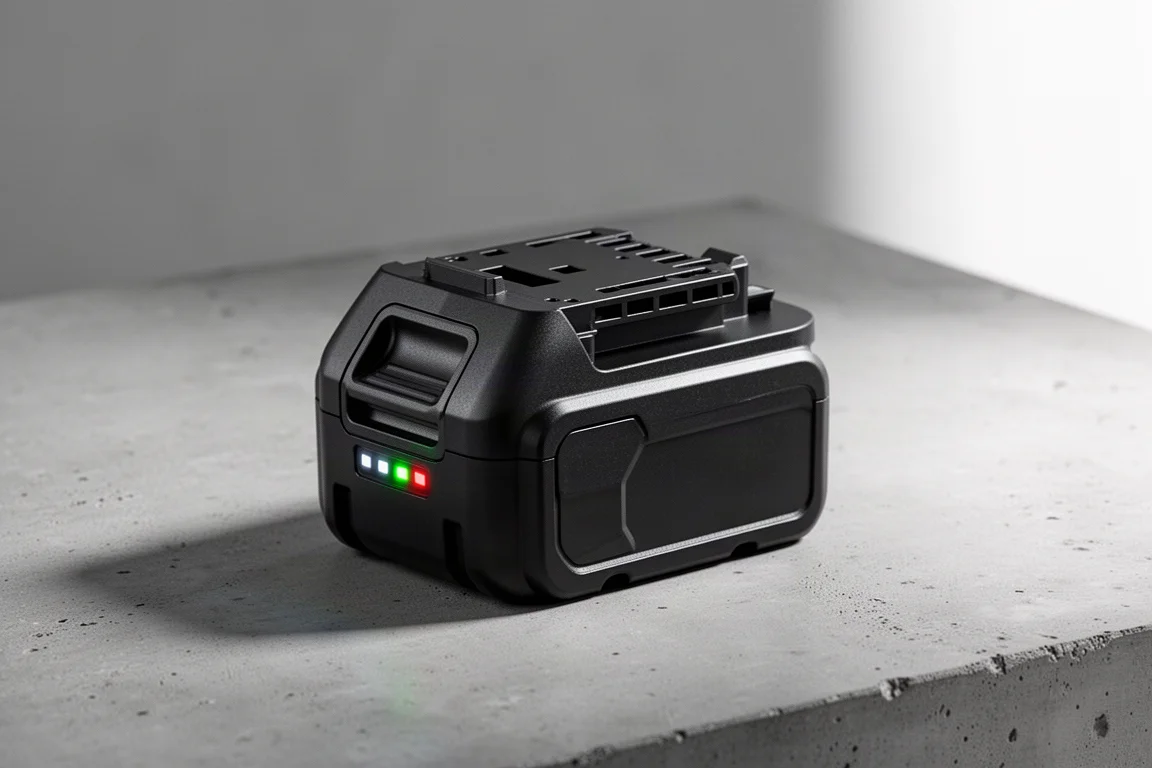
If you mostly use light-duty tools, save your money and stick with HP or standard packs. If your workload includes grinders, saws, and outdoor power equipment, the Edge advantages are much harder to ignore.
Choosing the Right Edge Battery for Your Tools
Match the battery to the workload. The 6Ah suits miter saws, vacuums, and lighting. The 8Ah is the sweet spot for grinders, blowers, and most saws. The 12Ah is for self-propelled mowers, power stations, and long sessions where charging downtime hurts the most.
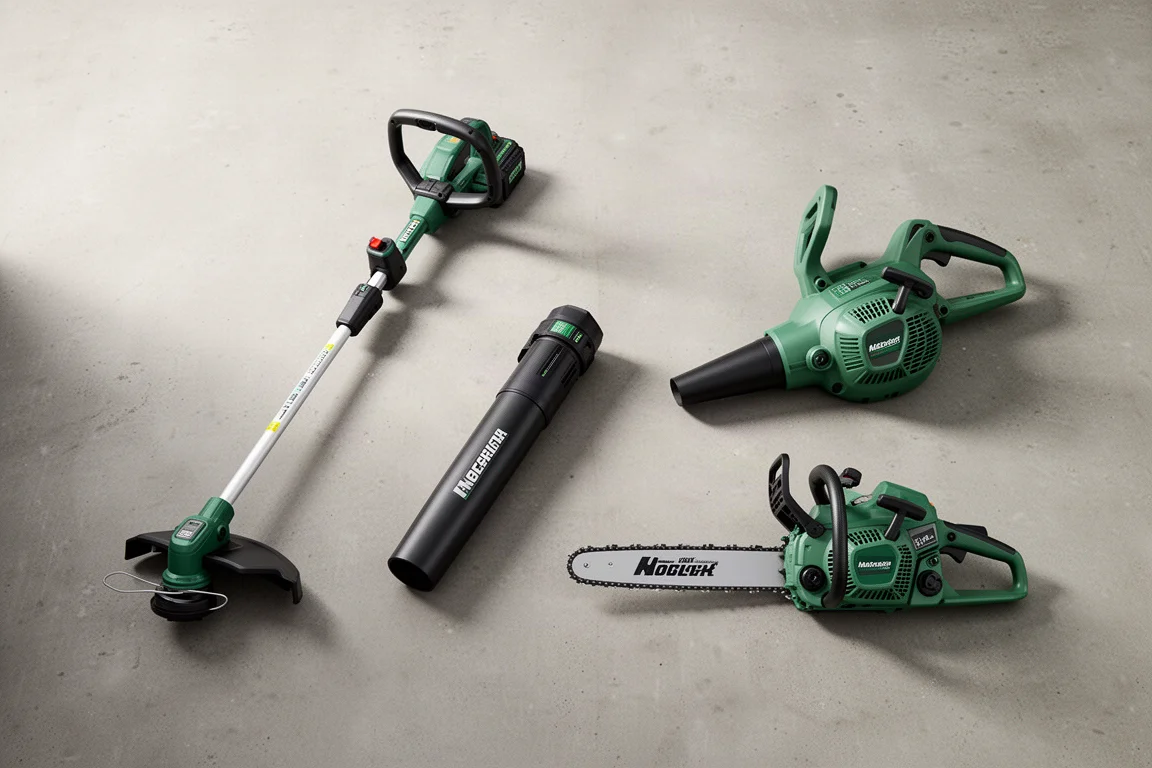
Whichever capacity you pick, the tabless architecture is the same, so you are buying into the same core benefits: more efficient energy transfer, cooler running, and faster recharge times.
Conclusion
The Ryobi 18V Lithium Edge line is a genuine step up for the 1+ system, but only if your tools can use what it offers. For high-drain work like cutting, grinding, and outdoor power equipment, the combination of two times the power, dramatically longer run times, and fast 80% charging makes the Edge the new top choice on the platform. For lighter tools, the HP line still makes more sense at its lower price.
Further reading
Related Reviews

Power Tools
Best 1-Inch Pistol Impact Wrenches: Three Heavy-Duty Options Compared
We compare three 1-inch pistol impact wrenches, from a budget-friendly Harbor Freight model to a premium Caterpillar unit, to help you choose the right one.

Power Tools
Best 3/4-Inch Impact Wrenches 2026: Five Contenders Compared
We compare five 3/4-inch impact wrenches across price and performance, from a budget Amazon option to Snap-on's most powerful model yet.

Power Tools
Best Budget Cordless Tools 2026: Walmart Finds That Punch Above Their Price
We tested five cordless tools from Walmart, including a high-torque impact wrench that trades blows with Milwaukee and a $35 duster that outperforms its price class.