Power Tools
Three New Ryobi 18V ONE+ HP Brushless Saws Worth a Look
A 10-inch sliding miter saw, an 8-1/4-inch table saw, and a cordless track saw expand the Ryobi battery platform with some serious cutting capacity.
Introduction
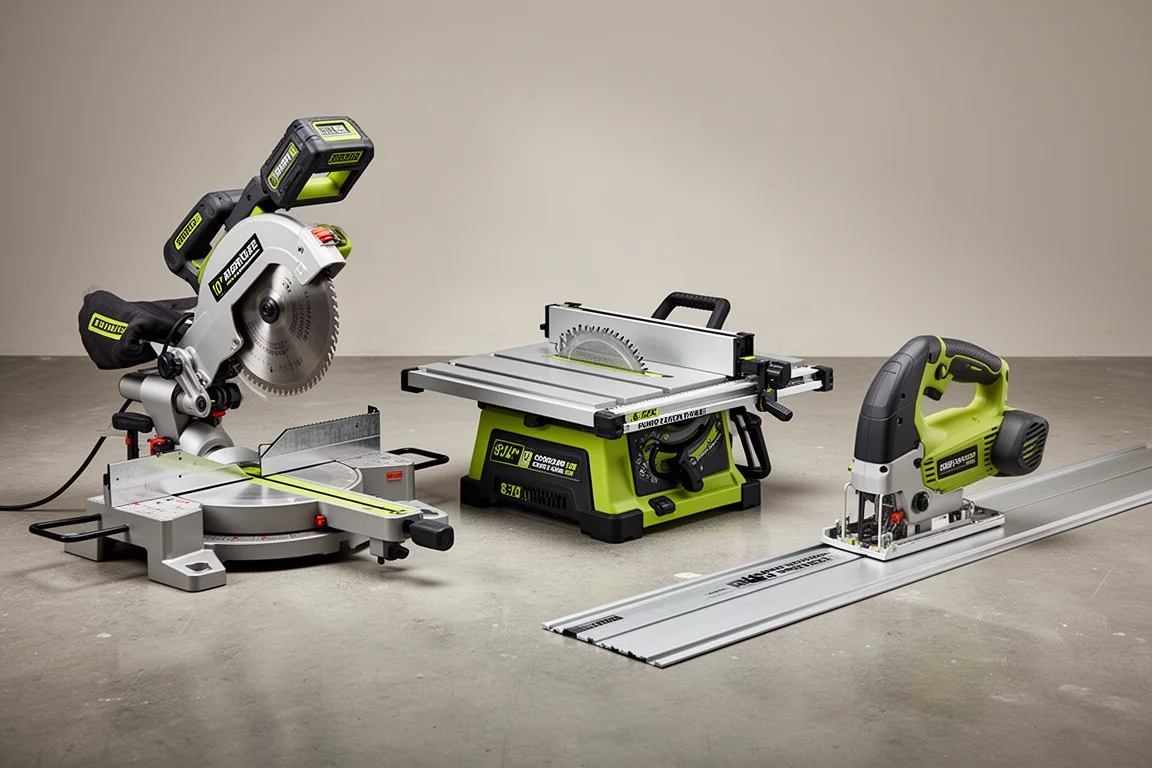
Ryobi has been on a roll lately, and the 18V ONE+ HP brushless line keeps getting deeper. Three new cordless saws give anyone already invested in the ONE+ battery platform some genuinely useful cutting capacity without dragging extension cords around the shop or job site.
Here is a quick look at each tool, what the specs actually mean for your work, and where the trade-offs sit.
Ryobi 18V ONE+ HP Brushless 10-inch Sliding Compound Miter Saw
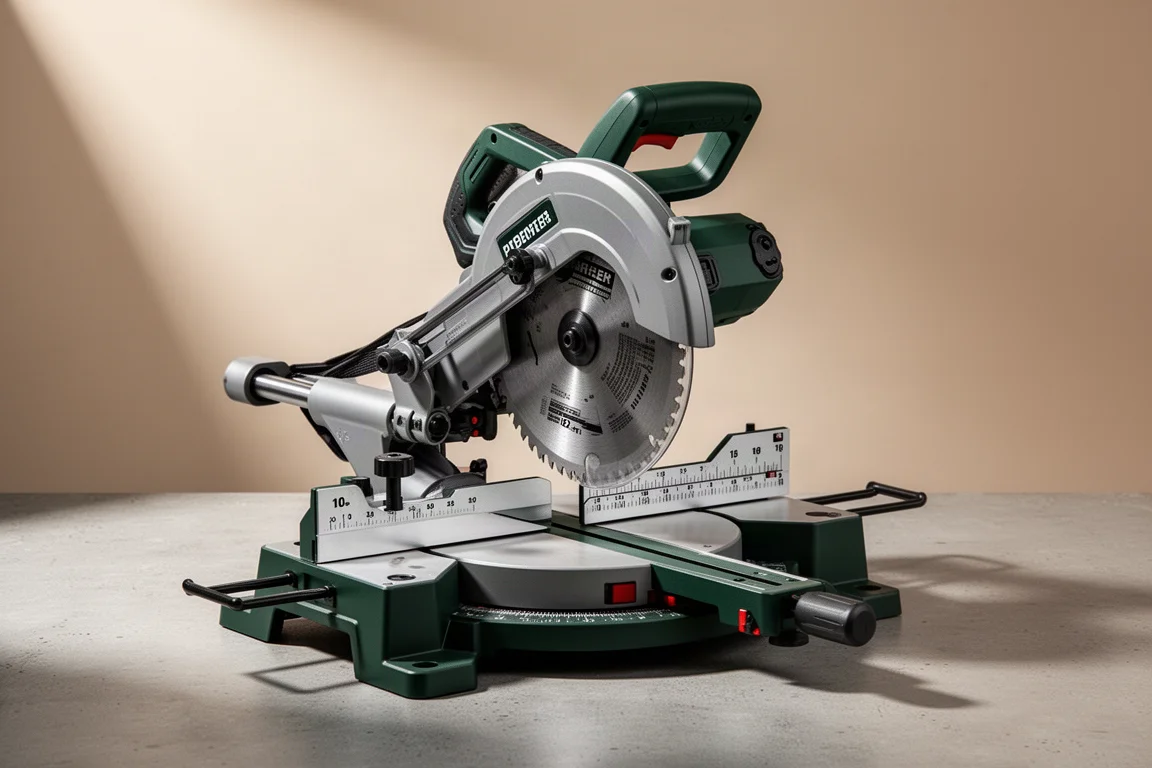
For users of other platforms, a 10-inch cordless miter saw may not raise eyebrows, but for the Ryobi faithful this is a big deal: a full-size, completely battery-powered sliding miter saw that runs on the same ONE+ batteries you already own.
The headline spec is 550 cuts per charge with a 4Ah battery, and you can always step up to a larger pack for more runtime. It spins at 4,100 rpm, handles 12-inch cross cuts, and offers a miter range of 47 degrees to the left and right with nine positive miter stops for repeatable angles. Bevel capacity is 0 to 45 degrees on a single bevel design.
Pricing is $349 for the tool only, or $399 for the kit with a 4Ah battery. If you are short on batteries, the kit makes sense for about fifty dollars more.
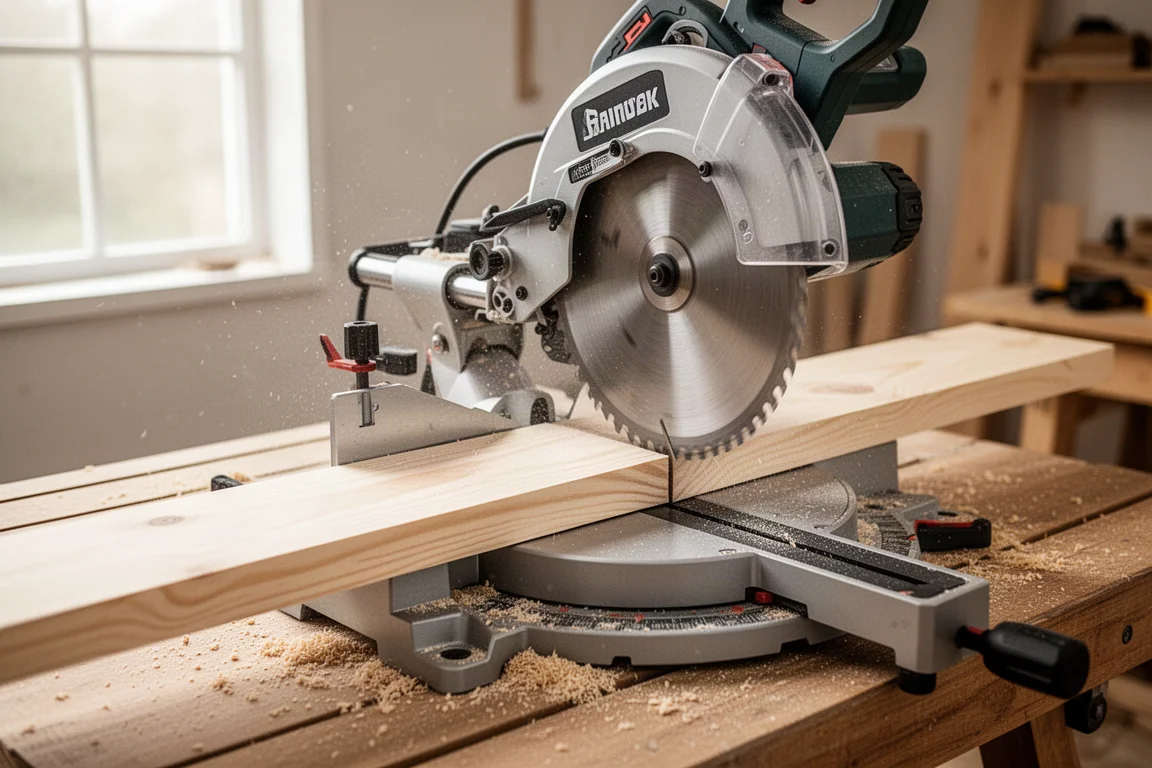
Single bevel is the compromise here, as a double bevel is unlikely from this brand, but for most trim and framing work the left-only bevel is workable.
Ryobi 18V ONE+ HP Brushless 8-1/4-inch Table Saw
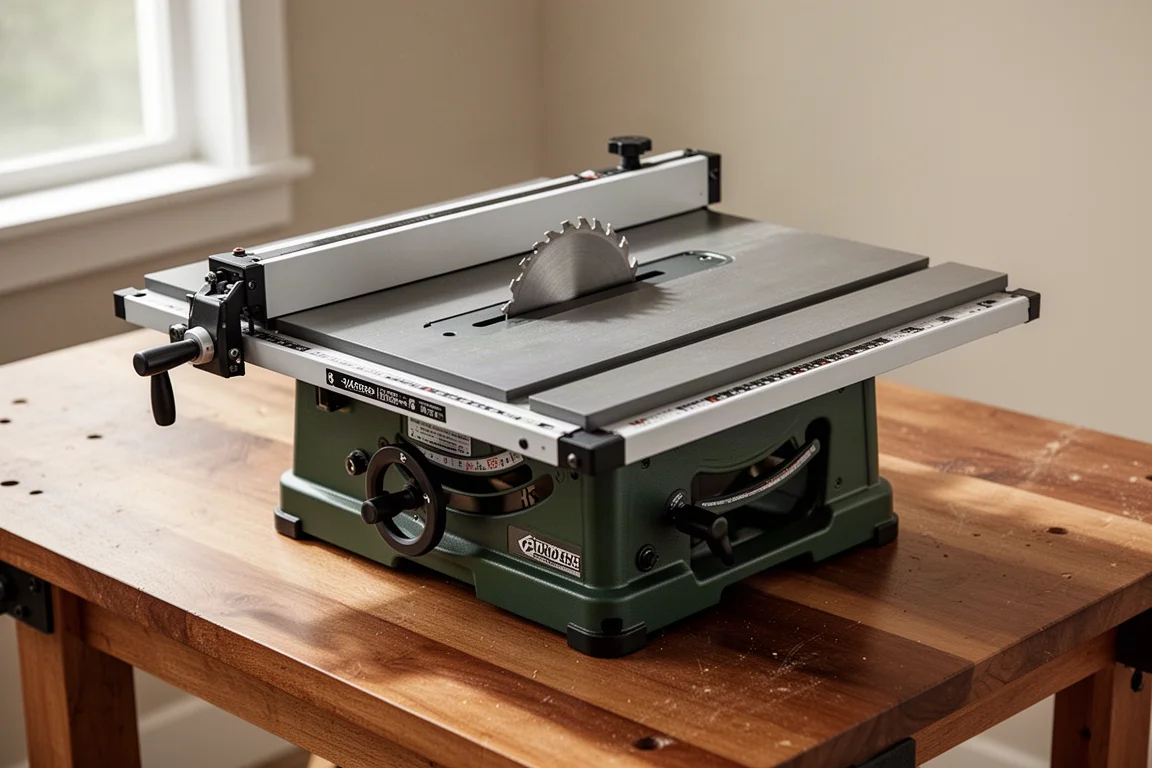
The second release is a brand-new, fully cordless 8-1/4-inch table saw. It runs on one battery, spins at 4,500 rpm, and delivers up to 240 linear feet of cutting per charge.
The kit is priced at $399 and includes two 4Ah batteries, versus $339 for the tool alone. Sixty dollars for two battery packs is hard to argue with if you plan to use this saw at all, since those batteries work across the entire ONE+ platform.
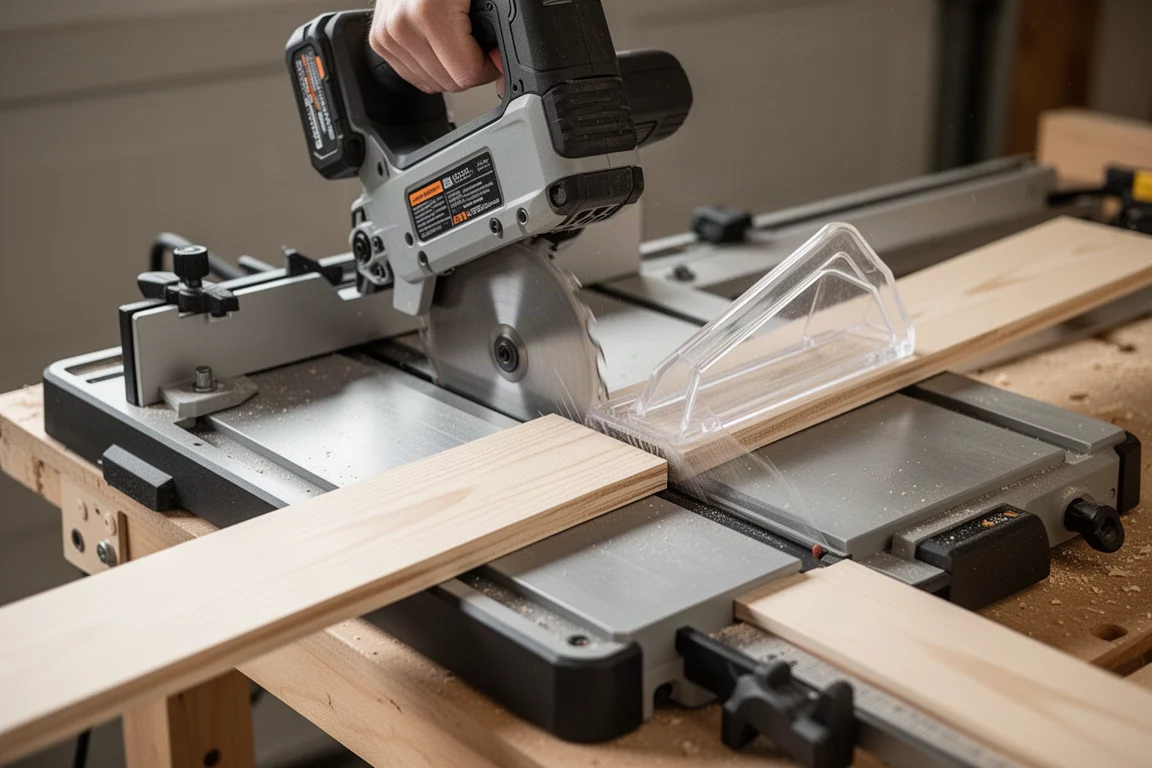
It ships with a rip fence, a claw-style hold-down, and a 24-tooth blade. The included blade will get you started, though upgrading to a finer-cut blade would noticeably improve cut quality. One trade-off to note: the rip fence adjusts manually rather than using a rack-and-pinion system, which is a reasonable compromise at this price point.
Ryobi 18V ONE+ HP Brushless 6-1/2-inch Track Saw
The most surprising announcement of the three is a cordless track saw, a tool many woodworkers have been waiting for on competing premium platforms that have not delivered one. Ryobi stepped in first, and that alone makes this release notable.
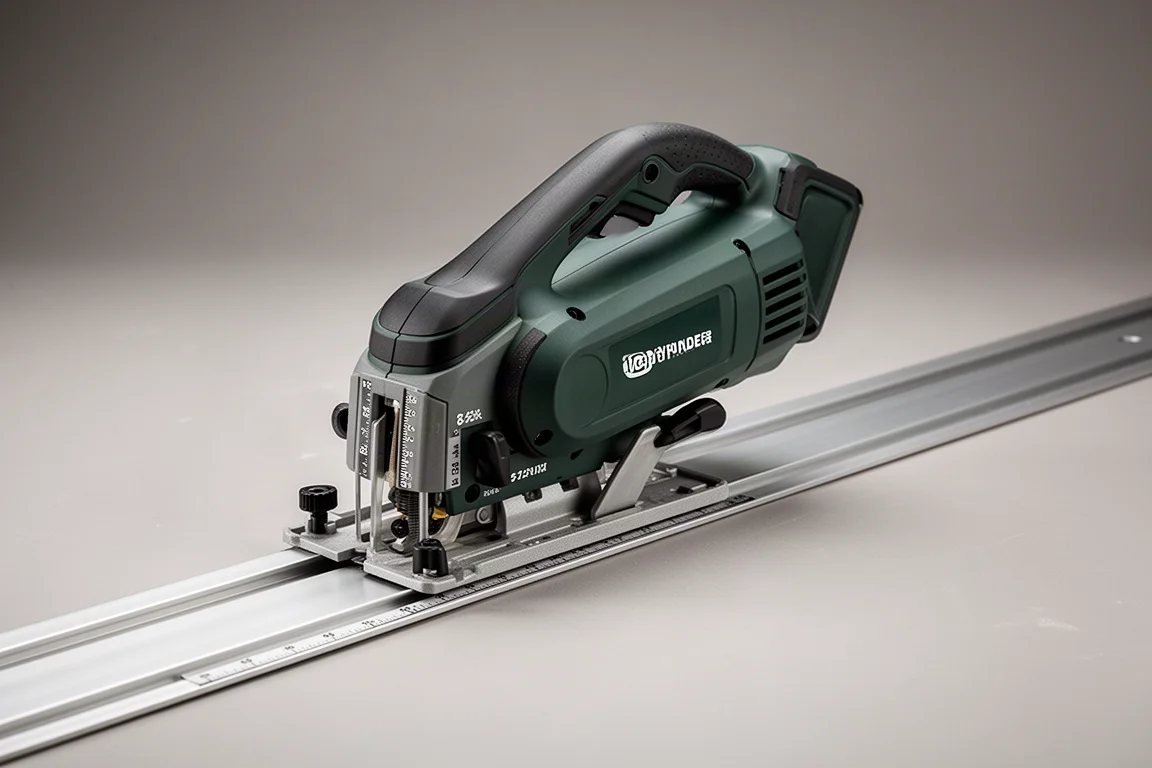
The 6-1/2-inch track saw runs on the HP brushless platform, which is the brand’s strongest line. Depth of cut reaches 1-15/16 inches at 90 degrees with the track, bevel capacity spans from minus 1 degree to 48 degrees, and it runs at up to 4,300 rpm for controlled, accurate cuts. Plunge cuts are supported, with a clear depth scale for setting cut depth.
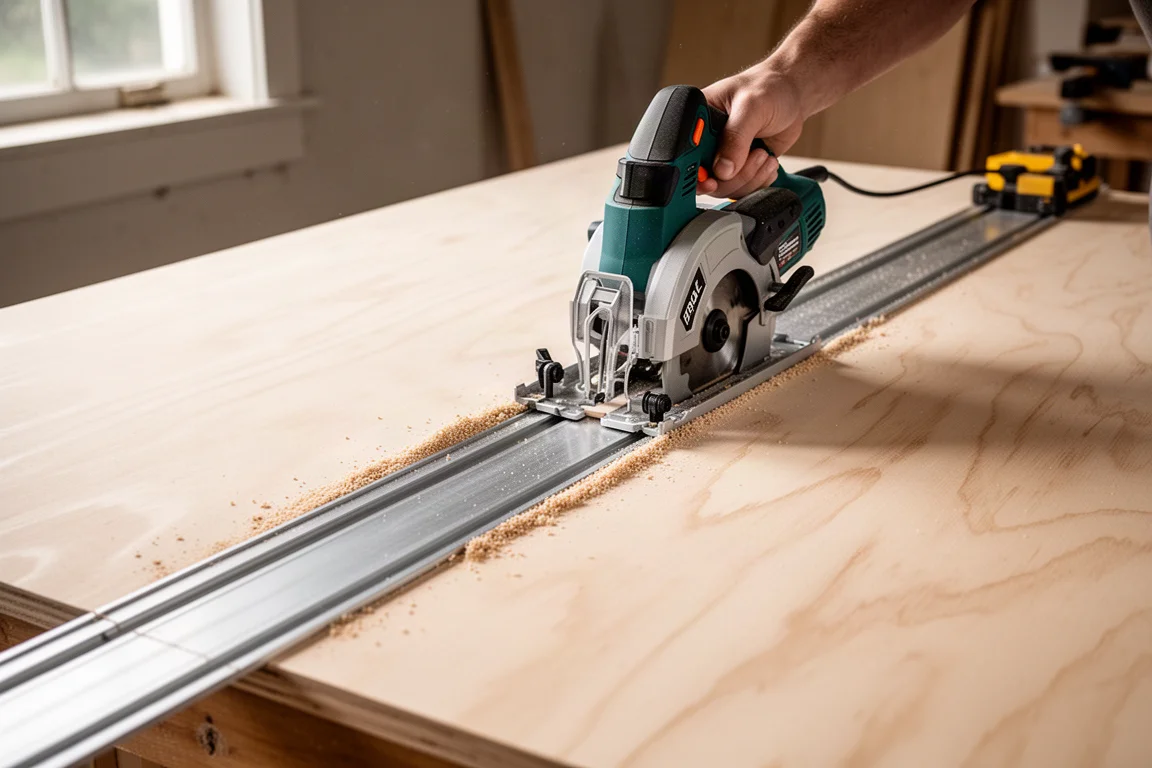
Pricing matches the pattern: $329 for the tool only, $399 for the kit with a 4Ah high-performance battery. For cabinet work, breaking down sheet goods, or any long straight cuts, a track saw on the ONE+ battery system is a compelling addition.
Which One Should You Buy?
If you are already in the Ryobi ONE+ platform, the track saw is the standout pick simply because it fills a gap nobody expected to see filled at this tier. The miter saw is the choice for trim carpenters and anyone doing framing or molding work, while the table saw suits small shops where space and cord routing matter.
If you are not on the platform yet, starting with a kit that includes a battery is the sensible move, since ONE+ batteries work across all of these tools. The kits at $399 across the lineup consistently deliver better value than buying the tool alone.
Conclusion
Three capable brushless saws in one battery platform, all priced in the low-to-mid $300s with well-structured kit options, make this a strong moment for Ryobi users. The track saw is the headline act, but the miter saw’s 550 cuts per charge and the table saw’s two-battery kit make all three worth serious consideration depending on your workflow.
Further reading
Related Reviews
Power Tools
Best 1-Inch Pistol Impact Wrenches: Three Heavy-Duty Options Compared
We compare three 1-inch pistol impact wrenches, from a budget-friendly Harbor Freight model to a premium Caterpillar unit, to help you choose the right one.
Power Tools
Best 3/4-Inch Impact Wrenches 2026: Five Contenders Compared
We compare five 3/4-inch impact wrenches across price and performance, from a budget Amazon option to Snap-on's most powerful model yet.
Power Tools
Best Budget Cordless Tools 2026: Walmart Finds That Punch Above Their Price
We tested five cordless tools from Walmart, including a high-torque impact wrench that trades blows with Milwaukee and a $35 duster that outperforms its price class.