Running Gear
Race-Tested Running Gear: Shoes, Watches, Audio and Carry Kit From a Twisty Half Marathon
Nine products put through a real half marathon with tight corners, crowded start waves and a progression-pace finish.
Introduction
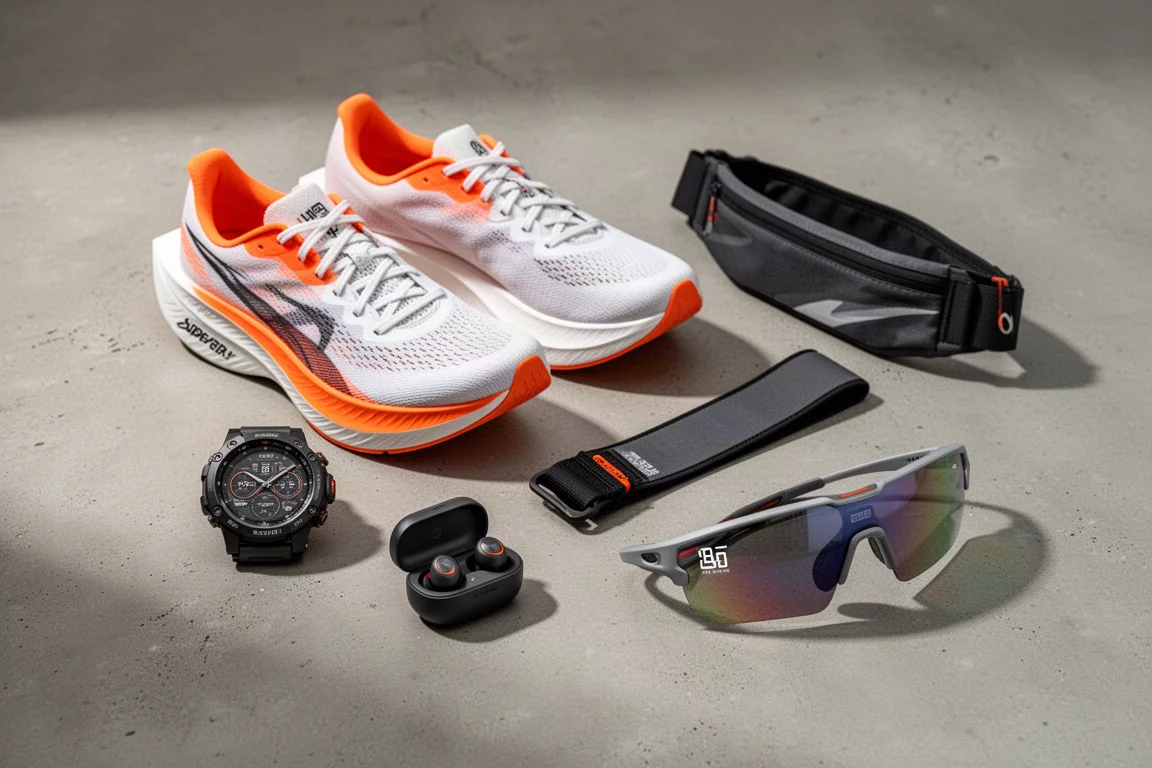
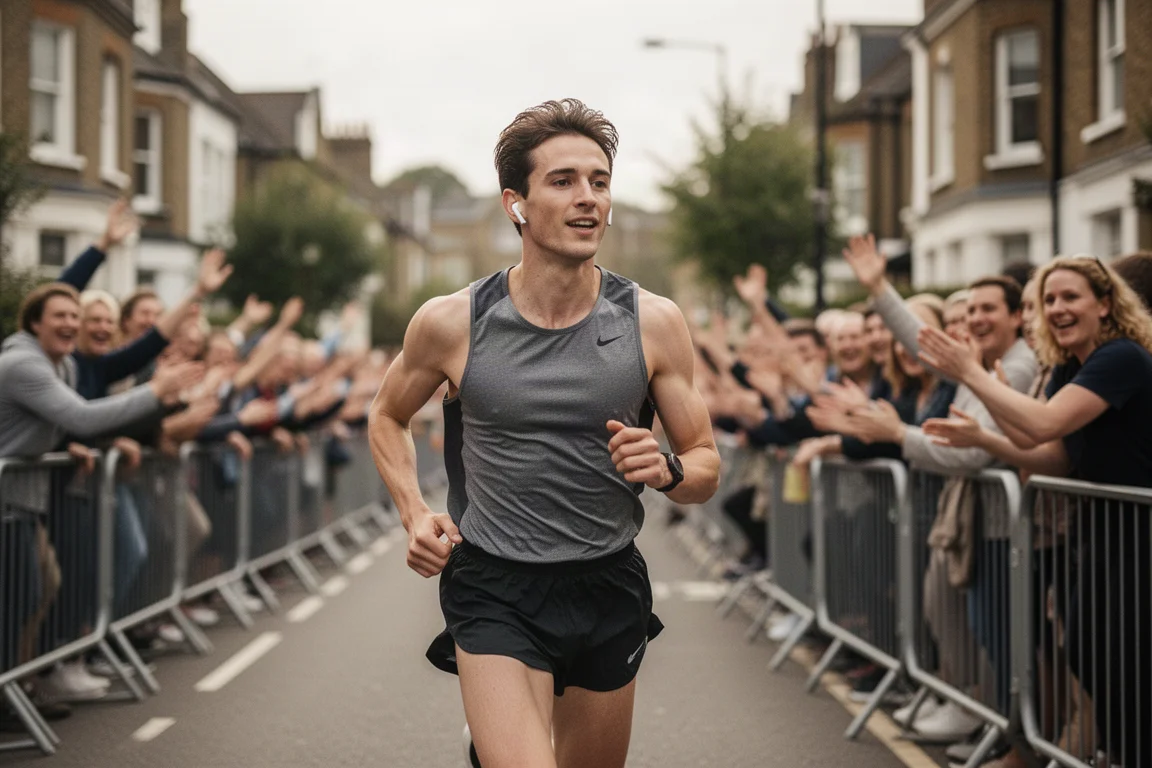
Testing gear in a race is different from testing it on easy runs. A twisty, turny city half marathon with packed start waves and a progression-pace second half pushes shoes, watches, audio and carry kit in ways a training loop never does. That is exactly what happened at a new city half marathon event, where a large turnout of runners, a lively event village and a course full of corners made an ideal live test. Here is how nine products held up.
Saucony Endorphin Elite 3
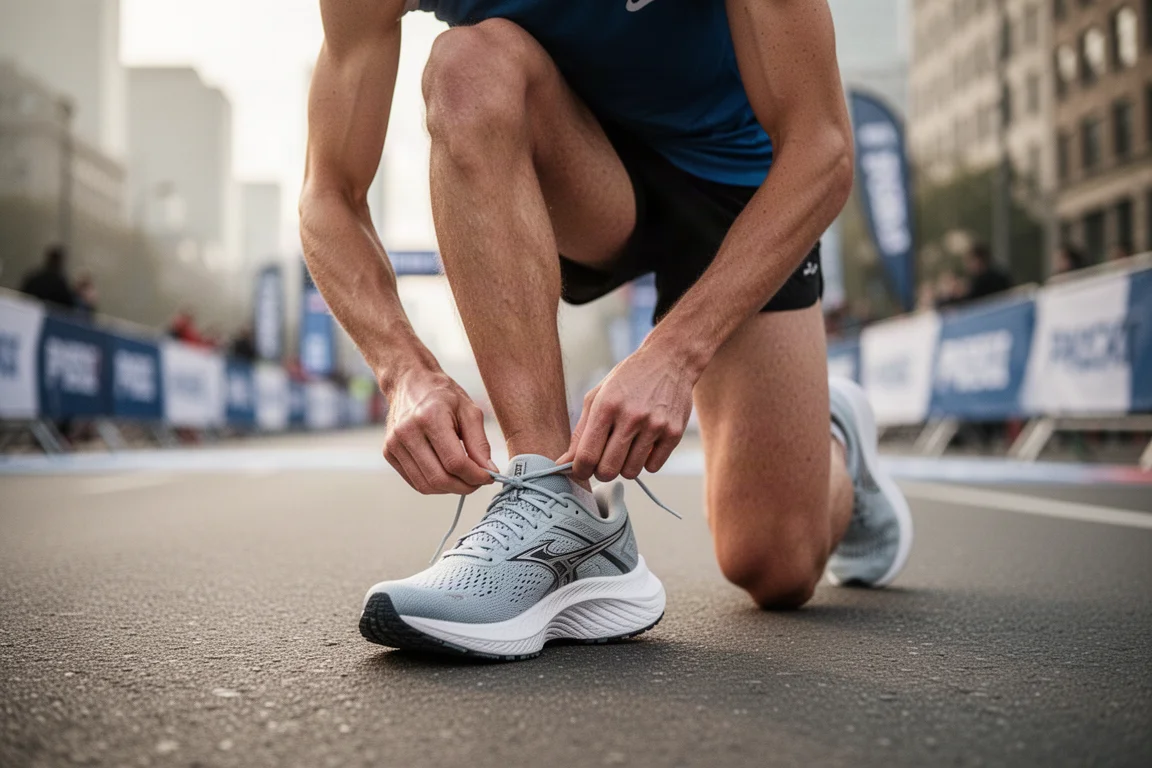
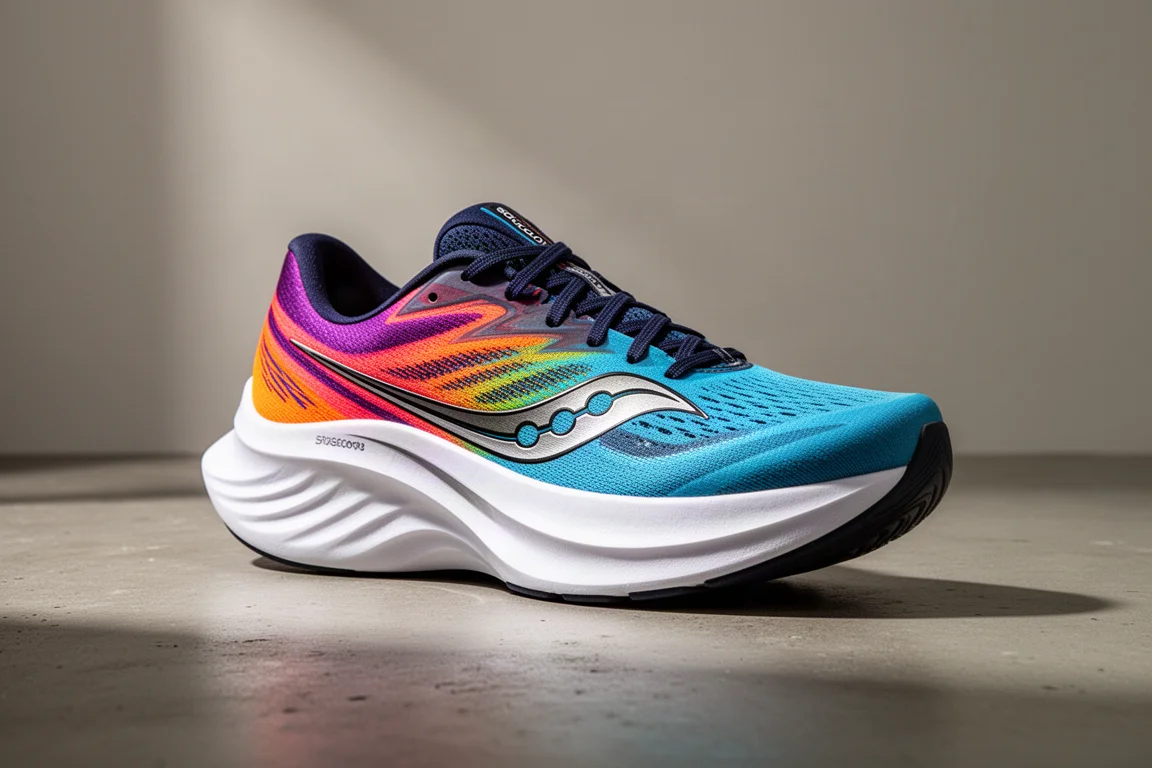
The Endorphin Elite 3 was the pick for a progression-style race: easy to steady for the first 10K, then building to race pace over the closing miles. The shoe felt soft and comfortable the whole way, preserved the legs early on, and still had a genuine top-end when it mattered, closing with roughly a 16-minute 5K pace at the finish. It also doubled as an everyday shoe on the slow jog to and from the start, staying bouncy and easy over long stretches of relaxed running.
The one caveat showed up on the course itself. With many turns taken at full race pace in the final miles, cornering felt a little dicey, and finding an extra gear at that point was harder than expected. On a straighter course, that would matter far less.
Saucony Endorphin Elite 2
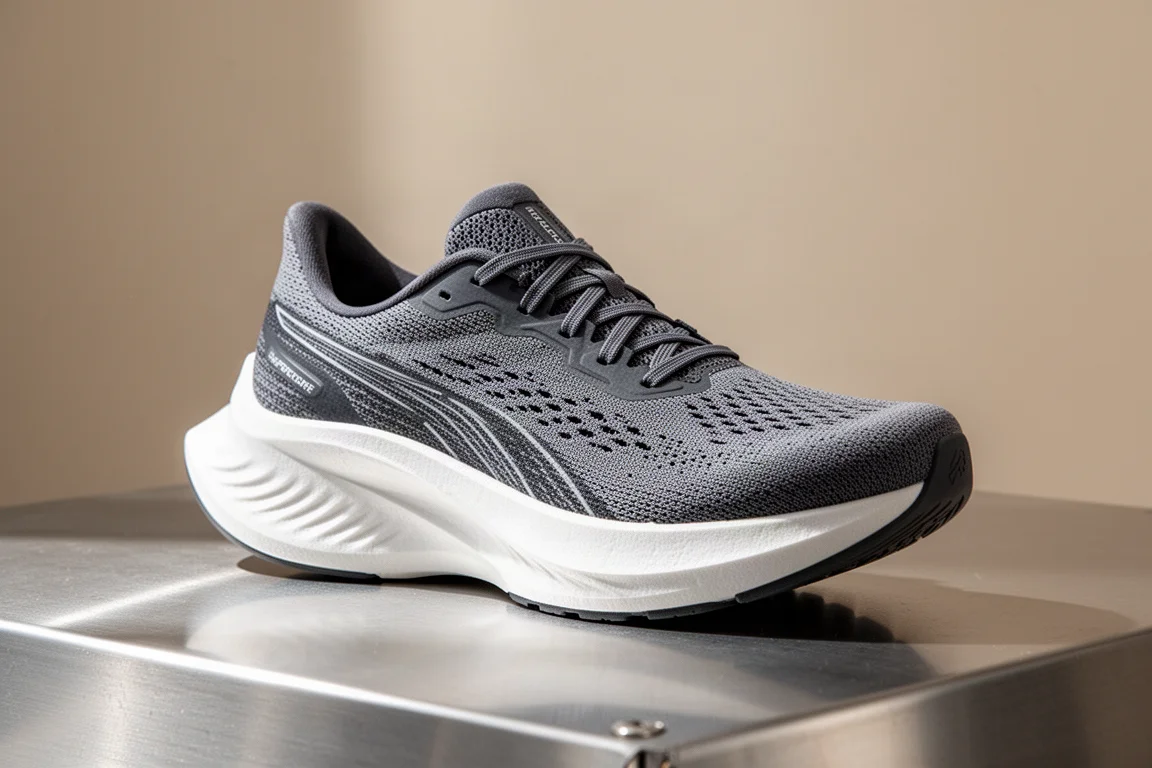
The Elite 2 got its first proper race test on the same course. A couple of easy runs beforehand set the baseline, and on the day the shoe felt notably more stable and more accessible across different paces than the previous version. When the pace dropped between the many twists and turns, it felt like coasting rather than working.
It is still a slightly heavy shoe by current super shoe standards, but as an all-round race-day option that does not punish you at easier paces, it came across well. Like the Elite 3, it was comfortable enough for long warm-up miles too.
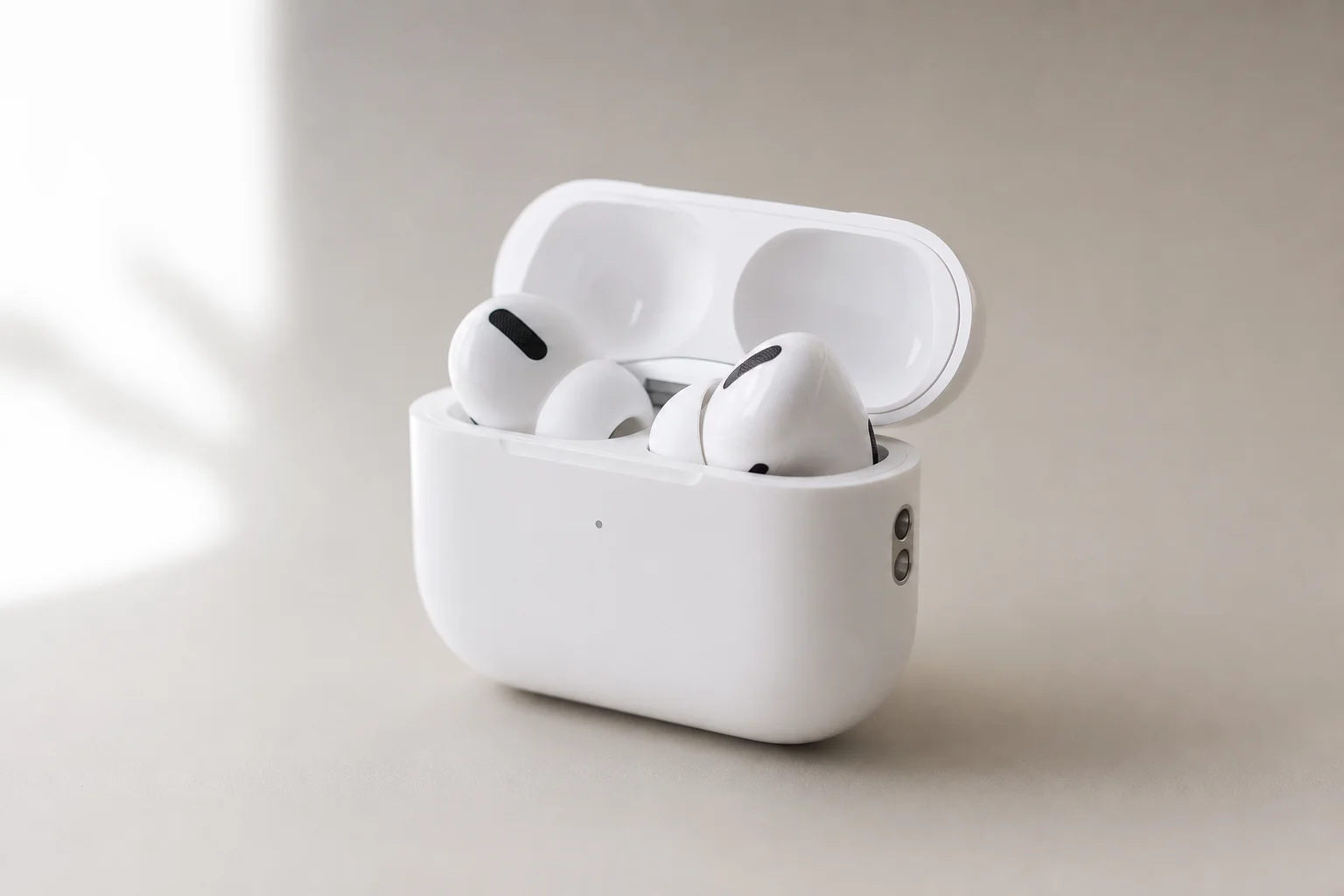
AirPods Pro 3
The AirPods Pro 3 proved surprisingly race-ready. Sound is loud and clearly a step up from the previous generation, and with transparency mode on, a podcast stayed fully audible over the crowd noise in the first half. Even with music at full volume later in the race, the buds stayed put, and a headband helped keep them secure.
The fit is the main variable: one tester finds standard in-ear headphones fall out while these stay in, which is the opposite of most people. If the fit works for you, the awareness level sits in a useful middle ground, between fully open headphones and sealed in-ears. Active noise cancellation is genuinely effective on trains and planes, the case is small and now offers some water resistance, and the value has improved notably.
Cybersight Zenith Pro HUD
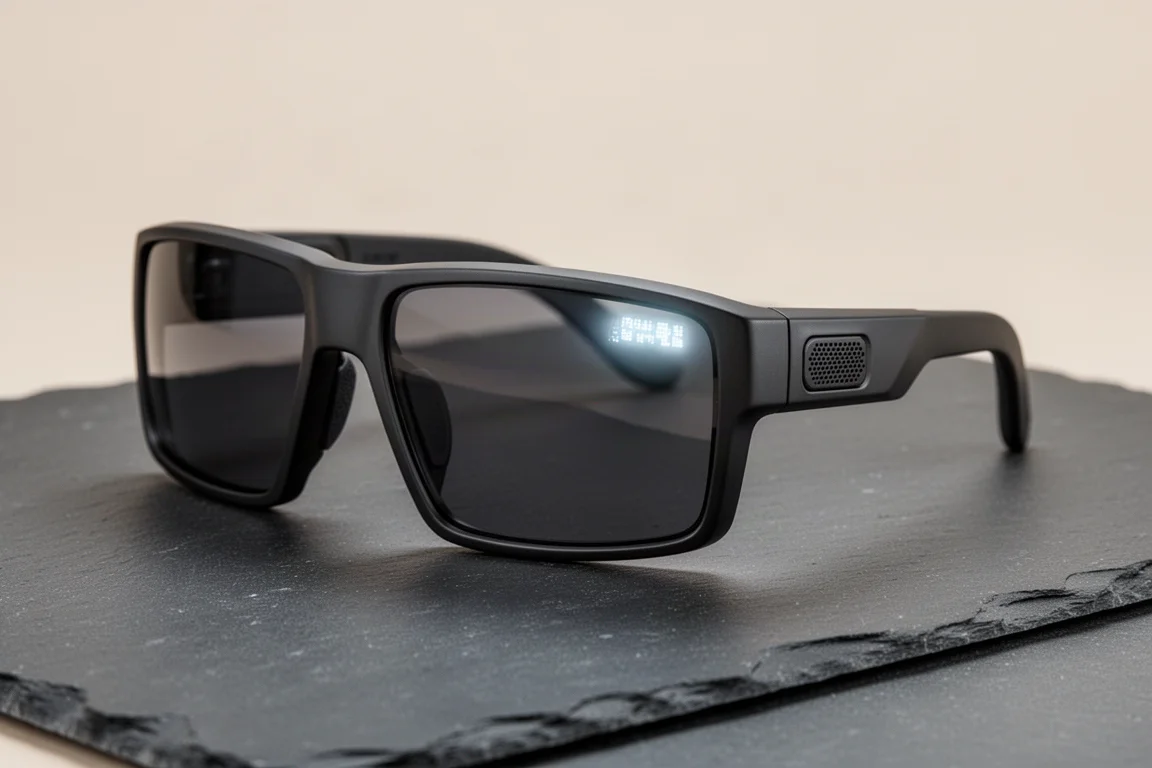
The Cybersight Zenith Pro takes real-time metrics from another device, such as an Apple Watch, a Garmin watch, heart rate sensors, the company’s own app, or Strava and Garmin Connect, and projects them onto a built-in display in the glasses. There is no camera and no recording. The display itself is the highlight: sharp, bright, with adjustable brightness from the glasses and drag-and-drop customisation of data fields in the app.
The race experience was more mixed. A default single-line layout was hard to absorb while running, where constant head movement makes on-screen data harder to read than in cycling or hiking. Pairing also failed with both an Apple Watch Ultra 4 and a Garmin Fenix 9 Pro, so the run was tracked through the glasses’ own app instead. Battery life came in below the claimed 8 hours, with just over 30 percent left after about an hour and a half of running with display and audio active, well short of a competitor’s claimed 24 hours. The potential is real, especially for importing routes and following navigation, but the metrics display needs more layout tuning before it earns a place on race day.
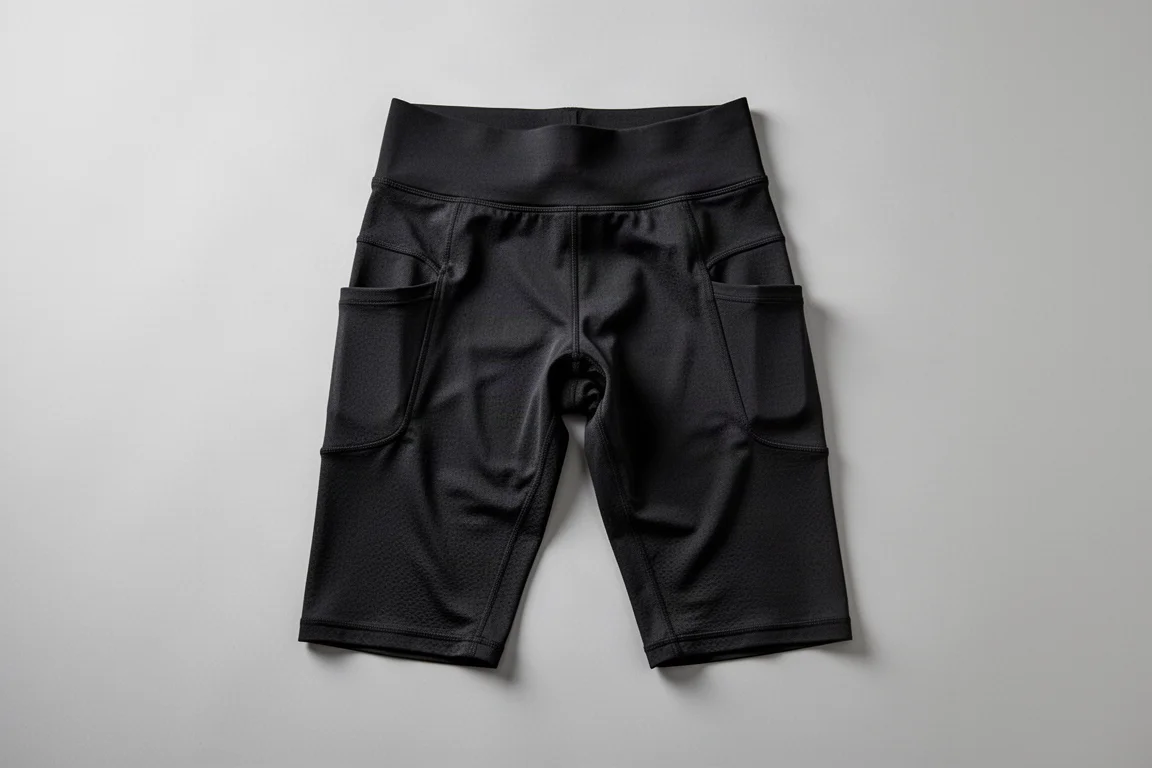
Kiprun Trail Run 900 Ultra Half Tights
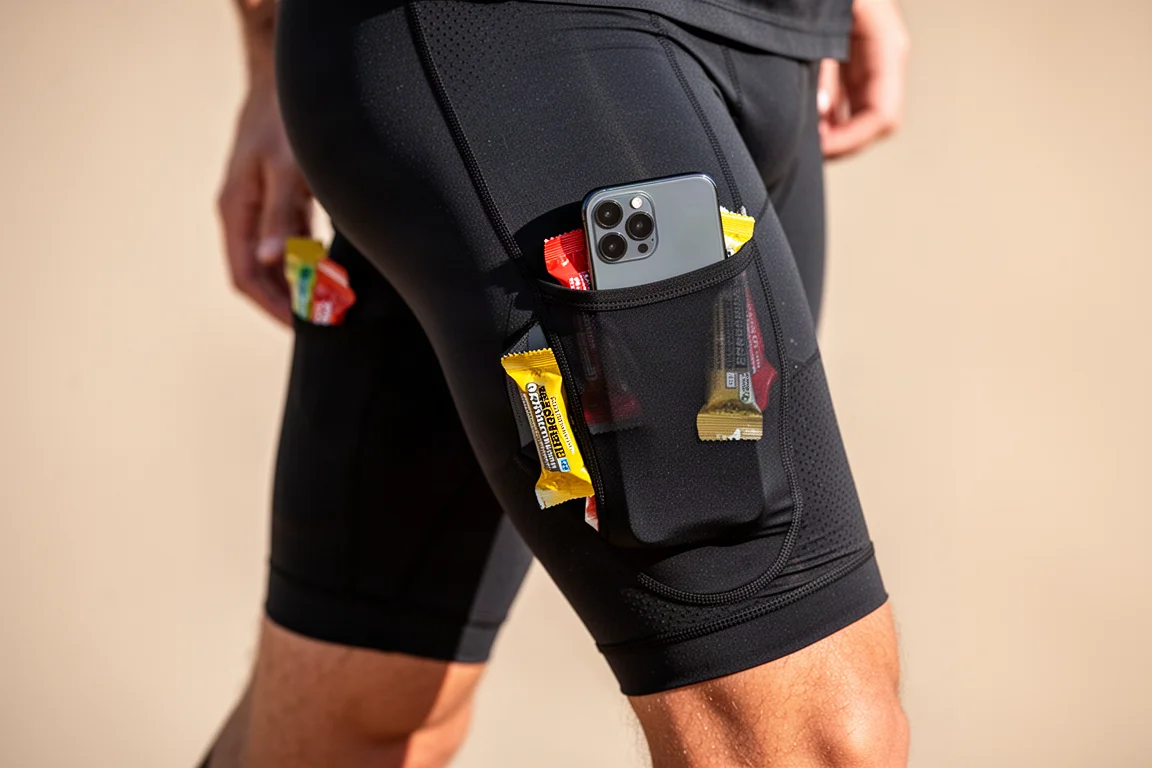
These half tights use a reactive fabric technology that is designed to become more rigid at the moment of footstrike, adding a subtle boost on top of normal compression benefits. They also carry serious storage around the midriff: enough room for multiple gels and a couple of soft flasks, plus a phone and headphone case in this race configuration.
At around £40, they are the standout value here. Comparable shorts from major running brands with similar fabric technology cost well over £200, making these an accessible entry point. They were comfortable, supportive, and stayed in place across a full race plus warm-up and cooldown miles.
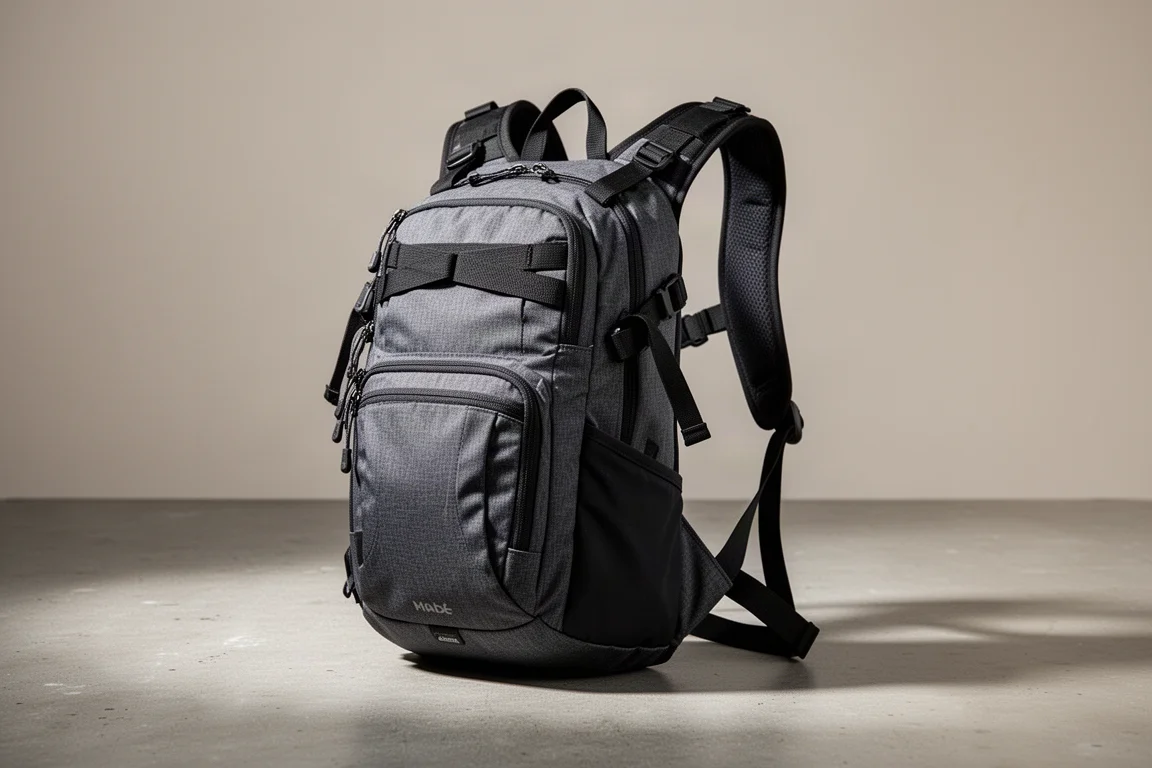
Zip FKC Backpack
Zip is a small US company focused on run-commuting packs, and the FKC is the smaller model in the lineup, approaching trail-pack size with a commuter’s storage layout. The design is the point: pockets and adjustment straps positioned wherever you would naturally reach, so a non-bouncing fit is always one tweak away. It sits firmly in place even loaded with water bottles, a change of clothes and assorted extras.
A small laptop fits, though commuters carrying larger machines should look at the larger Zip model. The company also makes quick-drying, packable towels that suit office showers. At $165, it is a considered purchase, but for regular run commuters who do not need a full change of clothes at work, it fits the brief well.
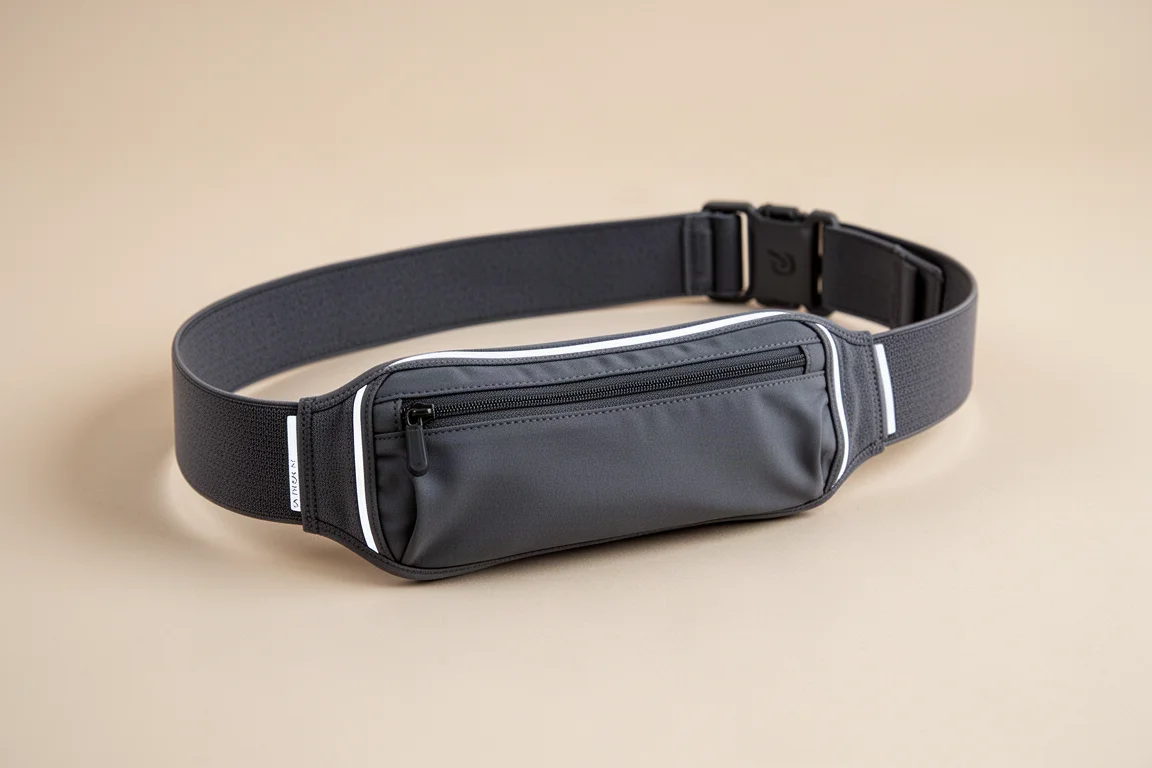
XEO Running Belt
The XEO running belt has been heavily advertised, and after several weeks of testing across long and short runs, it largely lives up to the pitch: phone, gels, headphone case, keys and a soft flask without noticeable bounce. It is comfortable enough to become the chosen belt for a goal half marathon.
The one lesson came on race day. Item placement matters more than expected. With the soft flask at the back and the phone up front, the flask sagged and was awkward to reach. Swapping the two, phone zipped at the back and flask up front, solved it. Pack deliberately and this belt is easy to recommend.
Watch GPS and Heart Rate Notes
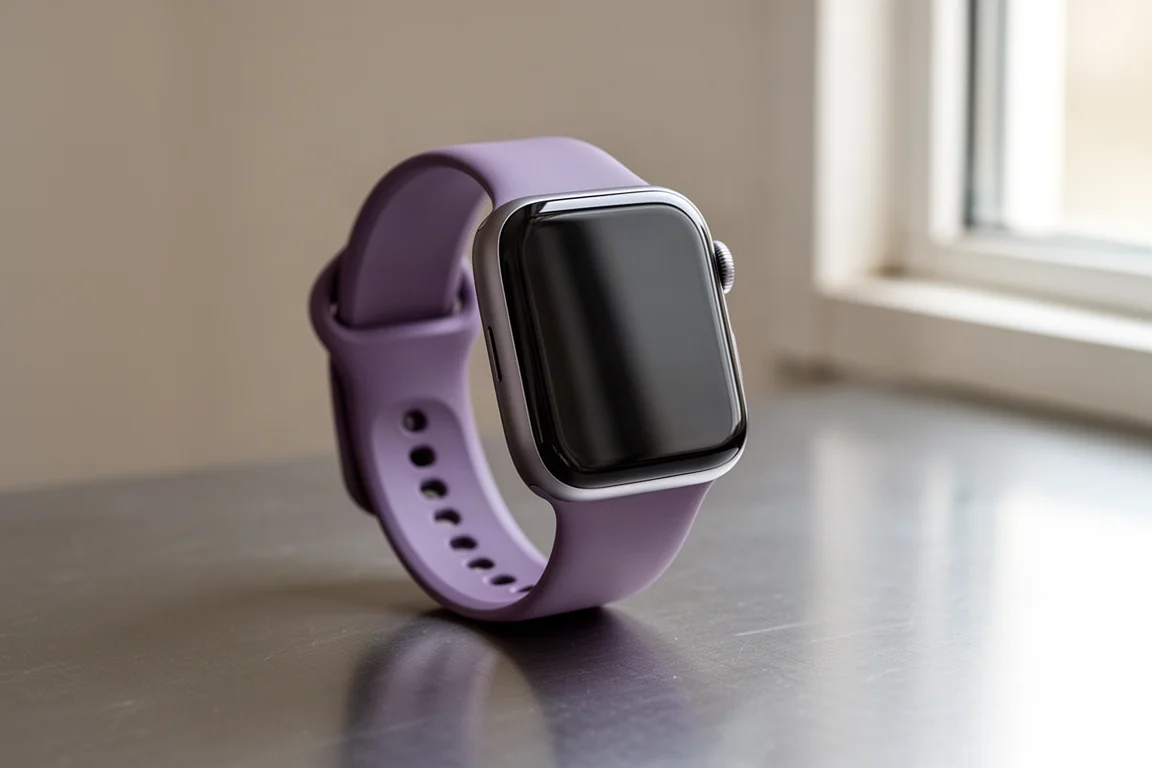
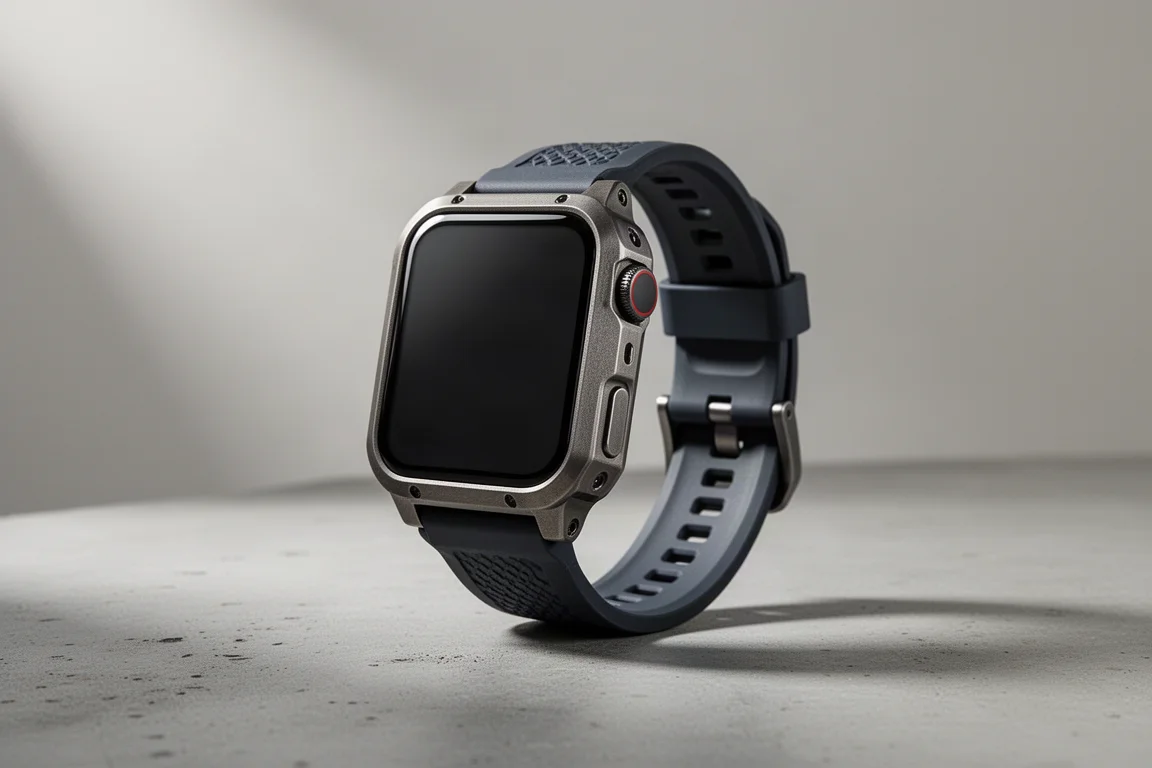
Two Apple watches were tested against each other and against a chest strap reference on a genuinely difficult course for GPS: tight corners, pavement detours and a crowded start from a back wave meant extra distance and messy lines for everyone. Both watches agreed closely on total distance, beeping mile markers slightly early but consistently, with no big pacing jumps.
The GPS tracks told the expected story. The multiband-equipped watch hugged the reference track closely, while the non-multiband Series 12 cut slightly wider corners and drifted onto pavements at times. Even so, its track was respectable for the conditions, and both watches delivered almost identical distances despite the track differences. Battery drain in the most accurate GPS modes was noticeable but in line with expectations.
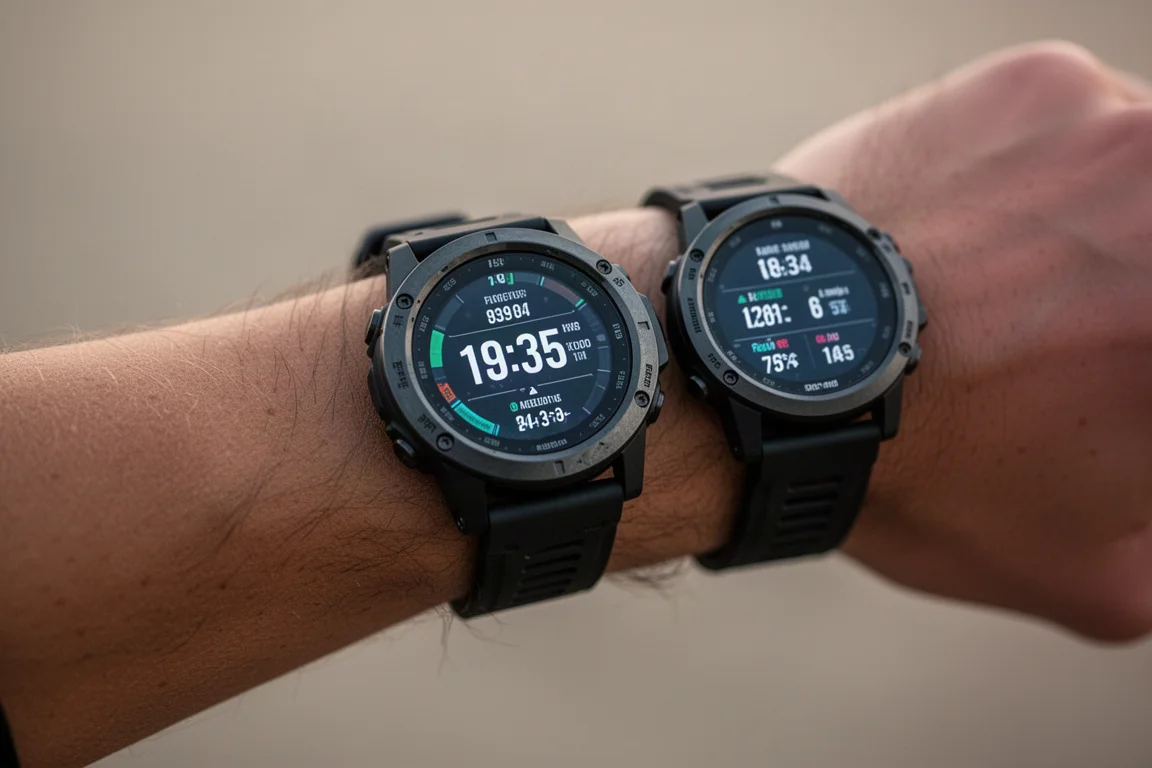
Heart rate was where the two watches diverged. The Series 12 jumped briefly at the start, then locked on and tracked the chest strap closely for the rest of the race. The larger watch took considerably longer to produce a confident reading, greying out for the opening minutes and skewing averages as a result, and it also read slightly lower maximum heart rate values than the chest strap during the hardest efforts. The smaller, snugger fit on a thin wrist appears to be the deciding factor; the sensor itself is the same across both. For runners with larger wrists, the bigger watch may well read just as reliably, but on this evidence the smaller model is the safer pick for optical heart rate.
Buying Advice
Match the gear to the course. On twisty city routes, stability across paces matters as much as raw speed, which is where the Elite 2 earns its place, while the Elite 3 rewards straighter, faster finishes. For audio, confirm earbud fit before racing and pick the awareness level you actually need. For carry kit, practice packing placement in training, not on race morning. And if optical heart rate on a large watch has let you down before, a smaller case or a chest strap remains the reliable answer.
Conclusion
Nearly everything impressed across a demanding race test. The shoes delivered comfort and speed in different ways, the carry kit solved real storage problems, the audio punched above expectations, and the watches showed both the strength of multiband GPS and the limits of wrist-based heart rate. The HUD glasses remain the most promising but least finished product here, worth watching as the software matures. For anyone building a race-day setup, each of these has earned a closer look.
Further reading
Related Reviews
Running Gear
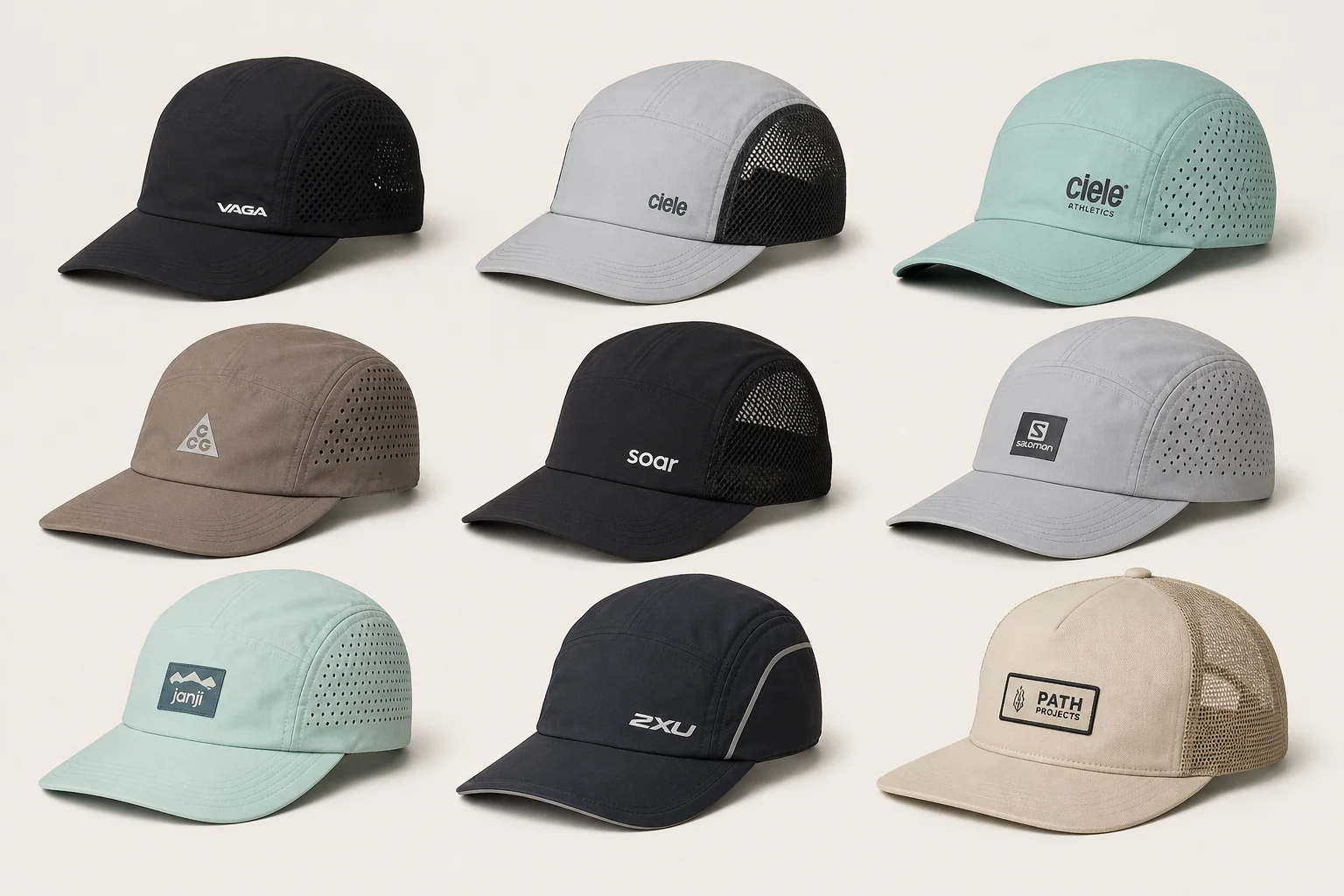
Best Running Caps 2026: Nine Tested Options for Summer and Winter
A comprehensive guide to nine running caps tested across different conditions, from lightweight summer options to waterproof winter choices.
Running Gear
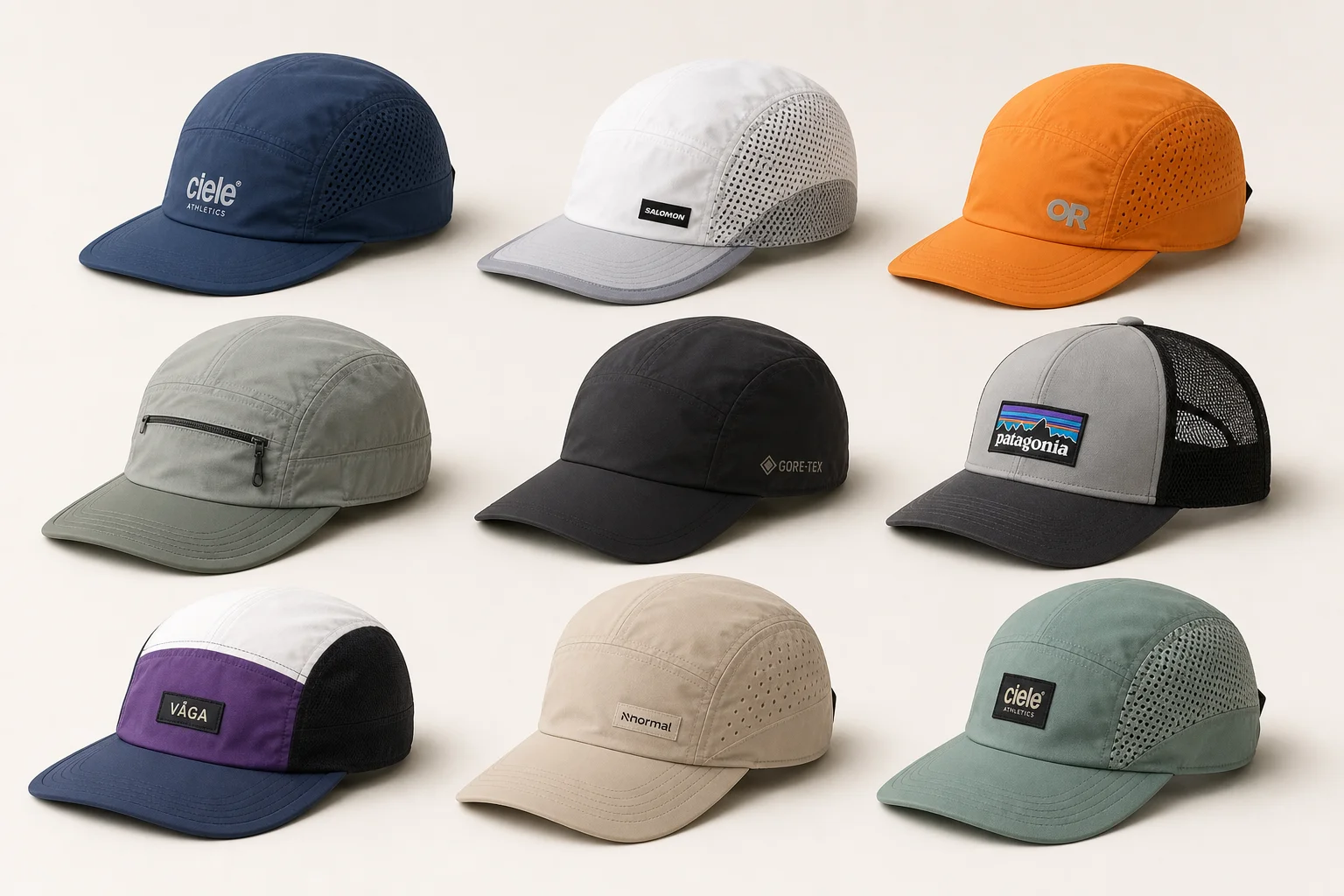
Best Running Caps: A Guide to Summer and Winter Options
A comprehensive review of nine running caps for different conditions, styles, and preferences, from lightweight summer options to waterproof winter choices.
Running Gear
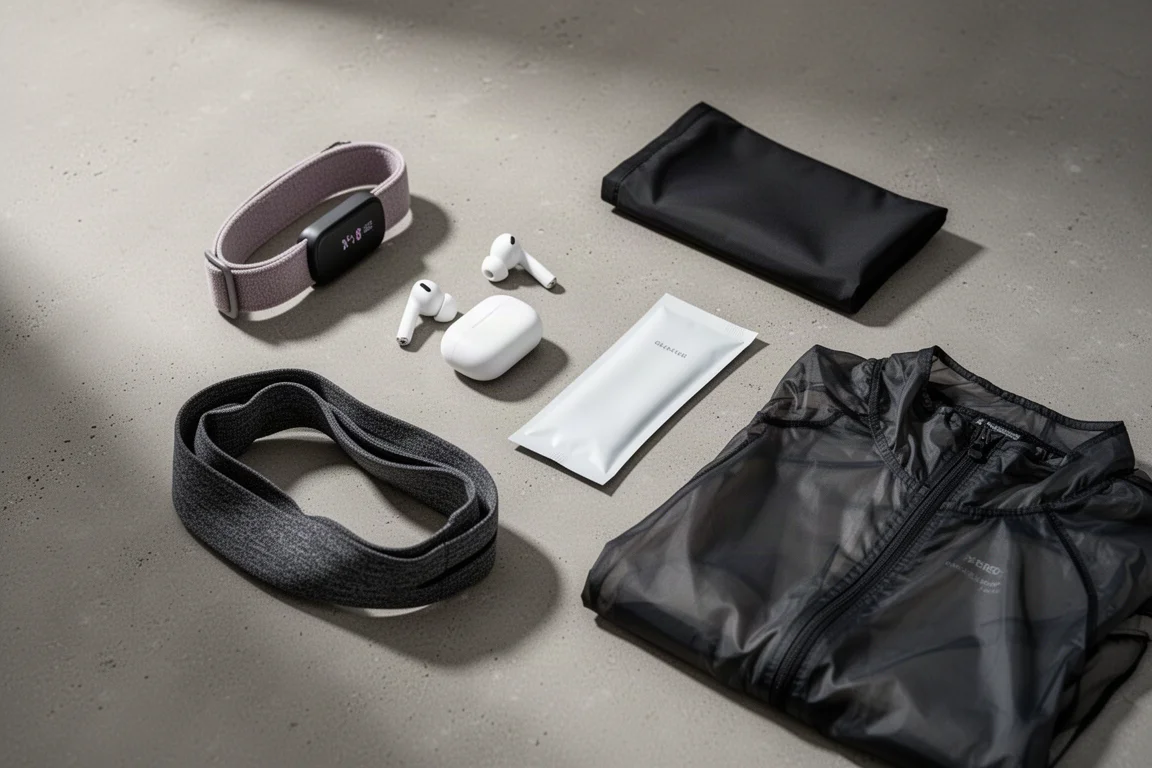
Best Running Gear 2026: Five Picks That Earn Their Place
Five running upgrades covering heart rate, audio, fuelling, carrying and weather protection, with the trade-offs worth knowing before you buy.