Running Gear
Starting Running: The Shoes, Watches and Kit Worth Buying First
A practical beginner running guide covering nine daily trainers and GPS watches at three price points, plus clothing, goals, training and mindset advice.
Introduction
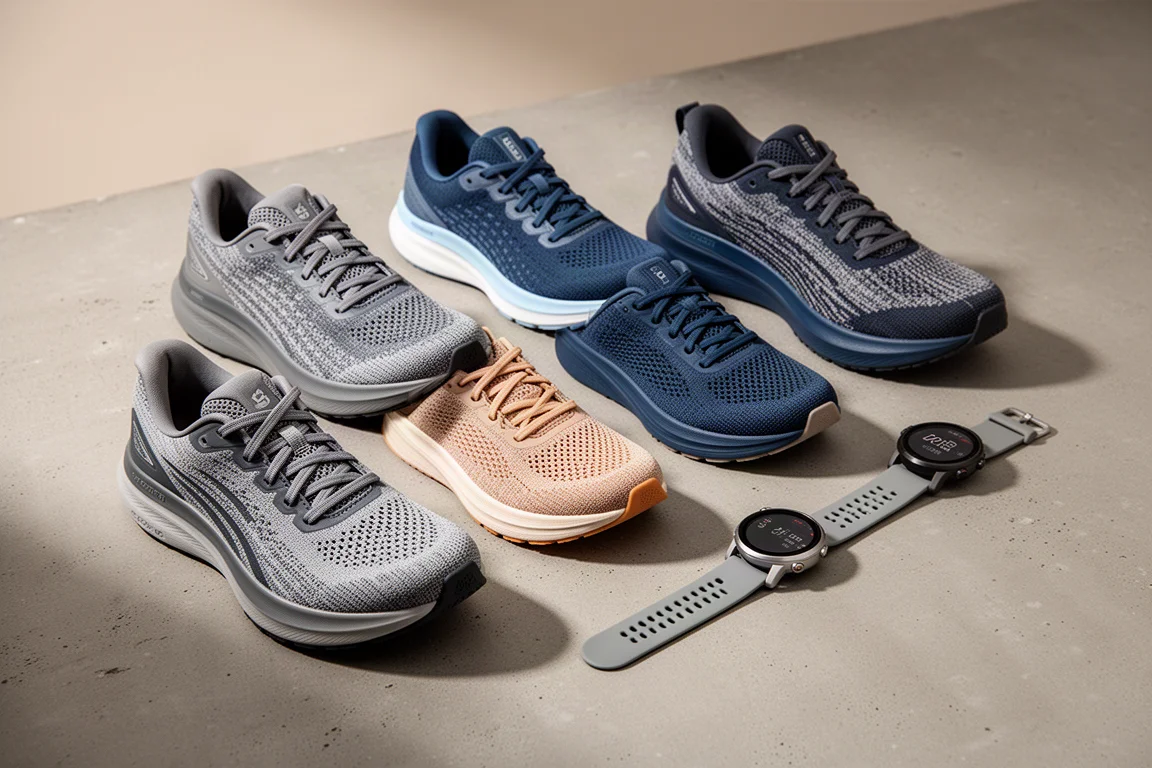
If you started running today, the kit you buy in the first few months makes a genuine difference to whether the habit sticks. The good news is that you do not need to spend a fortune or buy everything at once. Shoes come first, comfortable technical clothing comes next, and a dedicated running watch is something most people add once they are a couple of months into the sport.
This guide covers nine products worth considering, grouped by price point, along with the training, form and mindset advice that turns gear into consistent, enjoyable running.
Daily Trainers at Every Price Point
Shoes are one of the most important pieces of kit for any new runner. A decent pair of running shoes provides far more support and comfort than fashion trainers, which simply are not built to absorb the impact of running or support your foot through the whole gait cycle. Daily trainers are the shoes you will do the vast majority of your runs in, handling all sorts of paces, distances and surfaces reasonably well.
At the budget end, many cheap running shoes use very basic, hard foams, but the two options below avoid that problem while staying around the 100 pound mark.
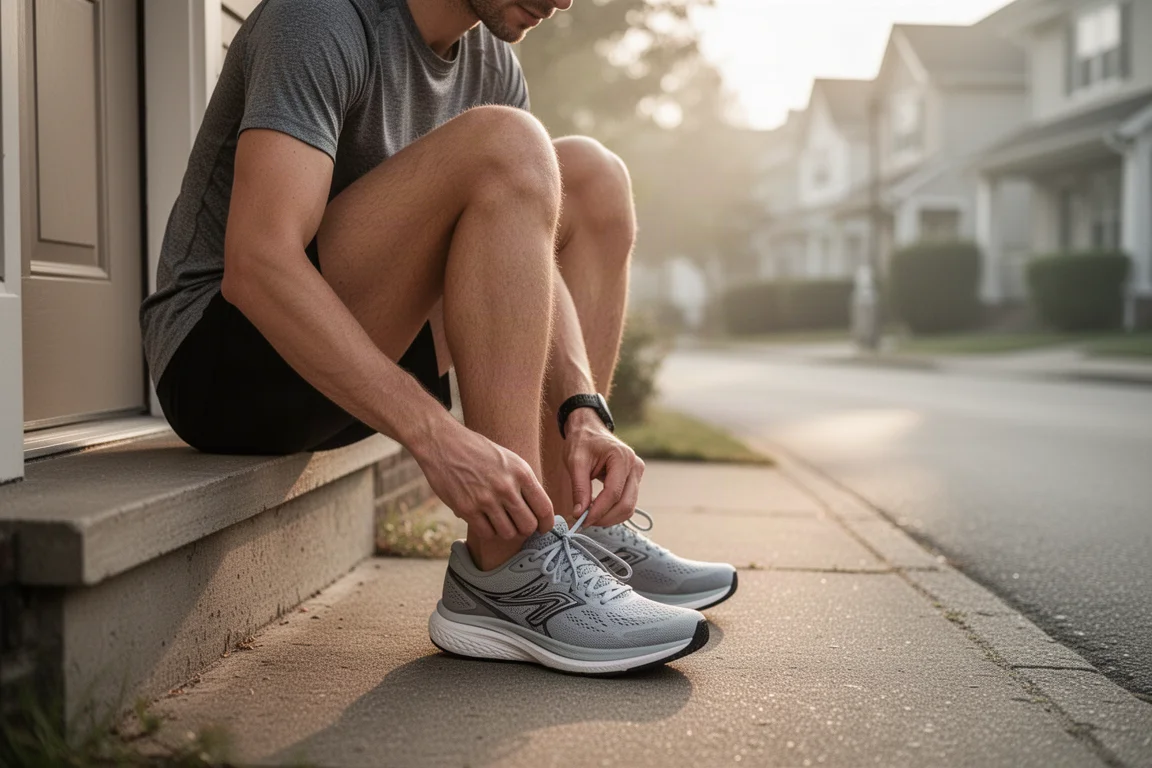
The Adidas SL2 is a well-priced daily trainer with a nicely shock-absorbing ride, comfortable enough for easy miles while still letting you pick up the pace on faster runs.
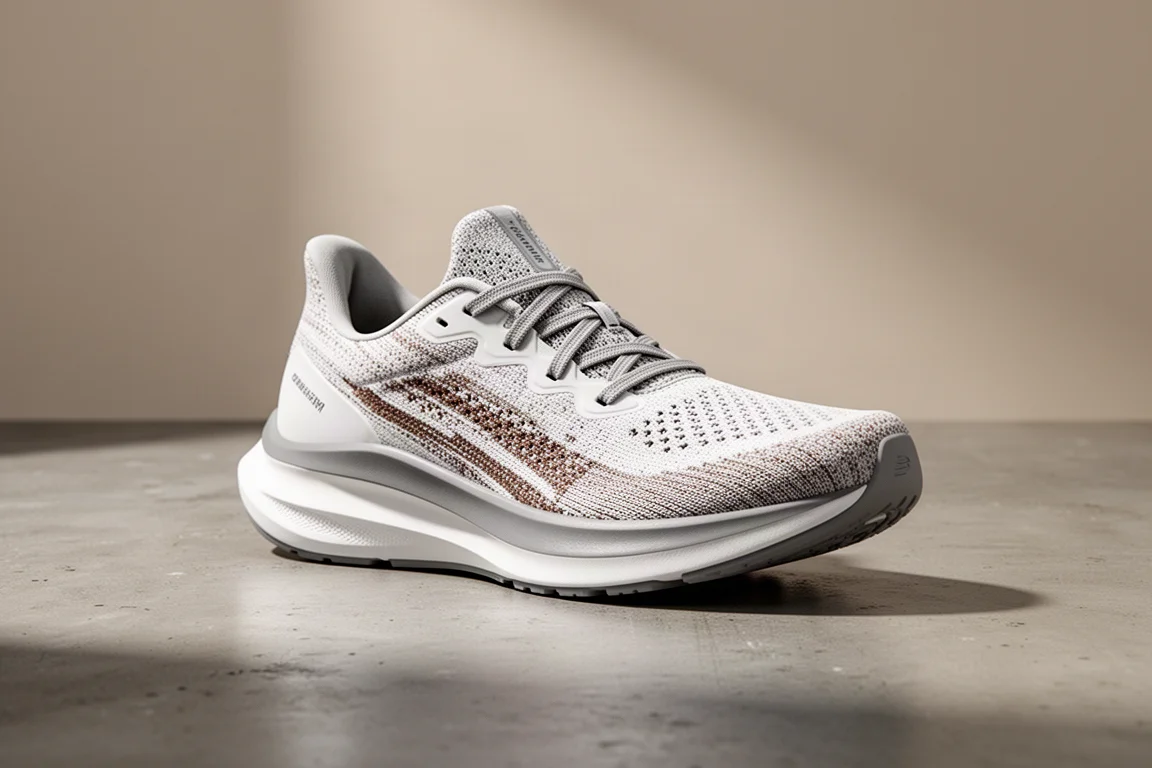
The Puma Velocity Nitro sits in the same bracket and offers a similar balance: a soft, cushioned feel at a great price point, with enough responsiveness to handle quicker sessions too.
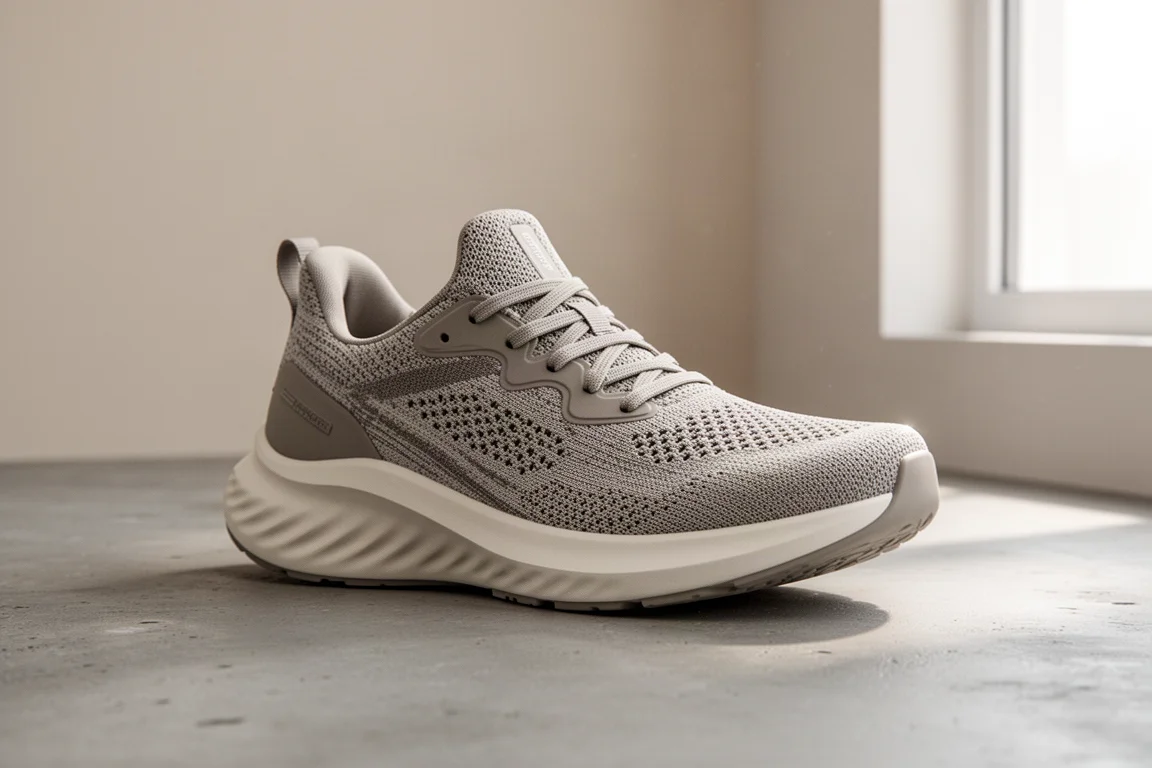
Mid-Range Trainers with Better Foam
If you want to spend a little more for better quality, softer and more energy-absorbing foams, two strong options stand out. These will also most likely last a little longer than the cheaper models.
The Asics Novablast 5, around 135 pounds, is the pick if only one shoe could be chosen from this whole range. It combines a lively, cushioned ride with everyday versatility.
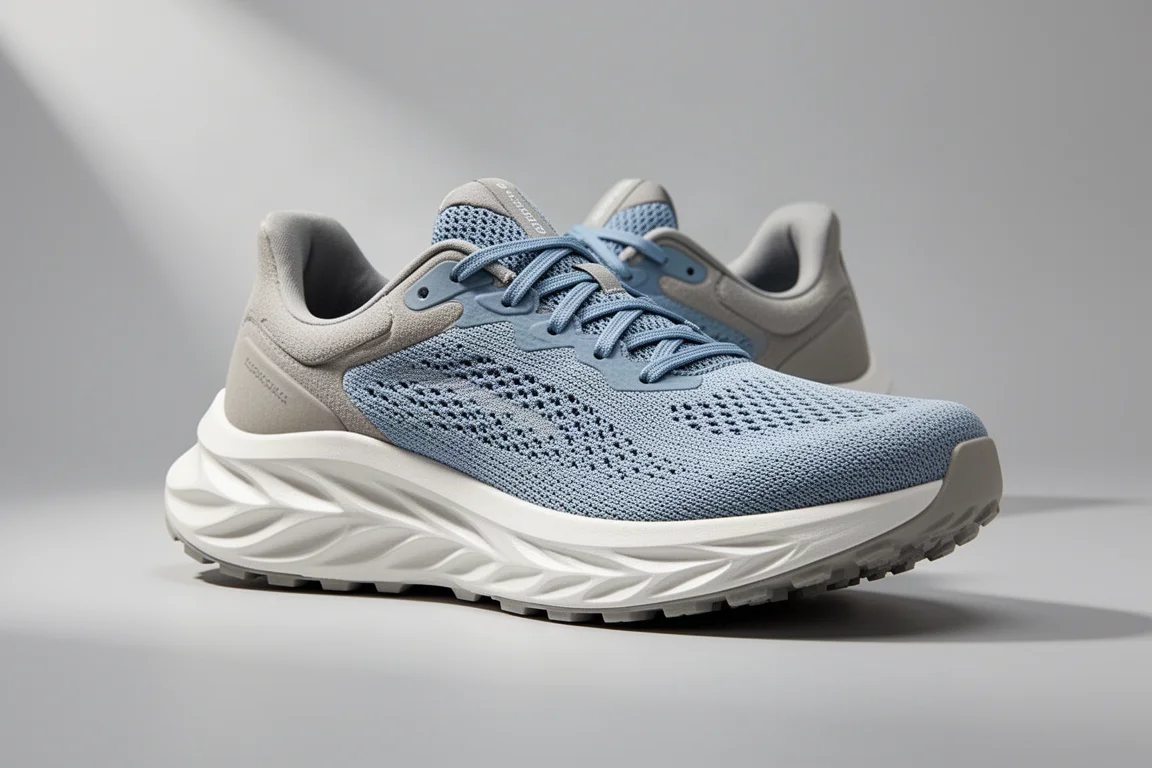
The Hoka Mach 6, around 140 pounds, brings a similarly well-cushioned, energetic feel and is a dependable daily trainer for beginners building mileage.
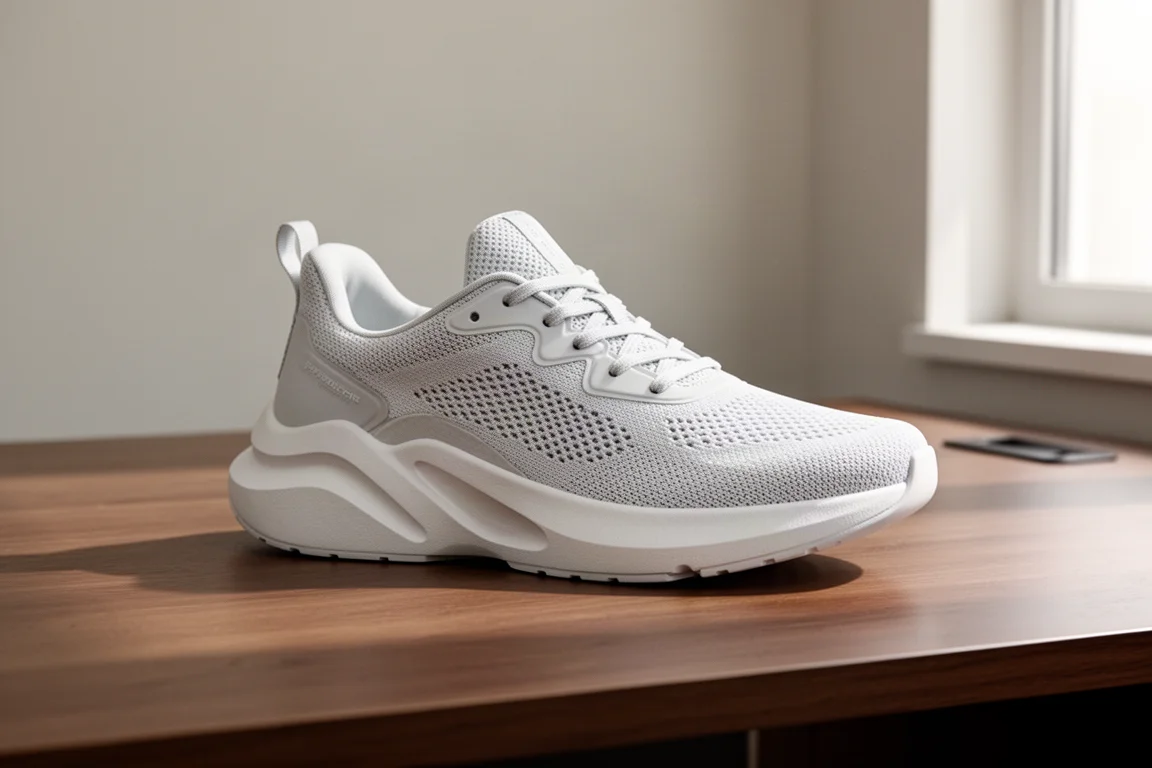
Premium Daily Trainers
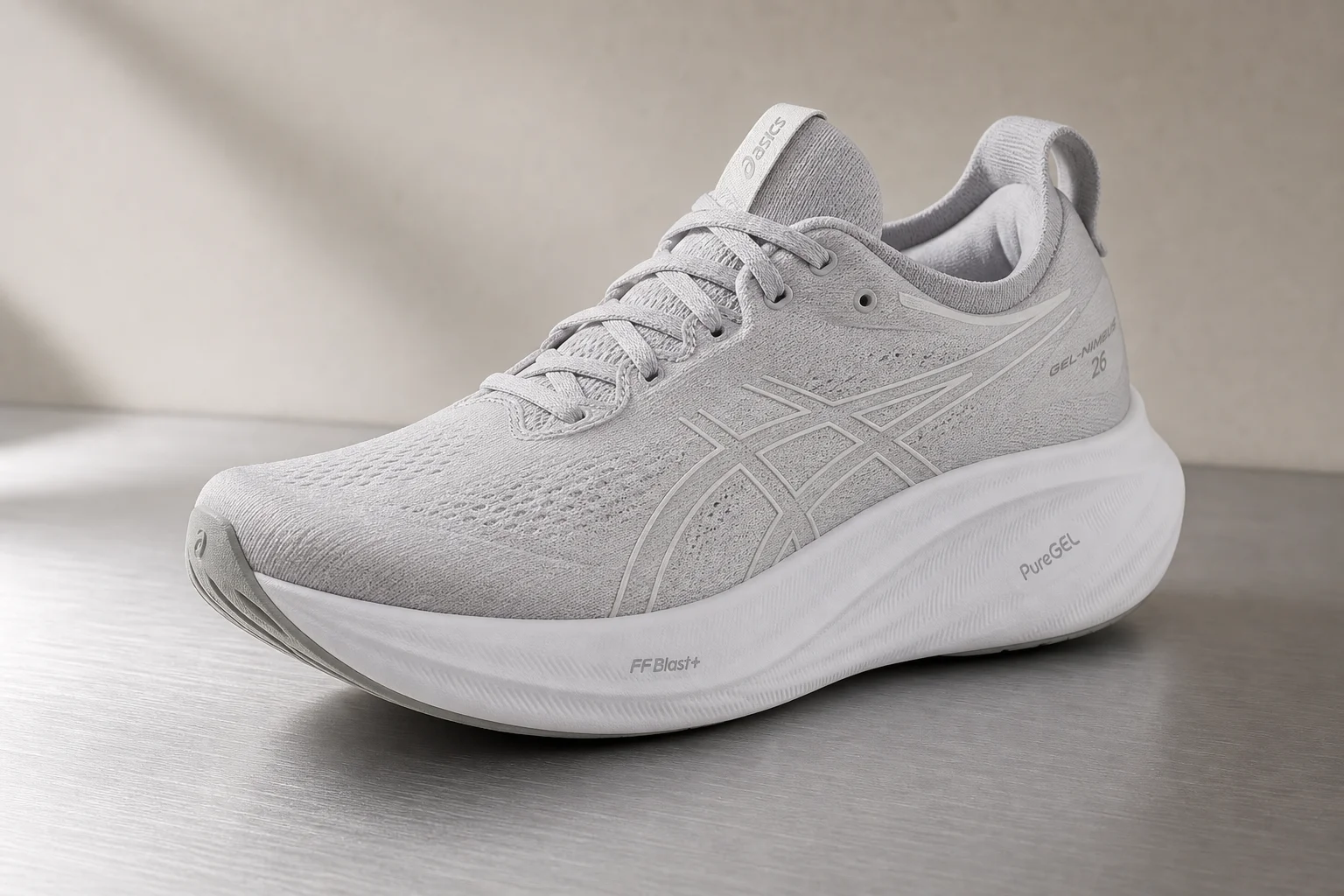
At the top of the daily trainer range are the New Balance 1080 v14, around 160 pounds, and the Asics Gel Nimbus 26, around 180 pounds. Both use very advanced foams that feel extremely soft and squishy underfoot, making them excellent for runners who prioritise maximum cushioning and comfort on every run.
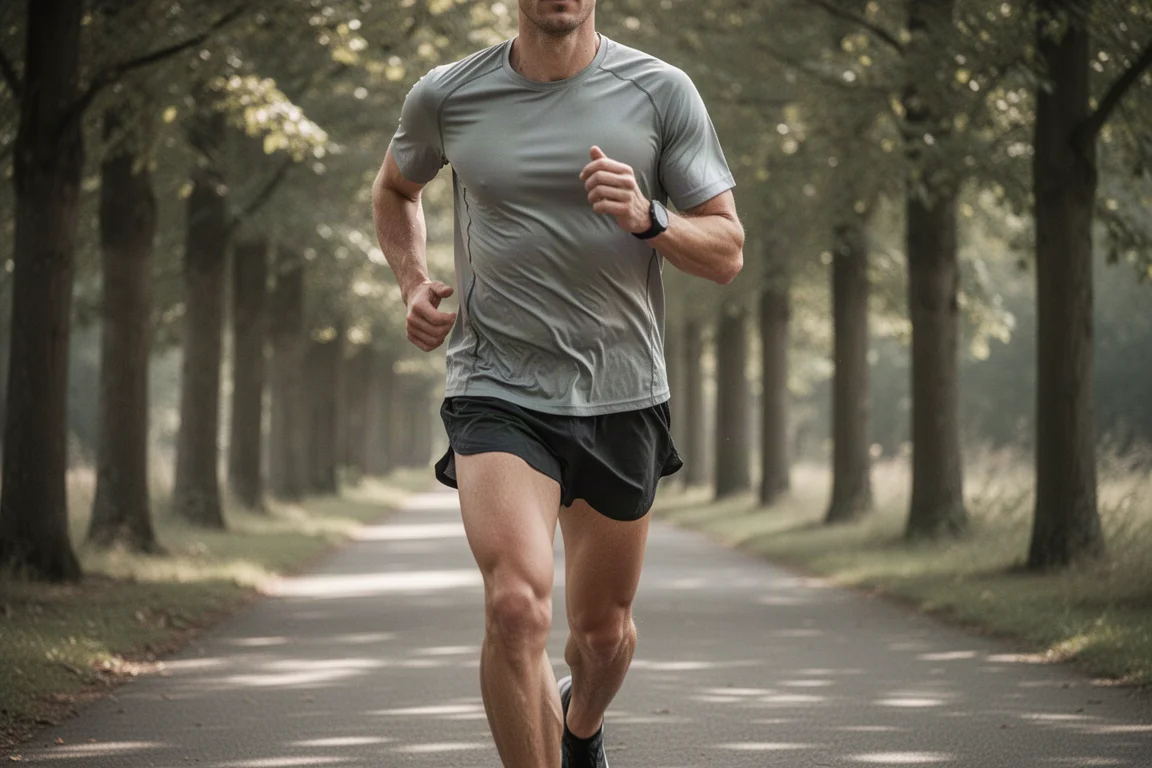
The 1080 v14 is the flagship cushioned trainer in the New Balance line, with a plush ride suited to long easy runs and comfortable everyday mileage.
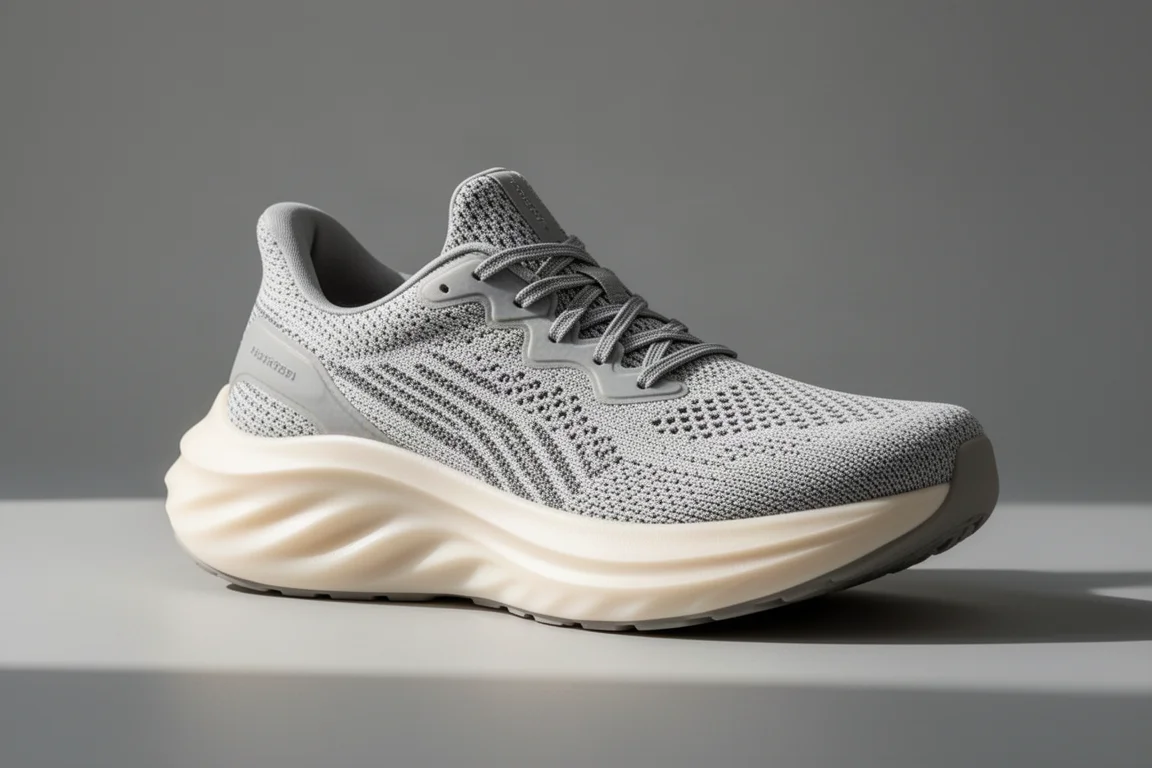
The Gel Nimbus 26 is Asics’ max-cushion option, built around very soft foam for a protected, comfortable ride. Version 27 is about to launch, but it will be very similar to version 26, so the current model remains a safe buy.
Clothing, Socks and Anti-Chafing Basics
Beyond shoes, good quality running clothing makes runs noticeably more enjoyable. Look for moisture-wicking technical tops and bottoms rather than cotton. Technical fabric draws sweat away from your skin, keeps you cooler while running, and helps prevent chafing.
Running socks matter more than most beginners expect. A good technical pair wicks moisture, helps prevent blisters, and makes the whole experience more comfortable. Avoid cotton and look for brands such as Stance, Balega, and Injinji.
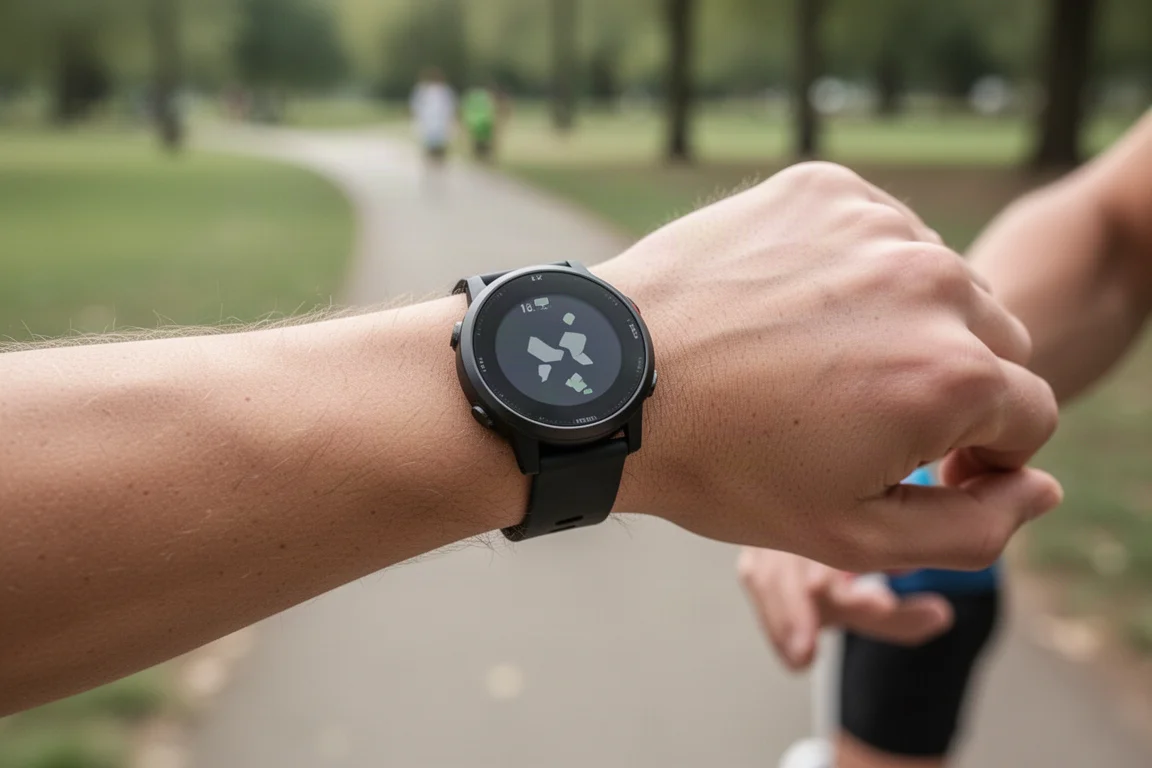
For shorts, it is worth finding a pair with a lining that covers the legs to prevent chafing, or using an anti-chafe product such as Body Glide. It is the kind of thing every runner wants in their locker: anywhere there is skin-on-skin contact, it simply makes things far more comfortable.
Do You Need a Running Watch?
A running watch is not the most important purchase when you start, but it is something most people get within a couple of months. It makes tracking progress far easier than trying to glance at a phone carried on your shoulder or in a belt, which makes it hard to get good quality data while you run. Once you start speed work sessions, having that data on your wrist is genuinely useful.
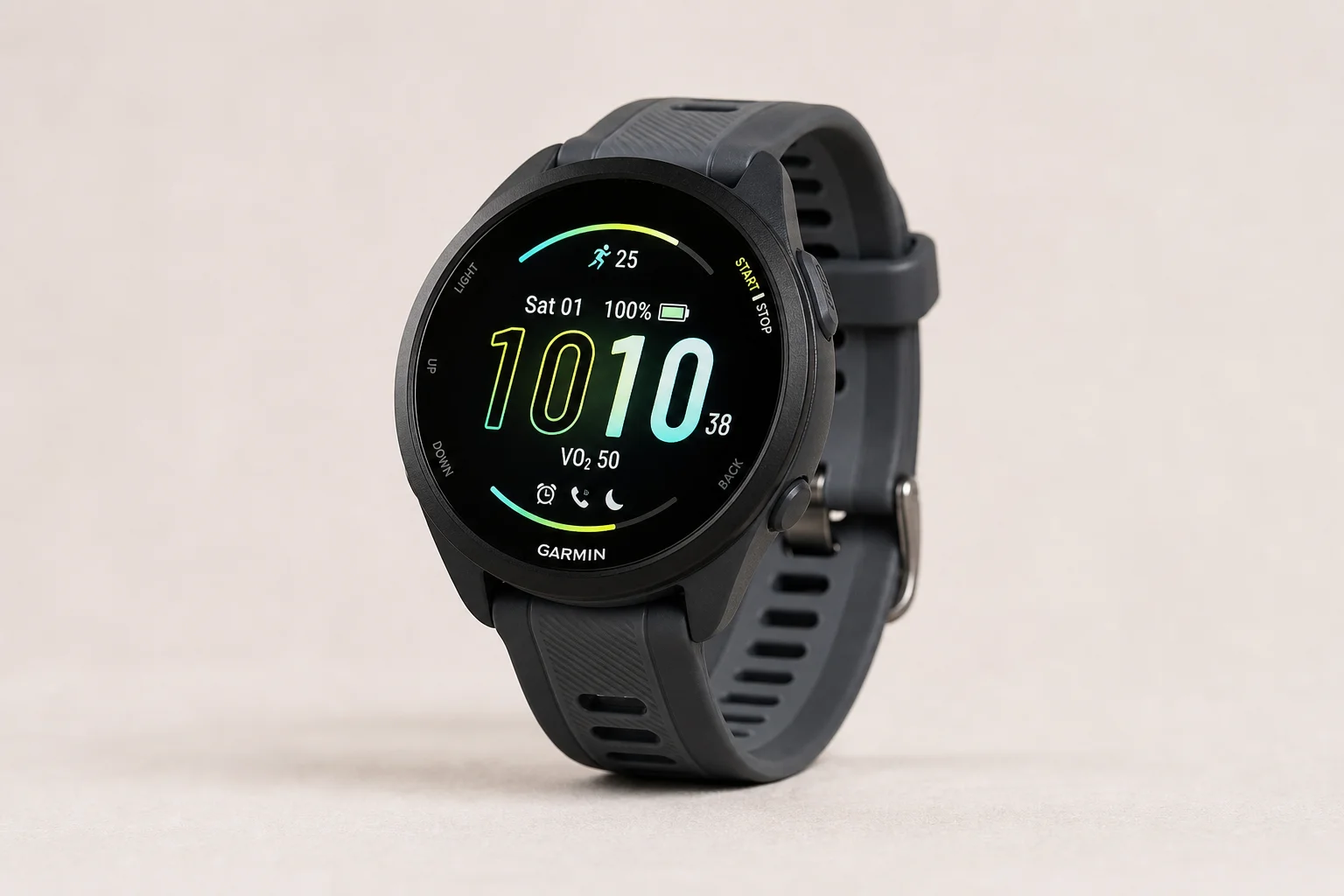
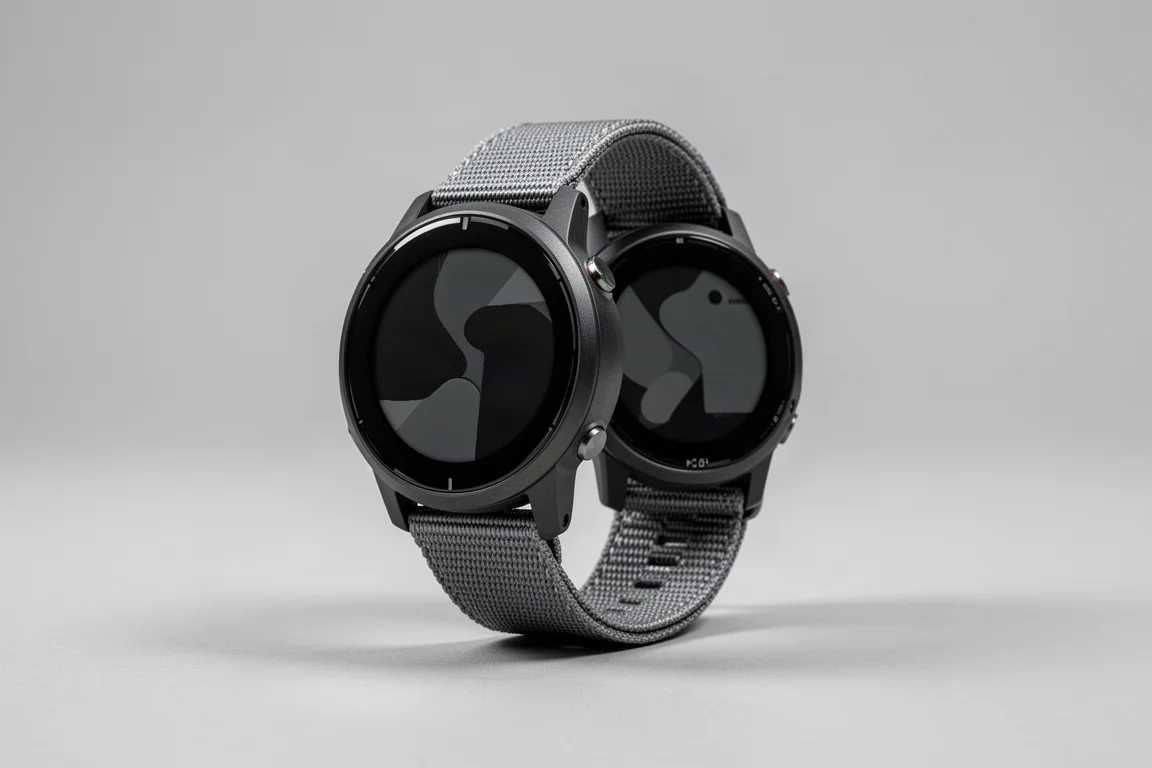
Two current entry-level models stand out. The Garmin Forerunner 165 is a watch many people use for all of their daily training, even though it sits at the affordable end of the range. The Coros Pace 3 is the other strong option. Both cost roughly 200 to 300 pounds, but you can often find good refurbished or secondhand deals.
The Garmin Forerunner 165 offers the features most beginners need for daily training, including accurate pace data for speed sessions, without paying flagship prices.
The Coros Pace 3 is another excellent entry-level GPS watch, lightweight and well suited to runners who want reliable training data on a budget.
You do not have to spend big money, though. The Garmin Forerunner 55 will get you going and is more than most people need.
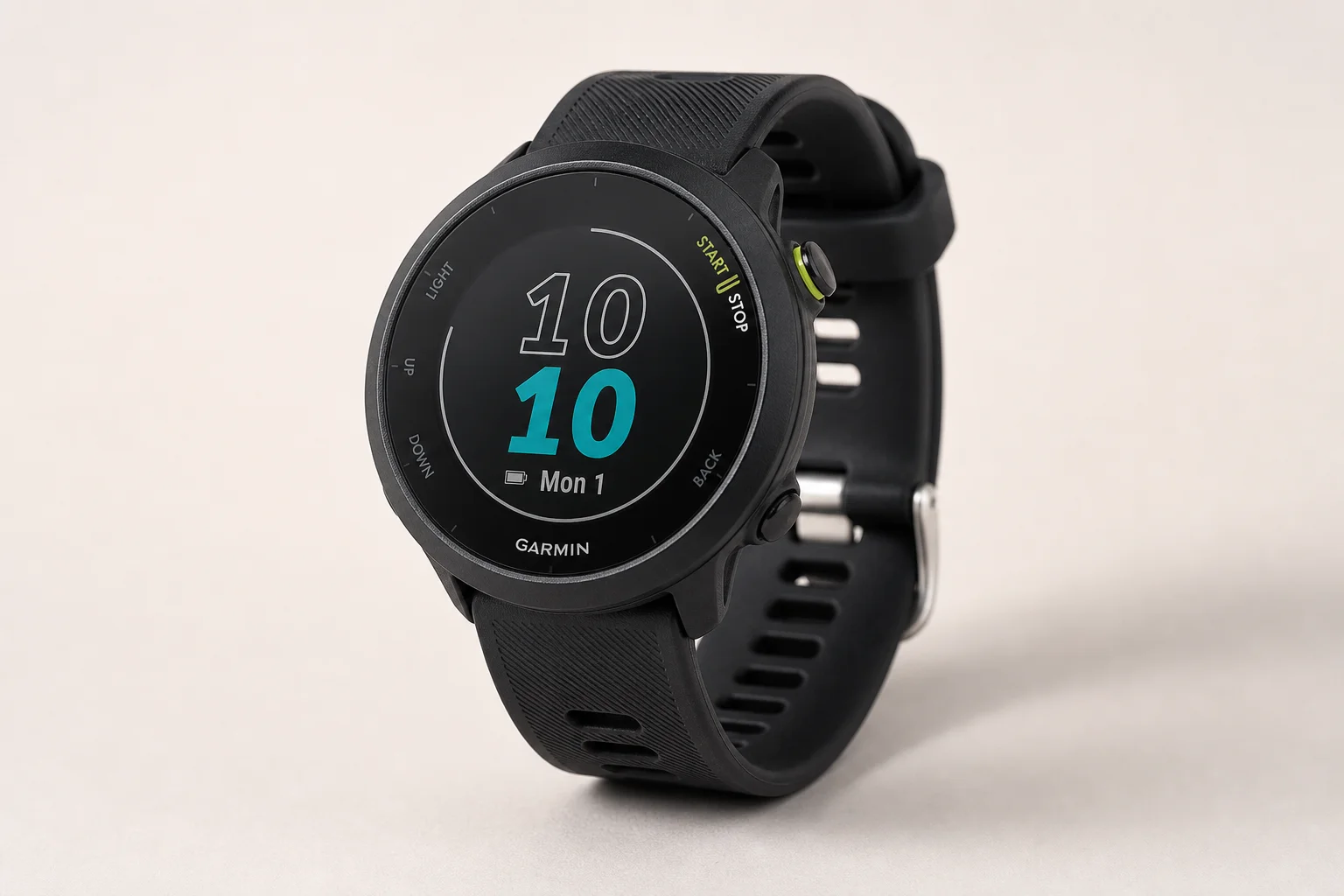
Apple, Samsung and Google all make their own versions of these watches, and if you already have one, it will be perfectly good enough when starting out. In the very early days, you might simply use your phone with an app such as Strava, Runkeeper or MapMyRun to track how far and where you have run, then invest in a dedicated watch later.
Set a Goal That Gets You Out the Door
Running is a hard sport, so having a why is what gets you out the door and gets the runs done. Goals vary enormously and all of them are valid: your first 5k, your first parkrun, running non-stop for 30 minutes, breaking 60 minutes for the 10k, running three times a week, a first marathon, raising money for charity, meeting new people, or simply getting fitter to keep up with more active people in your life. Whatever it is, think about it now, because motivation and focus matter enormously in those early months.
Consistency is the most important word in running. Consistency over the week, the month and the year is what really improves your running, and the best way to achieve it is a training plan. A good beginner plan gives structure to your week, mixes easy runs, speed sessions and long runs, and includes strength work so your body can absorb the impact of running.
Run Slower and Watch Your Form
A common beginner mistake is running too fast. Many new runners go out, get very out of breath, and think running is really hard. Slowing your runs down helps you build mileage and fitness far quicker in a safe way, and helps avoid injury.
On form, the best early advice is to simply run and not overthink it. After a few weeks and months, it is worth working on technique before bad habits set in. Keep a nice tall posture rather than hunching over, look up at the horizon, and lean forward from the ankles rather than the hips, letting gravity do some of the work. Many beginners have a low cadence, perhaps in the 150s or 160s, and raising it toward 170 to 180 helps reduce ground contact time and the force going through your body. Finally, aim to land underneath your centre of mass rather than out in front, which avoids a braking force with each stride. Do not worry too much about being a heel, midfoot or forefoot striker; landing under your body is the key thing.
Warm-Ups, Cool-Downs and Strength Work
Building a dedicated warm-up and cool-down into your routine is especially important once you reach your thirties and beyond. A short warm-up before heading out and a proper cool-down at the end of the run are worth treating as non-negotiable.
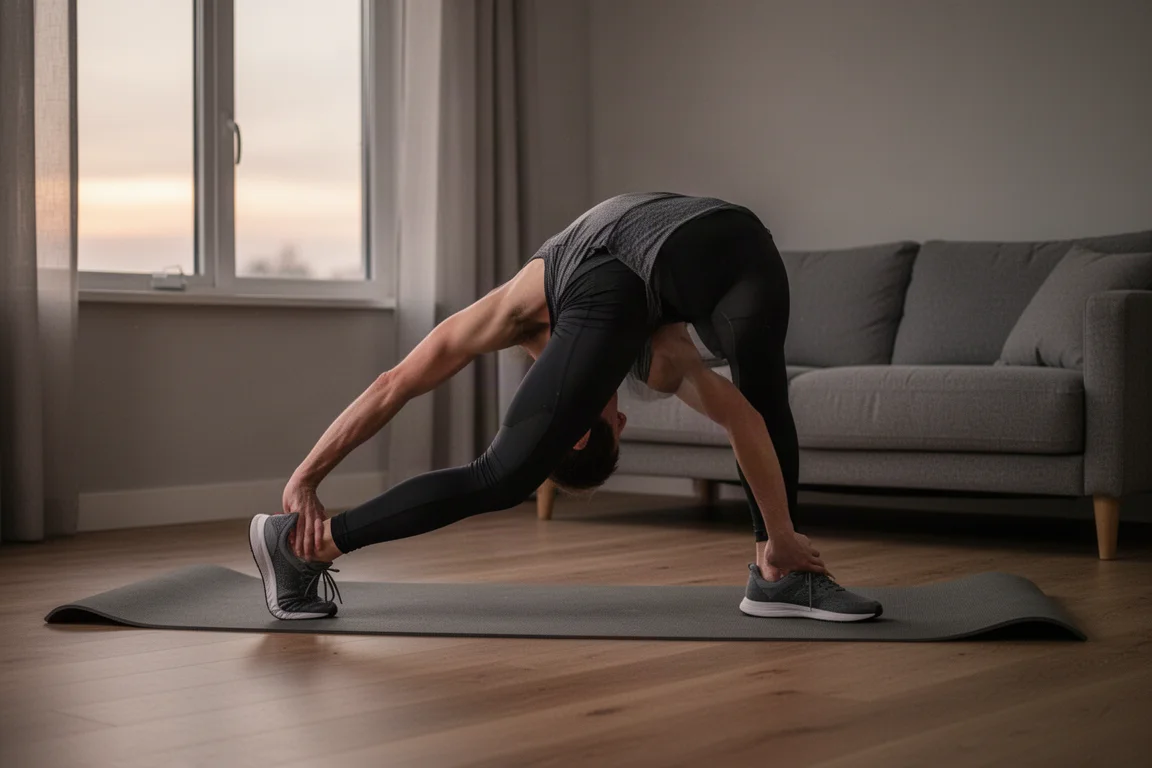
Alongside that, basic strength work just once a week makes a real difference to how much you enjoy running. Strengthening your muscles, bones and joints helps prevent injuries and makes you a more efficient runner. Setting aside just 20 minutes a week is enough to start: squats, lunges, planks, bridges and calf raises are all good places to begin.
Mindset, Setbacks and Staying Motivated
Progress in running is not always linear. There are highs and some big lows, good days and bad days. Many people make quick early progress, then hit an injury at some point, which is largely inevitable over time even with good strength work and recovery. If that happens, focus on what you can do rather than what you cannot: cross-training such as cycling or swimming, plus dedicated strength work, gets you back stronger before you know it.
Remember why you started, and reinvent that why every now and then. Running should be about whatever you want it to be, not what other people think it should be. Comparing your Strava feed to other people’s really is the thief of joy; everyone is on their own journey. Running with a friend or joining a club helps with accountability and makes running a genuinely social sport.
Conclusion
If there is one thing that leads to long-term success and enjoyment in running, it is consistency over a long period of time. Start with a good pair of daily trainers matched to your budget, add comfortable technical kit, and consider an entry-level GPS watch once the habit has formed. Pair the gear with a structured plan, sensible pacing and a realistic goal, and running becomes a hobby that stays rewarding for years.
Further reading
Related Reviews
Running Gear
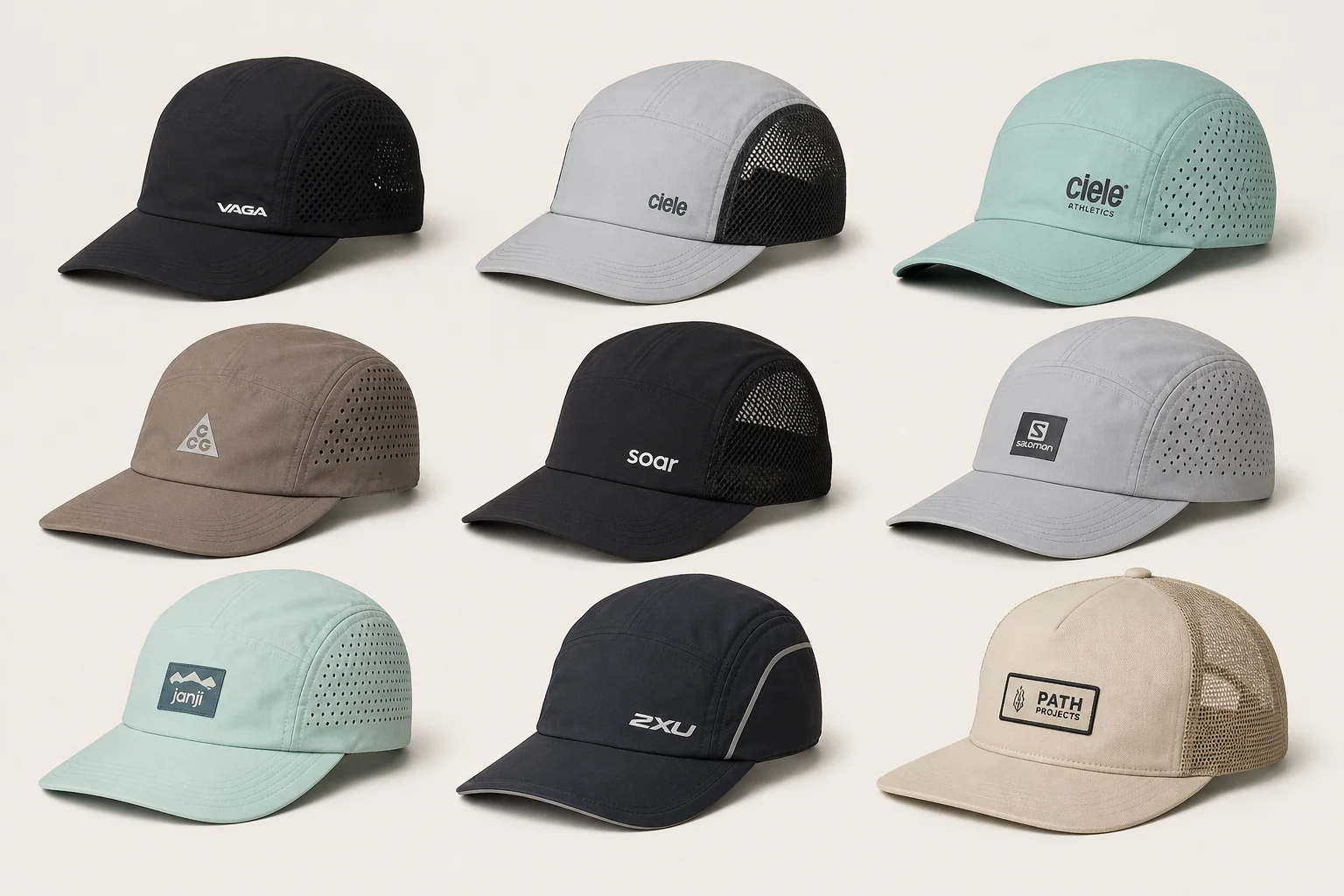
Best Running Caps 2026: Nine Tested Options for Summer and Winter
A comprehensive guide to nine running caps tested across different conditions, from lightweight summer options to waterproof winter choices.
Running Gear
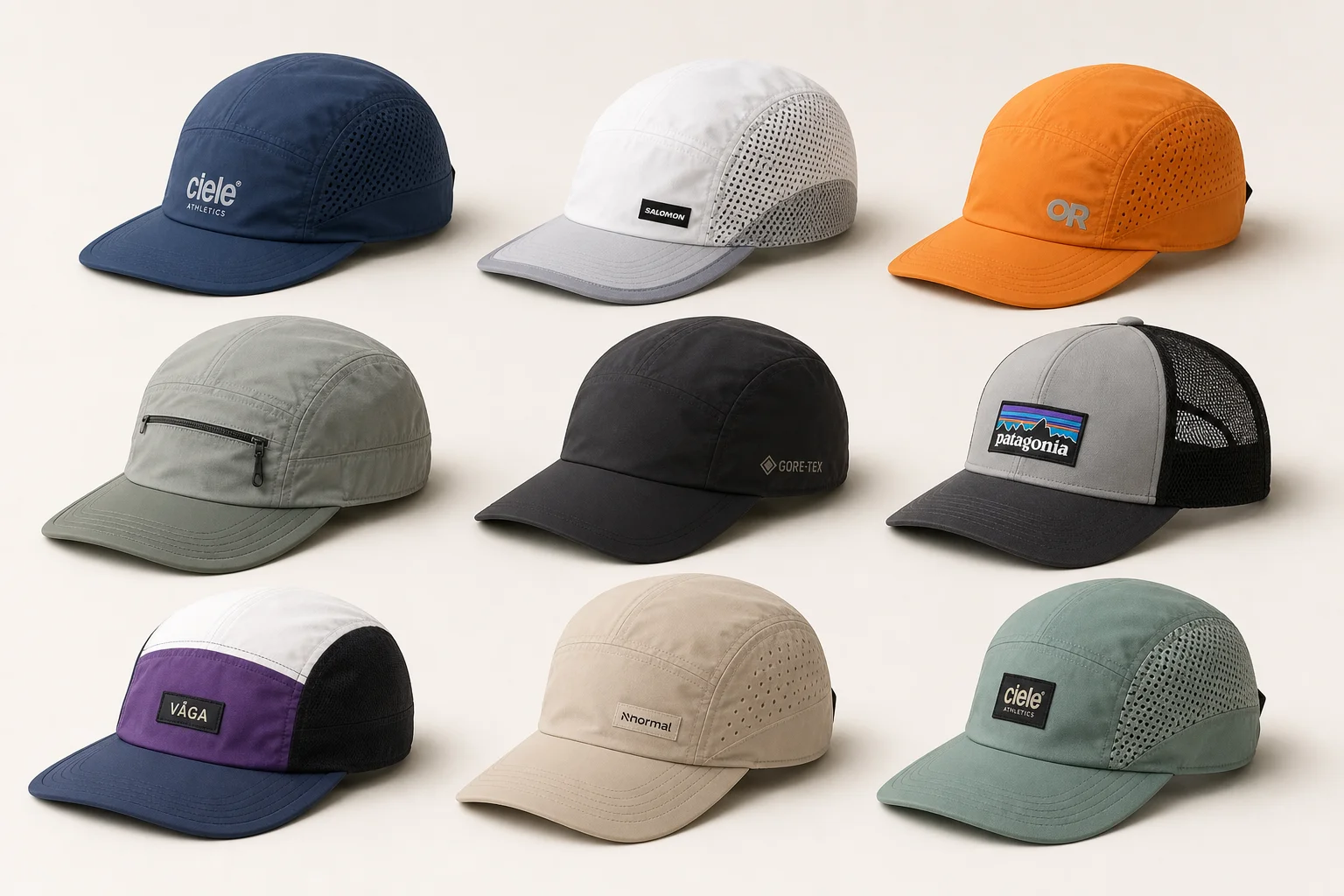
Best Running Caps: A Guide to Summer and Winter Options
A comprehensive review of nine running caps for different conditions, styles, and preferences, from lightweight summer options to waterproof winter choices.
Running Gear
Best Running Gear 2026: Five Picks That Earn Their Place
Five running upgrades covering heart rate, audio, fuelling, carrying and weather protection, with the trade-offs worth knowing before you buy.