Running Gear
Running Gear of the Year: The Standout Watches, Headphones and Shoes Worth Buying
From the Garmin Forerunner 255 to the Saucony Endorphin Pro 3, here are the year's standout running watches, headphones and shoes across every major category.
Introduction
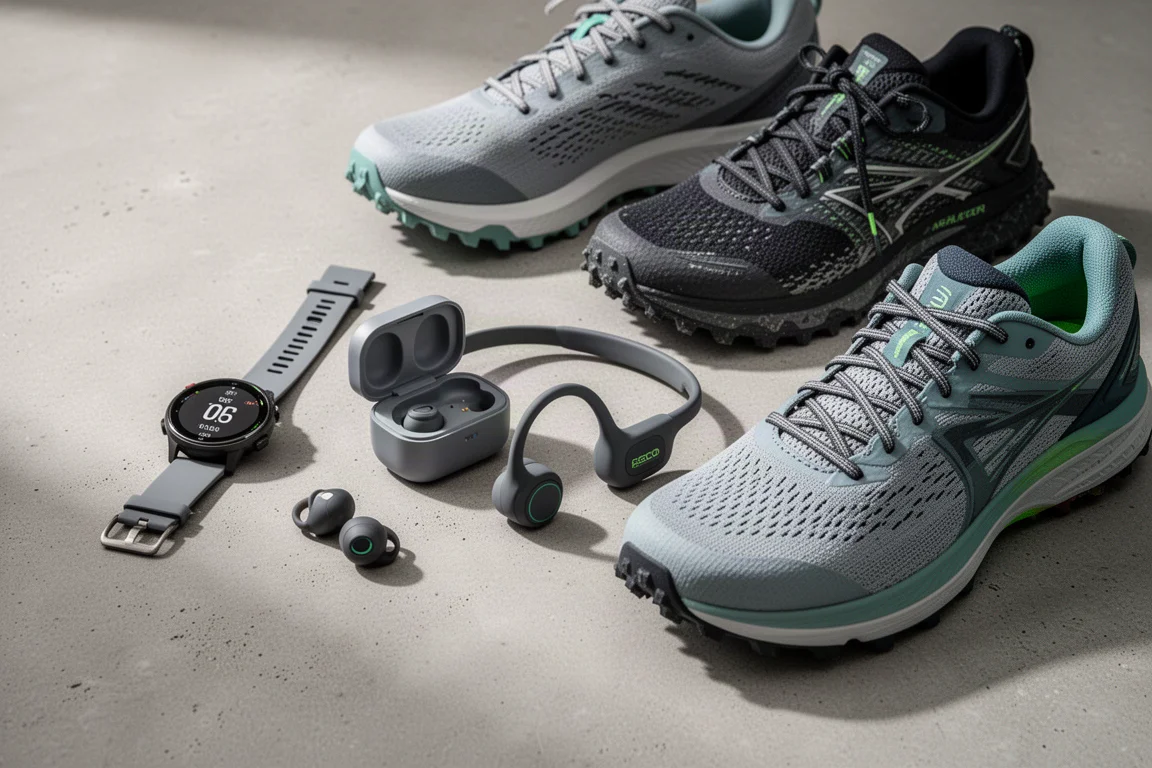
Each year, a huge number of running products cross our desks, and a small handful genuinely stand out. This roundup gathers the picks that earned top recognition across watches, headphones, trail shoes, daily trainers, cushioning shoes, and racing shoes. The selections favor accuracy, comfort, versatility, and value over flashy launches, which means several winners are products you can confidently buy today rather than speculative new arrivals.
Best Running Watch: Garmin Forerunner 255
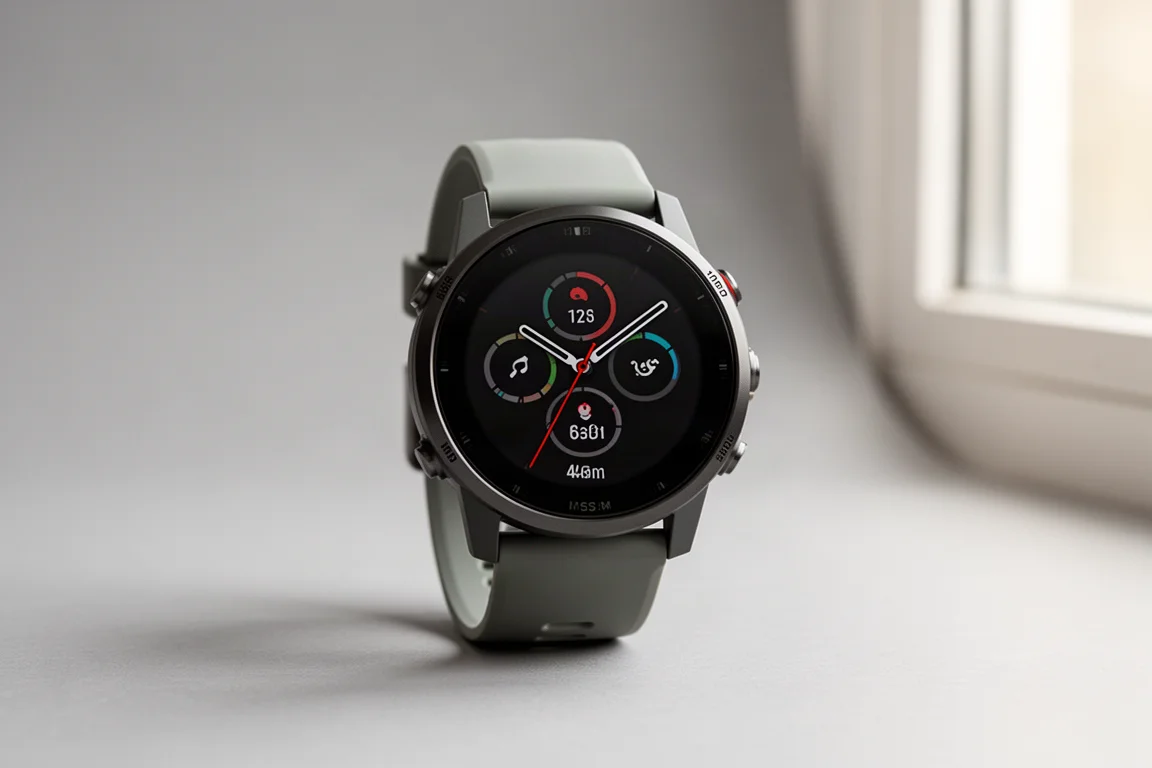
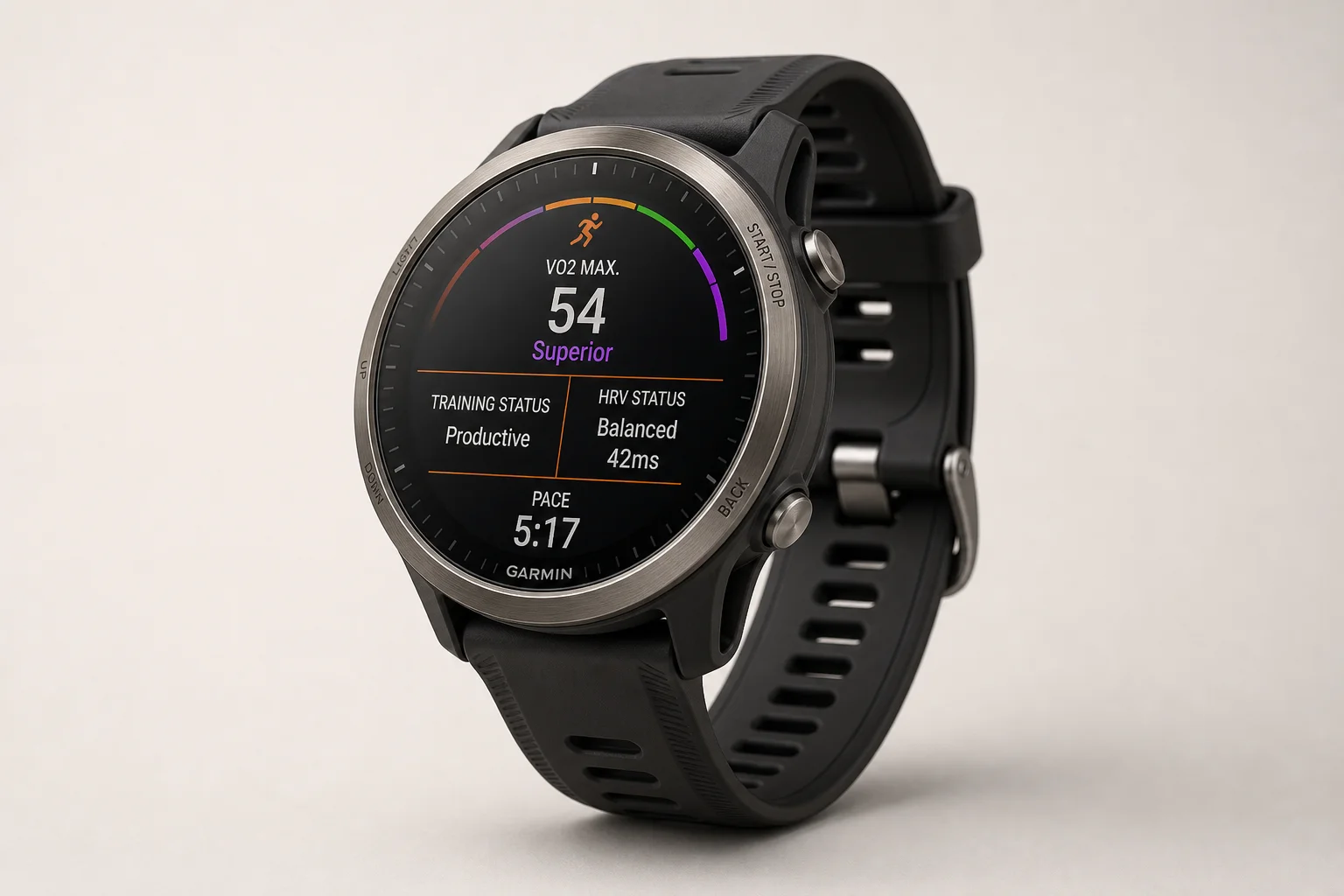
The Garmin Forerunner 255 takes the running watch win thanks to a near-perfect balance of price, features, and everyday usability. It sits in Garmin’s mid-range Forerunner line, but brings many features previously reserved for top-end watches, including multiband GPS mode, race day tools, HRV status, an enhanced interval training mode, and a battery life strong enough to cover a full week of training. For runners who want advanced features without a complicated experience, it is a resounding pick.
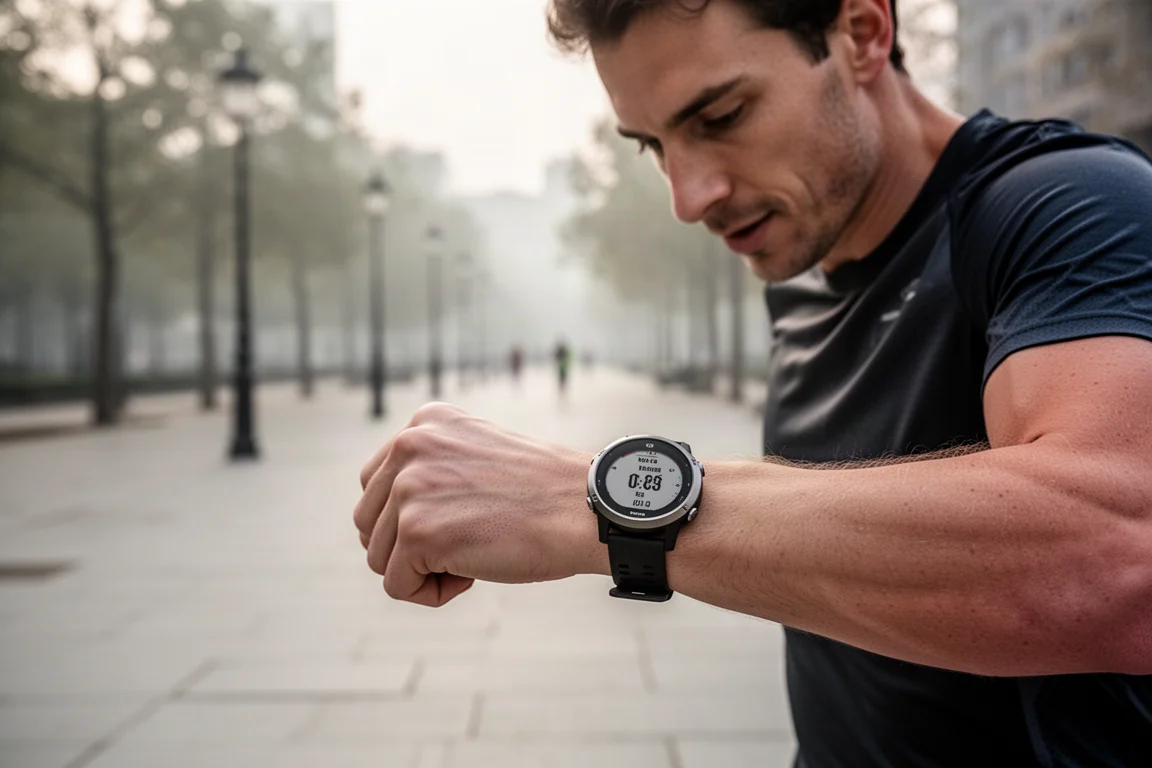
The Forerunner 955 earned the runner-up spot. It is considerably more expensive, but it packs Garmin’s full feature set, including mapping and navigation, training readiness, and deep training analysis, into a smaller, more running-friendly design than the flagship Fenix line. For runners chasing top-end features, it represents very good value in the premium segment. Honorable mentions include the Coros Apex 2, the Fenix 7, and the Apple Watch Ultra, which brings excellent GPS accuracy and design but still lags on battery life.
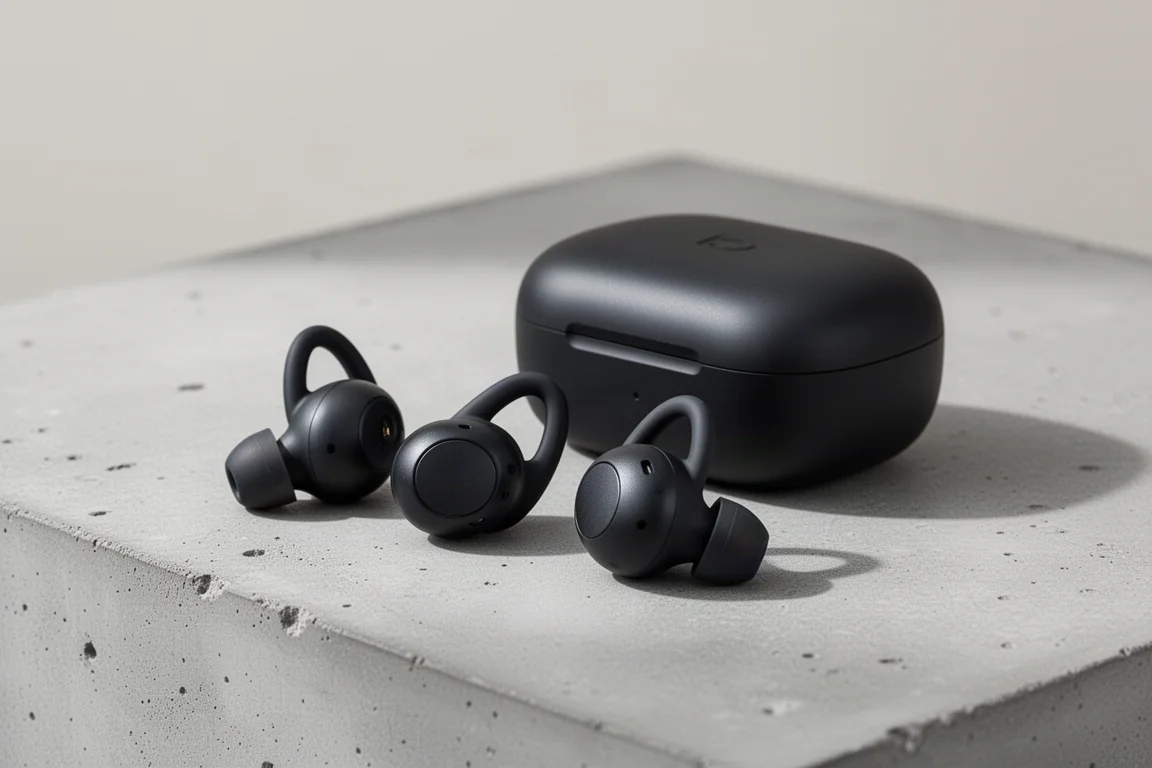
Best Running Headphones: Jabra Elite 4 Active
The Jabra Elite 4 Active won the headphones category almost unanimously. Released shortly after the excellent Elite 7 Active, they offer much the same experience at a notably lower price: strong sound quality, active noise cancellation, an awareness mode for hearing your surroundings, solid battery life, and a compact charging case. The one caveat is the fit. They are in-ear buds without wings, so runners with stubborn ears should check the seal, though in practice they stay in place remarkably well. They also double as very capable everyday earbuds, delivering features close to buds costing far more, and they often appear in seasonal sales.
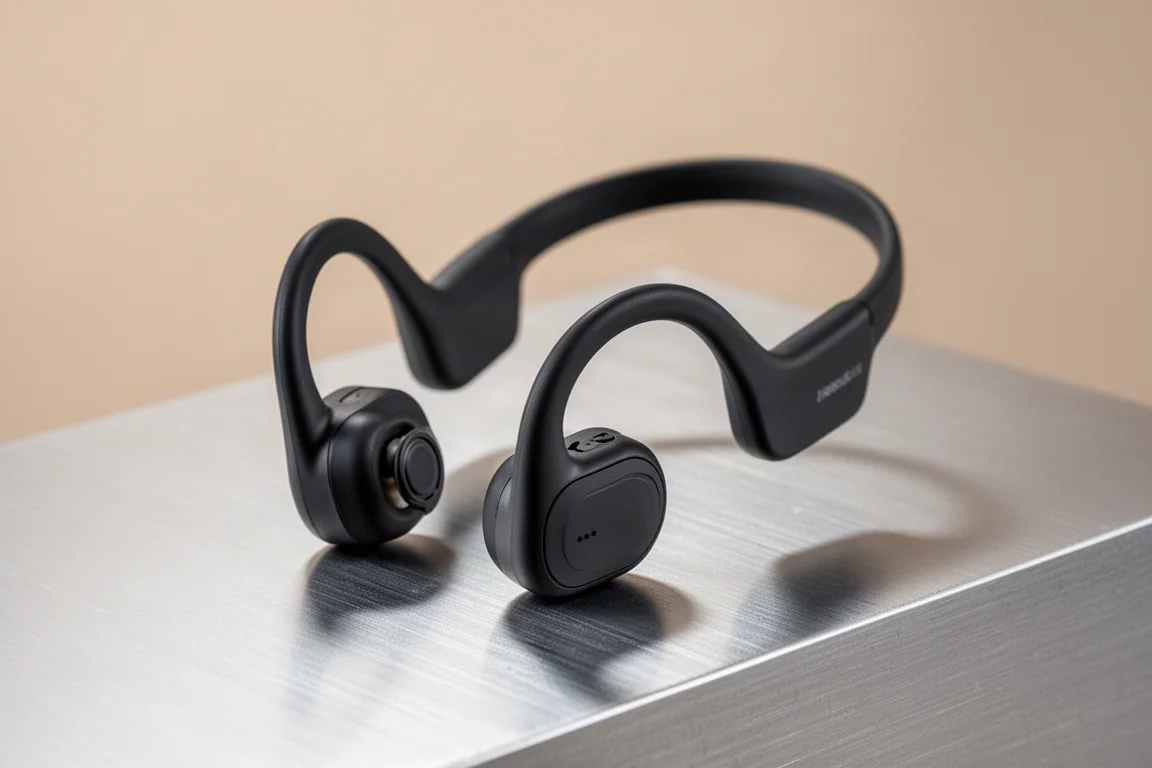
Runner-Up: Shokz OpenRun Mini
The Shokz OpenRun Mini takes second place in the bone conduction category. Shokz released the OpenRun and OpenRun Pro, but the consensus is that the standard OpenRun is nearly as good in every way while costing less. The Mini version is the real standout: the smaller band fits closer to the head, sits neatly under a headband or hat, and delivers the same battery life and sound as the full-size model. Unless you have a very large head, the Mini is the smarter choice. Sound quality is inherently limited by bone conduction, but it is perfectly fine for running, and the open-ear design means full awareness of traffic and surroundings, which makes them genuinely practical for trail and road running alike.
Favorite Trail Shoe: Hoka Speedgoat 5
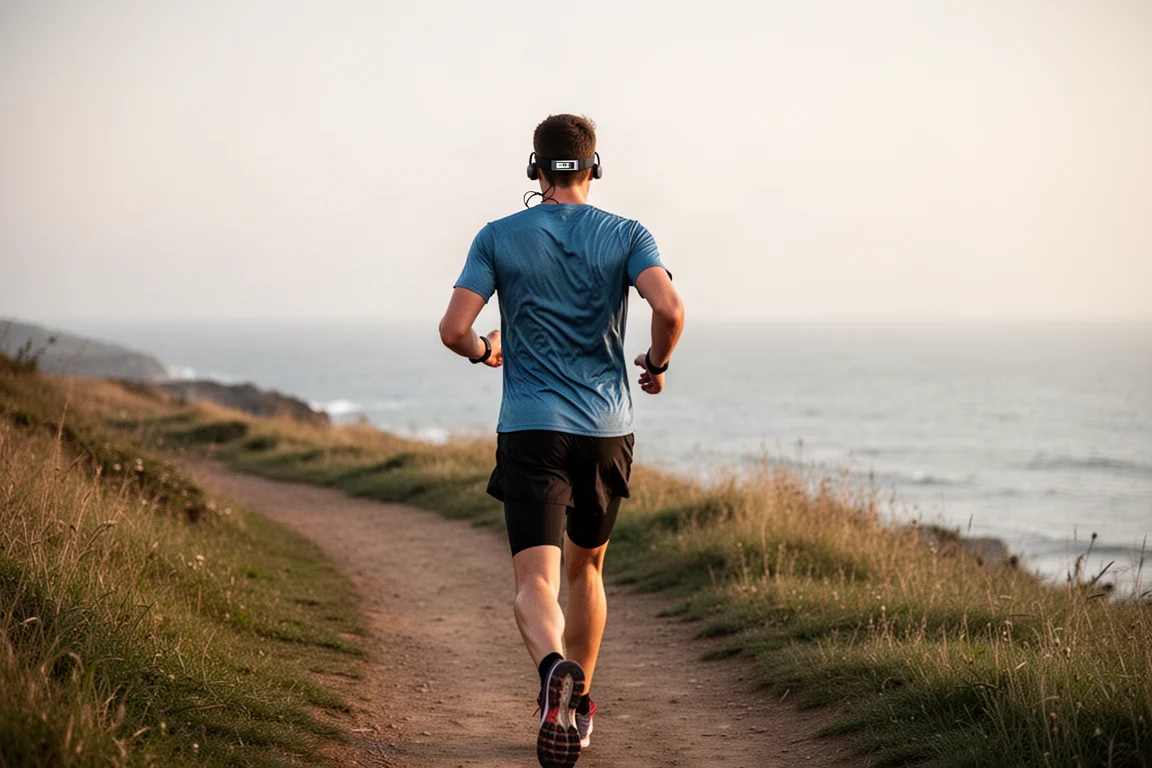
Trail shoe picks here focus on road-to-trail versatility rather than extreme mountain terrain: good grip, comfort, stability, and durability on light, rolling trails with some mud mixed in. The Hoka Speedgoat 5 wins with a beautifully balanced package. It is lightweight, grippy enough for mixed terrain, and its meta-rocker geometry rolls smoothly through the stride. It copes comfortably with road sections, river paths, grass, and light mud, and it scales up well into longer ultra distances. It simply feels natural underfoot for the kind of mixed running most people actually do.
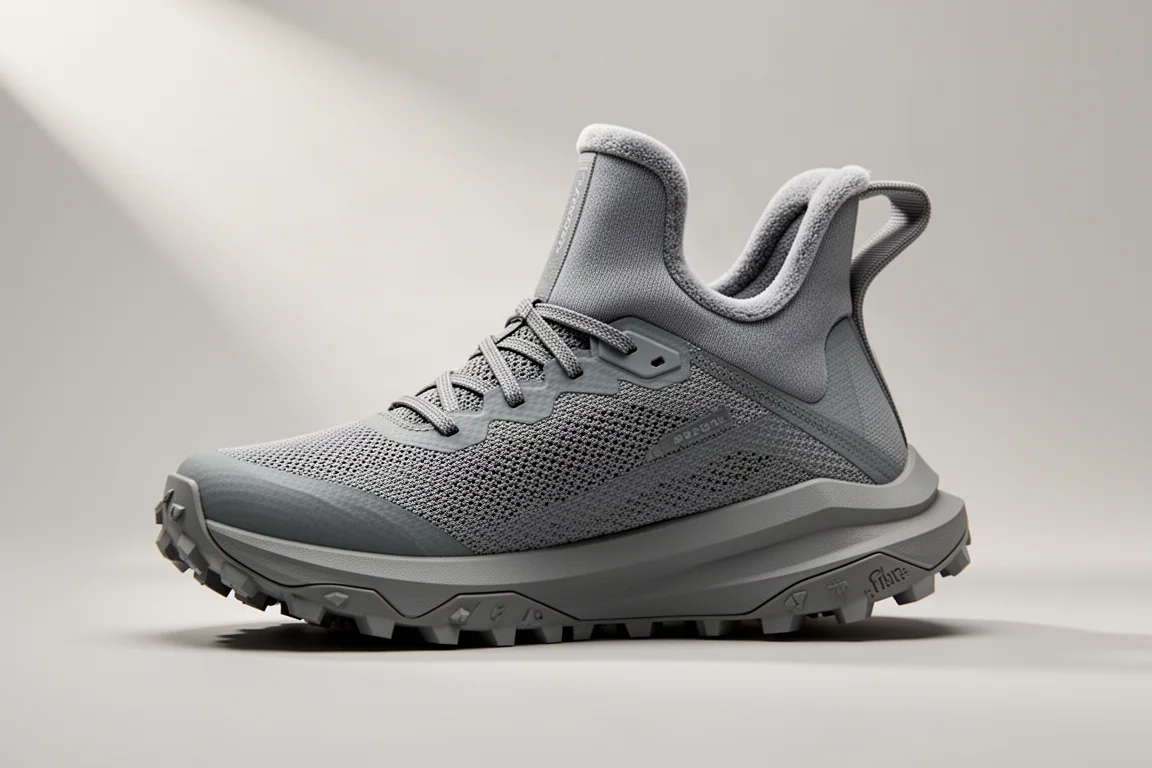
Trail Runner-Up: Inov-8 Parkclaw G 280
The Inov-8 Parkclaw G 280 earned the runner-up position as an outstanding road-to-trail commuter shoe. It runs lighter than its rugged looks suggest, works well on both road and trail, and features Inov-8’s sticky, grippy outsole. It is the kind of accommodating shoe that handles slick winter roads, canal paths, and trail detours in a single run, which makes it an easy daily pick for runners whose routes cross between surfaces. Notable mentions include the Saucony Endorphin Edge, a carbon-plated trail shoe that impressed in an all-out trail race with its confident handling of long rocky descents, and the reliable, budget-friendlier Saucony Peregrine 12.
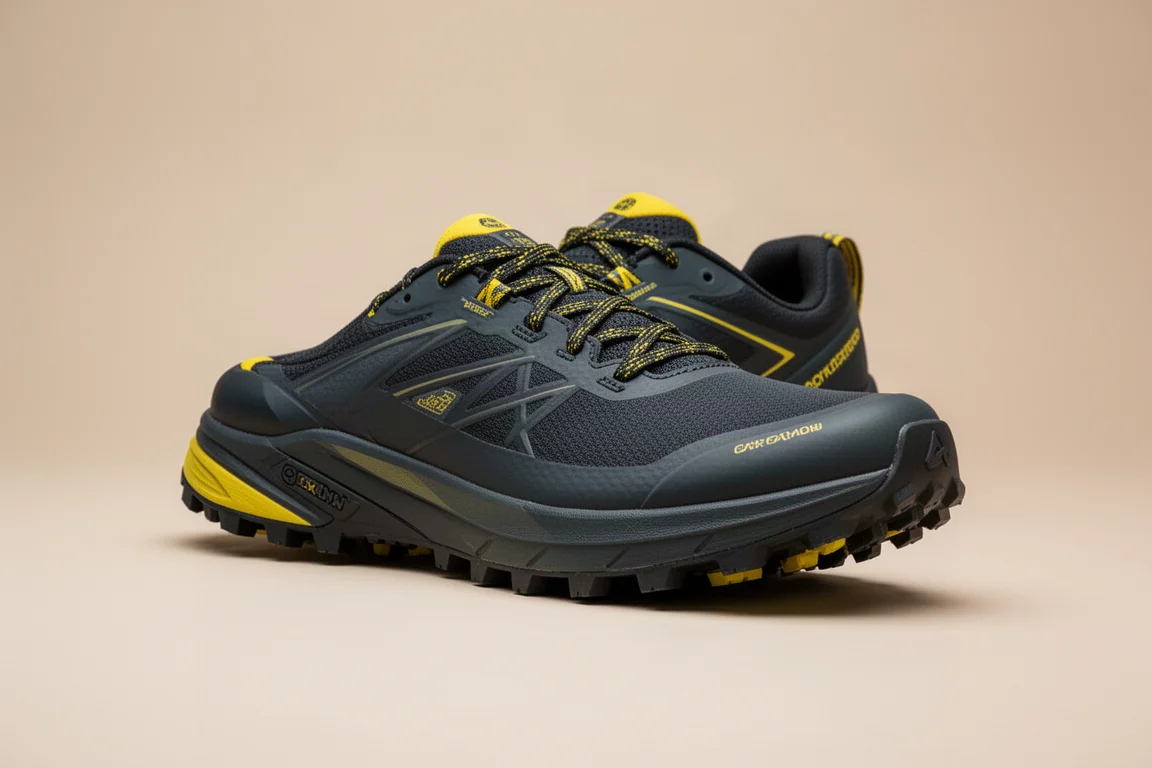
Best Daily Trainer: Hoka Mach 5
For the best all-rounder or daily trainer, the criteria were simple: a shoe comfortable enough for easy miles yet capable of picking up the pace when needed, ideally the only shoe a runner owns. The Hoka Mach 5 wins as a no-plate, natural-feeling, lightweight trainer that just disappears on the foot. It builds on the already excellent Mach 4 with refinements rather than drastic changes, and it has proven equally at home in marathon training tempo runs and intervals, pairing especially well with a plated racer for workout days.
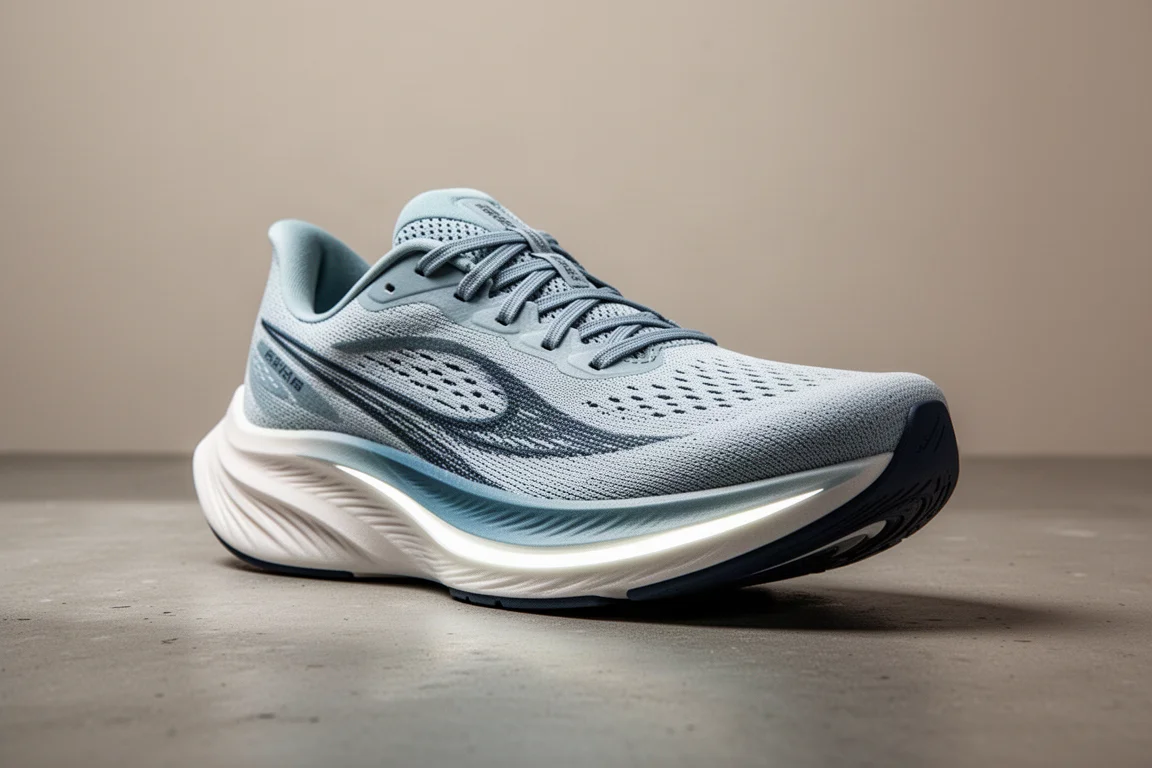
Daily Trainer Runner-Up: Saucony Endorphin Speed 3
The Saucony Endorphin Speed 3 takes the runner-up spot. It is similar to the Speed 2, with changes that make it more stable and roomier in the toe box, which suits easy to medium-pace running well, though runners with narrow feet or a preference for a racier feel may still prefer the Speed 2. Other strong all-rounders this year included the Asics Novablast 3, the Puma Velocity Nitro 2, and the Saucony Ride 15.
View more details for Saucony Endorphin Speed 3
Best Cushioning Shoe: Saucony Triumph 20
The Saucony Triumph 20 wins the cushioning category as a max-comfort trainer built for high mileage. Big changes over the previous generation make it a more capable shoe, with generous cushioning that suits long, easy efforts while still handling quicker running when the mood strikes. The outsole is strong and durable, and it holds up well across heavy weekly mileage. For runners who want one shoe for piling on easy distance, it is the standout.
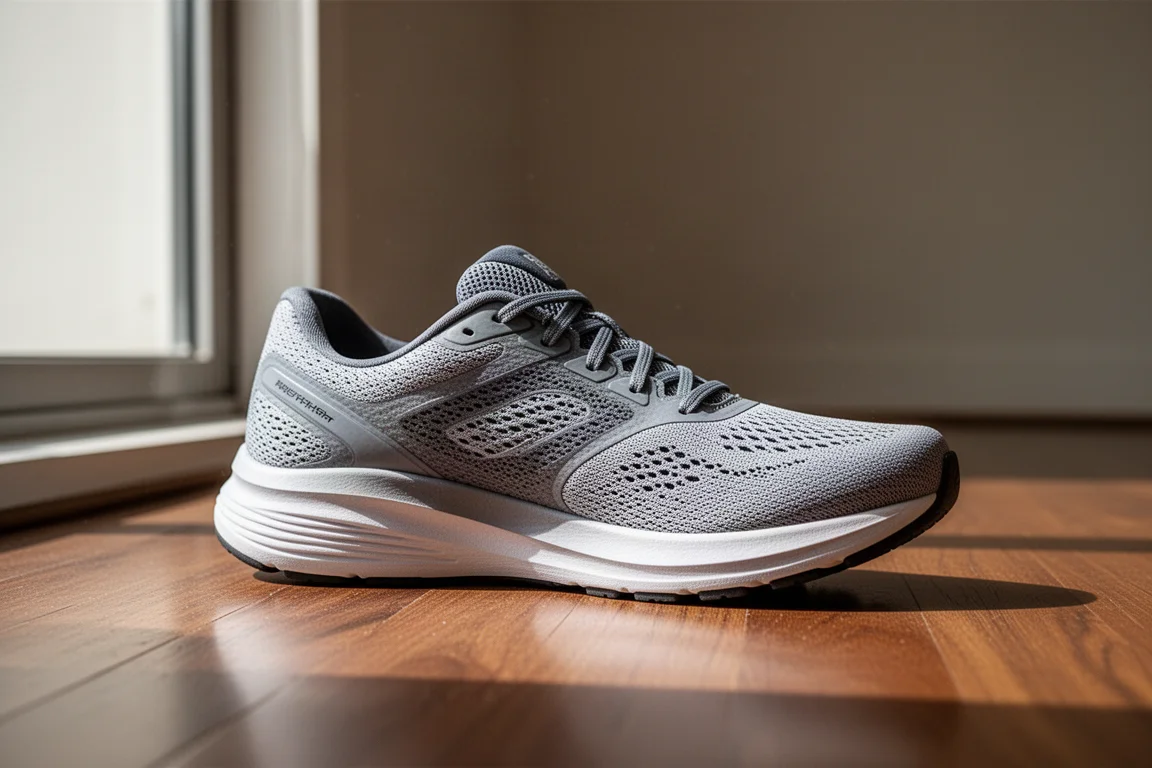
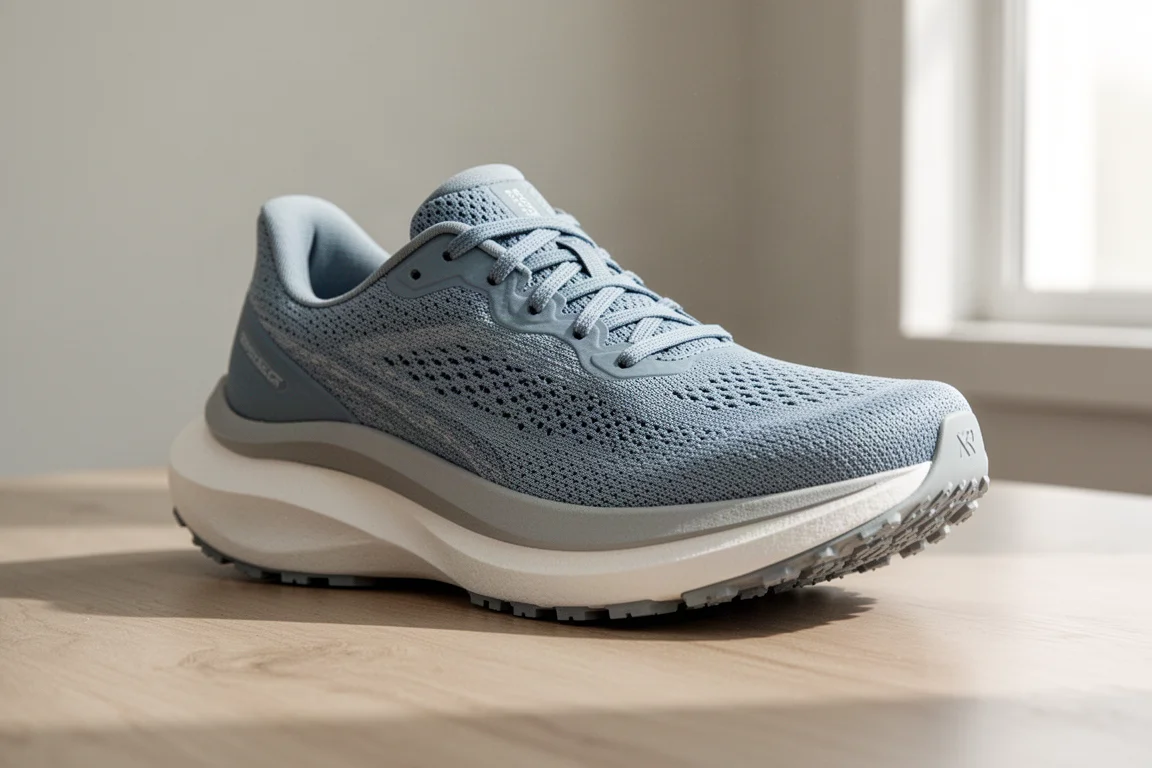
Cushioning Runner-Up: Puma Velocity Nitro 2
The Puma Velocity Nitro 2 is the runner-up, standing out chiefly on value. It retains the strong grip of the original with an upgraded upper and Puma’s Nitro-infused midsole foam, and it handles both high mileage and varied sessions with ease. Notably, Puma keeps full, generous outsole rubber coverage where other brands shave material to cut weight, making it a more real-world useful shoe in wet or cooler conditions. Other cushioning contenders included the Saucony Tempus, Brooks Glycerin 20, Nike Invincible 2, and Saucony Endorphin Shift 3.
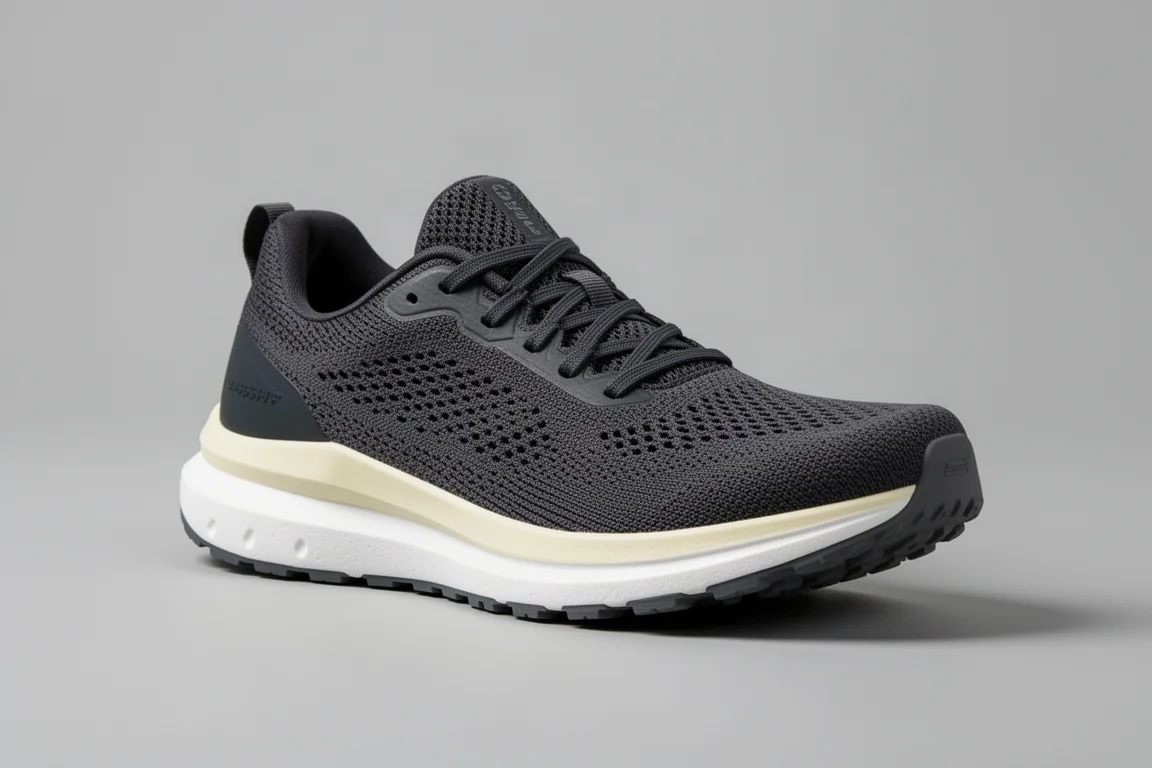
Best Racing Shoe: Saucony Endorphin Pro 3
The racing shoe category was the strongest of the year, with nearly every brand releasing a better carbon-plated racer than before. The Saucony Endorphin Pro 3 wins decisively. It is a huge leap from the Pro 2, which felt firm and underwhelming. The Pro 3 moves straight into the top tier of carbon racing shoes: a softer, higher-stacked ride, a lighter build, and an improved outsole. It performs superbly across every distance from 5K to the marathon, and crucially, it feels comfortable and natural rather than harsh, whether you are jogging an easy day or racing an all-out marathon. It also resonated strongly with the wider running community, which voted it the standout shoe of the year by a wide margin.
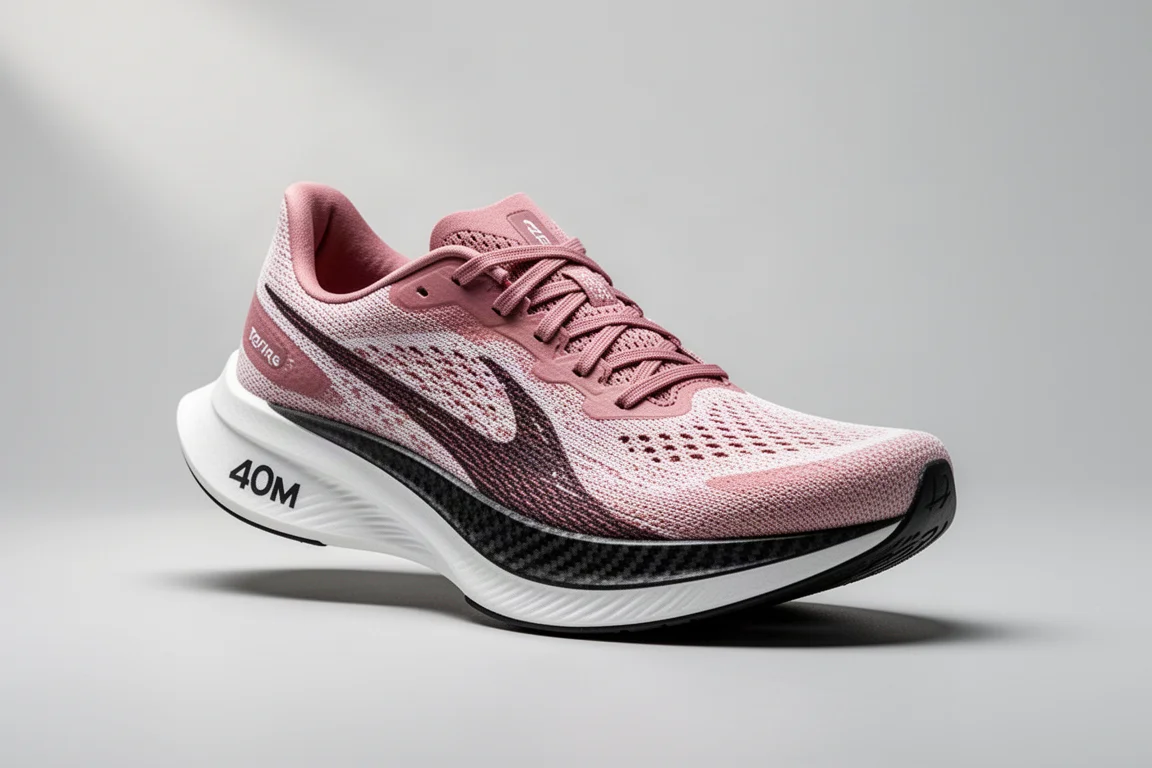
Racing Runner-Up: Nike Alphafly Next% 2
The Nike Alphafly Next% 2 takes runner-up. It is a shoe many runners have a complicated relationship with: heavier and more stable than the original Alphafly, which makes it more accessible, but its sheer size takes getting used to. Once you start running quickly, though, it is extraordinarily bouncy and fast, delivering power and energy deep into long races. The world marathon record was set in this shoe, which makes its relative under-appreciation all the more surprising. Other racing shoes that impressed included the Asics Metaspeed Sky Plus and Edge Plus, Adidas Adizero Adios Pro 3, and New Balance SC Elite V3, the latter hurt mainly by a late-year release that limited testing time.
How to Choose the Right Pick
If you are buying a single watch, the Forerunner 255 is the safest all-round choice, stepping up to the 955 only if you genuinely need mapping and top-tier training tools. For headphones, choose the Jabra Elite 4 Active for a traditional secure earbud experience or the Shokz OpenRun Mini if open-ear awareness matters more to you than sound isolation. For shoes, build around a daily trainer like the Mach 5 or Velocity Nitro 2, add a cushioning shoe like the Triumph 20 for high-mileage weeks, and only buy a carbon racer such as the Endorphin Pro 3 if you actually race. Trail runners on mixed road-and-trail routes should look at the Speedgoat 5 first and the Parkclaw G 280 as a commuter-friendly alternative.
Conclusion
This year’s standout products share a common theme: thoughtful refinement over reinvention. The Garmin Forerunner 255 and Jabra Elite 4 Active prove that the mid-price tier can deliver nearly everything the flagships offer, while the Hoka Mach 5 and Saucony Endorphin Pro 3 show how iterative updates can turn a good shoe into a category-defining one. Match your pick to how you actually run, and any of these winners will serve you well.
Further reading
Related Reviews
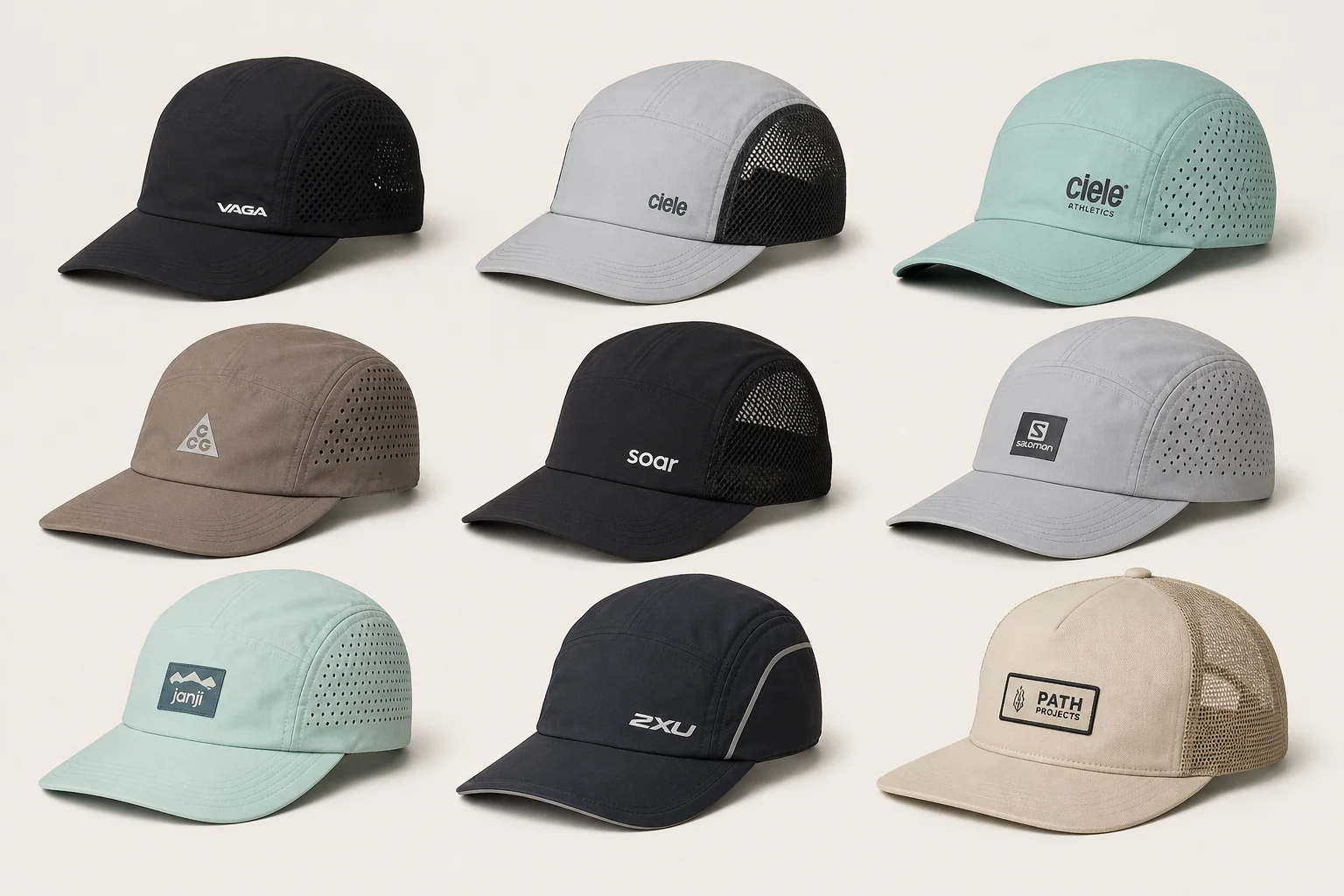
Running Gear
Best Running Caps 2026: Nine Tested Options for Summer and Winter
A comprehensive guide to nine running caps tested across different conditions, from lightweight summer options to waterproof winter choices.
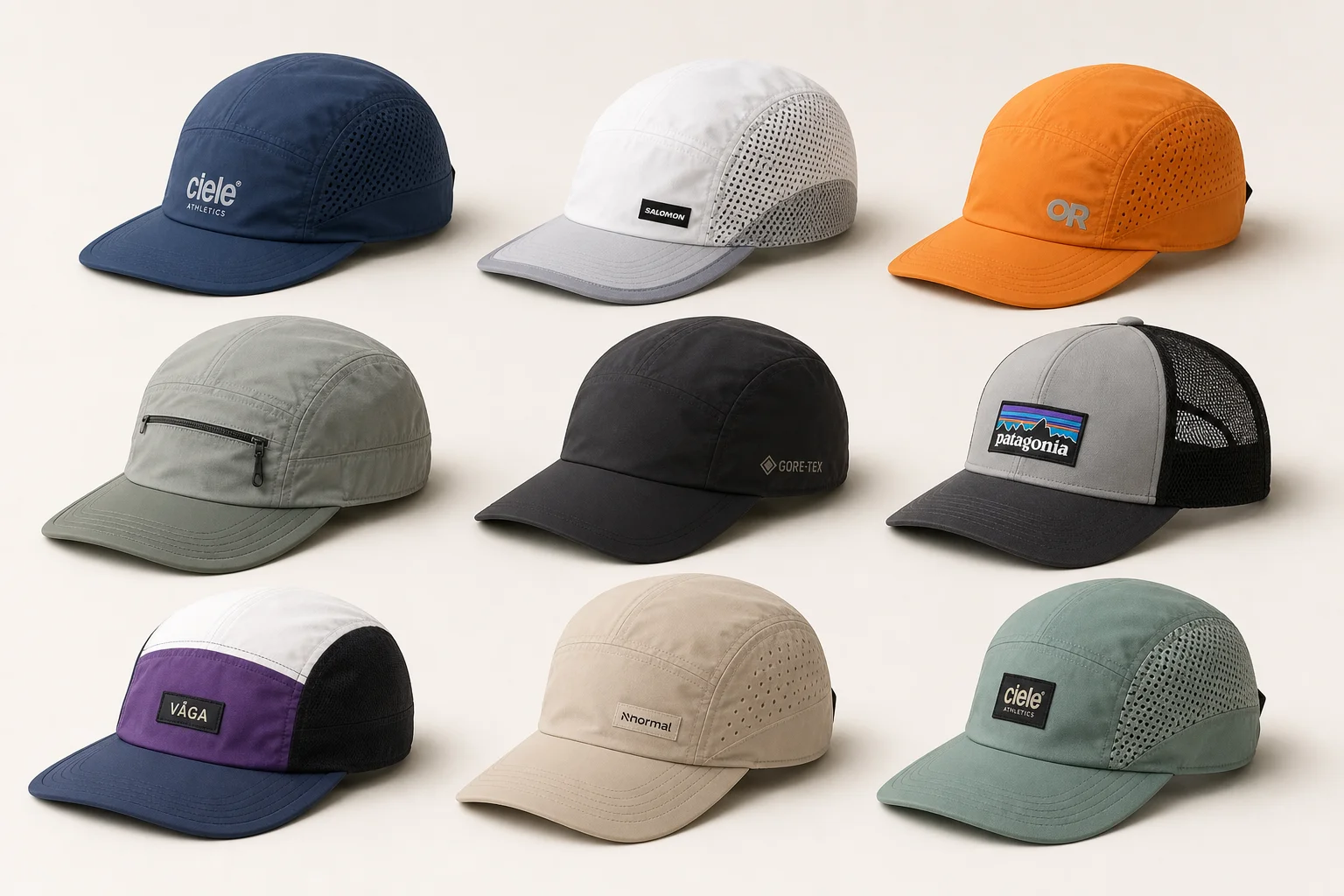
Running Gear
Best Running Caps: A Guide to Summer and Winter Options
A comprehensive review of nine running caps for different conditions, styles, and preferences, from lightweight summer options to waterproof winter choices.
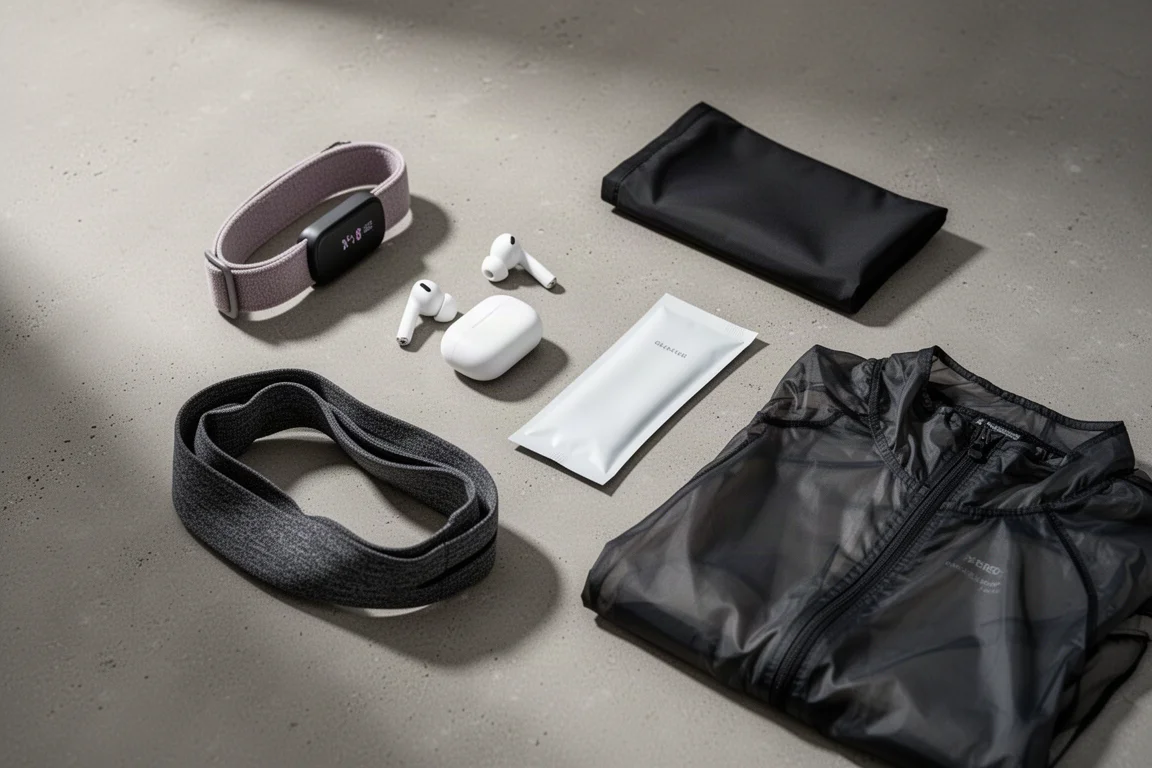
Running Gear
Best Running Gear 2026: Five Picks That Earn Their Place
Five running upgrades covering heart rate, audio, fuelling, carrying and weather protection, with the trade-offs worth knowing before you buy.