Everyday Carry
Ruike M661-TZ vs M671-TZ: First Impressions of Two Compact Frame Lock Folders
Two new compact Ruike frame lock knives, one with a titanium lock and one with a milled handle and tanto blade. Here is what stood out, and what to watch for.
Introduction
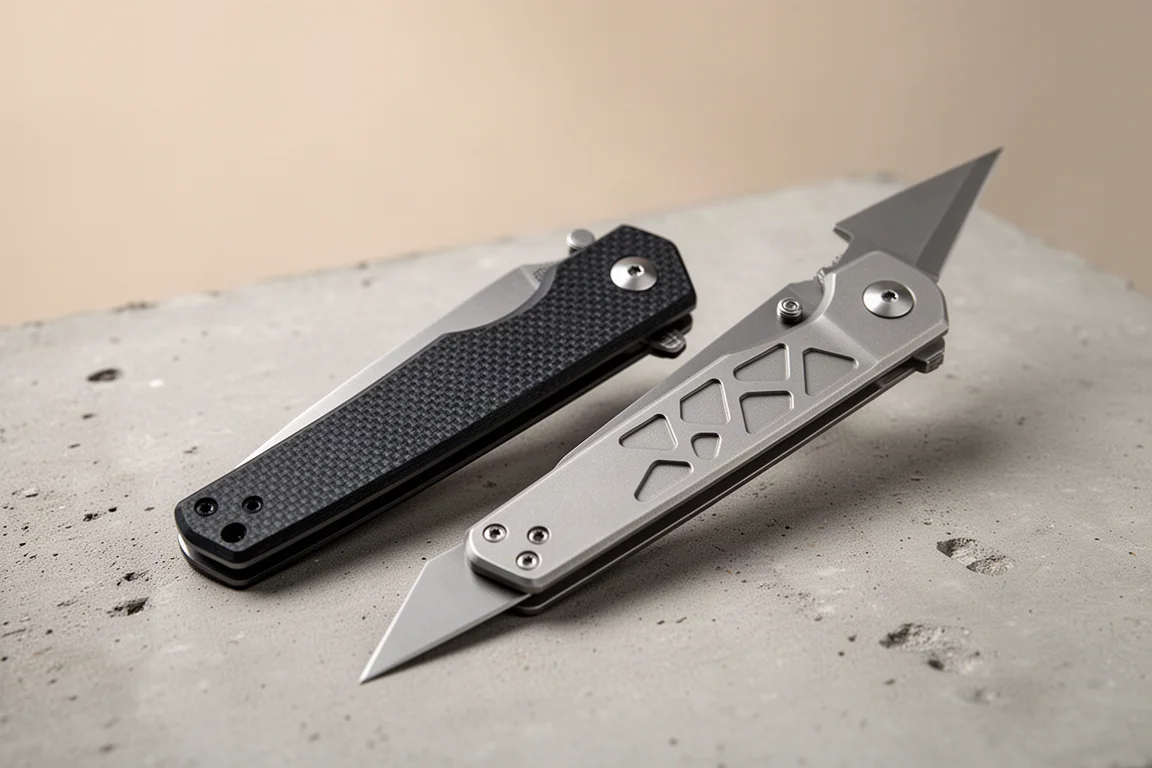
Ruike has two compact frame lock folders that are worth a close look if you like smaller knives with real build quality. Both are based on models that are already popular, and both bring a few interesting choices to the table: a titanium frame lock variant, a front flipper, large thumb studs, milled handles, and surprisingly light weights.
This is a first impressions piece rather than a long-term verdict. One of the two knives opened beautifully out of the box. The other had a noticeably stiff deployment that needed the right wrist angle to open smoothly, and that is something worth knowing before you buy. The pair also shares one clear flaw: non-recessed pocket clip screws that catch on a pocket edge.
Evaluation Criteria
For compact EDC folders, the things that matter most here are:
- Deployment: how easily and consistently the blade opens, whether via flipper or thumb studs
- Lock quality: solid frame lock engagement and a lock bar insert
- Size and weight: blade length, grip, and how it carries in a pocket
- Fit and finish: machining, centering, and pocket clip integration
- Value: what the steel and construction deliver for the price
Ruike M661-TZ: Titanium Frame Lock with Textured Scales
The M661-TZ takes a very popular Ruike pattern and swaps in a titanium frame lock, complete with a lock bar insert. The blade steel is 154CM, a genuinely good steel at this price point, and the handle combines a textured scale with a clip that works well visually.
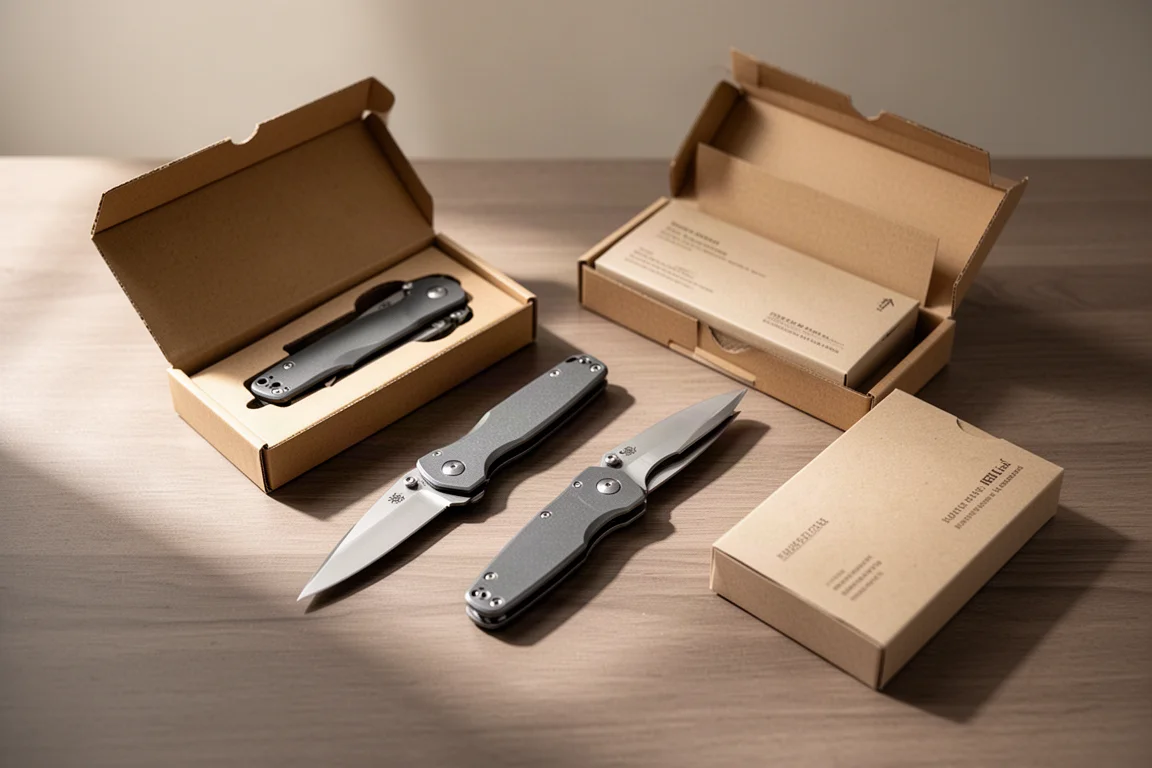
The shape and size are easy to like. The bigger question is the opening. Out of the box, the detent felt very strong, and the blade only wanted to fly open from one specific wrist angle. Get the angle right and it almost feels assisted; get it wrong and the blade fights you. That inconsistency is the main caveat with this knife. It improved over handling, and it is fair to assume some of it may smooth out with use, but it is not something that should require a technique lesson on a new folder.
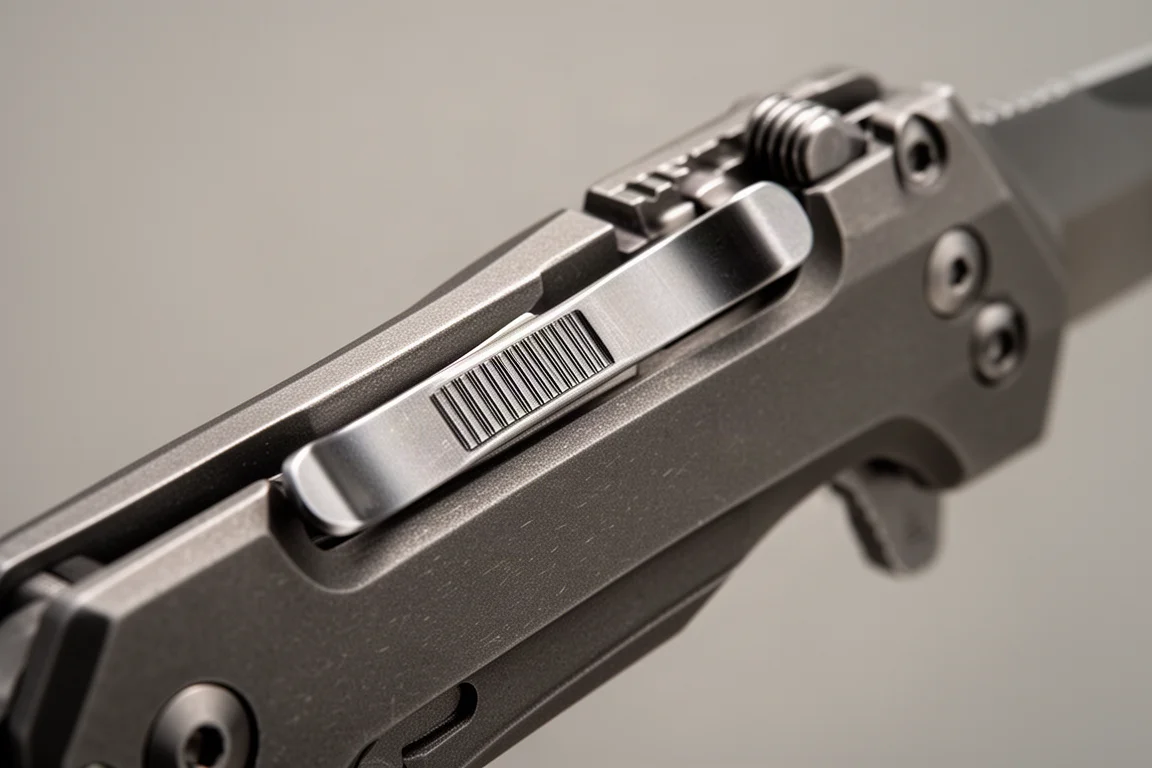
At roughly 103 grams (about 3.5 ounces), the weight is reasonable for a knife with a titanium frame lock, and the hollowed-out detail work helps keep it down. The lock bar insert is a welcome touch for a titanium lock at this level.
Ruike M671-TZ: The Standout of the Pair
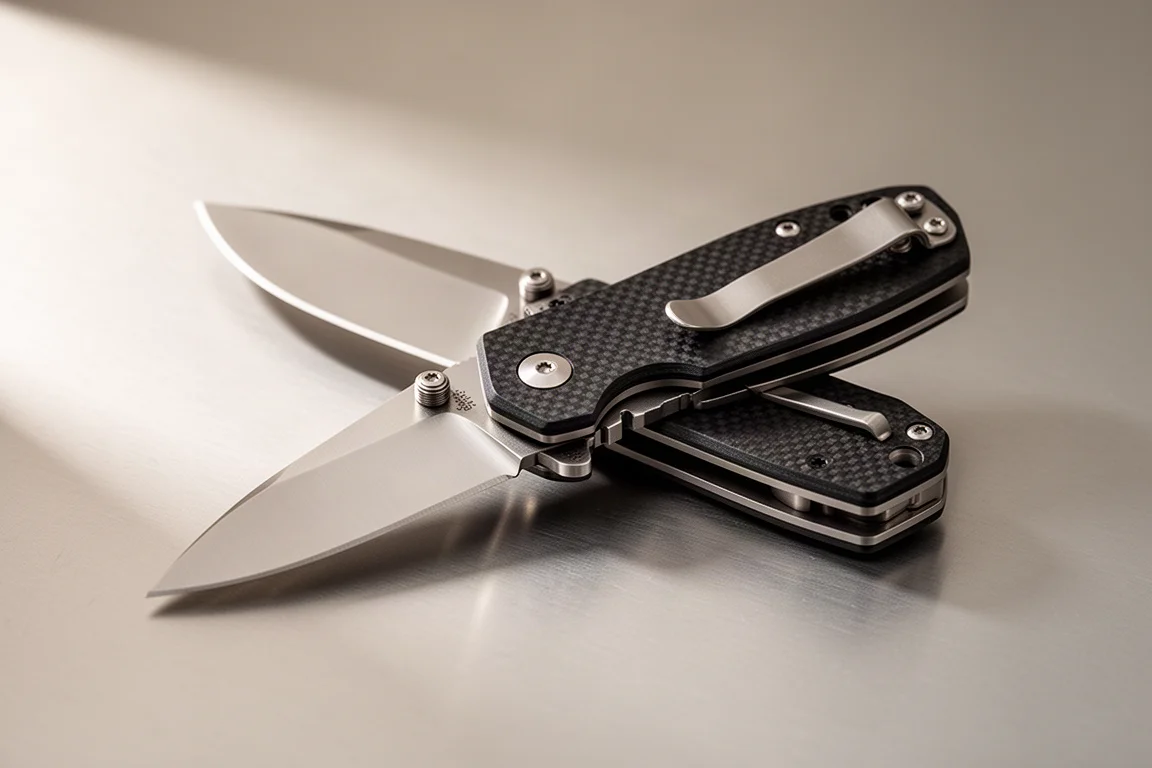
The M671-TZ was the clear favorite on first handling. The milled handle is the headline: the machining is genuinely beautiful, and the milling cuts the weight of an otherwise thick, full purchase handle down to just 61 grams, about two ounces. That is impressive for a non-hollowed-out titanium frame.
The tanto blade in 154CM is another strong point. Tanto geometry in a small knife gives you a leading edge with good draw cutting capability, and the blade shape here is simple but distinctive. Blade length is about two and three-quarter inches with just over two and a half inches of cutting edge, and the overall open length is around six and a half inches.
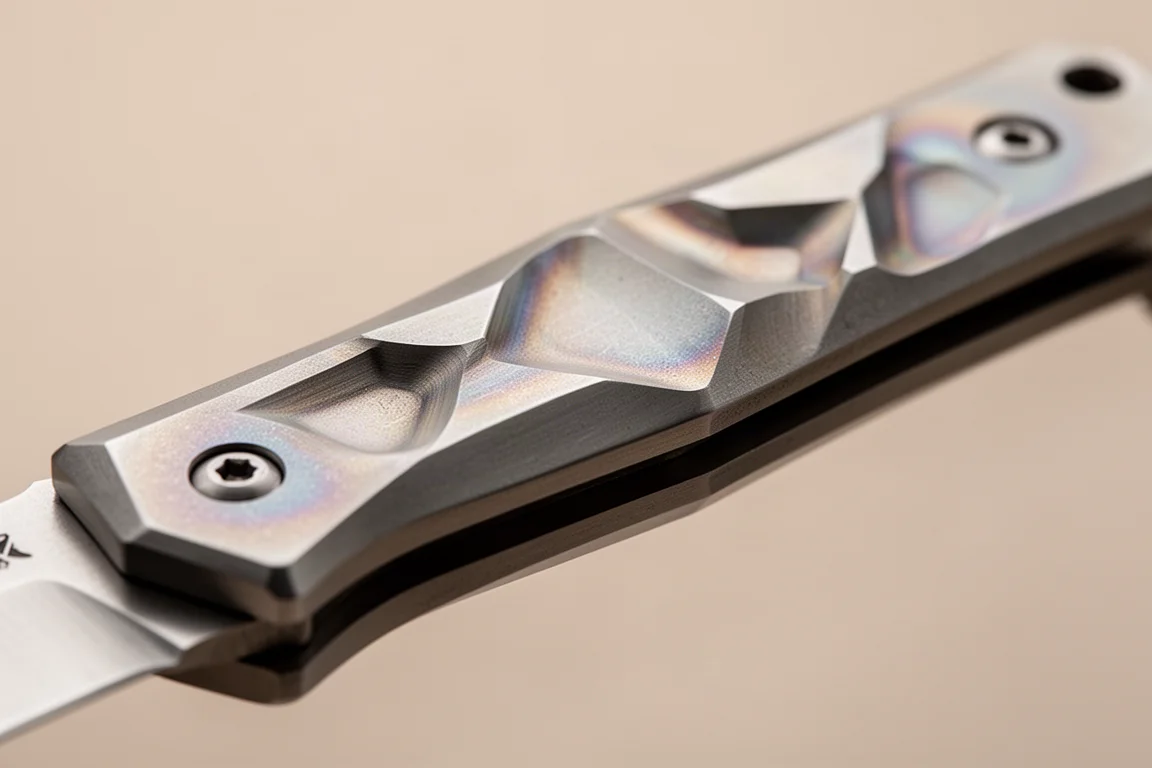
Deployment is where this one really shines. The bearings deliver excellent drop shut action, it can be reverse flicked, the front flipper works very well, and the large thumb studs make a range of opening styles possible. There were no opening issues at all. The grip is a four-finger hold with the pinky slightly hanging off the back, which is normal for a knife this size and not a real problem.
The only real criticism is minor: the non-recessed pocket clip screws catch on the pocket edge when drawing the knife, so it needs a small adjustment to come out cleanly. Flush screws would fix that, but compared to everything else this knife gets right, it is a small thing.
At around $90 in the United States, the feature set here, including 154CM steel, bearings, a milled titanium frame, a front flipper, and a lock bar insert, is strong value.
A Shared Flaw: Non-Recessed Clip Screws
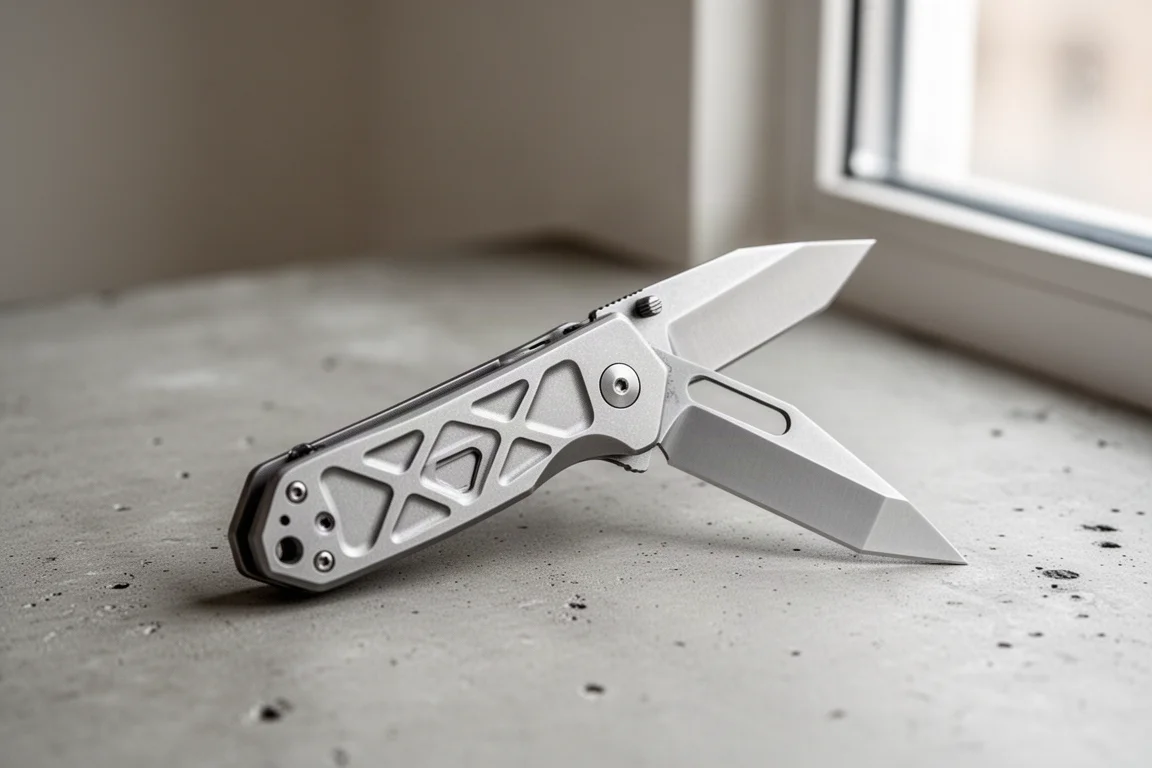
Both knives use pocket clip screws that are not flush with the handle. On the M671-TZ in particular, the knife hangs up right at the screw when being drawn from a pocket, and it has to be finagled out. It is the kind of detail that does not show up in a spec sheet but matters every single day in carry. If Ruike moves to flush screws in future revisions, both of these become noticeably better carry knives.
Buying Advice: Which One Makes Sense for You
Both knives are compact, well-built, and use 154CM steel, so the choice comes down to priorities.
Choose the M671-TZ if deployment quality, weight, and looks matter most. The milled handle, two-ounce weight, tanto blade, and flawless drop shut action make it the stronger pick of the pair, and the clip screws are its only real downside.
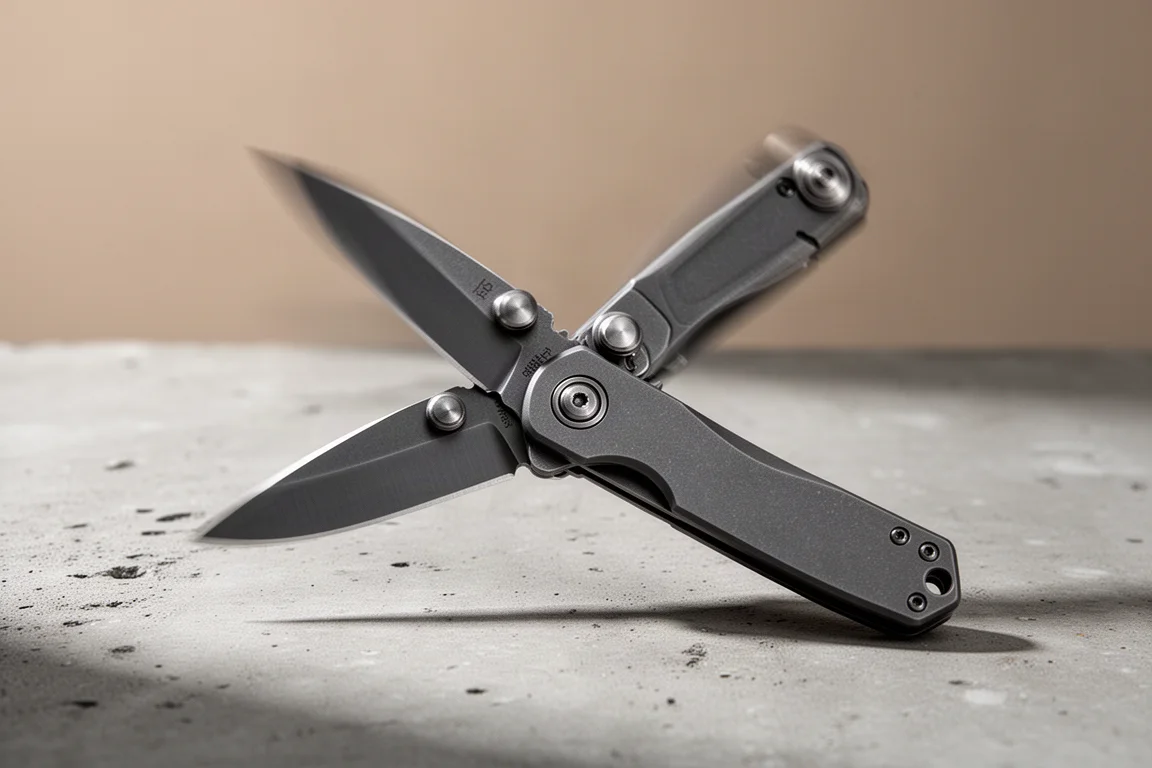
Choose the M661-TZ if you want the titanium frame lock version of a proven popular pattern and you are willing to accept that the detent may need a break-in period, or the right technique, before the opening feels effortless.
Conclusion
On first impressions, the M671-TZ is the easy winner: a beautifully milled, very light titanium frame lock with excellent action and a distinctive tanto blade in 154CM, all at around $90. The M661-TZ has a lot going for it in shape, size, and materials, but the inconsistent opening is a genuine caveat that deserves follow-up over time. Both would benefit from flush pocket clip screws. If you like compact EDC folders, either is worth a look, just know which trade-off you are signing up for.
Further reading
Related Reviews

Everyday Carry
Everyday Gear That Deserved a Second Look
A roundup of solid everyday carry items: watches, pens, a pencil, a knife, and a smart ring that each earned a place on the table.

Everyday Carry
KORE Tactical Bifold Wallet Review: A Durable Everyday Carry Option
A close look at the KORE Tactical Bifold Wallet, a reinforced nylon wallet with magnetic closure and room for cards, cash, and IDs.

Everyday Carry
Krabby Wallet Review: A Slim, Simple Carry That Has Stood the Test of Time
A closer look at the Krabby Wallet, a slim canvas and elastic design with a loyal following and a simple, functional approach to everyday carry.