Groupsets
Rotor 1x12 Groupset Review: Fully Hydraulic Shifting After 1,000 Miles
A long-term look at the Rotor 1x12 groupset, covering hydraulic shifting feel, braking power, gearing limits, and the small quirks worth knowing before buying.
Introduction
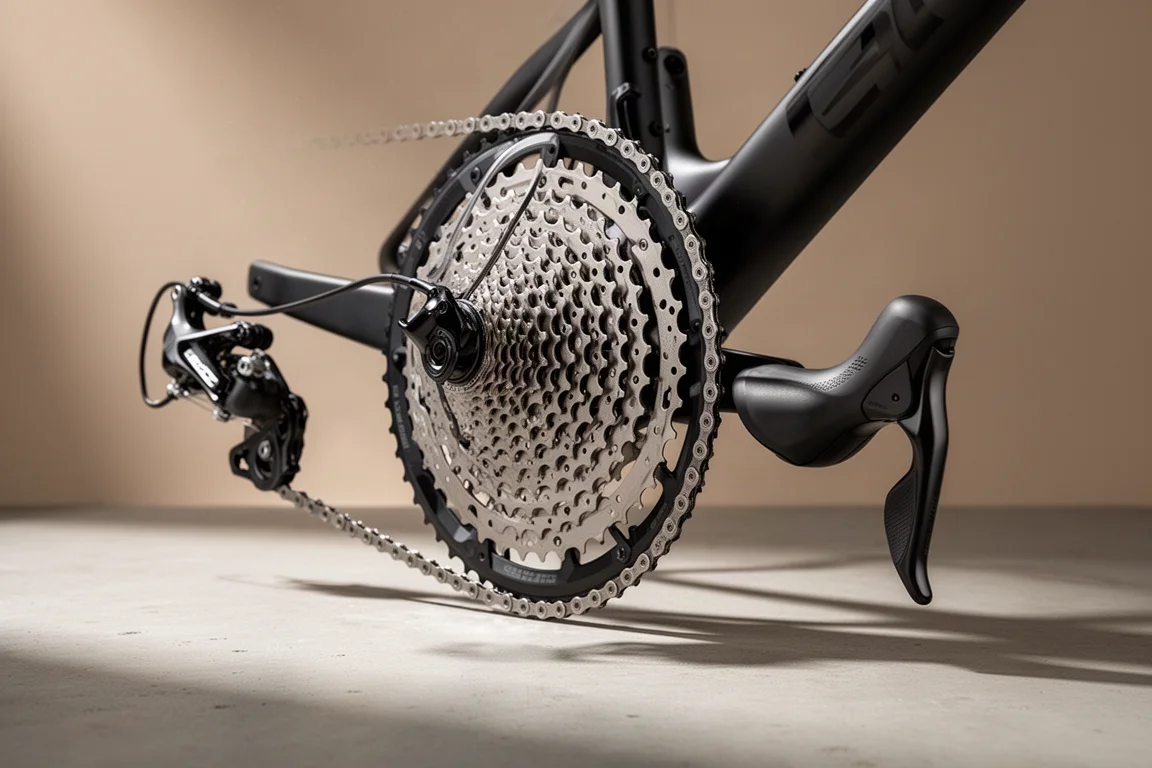
Fully hydraulic drivetrains remain a small niche in road cycling, and the Rotor 1x12 is one of the more unusual examples you can actually ride. This is the 12-speed version of the system, not the earlier Rotor Uno. The groupset carries a 1x13 marking because it can be converted to a 13-speed setup with the right hub, and that hub is currently only built into Rotor’s own wheels unless you have one laced up by hand. Everything below refers to the 12-speed build.
After roughly a thousand miles on this groupset, including several weeks of riding heavily loaded bikes and a stretch of riding at altitude, the overall verdict is positive. It shifted cleanly, braked with real authority, and stayed quiet even when the chain was filthy. There are a few small caveats worth understanding before you commit.
Who This Groupset Is For
The Rotor 1x12 suits riders who want something different from the mainstream cable or electronic groupsets and who are willing to adapt to a different shift feel. Because the system is fully hydraulic, both the brakes and the shifting run on fluid, so the lever action feels unlike anything a cable or electronic setup provides.
The tested setup used a 42-tooth chainring at the front and an 11-36 cassette at the rear. On an unloaded bike that combination covered the terrain comfortably. On a heavily loaded bike, gradients around 15 percent or steeper became a genuine struggle. Riders who are newer to cycling, or who do not ride often enough to build fitness quickly, may be better served by a smaller chainring or a slightly larger cassette.

It is also worth remembering that this is a single-chainring system, which keeps the front of the drivetrain simple and removes one more component to think about while riding.
Main Strengths
Hydraulic Shifting and Reliability
Reliability was the standout. Across the test period there were no missed shifts, no dropped chain, and no grinding through the gears. The system simply worked, including on long loaded climbs where a drivetrain sits under constant load.
Shift feel is the part that divides opinion. The groupset does not deliver the crisp, defined click that most popular groupset brands use, and online reviews are noticeably mixed on this exact point. It took a couple of rides to develop the knack, after which shifting became flawless. Treat the learning curve as real rather than imagined.
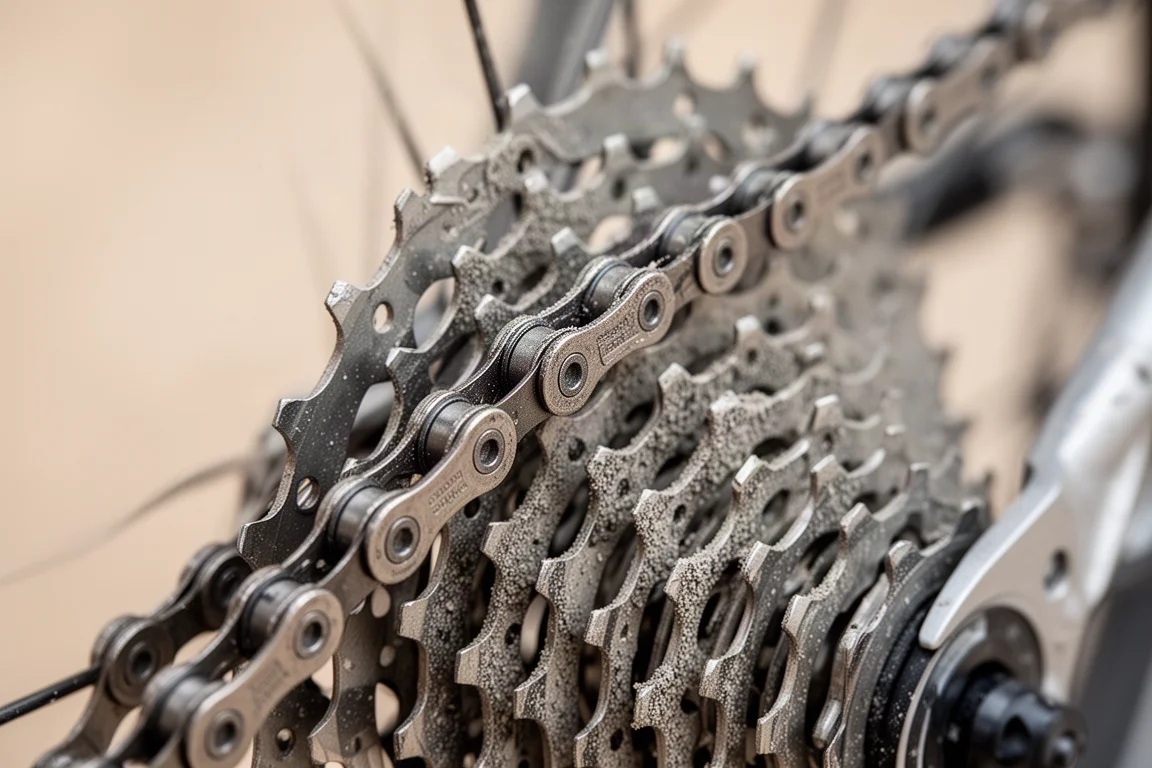
Noise levels also held up well. Even with a chain that had picked up a lot of dirt over long rides, the drivetrain produced no excess noise.
Braking Performance
Braking was excellent, particularly with a loaded bike where weak stoppers become obvious quickly. The setup used 160mm rotors front and rear, which explains much of the power on offer. The brakes were developed in collaboration with Magura, and the result feels strong and controlled rather than grabby.
Gearing and the Q Ring
The test build ran a Q Ring, an oval chainring, which was a first in a long time. After about five minutes of riding the shape stopped registering at all, and that impression held for the rest of the testing period. The oval profile caused no shifting issues.
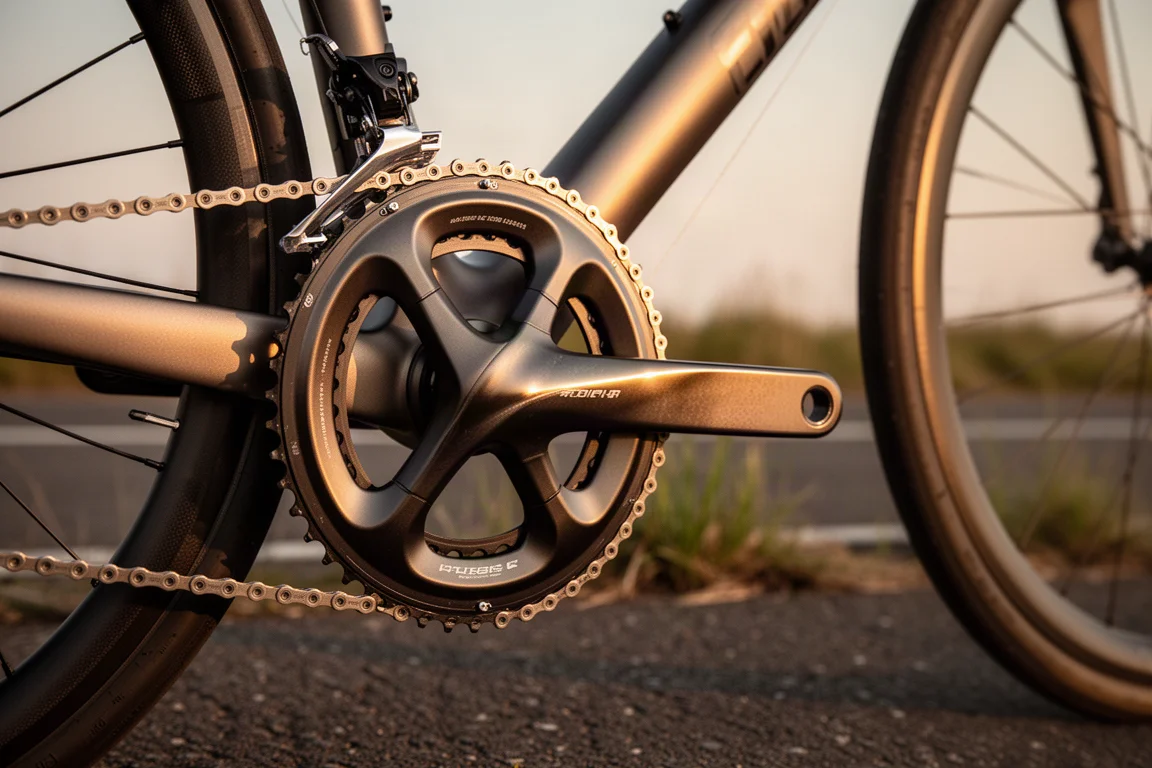
In practice the drivetrain stayed quiet and consistent across the range it covered, and the chainring shape never became something to think about mid-ride. For an oval ring, that is probably the best possible outcome.
Things to Consider Before Buying
Three details are worth flagging.
The first is hood wear. The rubber on the lever hoods is quite soft, and after a lot of climbing and out-of-the-saddle work, the material on the right hood wore away visibly. It is likely linked to how the bars are held, but the softer, slightly tacky rubber appears more prone to this than the thicker hoods found on some other groupsets.
The second is altitude behaviour. High in the mountains, the gears indexed very slightly differently, and the difference was consistent at the top of climbs compared with the bottom. After sleeping at altitude and riding the next day, the indexing returned to normal on its own. A small air bubble in the hydraulic system is one possible explanation and a bleed may be the fix, but this has not been confirmed and would need more testing.
The third is the shift feel itself. If a sharp, mechanical click is what you expect from a shifter, this system will feel unusual at first. It rewards a little patience rather than instant familiarity.
Buying Advice
If you are considering the Rotor 1x12, go in with clear expectations. It is a genuinely different way to run a drivetrain, and the payoff is dependable shifting, strong hydraulic braking, and a quiet system that holds up under load and dirt.

Match the gearing to your riding before anything else. A 42-tooth chainring with an 11-36 cassette worked well unloaded but ran out of range on steep climbs with a heavy bike. If your rides involve long loaded climbs, or you are still building fitness, size down the chainring or size up the cassette.
Also confirm which version you are buying. The 12-speed system is the one covered here. The 13-speed conversion depends on a specific hub that is currently only available built into Rotor wheels or laced up by hand, so it is not a straightforward upgrade path for most riders.
Conclusion
After a thousand miles, the Rotor 1x12 earns its place on the bike. It shifted without fault, braked with real authority, and stayed quiet when conditions were far from clean. The soft hood rubber and the altitude indexing quirk are worth knowing about, and the shift feel takes getting used to, but neither undermined the ride. For riders who want a hydraulic drivetrain and are willing to adapt, this is a compelling option.
Product link
View more details for Rotor 1x12 Groupset
This product is mentioned in the review. Check the specifications, options, and compatibility before buying.
View more details for Rotor 1x12 GroupsetFurther reading
Related Reviews
Groupsets
Campagnolo Super Record 13-Speed Groupset Review: Iconic Shifting, Real Trade-Offs
An early look at Campagnolo's 13-speed wireless groupset, covering shift layout, ergonomics, braking performance, and what to weigh before buying.
Groupsets
L2 RX 2x12 Groupset Review: A £200 Cable-Operated 12-Speed Build Kit
A first look at the L2 RX 2x12 groupset bundle, covering shifter feel, derailleur quality, real component weights, and what to budget for.
Groupsets
L2 RX Hydraulic Group Set Review: Strong Brakes, Fragile First Impressions
A 12-speed hydraulic groupset with excellent braking and easy multi-gear shifting, held back by a snapped left lever and a fiddly reach adjustment.