Skis
Rossignol Sender Free 110 Review: A Freeride Ski With All-Mountain Manners
A 110 mm freeride ski that blends freestyle playfulness with a sturdy, damp all-mountain build. Here is what it does well and who should consider it.
Introduction
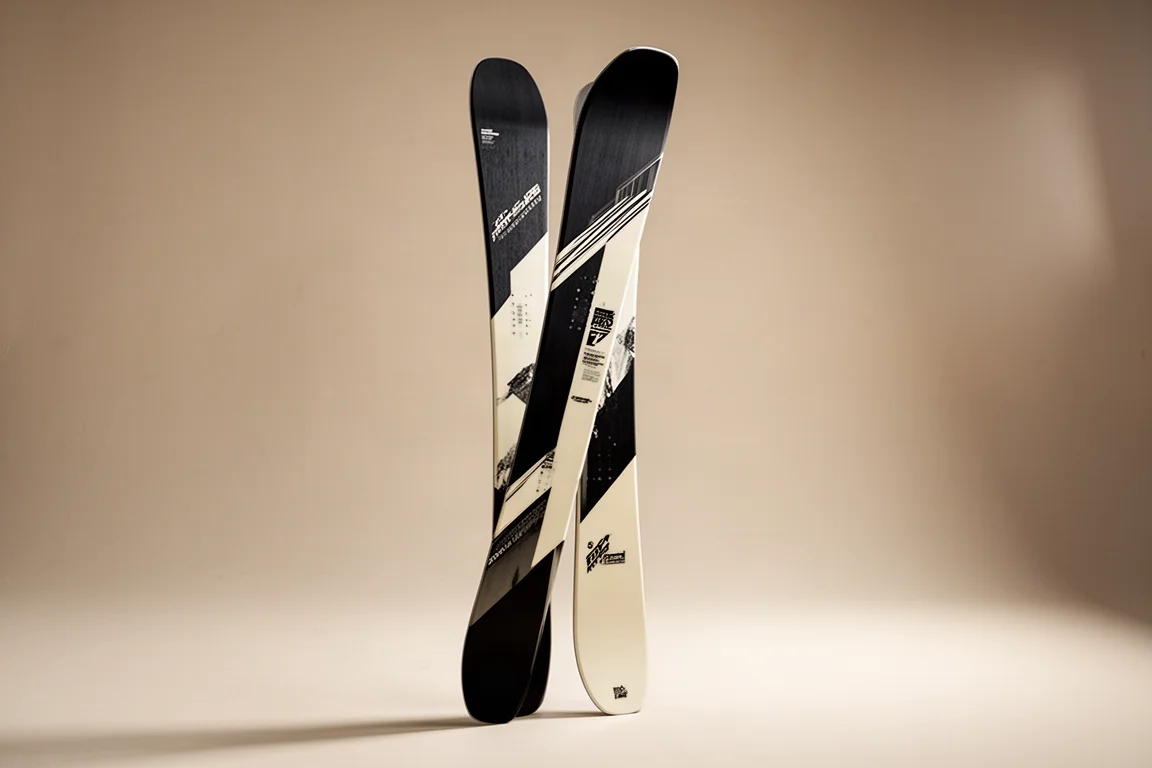
The Sender Free 110 sits in an interesting spot in the Rossi lineup. It borrows the freeride and freestyle character of the Black Ops 118, keeps some of the sturdy all-mountain nature of the Sender 106 Ti, and lands in the middle at a 110 mm waist. It is effectively the next step up in width from the Sender 106 Ti while adding multi-directional capability that the narrower ski does not have.
That combination is what makes it worth a closer look. Very few skis in this width class bring the same level of construction sophistication, and the blend of attributes is genuinely hard to match.
On snow, the ski proved capable across a range of conditions. It handled a genuinely good snow day in the woods and tight zones, then followed that up on softer days when the snow was not as deep. Across all of it, the ski kept its composure and its energy.
Who This Ski Is For
This is a ski aimed at advanced and expert skiers. It rewards people who know how to let it run and how to bring it back in again, and it makes the most sense in wider, more open terrain and snowier zones where its float and stability have room to work.
It also appeals to skiers who want a freestyle dimension in a wider ski. The twin-tip tail opens up switch skiing, tricks, and a more creative approach to natural terrain, while the rest of the build keeps things planted when the snow gets cut up.
If you mostly ski firm, groomed, or low-snow terrain, this is not the tool. It wants soft snow and space.
Main Strengths
The strengths here come from how the construction, shape, and rocker profile work together rather than from any single feature.
Construction and Materials
The core is poplar wood, and there is a titanal beam underfoot in the binding zone, so the ski gets a metal laminate exactly where the pressure goes. Damp Tech adds a layer of vibration-damping material that keeps the ride smooth and quiet.
On top of that sits the carbon alloy matrix, a carbon stringer laid in a cross-hatched pattern along the whole ski. It boosts stiffness, responsiveness, and precision, and for a ski of this width it goes a long way toward making the whole package feel energetic and poppy.
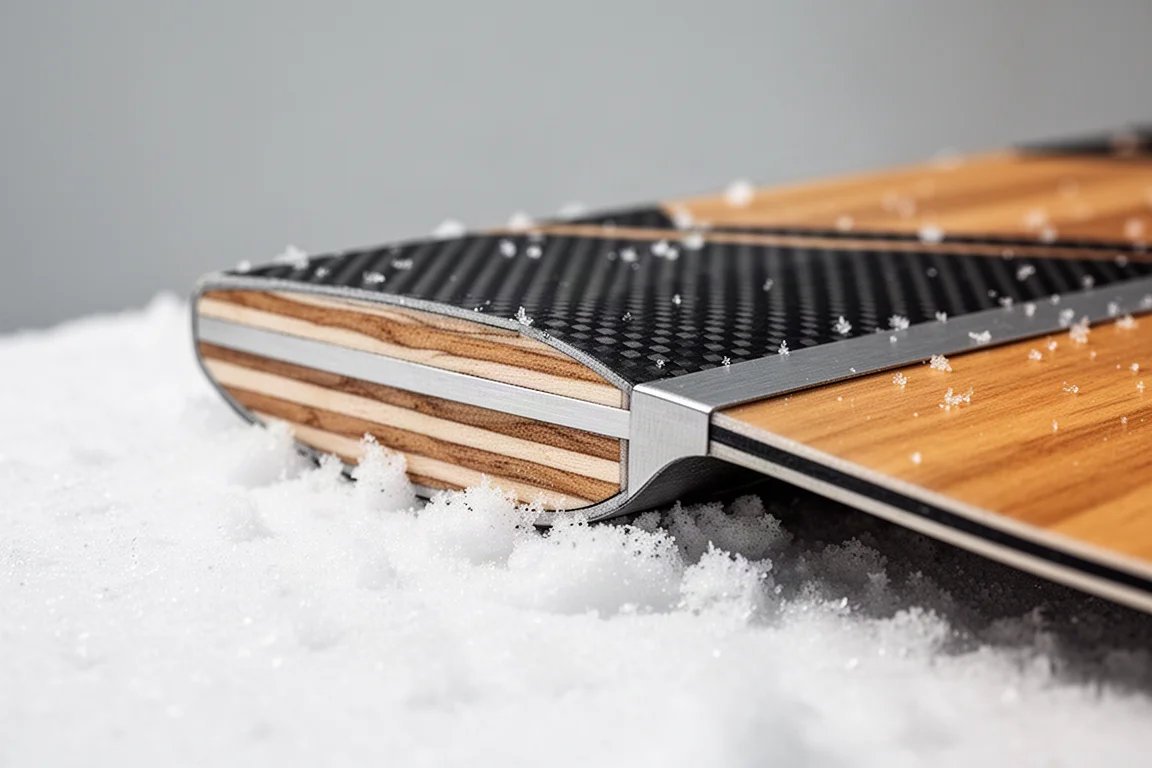
Air Tip in the front of the ski lightens the swing weight and helps it float, which is proven technology and a sensible fit here. It gives the ski a lighter, more playful, more creative feel.
The result is a ski that lands on the stiff side. For this build and this width, that stiffness is a benefit rather than a drawback. In the 191 cm length, you can feel the carbon alloy matrix fire up when you bend it, and it gives strong feedback through the back end of the ski.
Shape and Rocker Profile
The shape is where the Black Ops influence shows most clearly. It uses a much more twin-tip style outline than the Sender 106 Ti, which makes sense once you get into the 110 mm zone, where multi-directional performance matters more than pure directional tracking.
There is a good amount of positive camber underfoot, which pairs naturally with the stiffness and explains why the ski feels so energetic. Tip rocker is long and starts fairly far back, with progressive rather than radical splay, giving the ski a smooth and floaty nature. The tail follows the same theory: long rocker with moderate splay, enough to create a playful tail that opens up freestyle terrain and switch skiing without feeling loose.
Maneuverability and Turn Shape
The turn radius comes in at 22 meters, and shorter lengths will produce a shorter arc. Even so, the ski likes to turn. In tighter trees it was genuinely maneuverable, helped by Air Tip and by a relatively short running length that makes the ski feel agile in tight spots.
It is not the lightest ski on the market, and at this width it is not going to be described as nimble in absolute terms. But for its width and its build, it handles tight terrain well, which is a meaningful achievement given how much material is in it.
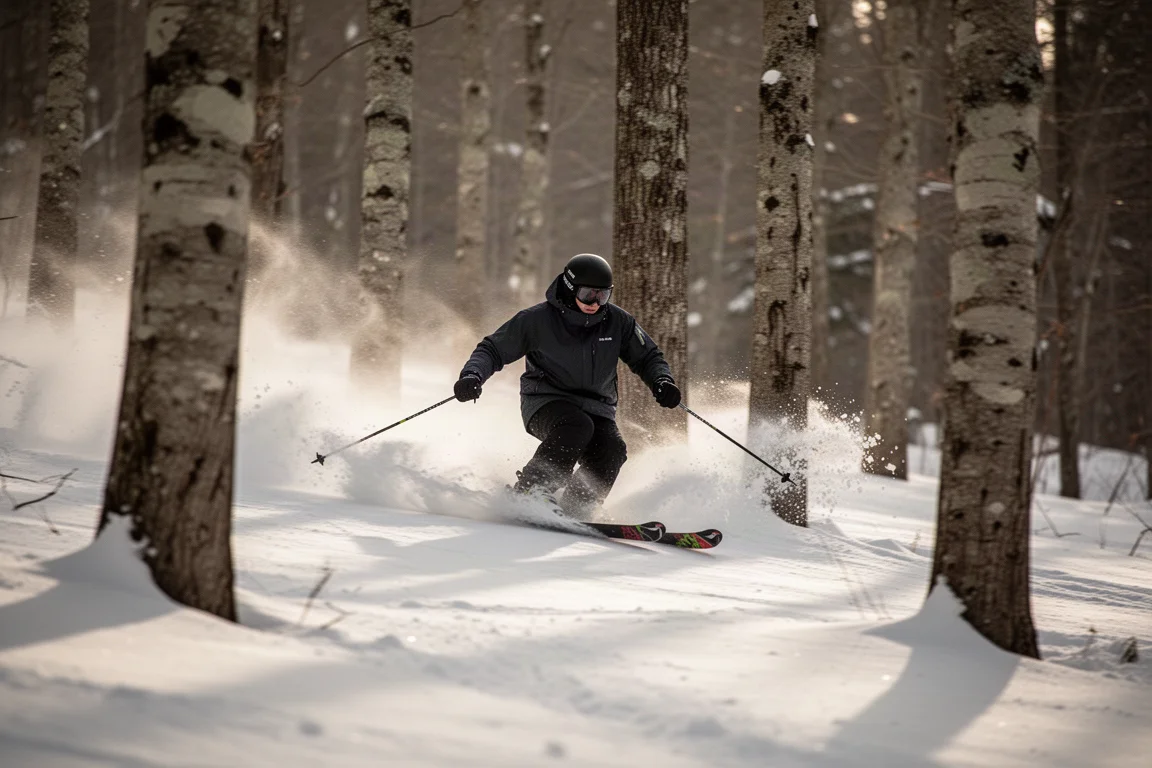
That balance is the real story of the ski. It has enough mass and stiffness to stay calm at speed, yet enough shape and rocker to stay quick when the terrain closes in around you.
Things to Consider Before Buying
The main consideration is the flex. This is a stiff ski, and that stiffness is deliberate, but it means lighter or less aggressive skiers may not get the most out of it. It responds best to a confident, committed input.
Second, it is not a light ski, and it is not narrow. If your priority is quick edge-to-edge turns on hardpack or long days of low-effort cruising, a narrower all-mountain ski will serve you better.
Third, it wants the right terrain. Wider open spaces and snowier zones are where it comes alive. In low-snow conditions you will be working harder than the ski is.
Buying Advice
Think about where you actually ski. If your season is built around soft snow, open bowls, tree laps, and the occasional park or natural feature, the Sender Free 110 fits that picture well. If most of your days are on firm groomers, look at something narrower.
Length choice matters here. The 191 cm is the big one in the range and delivers the most stability and float, while shorter lengths will feel quicker and produce a tighter turn arc. Choose based on your height, weight, and how much speed you like to carry rather than on what looks best on paper.
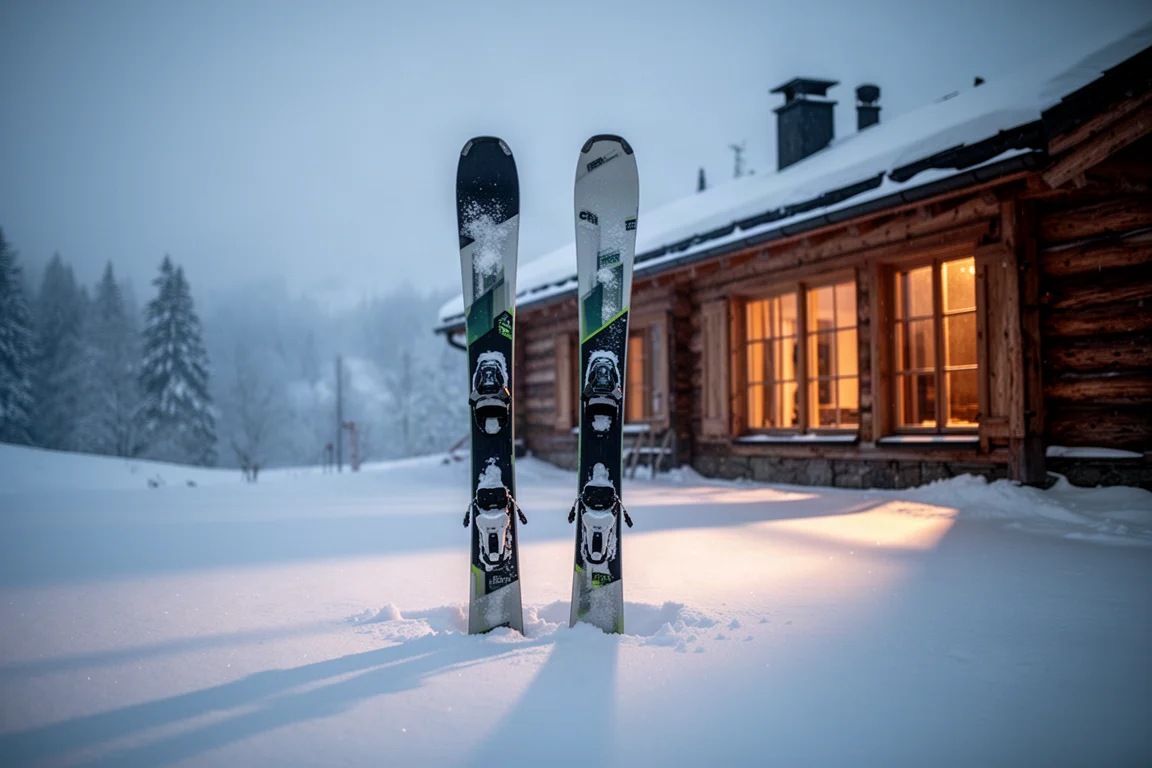
It is also worth noting how little competition exists in this segment. Not many skis around 110 mm underfoot combine this level of construction technology with a genuine blend of freeride float and freestyle capability. If that combination is what you have been looking for, this ski delivers it in a coherent package.
Conclusion
The Rossignol Sender Free 110 does exactly what a ski in this position should do. It takes the sturdy, damp, precise character of the Sender line, adds the playful twin-tip freeride DNA of the Black Ops series, and lands at a width that works in soft snow without giving up composure.
It is stiff, it is not featherweight, and it asks for an advanced or expert pilot. Give it soft snow, open terrain, and a skier willing to drive it, and it rewards that input with energy, float, and a playful tail that keeps things interesting.
Product link
View more details for Rossignol Sender Free 110
This product is mentioned in the review. Check the specifications, options, and compatibility before buying.
View more details for Rossignol Sender Free 110Further reading
Related Reviews

Skis
Armada Anti Matter 82 W Review: A Light, Approachable All-Mountain Carver
Armada's Anti Matter 82 W pairs a lightweight Karuba and carbon build with an easygoing all-mountain shape, aimed at intermediates through lighter-footed advanced skiers.

Skis
Armada Anti Matter 88W Review: A Light, Playful 88mm All-Mountain Ski Plus Two Alternatives
The Armada Anti Matter 88W returns unchanged in spirit from its Reliance 88C days, and it remains one of the most versatile 88mm skis around. We also look at the Nordica Santa Ana 87 and Anti Matter 92 W as alternatives.

Skis
Armada ARV 100 vs Atomic Bent 100: Which 100mm Freestyle Ski Should You Buy?
Two of the best all-mountain freestyle skis of the season compared: one leans playful and park-ready, the other holds up better everywhere else.