Skis
Rossignol Sender Free 100 Review: A Lighter 100mm Twin Tip for All-Mountain Play
A closer look at the Rossignol Sender Free 100, a lighter 100mm twin tip with a playful shape, strong edge hold, and a flex that suits trees, bumps, park laps, and groomers.
Introduction
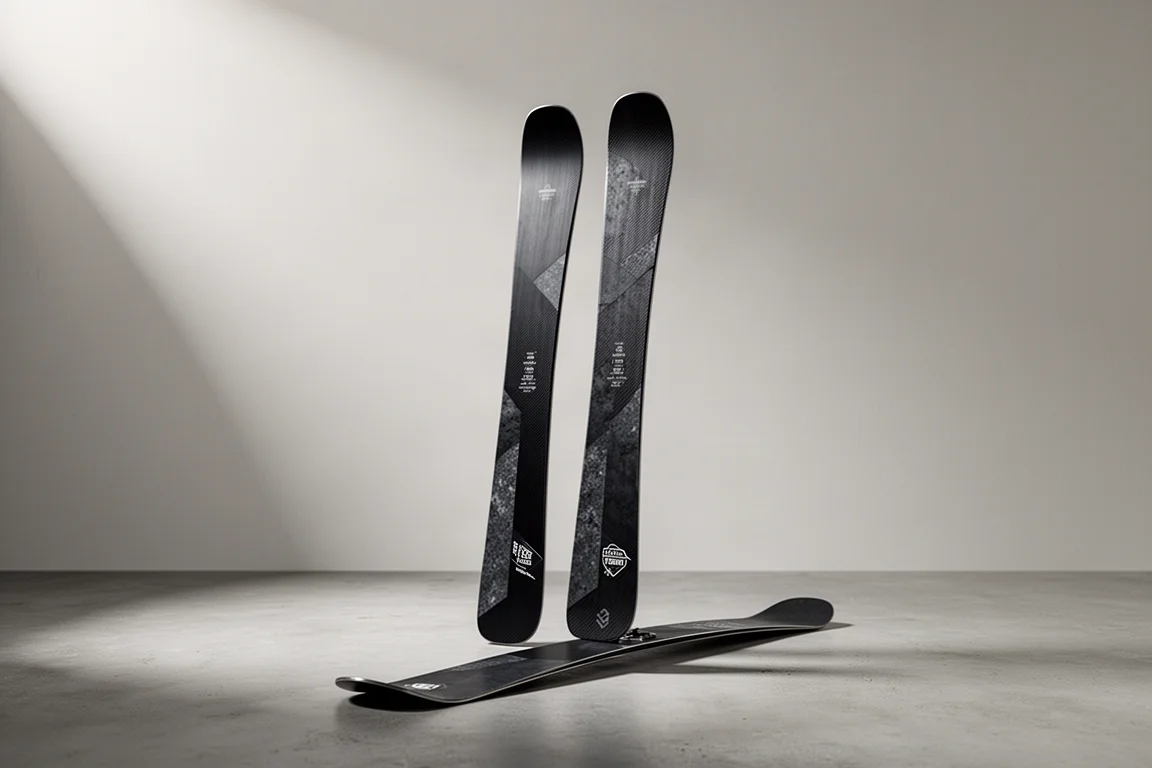
The Rossignol Sender Free 100 sits in a category that has become a sweet spot for many skiers: a 100mm-underfoot twin tip that can handle groomers, trees, bumps, and park laps without feeling like a one-trick ski. It follows the success of the Sender Free 110, but it is not simply a narrower copy. The Sender Free 100 has its own build and its own on-snow feel, and that distinction matters.
At 100mm underfoot, the ski is wide enough to provide a stable platform in soft snow and park landings, yet narrow enough to carve confidently on groomed terrain. The shape is playful, the flex is rounded, and the overall package is designed to give skiers a lot of options across the mountain. For anyone who wants one pair of skis to cover a wide range of conditions, this is a compelling place to start.
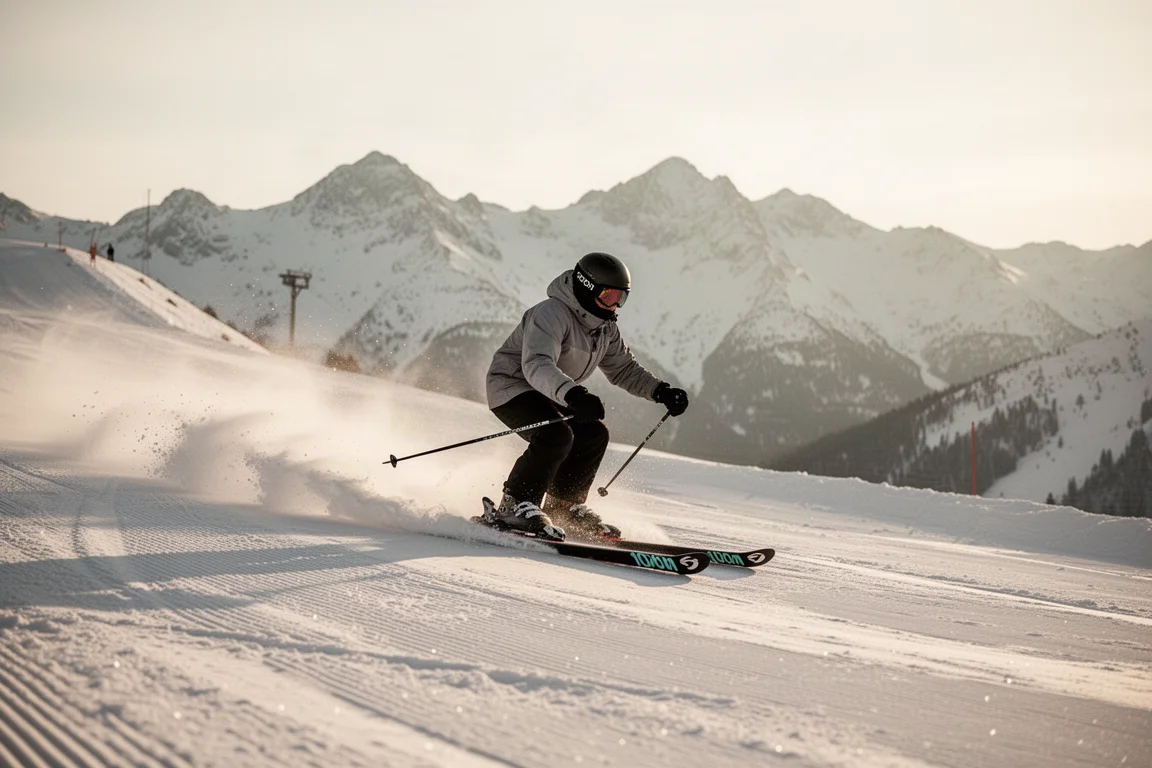
The Sender Free 100 is not a dedicated race ski or a pure park ski. It is an all-mountain twin tip that leans toward freestyle and soft-snow versatility, with enough backbone to ski aggressively when the terrain calls for it.
Who This Product Is For
This ski suits skiers who want a single pair that can move between groomers, trees, bumps, and the terrain park. It is especially relevant for riders who value a twin-tip shape and switch skiing, but who also want a ski that can carve and hold an edge on firmer snow.
It also makes sense for intermediate to advanced skiers who are comfortable in variable terrain and want a forgiving but supportive platform. The flex is soft and round, but not so soft that it collapses under pressure. That balance gives the ski a broad range of capabilities.
Skiers who spend most of their time on hardpack and prioritize race-level edge grip may want something narrower and stiffer. Likewise, dedicated park skiers may prefer a narrower twin tip for technical rail and jump lines. The Sender Free 100 is best understood as a versatile all-mountain twin tip, not a specialist for every possible use case.
Main Strengths
The most noticeable strength is how light the Sender Free 100 feels compared with the Sender Free 110. In a 178cm length, the Sender Free 100 weighs 1,870g, while a comparable length in the 110 is around 2,100g. That weight difference is reflected on snow: the ski feels quick, agile, and easy to maneuver, but it still retains enough substance to feel solid and smooth.
The flex pattern is another highlight. It is soft and round, which makes the ski approachable and playful, but it does not flex through so easily that it loses support. The result is a ski that gives you a wide range of tools: you can carve, smear, pop, and land with confidence. The shape is playful, while the build is strong enough to trust at speed or in more aggressive turns.
The Sender Free 100 also has a higher camber height than the Sender Free 110, and that gives it a snappy, energetic feel. The camber is not easy to decamber by hand, and on snow it creates a sense of potential energy through the middle of the ski. Combined with a tip and tail rocker profile that is close to symmetrical, the ski feels like a true twin tip through and through.
Performance Across Terrain
On groomers, the Sender Free 100 carves well enough to satisfy skiers who want a lively edge-to-edge feel. It is not a carving specialist, but it holds an edge and exits turns with energy. That makes it enjoyable on the way to the park, through trees, or back to the lift.
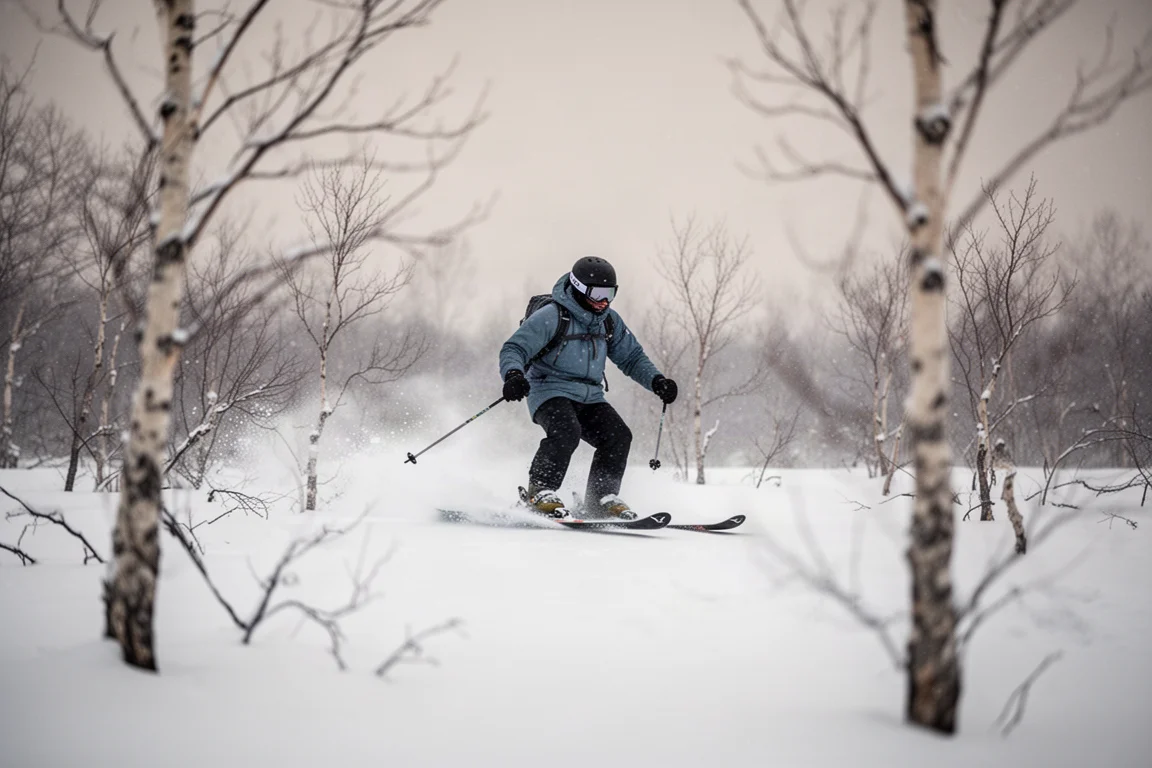
In bumps and trees, the combination of a lightweight build, supportive flex, and camber gives the ski a strong blend of agility and forgiveness. It feels confident when skied purposefully, yet it can get out of trouble quickly if a line goes wrong. That mix is valuable in tight terrain where quick adjustments matter.
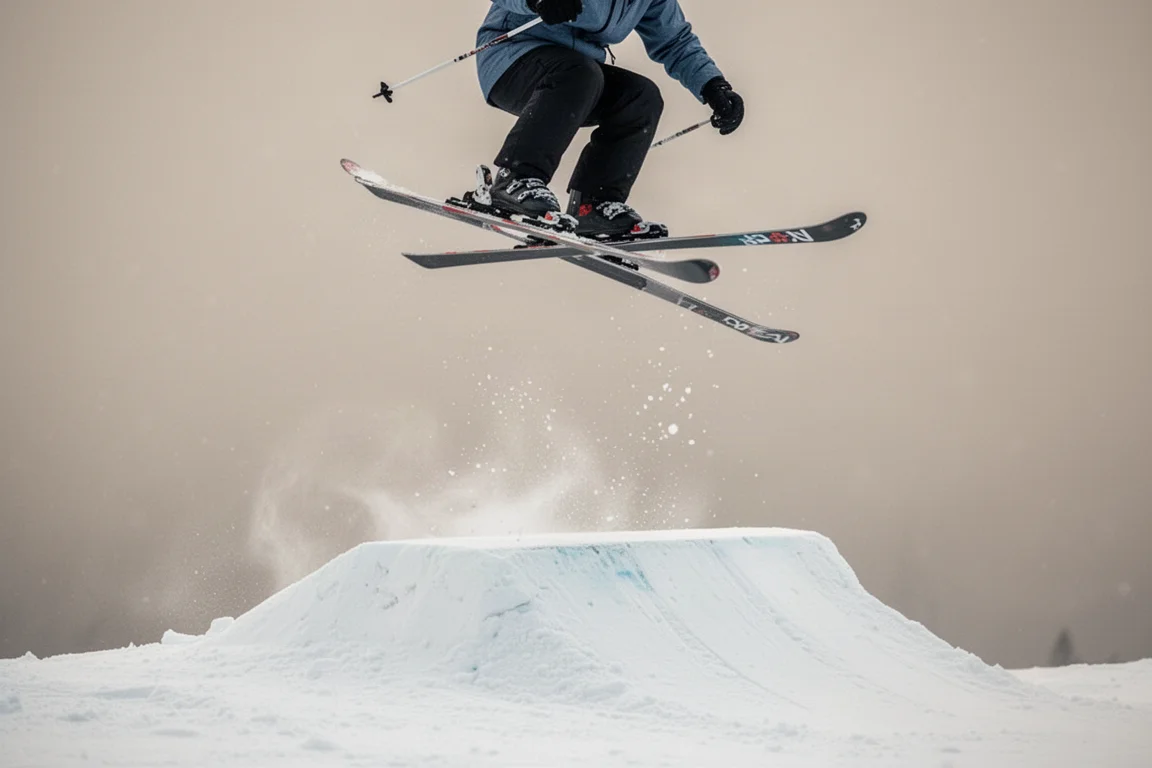
In the park, the Sender Free 100 is simply fun. The 100mm waist provides a more stable platform than a narrower park ski, which can feel more forgiving on landings and switch takeoffs. It is less catchy when landing sideways, and the twin-tip shape makes switch skiing natural. Dedicated park skiers may still choose a narrower ski, but for many riders the extra width adds confidence without taking away the playful feel.
Construction and Flex
The Sender Free 100 uses a wood core that is very similar to the Sender Free 110, but the additive materials are placed differently. Where the 110 uses a carbon alloy matrix cross-hatching above the core, the Sender Free 100 uses carbon and basalt in a slightly different format below the core. That placement sits closer to the ground and gives the ski a different feel underfoot.
That construction difference contributes to the lighter weight and the slightly different sound and flex when the ski is handled off snow. The Sender Free 100 can sound a little pingy when flexed by hand, and that might give a misleading first impression in a shop. On snow, however, it feels solid and smooth. The 110 has slightly better vibration damping, but the 100 still holds up well in real conditions.
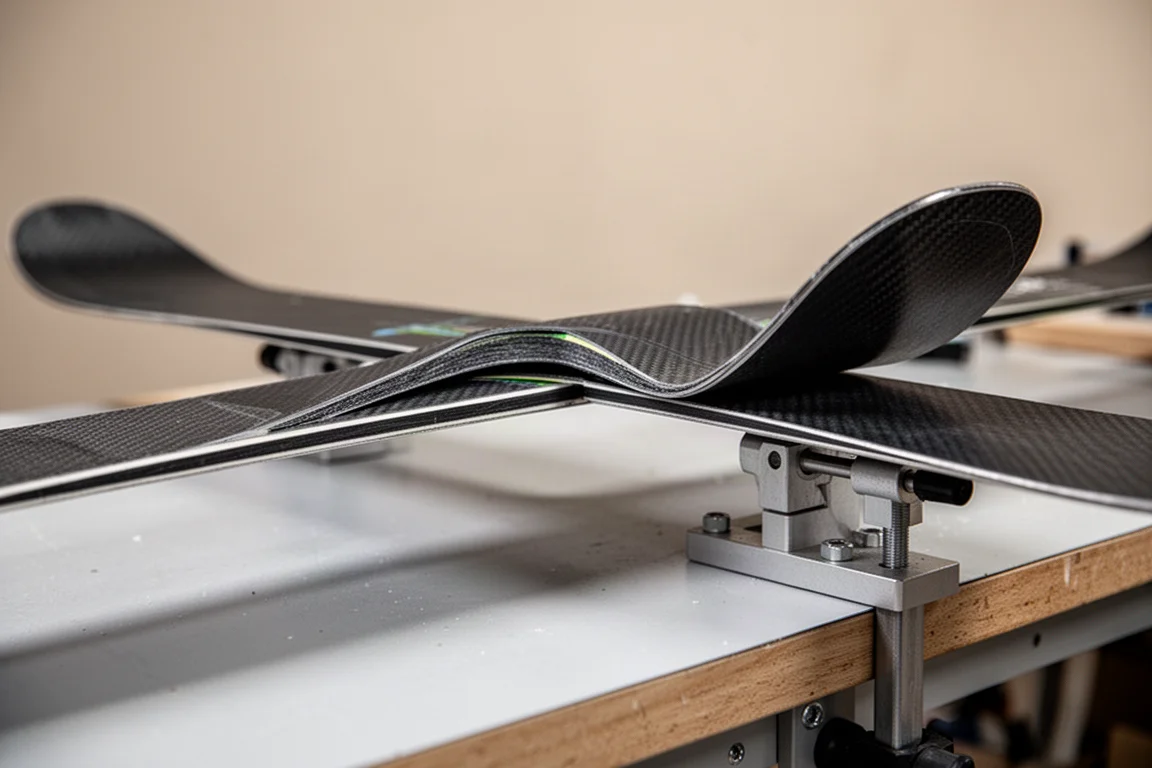
The flex is soft and round, with enough support to avoid folding through the middle. It gives the ski a broad performance window: easy to manage at moderate speeds, but still capable of being skied aggressively by a confident rider.
Things to Consider Before Buying
The Sender Free 100 is lighter than the Sender Free 110, and that comes with trade-offs. The 110 has a little better vibration damping, so skiers who prioritize a damp, planted feel on rough snow may prefer the 110. The Sender Free 100 can sound a bit pingy when hand-flexed, which may not match its actual on-snow performance.
Sizing is another consideration. The Sender Free 100 can ski a touch short because of its lighter build. Skiers who find themselves between sizes may want to consider going up to the longer option. In this case, moving up to the 184cm length proved to be a good decision for a skier who was between sizes. That is worth keeping in mind if you are deciding between two lengths.
Finally, this is still a 100mm twin tip. It is versatile, but it is not the best choice for someone who wants maximum hard-snow grip or a pure race-inspired carving ski. It is designed for skiers who value playfulness, soft-snow performance, and all-mountain flexibility.
Buying Advice
If you are looking for one ski to cover groomers, trees, bumps, and park laps, the Rossignol Sender Free 100 is a strong candidate. It offers a light, agile feel without becoming unstable, and its twin-tip shape makes switch skiing and freestyle riding natural. The higher camber and round flex give it energy and support, while the 100mm waist adds a stable platform in soft snow and landings.
Skiers who want a more damp and planted ride may lean toward the Sender Free 110 or another wider all-mountain ski. Those who want a narrower, more park-specific twin tip may also look elsewhere. But for a broad range of all-mountain skiing, the Sender Free 100 hits a useful balance between playfulness, weight, and capability.
If you are between sizes, consider sizing up. The ski’s lighter construction can make it feel a touch short, and a longer length can add stability without making the ski feel cumbersome. For skiers who want a versatile 100mm twin tip that can handle a wide range of terrain, the Sender Free 100 is worth a close look.
Conclusion
The Rossignol Sender Free 100 is a lightweight, playful 100mm twin tip that works across groomers, trees, bumps, and the park. It follows the Sender Free 110 but takes a different approach with its carbon and basalt construction below the core, resulting in a lighter feel and a slightly different flex. It is not the dampest ski in its class, and it can sound pingy when hand-flexed, but on snow it feels solid, smooth, and capable.
For skiers who want one pair of skis for a wide range of all-mountain conditions, the Sender Free 100 is a compelling option. It is agile, forgiving, and fun, with enough support to ski aggressively when needed. If that sounds like your kind of skiing, this is a ski worth considering.
Product link
View more details for Rossignol Sender Free 100
This product is mentioned in the review. Check the specifications, options, and compatibility before buying.
View more details for Rossignol Sender Free 100Further reading
Related Reviews

Skis
Armada Anti Matter 82 W Review: A Light, Approachable All-Mountain Carver
Armada's Anti Matter 82 W pairs a lightweight Karuba and carbon build with an easygoing all-mountain shape, aimed at intermediates through lighter-footed advanced skiers.

Skis
Armada Anti Matter 88W Review: A Light, Playful 88mm All-Mountain Ski Plus Two Alternatives
The Armada Anti Matter 88W returns unchanged in spirit from its Reliance 88C days, and it remains one of the most versatile 88mm skis around. We also look at the Nordica Santa Ana 87 and Anti Matter 92 W as alternatives.

Skis
Armada ARV 100 vs Atomic Bent 100: Which 100mm Freestyle Ski Should You Buy?
Two of the best all-mountain freestyle skis of the season compared: one leans playful and park-ready, the other holds up better everywhere else.