Ski Reviews
Rossignol Sender 100 Review: One Ski for Freeride and Freestyle Days
A playful 100mm twin tip with freeride backbone, easy tail releases, and surprising grip on hardpack. Here's what to know before buying.
Introduction
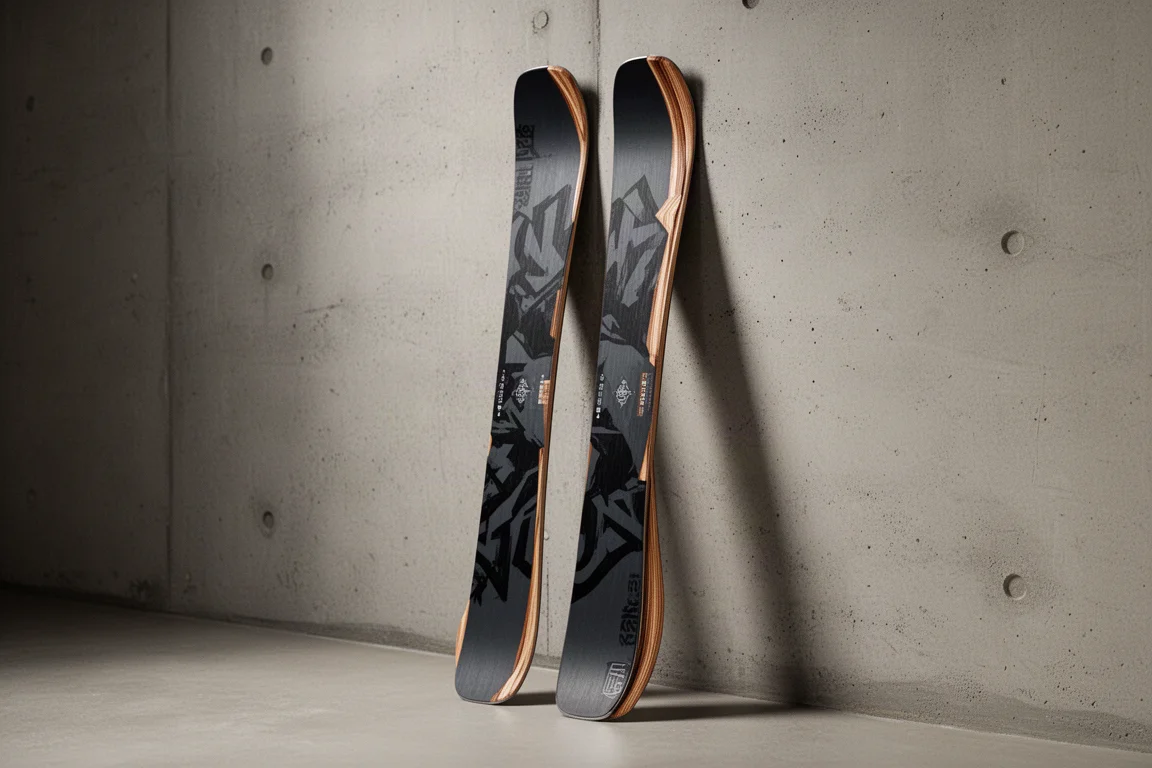
The Rossignol Sender 100 returns structurally unchanged, carrying over the build that made it a fast favorite in the growing crowd of 100mm twin tips. The update for this season is a fresh graphic, while the ski underneath keeps its blend of freeride character and freestyle-friendly manners.
It sits as the little brother to the Sender 110, but it is not simply a narrower copy. Rossignol deliberately built it differently to boost versatility across both freeride and freestyle use, and that decision shapes everything about how it skis.
Who This Ski Is For
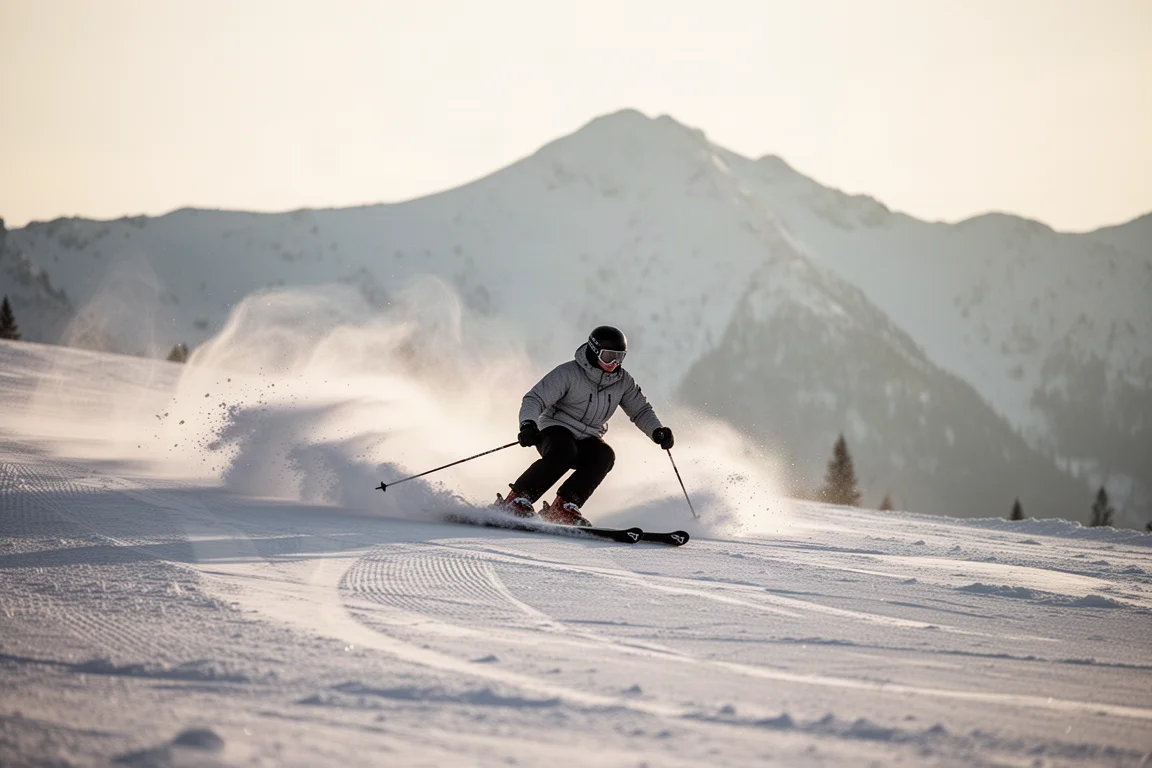
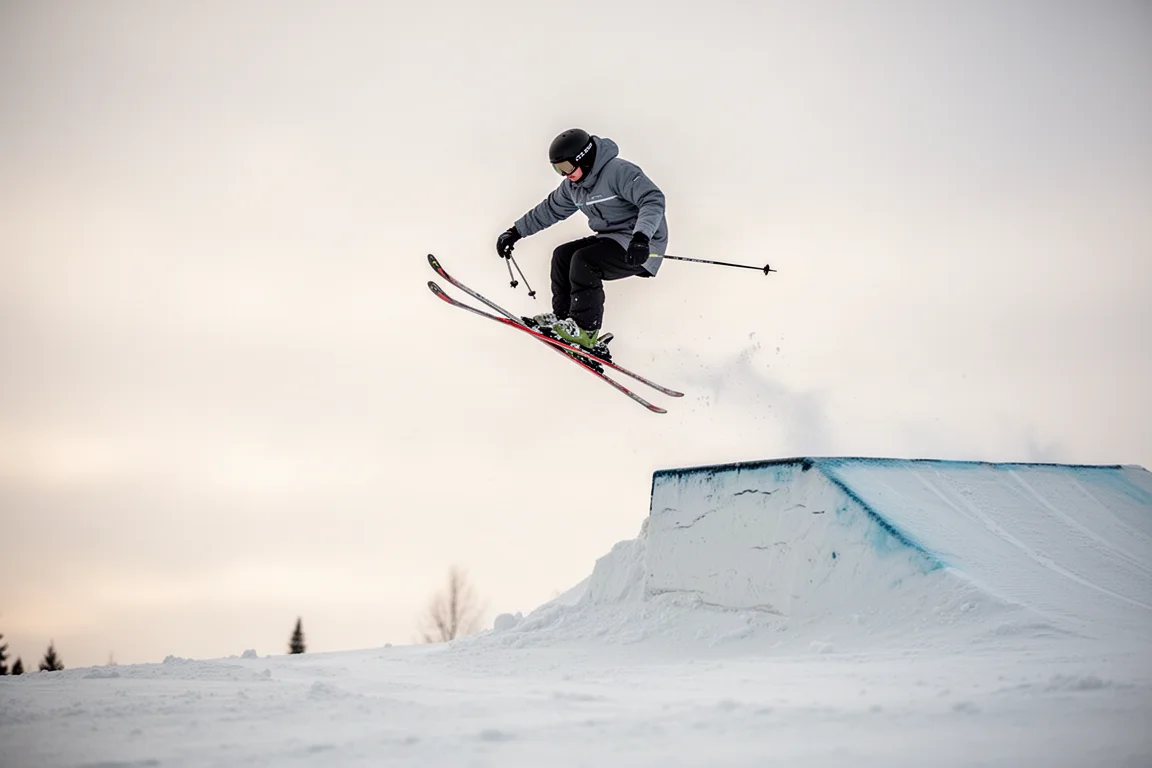
If you want one pair of skis that can go nearly everywhere on the mountain, this is a strong candidate. It is fantastic in soft snow, a genuinely great carver, maneuverable in trees and bumps, and it can still hold its own in the park. Tester feedback describes it as incredibly trustworthy, stable on big landings, fairly nimble in bumps, stable in crud, and smooth at speed, with a love for carving giant GS turns.
East Coast-oriented testers praised it as a perfect freeride ski for hardpack conditions: it turns well on firm snow, holds rock-solid grip on ice, hop turns on a dime, and rolls edge to edge so easily it can feel narrower than its 100mm waist.
Construction and Flex
The main technical difference from the Sender 110 is metal. The Sender 100 does not use metal, while the 110 does. Instead, this ski uses a carbon alloy matrix, placed on the bottom layer below the core, right above the base, rather than on the top layer as in the 110. The build pairs this with a wood core and Air Tip construction in the tips, which reduces swing weight and boosts overall maneuverability.
The result is a ski meant to feel more playful than the 110 while keeping a freeride backbone. In the 184cm length, it weighs 1,995 grams per ski, so it is not ultralight, but not heavy either. There is real substance here for high-intensity carving, bigger jump impacts, and rougher freeride terrain.
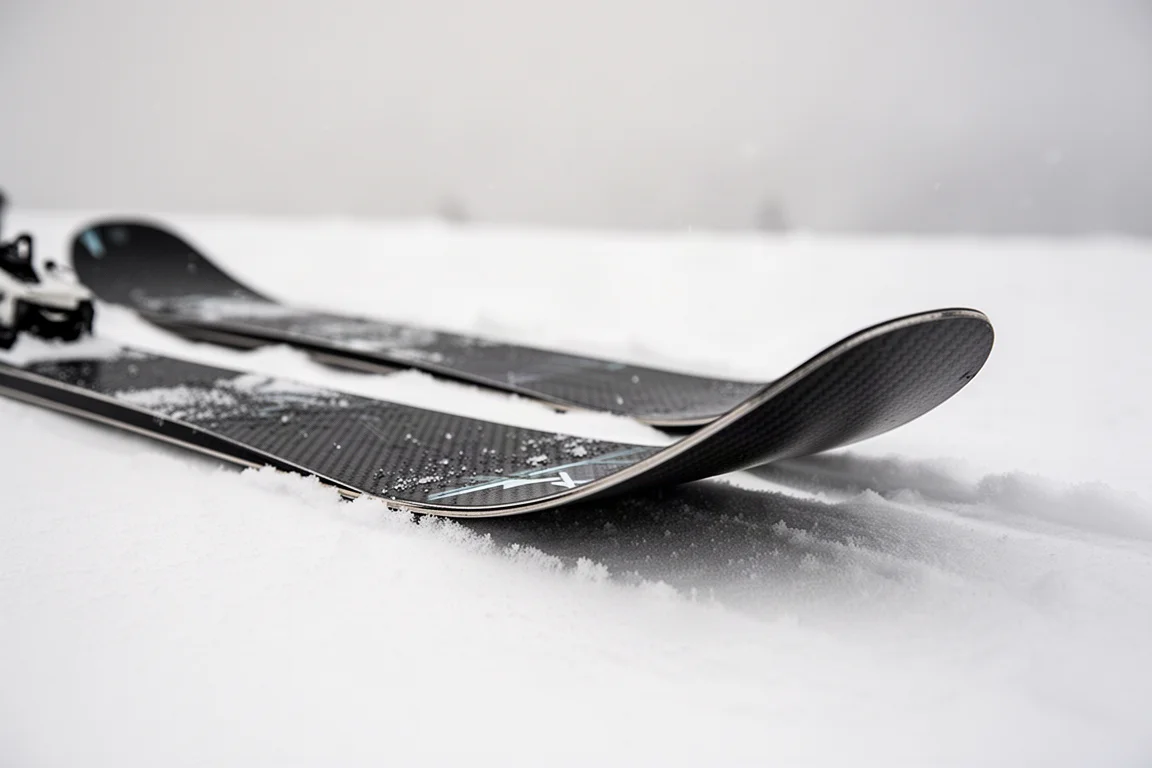
The flex is neither supple nor stiff. You do not have to work hard to bend the ski, yet there is plenty underfoot, thanks to a core profile that is thick through the binding zone and tapers thin toward tip and tail. Notably, tip and tail flex are fairly even, unlike skis such as the Soul 102 with a far stiffer tail than tip. That balance adds to the playful, forgiving feel.
Shape and Rocker Profile
As a directional twin, it is not symmetrical, which underlines its all-mountain intent. There is a good amount of rocker in both tip and tail, with solid camber underfoot doing much of the work in carved turns, delivering real energy and pop out of the turn. That energy also translates to jumps and rails: loading the ski on a lip releases plenty of amplitude.
The tail rocker makes the tails very easy to release, and the ski pivots and swivels with minimal effort, which is a lot of fun for riders with a freestyle approach. Up front, the tip is fairly spoon-like, round, and traditional but functional. The taper helps it track extremely well in soft snow and resist deflection, while the more straight-cut sections mean the ski does not pull you across the fall line. You dictate turn timing through input and edge angle, which makes the ski engaging and open to experimentation.
On-Snow Performance
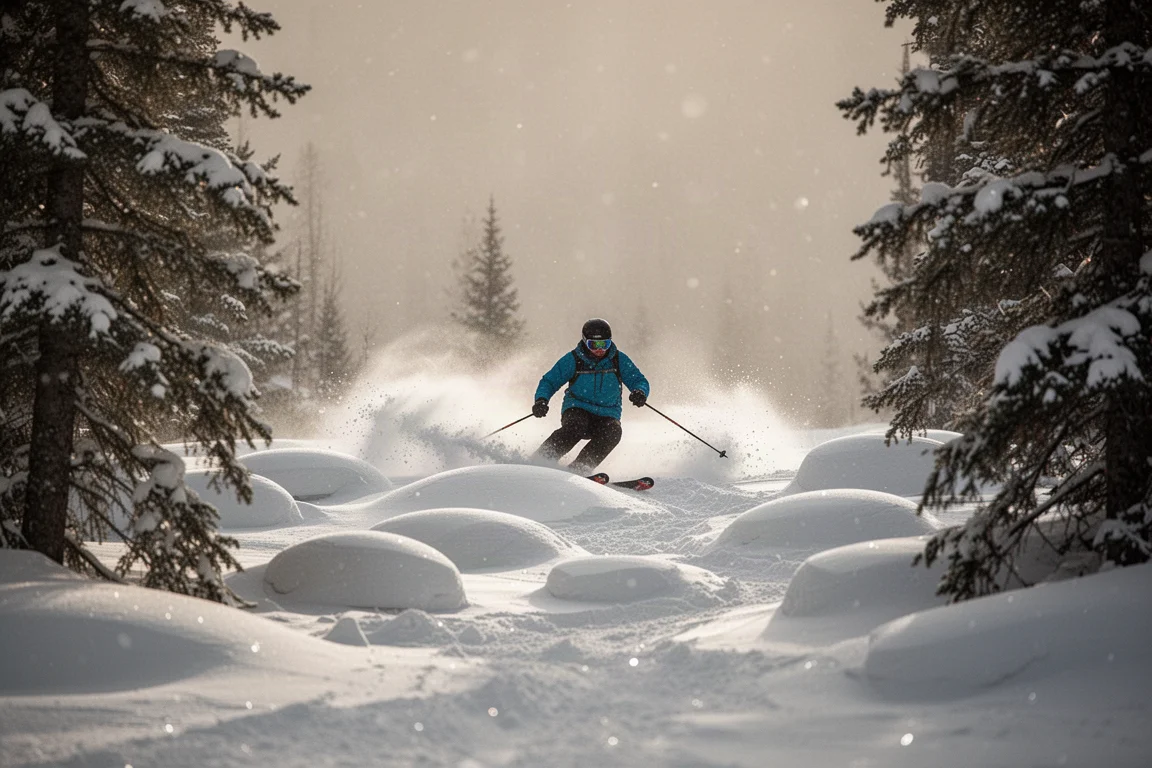
Across two seasons of testing, this ski has proven itself as a genuinely high performer almost anywhere on the mountain. The even flex and easy-release tails make bumps and tight terrain forgiving, while the camber and damping keep it composed at speed and in variable snow.
Its range shows in how differently different testers described it: one focused on stability and giant turns at speed, another on ice grip and quick edge-to-edge transitions on the East. Both landed on the same conclusion about how versatile it is.
Buying Advice
For skiers weighing a choice within the Sender line, the decision comes down to intent. The Sender 110 carries metal and leans more purely freeride. The 100 trades that top-layer metal for a carbon alloy matrix below the core, trading some raw freeride damping for playfulness, easier pivots, and stronger park credentials.
If your days mix soft-snow freeride, carved groomers, bumps, and the occasional park lap, the Sender 100 covers that spread exceptionally well. It suits skiers who want backbone for bigger impacts without giving up the swivelly, release-friendly feel of a freestyle twin.
Conclusion
The Rossignol Sender 100 earns its place in the golden age of 100mm twin tips. With an even, playful flex, easy tail releases, dependable stability, and impressive grip on hard snow, it is one of the most versatile one-ski quiver options in its class. If you want a single pair of skis for the whole mountain with a freestyle-friendly edge, it deserves a close look.
Product link
View more details for Rossignol Sender 100
This product is mentioned in the review. Check the specifications, options, and compatibility before buying.
View more details for Rossignol Sender 100Further reading
Related Reviews
Ski Reviews
Armada Antimatter 108 Review: A Freeride Ski Built for Speed and Deeper Snow
The Armada Antimatter 108 carries over the beloved Declivity X 108 shape with new construction that adds compliance in soft snow and composure in crud, aimed squarely at strong, aggressive skiers.
Ski Reviews
Armada Antimatter 92 vs Invictus 92: Two All-Mountain Skis Compared
A closer look at two Armada all-mountain skis, one playful and nimble, the other composed and smooth, to help you pick the right one for your skiing.
Ski Reviews
Armada Antimatter 92W Review: A Smoother Take on a Proven All-Mountain Footprint
The Antimatter 92W keeps the trusted Reliance 92Ti footprint but softens the ride with a new metal construction, making it more versatile in softer snow without losing on-trail grip.