Snowboarding
Rossignol Jibsaw Review: A Forgiving Park Board with Real Butter Appeal
The Rossignol Jibsaw pairs a cam-rocker profile with soft nose and tail feel, making it an easy-pressing park board with some all-mountain trade-offs.
Introduction
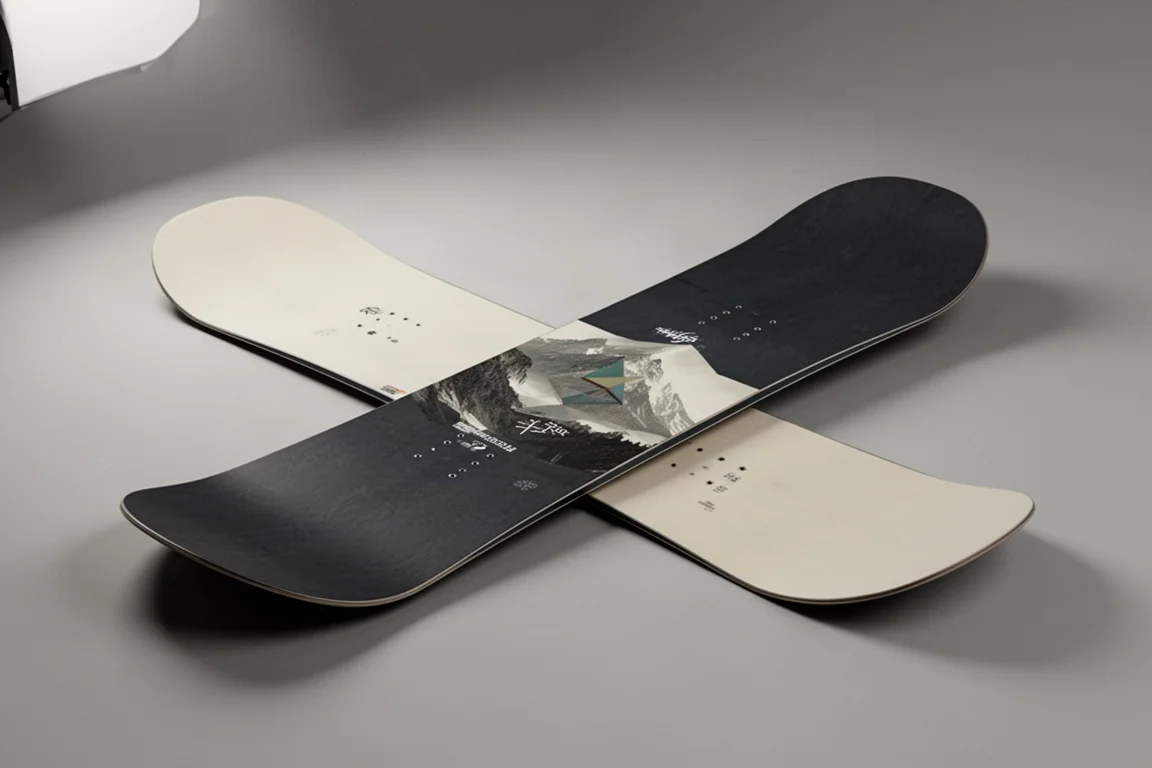
The Rossignol Jibsaw is a freestyle snowboard built around the AmpTech Elite camber system, a cam-rocker profile that puts camber between your feet and rocker on the nose and tail. The idea is simple: soft, rockered tips make pressing and buttering easy, while the camber underfoot keeps edge hold and pop where you need it most.
It comes in five sizes: 150, 153, 155, 157, and 159 cm. We rode it in mixed conditions, from firm morning groomers to icier patches and softened snow later in the day, paired with Ride Fused boots and Jones Mercury bindings.
Who This Board Is For
The flex sits in the middle of the road overall, but the nose and tail run noticeably softer than the midsection. Torsionally, the board feels slightly softer as well, so there is very little resistance when you lean into presses or tweaks.
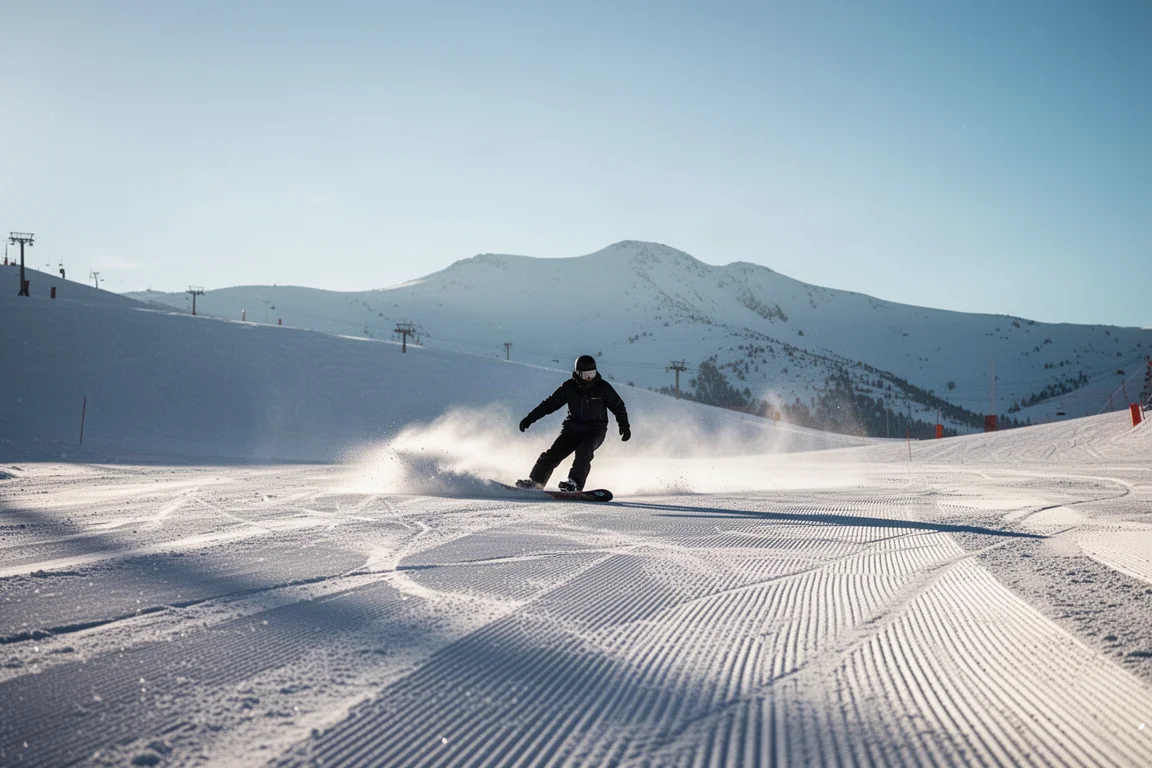
This is a board made for two kinds of riders: the park rat who lives on rails all season, and the newer freestyle rider who wants something forgiving enough to learn on but capable enough to ride the rest of the mountain between laps.
Main Strengths
Buttering and jibbing are where the Jibsaw genuinely excels. Because the nose and tail are so soft, the sweet spot is easy to find and easy to hold. Pop into the tail and it wants to stay balanced just outside the binding, and the nose presses feel much the same. Just note that exiting butters takes more work, since the board does not spring you out or add extra rotation on its own.
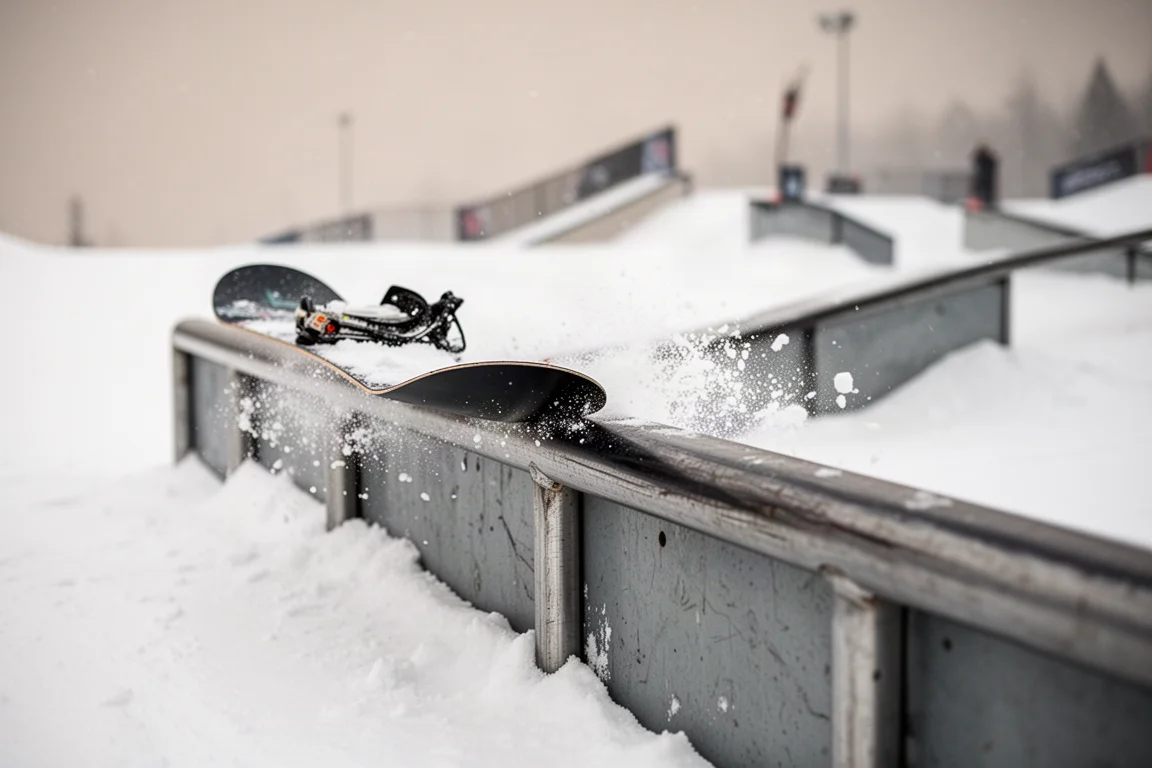
On rails it performs just as well. Whether you are nose pressing or tail pressing, the board holds its position, and when you slide it sideways across a steel rail it cradles the feature and stays exactly where you land. Coming in from the top ropes, it never bucked or sprang off the rail unexpectedly.
At lower speeds the edge hold is a real strength. On shorter carves, like the approach to a rail, the board holds extremely well and lets you micro-adjust quickly to get on your line. Even on icier patches, you could still trust your edge and lay it into a turn.
Things to Consider Before Buying
Stability is a lively rather than damp experience. You feel a lot of what is happening under your feet, which gives excellent board feel when landing on a rail, but the board does get bounced around a bit and wants to snap around at times. It remains a comfortable ride overall, but riders who prefer a damp, planted feel should take note.
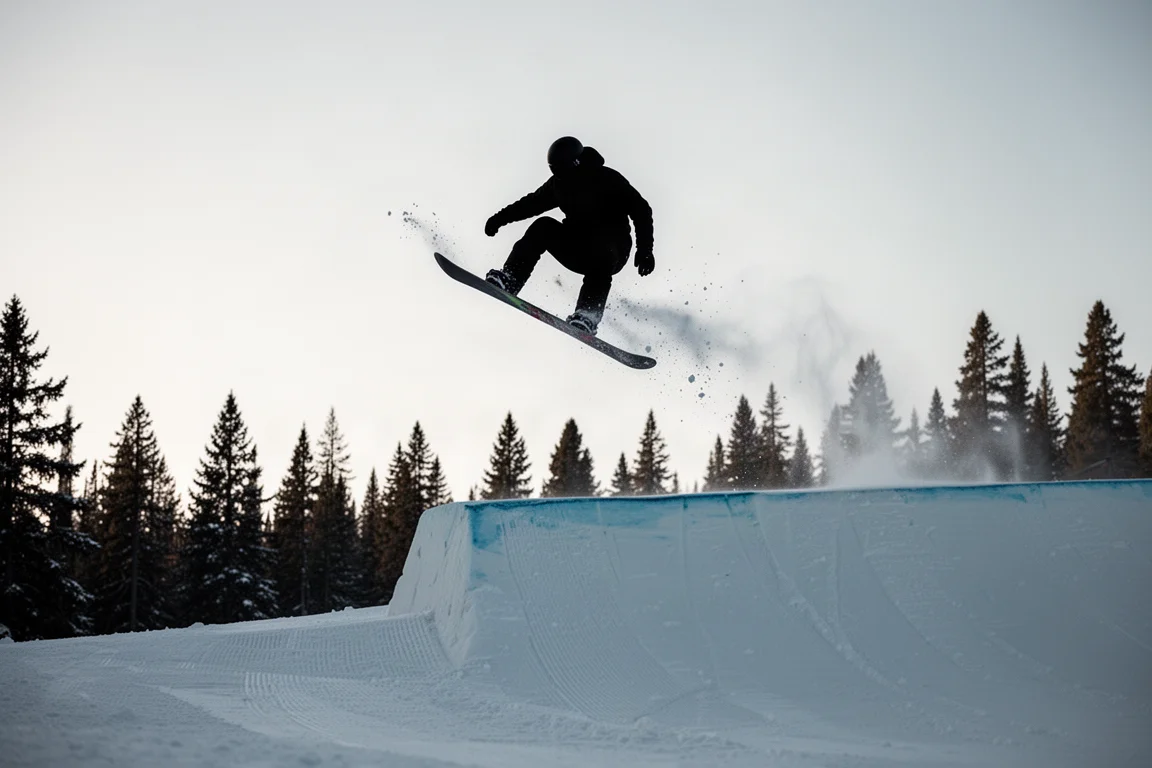
Although the board is easy to load up, it does not return as much energy as expected for a camber-dominant design. The tail never felt loose on jump takeoffs or landings, but it lacked a little snap and oomph. On jumps you can attack the lip and pop off, but keep your spins conservative: over-rotate and the board will not stop that rotation for you on the landing. Stick to medium and smaller lines rather than attacking big features.
There is also a speed limit. On medium and larger carves, keep the speed down and stay on smooth groomers. On icy spots the board feels like it wants to swivel instead of digging in, and at high speed it can flex and lose its edge entirely. Euro carves are possible, just keep the pace reasonable.
Buying Advice
As a daily driver, the Jibsaw falls short for bigger mountains. It is genuinely fun in the park, but on all-mountain terrain you will want more edge hold and more top-end speed than it offers. If you ride in the Midwest or somewhere with smaller hills, it would be a great pick; out West on bigger mountains, it is less ideal for all-mountain use.
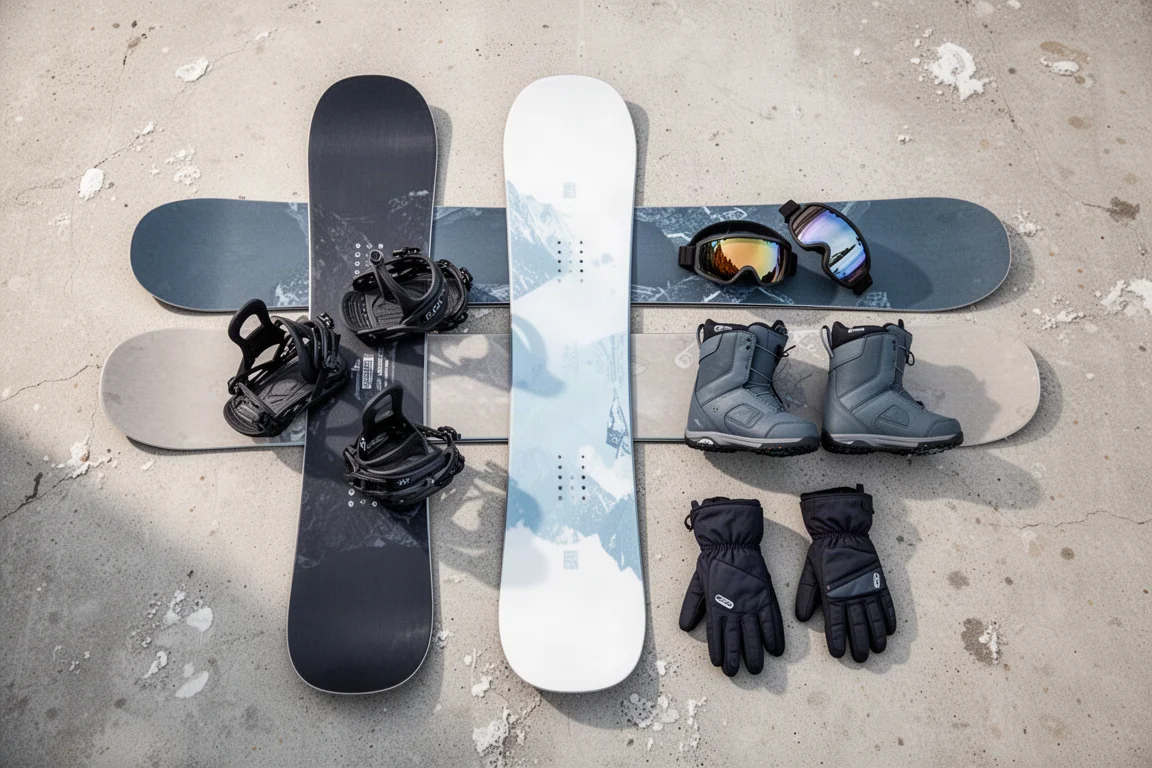
If the profile sounds right but you want to compare before committing, boards worth cross-shopping include the Capita Indoor Survival, the Ride Kink, and the K2 Afterblack. For recommended bindings, look at the Union Ultra, the Salomon District, and the K2 Bind.
Conclusion
The Rossignol Jibsaw is an easy-pressing, forgiving park board that rewards riders who spend their days on rails and butters. Its soft nose and tail make freestyle tricks accessible, and its camber-underfoot profile keeps it rideable across the whole mountain at moderate speeds. If your winter revolves around the terrain park, or you are easing into park riding and want something forgiving, it deserves a spot on your shortlist. Just be realistic about its speed limit and all-mountain limits before you buy.
Product link
View more details for Rossignol Jibsaw
This product is mentioned in the review. Check the specifications, options, and compatibility before buying.
View more details for Rossignol JibsawFurther reading
Related Reviews

Snowboarding
2025 Snowboard Gear List: Five Picks That Earned Their Place on the Mountain
From Zeiss-lens goggles to a hybrid step-in binding, here are five pieces of 2025 snowboard gear that held up across a full season of riding.

Snowboarding
2026 Snowboard Gear List: Boards, Bindings, Boots and Outerwear Worth a Look
A season-ready snowboard setup built from the bottom up: base layers, Strafe outerwear, Ride and Union boots, Union bindings, and two new Capita boards.

Snowboarding
32 Cold World Review: A Playful Hybrid Camber Board for Park Laps
The 32 Cold World blends classic camber underfoot with flat nose and tail sections for a predictable, butter-friendly ride aimed at intermediate park riders.