Skis
Rossignol Forza 70 and Forza 60 Review: Carving Skis Built to Make Turning Fun
A close look at the Rossignol Forza 70 and Forza 60, two carving skis that share a high-end build and differ mainly in shape and temperament.
Introduction
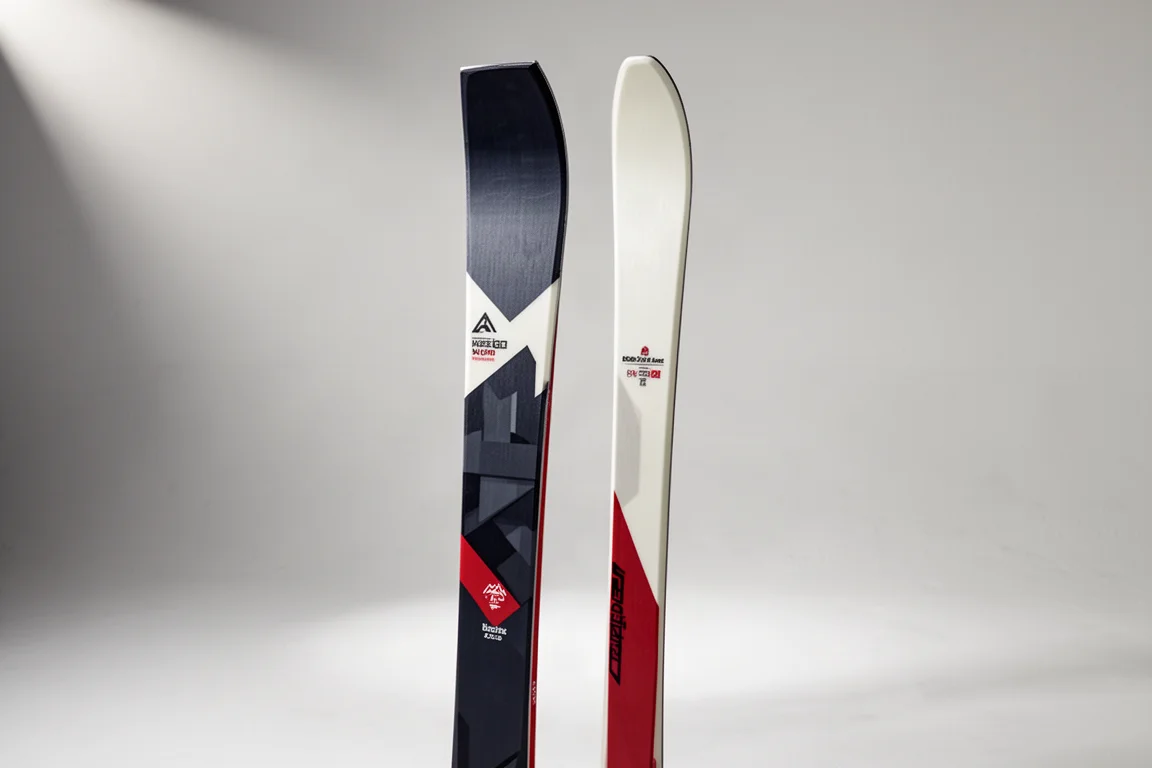
Rossignol names its Forza skis after edge angle rather than waist width, and that choice tells you almost everything about the collection. The Forza 70 takes its number from a 70 degree edge angle, and the ski is built to make that kind of high-angle carving feel natural rather than demanding. These are carving skis with a smile-first brief: quick, energetic and rewarding on groomed snow, rather than tuned for race times.
This review looks closely at the Forza 70 and explains how the Forza 60 differs, since the two share the same construction and separate mainly on shape.
What the Forza Line Is Built For
The Forza family sits between two established parts of the Rossignol range. Above it are the Hero carving skis, including the Hero Elite models, and on the wider side is the Experience range, with skis such as the Experience 82 Ti. The Forza skis fill the space in between with a clear emphasis on carving.
The collection covers several models. Alongside the Forza 70 and Forza 60, there is a Forza 50 that keeps the carbon alloy matrix but drops the metal layers, and a Forza 20 positioned at the more accessible end. Above the standard 70 sits the Forza 70 Master, which swaps the poplar core for ash and replaces the Connect system binding with a race plate.
What ties the line together is intent. Every model is built around the mid to upper 70s underfoot, the width that suits the vast majority of groomed days at a typical resort. The carving focus is deliberate, and the skis are tuned to make arced turns feel good rather than to chase the clock.
Rossignol Forza 70: The Aggressive Carver
The Forza 70 measures 135 mm at the tip, 78 mm underfoot and 111 mm at the tail, with a 14 meter turn radius. The tip is wide and the sidecut is extended well into the forebody, while the tail is nearly squared off with only a slight taper. Rossignol lists 5 percent tip rocker, and the ski weighs roughly 1,900 grams without a plate, which is light for a build that uses two sheets of metal.
On snow, the headline is how little effort it takes to reach a high edge angle. The wide tip pulls the ski into a turn quickly, and once it is on edge it holds and completes the arc without needing to be forced. Grip through the turn is consistent, and the ski stays composed when the terrain is left to run a little straighter, with no wandering or wavering at speed. The 173 cm length felt better matched to that style than the 181 cm, which makes sense for a ski built around dynamic turns rather than straight-line speed.
Rossignol Forza 60: The Rounder, Friendlier Shape
The Forza 60 uses the same construction as the 70 but a different shape: 130 mm at the tip, 75 mm underfoot and 112 mm at the tail. The tip is narrower and more tapered, and the sidecut is rounder through the middle, with a slightly wider tail than the 70. In practice it initiates a turn more naturally, arcs a little more roundly through the body of the turn and finishes with a more forgiving tail.
That makes it a friendlier ski rather than a lesser one. The difference is most noticeable at turn initiation and through the middle of the arc, and the high-end feel and flex are still there. The 60 is a reasonable choice for a very wide range of skiers.
Shared Construction and Materials
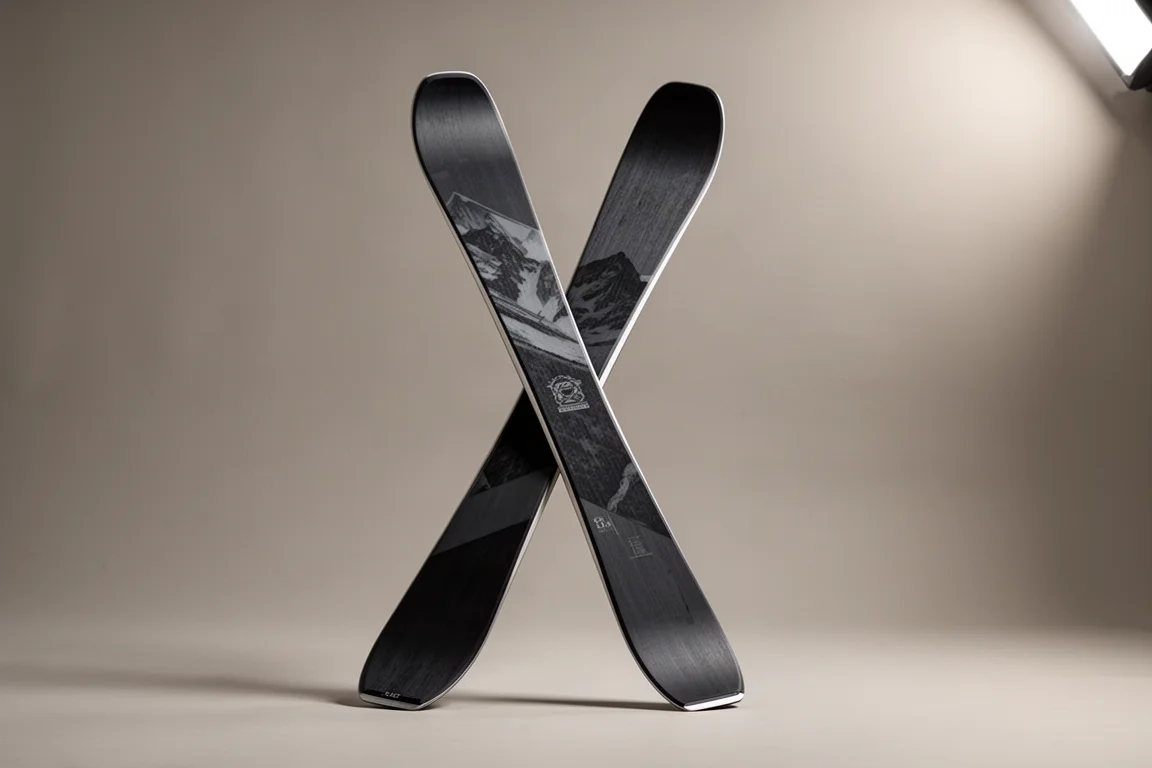
Both skis start with a poplar wood core, chosen for a lighter and poppier feel than the ash core used in the Master version. Two sheets of metal are layered in, and the upper one uses Rossignol’s V-Titanal laminate, which grooves the metal into a three-dimensional shape rather than leaving it flat. Shaping a material that way adds stiffness, energy and feedback.
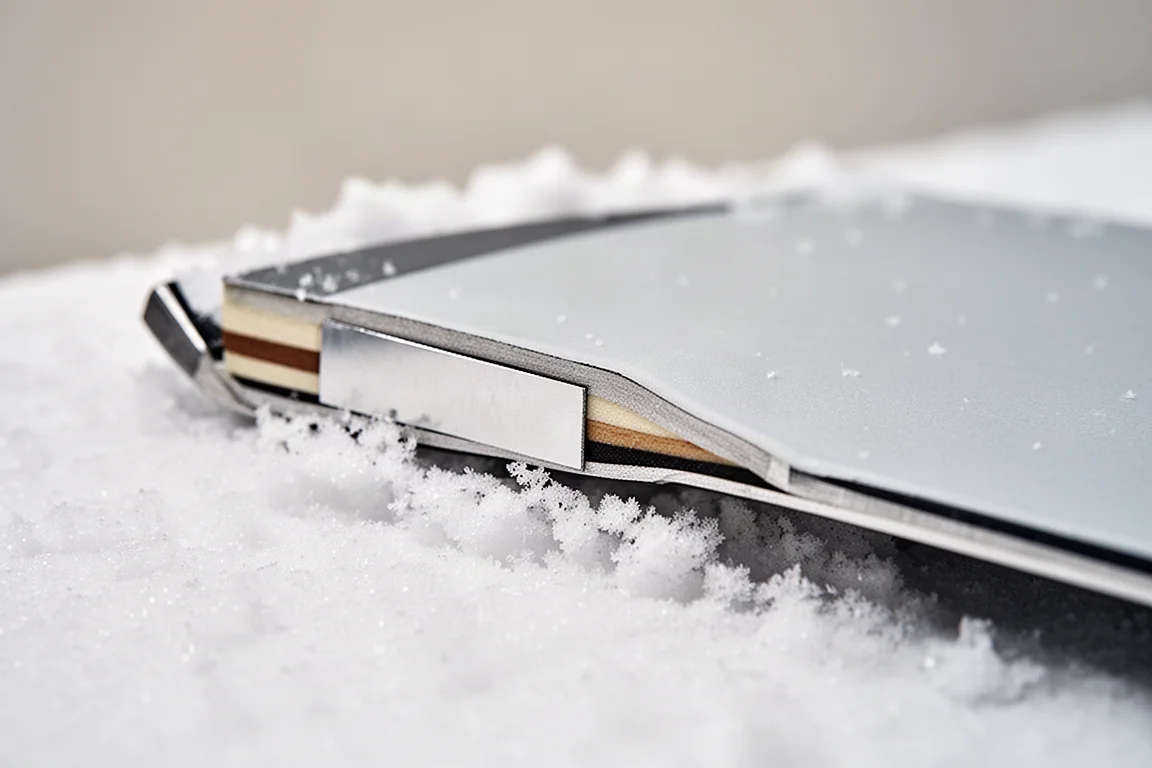
The upper laminate also feeds into the reinforced tip technique. Instead of being sandwiched in place, the laminate is hooked into the core, which creates a more cohesive connection from the tip down through the forebody. The result is a direct, power-steering quality at the top of the turn. A carbon alloy matrix, which weaves carbon and basalt fibers into the fiberglass laminate, adds further snap. Line Control technology runs alongside all of it to smooth the ride.
On-Snow Performance and Edge Angle
The edge angle concept holds up in use. A 70 degree edge angle is easy to reach on the Forza 70, and the ski supports that angle with a stable, planted feel rather than the strength-sapping effort a race-bred GS ski demands. That accessibility is the real achievement here: the ski performs at a high level without requiring a high level of input.
Longitudinal stability is the other half of the story. The Forza 70 does not feel like a ski with a low ceiling, and it keeps its composure as speed builds. For a fun-first carving ski, that combination of eagerness and stability is what separates it from designs that are playful at moderate speeds but lose their footing when pushed.
Soft Snow, Bumps, and Mixed Terrain
Away from the groomers, the picture is more nuanced. The tip is floaty enough to handle a few inches of fresh snow, and the light weight for a metal ski helps. The flex pattern is round rather than harsh, which lets the ski articulate in softer snow. In soft bumps it works well.
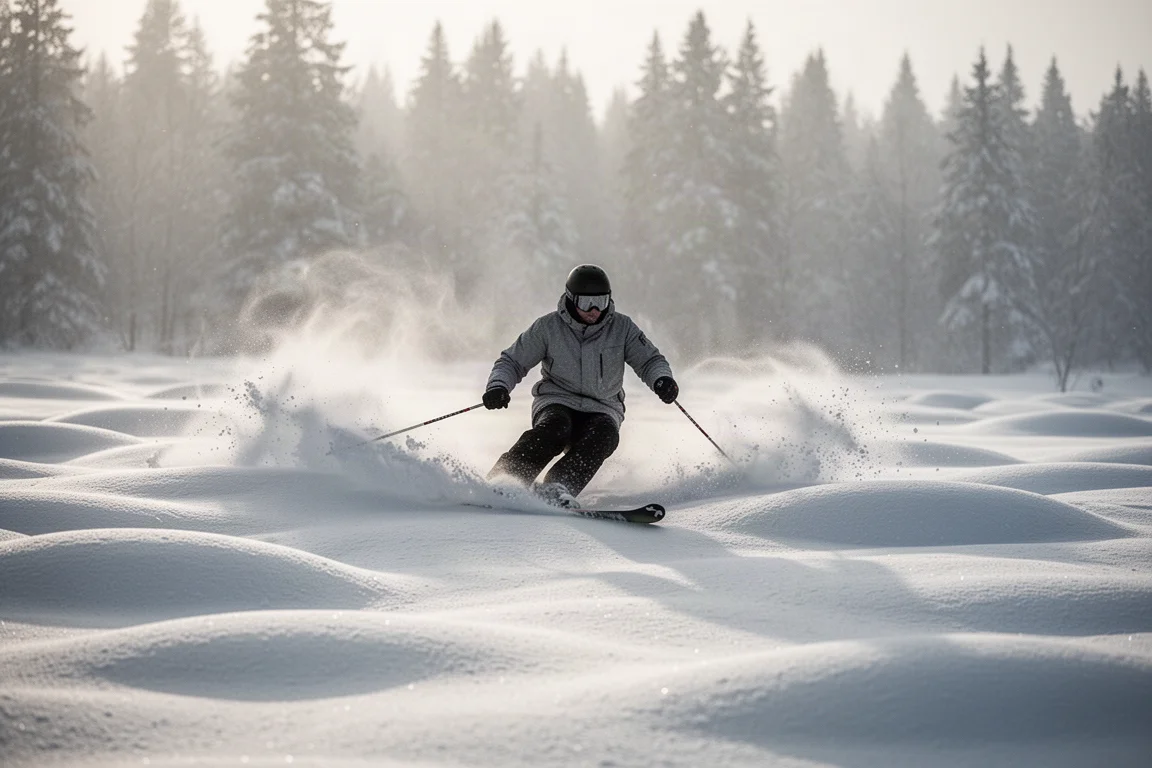
Firm, steep bumps are a different story. With a tip this wide, more of the ski contacts the hard snow and gets deflected, which dulls the feel through the front of the ski. It is not a dedicated bump ski, and it is not the first ski to recommend to someone whose priority is moguls. It is simply not limited to groomed runs either, and the production version includes a tip protector, a sensible detail for skiers whose feet travel close together.
Bindings and Setup
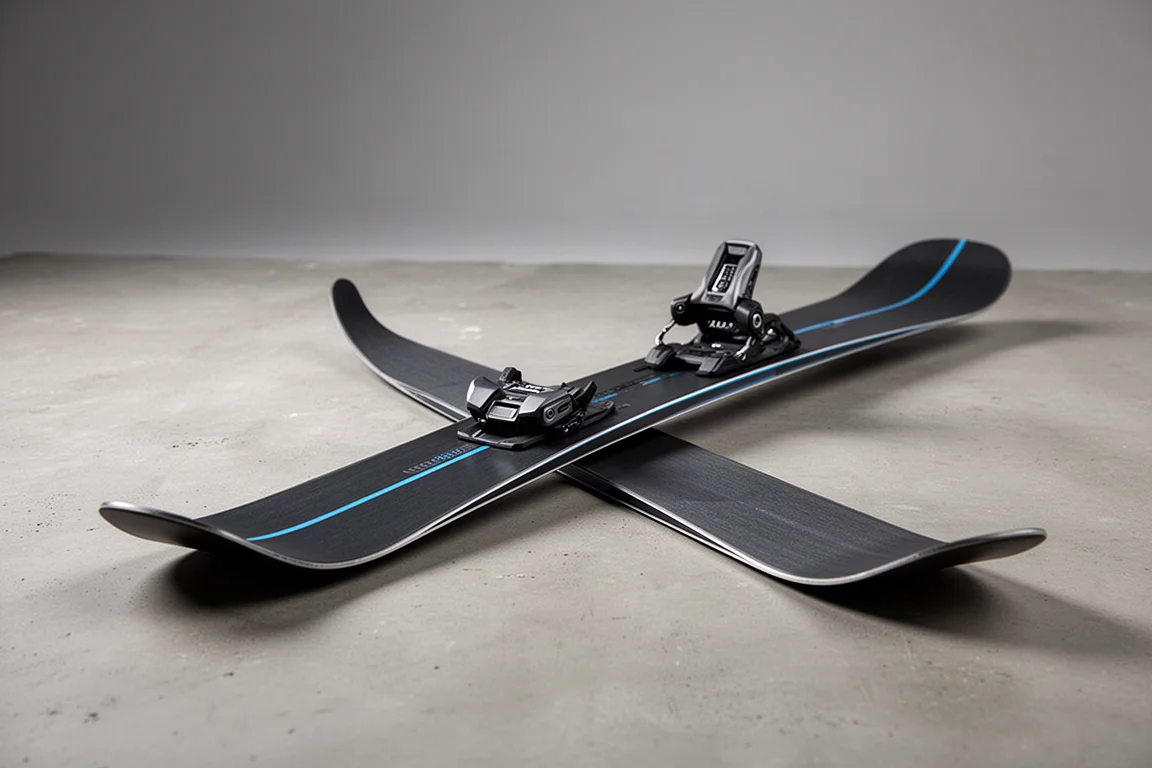
The Forza 70 comes with the SPX Connect 14 system binding, which performed without issue and is a well-established platform. Skiers who want a stiffer, more race-oriented setup should look at the Forza 70 Master, which uses a race plate instead of the Connect system and is designed around a race binding.
Buying Advice and Availability
Both the Forza 70 and Forza 60 are available through Rossignol’s website, with broader retail inventory expected to follow. Official pricing for the full line had not been confirmed at the time of writing, so it is worth checking current listings before committing.
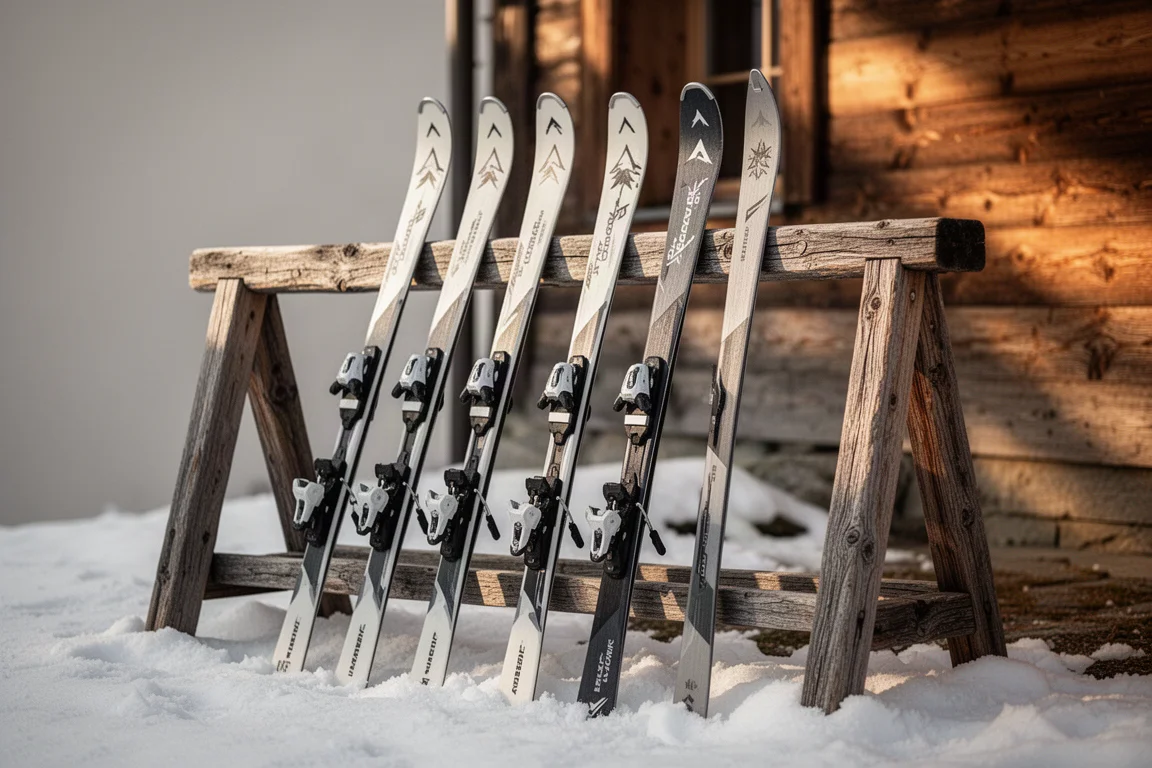
Choosing between the two comes down to temperament rather than quality. The Forza 70 is the more aggressive carver, with a stronger pull into the turn and more energy in the middle of the arc. The Forza 60 trades a little of that intensity for easier initiation and a more forgiving finish, which suits a larger group of skiers. Either way, this is a collection that rewards a demo: the appeal is in how the ski feels, and that is best judged on snow.
Conclusion
The Rossignol Forza 70 and Forza 60 take a familiar idea, a carving ski for groomed terrain, and make it genuinely enjoyable. The 70 stands out for how easily it reaches high edge angles while staying stable at speed, and the 60 delivers much of the same character in a shape that is easier to manage. For skiers whose seasons are mostly groomed snow, both are worth a serious look.
Further reading
Related Reviews

Skis
Armada Anti Matter 82 W Review: A Light, Approachable All-Mountain Carver
Armada's Anti Matter 82 W pairs a lightweight Karuba and carbon build with an easygoing all-mountain shape, aimed at intermediates through lighter-footed advanced skiers.

Skis
Armada Anti Matter 88W Review: A Light, Playful 88mm All-Mountain Ski Plus Two Alternatives
The Armada Anti Matter 88W returns unchanged in spirit from its Reliance 88C days, and it remains one of the most versatile 88mm skis around. We also look at the Nordica Santa Ana 87 and Anti Matter 92 W as alternatives.

Skis
Armada ARV 100 vs Atomic Bent 100: Which 100mm Freestyle Ski Should You Buy?
Two of the best all-mountain freestyle skis of the season compared: one leans playful and park-ready, the other holds up better everywhere else.