Skis
Rossignol Forza 50 Review: A Lively Frontside Ski for Groomed Trails
A frontside ski with a 75 mm waist, a poplar core and a carbon alloy matrix, built to deliver quick, energetic turns on groomed terrain.
Introduction
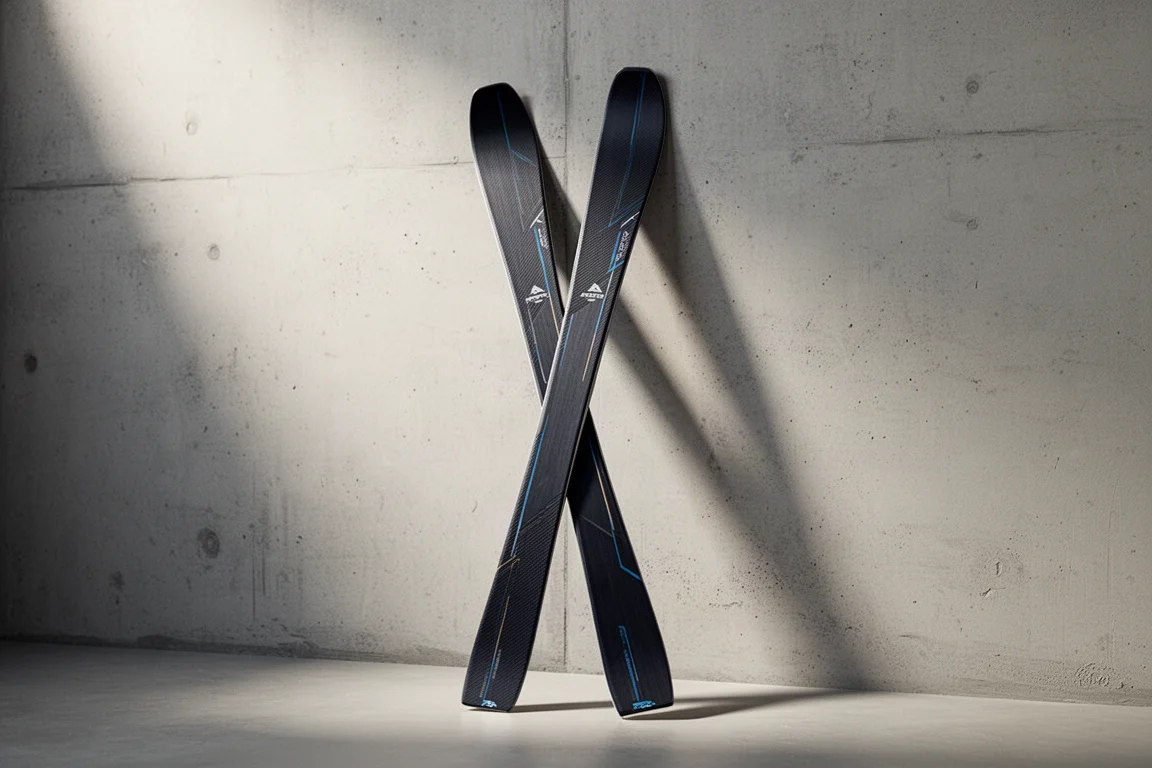
The Rossignol Forza 50 is a frontside ski built around groomed terrain. A 75 mm waist, a poplar wood core and a carbon alloy matrix laminate set the tone: this is a ski that wants to be put on edge and driven, not one that quietly cruises. It carries real pep and energy, and it delivers zesty performance in linked turns on piste.
Rossignol’s naming across the Forza series reflects the edge angle the ski is intended to support, and therefore how aggressive it is. The Forza 70 sits at the most aggressive end of that scale, and the Forza 50 is two steps below it. That places the 50 in the middle zone, where an intermediate can access good performance and an advanced skier can still step things up.
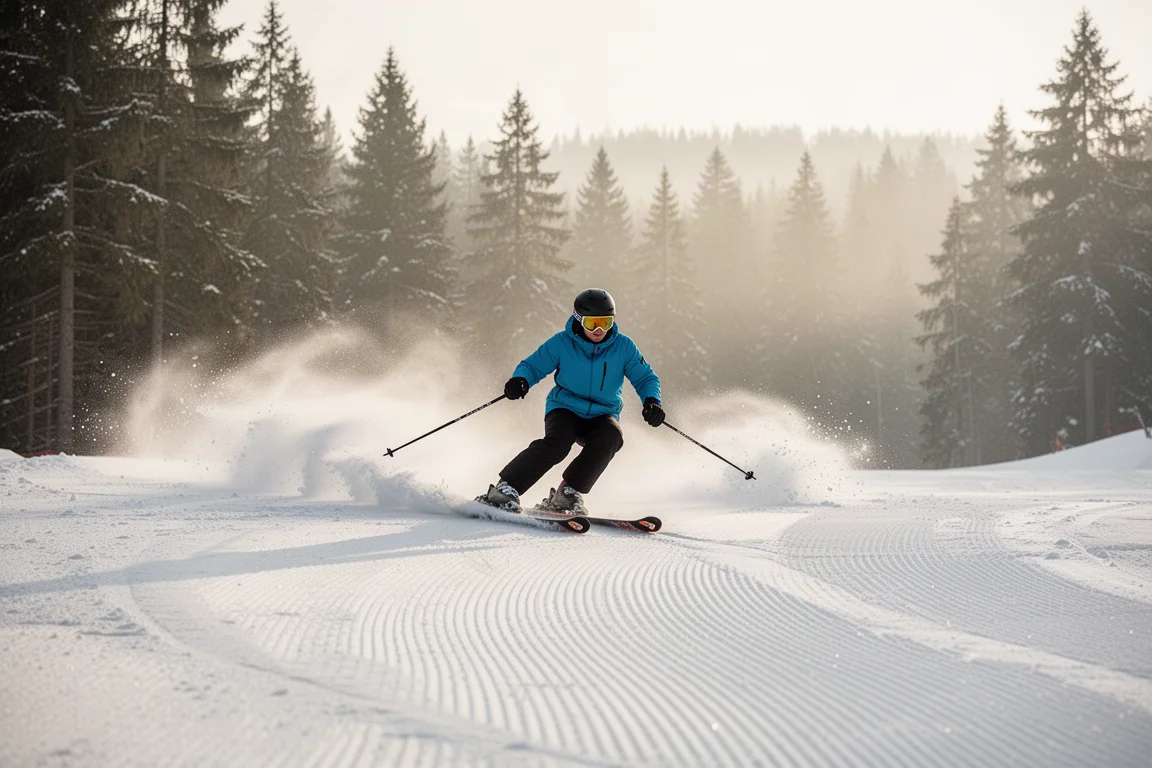
That positioning is the most useful thing to understand before buying, because it defines who gets the most out of this ski and what kind of day it is designed for.
Who the Rossignol Forza 50 Is For
Intermediate skiers sit in the sweet spot here. The ski also suits progressing skiers moving into the next level of their skiing, particularly anyone looking for a lightweight and energetic option that spends most of its time on groomers.
There is a slight all-mountain capability thanks to a little extra surface area underfoot, but the Forza 50 remains a frontside ski at heart. Most skiers will spend most of their time on groomed trails, and that is exactly the terrain this ski was shaped for.
Main Strengths: Energy and Grip on Groomed Terrain
The Forza 50 is genuinely fun in linked turns on groomed trails. In the 164 cm length it uses a 12 m turn radius, so it turns on a dime. Put it up on edge and you can feel that short radius hook in quickly, and the carbon in the build produces instantaneous rebound into the next turn. The result is a ski that keeps its rhythm from edge to edge with very little dead space between turns.
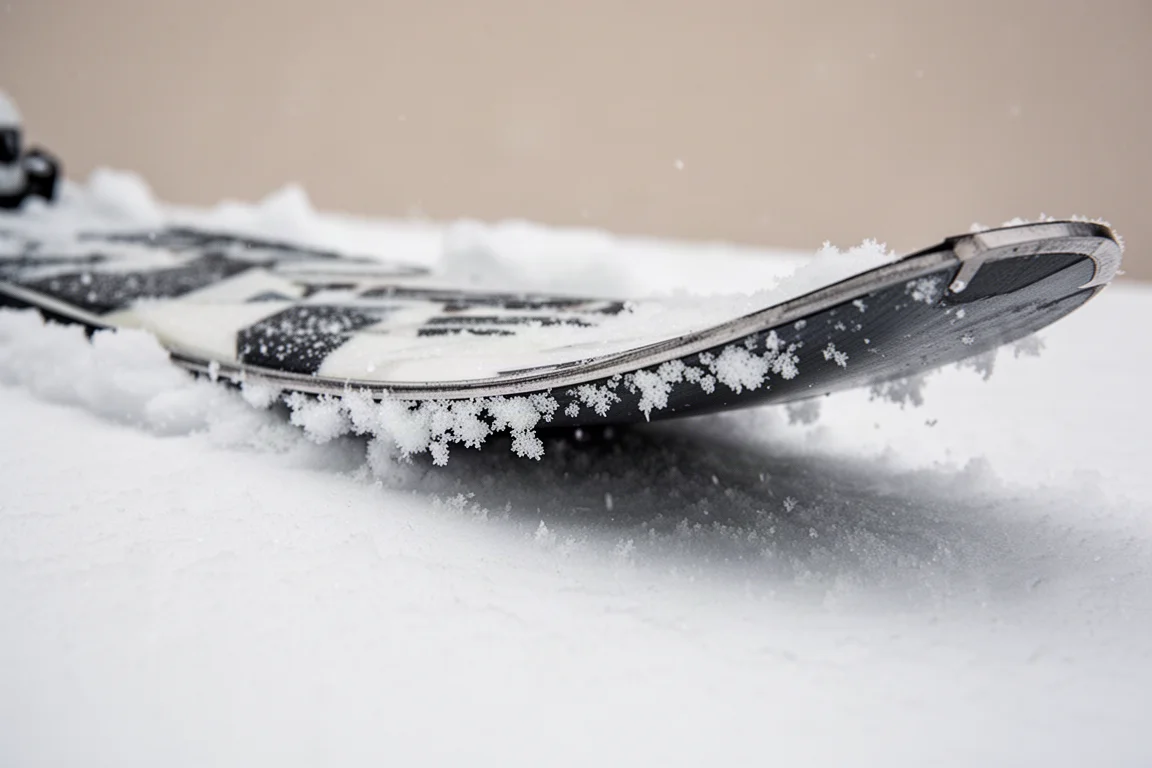
The 75 mm waist gives the ski a slightly wider platform than narrower frontside options, which means more surface area to stand on. That extra platform smooths the ride out. On fresh, firm corduroy the ski feels settled, and as the surface degrades through the day and gets chopped up, the extra surface area adds confidence in subsequent turns. It keeps the ski from feeling bogged down or overly sharp, which is a common trade-off once the waist gets narrower than this and the balance point becomes trickier. For an intermediate looking to move up, that bit of extra width is rarely a bad thing.
Build Details That Shape the Ride
The construction starts with a poplar wood core and a carbon alloy matrix laminate laid into a V profile. The carbon stringers in that layer are cross hatched, and through the forebody and the tail the layer is formed with a small V-shaped divot. That puts the structure into a three-dimensional format and adds stiffness, so the ski ends up stiff and very responsive as a result. It is a clear case of upper-end technologies finding their way into a mid-range ski.
The sidecut is dramatic: a 128 mm tip against a 111 mm tail, a 17 mm drop from tip to tail. Because the tail is relatively narrower than the wider shovel, the ski steers more easily and more of your emphasis lands on the shape of the turn. Holding a 12 m turn radius requires exactly that kind of pronounced cut, so the two numbers work together rather than against each other.
The profile is comparatively simple. There is plenty of camber underfoot with energy built into it, plus a small amount of tip rocker to aid the initiation phase, and minimal splay for a low overall profile. Rossignol emphasises a long effective edge here, supported by a V-shaped tip and essentially no taper. The tail is flat and square, frontside oriented and angular, and it holds onto the turn until the very end, with just the slightest amount of taper for a touch of friendliness and an easier release out of a carved turn. Going from skid to carve on the Forza 50 is a simple, unhurried move.
Things to Consider Before Buying
The 12 m turn radius in the 164 cm length is short, and a short radius takes some balance to ski well. Skiers who prefer long, sweeping arcs should weigh that against the ski’s quick handling before committing.
The build is stiff, and that is deliberate. The Forza 50 rewards a skier who is willing to work the ski and stay centered, rather than someone looking for a soft, forgiving flex that absorbs input.
This is also a frontside-oriented ski. The slight all-mountain capability comes from a small amount of extra surface area underfoot, not from a design meant for deep snow. Tip rocker is minimal and splay is low, so flotation is not part of the brief. Finally, the 50 sits in the middle of the Forza range in terms of intended edge angle, so skiers chasing the most aggressive edge angles may want to look further up the series.
Buying Advice
The Forza 50 makes the most sense for an intermediate skier who spends the day on groomed terrain and wants a ski with pep, energy and immediate response. It is also a sensible pick for a progressing advanced skier who wants a lightweight, energetic groomer ski with a shorter turn radius that still feels smooth underfoot.
Match the ski to the terrain you actually ski. If nearly all of your days are on piste, the combination of a 75 mm waist, a 12 m radius and a stiff, responsive build lines up neatly. If you split your time between groomers and softer snow, the frontside focus, minimal tip rocker and low splay are the trade-offs to weigh honestly.
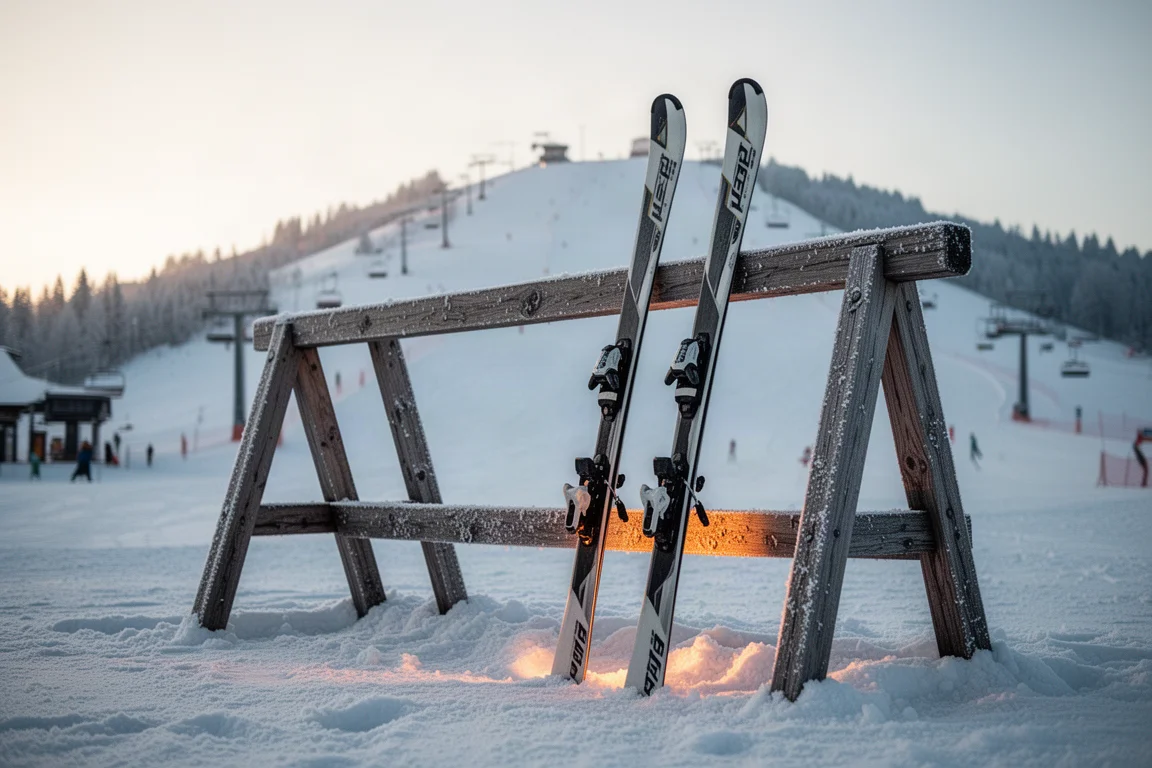
Because the 12 m turn radius applies to the 164 cm length, that size is the reference point for how quick the ski feels in practice. Buyers who like the idea of a lively, edge-hungry frontside ski will find the character consistent, and those who want a calmer, longer-arc feel should treat the short radius as the main thing to think about.
Conclusion
The Rossignol Forza 50 leans on a stiff, carbon-reinforced build and a short turn radius to produce energetic, immediate turns on groomed trails. Its 75 mm waist adds a useful bit of surface area for stability as conditions change through the day, while the poplar core and carbon alloy matrix keep the response sharp and the rebound quick. Intermediates and progressing advanced skiers looking for a lightweight, energetic ski for groomers are the clearest fit.
Product link
View more details for Rossignol Forza 50
This product is mentioned in the review. Check the specifications, options, and compatibility before buying.
View more details for Rossignol Forza 50Further reading
Related Reviews

Skis
Armada Anti Matter 82 W Review: A Light, Approachable All-Mountain Carver
Armada's Anti Matter 82 W pairs a lightweight Karuba and carbon build with an easygoing all-mountain shape, aimed at intermediates through lighter-footed advanced skiers.

Skis
Armada Anti Matter 88W Review: A Light, Playful 88mm All-Mountain Ski Plus Two Alternatives
The Armada Anti Matter 88W returns unchanged in spirit from its Reliance 88C days, and it remains one of the most versatile 88mm skis around. We also look at the Nordica Santa Ana 87 and Anti Matter 92 W as alternatives.

Skis
Armada ARV 100 vs Atomic Bent 100: Which 100mm Freestyle Ski Should You Buy?
Two of the best all-mountain freestyle skis of the season compared: one leans playful and park-ready, the other holds up better everywhere else.