Skis
Rossignol Forza 40 Review: A Frontside Ski Built for Carving
The Rossignol Forza 40 pairs a wood core and a carbon plate with a 75 mm waist and a short turn radius, making it a confident match for progressing frontside skiers.
Introduction
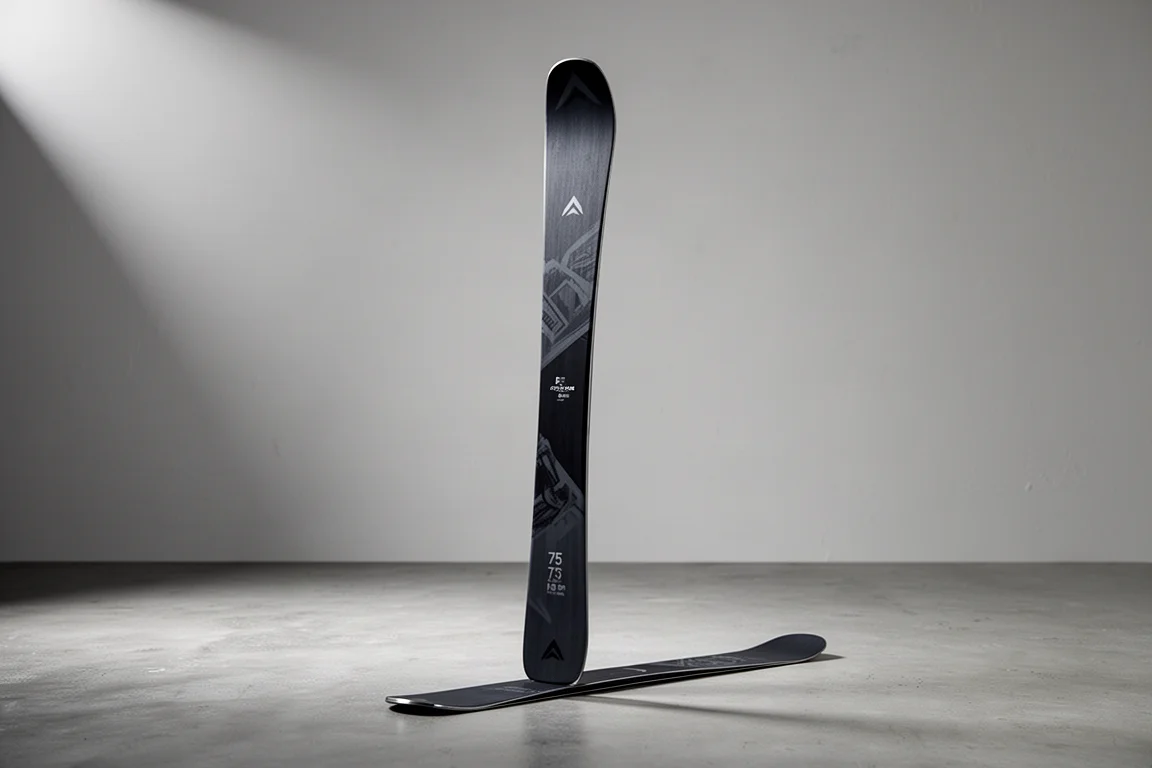
The Rossignol Forza 40 is a frontside-leaning all-mountain ski with a clear preference for groomed terrain and carved turns. At 75 mm underfoot it sits in a width that covers the surface most skiers ride most of the time, and the construction suggests it can handle bumps, packed-out tree lines, and short off-trail detours reasonably well when the day takes you there.
Rossignol numbers the Forza range by edge angle rather than by waist width or turn radius, and that number acts as a quick signal of how aggressive a skier the model is intended for. The 40 lands in the middle of that scale in terms of ski style and intent, which points toward skiers who are building technique rather than chasing the most demanding ride in the line.
Who This Product Is For
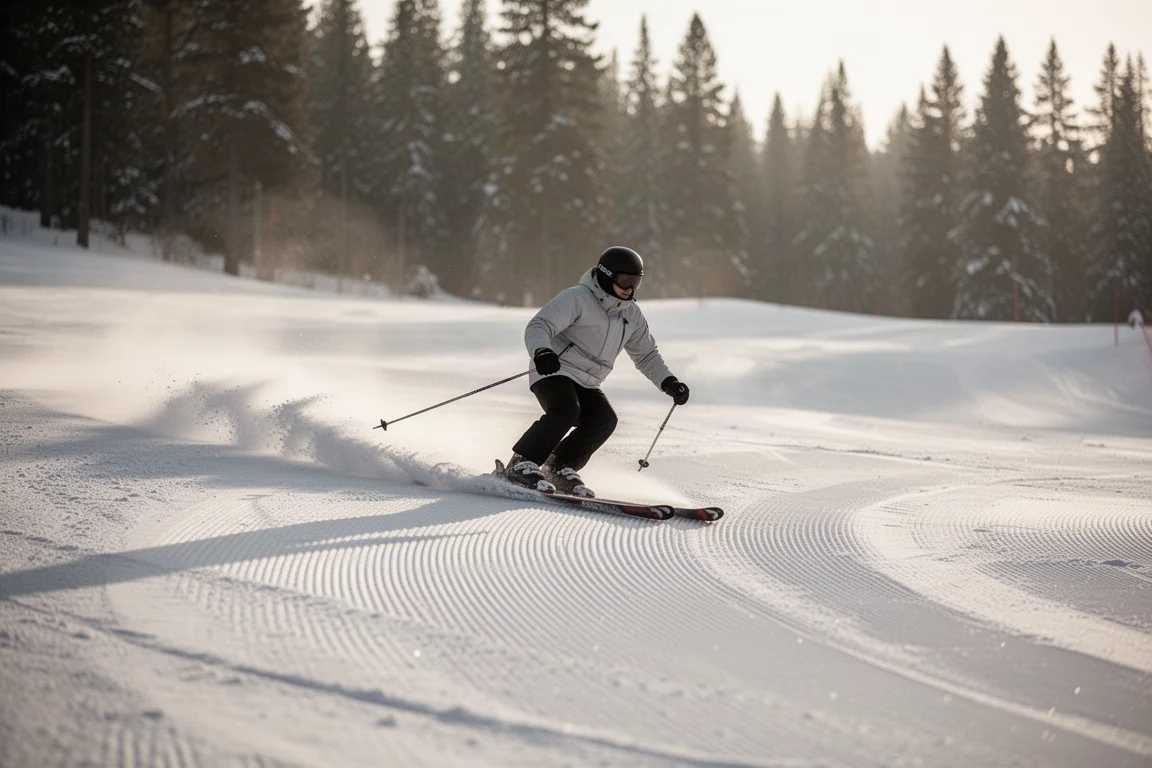
This ski is aimed squarely at the intermediate to advanced skier who is progressing, learning, and moving through the ability levels. It also makes sense for a beginner who wants a first pair of skis capable of carrying them to the next stage rather than holding them back.
The 75 mm waist is a deliberate choice. It is a width that works well for mostly frontside skiing, which is what the majority of skiers do most of the time. If your days are built around groomed runs with the occasional bump run or packed tree section, the Forza 40 is playing to the percentages.
It is less obviously aimed at the skier who spends most of the season off-piste or in deep snow. The ski will manage soft snow and chopped-up terrain, but that is not where its design puts its emphasis.
Main Strengths
The build starts with a wood core that blends low weight with energy, and it is finished with a VC carbon plate underfoot. That plate has a V shape with an indentation through the middle, which adds a third dimension to the carbon layer. Introducing a bend or an angle into a material like carbon stiffens the overall flex, so the result is a ski that stays firm throughout and gives back strong energy on the backside of the turn.
It is also a real ski in the structural sense: a full wood core with full sidewalls running the length of the ski. That combination delivers a noticeable amount of power and energy without making the ski overly demanding to ride, which is the balance that makes it approachable for a progressing skier.
Turn Shape, Profile, and Edge Contact
In the 171 cm length the turn radius is 14 m, which is short enough that the ski wants to be engaged in a carve rather than skidded or ridden lazily. Because it is relatively light overall, you can still break the tail free when you want to, but the natural behaviour is an active, committed turn.
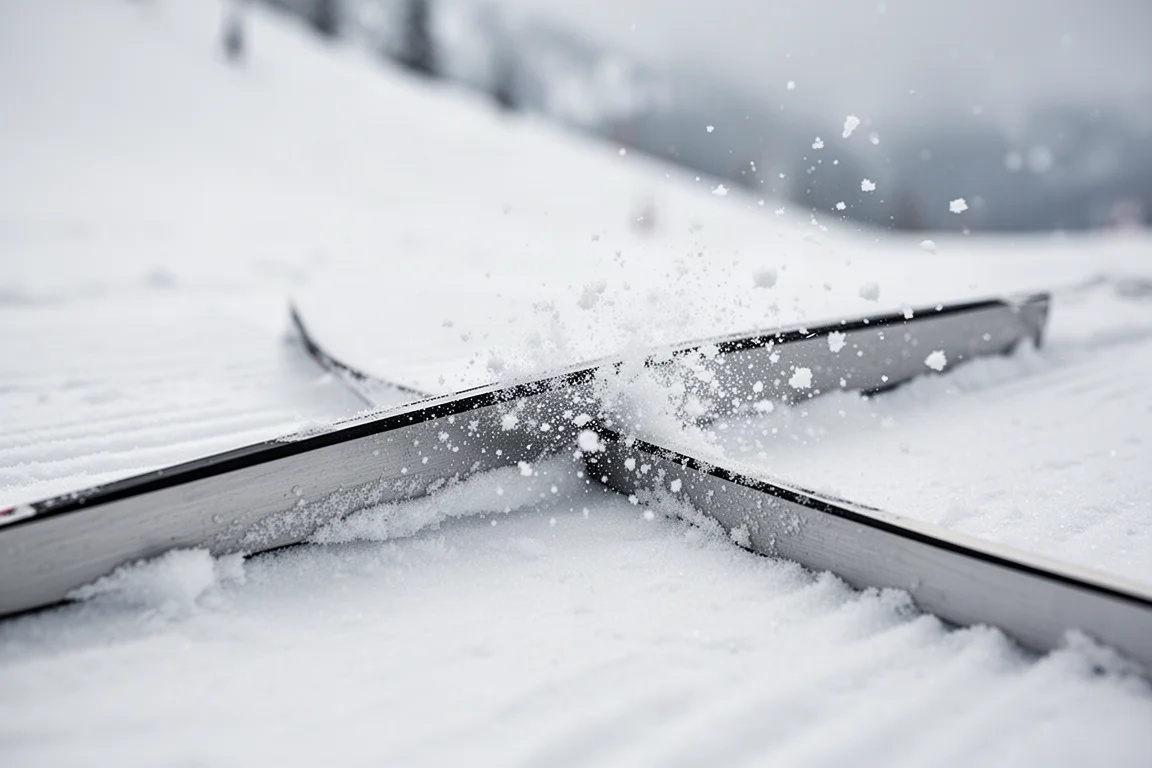
The profile is very much a cambered ski with just a little tip rocker to help the initiation phase of the turn. There is no taper. In fact the widest part of the ski sits at the very end, which produces very precise edge contact as you enter the turn.
The tail is fairly flat, though slightly rounder than the more angular tails found in the Hero Elite series. That rounder shape makes the ski a little friendlier when it comes time to release the turn, which suits a skier who is still refining their timing.
Things to Consider Before Buying
The Forza 40 is honest about what it is. Its strongest performance comes on smooth, groomed surfaces, so if your season is built around soft snow and off-trail terrain, a wider ski will serve you better.
The short radius also asks something of the rider. It rewards an engaged, carving style, and it is not the kind of ski that encourages a relaxed, skidded approach down the mountain.
Finally, the 40 number places this model in the middle of the Forza range in terms of intent. Skiers who want the most aggressive option in the line should look further up the numbering, while those who want a forgiving and versatile frontside companion will find this one well judged.
Length and Turn Radius Explained
The 171 cm version of the Forza 40 carries a 14 m turn radius, which keeps it firmly in short-turn territory. That figure matters because it shapes the whole character of the ski: a tighter radius pulls you into rounder, more continuous arcs, while the camber underfoot keeps pressure along the edge through the middle of the turn.
Matching length to your height, weight, and the kind of turns you enjoy is the main decision to make here. A ski this responsive rewards a length you can control rather than the longest option on the rack, particularly for a skier who is still moving up through the ability levels.
Buying Advice
If most of your days are spent on groomed runs and your goal is to become a stronger, more confident carver, the Rossignol Forza 40 is a sensible and genuinely enjoyable choice. The wood core, full sidewalls, and carbon plate give it a level of energy and power that feels a step above a basic rental ski, while the 75 mm waist and mid-range intent keep it manageable rather than punishing.
It also works well as a first serious ski purchase. A progressing skier gets a platform that will not need replacing the moment their technique improves, and an advancing skier gets a frontside tool with real pep that stays precise on edge.
The main thing to weigh is terrain. If your priority is smooth groomed runs with the occasional bump or tree line, this ski fits neatly. If your priority is chasing powder, look at a wider platform and come back to this one for the days when the groomers are the point.
Conclusion
The Rossignol Forza 40 makes a clear case for itself: a wood core and full sidewalls, a carbon plate that stiffens the flex and returns energy out of the turn, a 75 mm waist that suits how most people actually ski, and a short radius that turns every groomed run into an opportunity to sharpen your carving. It is a strong fit for intermediate and advanced skiers who are progressing, and a smart first pair for anyone ready to move up a level.
Product link
View more details for Rossignol Forza 40
This product is mentioned in the review. Check the specifications, options, and compatibility before buying.
View more details for Rossignol Forza 40Further reading
Related Reviews

Skis
Armada Anti Matter 82 W Review: A Light, Approachable All-Mountain Carver
Armada's Anti Matter 82 W pairs a lightweight Karuba and carbon build with an easygoing all-mountain shape, aimed at intermediates through lighter-footed advanced skiers.

Skis
Armada Anti Matter 88W Review: A Light, Playful 88mm All-Mountain Ski Plus Two Alternatives
The Armada Anti Matter 88W returns unchanged in spirit from its Reliance 88C days, and it remains one of the most versatile 88mm skis around. We also look at the Nordica Santa Ana 87 and Anti Matter 92 W as alternatives.

Skis
Armada ARV 100 vs Atomic Bent 100: Which 100mm Freestyle Ski Should You Buy?
Two of the best all-mountain freestyle skis of the season compared: one leans playful and park-ready, the other holds up better everywhere else.