Snowboarding
Rossignol District Review: A Forgiving First Snowboard for New Riders
A beginner to intermediate snowboard with an even, symmetric flex, a twin shape, and a flat profile with rocker at the tips. Here is who it suits and what to weigh before buying.
Introduction
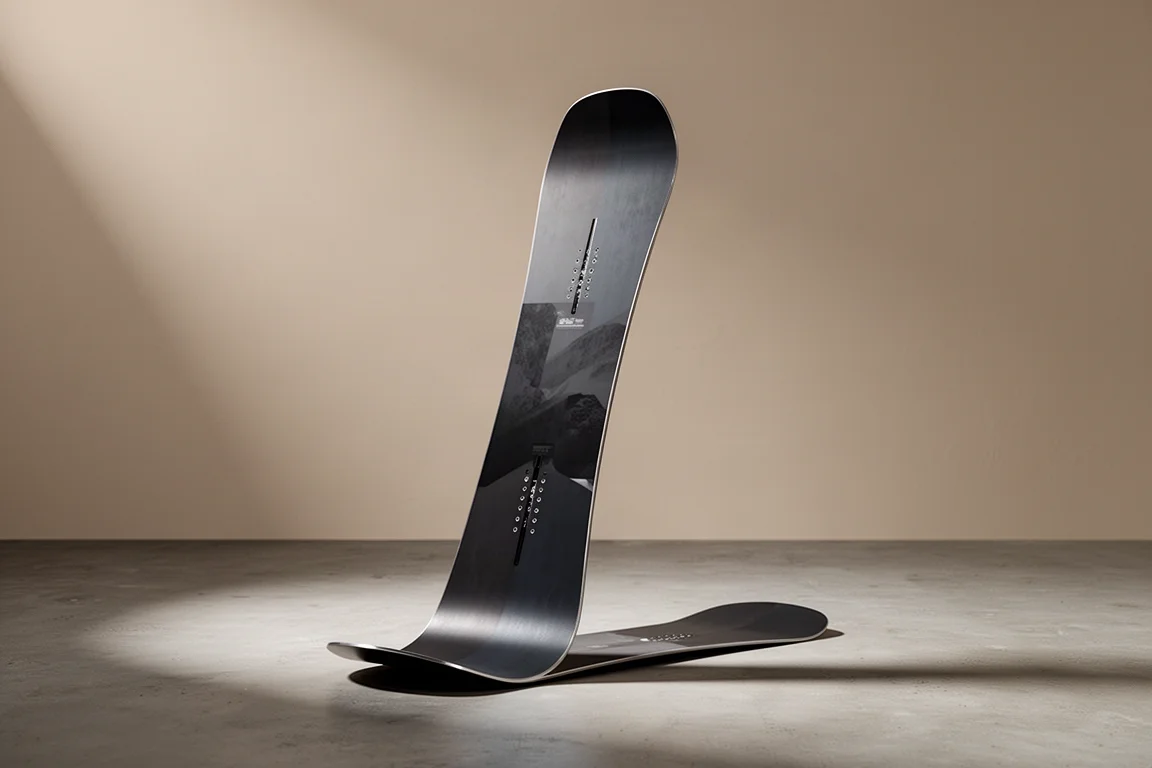
The Rossignol District is a beginner to intermediate snowboard priced in the $360 range, built for riders who are either stepping onto a board for the first time or working to sharpen the skills they already have. It uses an extruded base, a flat profile with rocker at the nose and tail, and a twin shape paired with an even, symmetric flex that sits right in the middle of the scale at 5 out of 10.
That combination matters more than any single number. A board that is neither very soft nor stiff, and that flexes consistently from tip to tail, tends to give newer riders predictable turn entry and dependable edge hold without demanding perfect technique.
Who the Rossignol District Is For
This board is aimed squarely at the beginner and intermediate end of the market. It suits riders who want a forgiving platform for their first seasons on snow, and it also works for people who already have the basics down and want to push into intermediate terrain and light freestyle riding without buying something they will outgrow within weeks.
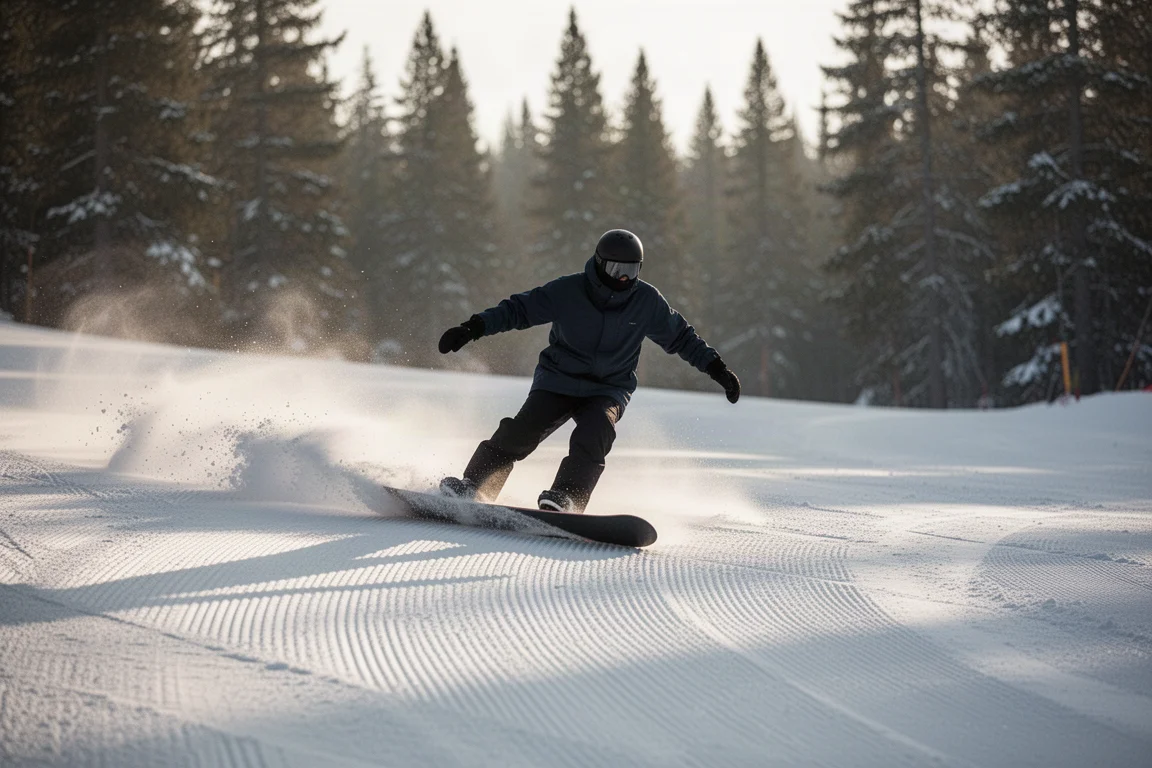
It is also a sensible candidate for a first board purchase. Because the flex is even and consistent rather than soft in one place and stiff in another, the board does not punish small mistakes in stance or timing, which is exactly what a new rider needs while building confidence.
Flex, Shape, and Ride Character
The District is rated 5 out of 10 on the flex scale, which places it in the middle. It is not a super soft park board, and it is not stiff by any means. The flex is smooth, symmetric, and even throughout the whole board, and that consistency is what shapes how it rides.
A twin shape means the nose and tail are matched, so the board rides the same in either direction. The profile is essentially flat underfoot with rocker at the ends, which keeps the contact points engaged for edge hold while giving the tips a little lift and forgiveness.
Main Strengths
Turn entry is easy. Edge hold through the turn is dependable. Exiting the turn is just as undemanding. Those three qualities are why the District works so well for riders who are still assembling their technique, because the board is not asking them to fight it.
The even flex also keeps the board predictable as speed picks up or as conditions change. On top of that, it is a clean looking board with a medium weight that is not heavy, so it stays manageable on lifts, in lift lines, and on the walk from the parking lot.
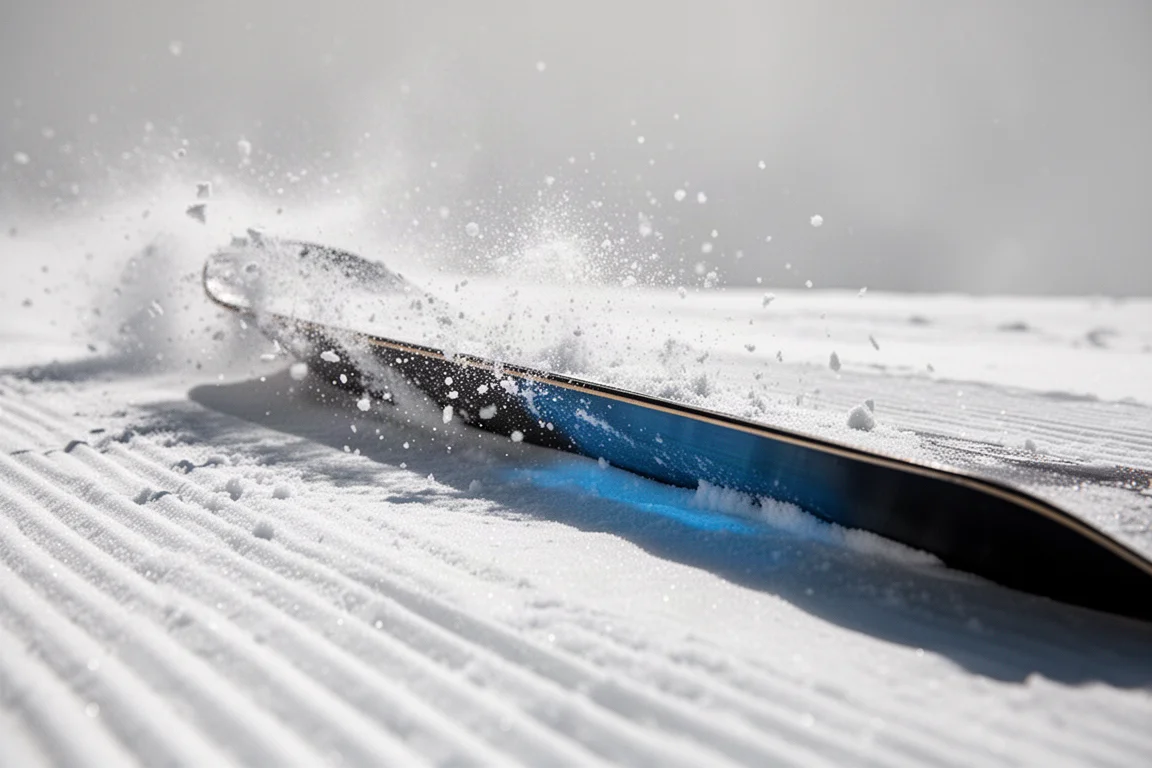
For riders moving toward freestyle, the symmetric flex and twin shape are the two features that matter most, since both support riding switch and a more playful approach without forcing a step up in stiffness.
Where It Fits in a Progression Path
The District is designed to carry a rider from the beginner stage into the intermediate level and, from there, into a more freestyle-oriented style of riding. That is a wider range than most entry boards promise.
Because the flex sits in the middle rather than at the soft end, the board does not have to be replaced the moment a rider starts linking turns at speed or trying a first trick. It grows alongside the rider through the phase where most people are deciding whether snowboarding is going to stick.
Things to Consider Before Buying
The District is built with an extruded base, which is a common choice on boards in this price range. If your priority is maximum glide and speed on hardpack, a board with a different base construction may be a better match. If you want something that is easy to live with and does not ask for much attention, an extruded base is a reasonable trade.
The mid-scale flex is the other thing to think about. Riders who are already advanced, heavier, or riding aggressively may find a 5 out of 10 flex softer than they want, and they will likely be shopping for a stiffer board regardless.
Finally, this is a crowded category. Comparing flex rating, shape, and intended ability level against other boards in the same price band is worth the effort before committing.
Matching the Board to Your Riding Goals
If your goal is to learn cleanly and progress at your own pace, the District lines up well. Its easy turn entry, dependable hold, and smooth exit make it a low-stress platform for building habits that last.
If your goal is to ride switch, explore light freestyle, and keep a playful feel, the twin shape and symmetric flex support that directly. If your goal is high-speed carving on steep, firm terrain, this is not the board for that job. That is a question of matching the tool to the task rather than a shortcoming of the board itself.
Buying Advice
At around $360, the District sits in an accessible bracket for a first or second snowboard. The features that matter at this level are the ones it gets right: an even, mid-range flex, a twin shape, and a forgiving flat profile with rocker at the tips.
Before you buy, confirm the size that suits your height, weight, and boot size, and think honestly about the terrain you will ride most in your first season. If your riding is mostly groomed runs with an interest in light freestyle, the District is a well-rounded and sensible choice. If you already ride aggressively, look at stiffer options instead.
Conclusion
The Rossignol District earns its place as a beginner to intermediate board. It offers an even, symmetric flex rated 5 out of 10, a twin shape, a flat profile with rocker at the ends, and an extruded base, all in the $360 range. For riders who want easy turn entry, consistent edge hold, and room to grow into intermediate and freestyle riding, it is a straightforward recommendation.
Product link
View more details for Rossignol District
This product is mentioned in the review. Check the specifications, options, and compatibility before buying.
View more details for Rossignol DistrictFurther reading
Related Reviews

Snowboarding
2025 Snowboard Gear List: Five Picks That Earned Their Place on the Mountain
From Zeiss-lens goggles to a hybrid step-in binding, here are five pieces of 2025 snowboard gear that held up across a full season of riding.

Snowboarding
2026 Snowboard Gear List: Boards, Bindings, Boots and Outerwear Worth a Look
A season-ready snowboard setup built from the bottom up: base layers, Strafe outerwear, Ride and Union boots, Union bindings, and two new Capita boards.

Snowboarding
32 Cold World Review: A Playful Hybrid Camber Board for Park Laps
The 32 Cold World blends classic camber underfoot with flat nose and tail sections for a predictable, butter-friendly ride aimed at intermediate park riders.