Cross-Country Skis
Rossignol BC 80 Review: A Backcountry Cross-Country Ski for Untracked Trails
A practical look at the Rossignol BC 80, a backcountry cross-country ski with a lightweight wood core, full-length steel edges, and an integrated grip system.
Introduction
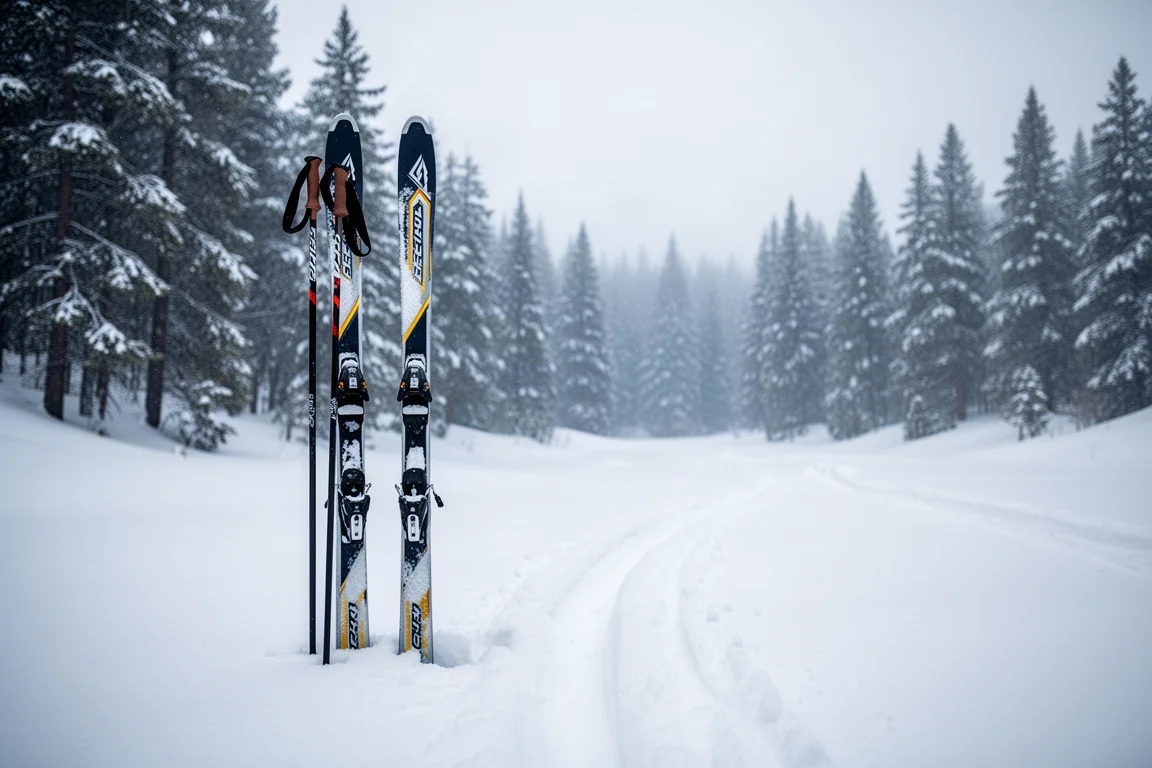
The Rossignol BC 80 is a cross-country ski built around a straightforward idea: you do not need a groomed touring centre to get out on snow. The BC in the name stands for backcountry, and that framing is the most useful way to think about this ski. It is aimed at people who step off the trailhead and make their own line, whether that means a local trail network, a powerline cut, a field edge, or simply the woods behind the house.
That distinction matters, because the BC 80 is not a track ski. It is wide enough that it will not fit into a set classic track, and it is shaped and edged for terrain that has not been prepared for you. The good news is that this does not require a deep alpine expedition to make sense. The ski works just as well on an afternoon wander as it does on a longer backcountry tour.
Who the Rossignol BC 80 Is For
This ski suits anyone who wants to explore off the groomed network rather than lap a prepared loop. If your usual outing involves following your own route through a snowy forest, cutting across open ground, or linking informal trails, the BC 80 is designed for exactly that kind of skiing. It also has enough capability to handle more ambitious alpine backcountry terrain, but that is a ceiling rather than a requirement.
It is a particularly good fit for skiers who want a single, dependable ski for casual winter exploring rather than a specialist race or track model.
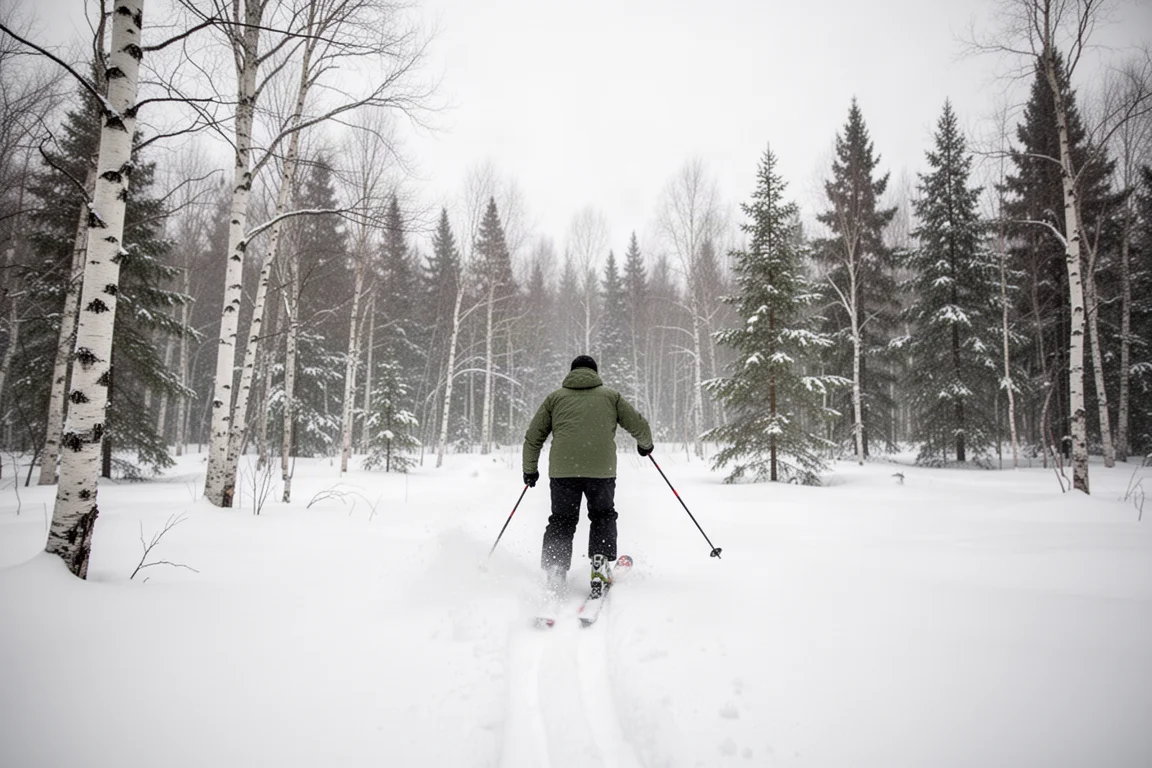
For anyone upgrading from a narrower touring ski, the wider platform and metal edges change what feels possible on a descent. You gain the confidence to point the ski down a steeper section instead of stepping around it.
Main Strengths of the BC 80
The most interesting piece of engineering here is the core. Rossignol uses a lightweight wood core and cuts air channels into it, which keeps the ski relatively light for its width. That matters over a long day, and it makes the ski easier to manage when you are lifting it through deep snow or stepping over obstacles.
The shape has also been refined. The tip draws on alpine ski design, including soft snow alpine shapes, and there is rocker built into it. In practice, that rocker gives the ski extra float when you are moving through fresh snow, so the front end rises rather than digging in.
Add the grip system underfoot and you get a ski that covers a lot of ground types competently: gentle touring, rolling terrain, and moderate climbs, all without the fuss of a full climbing setup.
Construction and Full-Length Steel Edges
The BC 80 carries full-length steel edges, and for backcountry use this is a meaningful addition rather than a spec-sheet detail. When you encounter steep or icy conditions away from a groomed surface, edge hold is what lets you trust the ski underneath you. Slipping sideways on an icy traverse is not just inefficient, it is a genuine safety concern, and full metal edges go a long way toward removing that worry.
There is a trade-off. Metal edges add weight and take away some speed and glide efficiency. On a track ski that would be a real compromise, but the BC 80 is too wide to fit a groomed classic track in the first place, so the efficiency penalty costs you very little in practice.
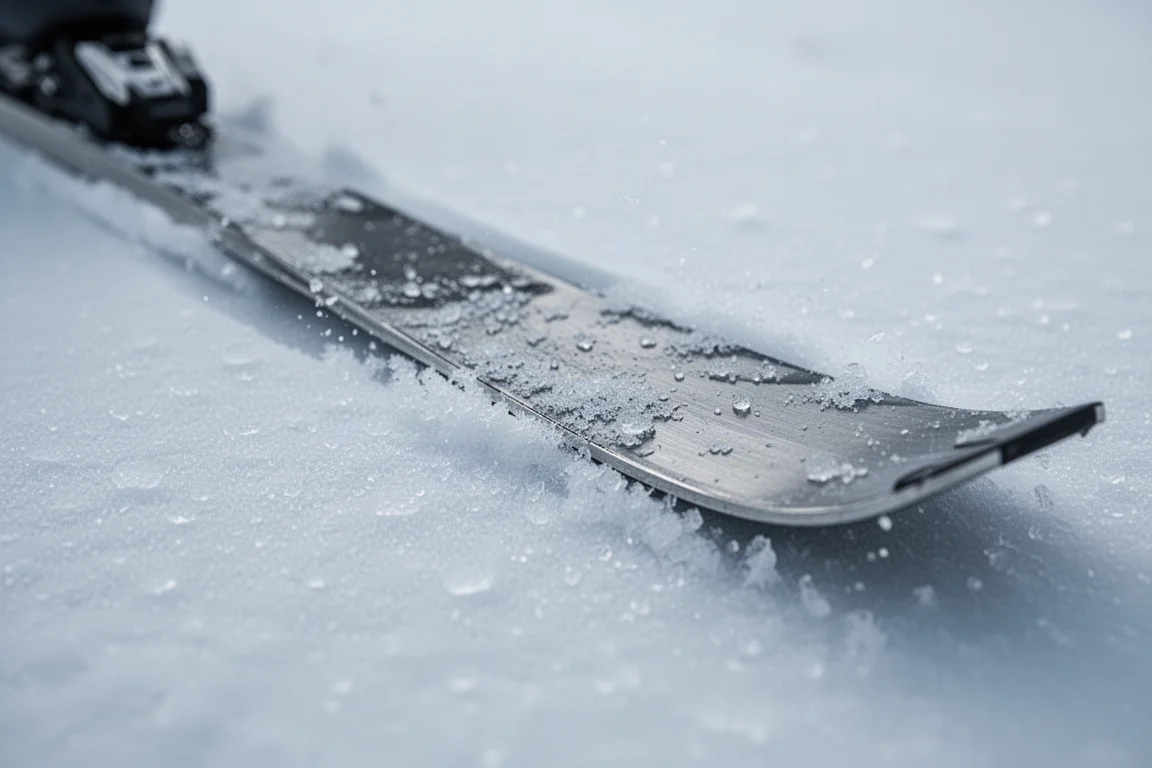
For skiers whose outings regularly include hardpack, refrozen snow, or shaded icy sections, this is the single most reassuring feature of the ski.
Grip and Climbing Confidence
Underfoot, the BC 80 uses a long grip system built into the base. It delivers reliable traction across a wide range of snow conditions, which translates into confidence on steeper climbs. Instead of herringboning your way up every rise, you can often simply keep moving and let the grip zone do the work.
The ski also offers an option for attaching a skin if you want to push climbing grip to another level entirely. That said, most people shopping for a ski in this category can reasonably skip the extra skin and rely on the integrated grip system alone. The option is there if you want it, not a requirement to make the ski work.
Bindings and Edge Control
The BC 80 is paired with a backcountry binding system, and on a ski this wide that pairing is more important than it might sound. The wider platform of the binding gives you more control when tipping the ski up on edge. A narrower platform would demand more leverage and more input from the skier to achieve the same edge angle.
In practice, that means less effort for the same turn, which is exactly what you want when you are carrying a pack or skiing tired legs at the end of the day. One thing to plan for: these bindings require a backcountry-compatible boot. If you are coming from a different style of cross-country skiing, your existing boots may not fit.
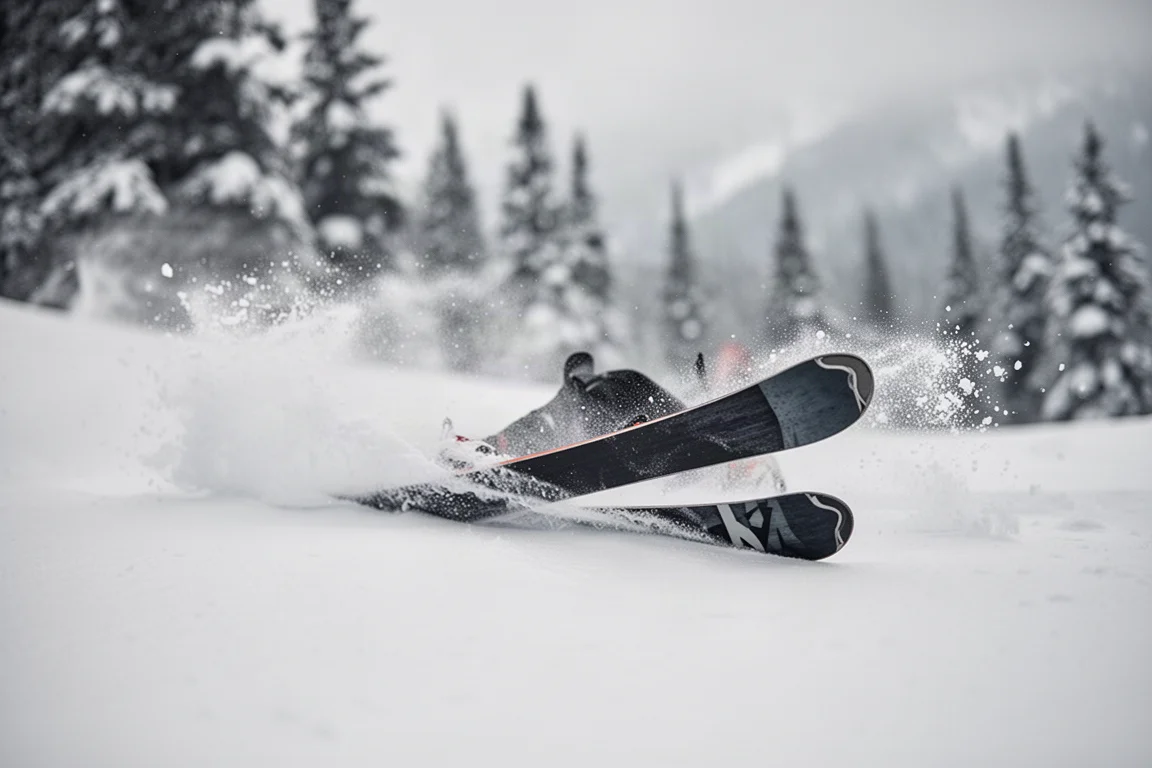
It is worth checking boot compatibility before you buy, since the binding and boot have to work together for the edge control advantage to show up on the snow.
Things to Consider Before Buying
The main compromise is the one already mentioned: full-length steel edges cost a little weight and a little glide. If your skiing is entirely on prepared, tracked terrain, a narrower track ski will feel faster and more efficient. The BC 80 is deliberately built for the opposite scenario.
Second, this ski will not fit into a set classic track, so it is not a replacement for a groomed-trail setup. Think of it as the ski you reach for when the plan is to leave the prepared network.
Third, budget for the whole system rather than just the ski. Because the bindings require a backcountry boot, the total cost includes boots and poles if you do not already own compatible gear.
Buying Advice
The BC 80 is available as a standalone ski paired with an appropriate binding, which is the simplest route if you already own compatible boots and poles. For anyone new to this style of cross-country skiing, the more sensible option is a complete package that bundles the ski and binding with a matching boot and pair of poles. Buying the setup together typically saves a considerable amount compared with purchasing each item separately.
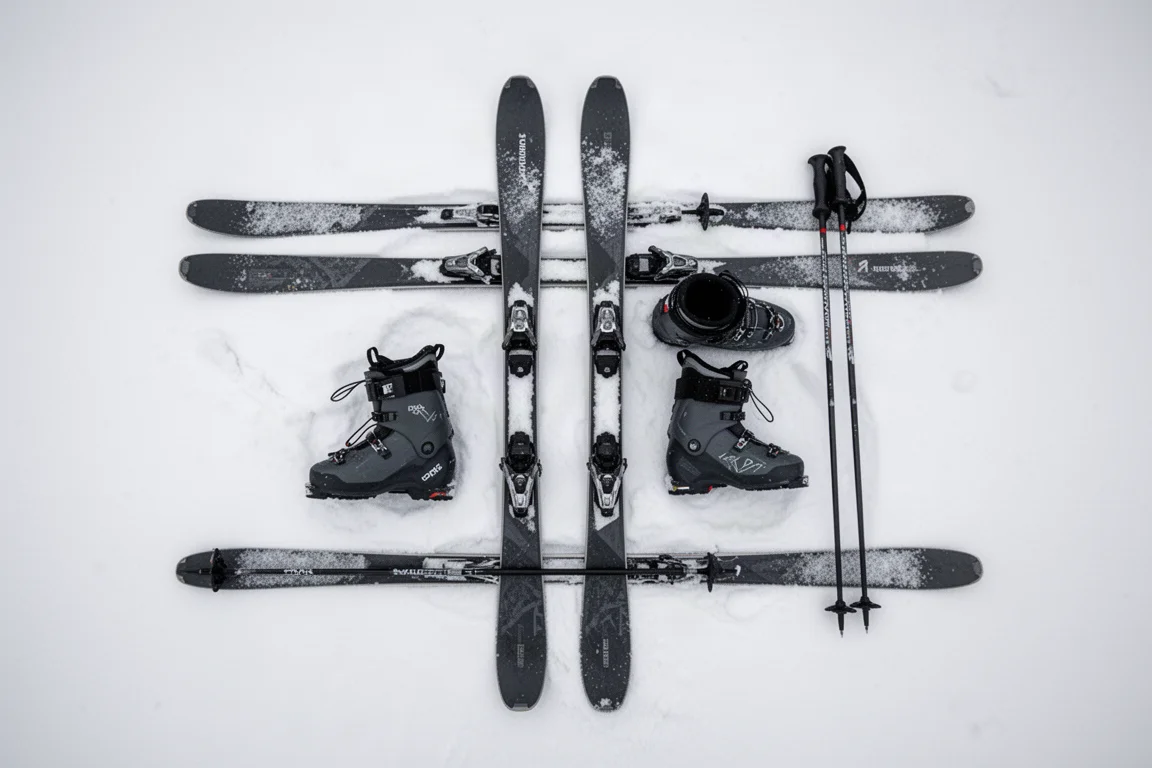
Before ordering, confirm two things: that the boot you are considering is a backcountry model that matches the binding, and that the package you are looking at includes everything you need to ski on day one. If you are unsure which boot pairs best with this ski, it is worth asking before you commit, since the boot has as much influence on your experience as the ski itself.
Conclusion
The Rossignol BC 80 makes a clear case for itself. A lightweight wood core with air channels keeps it manageable on long outings, full-length steel edges make icy and steep terrain far less intimidating, and the integrated grip system underfoot handles climbs without extra fuss. The rockered, alpine-influenced tip adds float in fresh snow, and the wider binding platform makes the ski easier to tip on edge.
It is not the right ski for groomed track skiing, and the metal edges do cost a little glide. But if your idea of a good winter day involves making your own trail rather than following someone else’s, the BC 80 is a well-rounded, confidence-inspiring choice that works just as well behind the house as it does further out.
Product link
View more details for Rossignol BC 80
This product is mentioned in the review. Check the specifications, options, and compatibility before buying.
View more details for Rossignol BC 80Further reading
Related Reviews
Cross-Country Skis
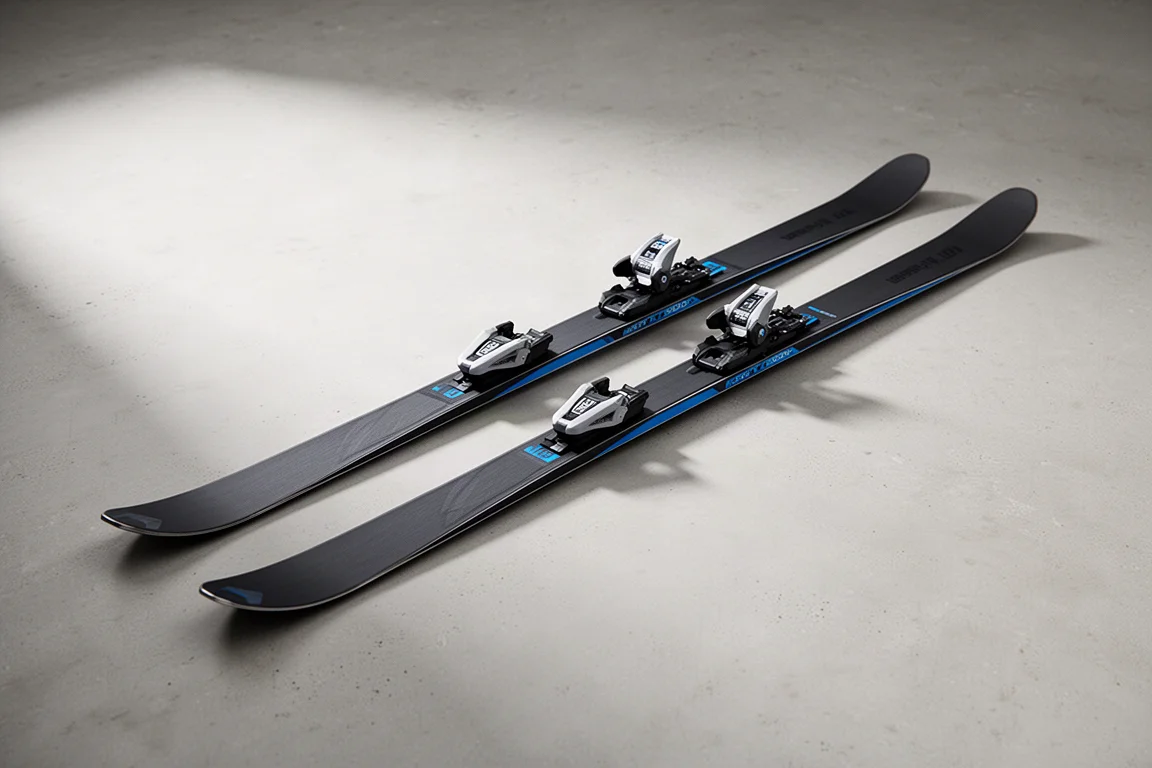
Fischer SCS Skate Skis Review: A Confident Step Up for Aspiring Skate Skiers
A lightweight, performance-oriented skate ski that sits within a sensible price point and suits fitness skiers, newer racers, and anyone moving up from entry-level gear.
Cross-Country Skis
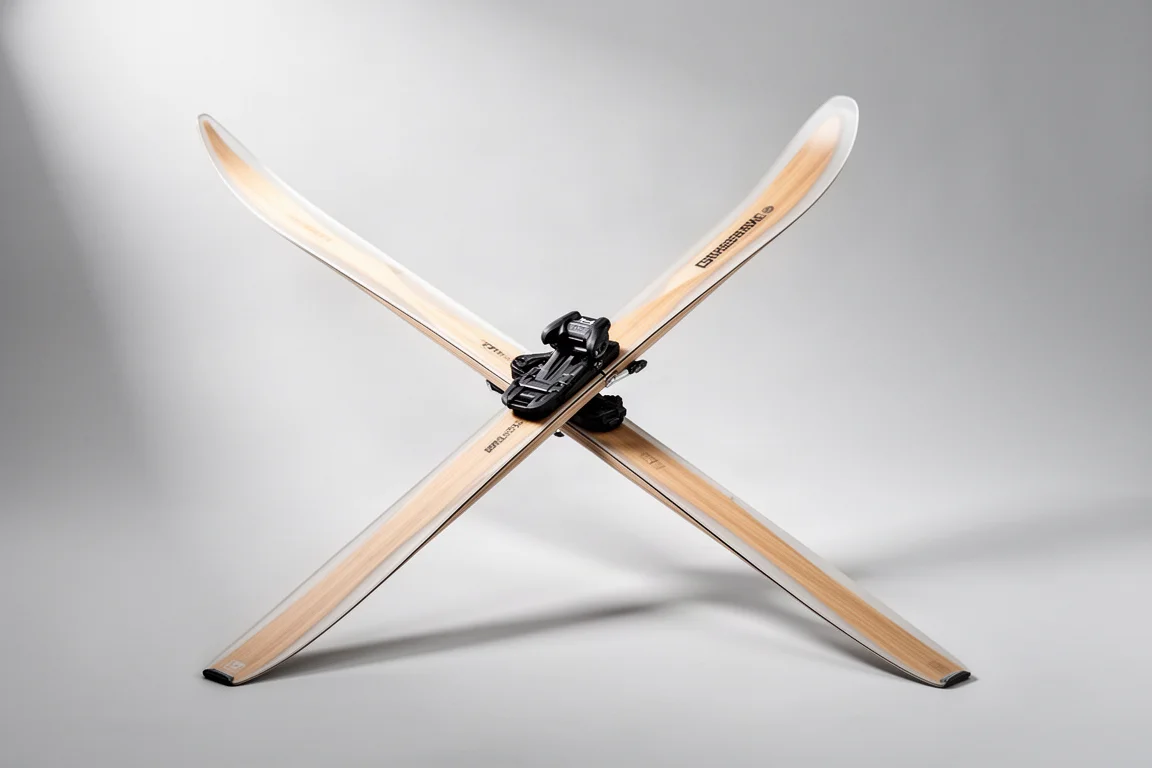
Rossignol Delta Sport Skate Skis Review: Entry-Level Skating With Real Value
A close look at the Rossignol Delta Sport skate skis, covering the wood core build, glide, included binding, package options, and who gets the most from this value-focused setup.
Cross-Country Skis
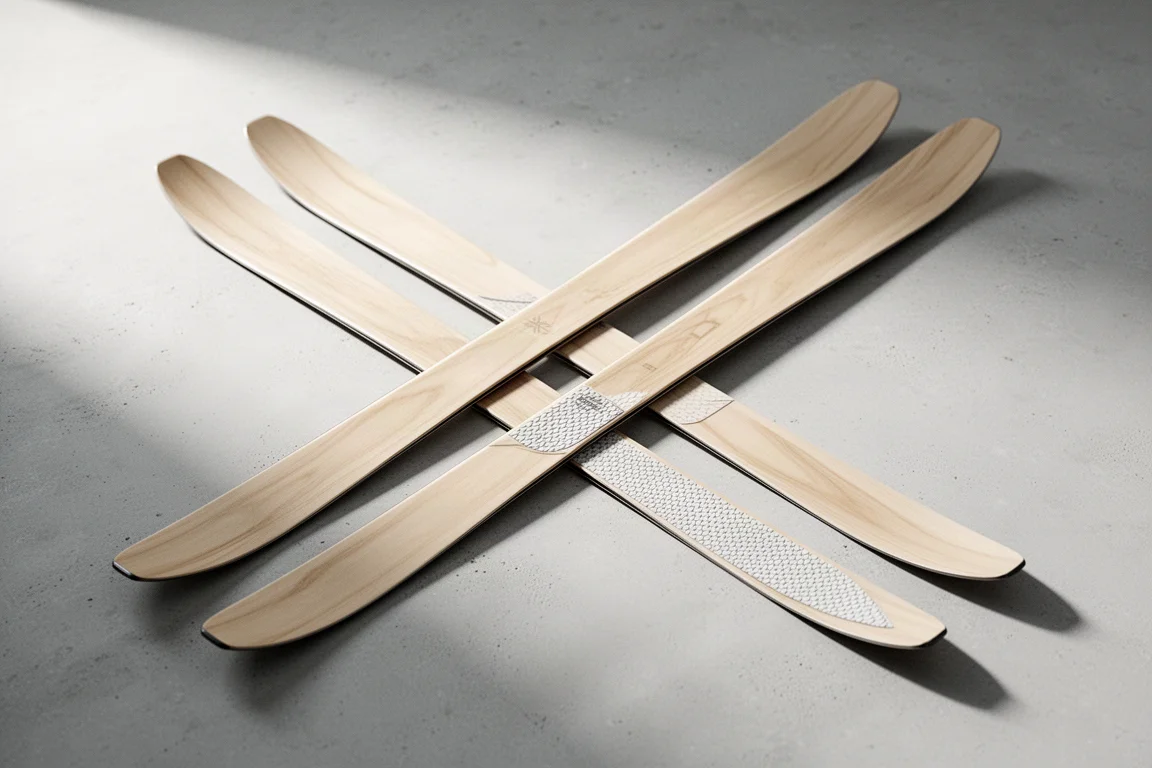
Rossignol Evo XT 55 Review: An Affordable Classic Touring Ski
A practical look at the Rossignol Evo XT 55, a value-focused classic touring ski with a long fish scale grip zone, a light air wood core, and a durable cap construction.