Snowboard Reviews
Rome Viper Snowboard Review: A Playful Directional Twin Built for Everything
Rome's new directional twin adds 3D shaping, a double kick tail, and Fusion Camber to create a fun all-mountain freestyle deck with a dialed side cut.
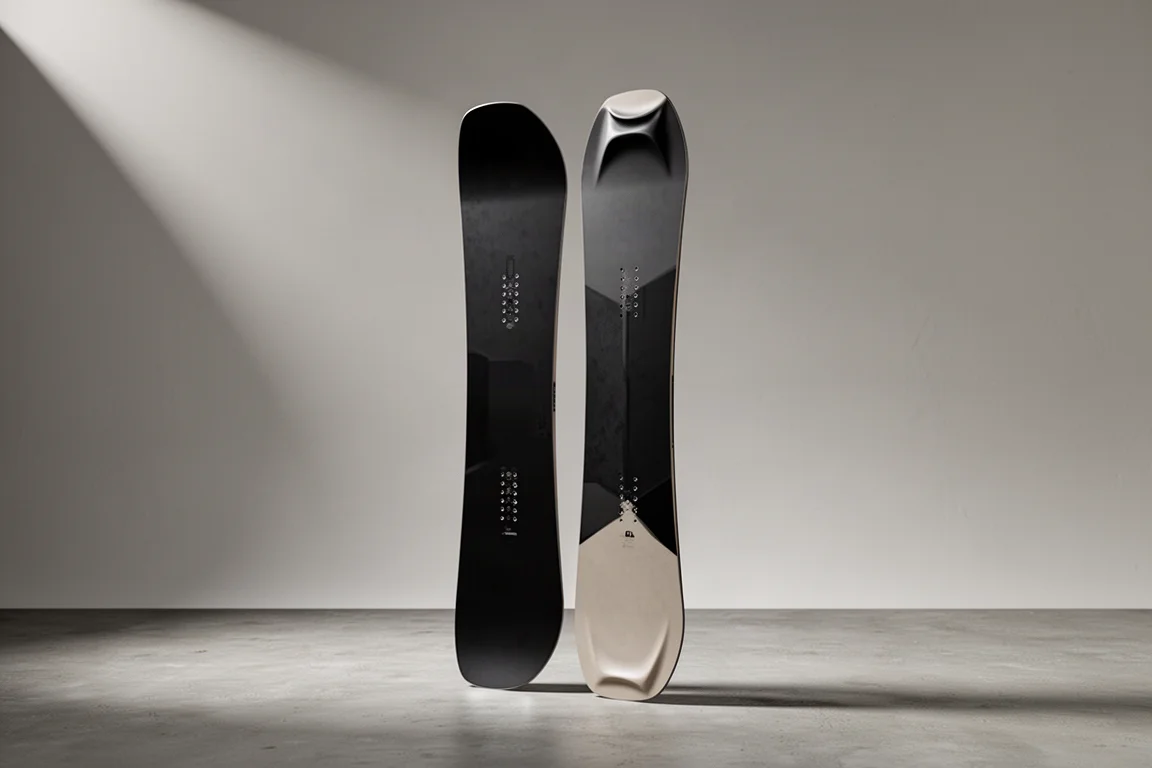
Introduction
Rome added another directional twin to its lineup this season, and the Viper is aimed squarely at the all-mountain freestyle rider who wants a fun, forgiving shape rather than a demanding pro-model weapon. It combines 3D shaping, a double kick tail, and Rome’s Fusion Camber, and it is pitched as one of those boards built for everyone to go do everything with.
First Impressions and Ride Conditions
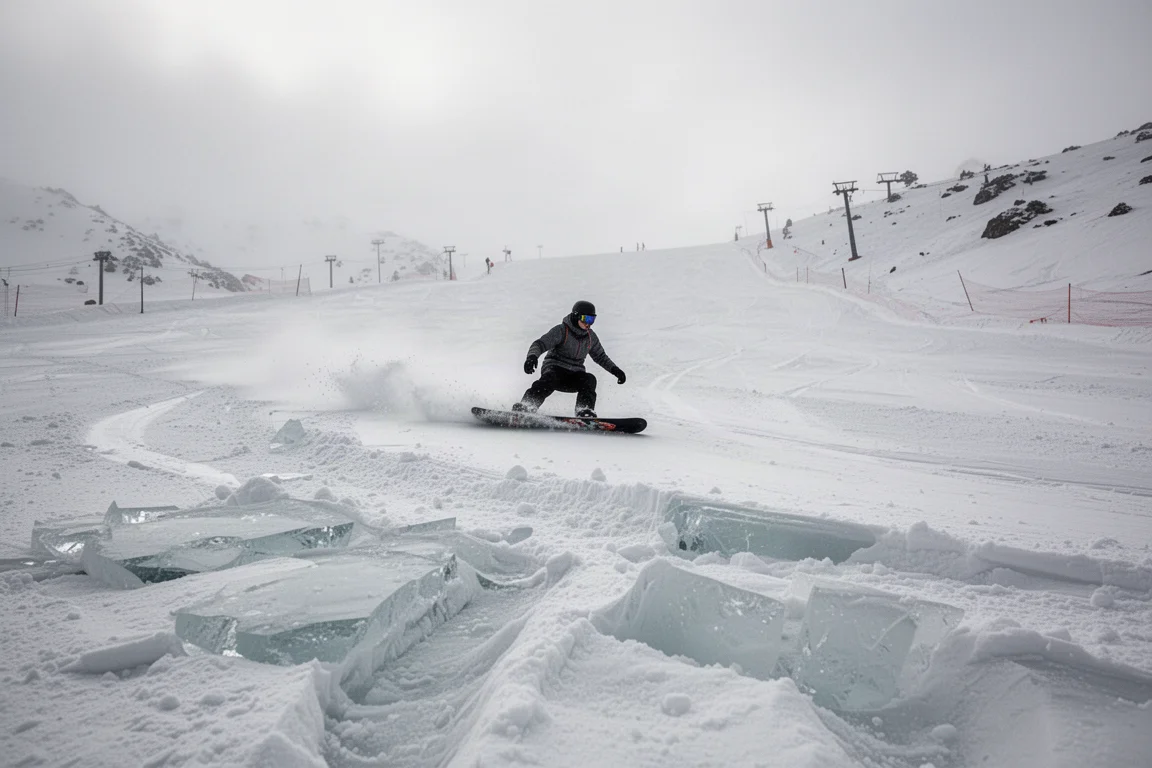
The board was tested at Copper Mountain on a day that started sunny and bluebird before clouds rolled in and turned things overcast. Temperatures ranged from colder to average, and the snow surface had a bit of everything: ice chop, chunder, death ruts, and even some rocks poking through. The setup paired with Rome Black Label bindings and K2 Thraxis boots.
That mix of conditions is a fair stress test for a mid-flex all-mountain freestyle deck, and it exposed both the strengths and the limits of this shape fairly quickly.
Flex, Responsiveness, and Stability
The overall flex is nothing mind-blowing, and that is not a criticism, just a description. It sits in the standard middle-of-the-road all-mountain freestyle zone. The tips have more play, accentuated by the rocker, and the board stiffens up right where the rocker meets the camber through the middle, with a torsional flex that matches it. That torsional flex is easy to engage and slightly responsive without being overwhelming.
Stability has a couple of quirks worth knowing about. The 3D shaping coupled with the rocker in the nose raises the contact point, so when you get up to speed on a groomer, the nose starts to flap. The good news is that it is purely a visual issue: none of that reverberates back underfoot, and the rod in the nose helps cut down the chatter you actually feel.
In rutted-out terrain, keep your knees bent, because the board can get knocked around. It will either skip across the top of the chop or bend and flex with it rather than cutting through it. If you are not prepared, it will flex more than expected and can cause you to wash out.
Camber Profile, Pop, and Jump Performance
The Fusion Camber design puts a small rocker in the nose and the tail with camber through the middle. The camber section delivers the load, pop, snap, and drive, while the rocker in the tips gives ease of entry in and out of turns, more optimal powder float, and a sweet spot to press and play on.
Loading up the camber is very easy. Roll back on the tail, the rod engages, and you get ample snap. This board will pop a side hit, boost a roller, and ollie over your favorite slow sign without you having to think about it. It is consistent and predictable.
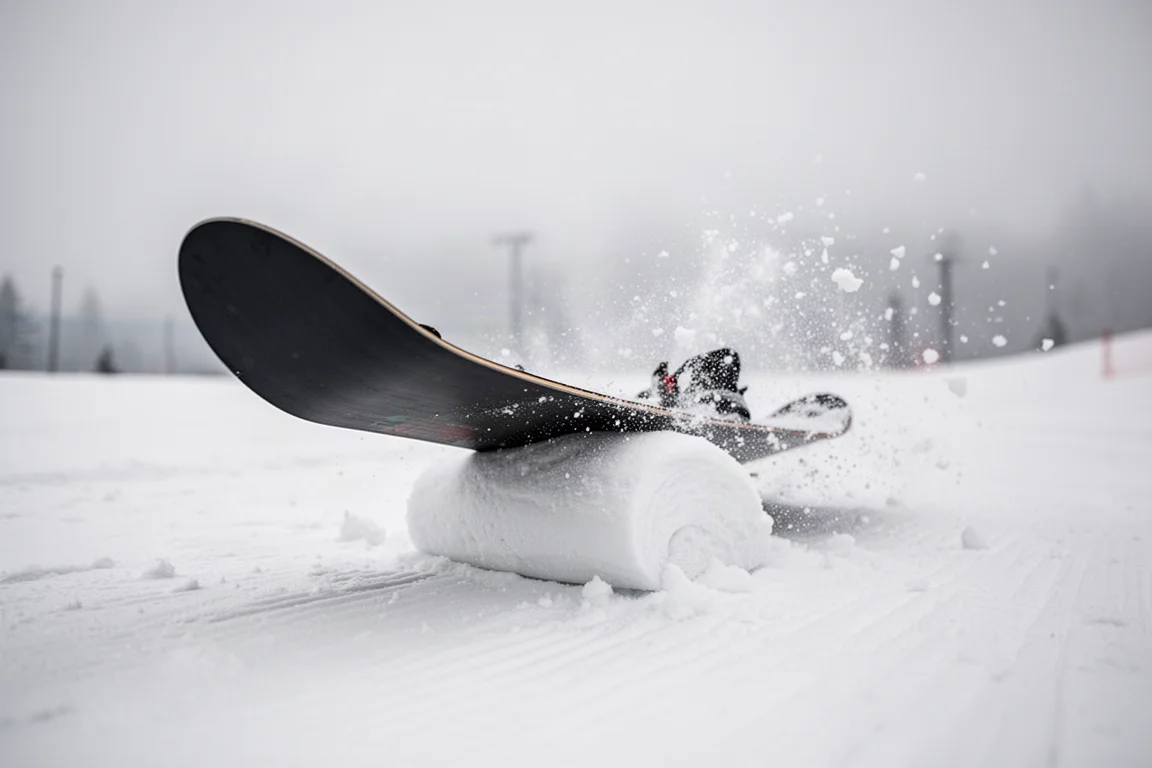
On jumps, the board compresses in the transition, loads up the camber, and snaps you off cleanly. The one caveat: on bigger features, pay attention to landings. If you land a little backseat, it does not have the strongest landing gear. It does not roll you forward and suction cup; it wants to keep going back, which can force you to wheelie out. Beyond that, it pops well across various transitions and does the job you need it to do.
Butters, Presses, and Jibbing
Compared to the pro version of this board, the Viper is easier to butter and jib on, largely because of the different rod in the tips. It does not engage or rebound as aggressively, so with the rocker in the nose and tail, you get a genuine sweet spot to press into.
The nose also carries the diamond 3D shaping, which elevates the contact point and reduces edge catch. When you leverage your weight out, you feel the rod engage with a little bit of fight, but that resistance is actually loading up to give you snap out of any variation. Ideally you press with your weight even across the 3D shaping so it locks in better, though being a little toe- or heel-heavy will not kill you.
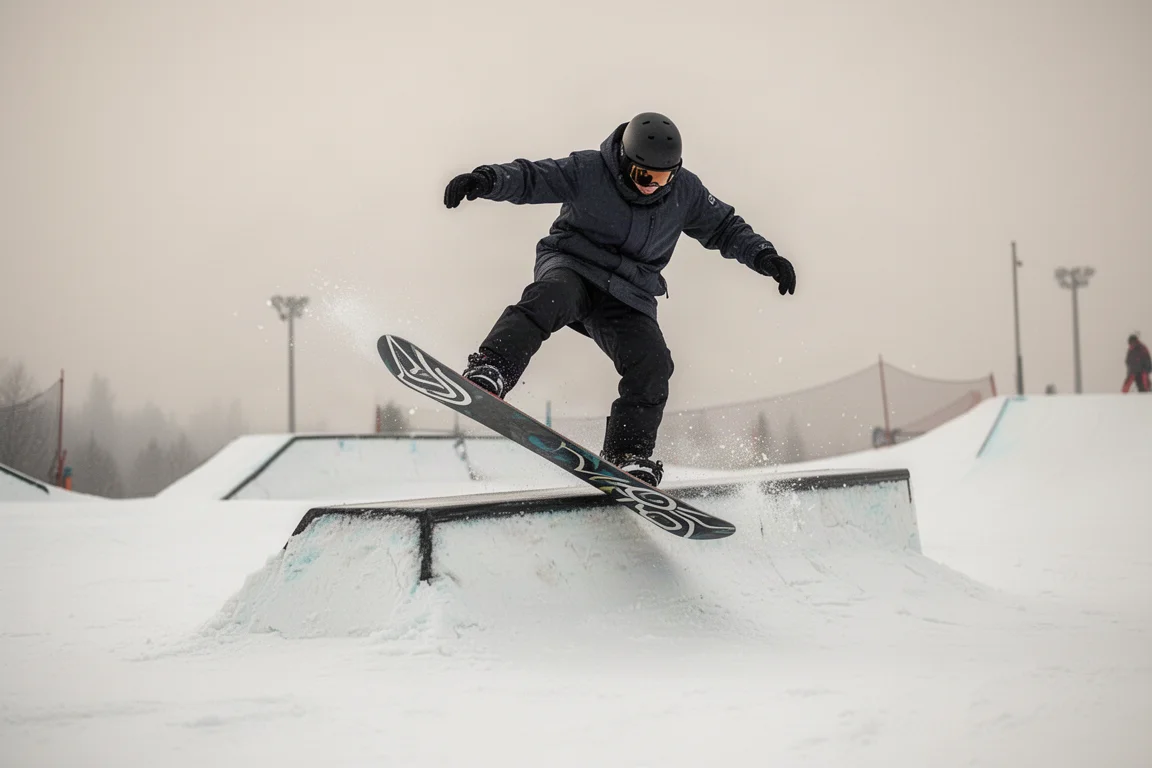
The tail has the double kick, so if you go all the way out you can really get up into it. If you engage it right where the tip kick starts, you are on the rocker section, and that engages the rod as well. It fights you a little, but not a lot, so you can keep your weight out over it, lock it in, and use it to snap out of variations.
As a jib board, it is not winning any awards. Rome makes boards better suited to that, like the Artifact, the Agent, the Party Mod, and the Boneless. That said, when you go sideways, the Viper really hugs the feature. It has more give between the feet than the pro version, so it locks you in around a board slide and makes you feel secure.
Carving and the Side Cut
This is where the board stands out. The side cut is fluid and nimble, and the 3D in the nose coupled with the rocker lets you leverage the board over and roll into turns easily. You can ride it very much underfoot with ankle steering, or push into the camber through the tail for a medium carve and get it to slingshot you out of the turn.
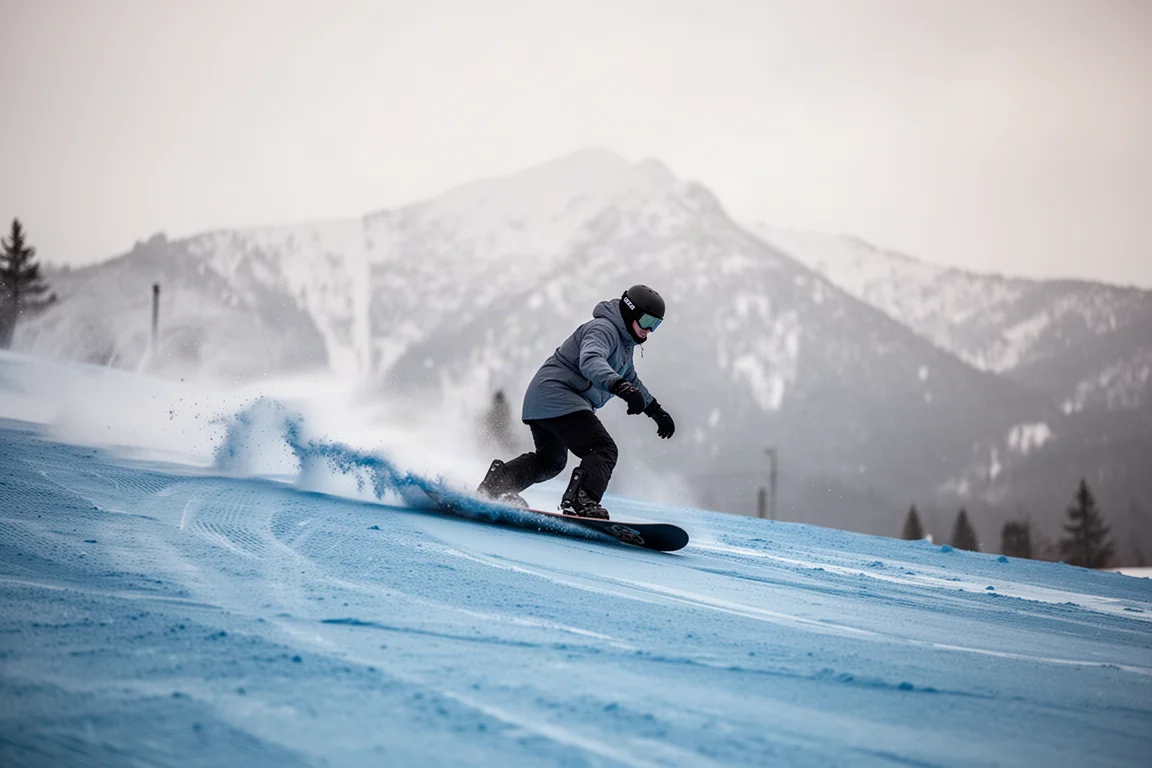
Where it falls short of the pro version is power out of the tail for a deep, hard, aggressive carve. It does not lock in as deeply, so there is a limit to learn. But for cruising the park, swooping in and out of turns on blue runs, or working around people on the mountain, it is locked in and dialed. Combine that side cut with the easy-to-load camber and you can hit a bank, pop, land back on edge, and carve right out of it.
Size Range and Who It Is For
The Viper is available in 154, 156, 158, 160 wide, and 162 wide. The rider in mind is the all-mountain freestyle rider who wants a fun shape with a little 3D. One note from testing: the board rides a bit more playful than aggressive, so if your style leans harder and faster, consider going up a size or looking at the pro version.
Buying Advice
If the Viper sounds like your kind of board, it is worth trying in person at a local shop if you can. If you are shopping online, keep an eye on the size chart and do not undersize it if you like to charge.
Comparable boards in this space are the Salomon Assassin, the Capita Mercury, and the Jones Mountain Twin. On the binding side, recommended pairings include the Rome Katana Phase, the Jones Mercury, and the Union Force.
Conclusion
The Rome Viper is a fun board with a unique shape that feels like a blend of the Boneless and the Artifact, and it rides the part. The side cut is dialed, the camber profile is easy to load up, and the presses have a genuine sweet spot. Its weaknesses are manageable: stability in rutted terrain requires an active stance, big-jump landings punish a backseat approach, and the tail lacks the deep-carve power of the pro version. As an all-mountain freestyle daily driver, it is an absolutely fun board to ride.
Product link
View more details for Rome Viper
This product is mentioned in the review. Check the specifications, options, and compatibility before buying.
View more details for Rome ViperFurther reading
Related Reviews
Snowboard Reviews
Arbor Element Rocker vs Camber: One Shape, Two Ride Personalities
A practical look at the Arbor Element all-mountain twin in both System Rocker and Camber profiles, covering Grip Tech edge hold, sustainability, sizing, and who each version suits.
Snowboard Reviews
Battalion Whatever 157 Review: A Forgiving Directional Twin With Real Freestyle Potential
A soft-flexing directional twin aimed at riders who want a playful, forgiving all-mountain board that refuses to catch an edge.
Snowboard Reviews
Capita Ultrafear Camber Review: A Consistent Park Board for Freestyle Riders
A practical look at the Capita Ultrafear Camber, its Resort V1 profile, flex character, jib and jump behaviour, and who it genuinely suits.