Snowboarding
Rome Viper Pro Review: An All-Mountain Freestyle Board with Real Snap
The Rome Viper Pro pairs Fusion Camber with 3D shaping in the nose and a double kick tail for a playful yet assertive ride across the whole mountain.
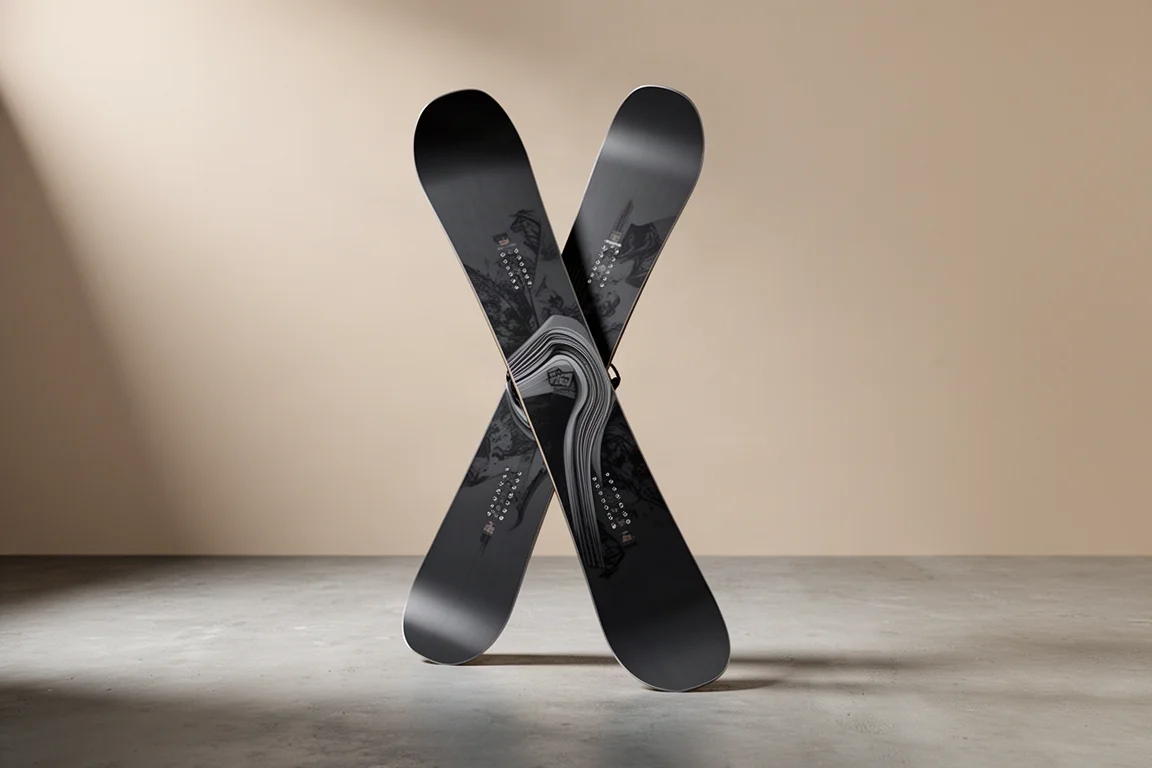
Introduction
The Rome Viper Pro is a directional twin built for the all-mountain freestyle rider who dabbles in a bit of everything. It combines Rome’s Fusion Camber profile, 3D shaping in the nose, and a double kick tail, creating a board that is noticeably stiffer than the regular Viper and rewards a more assertive riding style.
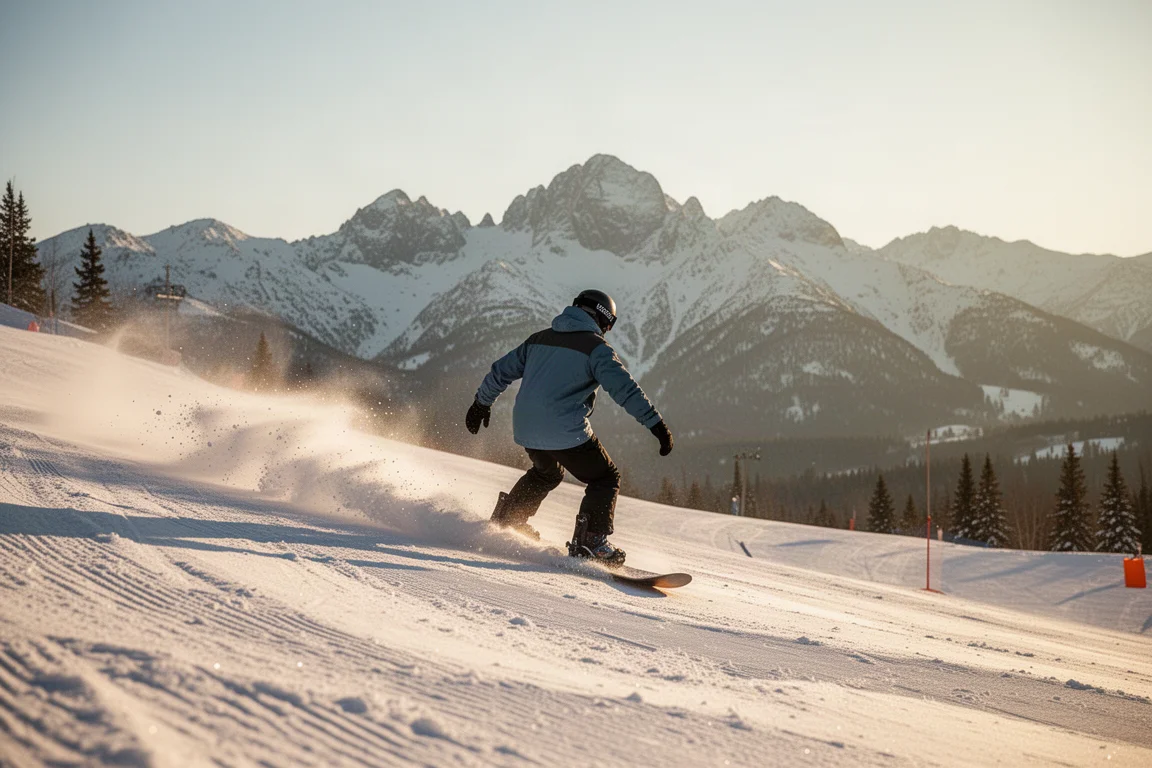
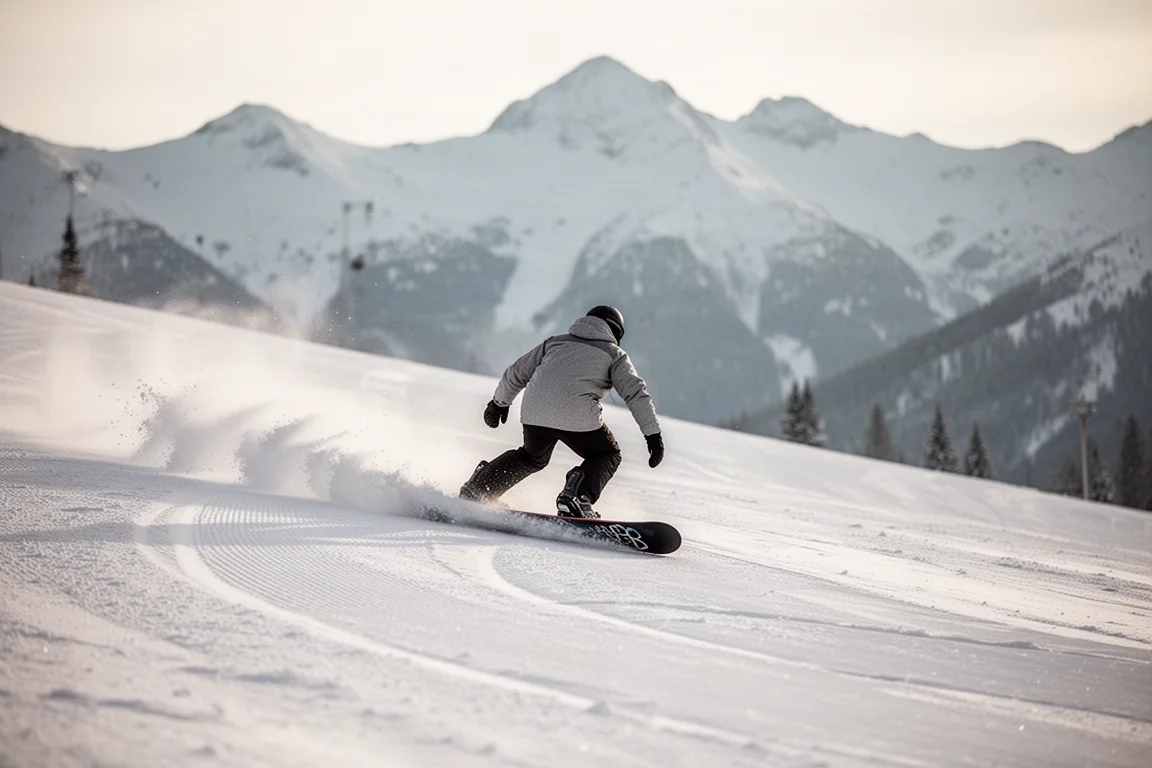
Riding it at Copper Mountain on a sunny bluebird day, with warm temps and average to low winds, the snow went from creamy to choppy and chundery as the day wore on. That mix of conditions made for a fair test of what this board does well and where it asks more of you. Setup was a pair of Rome Black Label bindings and K2 Thraxis boots.
Fusion Camber and Construction
The Fusion Camber profile is essentially cam-rocker: a small rocker zone in the nose and tail with camber through the middle. The camber section delivers the load, pop, snap, and drive, while the rocker in the tips makes turn entry and exit easier, helps with powder float, and gives you a place to press and play.
The pro version is incrementally stiffer than the regular Viper. The tips run slightly softer, accentuated by the rocker zone, then stiffen right where they meet the camber and hold a consistent flex through the middle. There is a noticeable amount of torsional flex, making it relatively easy to ankle steer, yet the board still reacts. Overall flex sits past middle of the road, but it is not a full-blown plank.
Stability and Terrain Handling
Because of the 3D shaping in the nose and the rocker, you do get tip flap, but it does not resonate back underfoot on firm or creamy groomers. What you will feel is the ball-bearing effect when you hit death cookies and get on top of the board, as that vibration does transfer through.
In uneven terrain, the Viper Pro stays on top of everything rather than pushing through it, unless the snow is really soft. It glides over chunder and push piles with a sort of floating steadiness that keeps the ride predictable.
Jumps, Pop, and Landing Gear
The camber section is easy to load up for ollies, but the double kick rod in the tail adds a little fight and takes more effort. Push back into that double kick and you get even more snap out of it. Once the rod is loaded, this board will boost you: side hits and cat track gaps are no concern, and popping over slow signs is easy enough.
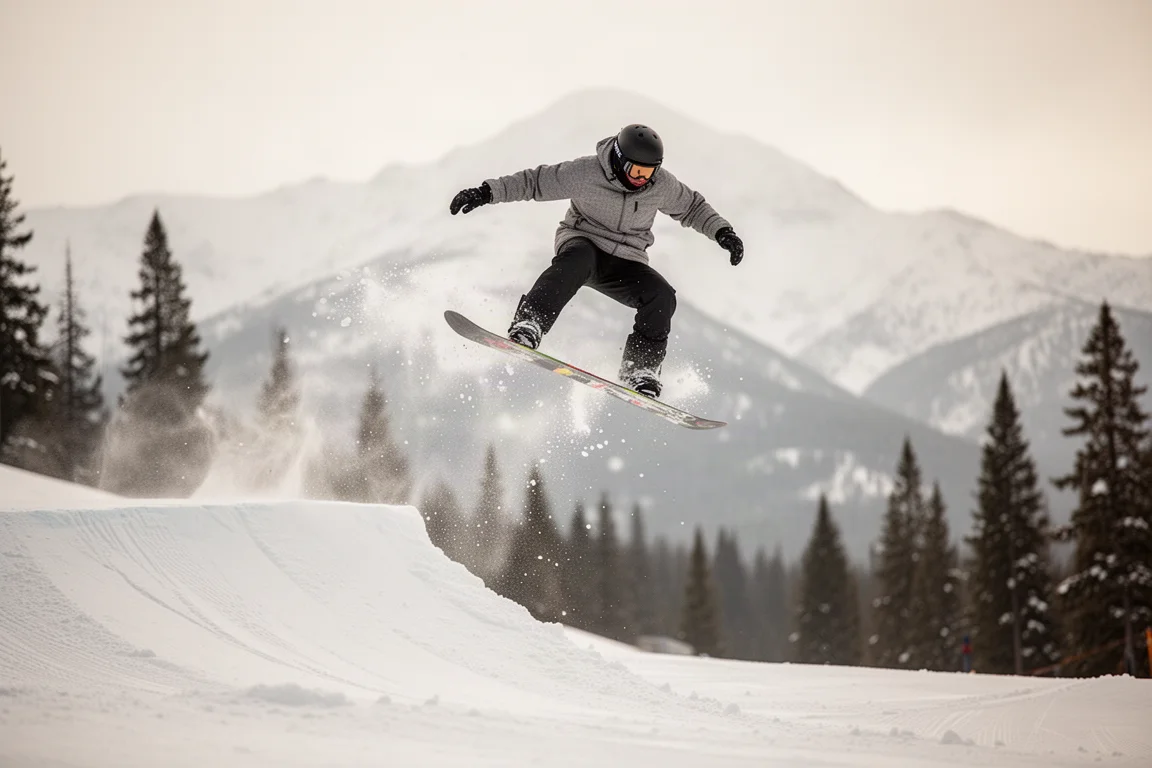
On jumps of any size, you can be lazy and let the camber compress into the transition and snap off, or load it aggressively to pop a bit higher, though not necessarily further. This board wants to get airborne, and it has solid landing gear from the midsection back through the tail. One caveat: landing switch, the 3D in the nose can limit edge hold, so the board sometimes swivels out instead of gripping aggressively.
Butters, Presses, and Jibbing
The 3D nose makes the board more catch-free, so you can balance your weight and push into an edge without worrying about it hooking up. The rod in the tail, however, will fight you with a lot of rebound, demanding more leverage and weight to engage. On the tail, with that double kick, you can get way out on it. If you know how to butter, you will be fine, you just have to press harder than you think.
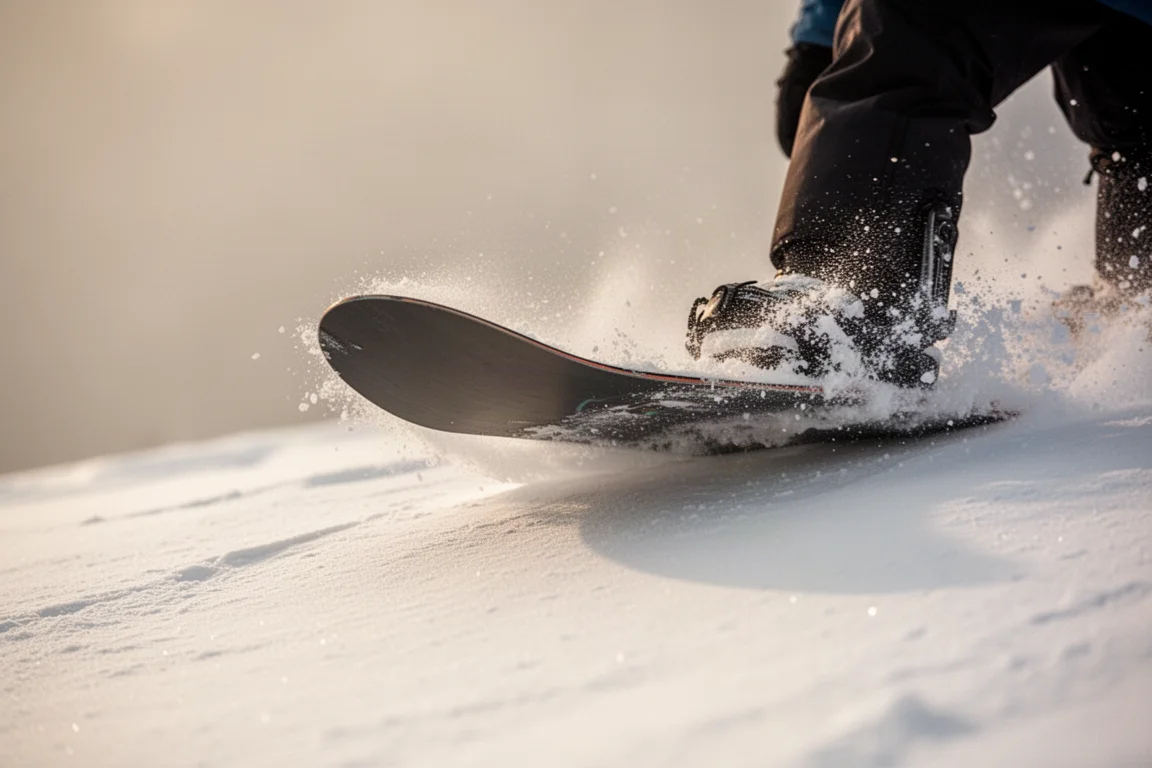
For jibbing, line a press up between the 3D section in the nose, push in, and the board fights back, giving you snap out the end of the feature. On tail presses it can want to slap down, so push in harder. Sideways, the board cradles a feature rather than clapping out, flexing around rails instead of throwing you over the bars. The recurring theme: bring a little more aggression and a little more speed than you think you need.
Turning and Carving Performance
This is where the Viper Pro stands out. The 3D nose and rocker give a fluid, smooth initiation off the front contact point that rolls over quickly without worry. Driving through the turns, the rebound of the torsional flex helps keep you locked in on short, tight, quick carves.
On medium carves you essentially guide the board from inside the front foot back through the tail, and it stays locked in. Kick your knee in, push into the camber, and you can drive off the tail to change the apex of the carve. Want to lay a trench and really put it over? You can. The sidecut is dialed, smooth, and consistent.
Sizing, Setup, and Buying Advice
The Viper Pro is available in 142 narrow, 146 narrow, 150 narrow, 154, 156, 158, 160 wide, and 162 wide. Recommended bindings include the Rome Katana Pro Full Wrap, the Ride Circuit, and the Union Atlas. Because it is stiffer than the regular Viper, ride it a little more assertively to unlock its good snap and excellent turn feel.
Comparable boards to consider are the Capita Mega Merc, the Ride Algorithm, and the Jones Mountain Twin Pro. It is also worth noting that Rome’s lineup carries a lot of overlap between models, so if the Viper is being pushed forward, other boards may need to make room.
Conclusion
The Rome Viper Pro is a compelling pick for the all-mountain freestyle rider who wants good snap, dialed turning, and a catch-free nose, provided they are willing to ride assertively and accept that the double kick tail demands extra effort. If that trade-off sounds appealing rather than annoying, this board deserves a close look.
Product link
View more details for Rome Viper Pro
This product is mentioned in the review. Check the specifications, options, and compatibility before buying.
View more details for Rome Viper ProFurther reading
Related Reviews

Snowboarding
2025 Snowboard Gear List: Five Picks That Earned Their Place on the Mountain
From Zeiss-lens goggles to a hybrid step-in binding, here are five pieces of 2025 snowboard gear that held up across a full season of riding.

Snowboarding
2026 Snowboard Gear List: Boards, Bindings, Boots and Outerwear Worth a Look
A season-ready snowboard setup built from the bottom up: base layers, Strafe outerwear, Ride and Union boots, Union bindings, and two new Capita boards.

Snowboarding
32 Cold World Review: A Playful Hybrid Camber Board for Park Laps
The 32 Cold World blends classic camber underfoot with flat nose and tail sections for a predictable, butter-friendly ride aimed at intermediate park riders.