Snowboarding
Rome Renegade Review: Classic Camber Pop for Park Riders
A stiff, directional twin snowboard built around classic camber, big jumps, and aggressive riders who live in the park.
Introduction
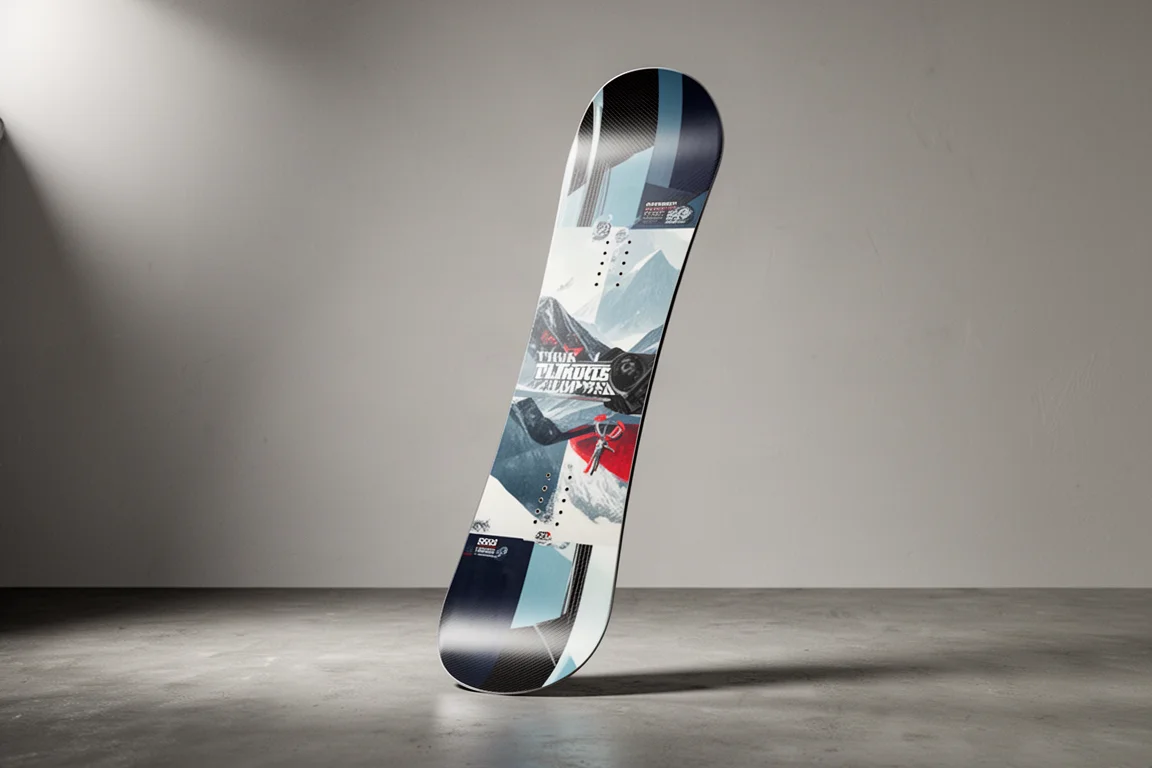
The Rome Renegade is built around a Stay Positive camber profile, which is essentially a classic camber shape from the 1990s and early 2000s. That profile is the whole point of the board: it delivers the pop, snap, and drive that riders associate with traditional full camber, packaged in a directional twin that leans aggressive. It comes in a 153, a 156, a 157 wide, a 159, and a 160 wide.
I rode it at Copper Mountain on a hot, sunny day with soft snow and groomers that stayed fast and perfect until the end of the day, paired with Ride Fuse boots and Jones Mercury bindings.
First Impressions on the Snow
Right away this board feels stiffer than the middle of the road, with a directional flex thanks to its directional twin shape. There are two rods in the tail and one in the nose, which means you can power through your back foot and get noticeably more snap when you flex into the tail. Flex into the nose and the rebound is softer.
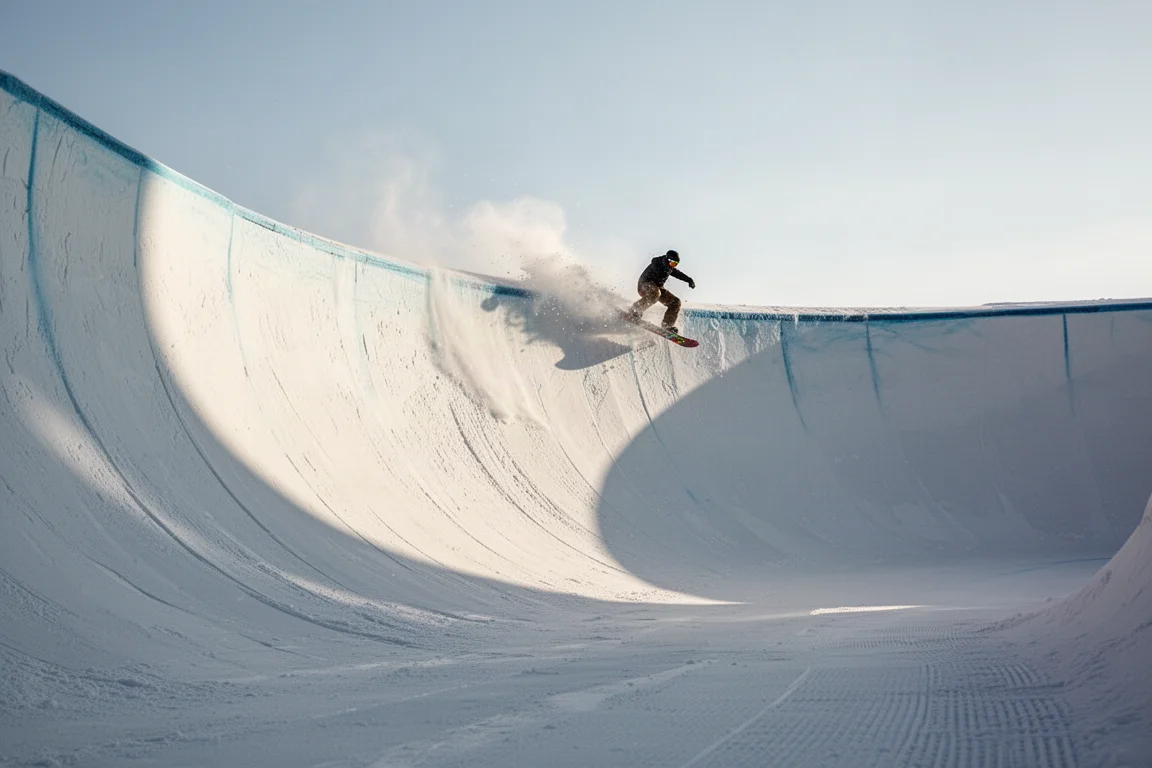
In terms of stability, this is a lively board rather than a damp one. It tries to absorb some micro vibrations, but plenty still make it into your legs and feet, so you feel the terrain underneath you. Do not expect it to feel super smooth over chop when you are loading the tail.
Jumps and Pop
Jumps are clearly what this board was designed for. Loading the tail for an ollie takes a bit more effort because of the two rods in the tail, but that effort pays back with a very snappy launch. Landings are genuinely stable thanks to the firm tail, so even if you come down a little tail heavy, you are fine.
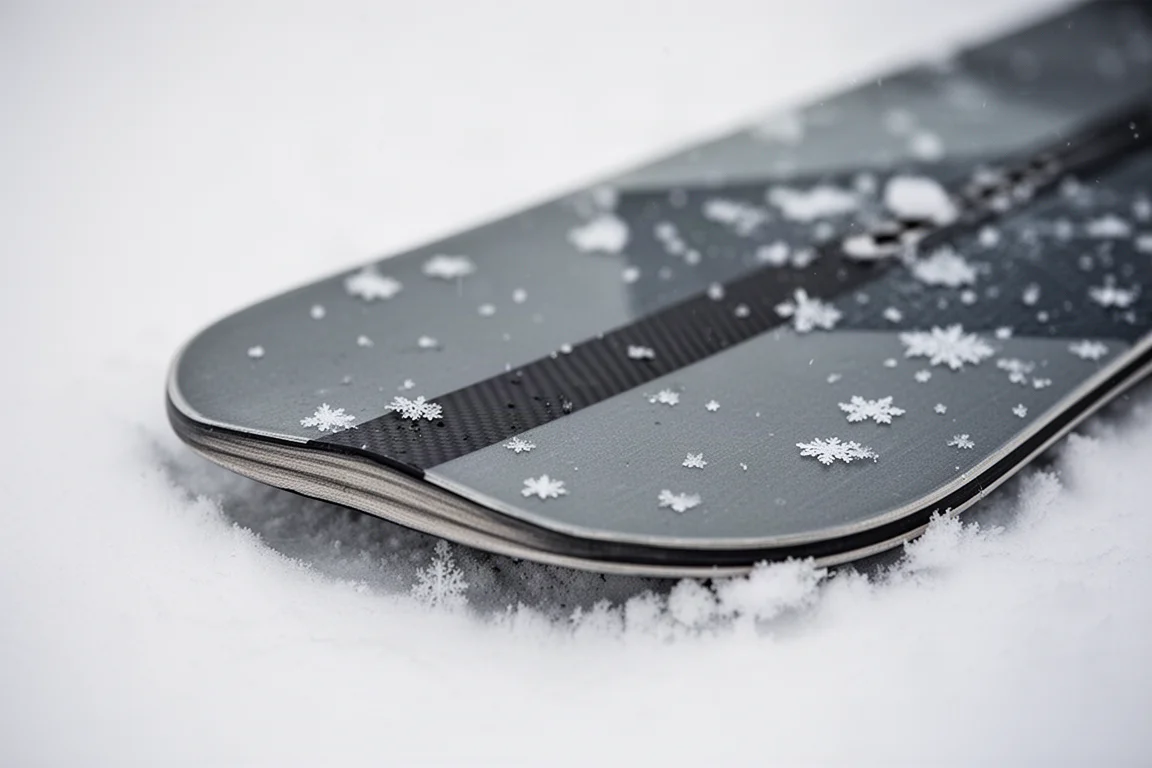
Coming into jumps, setup turns hold speed really well, and I found myself popping off lips rather than letting the lip do the work. Just be prepared: it pops more than you might expect. After the first jump it felt smooth and predictable, and it kept speed into the next features. Take it to any size jump you are comfortable on and it will handle it.
Butters, Jibs, and Rails
Pressing this board takes effort, especially on the tail where the two rods make it feel like it is fighting you the whole way. The sweet spot sits right at those rods, and the board wants to return to its natural shape. When you exit a press, expect to pop out, particularly from the tail, which makes it great for spinning out of presses.
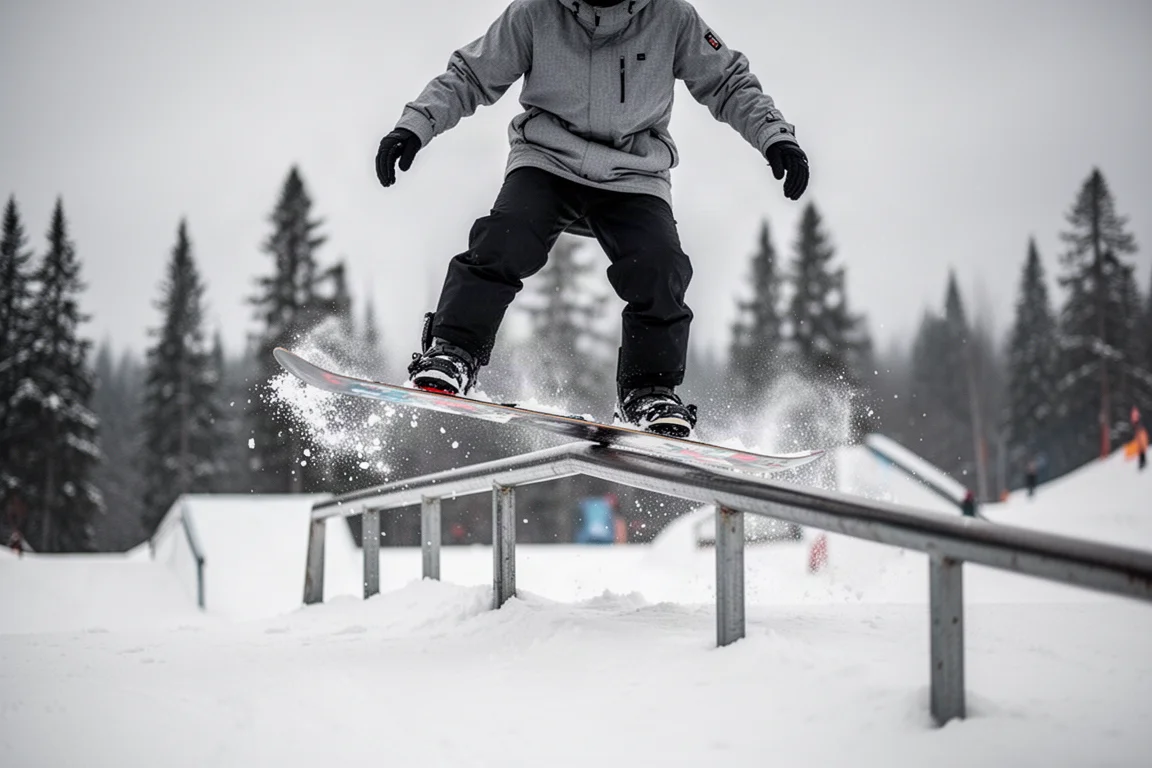
The nose is easier to work with because the directional flex leaves it a bit softer, so you feel resistance rather than outright resistance fighting you. Rails follow a similar story: tail presses fought back, nose presses fought a little more, and coming onto a rail bigger than expected gave a noticeable buck. If you are proficient on rails and can muscle the board around, it will hold sideways slides just like a regular snowboard.
Carving and All-Mountain Feel
Carving was not impressive. Short, quick carves are fine since you are not digging the edge in hard, but medium and larger carves felt like everything was a setup turn, the kind of shallow edge you use coming into a jump to hold speed without sinking into the lip.
At all-mountain speed the board responds, but it lacked the edge hold I wanted, and I did not even attempt a Euro carve based on how it handled bigger carves. It makes sense given the design intent: this board was shaped with a slopestyle rider in mind, someone who does not want an edge digging in super deep. I honestly expected it to handle better all-mountain since it is a directional twin, but I would keep it in the park. It feels like that old school full camber board that is aggressive everywhere and does not have the best edge hold.
Who This Board Is For
The Renegade was designed with Rene Rinnekangas in mind, but for everyone else it is a board for riders who want to hit all transition, big jumps, and essentially live in the park. If they do ride rails, they should be advanced rail riders who know how to muscle the board around and not get hooked up by how aggressive it is.
Comparable boards include the Jones Mountain Twin Pro, the Ride Algorhythm, and the Capita Mega Merc. Recommended bindings to pair with it are the Rome Katana, the Ride C-8, and the Union Atlas.
Conclusion
If you live for jumps and transition and want that classic full camber snap and stability on landings, the Rome Renegade delivers in a big way. Just go in knowing it fights you on presses, is clunky on rails unless you are highly skilled, and carves more like a jump setup board than an all-mountain charger. For the right rider, it has a clear and well-earned place in the line.
Product link
View more details for Rome Renegade
This product is mentioned in the review. Check the specifications, options, and compatibility before buying.
View more details for Rome RenegadeFurther reading
Related Reviews

Snowboarding
2025 Snowboard Gear List: Five Picks That Earned Their Place on the Mountain
From Zeiss-lens goggles to a hybrid step-in binding, here are five pieces of 2025 snowboard gear that held up across a full season of riding.

Snowboarding
2026 Snowboard Gear List: Boards, Bindings, Boots and Outerwear Worth a Look
A season-ready snowboard setup built from the bottom up: base layers, Strafe outerwear, Ride and Union boots, Union bindings, and two new Capita boards.

Snowboarding
32 Cold World Review: A Playful Hybrid Camber Board for Park Laps
The 32 Cold World blends classic camber underfoot with flat nose and tail sections for a predictable, butter-friendly ride aimed at intermediate park riders.