Snowboarding
Rome Artifact Review: The Classic Camber Jib Stick
A long-running camber jib board with playful tips, reliable snap, and a few limitations worth knowing before you buy.
Introduction
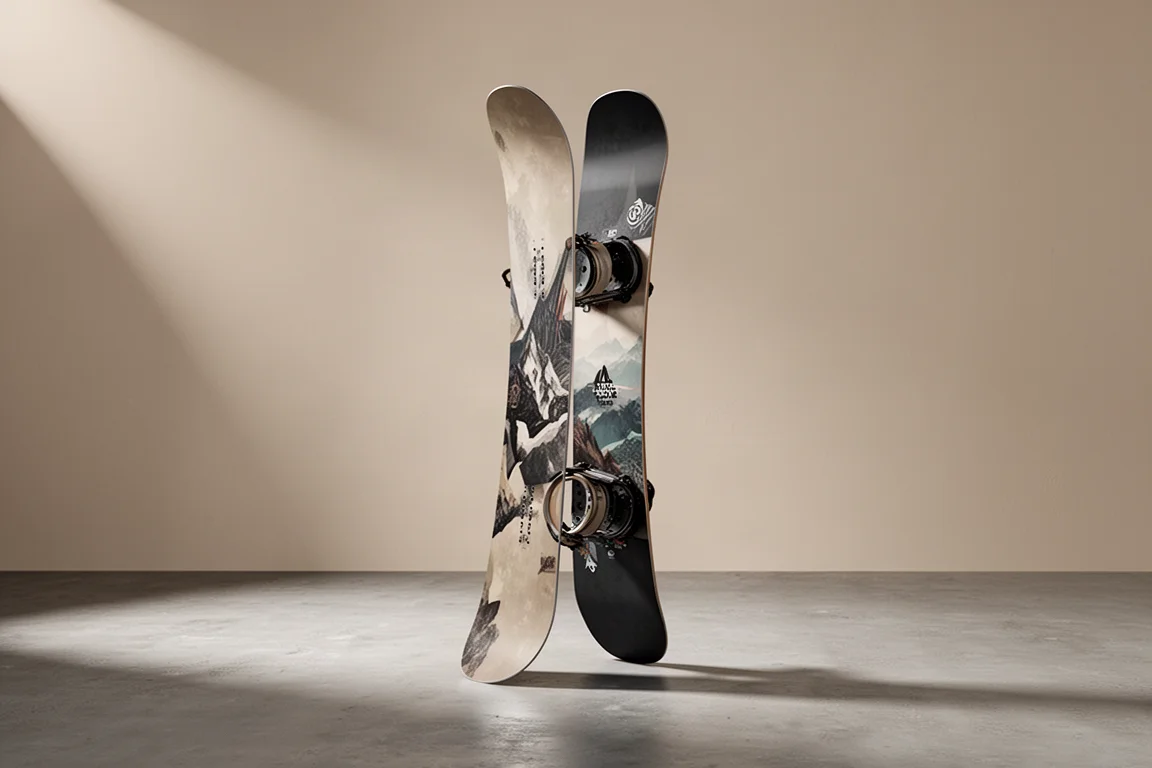
The Rome Artifact has been part of the Rome lineup for what feels like forever, and that consistency is exactly the point. This is a traditional camber jib board: nothing revolutionary, just a well-known recipe executed reliably year after year. We rode it at Copper Mountain on a sunny, mostly bluebird day with warmer temperatures and low winds, across soft creamy snow, firm crusty groomers, perfect corduroy, and a bit of slush on the lower mountain, paired with Rome Black Label bindings and K2 Thoraxis boots.
Board Profile and Sizing
The Artifact runs traditional camber from contact point to contact point, giving you that full arc of load, pop, snap, and drive. It also features rods in the construction, and it comes in a wide spread of sizes: 147, 150, 153, 156, 159, plus 154 wide, 157 wide, and 160 wide. That range makes it easy to dial in a fit whether you ride smaller park sizes or need the extra width.
Flex, Stability, and Pop
Flex-wise, this sits between a full-blown jib noodle and a middle-of-the-road all-mountain board. There is plenty of play way out in the tips, then it stiffens up right where the rods engage, softening slightly inside them and staying consistent through the middle. Torsionally, it is easy to engage: ankle steering comes naturally, and while the rebound is not lightning quick, the board always returns to its original shape.
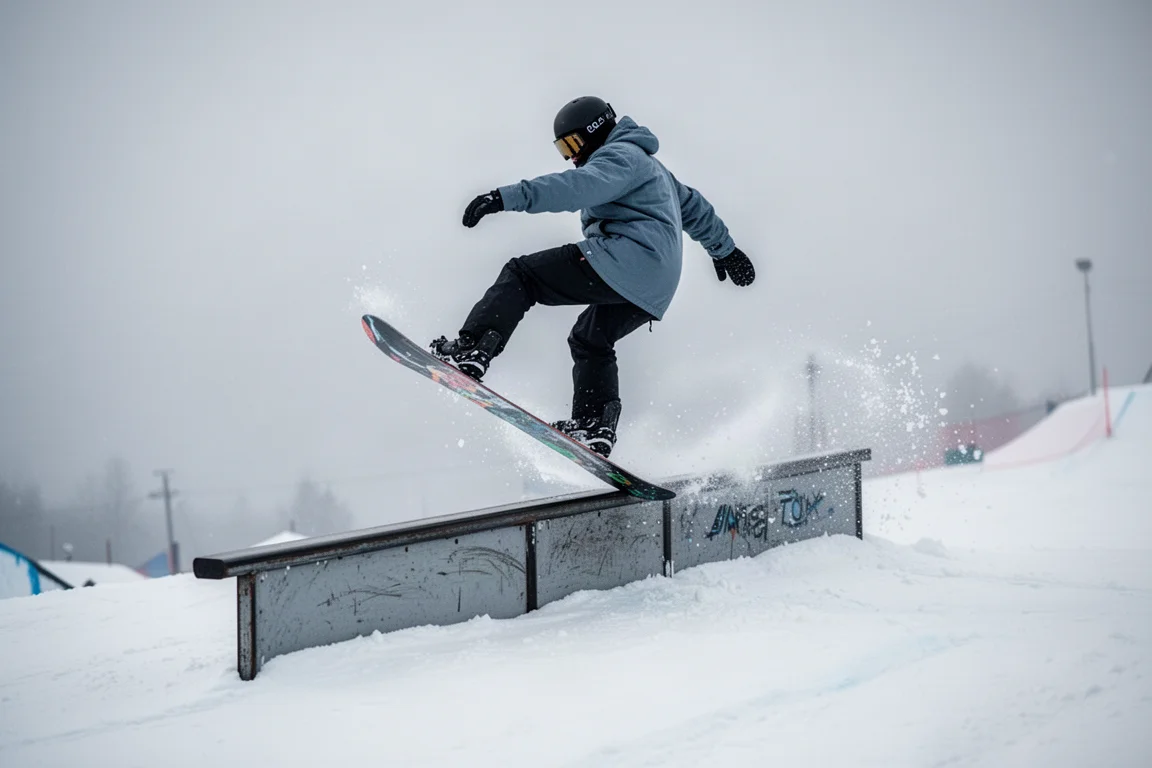
On stability, keep expectations realistic. This is a park board, and rutted terrain will tell you so. At speed you get a little chatter in the tips that the rods partially dissipate, but hit anything bigger and the board flexes closer to the bindings, and you will feel it. Over chunky debris the chatter resonates up through the board too. It is lively rather than damp, and that is the trade-off you accept for camber.
The upside is pop. When you load the camber or roll back on the tail and engage the rods, it snaps consistently and predictably. Crucially, you do not have to be very assertive to make it engage: it pops whether you are laid back or boosting hard. If you have never ridden traditional camber, this is a genuinely good board for learning how to pop properly.
Jumps and Freestyle
Small to medium jumps are where this board belongs. It pops well off the lip either way: let the lip throw you for a lazy, snap-assisted launch, or load the camber and boost at the last minute. There will always be someone who sends the big line on this thing, but for most riders, small to medium features are the sweet spot.
Buttering and Jibbing
Buttering is good. The nose and tail shape is nice, and the double kick tip lets you leverage in first and roll higher if you want. When you are leveraged out, the rods engage and add a bit of pop to everything. Expect a little fight if you want to get weird with swizzles, but the rebound is pleasant, and it is a board you can really press into and manipulate.
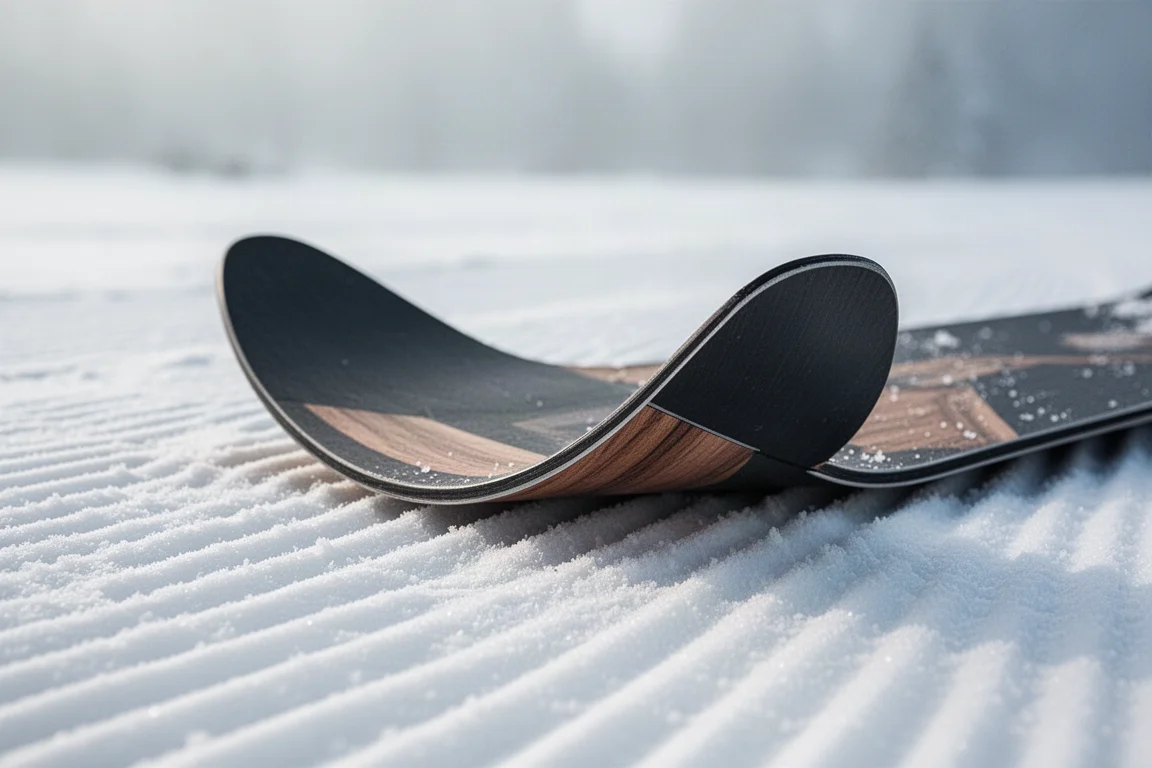
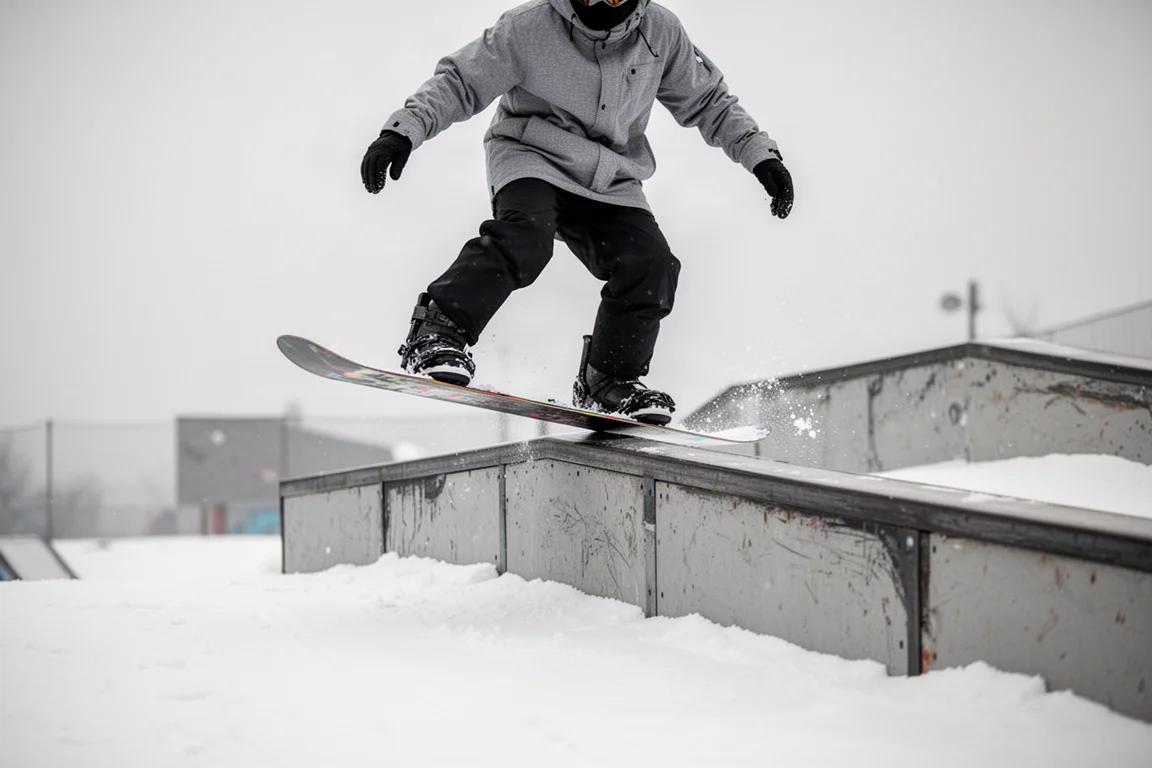
Jibbing is what this board is known for. It locks into presses, you can feel it leverage in right at the start of the double kick, and pushing harder activates the rods for a strong snap out the end of the feature. Sideways, it locks into the feature and holds well. It works for learning to jib or for getting more technical, like 450s onto rails. It will not win awards for buttering and jibbing, but it does not hold you back either.
Carving and Edge Feel
When you are on edge and really driving the board, there is a bit of hook at the contact points, most noticeable on the rear foot when apexing a deep hard carve. It grips a little more than you want and delays the release, so you lose that clean slingshot out of the turn. Push it aggressively and you will find its limits; once you learn them, there are no real problems.
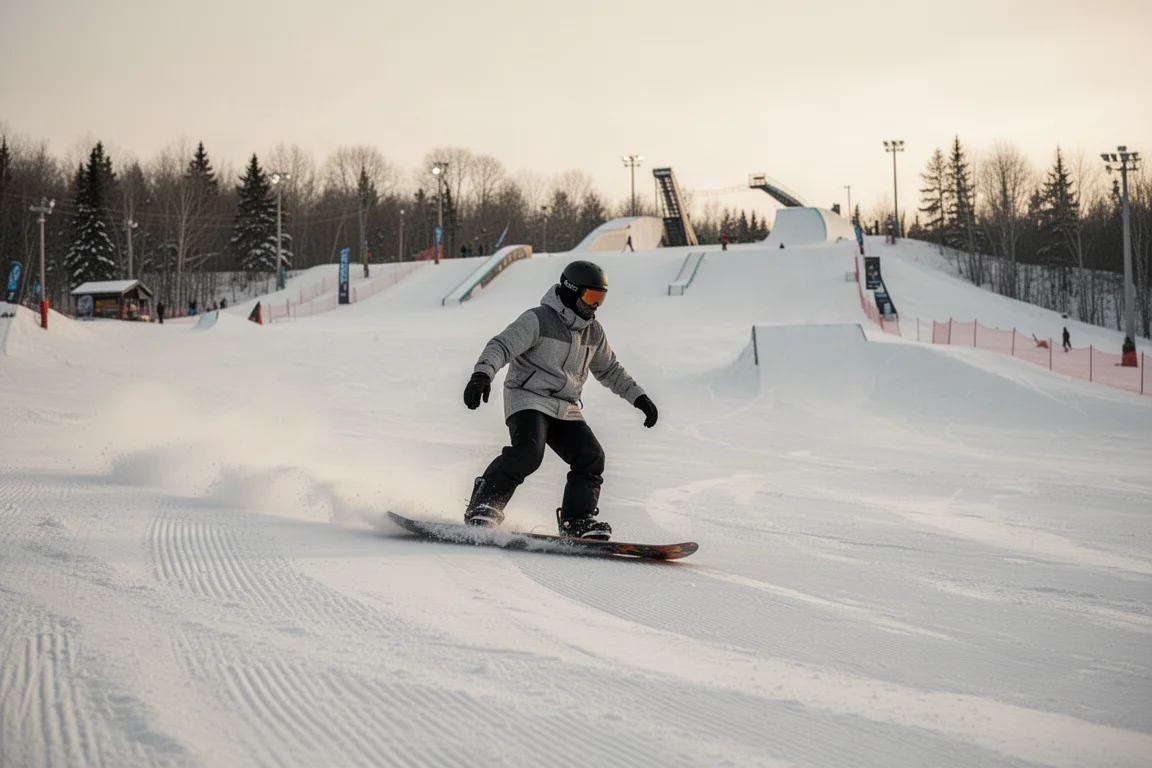
For park carves, the short tight edge-to-edge turns around features and the mellow traverses across the park, it does exactly what you need. The sidecut is dialed for what this board is.
Who This Board Is For
This is the camber-loving jib kid’s board: someone who wants a bit of snap out of their jib stick and already understands what camber does. If you have owned one before, you know what you are getting, and that consistency is the biggest selling point. It is arguably better than the Artifact Rocker, and it handles a full park day without complaint.
Comparable boards to consider include the Capita Indoor Survival, the Ride Zero, and the Nitro T1. If you want a binding pairing, the Rome 390 Boss Asym Wrap, the Union Ultra, and the Ride Spectre all fit the bill.
Conclusion
The Rome Artifact is a good old-fashioned jib board with camber, snap, and a proven track record. It has limitations in hard carving and high-speed chatter, but it stays consistent where it counts: presses, jibs, and small to medium jumps. If that sounds like your kind of riding, it deserves a spot on your shortlist.
Product link
View more details for Rome Artifact
This product is mentioned in the review. Check the specifications, options, and compatibility before buying.
View more details for Rome ArtifactFurther reading
Related Reviews

Snowboarding
2025 Snowboard Gear List: Five Picks That Earned Their Place on the Mountain
From Zeiss-lens goggles to a hybrid step-in binding, here are five pieces of 2025 snowboard gear that held up across a full season of riding.

Snowboarding
2026 Snowboard Gear List: Boards, Bindings, Boots and Outerwear Worth a Look
A season-ready snowboard setup built from the bottom up: base layers, Strafe outerwear, Ride and Union boots, Union bindings, and two new Capita boards.

Snowboarding
32 Cold World Review: A Playful Hybrid Camber Board for Park Laps
The 32 Cold World blends classic camber underfoot with flat nose and tail sections for a predictable, butter-friendly ride aimed at intermediate park riders.