Muscle Recovery Tools
Roller Cane Review: A Versatile Muscle Recovery Tool for Targeted Tension Relief
The Roller Cane combines a massage roller with an interchangeable cane attachment to address soreness across the neck, back, glutes, legs, and feet. Here's what works and what to consider.
Introduction
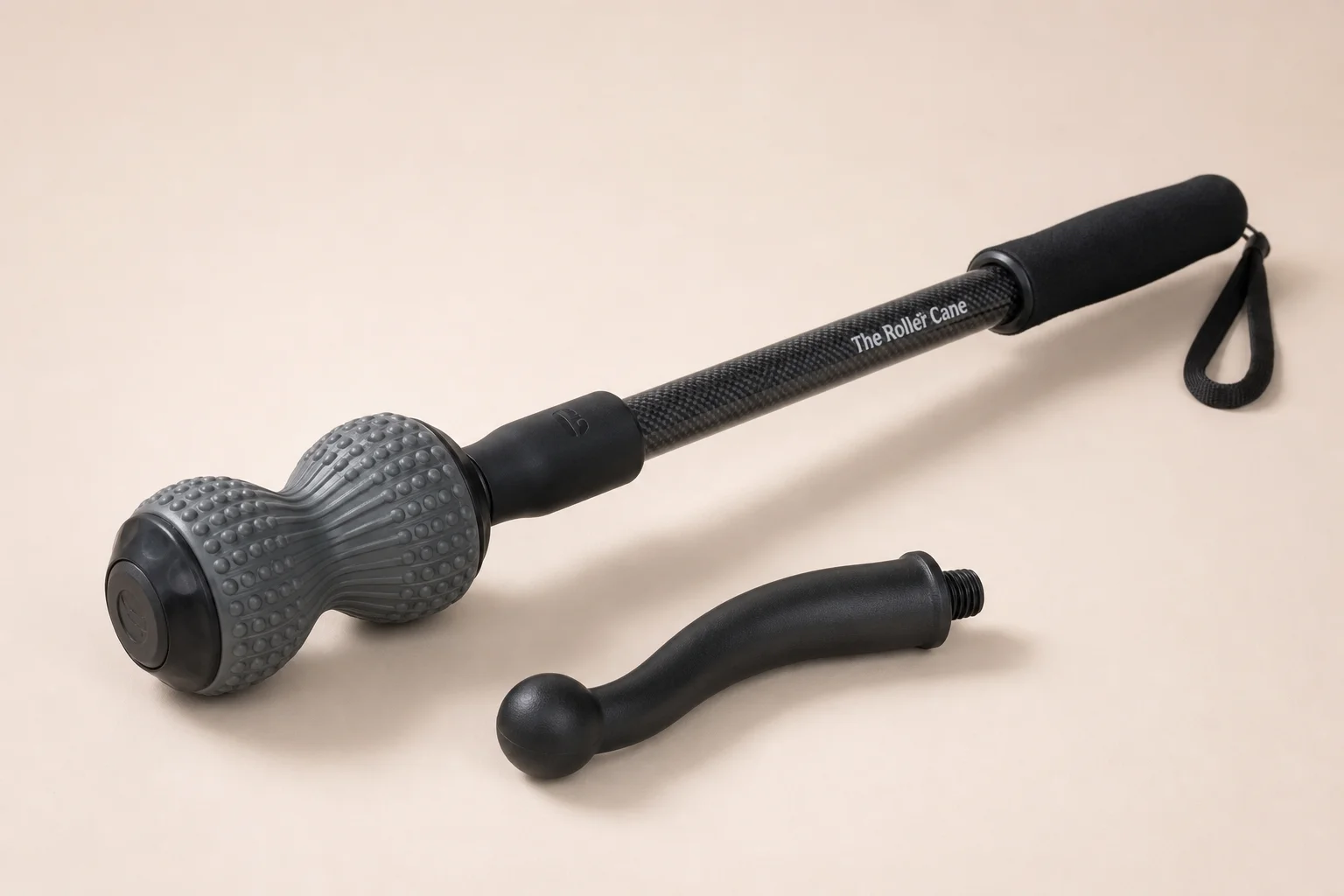
The Roller Cane is a muscle recovery tool designed to address soreness and tension across multiple body areas. It combines a traditional massage roller with an interchangeable cane attachment, offering both versatility and targeted precision. This review covers its key features, practical applications, and important considerations before purchase.
Who This Product Is For
The Roller Cane suits anyone looking for a portable muscle recovery tool that can address tension in the neck, shoulders, back, glutes, legs, and feet. It is particularly useful for people who sit for extended periods and experience mid or lower back pain, as well as runners and athletes prone to tight calves or shin splints.
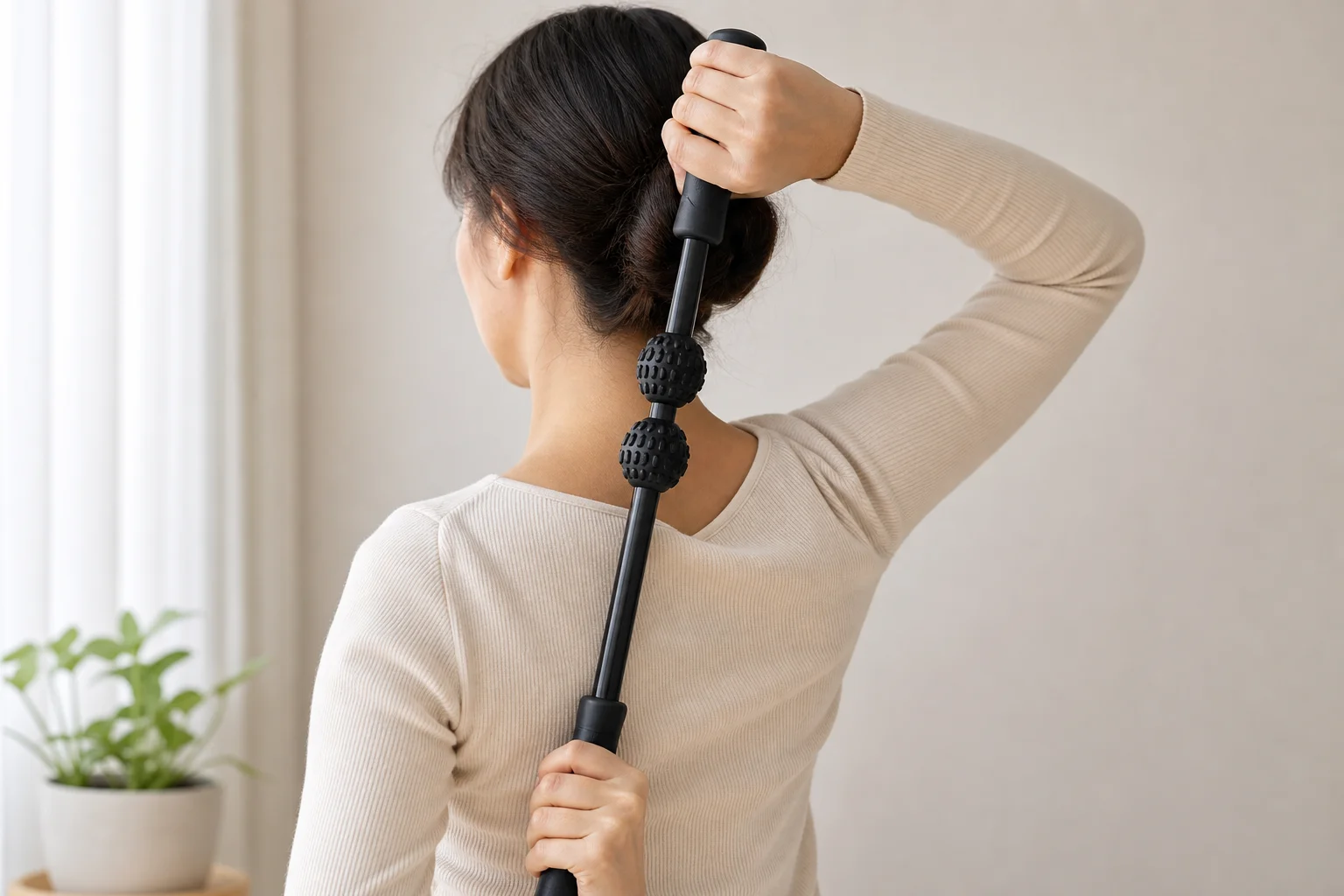
The tool is designed for self-directed massage and recovery work, making it relevant for fitness enthusiasts, office workers, and anyone managing general muscle soreness without acute injury.
Main Strengths
The most distinctive feature is the firm rubber massage ball, which differs from harder plastic alternatives found on other roller sticks. This rubber construction provides a more human feel during massage, breaking up tension while remaining gentler than rigid materials.
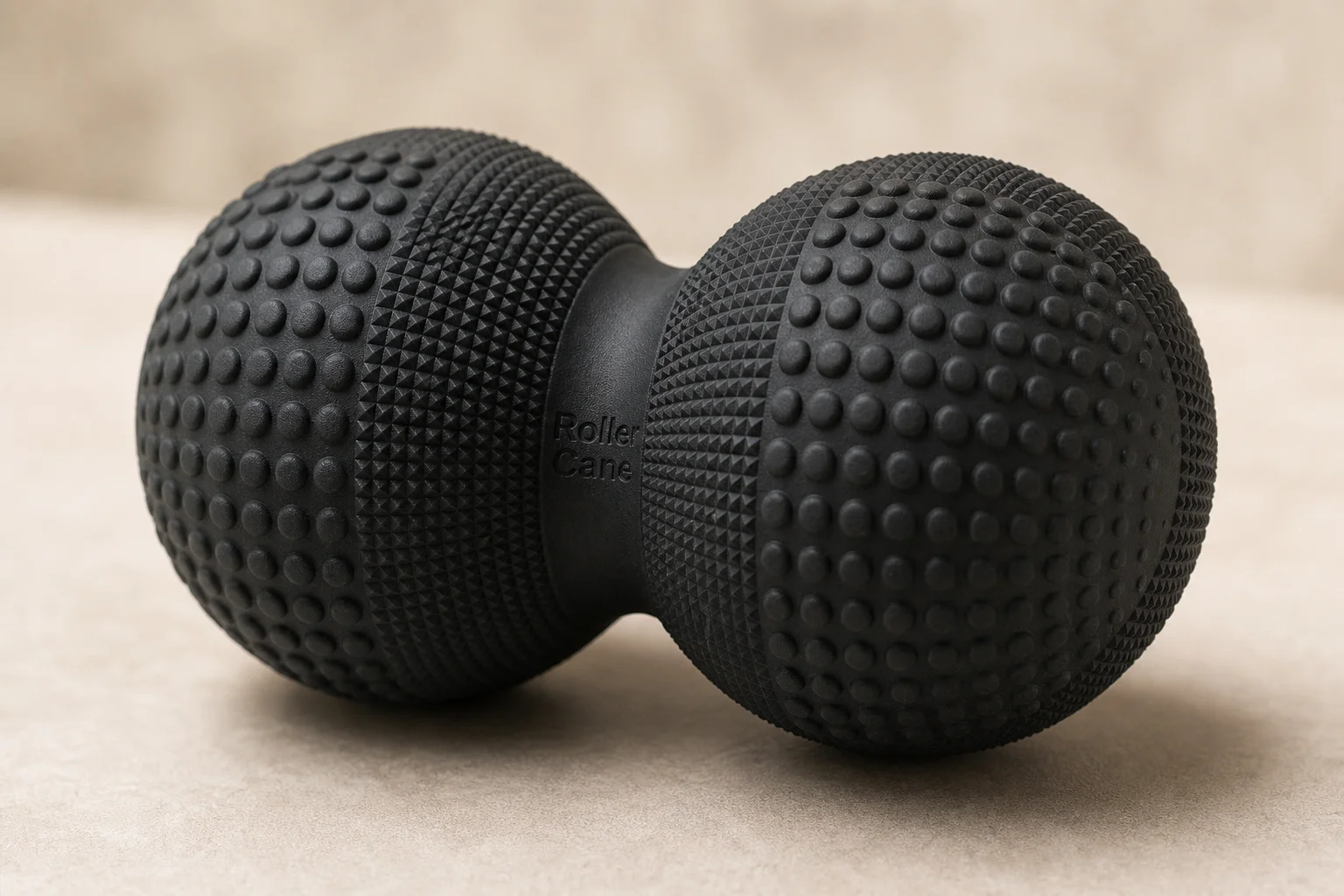
The interchangeable massage cane attachment adds significant versatility. Unscrew one end of the roller stick and screw in the cane for targeted work on specific areas, or use the roller stick alone for broader massage. The peanut-shaped rubber ball allows both general massage across the entire surface and deep tissue work when applied to just one end.
The tool is lightweight and portable, making it practical for home use, travel, or post-workout recovery routines. The design accommodates multiple grip styles and body positions, from seated to standing to lying down, which broadens its usability across different settings and comfort levels.
Practical Usage Areas
The transcript demonstrates effective techniques for several key areas:
Neck, Shoulders, and Upper Back: Grip the top handle with the same-side hand as the area being massaged, stabilize with the other hand, and gently scan for tight spots. Apply downward pressure and use small controlled movements once you locate tension.
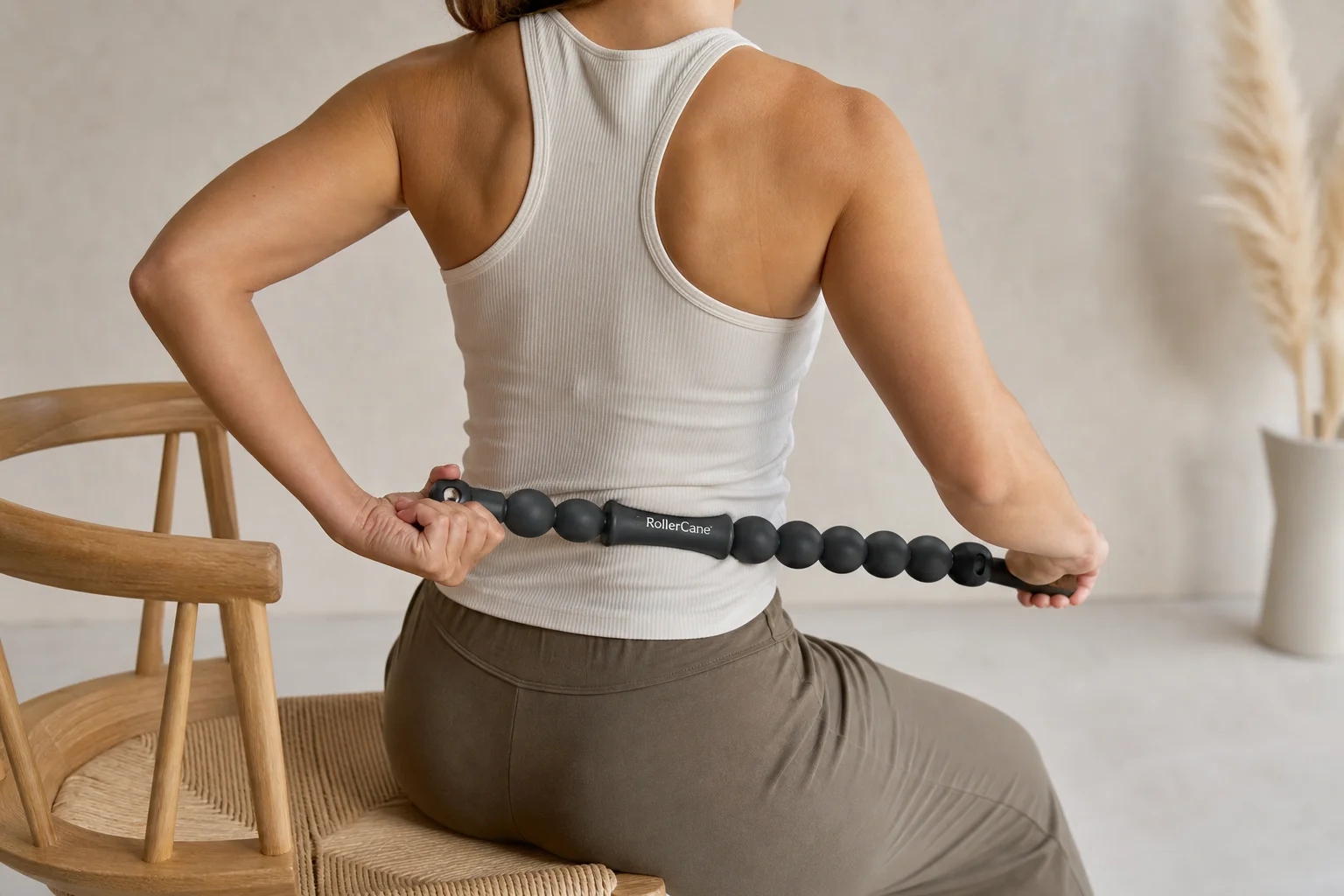
Mid and Lower Back: Use an underhand grip on both the roller stick and cane, bringing it behind you and pulling forward to apply tension and pressure. This approach is particularly beneficial for people with desk-based work.
Glutes: Work the area using circular motions and comfortable pressure to release knots. You can also shift forward to address tight hip flexors.
Chest: The nub at the end of the handle can be used to work out chest tension.
Lower Body: For calves and shins, position the roller under the thigh and roll from the back of the glute to just behind the knee. Flip your hand grip to work just behind the shinbone, then bring the roller to the front of the shin where shin splints often occur. For quads and IT bands, place the affected area on the roller with your leg extended, crossing your other leg to control pressure. A forearm plank position allows access to the top of the quads.
Feet: The tool can also address foot tension and plantar fasciitis by rolling out the foot.
Things to Consider Before Buying
The manufacturer emphasizes that the tool should feel like good tension relief. If you experience sharp shooting pain or are recovering from an injury, consulting a healthcare professional before use is recommended. The techniques shown in the product materials are starting points, and individual bodies may respond differently to various approaches.
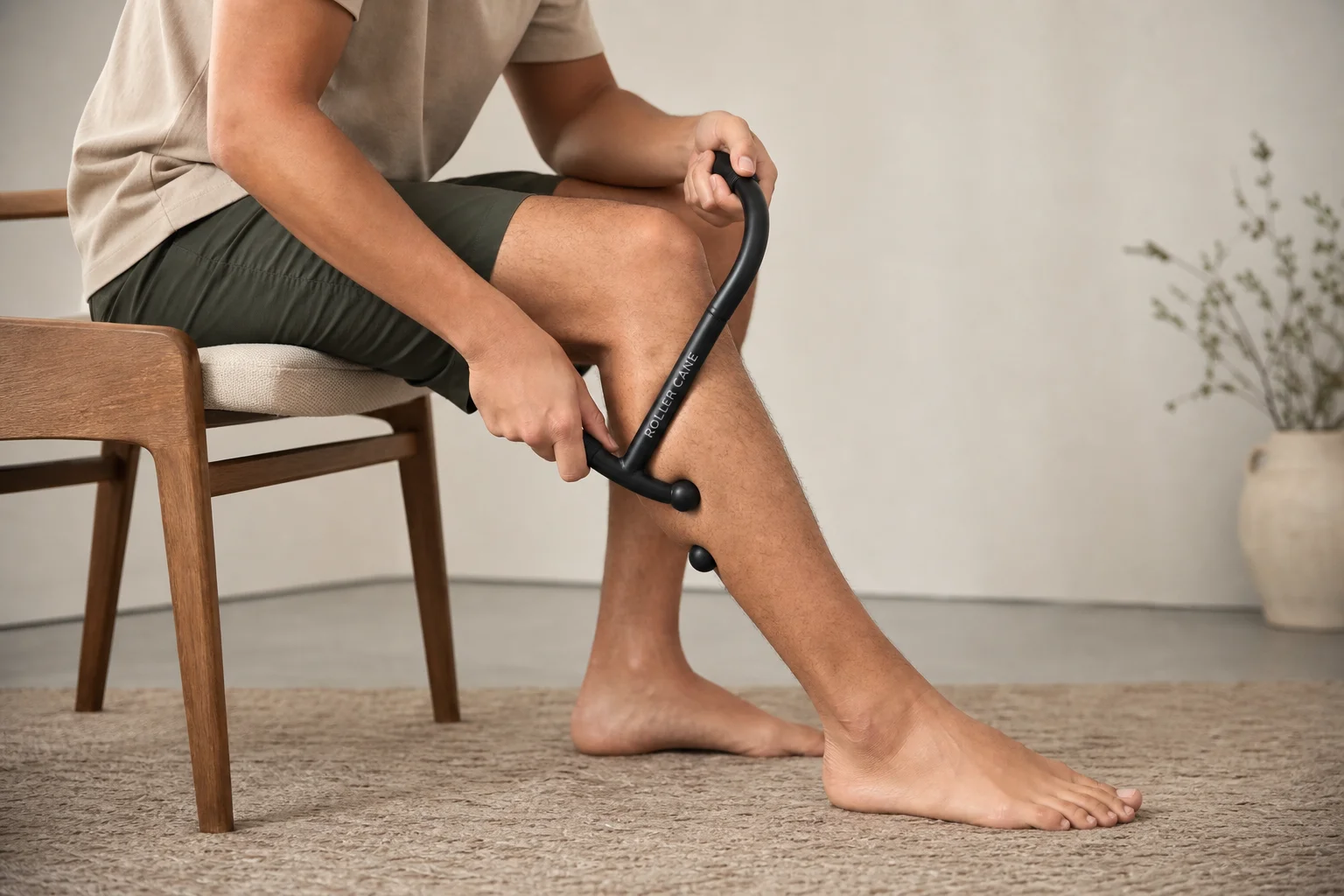
The tool requires some learning curve to find the most effective techniques for your body. While the transcript provides detailed guidance, experimentation and adjustment based on personal comfort and response are necessary. The firm rubber ball, while gentler than hard plastic, may still feel intense for people with very sensitive muscles or those new to self-massage tools.
Buying Advice
The Roller Cane makes sense if you are looking for a versatile, portable recovery tool that can address multiple body areas without requiring a large collection of separate devices. It is particularly well-suited for people who sit for work, runners managing calf and shin tension, and anyone seeking a more human-feeling massage experience than hard plastic alternatives provide.
If you prefer a single-purpose tool or have acute injuries requiring professional treatment, this may not be the right fit. Similarly, if you already have a comprehensive recovery setup, the added versatility may not justify the purchase.
Conclusion
The Roller Cane offers a practical combination of versatility and targeted precision for muscle recovery. The firm rubber construction and interchangeable design set it apart from simpler alternatives, and the range of demonstrated techniques covers most common areas of tension. Success with the tool depends on finding the right pressure and technique for your body, which may require some experimentation. For people seeking a portable, multi-purpose recovery tool, it represents a solid option worth considering.
Product link
View more details for Roller Cane
This product is mentioned in the review. Check the specifications, options, and compatibility before buying.
View more details for Roller CaneFurther reading
Related Reviews
Fitness Equipment
BCAN Rebounder 30-Day Review: A Mini Trampoline That Changed My Exercise Routine
After 30 days of daily rebounding, I discovered why NASA considers it one of the most effective exercises for lymphatic health, bone density, and overall wellness.
Home Fitness Equipment
Best Kettlebells for Home Training: Five Options Across Budget and Performance
A practical guide to five kettlebells with different strengths, from beginner-friendly sets to premium cast-iron options for serious strength training.
Home Fitness Equipment
Best Pull-Up Bars 2026: Five Home Gym Options Ranked
A practical ranking of five pull-up bars from budget-friendly to premium, with clear strengths and trade-offs for different home gym setups.