Robot Vacuums
Roborock Saros 10R vs Qrevo Edge S5A: Which Robot Vacuum Fits Your Home?
Two capable robot vacuums with shared must-have features but very different price tags. Here is how to decide which one fits your home and cleaning habits.
Introduction
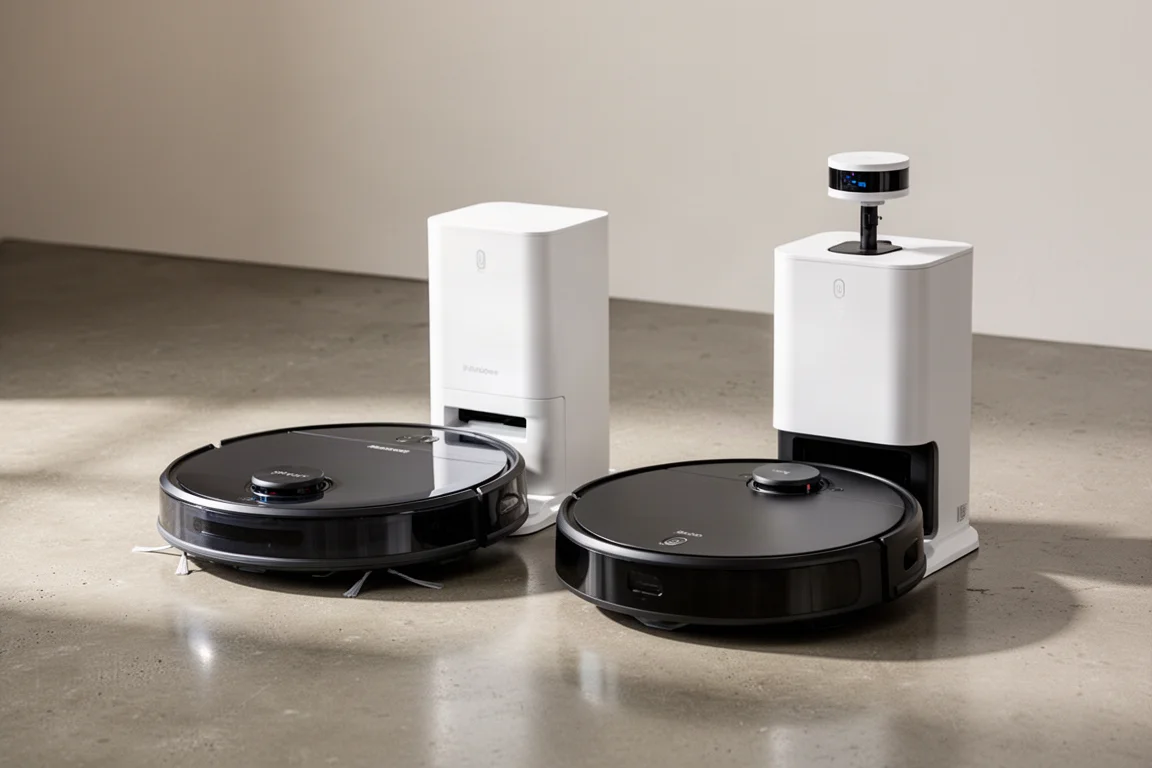
Choosing between two capable robot vacuums often comes down to how much you value extra convenience versus how much you want to spend. The Roborock Saros 10R and the Roborock Qrevo Edge S5A both deliver the features that matter most for daily cleaning, but they sit at very different price points. The Saros 10R has been used for over 120 hours of run time in a busy household, so its performance is well tested. The Qrevo Edge S5A, meanwhile, offers a surprisingly similar experience for a fraction of the cost. This comparison breaks down what both vacuums share, where the flagship justifies its price, and which one makes sense for your home.
The Must-Have Features Both Models Share
Before looking at the differences, it helps to start with what both vacuums get right. The Qrevo Edge S5A is not a stripped-down budget model. It includes nearly every feature that makes a modern robot vacuum genuinely useful, which is why it is such a strong value option.
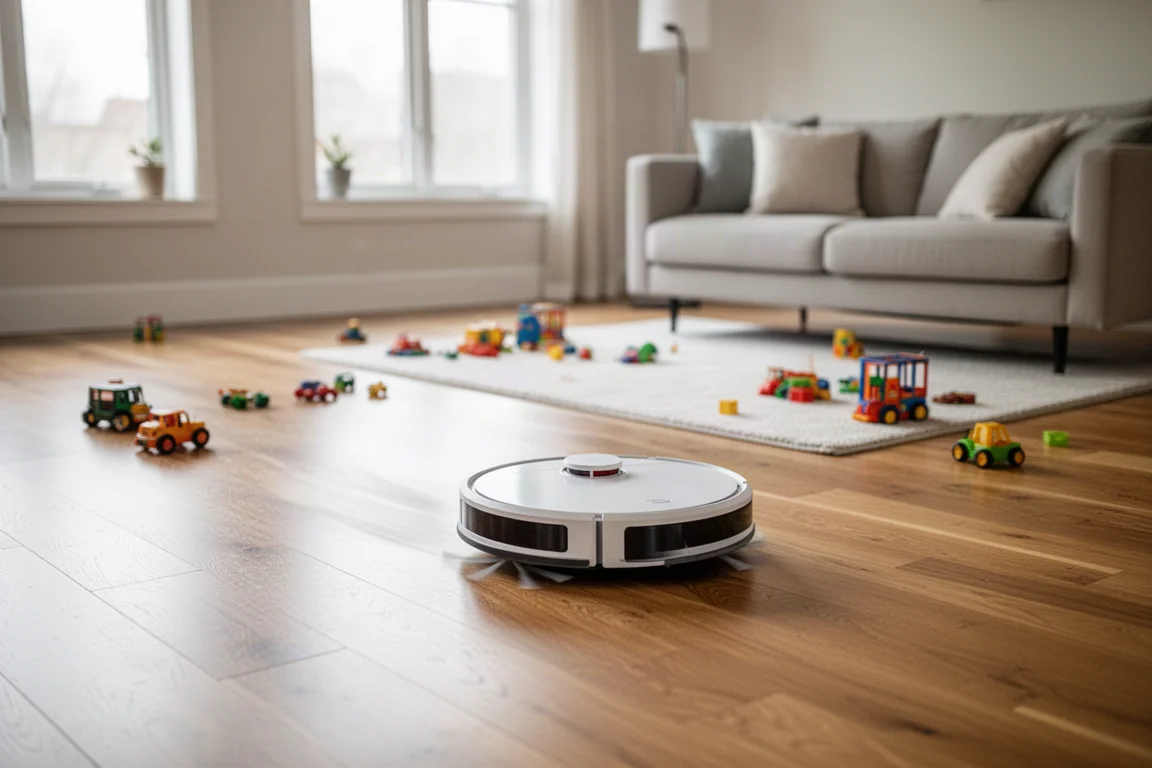
Both the Saros 10R and the Qrevo Edge S5A come with the dual rubber main brush and an anti-tangle side brush. Hair tangles have long been the biggest annoyance with robot vacuums, especially in homes with long-haired pets or family members. These newer brush designs essentially eliminate that problem, so you are not constantly cutting hair off the roller. If you are upgrading from an older model, the difference is immediately noticeable.
Tangle-Free Brushes and High Suction Power
Suction power is another area where both models perform well. The Saros 10R reaches a maximum of 22,000 Pascals, while the Qrevo Edge S5A is not far behind at 18,500 Pascals. To put that in perspective, that is more than triple the suction of a Roborock model released just two years ago. Both vacuums automatically boost suction when they detect carpet, which makes a significant difference on rugs and carpeted rooms.
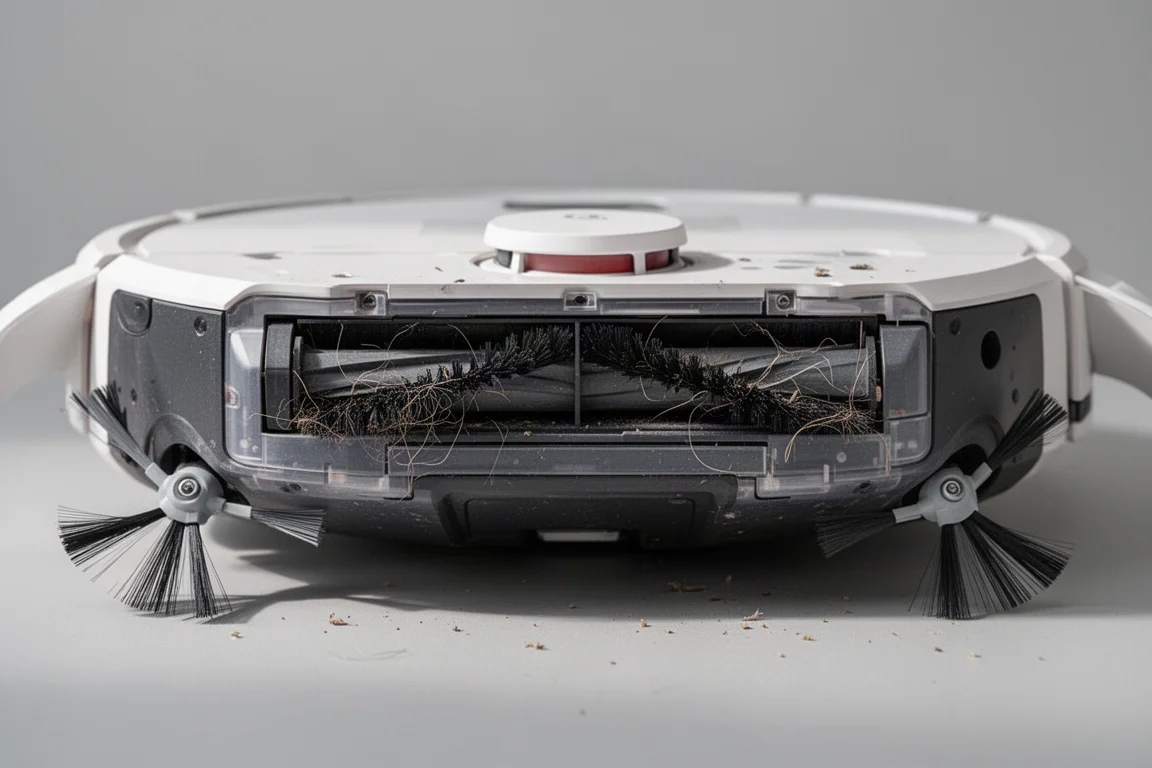
Both models also feature the FlexiArm design. The side brush extends to reach dirt in corners, and the mop swings out to clean right up to the edge of walls and furniture. This feature is especially useful around chair legs and other tight spots, and it is included on the less expensive Qrevo Edge S5A as well.
Spinning Mops and Self-Cleaning Docks
Mopping has come a long way from the wet cloth that older robot vacuums dragged around. Both the Saros 10R and the Qrevo Edge S5A use spinning mop pads that do an excellent job on hard floors. In testing, a spilled juice mess was cleaned up completely, with no stickiness left behind after the mops passed over the area.
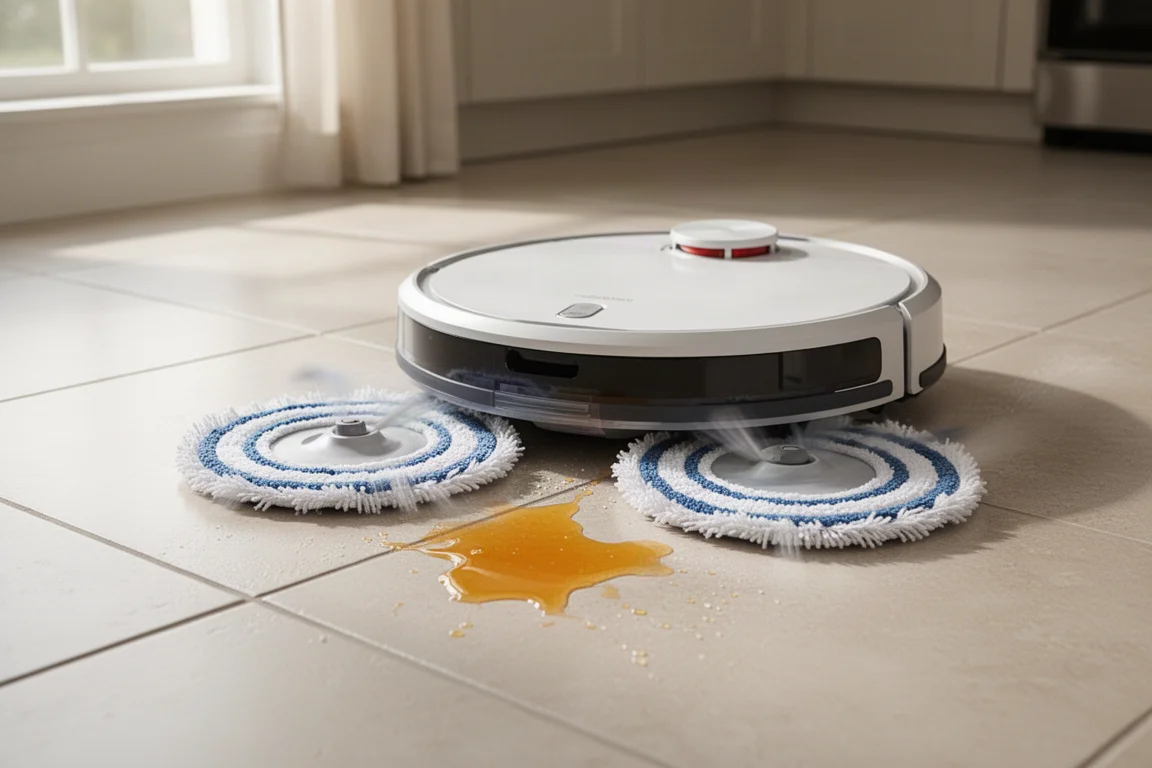
The docks on both models keep the water tank filled, clean the mops with hot water, and automatically empty the dust bin. They can even adjust the water volume and cleaning duration based on how dirty the mops are. That level of automation saves a remarkable amount of time. With over 120 hours of cleaning logged in a single year, that is roughly 15 eight-hour work days of cleaning that required no manual effort.
Both vacuums also support Matter, so they connect easily to most smart home systems. Automating the vacuum to run while you are away is simple with either model.
The Saros 10R’s Adaptive Lift Chassis
The first major difference between the two models is the Adaptive Lift chassis on the Saros 10R. This system lifts the entire vacuum to increase clearance, allowing it to climb over thresholds and bumps between rooms. If your home has a significant bump that the vacuum must cross to reach certain rooms, this feature can be the difference between a vacuum that cleans autonomously and one that gets stuck and needs help.
If your home does not have such thresholds, you can simply block those areas off in the map so the vacuum avoids them. That makes the Adaptive Lift a feature you only need to pay for if your layout genuinely requires it.
The Saros 10R’s StarSight 2.0 Navigation
The second major difference is how the two vacuums navigate. The Qrevo Edge S5A uses LiDAR, the spinning sensor on top that has been a reliable navigation method for years. The Saros 10R instead uses time-of-flight sensors, which Roborock calls StarSight 2.0. This system can recognize the shapes of objects rather than just detecting their presence.
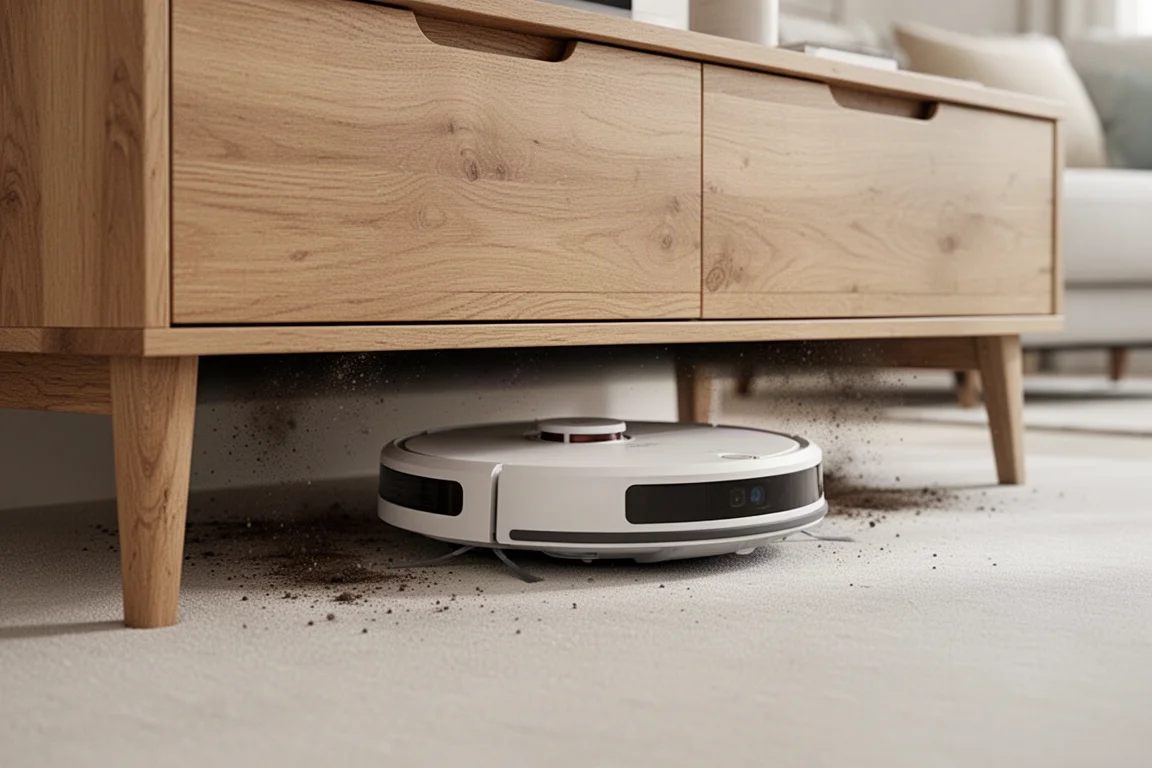
One practical benefit of dropping the LiDAR tower is that the Saros 10R is much shorter, allowing it to fit under low-clearance furniture. In a family room, the floor under cabinets used to stay dirty because no vacuum could reach it. The Saros 10R now cleans that space automatically.
StarSight 2.0 can also identify floor types and furniture around the house, which is a nice convenience. But the bigger advantage is obstacle avoidance. The Saros 10R combines time-of-flight sensors with an onboard camera to avoid obstacles more accurately. In testing, it stayed well clear of objects and even tucked in its side brush when approaching a cord. It ran for a long time around a floor full of obstacles without getting stuck once.
The Qrevo Edge S5A, which lacks the camera, recognizes larger items but does not see cords lying low to the ground. It may bump into them and occasionally get caught. If you mainly run the vacuum while you are home and can pick up cords beforehand, this is not a major issue. But if you rely on the vacuum to clean while you are away, getting stuck means it stops cleaning until you return. That is where the better obstacle avoidance on the Saros 10R makes a real difference.
Extra Cleaning Features on the Saros 10R
The final differences are extra cleaning features found only on the Saros 10R. None of these are must-haves, but they add convenience for those who want the most hands-off experience possible.
The Saros 10R can automatically detach its mops and leave them in the dock when it is only vacuuming. This prevents a dirty mop from being dragged across carpets. The dock also includes a cleaning solution dispenser that automatically adds solution to the mop water, so you do not have to do it manually.
The Saros 10R also has a deep cleaning mode for heavy dirt stains. When it detects extra dirt on the ground, it temporarily increases suction power and goes over that spot again. This is particularly useful in homes where kids bring in dirt and sand from outside.
The Qrevo Edge S5A does not have these specific features, but it still handles dirty spots well. It can detect extra dirty areas while mopping and double-mop those sections. It also automatically boosts suction to deep clean around pet supplies. So you are not giving up core cleaning performance by choosing the less expensive model.
Which Robot Vacuum Should You Buy?
The decision comes down to your home layout and how you use the vacuum. If you do not have large thresholds that the vacuum must climb, and you are comfortable picking up cords before running it, the Qrevo Edge S5A delivers nearly all the must-have features at a much lower price. You still get tangle-free brushes, high suction power, excellent spinning mops, and a dock that cleans the mops with hot water and empties the dust bin automatically.
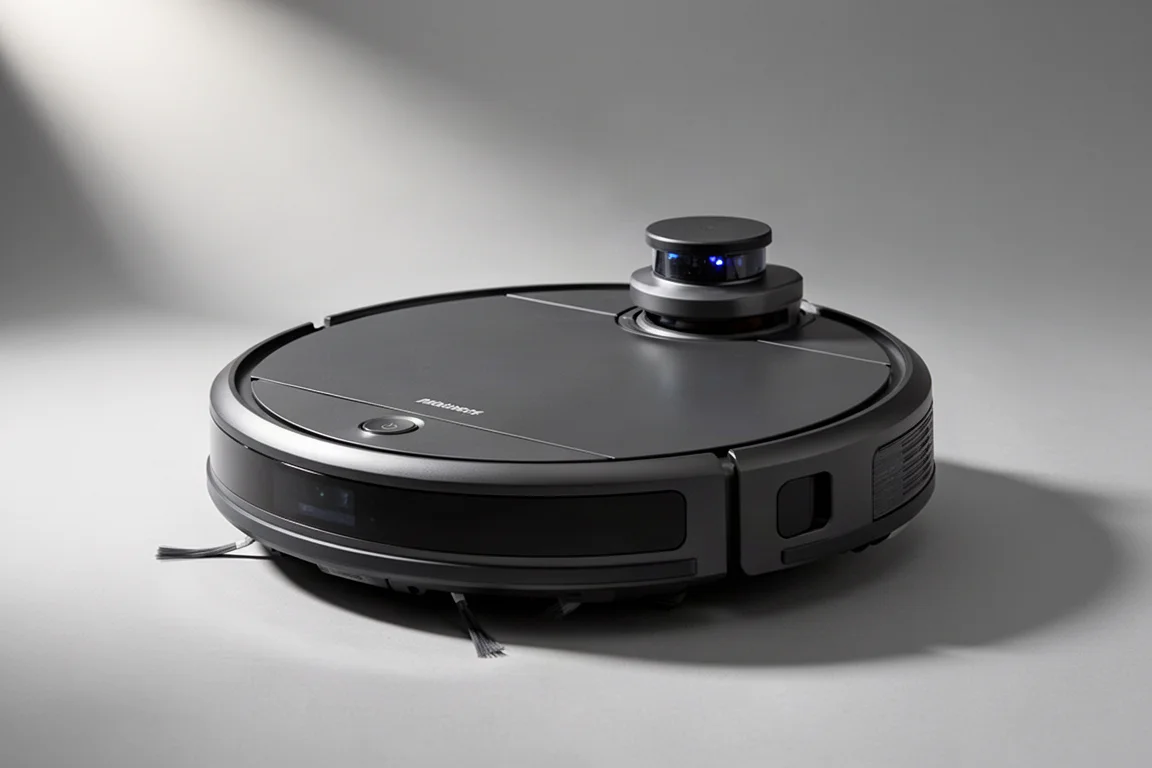
If you want the most hands-off experience possible, the Saros 10R is the better choice. Its Adaptive Lift chassis handles thresholds, its camera-based obstacle avoidance keeps it from getting stuck on cords and small objects, and its extra cleaning features add convenience. Over ten months of heavy use, it has cleaned consistently with very little interaction required.
Conclusion
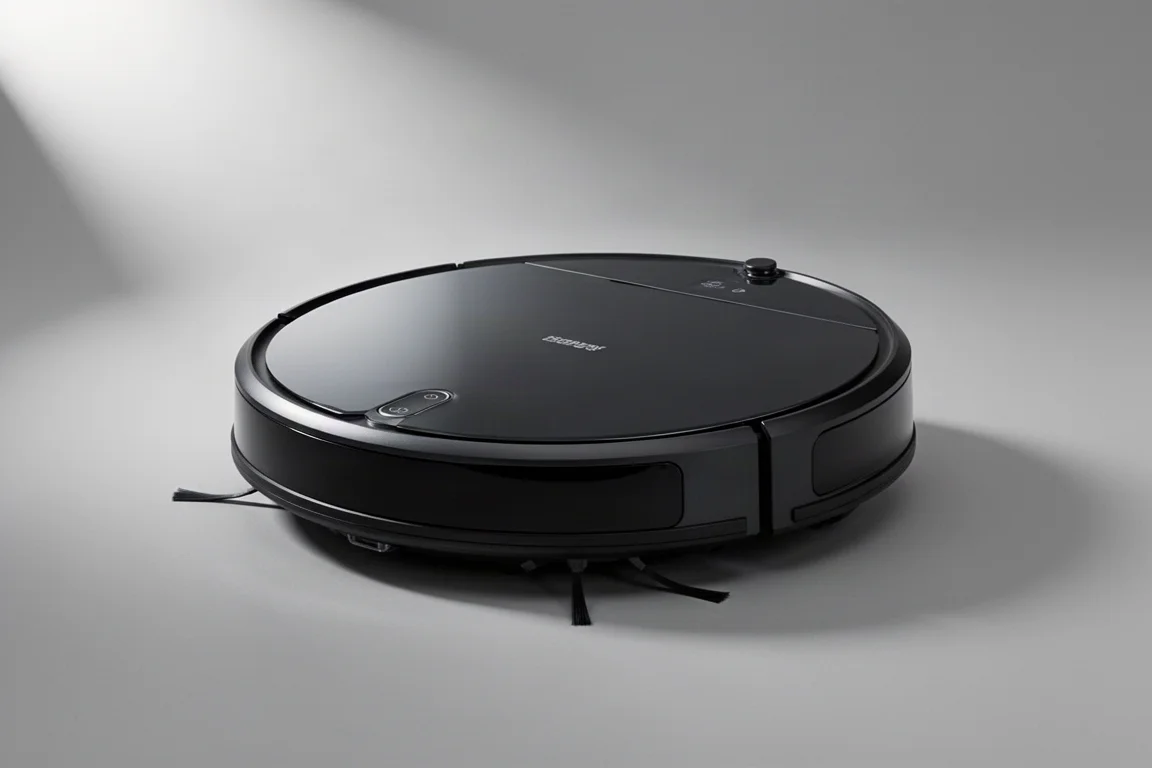
Both the Roborock Saros 10R and the Roborock Qrevo Edge S5A are excellent robot vacuums that cover the features that matter most. The Qrevo Edge S5A is the smarter pick for most homes, offering outstanding value without sacrificing core performance. The Saros 10R justifies its higher price for households with thresholds, low-clearance furniture, or a need for the most reliable autonomous cleaning. Choose based on your specific home layout and how much hands-off operation you expect, and either model will keep your floors clean.
Further reading
Related Reviews

Robot Vacuums
Best Robot Vacuums 2023: Six Top Performers Compared
We tested dozens of robot vacuums to find the best six for 2023, covering cleaning performance, navigation, and usability.

Robot Vacuums
Best Robot Vacuums 2024: Top Picks for Every Budget
We tested 94 robot vacuums with a series of objective, data-driven tests to find the best models for 2024, from premium flagships to budget-friendly options.

Robot Vacuums
Are Robot Vacuums Worth It in 2026? What Modern Models Can Really Do
After testing over 200 robot vacuums, here is what today's models can handle, from deep carpet cleaning to obstacle avoidance and automated mopping.