Hand Tools
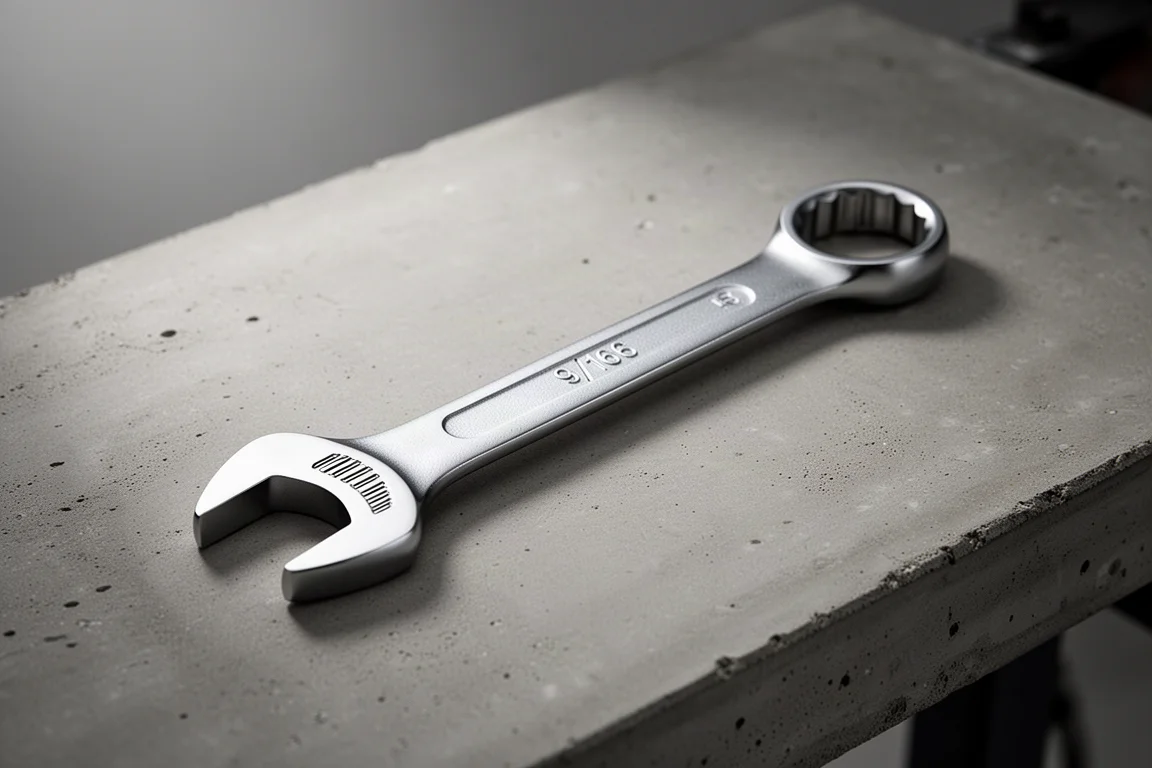
Right Tool 9/16 Right Grip 2.0 Wrench: The Wrench That Turns Stripped Fasteners
An American-made 9/16 combination wrench with etched grooves that grip fastener flats instead of corners, tested against Snap-on, Proto, SK, Blackhawk, and Craftsman.
Introduction
Most wrenches do their job fine on clean fasteners. The problem shows up when a bolt is already rounded, rusted, or over-torqued, and the jaws start riding on the corners instead of the flats. That is the scenario the Right Tool 9/16 Right Grip 2.0 wrench was built around, and it makes a compelling case for itself.
Right Tool manufactures its wrenches in Ohio using American steel, and the Right Grip 2.0 feature is included at no extra cost on the standard wrench. We put it through a direct comparison against well-known competitors to see whether the design actually holds up.
What Right Grip 2.0 Actually Does
The core idea is visible if you look inside the open-end of the wrench: etched grooves are cut into the contact surfaces. Those grooves, together with the shape of the wrench mouth, shift the load away from the fastener corners and onto the flats.
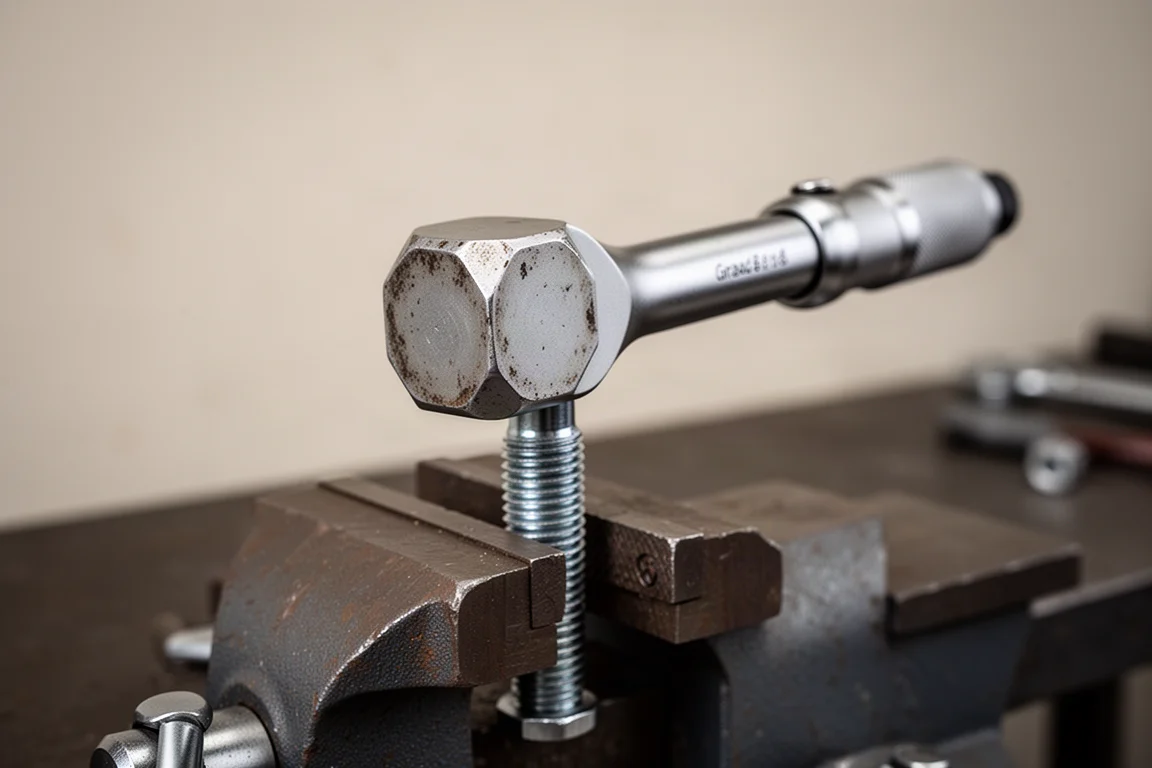
Every conventional wrench, by contrast, turns a fastener on its corner tips. That is why a stubborn bolt so often comes out rounded. By putting all of the torque on the flats, Right Grip 2.0 is designed to keep working even when the fastener is already damaged. The same principle under the Right Drive name is used in the company’s sockets.
The Head-to-Head Test
The test setup was deliberately harsh: a Grade 8 fastener mounted in a torque wrench, with testers asked to keep turning it with competitive wrenches until it would no longer budge. The line-up included Snap-on, Proto, SK, Blackhawk, and Craftsman.
The results played out exactly the way corner-contact physics would predict. The Snap-on wrench took a visible chunk out of the fastener. The SK, applied to the same flat, took off a little more material without turning it further. The Blackhawk managed a small amount of rotation before the fastener was clearly rounded off, and the Craftsman extracted a touch more movement. At that point, the fastener was boogered up and, in the testers’ judgment, no standard wrench was going to turn it again.
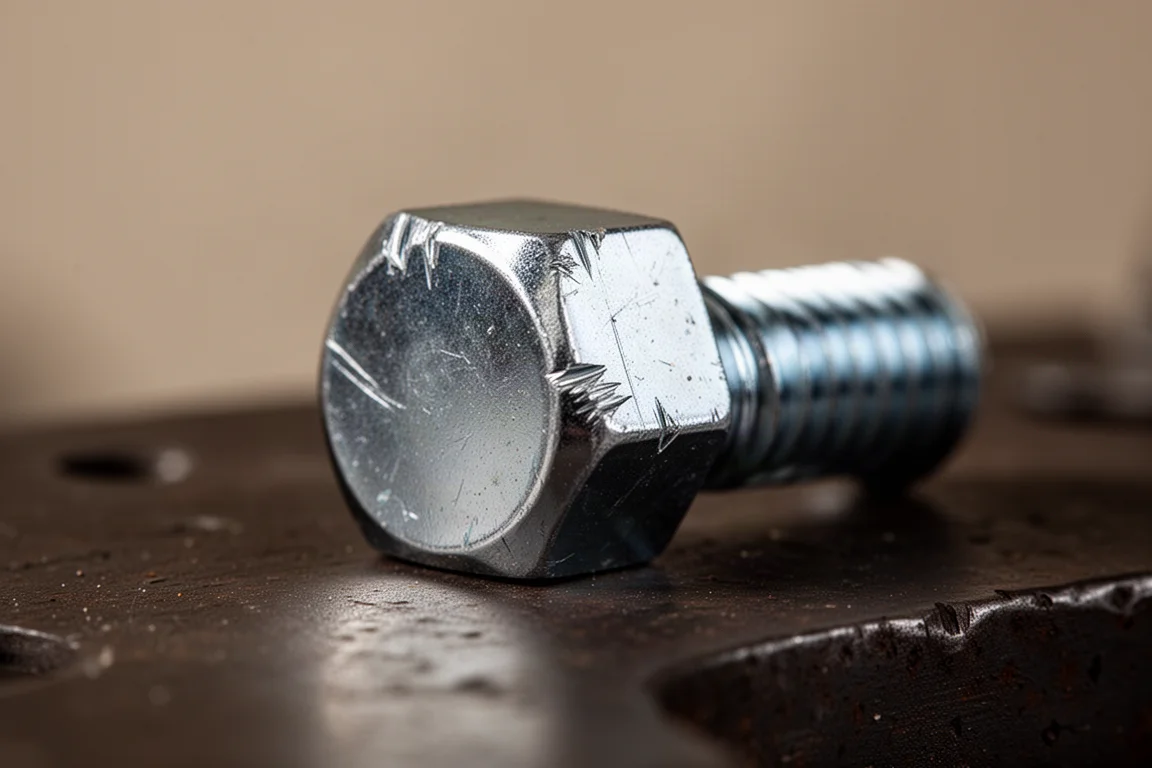
Then the standard Right Tool 9/16 with Right Grip 2.0 went onto the same flat. It gripped without slipping and kept turning the fastener, visibly rotating it further where the others had failed. The tester reported no slip at all during the pull.
Why Flat Contact Matters
The practical value of flat-contact engagement goes beyond one demonstration. For a technician working on old machinery that is already rusted up, a wrench that bites the flats can mean the difference between a quick fix and a seized bolt. For someone on a tower or working at height, reduced slip risk also means reduced injury risk. Slipping wrenches cause skinned knuckles and worse; keeping the tool engaged on the fastener removes a real hazard.
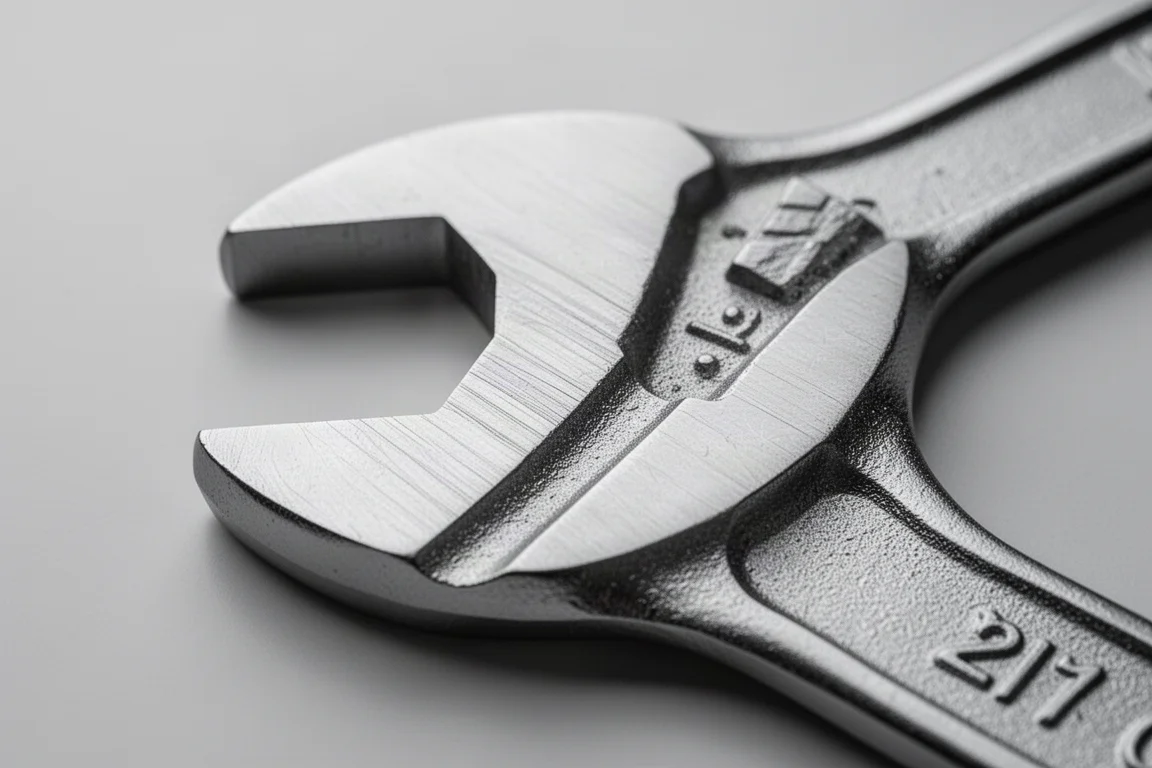
It is worth noting that the wrench used in the test was the standard-issue Right Tool 9/16, not a special variant. Right Grip 2.0 is not a paid upgrade, which strengthens the value case considerably.
Who This Wrench Is For
This wrench makes the most sense for people who routinely face the worst-case fasteners: factory maintenance staff dealing with rusted equipment, mechanics working on older vehicles, and anyone who has ever abandoned a bolt because every wrench in the drawer just kept rounding it off.
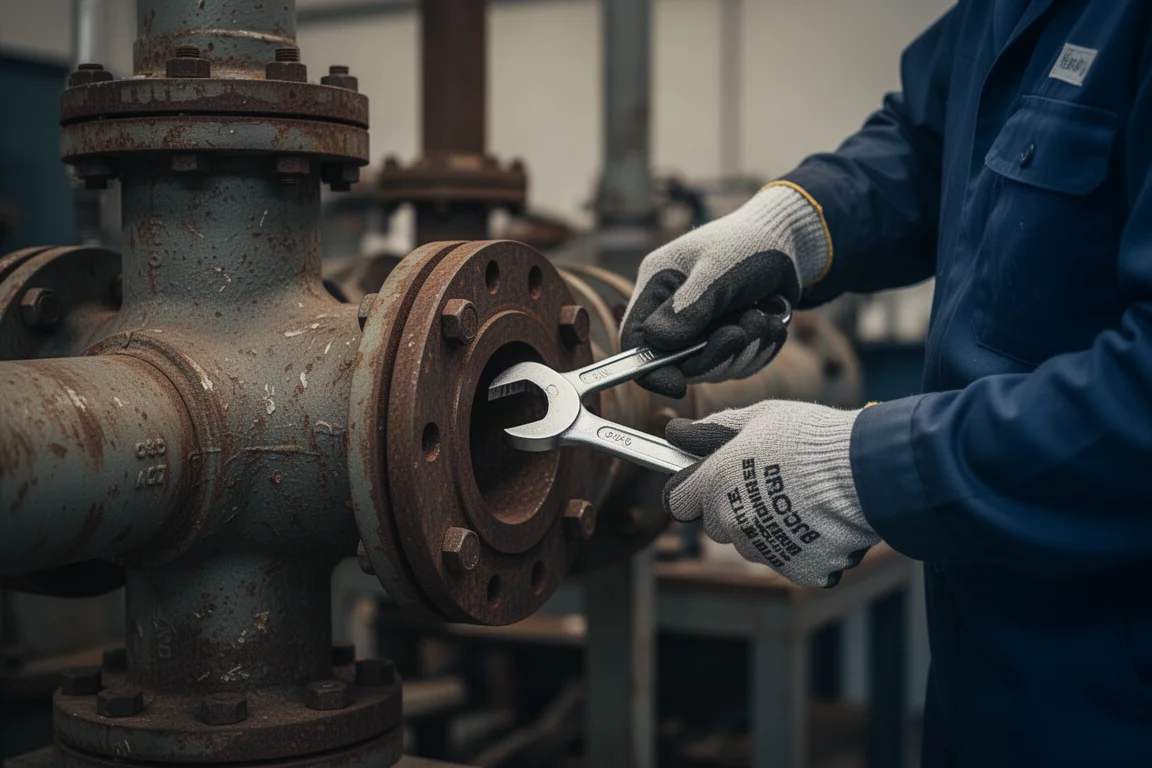
If you mostly work on clean, well-maintained fasteners, any quality wrench will serve you. But if you regularly rescue damaged bolts, the ability to keep turning a fastener that competitors cannot move is a genuine differentiator.
Buying Advice
If you are considering the Right Tool 9/16 Right Grip 2.0, the key points to weigh are its Ohio manufacturing with American steel, the Right Grip 2.0 feature at no extra cost, and the demonstrated ability to turn fasteners that Snap-on, Proto, SK, Blackhawk, and Craftsman wrenches had already failed to move. For trades where slip injuries and seized fasteners are routine, those points add up to a strong argument.
Conclusion
In a direct comparison against some of the most respected names in hand tools, the Right Tool 9/16 Right Grip 2.0 kept turning a fastener that the others had rounded beyond hope. The flat-contact design is a real engineering advantage, not a marketing line, and getting it on a standard-issue wrench with no price premium makes this an easy recommendation for anyone who works on stubborn hardware.
Product link
View more details for Right Tool 9/16 Right Grip 2.0 Wrench
This product is mentioned in the review. Check the specifications, options, and compatibility before buying.
View more details for Right Tool 9/16 Right Grip 2.0 WrenchFurther reading
Related Reviews
Hand Tools
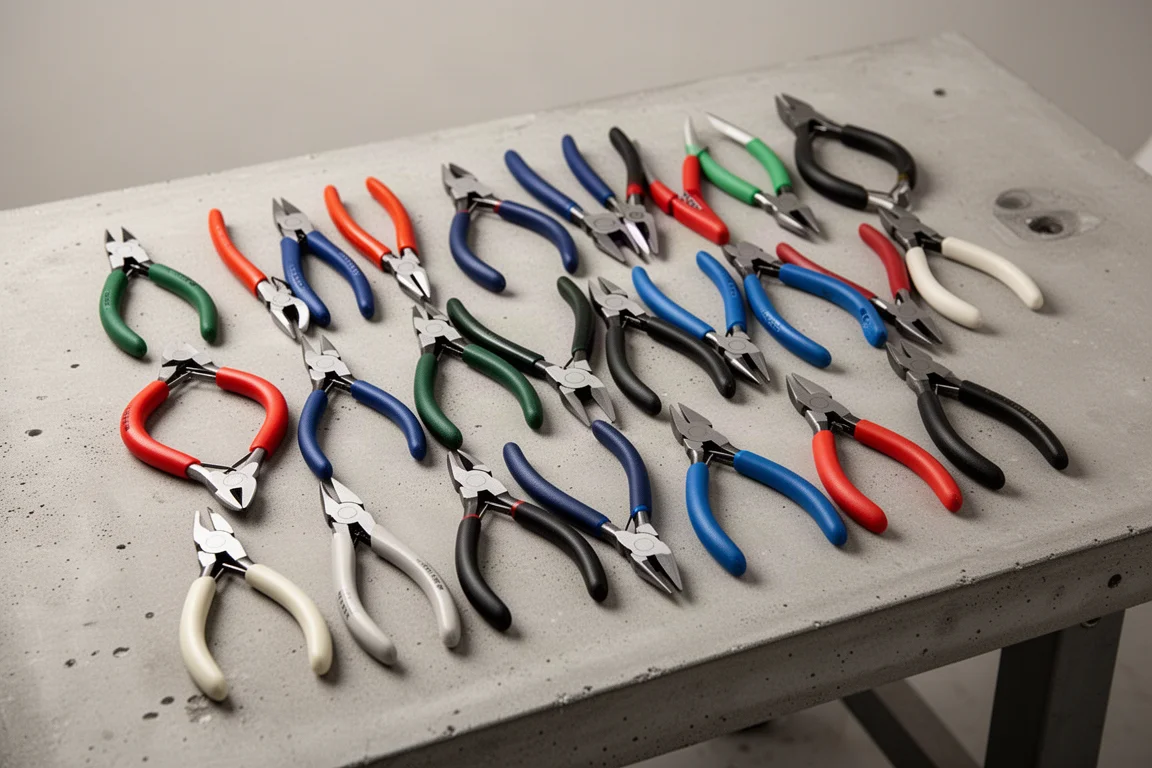
Best Diagonal Cutters 2026: 16 Pliers Tested for Cutting Power and Durability
We put 16 diagonal cutters through nail, screw, drill bit, and hex key tests to find the best value picks for your toolbox.
Hand Tools
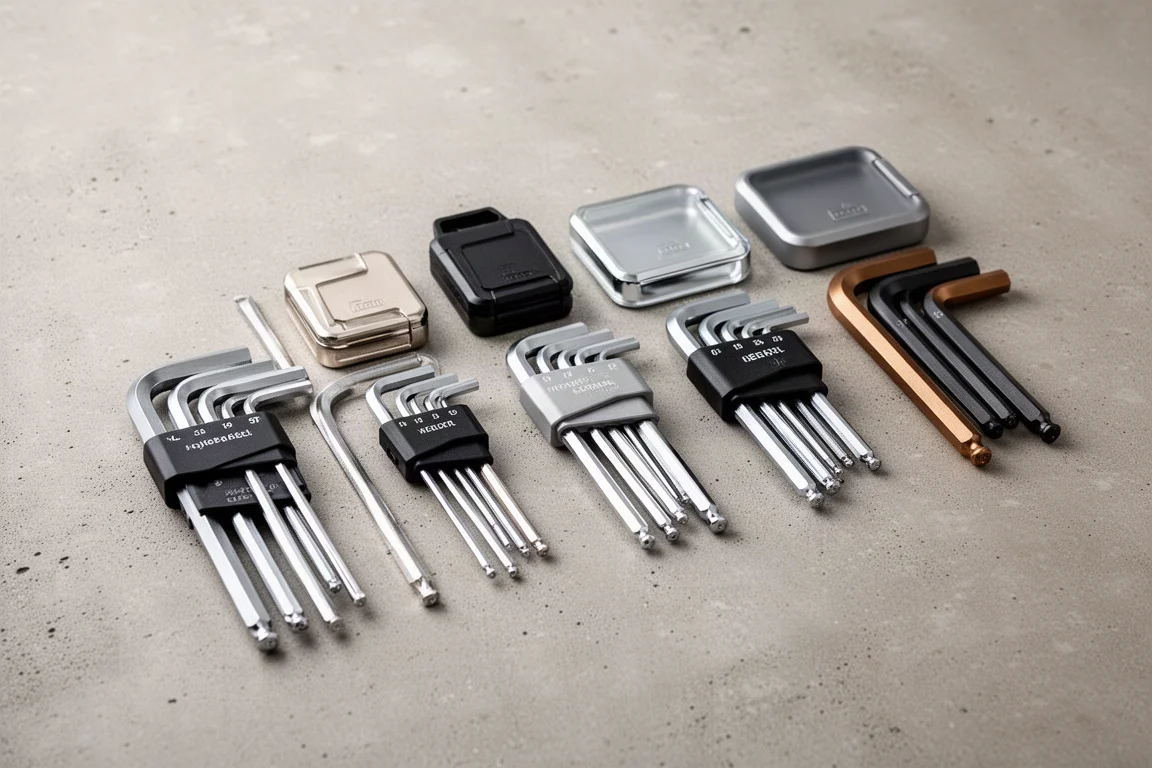
Best Hex L Key Sets 2026: Nine Sets Tested for Real-World Torque
Nine hex L key sets from budget to premium, tested for torque, fit, and durability. See which sets deliver real performance and which ones to skip.
Hand Tools
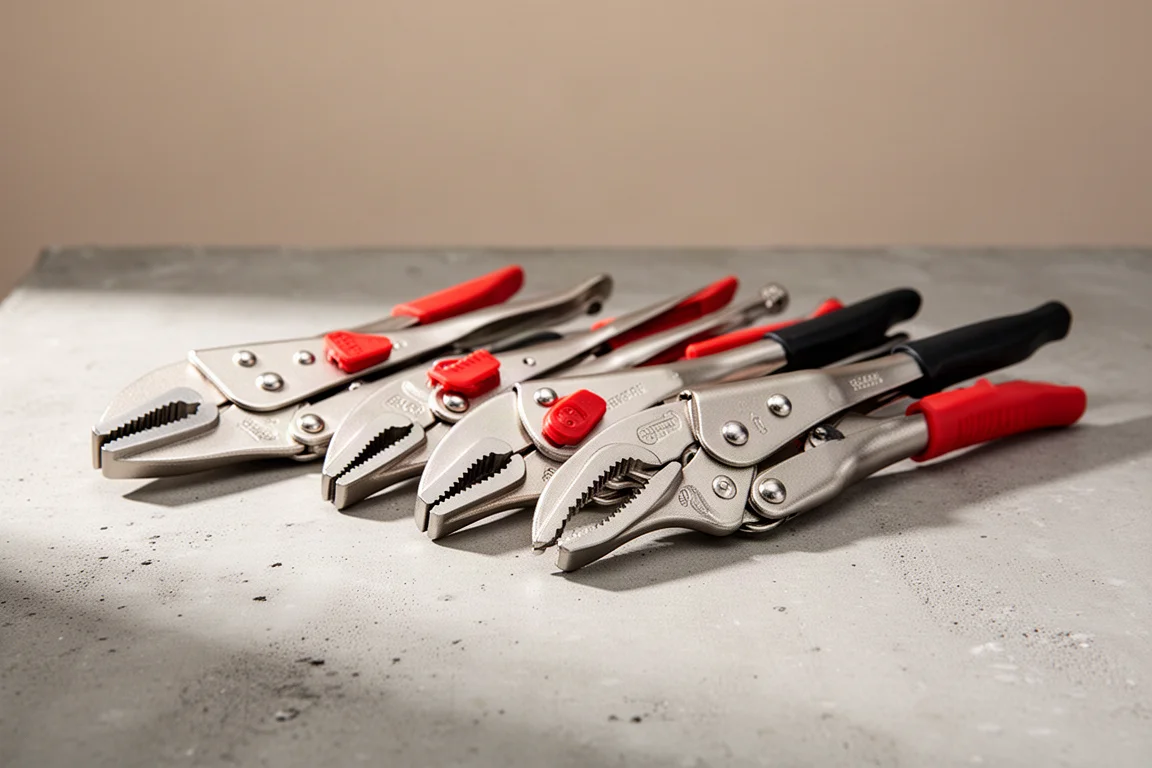
Best Locking Pliers 2026: Top Picks Tested for Grip and Durability
We tested 18 brands of 10-inch locking pliers for grip strength, jaw bite, build quality, and ease of release to find the best options for tough jobs.