Power Tools
Right Angle Drill Showdown: Makita 40V vs 18VX2 vs Milwaukee Super Hog
Three heavy-duty cordless right angle drills go head to head through spade bits, self-feeding bits, and a nearly eight-inch hole saw.
Introduction
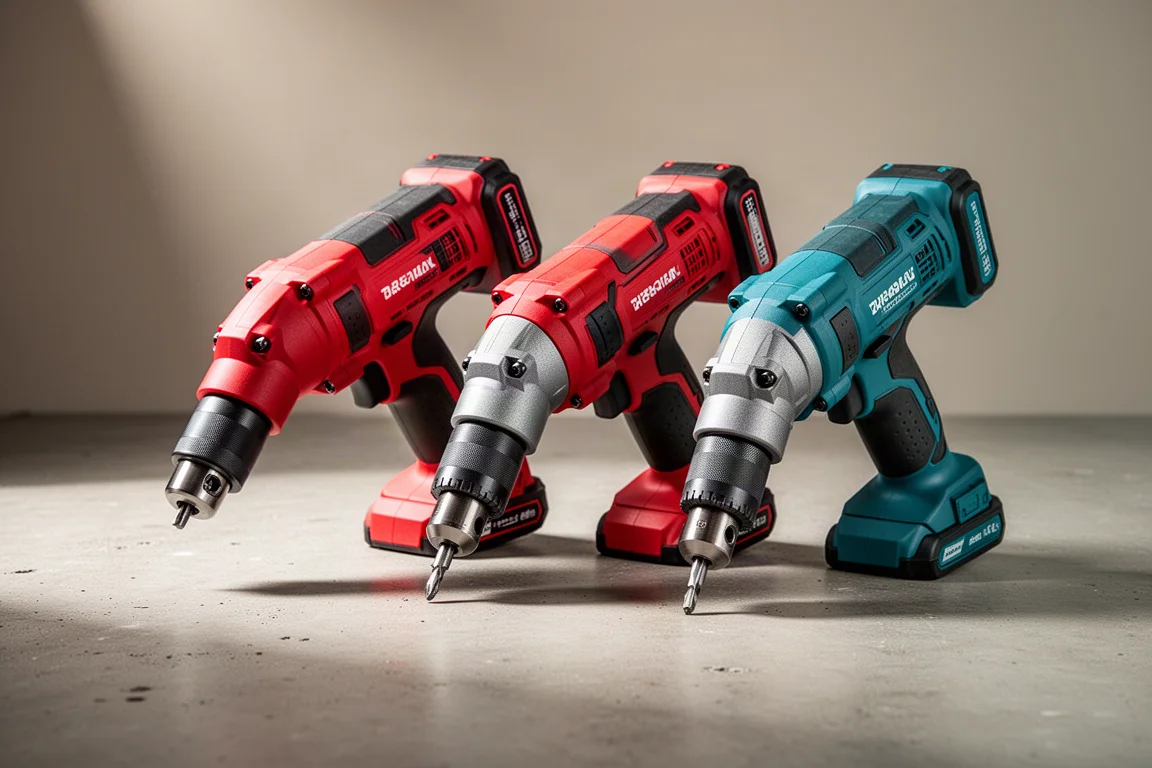
Heavy-duty right angle drills live in a niche of their own. Plumbers and framers use them to bore large, clean holes through studs and joists where a standard drill simply cannot reach or cannot handle the torque. To find out how the current heavyweights actually compare, we put three of them through a practical series of drilling tests: small spade bits, large self-feeding bits, and finally a 190mm hole saw, which is nearly eight inches across.
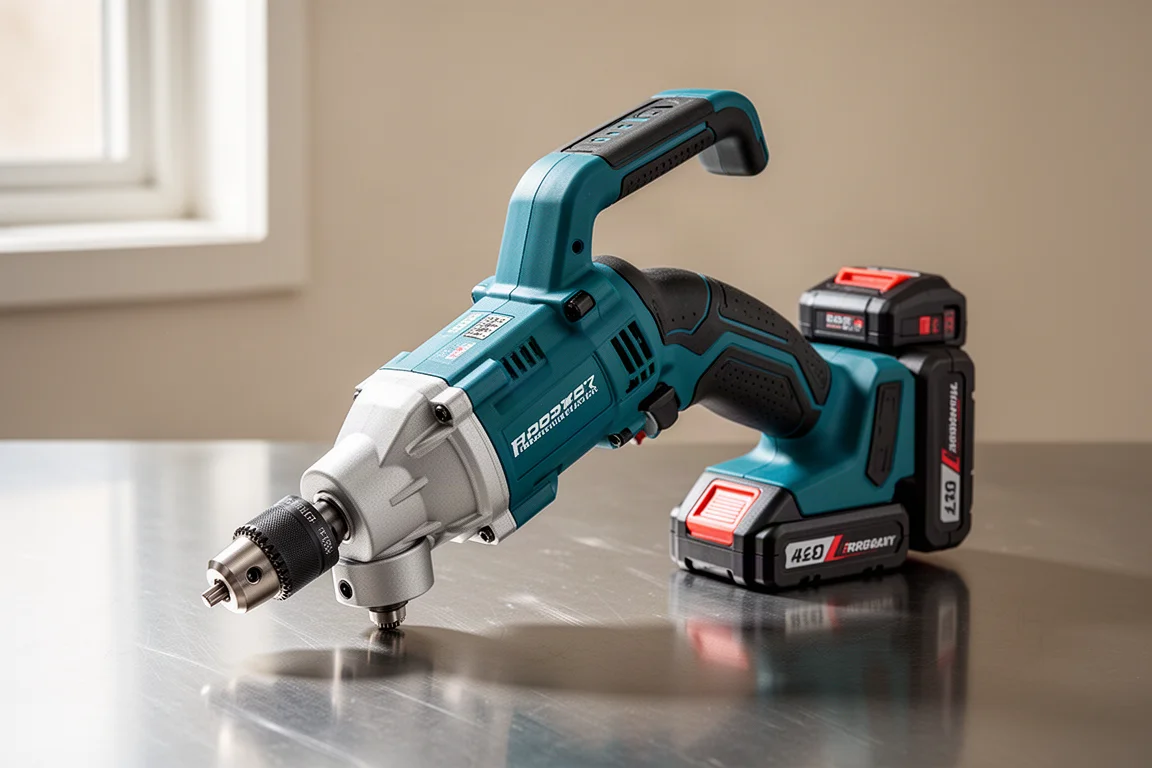
The line-up covers two Makitas and one Milwaukee. The Makita DDA001G is the 40V version, essentially an upgraded take on the 18VX2 platform. The Makita DDA460 runs on two 18V batteries, and the Milwaukee M18 Fuel Super Hog is widely regarded as the industry benchmark in this category. All three are genuine monsters of a drill, and the goal was to see where each one stands.
Design and Handling
All three tools share a sensible common layout: a two-speed gearbox, a keyed chuck, an onboard chuck key holder, a work light, and a top-mounted handle above the drill bit that lets you apply downward force exactly where you are drilling. Each has forward and reverse switches, a variable speed trigger, and a half-inch three-jaw chuck that can accept a side handle on either the left or the right.
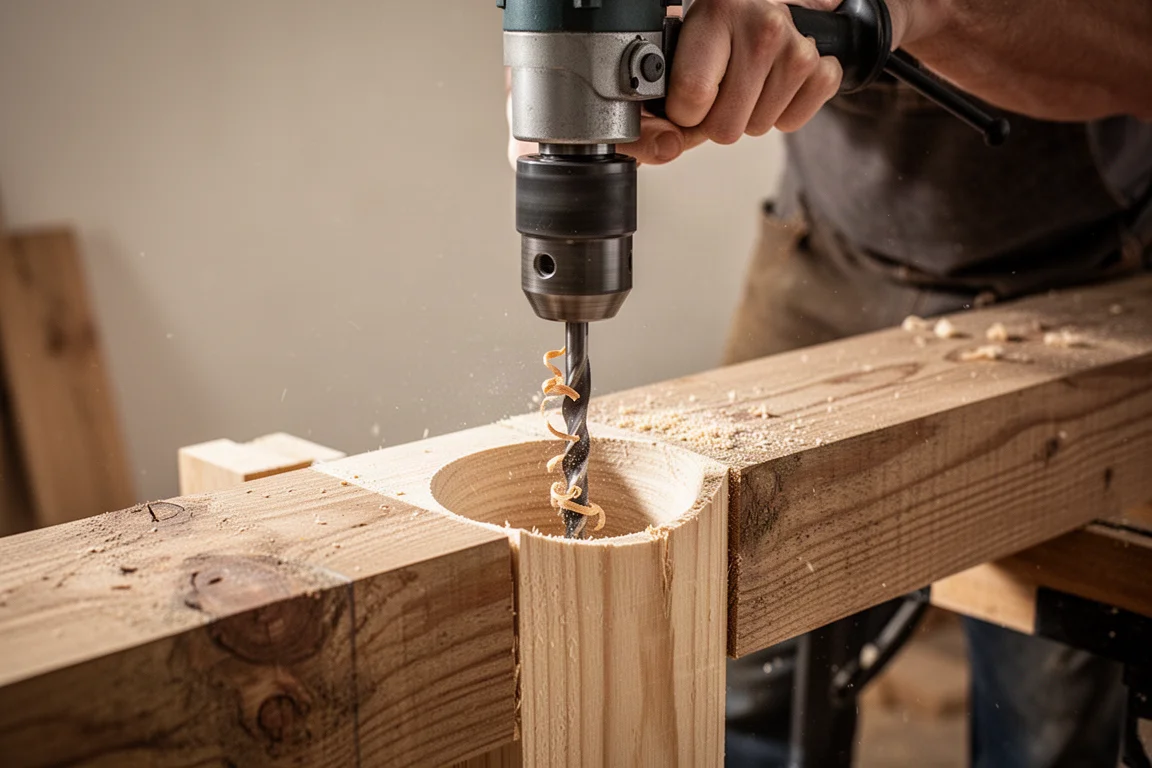
There are meaningful differences in how they are operated. Both Makitas have a movable top handle with detent points, and both require a separate power switch to be turned on before the trigger will work. That extra step is a genuine safety feature when you consider these tools also get used to drive earth augers; the last thing you want is an accidental trigger pull while carrying the drill. The Milwaukee keeps the handle in a fixed position and starts like a standard drill, trigger only.
Low-speed gearing is close across the board at roughly 400, 350, and 500 rpm for the Makita 40V, the Makita 18VX2, and the Milwaukee respectively. Top speeds run 1,500, 1,400, and 1,550 rpm, so the lowest-voltage tool actually spins fastest, though speed alone does not tell the whole story.
The Makita top handles are noticeably wider at around 130mm compared with about 100mm on the Milwaukee, which means the Milwaukee gets into slightly tighter spaces. Both Makitas have locking gear switches that click into place, again tied to their auger capability, while the Milwaukee’s switch can be flicked freely. Each Makita also includes a torque light that signals when the tool shifts gears automatically under load.
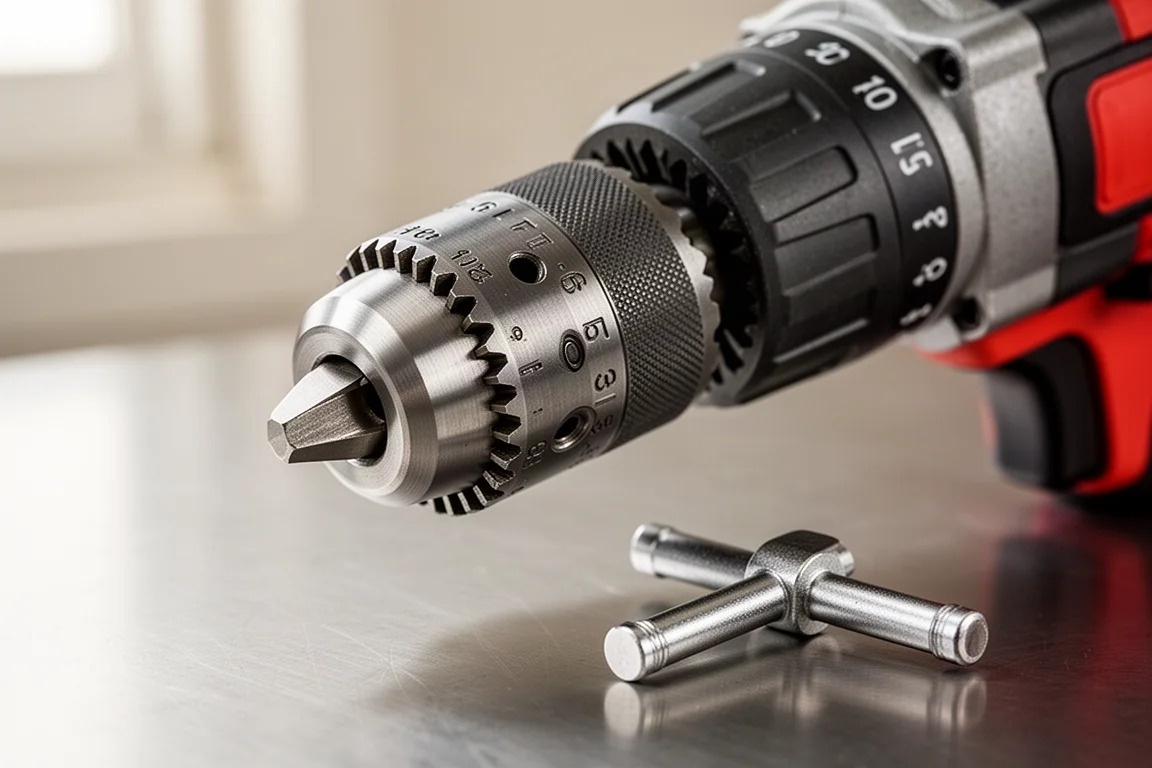
On the chuck question, all three chucks carry identical stamped data and feel the same in the hand. Two are branded Makita and one is branded Jacobs, but they appear to be the same Jacobs chuck with different branding, so chuck quality should not sway your decision.
Makita DDA001G: The 40V Flagship
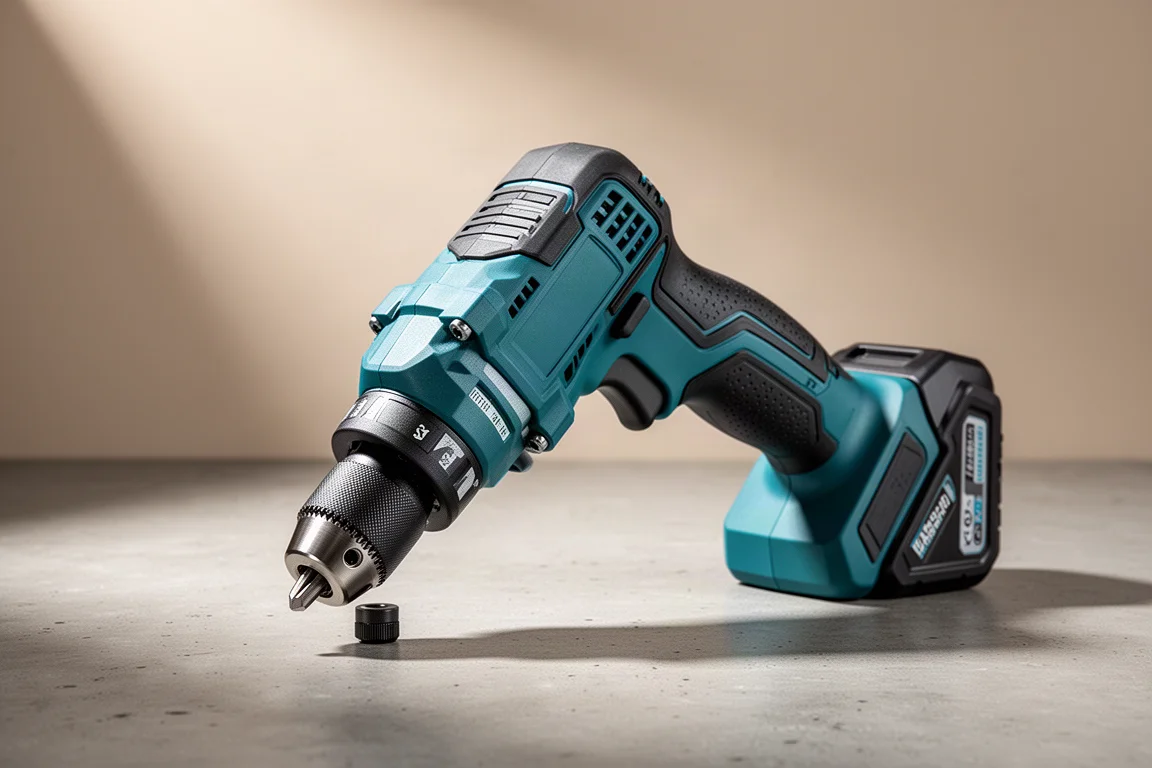
The DDA001G is the most capable of the three in this testing. It is made in Japan, right down to the included allen keys, and the movable handle with detent points makes it the most comfortable of the three to hold under load. Across the tests it consistently edged out the other two, with a bit more torque in the higher gears and a slight overall speed advantage. It is the one we kept using after the tests were done.
Makita DDA460: The 18VX2 Workhorse
The DDA460 was originally released on the 18V LXT platform and later upgraded into the 40V DDA001G, but it remains a seriously capable tool. Running on two 18V 5.0Ah batteries, it behaved almost identically to its 40V sibling in most tests, comfortably handled the large self-feeding bit, and got through the big hole saw in low gear. If you already own LXT batteries, this is the natural choice in the Makita range.
Milwaukee M18 Fuel Super Hog: The Benchmark
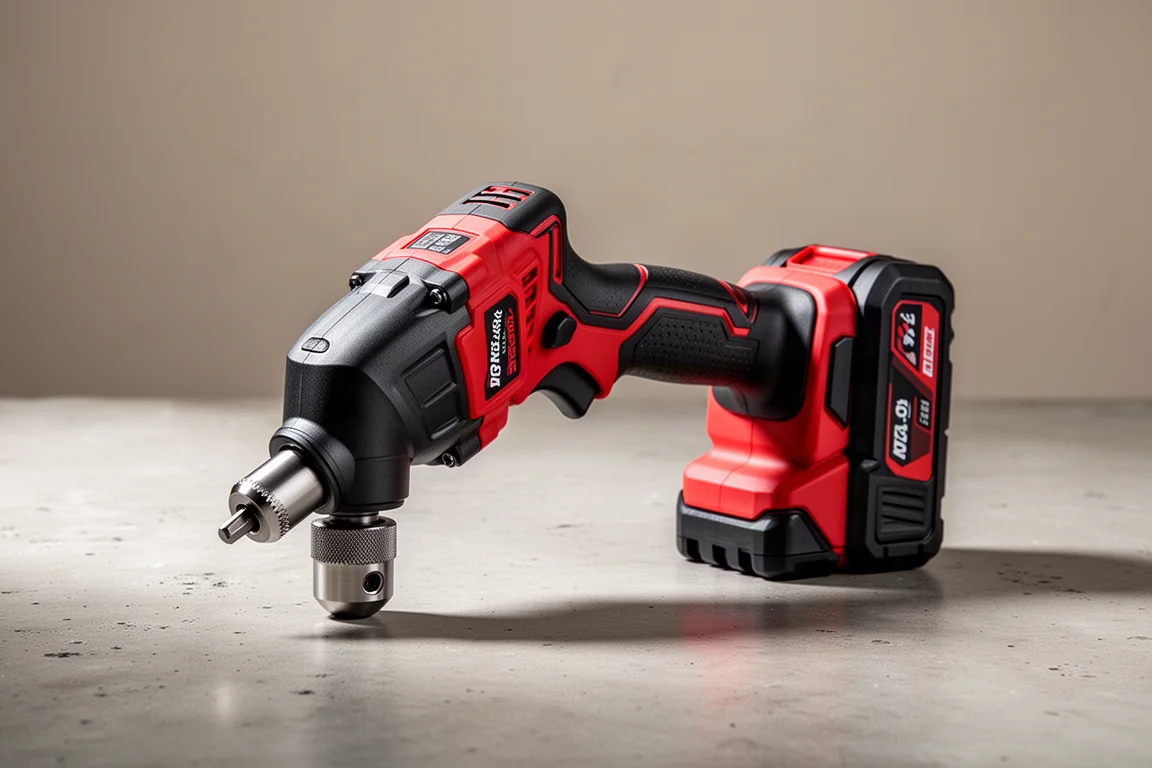
The Super Hog is the drill many people rave about, and it clearly deserves its reputation as an industry leader in this class. It has the highest top speed of the three, the most compact head and handle for tight spaces, and the simplest operation. In the spade bit test it performed on par with both Makitas, and the differences were genuinely hard to feel.
Where it fell short was sustained torque in top gear. In the large self-feeding bit test it bogged down halfway through each hole and cut out on the highest mode, something neither Makita did. On the 190mm hole saw it needed low gear, while the Makitas coped better. It is still an excellent drill, just one that is happiest working within its high-speed limits.
Torture Test: The 190mm Hole Saw
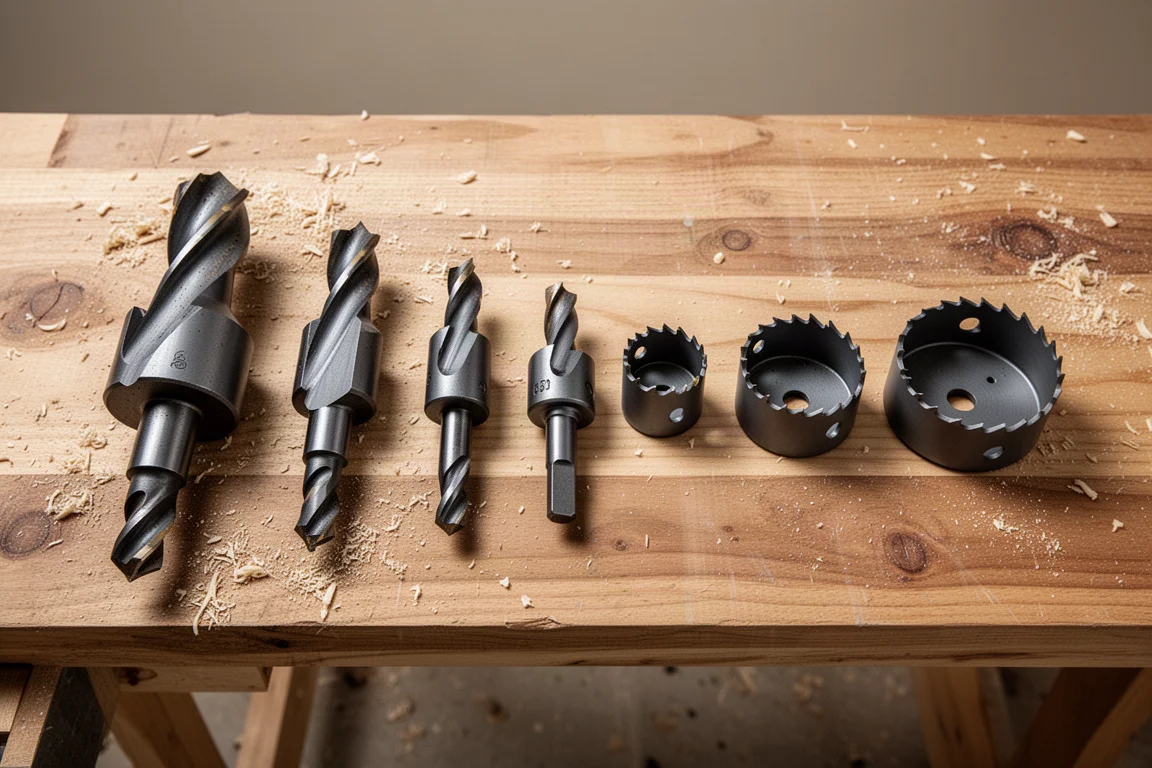
The final test was a 190mm self-feeding hole saw, nearly eight inches across, chosen specifically because it removes a huge amount of timber. Each tool started on top speed just to see if any could manage it. None could, which was expected, so the test moved to low gear.
In low gear all three completed the work. The Makitas showed a bit more muscle in the higher gears throughout the session, while the Milwaukee cut out when pushed in top speed on the bigger bits. Fair enough, it is not really designed for that. It is worth noting that speed comparisons between drilling implements are inherently messy: bits and hole saw teeth clog, and human error creeps in, so back-to-back spade bit runs ended up much closer than single runs suggested.

Overall Buying Advice
When everything is weighed up, the torque ranking is clear: the 40V Makita leads, with the 18VX2 close behind and the Super Hog third when top-gear grunt matters. But in real use they are all really good drills and feel fairly similar on most tasks. If price and ecosystem are equal, the 40V Makita is the better tool, though not by a great margin. If you already own Milwaukee 18V batteries, the Super Hog is the obvious pick. If you are invested in LXT, the DDA460 makes the most sense. Higher-voltage tools are also generally less prone to overheating, though none of the three showed heat issues in short bursts of a few holes at a time.
Conclusion
All three right angle drills handled everyday stud and joist drilling without complaint, and any of them would serve a plumber or framer well. The Makita DDA001G stands out for top-gear torque and handling, the DDA460 offers nearly the same performance for LXT users, and the Milwaukee Super Hog wins on compactness, simplicity, and speed, provided you respect its limits in the highest gears.
Further reading
Related Reviews
Power Tools
Best 1-Inch Pistol Impact Wrenches: Three Heavy-Duty Options Compared
We compare three 1-inch pistol impact wrenches, from a budget-friendly Harbor Freight model to a premium Caterpillar unit, to help you choose the right one.
Power Tools
Best 3/4-Inch Impact Wrenches 2026: Five Contenders Compared
We compare five 3/4-inch impact wrenches across price and performance, from a budget Amazon option to Snap-on's most powerful model yet.
Power Tools
Best Budget Cordless Tools 2026: Walmart Finds That Punch Above Their Price
We tested five cordless tools from Walmart, including a high-torque impact wrench that trades blows with Milwaukee and a $35 duster that outperforms its price class.