Gravel Bikes
Ridley RSS Aero Gravel Prototype Review: A New Balance for Aero Gravel
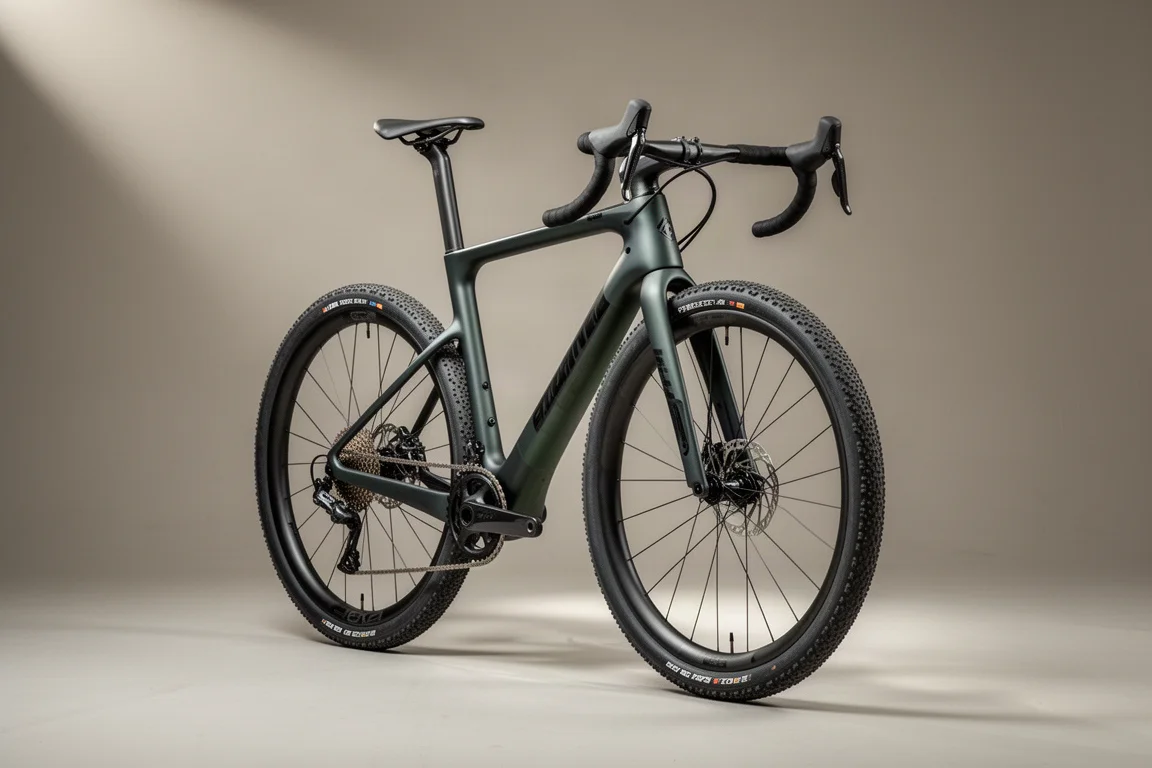
The Ridley RSS aero gravel prototype pairs wind-tunnel speed with 58 mm tire clearance, progressive geometry, and confident handling on rough Belgian terrain.
Introduction
Aero gravel has been a hard sell for riders who have watched race bikes chase wind-tunnel numbers at the expense of tire clearance, comfort, and composure on rough ground. The Ridley RSS aero gravel prototype argues that this trade-off was never inevitable. First seen at this year’s Tracker event, where it was widely misidentified as a bike called the RS2, the machine is actually the work of RSS, which stands for Ridley Speed Shop, the Belgian brand’s special projects department.
Ridley has not confirmed a name for the bike, but the lineage is easy to read: this looks like a successor to 2020’s Kanzo Fast, aimed squarely at all-out aerodynamic performance combined with genuine gravel handling. Where Ridley’s other gravel models chase aggressive terrain or a lightweight-performance balance, this one takes the opposite starting point and builds terrain capability back in.

A day of riding on prime Belgian gravel roads, woodland singletrack, and classic cobbles was enough to make the case. The prototype feels as fast as any gravel race bike it can be compared with, stays comfortable over distance, and, most importantly, handles tough terrain with confidence.
Who This Bike Is For
The RSS prototype is aimed at gravel racers and fast-paced riders who want aerodynamic speed without accepting the compromises that defined the first wave of aero gravel bikes. That earlier generation leaned so heavily on aerodynamics that it delivered limited tire clearance, no concessions to comfort, and generally poor handling.
This bike is also relevant to a group that aero race machines rarely serve well: winter gravel riders. The prototype carries proper mudguard eyelets front and rear, and the lead engineer on the project has run a prototype mule with full-length metal guards and 50 mm tires. If that feature survives to production, it makes the bike a far more practical year-round proposition than a pure race frame.
It is not positioned as a bikepacking or adventure platform, and it is not a bike for riders who want suspension to correct line-choice errors on choppy technical descents. It rewards a rider who reads terrain early and picks a line.
Main Strengths
The headline strength is that the aero work does not come at the cost of ride quality. The frame feels impressively stiff and responds keenly to out-of-the-saddle sprint efforts, yet the large-volume tires swallow up vibration and buzz as effectively as plenty of gravel suspension forks that have been tested. Only a big pothole, a sharp-edged rock, or a substantial root reaches the comfort limit.
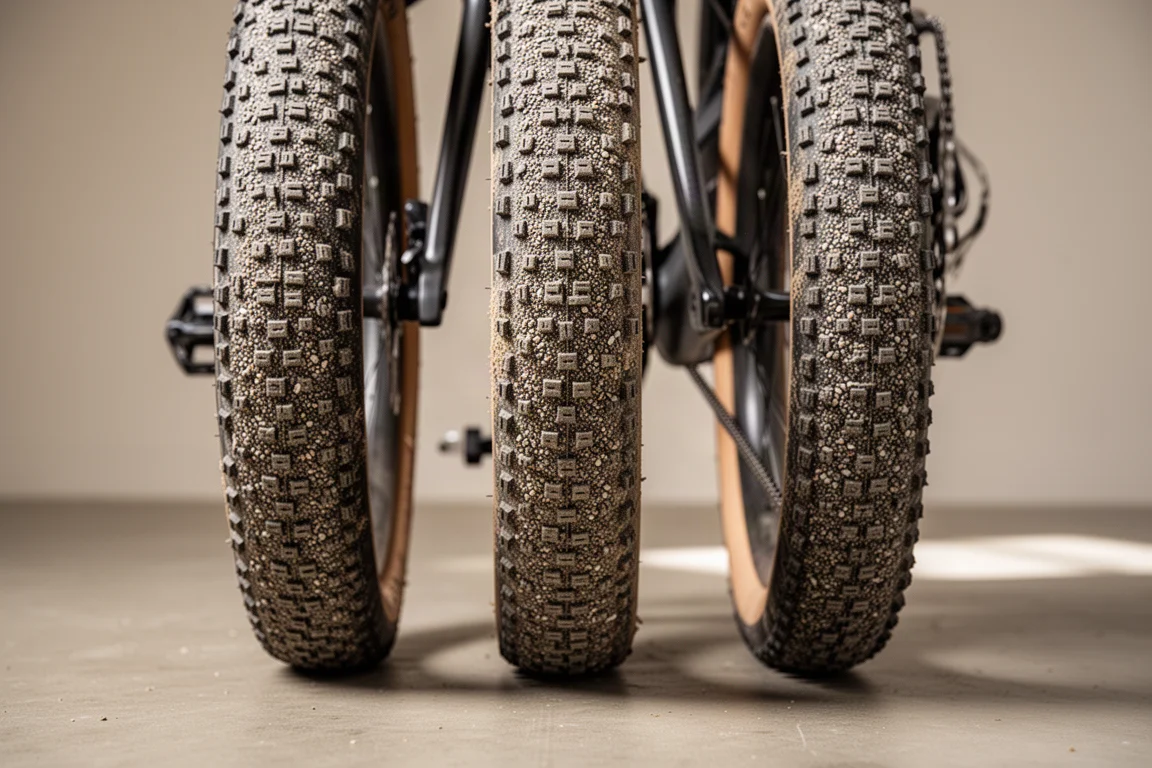
The huge tire clearance of up to 58 mm is central to that. On paper the numbers are already wide, and in person the frame looks as though it could take even more. That volume is what allows the bike to run low-profile tread at high width, which is why the setup stays fast on tarmac while providing bags of grip on dry, dusty back roads and singletrack.
Perhaps the most important strength is balance. The steering response is quick without becoming nervous or twitchy over rocky surfaces, and the bike feels far more settled on rough terrain than the original aero gravel race bikes. It is confidence-inspiring to push speed on descents and take the more aggressive line through corners.
The geometry contributes to that composure. The more progressive riding position gives the sensation of sitting in the bike rather than perched on top of it, and it makes it easy to stay down in the drops for longer without feeling cramped.
Design and Geometry Details
Aerodynamic development is a serious in-house effort here. Ridley’s Speed Shop has its own CFD department and a state-of-the-art wind tunnel, and the influence of the Noah Fast 3.0 road bike is clearly visible in the shaping. Aero performance is going to be a core part of any design coming out of that department.
The geometry is where the prototype departs most from convention. The design brief called for a longer reach, a taller stack, and a much steeper seat angle. The reasoning is that bike geometry has barely changed in decades, while the technology and the understanding of biometrics have moved on considerably. Riders are increasingly running zero-offset posts or pushing saddles as far forward on the rails as they will go, and the steeper seat angle is intended to put riders in an optimal position for power transfer.
Increasing the top tube length then allows those reach figures to be achieved without resorting to excessive stem lengths, which can badly affect handling. The steeper seat angle also frees up space for greater tire clearance without stretching the chainstays, and the prototype runs just 425 mm stays. That short rear end is what gives the bike its sense of flickability.
Practical details are unusually well considered for a race prototype. There are mudguard eyelets front and rear, and generous downtube storage holds twin bags in a port positioned below the bottle cage bosses. That placement is deliberate: it moves the storage cover away from the bottle mounts, a decision informed by reports of covers developing rattles over time when bottles are mounted directly on top of them.
Things To Consider Before Buying
The cockpit was the least convincing part of the build. The Forza Nimbus Pro one-piece bar, as used on Ridley’s Aura RS gravel bikes, measures 36 cm at the hoods and flares to roughly 40 cm in the drops. The aero benefit and the narrow-bar fashion are both understandable, but a bar this narrow is not for everyone, and on gravel it is a genuine consideration rather than a footnote.
Because this is a prototype, the specification should be treated as provisional. The wheels fitted were the Forza Cirrus, a new and unreleased design from Ridley’s wheel and component stablemate, with what appears to be its own hub set, carbon spokes, and a new wide aero-profile carbon rim. Production models may differ.
Finally, there is no suspension here. Big-volume tires handle an impressive amount of chatter, but they reach their limit on potholes, sharp-edged rocks, and large roots. On choppy technical descents that means being slightly more careful with line choice, where a suspension fork can bail a rider out of errors a little more forgivingly.

None of these are reasons to dismiss the bike. They are simply the points to weigh against what the design does well, particularly for riders who spend most of their time on rough, technical terrain.
Ride Impressions
On the short stretch of smooth tarmac before the trails, the prototype felt impressively swift. The Schwalbe G1 RS Pros in a 55 mm width buzz noticeably on the road with a low-profile tread, yet give up barely anything compared with a large-volume slick. The frame felt stiff and answered out-of-the-saddle efforts in kind.
As soon as the route turned onto trails, the bike felt immediately right. It is responsive and agile, and the short back end gives it a sense of flickability that encourages hunting out roots, ruts, and rises just to launch off. The steering is quick but stays composed over rock, and the forward seating position makes longer stretches in the drops comfortable rather than cramped.
Grip from the tires was plentiful on dry Belgian back roads and woodland perimeter tracks. The overall impression is of a huge leap forward from the first generation of gravel racers, and on this evidence it sits with the best of the new generation of rapid off-roaders.
Buying Advice
A projected launch date of September means production models are the sensible target rather than a prototype evaluation. The most useful thing a prospective buyer can do is wait to see what actually ships, and then check how closely the production frame follows the prototype’s tire clearance, mudguard eyelets, and downtube storage, since those are the details that make the bike usable beyond race day.
Cockpit choice matters more than usual here. Ridley’s online configurator would ideally offer plenty of handlebar options, because the narrow one-piece bar is the one part of the package that will divide riders, especially those who spend their time on loose gravel. Riders who know they prefer a wider hood position should plan for that swap from the outset.
For anyone who has been waiting for an aero gravel bike that does not punish its owner on rough ground, this is a genuinely promising sign of what the next generation looks like.
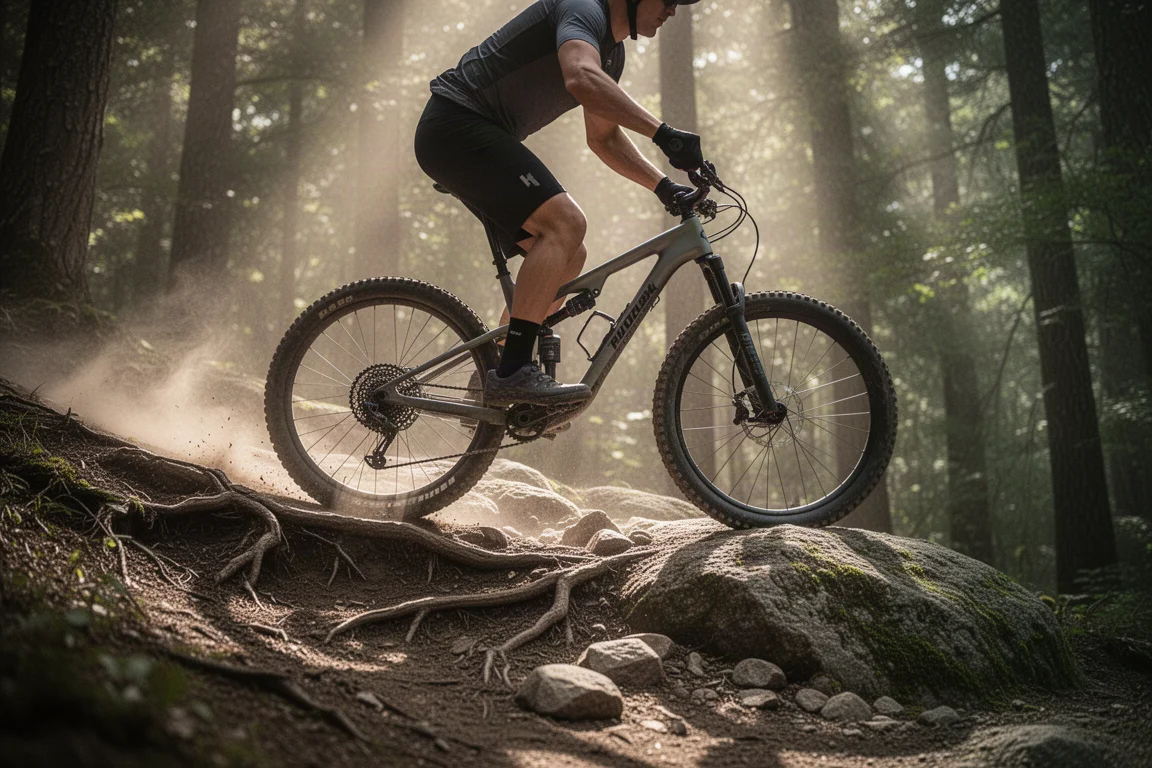
Given how well the prototype balances speed, comfort, and confident handling, the production version is worth keeping on the shortlist for riders shopping at the fast end of the gravel market.
Conclusion
The Ridley RSS aero gravel prototype makes a persuasive argument that aerodynamic gravel bikes do not have to be one-dimensional. It is as fast-feeling as any gravel race bike, comfortable over long distances, and confident across demanding terrain, with tire clearance, mudguard mounts, and thoughtful storage adding real-world value.
The caveats are honest ones: a prototype specification, a narrow cockpit that will not suit everyone, and the absence of suspension on the toughest descents. If the production bike carries the prototype’s geometry and practicality through to launch, it deserves serious consideration from fast gravel riders who want speed without giving up capability.
Product link
View more details for Ridley RSS Aero Gravel Prototype
This product is mentioned in the review. Check the specifications, options, and compatibility before buying.
View more details for Ridley RSS Aero Gravel PrototypeFurther reading
Related Reviews
Gravel Bikes
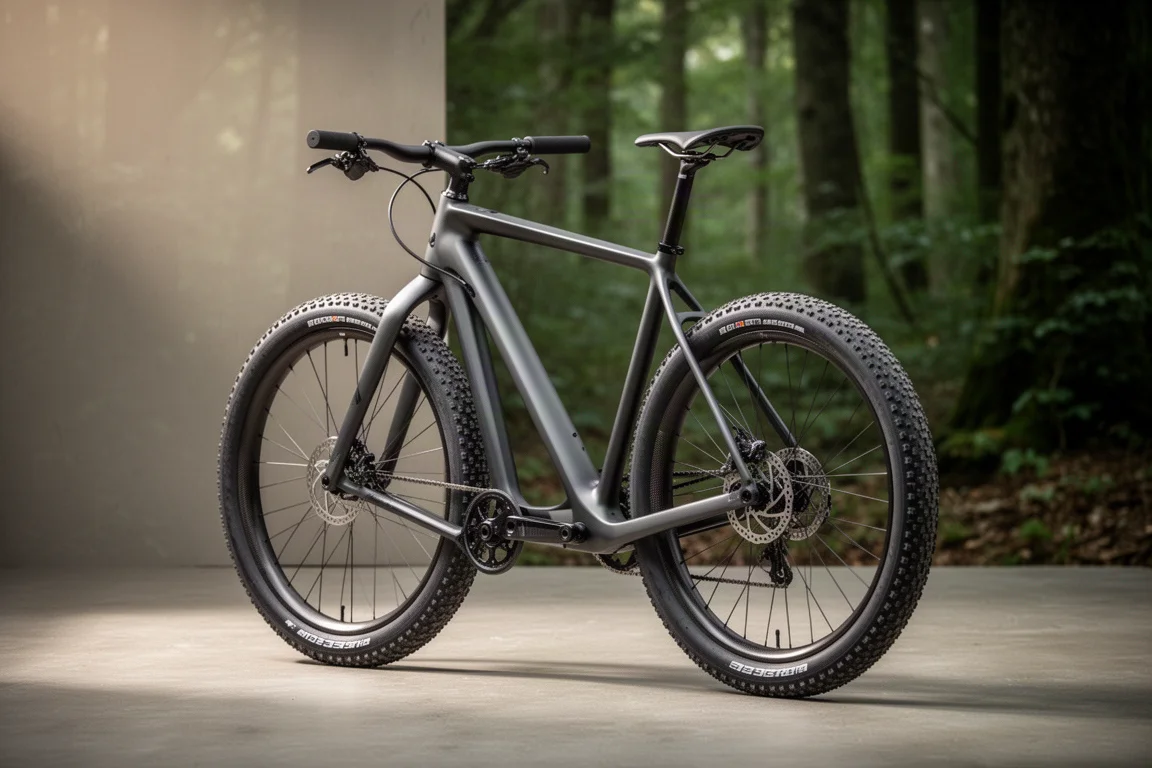
3T Exploro Ultra Review: A Fast Gravel Bike Built for Big Tyres
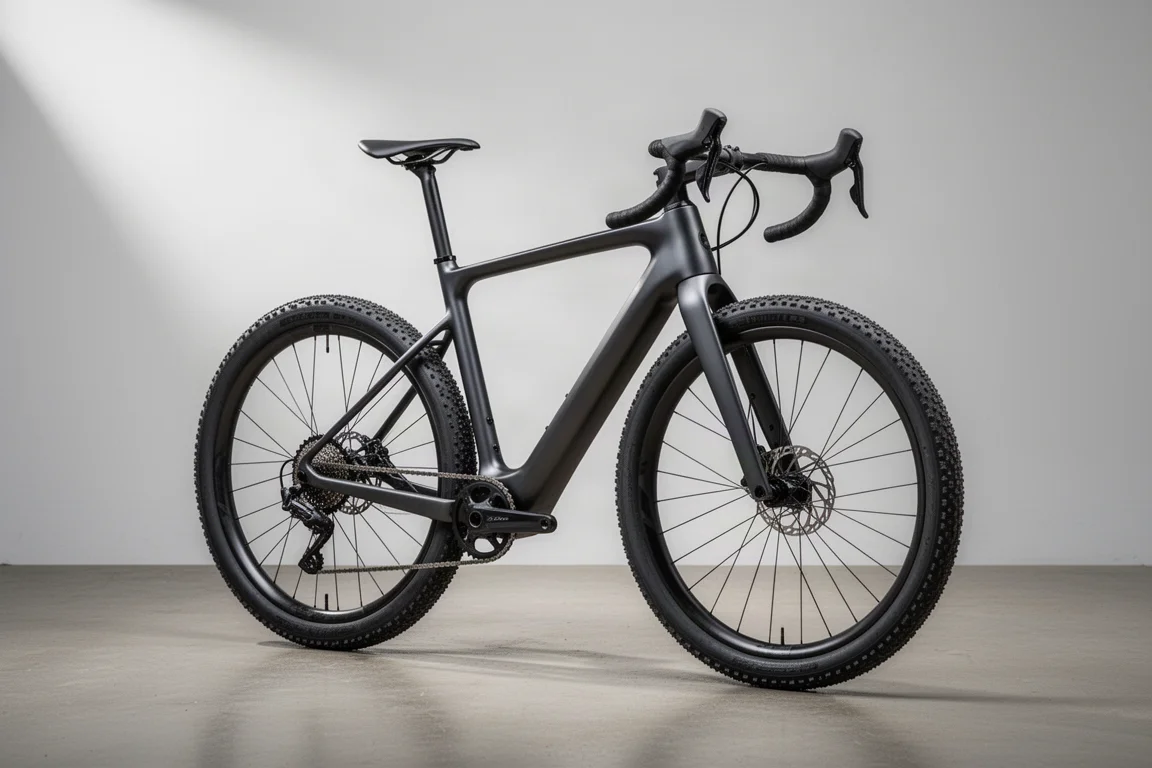
A close look at the 3T Exploro Ultra, an aero carbon gravel bike designed around wide tyres, with road-like handling, a 980 g frame and genuine rough-terrain capability.
Gravel Bikes
3T Extrema Italia Review: Aero Gravel Speed With Room for 57 mm Tires
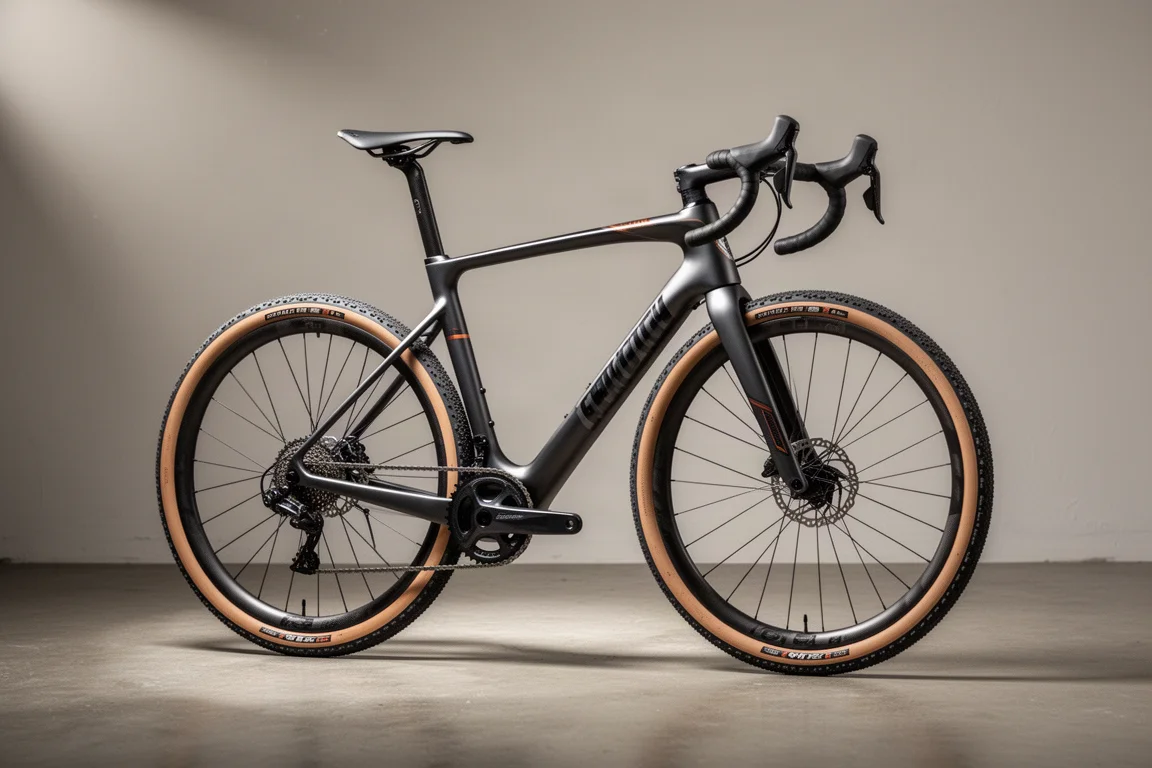
The 3T Extrema Italia pairs an aero frame with huge tire clearance, Italian-made carbon and a more comfortable ride than the RaceMax. Here is what to know before buying.
Gravel Bikes
3T Race Max 2 Italia Review: An Aero Gravel Race Bike Made in Italy
A closer look at the second-generation 3T Race Max 2 Italia, covering its aero updates, ride character, tire clearance, internal storage and who it suits.